
Learning & Creative · 10 min read
Holiday counter allocation: minimize squared tray loads
Move one fictional counter from a larger tray load to a smaller one and prove which eleven-counter allocations minimize the squared-load score.
Read guide →From choosing everyday essentials to understanding how crypto checkout works, our guides explain the details in plain language. Compare options, plan purchases, and find practical answers before you check out.
Explore the latest guidesUnderstand supported payments and what happens at checkout.
Learn what to compare when choosing between similar products.
Get direct answers without unnecessary jargon or hype.
Fresh perspectives
New articles about products, payments, and thoughtful online shopping.
Showing 721–744 of 3086 guides
Move one fictional counter from a larger tray load to a smaller one and prove which eleven-counter allocations minimize the squared-load score.
Read guide →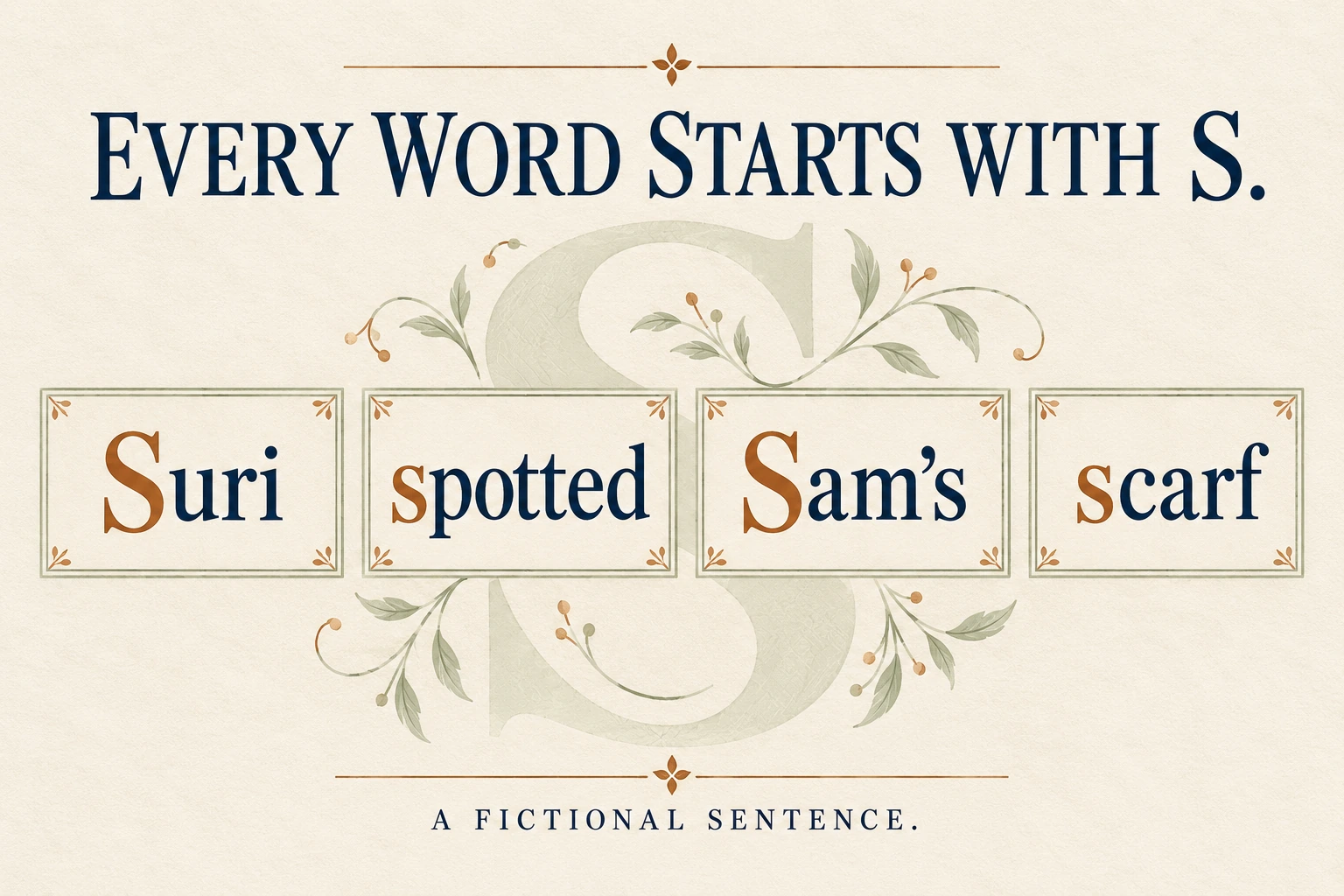
A fictional Suri and Sam scarf scene uses only words beginning with S. Check every token, repair an internal the and keep spelling compliance separate from the scene you choose.
Read guide →
Find the minimum total distance in a fictional holiday line model by pairing the outer coordinates and checking the middle.
Read guide →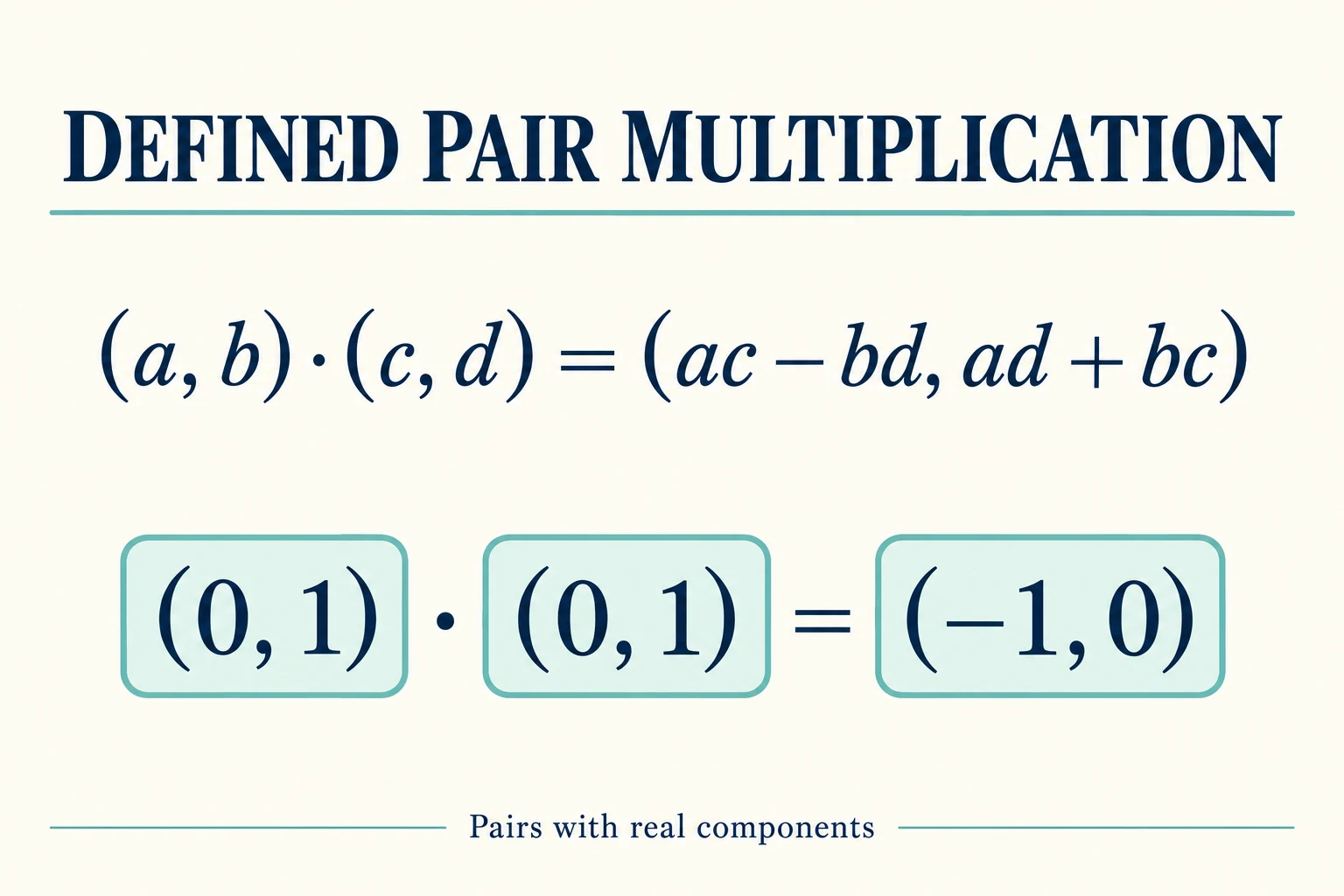
An explicit ordered-pair arithmetic model separates real scalars from a chosen imaginary unit, with a worked product and a universal sum-of-squares identity.
Read guide →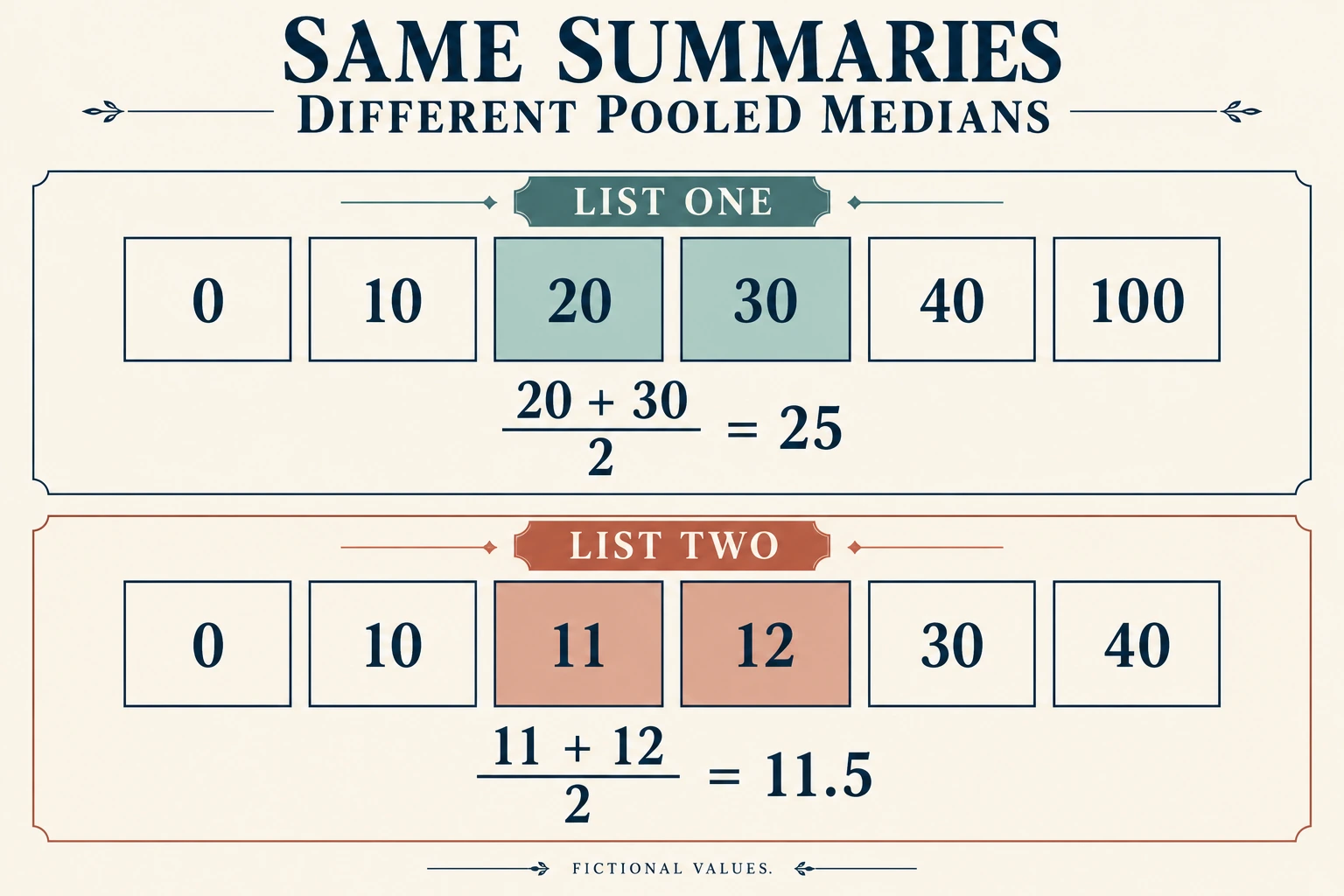
Two groups of three keep medians 10 and 30, yet two consistent pooled lists have medians 25 and 11.5. The counterexample identifies the missing central-rank information.
Read guide →
Repair a stated integer search by retaining its known true midpoint, then verify its bracket invariant and termination.
Read guide →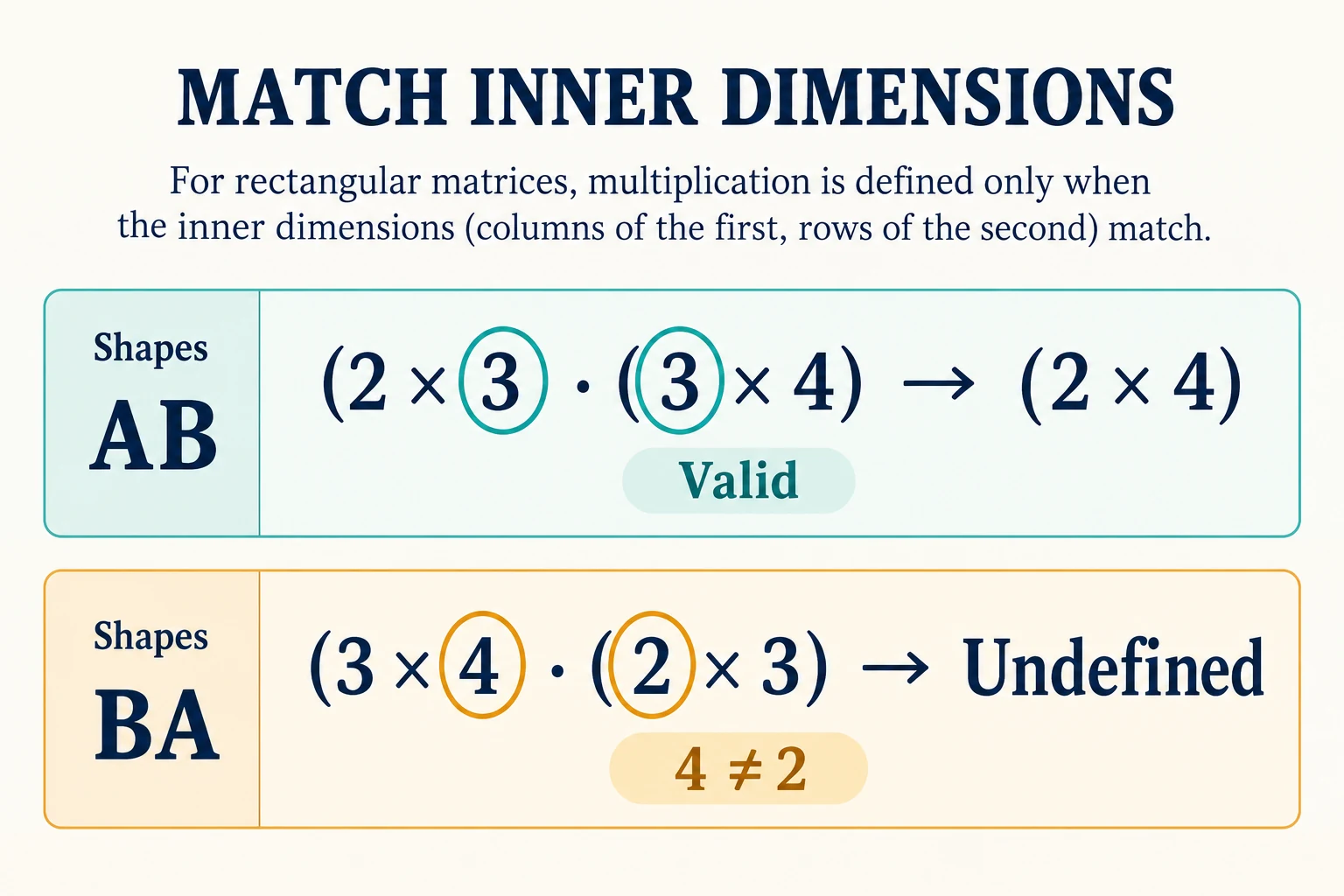
Two explicit rectangular arrays separate the dimension check from entry calculation, with an undefined reverse order and a clearly changed-operand control.
Read guide →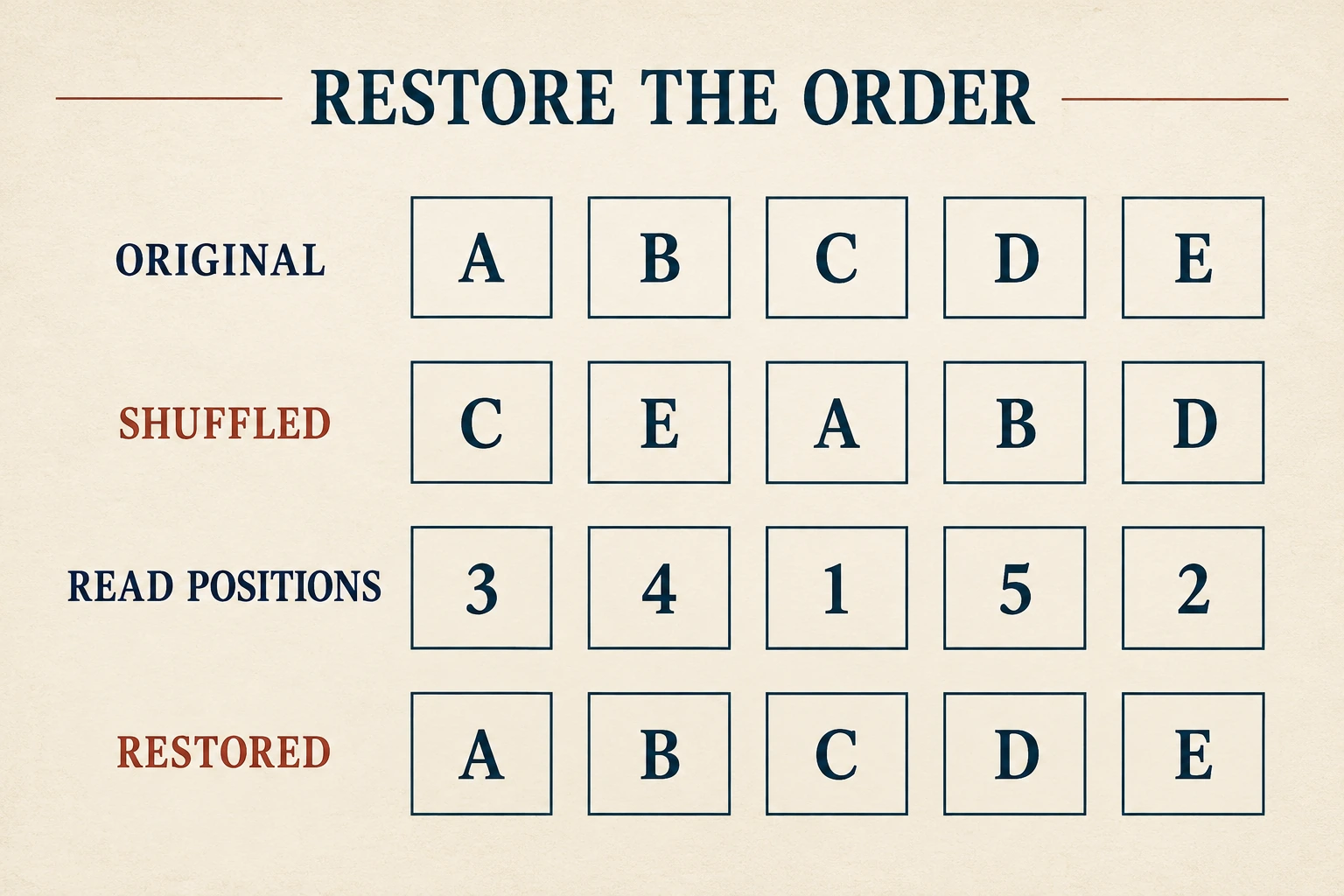
A read-from list sends A B C D E to C E A B D. Locate each original index to build the inverse list 3,4,1,5,2, then verify every restored position.
Read guide →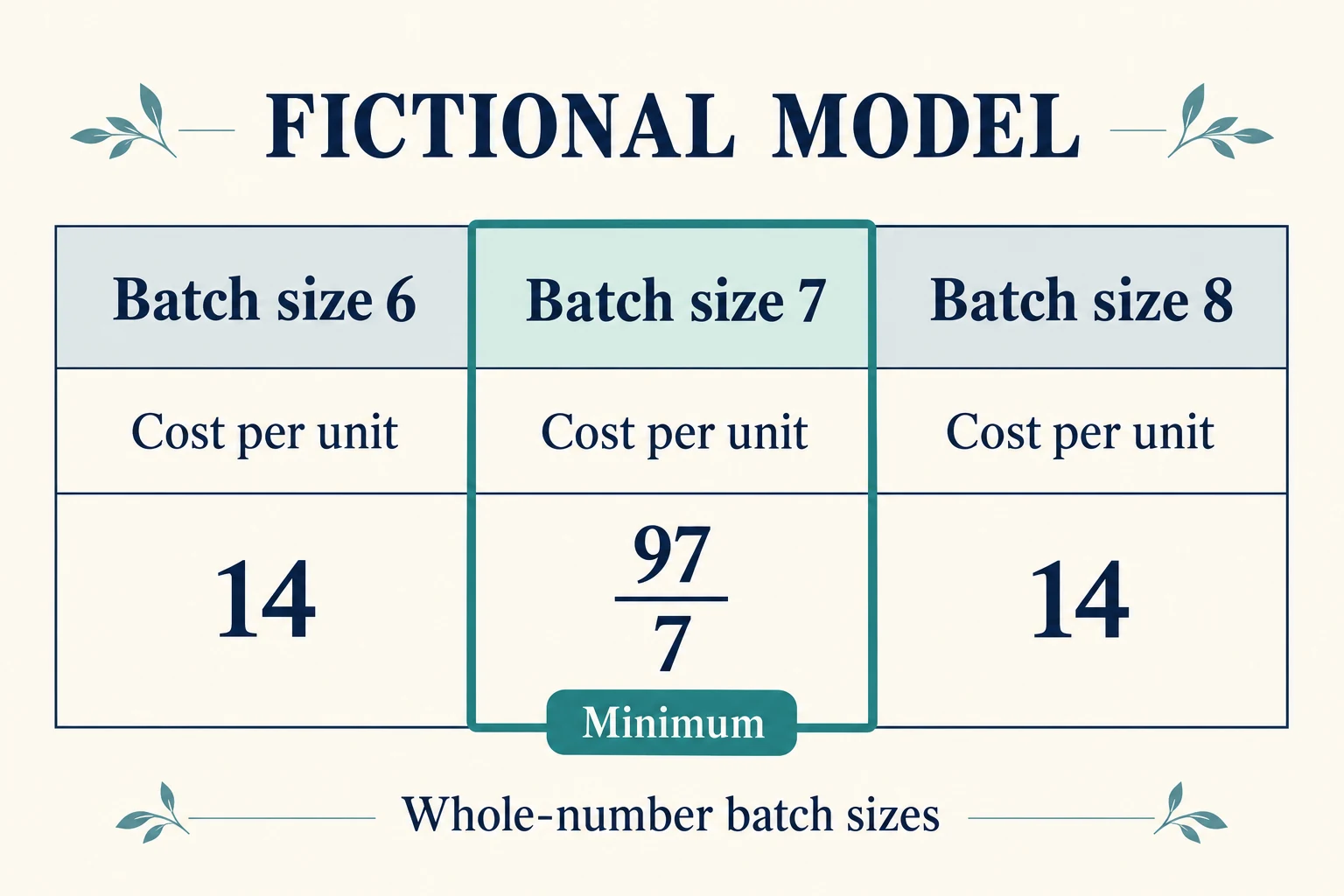
A stipulated per-unit batch cost uses opposing terms and adjacent differences to prove a unique integer minimum, with a separate changed-input tie control.
Read guide →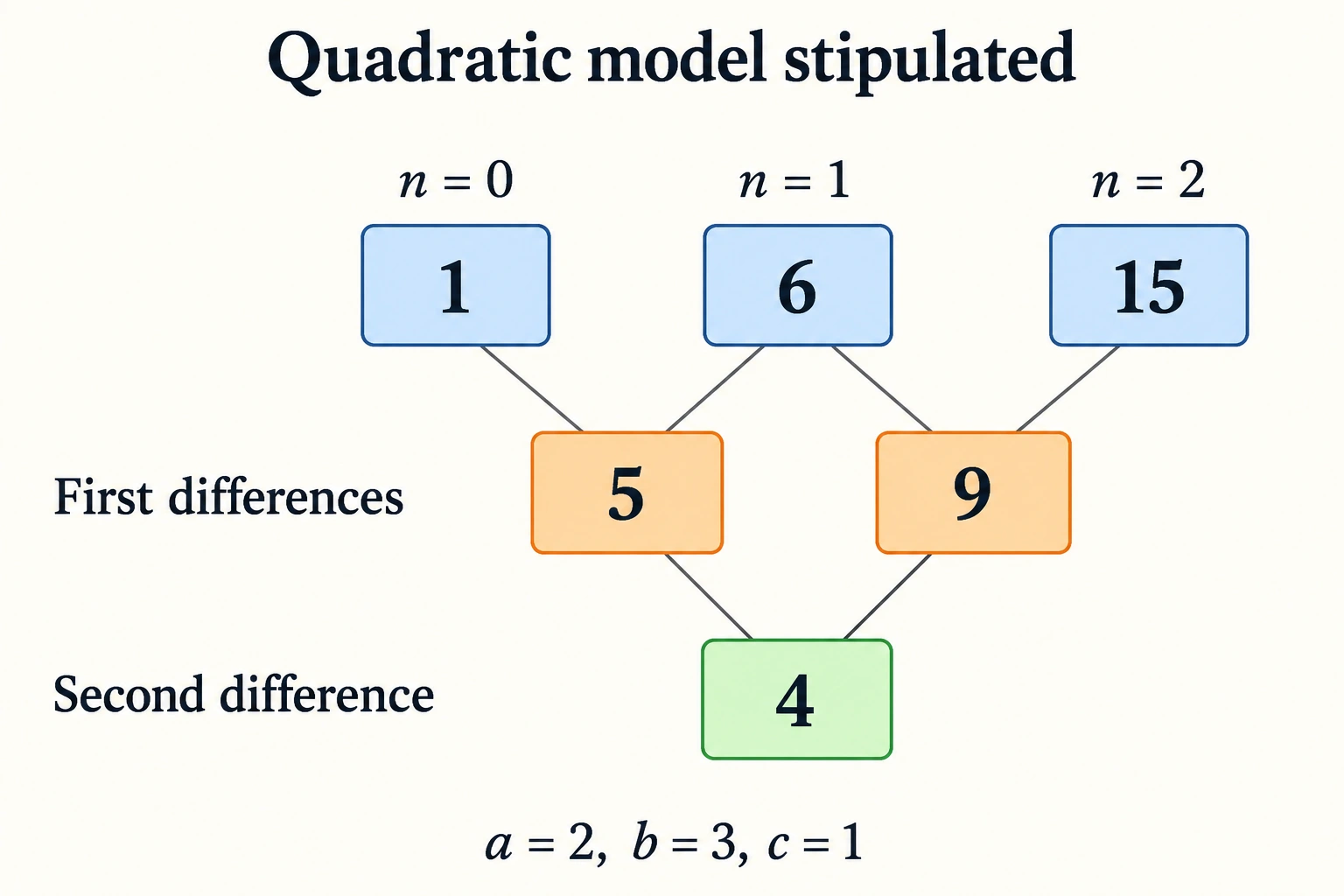
An original unit-spaced worksheet reconstructs a quadratic from three stipulated values, derives its coefficients through second differences and checks class consistency.
Read guide →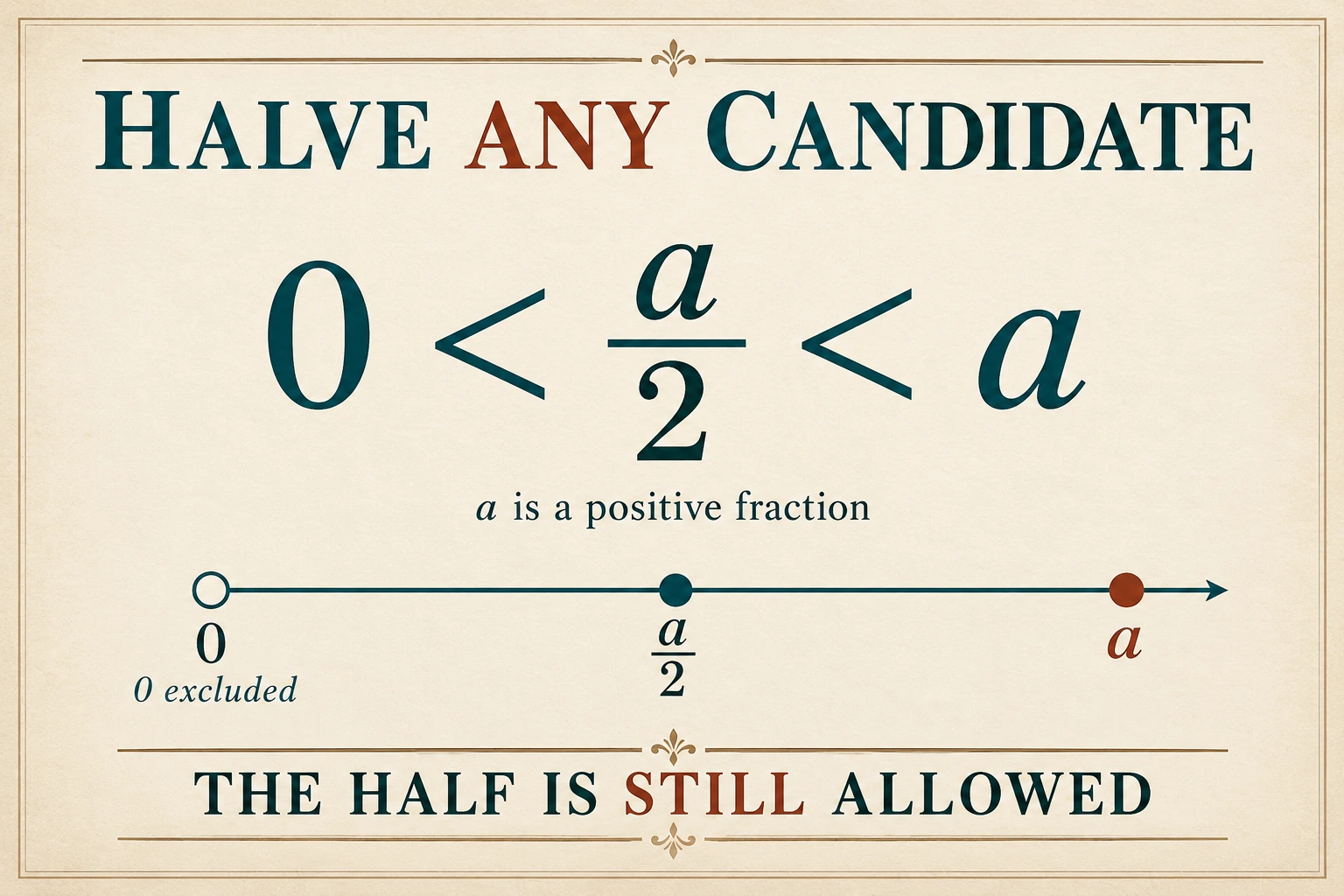
Every positive rational candidate has a smaller positive rational half. Zero is a lower bound outside the set; finite lists and the positive integers show why the domain matters.
Read guide →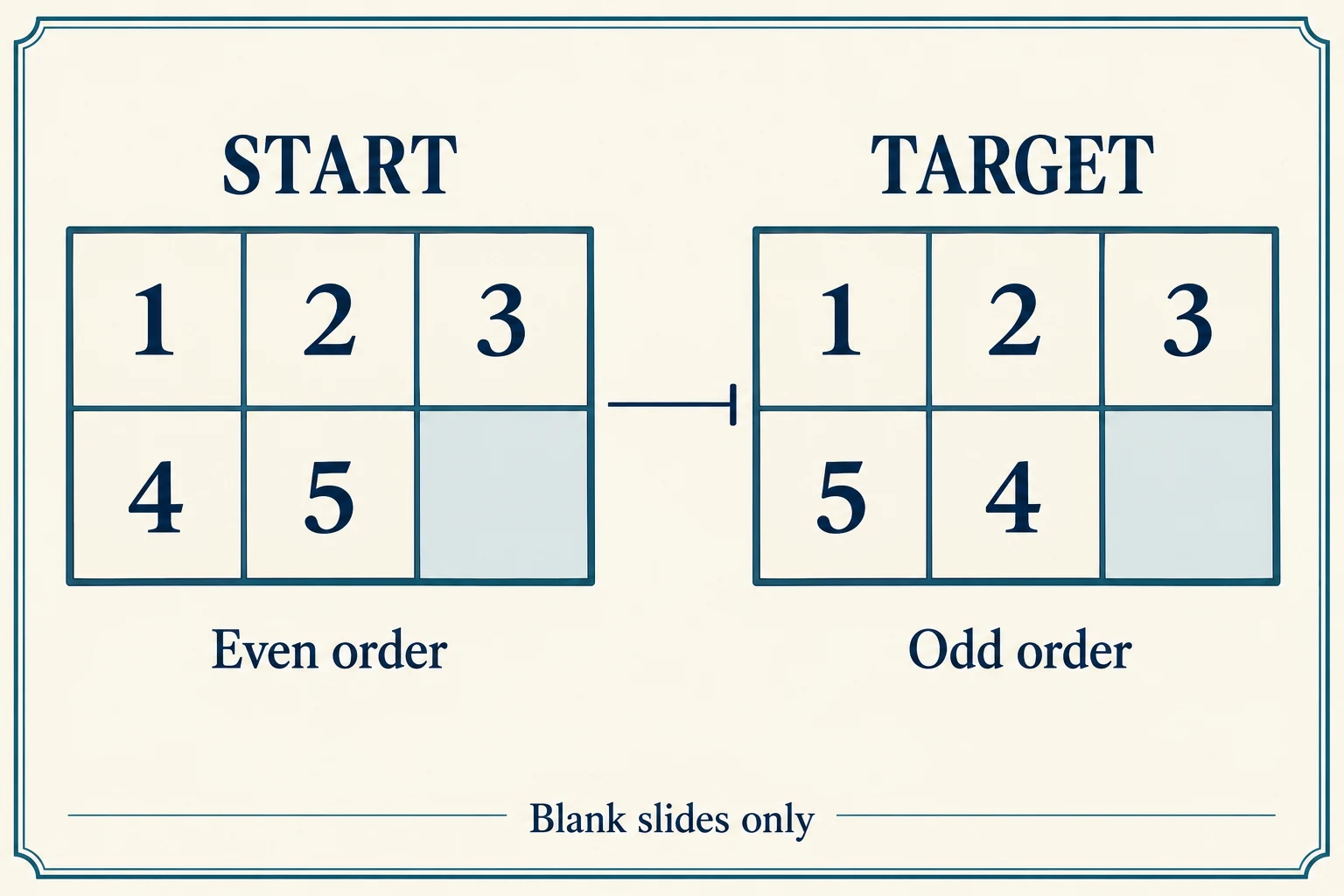
A defined two-by-three blank-slide model uses numbered-tile inversion parity to reject one unreachable target and a legal route to verify another.
Read guide →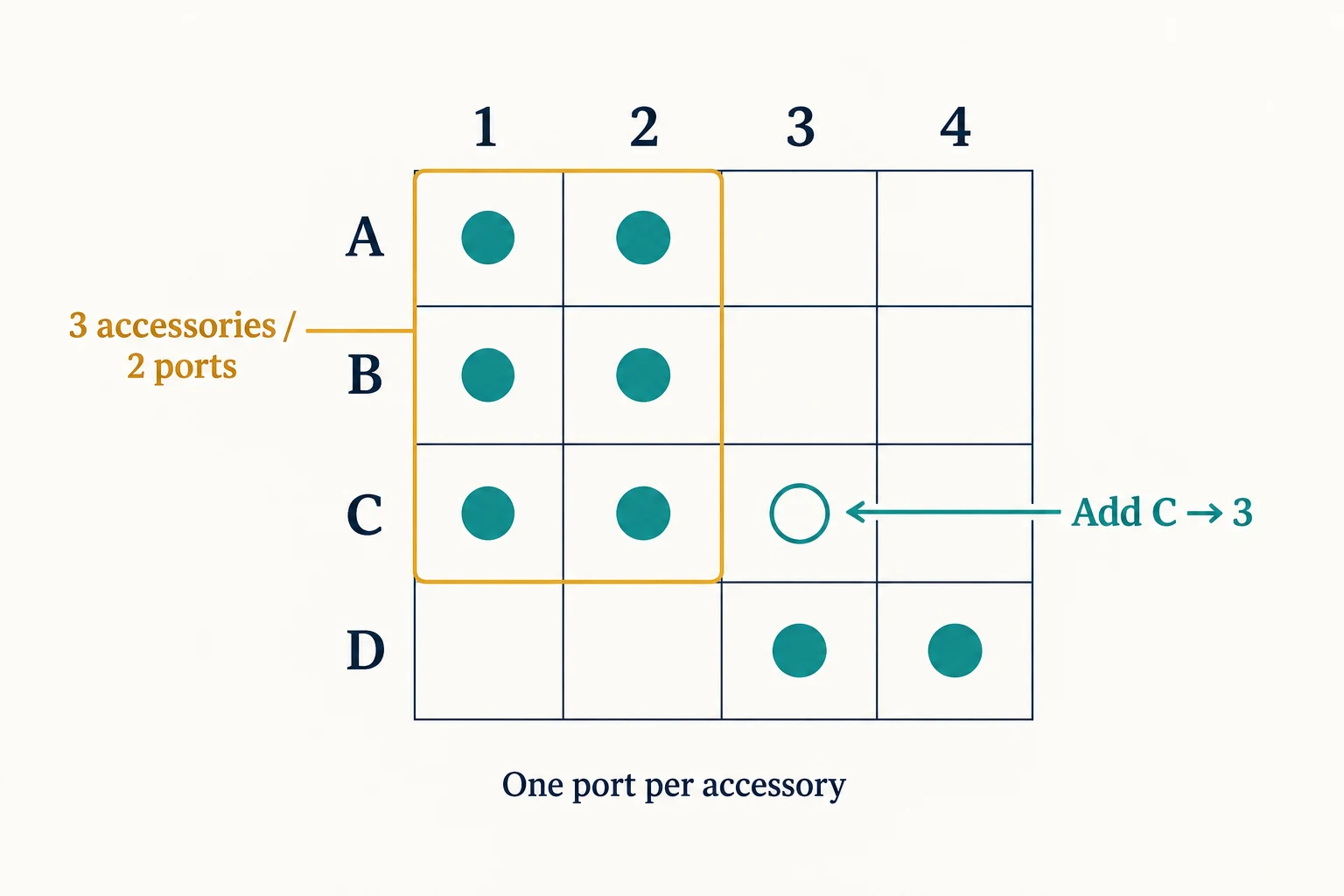
A fully specified paper compatibility model separates individual choices from simultaneous assignment, using a shared-choice obstruction and a verified repair witness.
Read guide →
An original two-voice kitchen scene keeps an agreed departure unchanged. A cup question has a clear literal referent while emotional interpretations remain possible, without a narrator confirming one.
Read guide →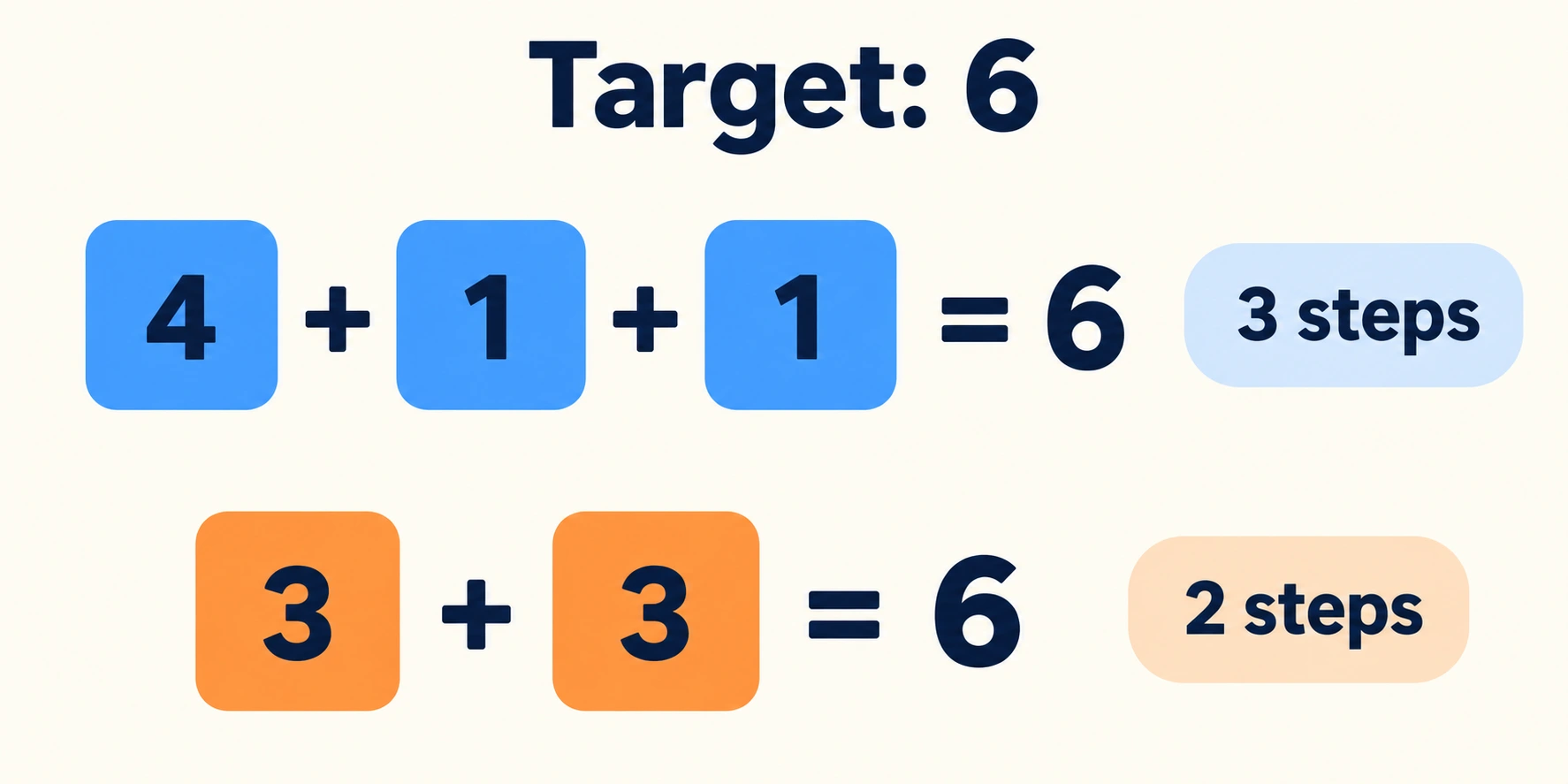
An original unit-cost move model reaches six in two steps of three, while a largest-first choice needs three steps. A last-move table proves the minimum.
Read guide →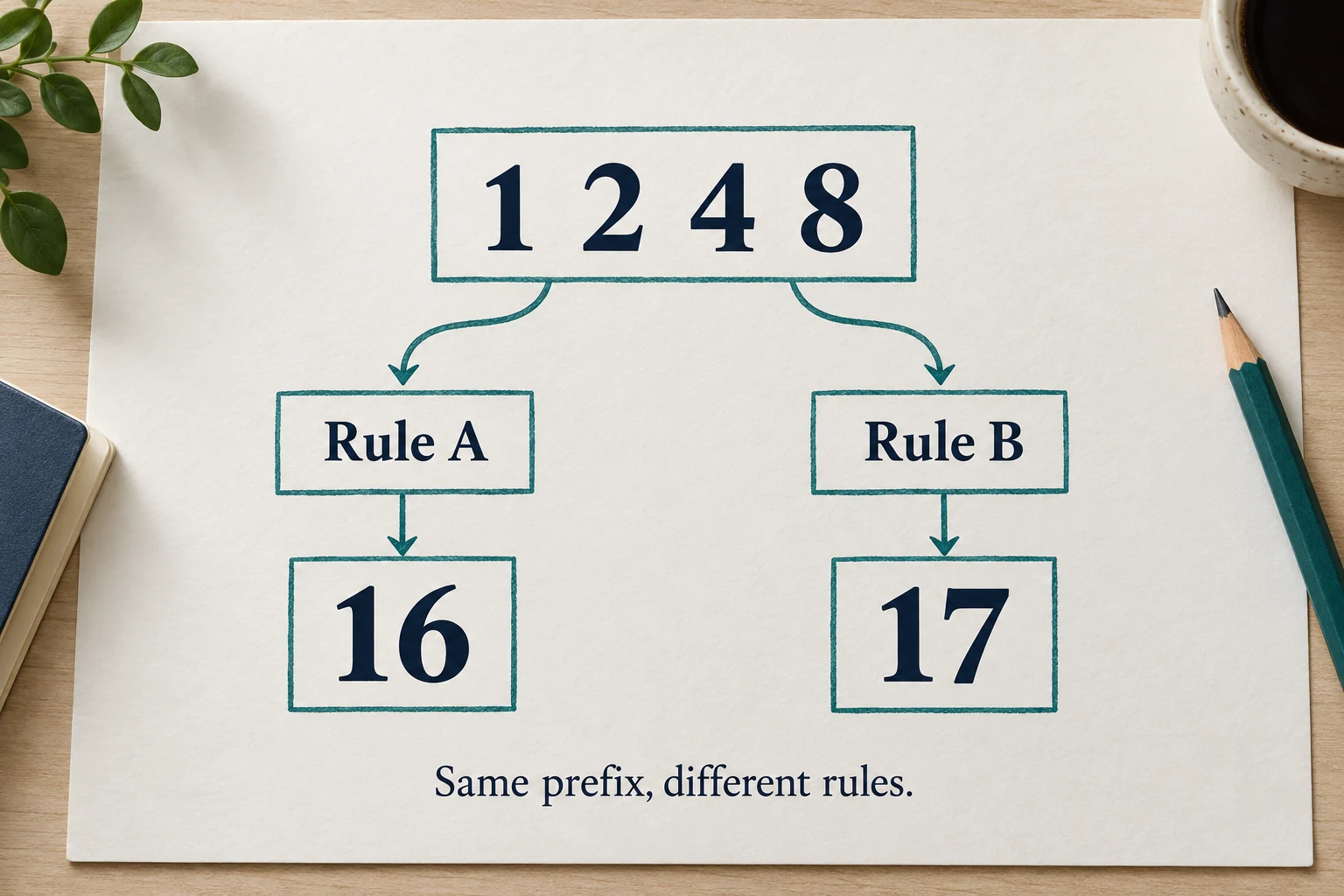
A fictional prefix diagnosis uses two explicit positive-integer sequences to separate an arithmetic error from a missing generation rule.
Read guide →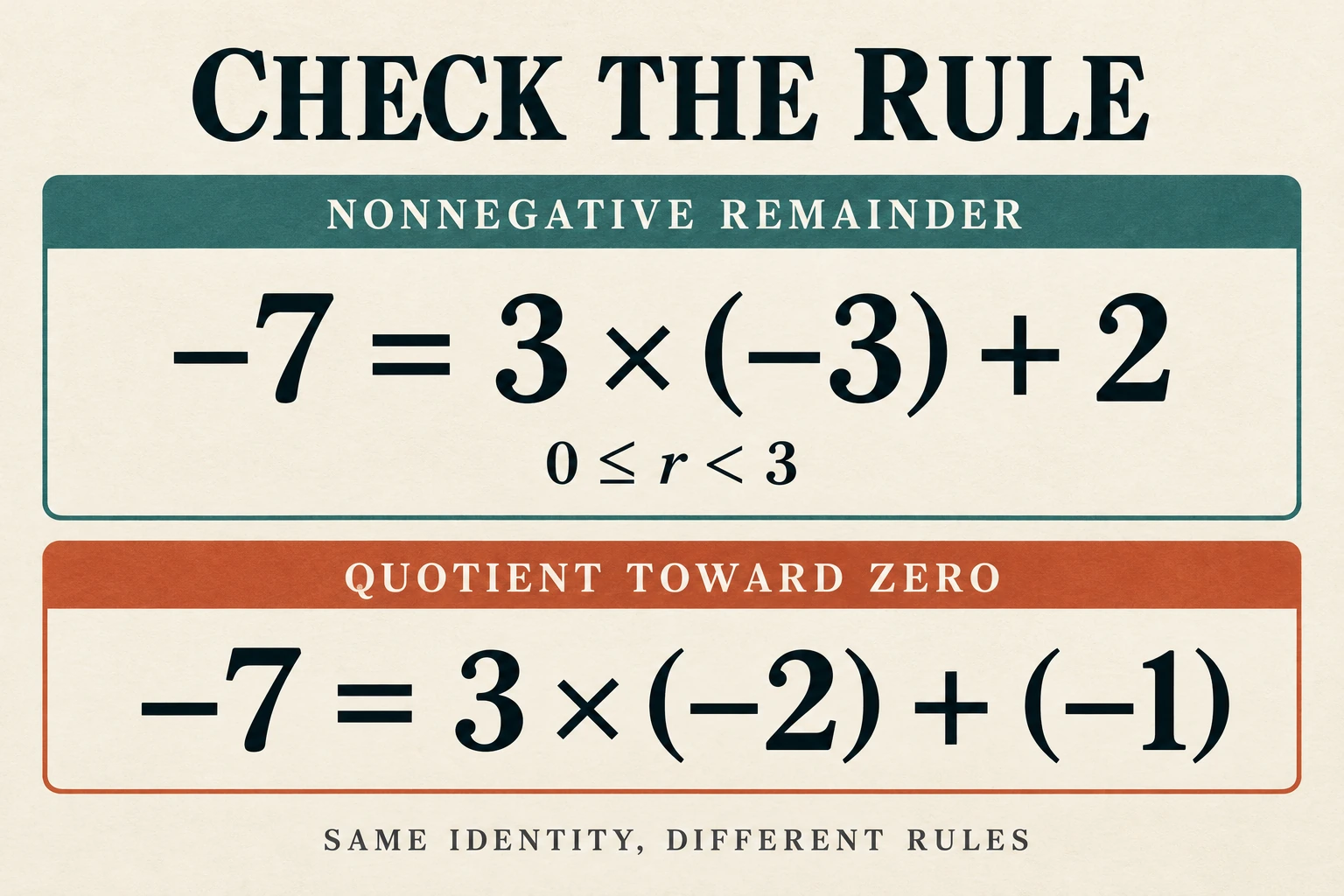
Two quotient conventions give different valid decompositions of minus seven by positive three. Identify the required remainder range, adjust the pair together and check controls.
Read guide →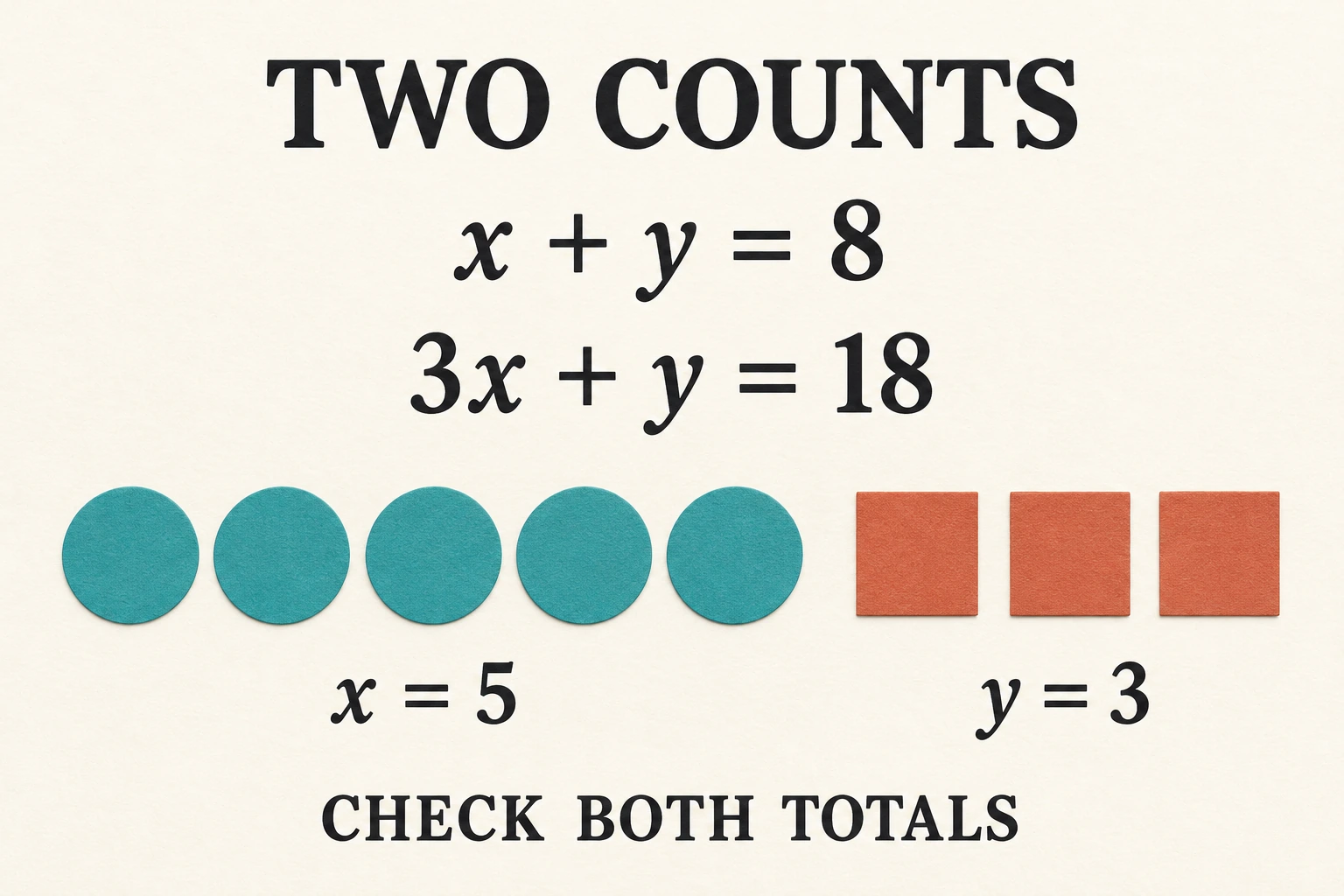
Nine pairs satisfy one eight-item total. A scaled copy retains every pair, while an independent weighted total identifies five and three; a changed odd total has no integer answer.
Read guide →
An original holiday task-card exercise counts assignments that give every helper at least one distinct task, using a two-one-one split and an independent exclusion check.
Read guide →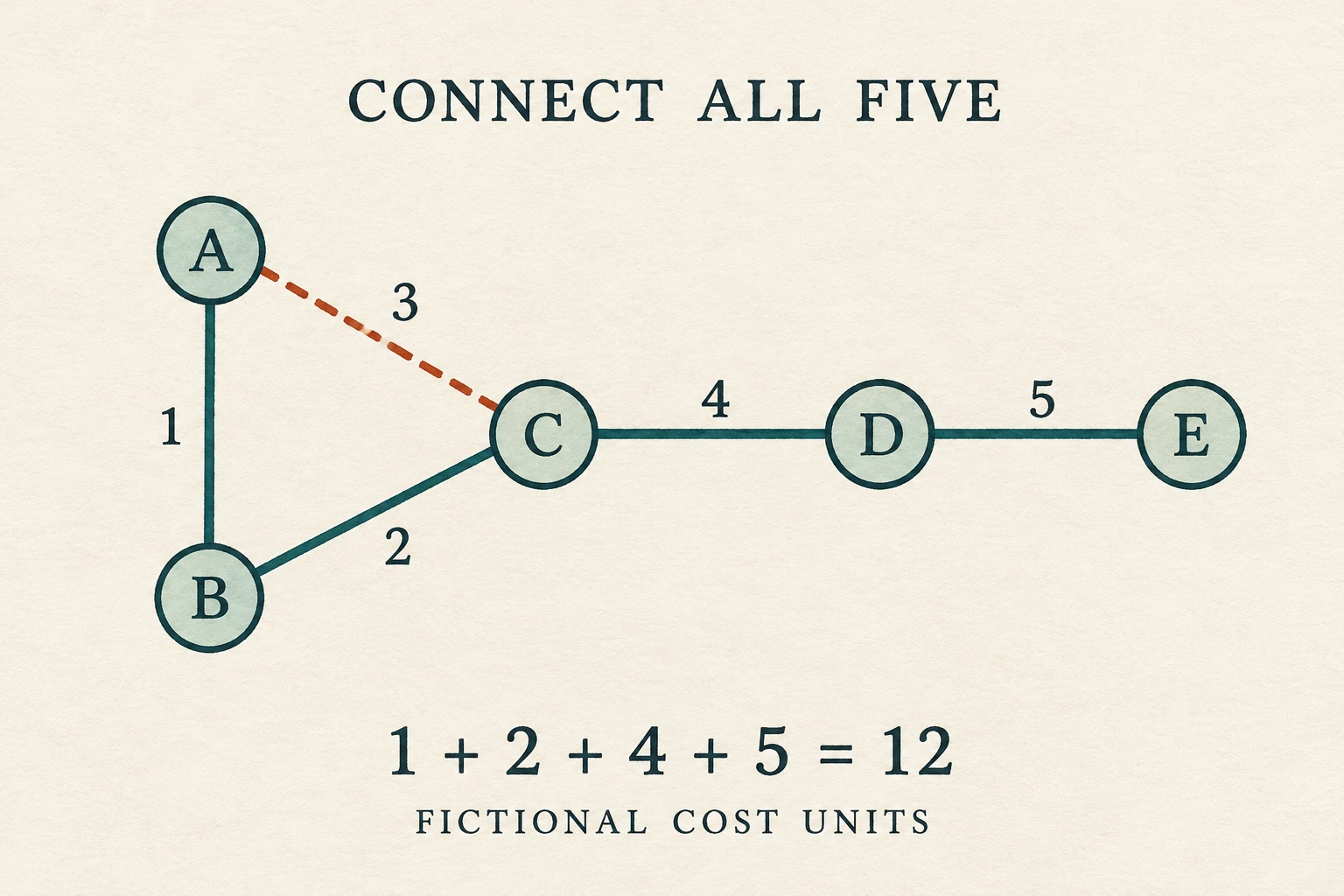
A five-point paper graph separates cheap edge selection from a connected minimum. Two forced links and a three-point choice establish a matching lower bound.
Read guide →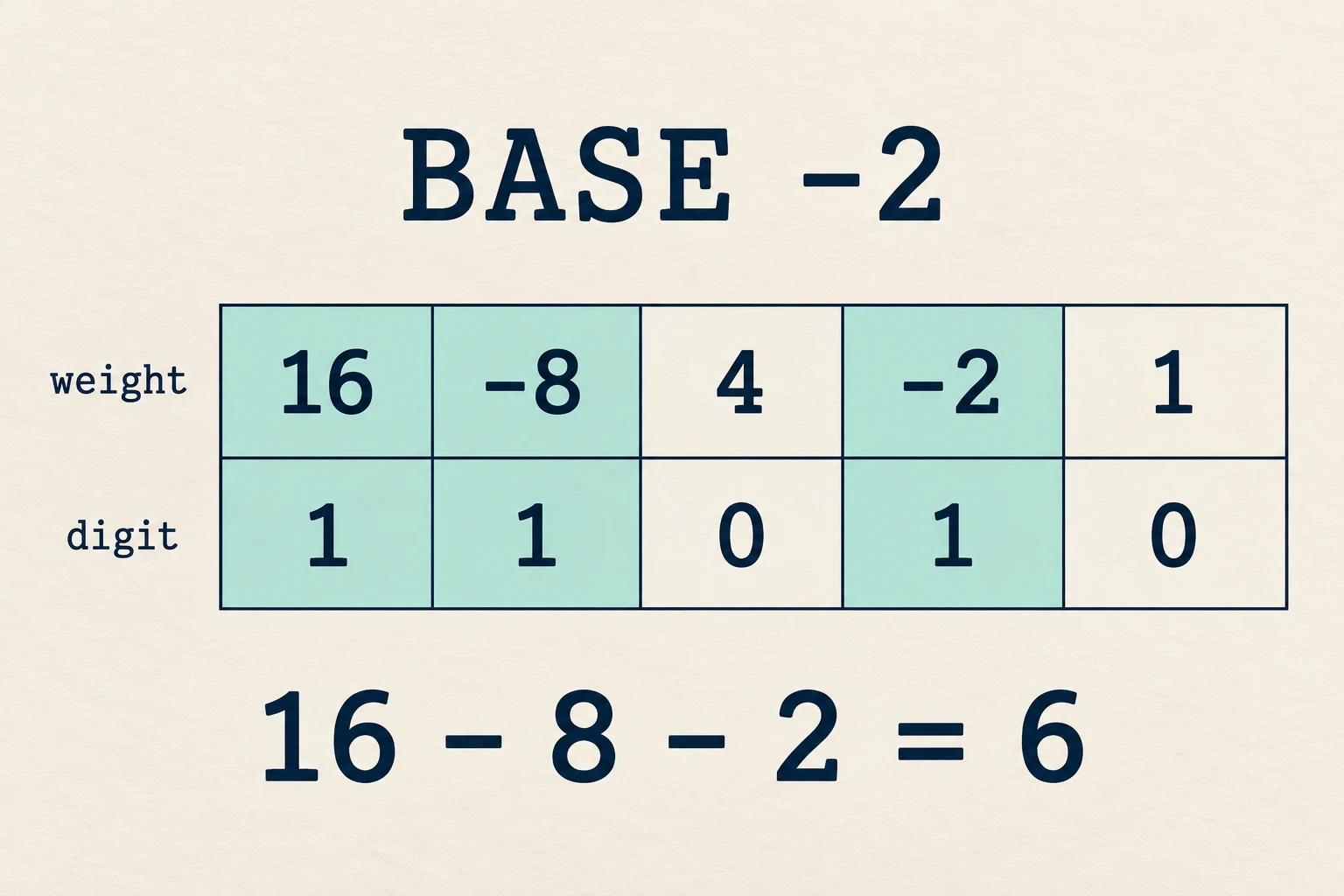
A paper notation worksheet uses alternating place weights and parity remainders to represent integers without a leading minus symbol.
Read guide →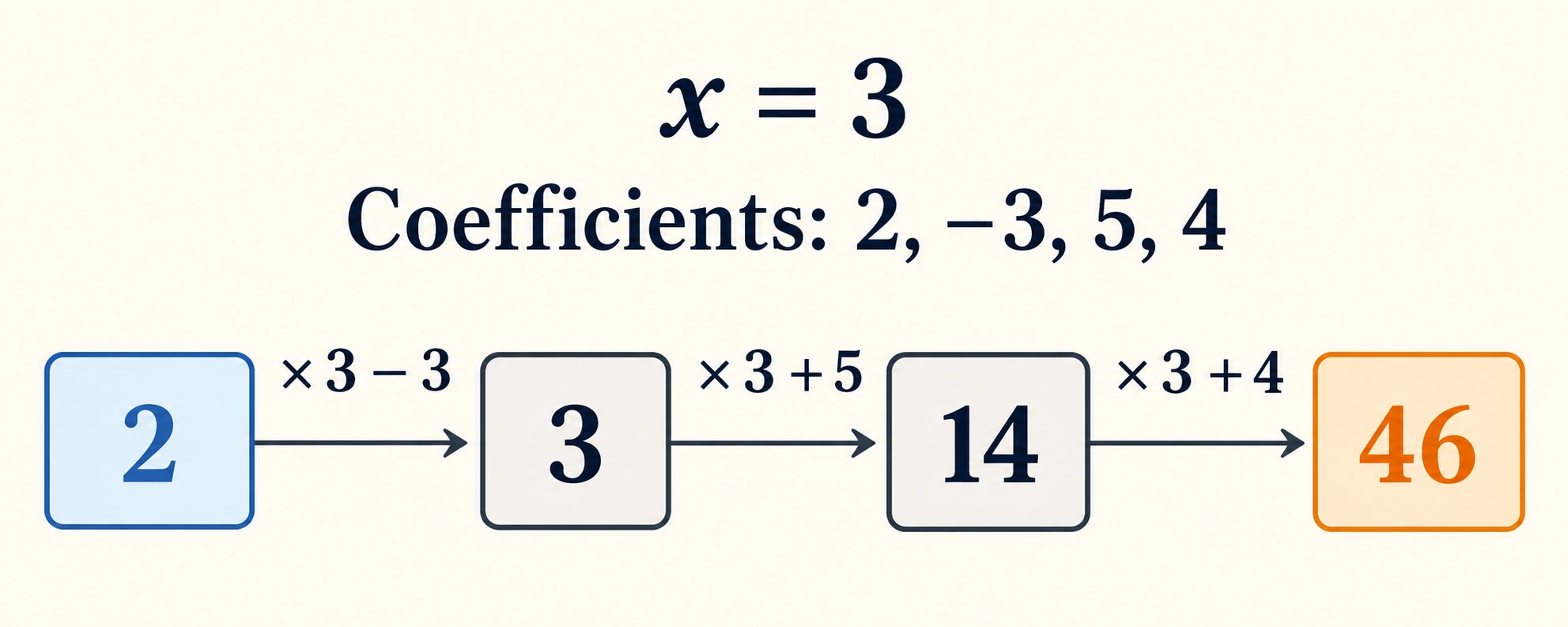
An original coefficient worksheet evaluates a cubic at a stated input, explains each multiply-add stage and shows why a missing-power zero must stay in the list.
Read guide →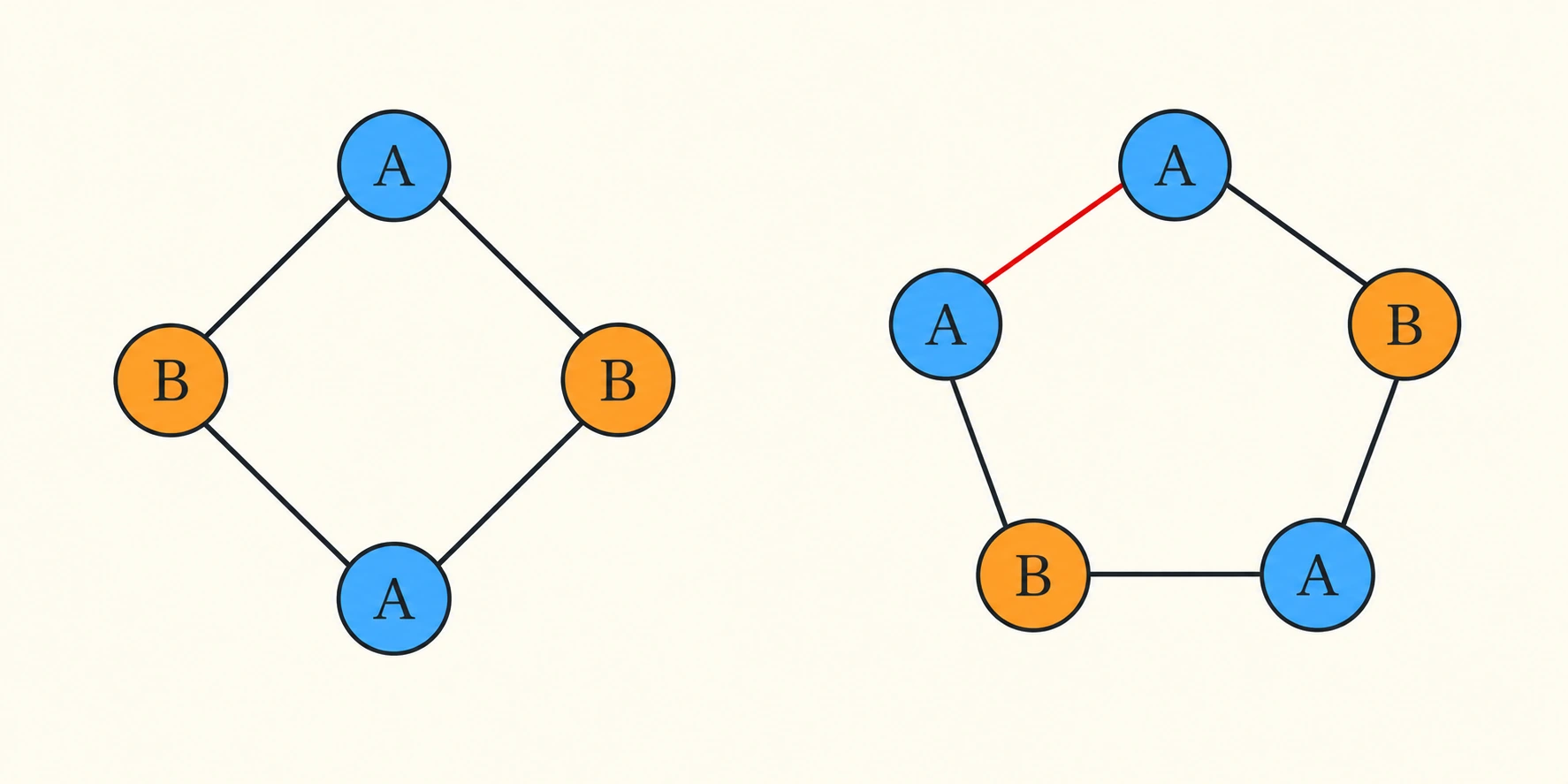
An original ring of labeled positions tests whether every neighboring pair can differ using exactly two labels, including the pair that closes the ring.
Read guide →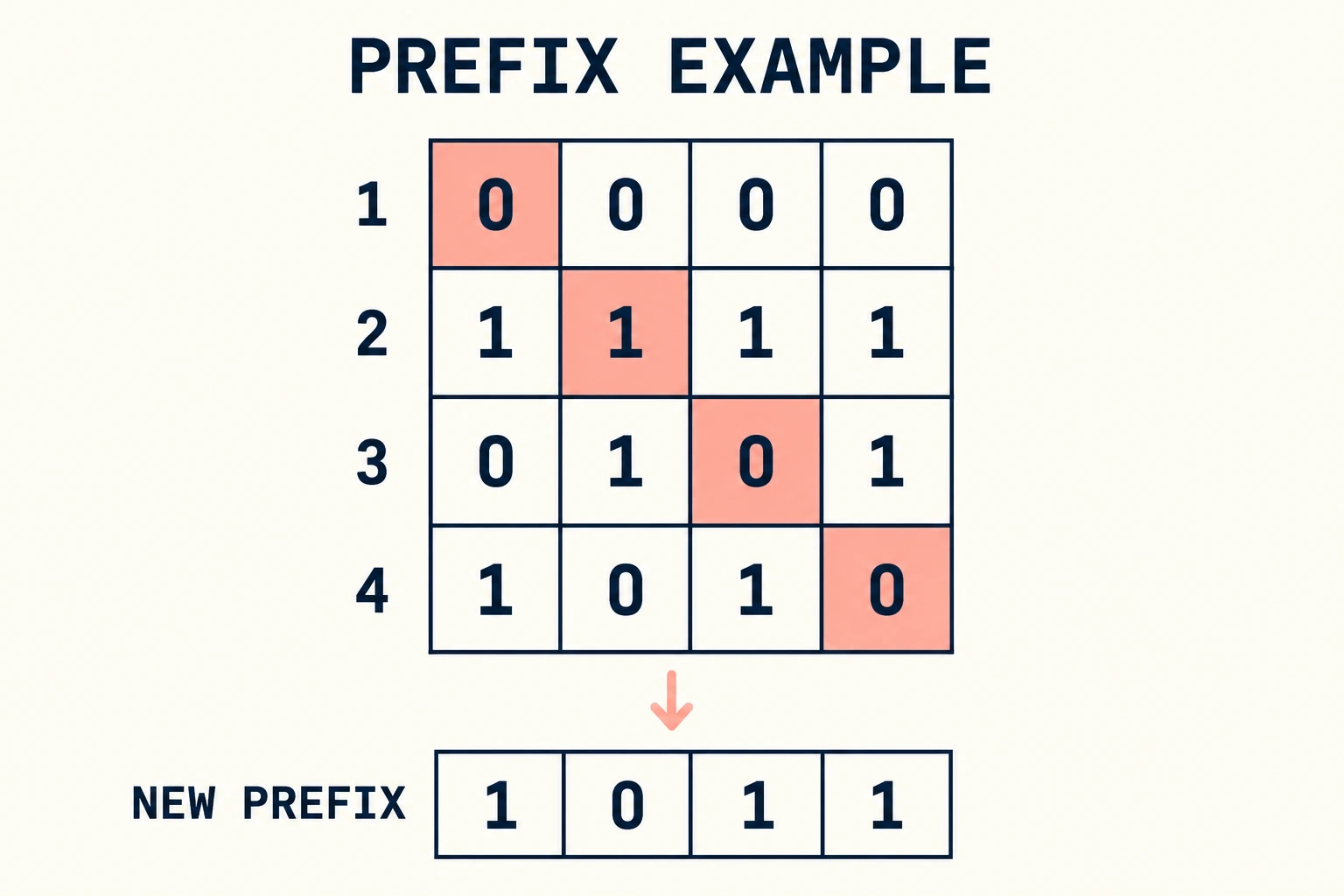
An original four-position binary example introduces the diagonal complement. An arbitrary-list proof supplies the infinite conclusion, with finite words kept in a separate domain.
Read guide →