9 min read
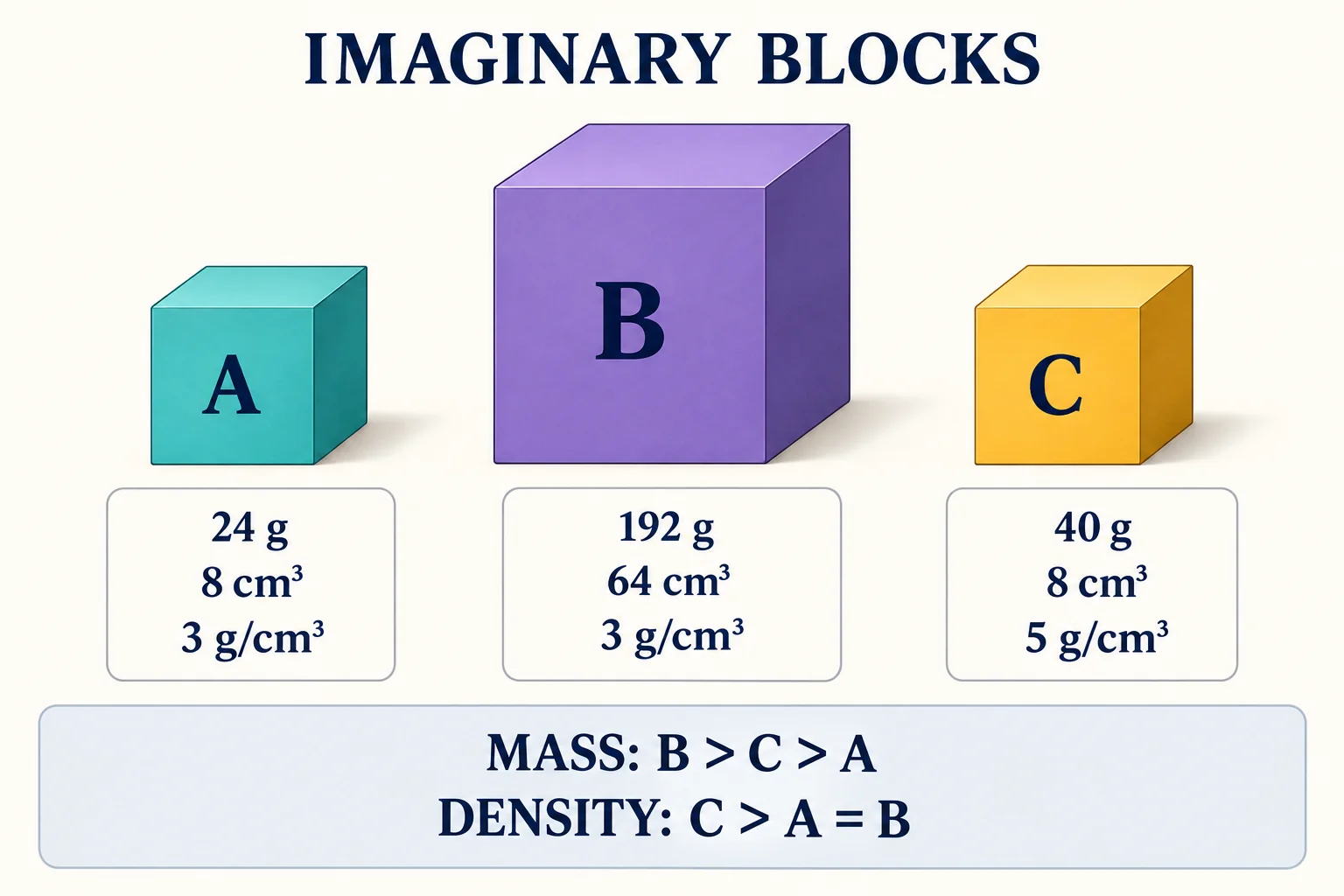
Comparing density and mass using three imagined blocks
Three imaginary blocks show why the greatest assigned mass need not produce the greatest density, with worked ratios and a change of units.
Showing 1–12 of 12 guides
Three imaginary blocks show why the greatest assigned mass need not produce the greatest density, with worked ratios and a change of units.
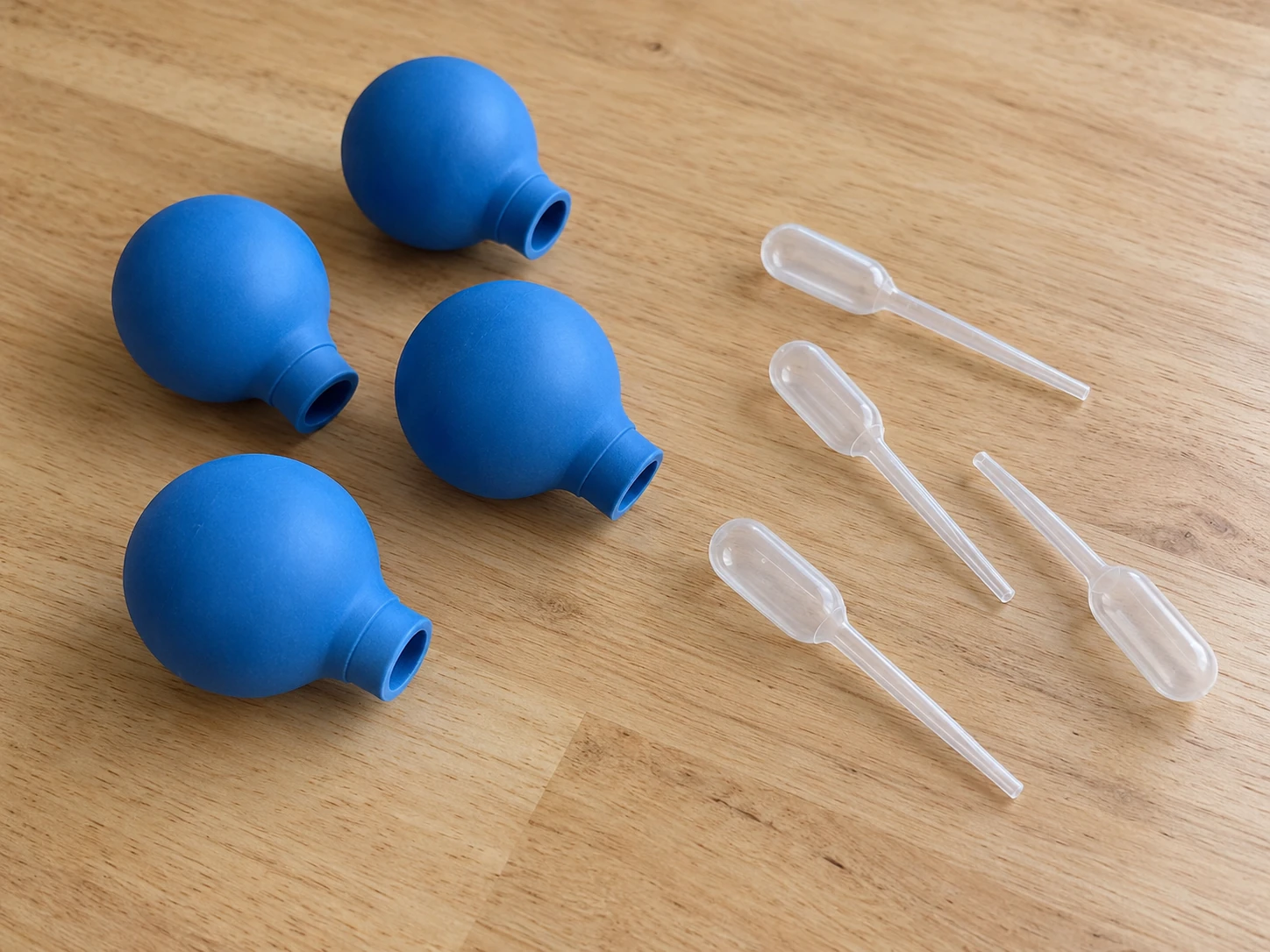
A named manufacturer example and a fictional supplies request help separate an equipment question from the decision to order.
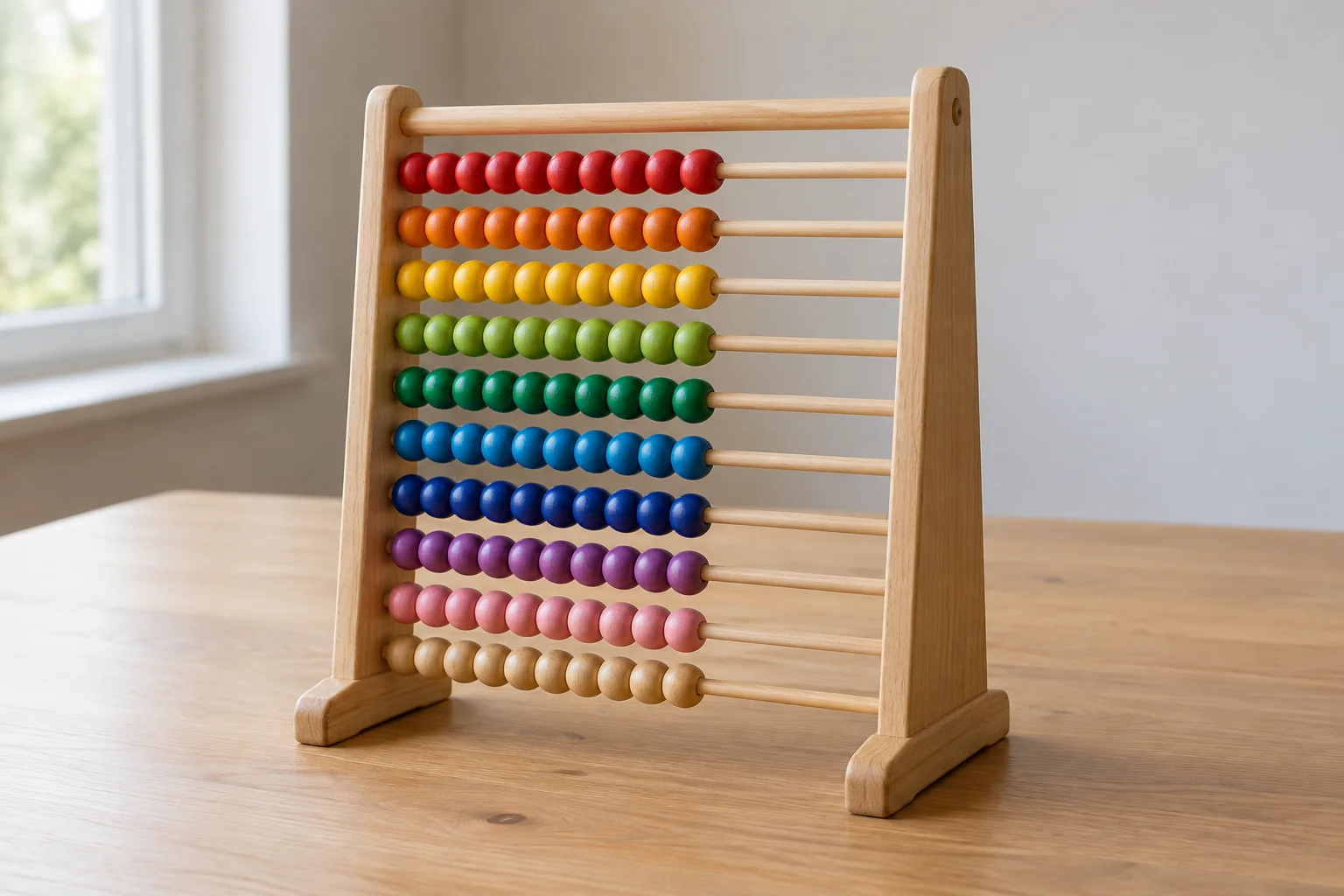
Represent twenty-seven, exchange ten ones for one ten, and read back thirty-two under an explicitly defined two-place exercise.
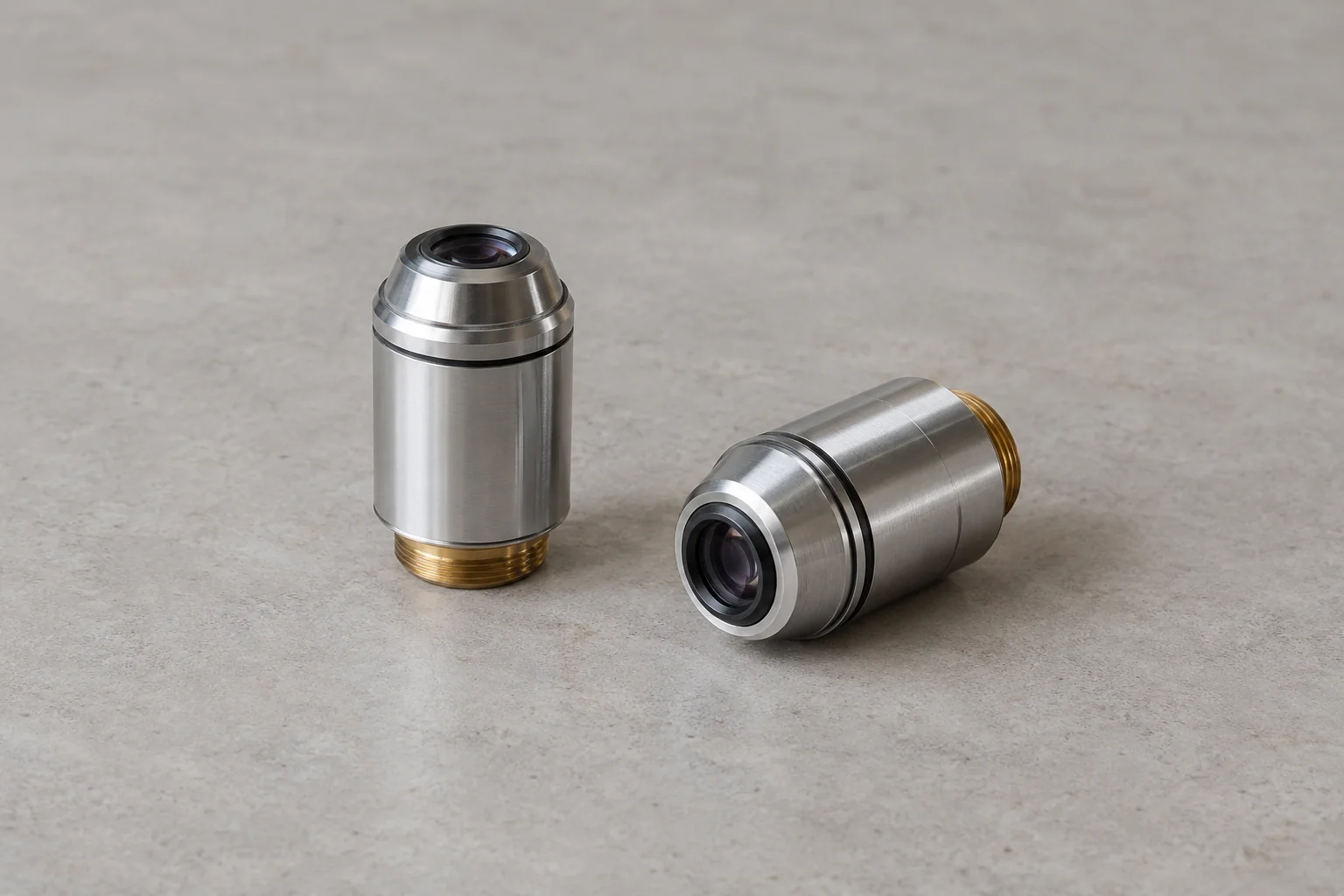
Use the microscope’s documented optical system when considering an objective. Two identified offers show the finite and infinity distinction and a separate unresolved variant detail.
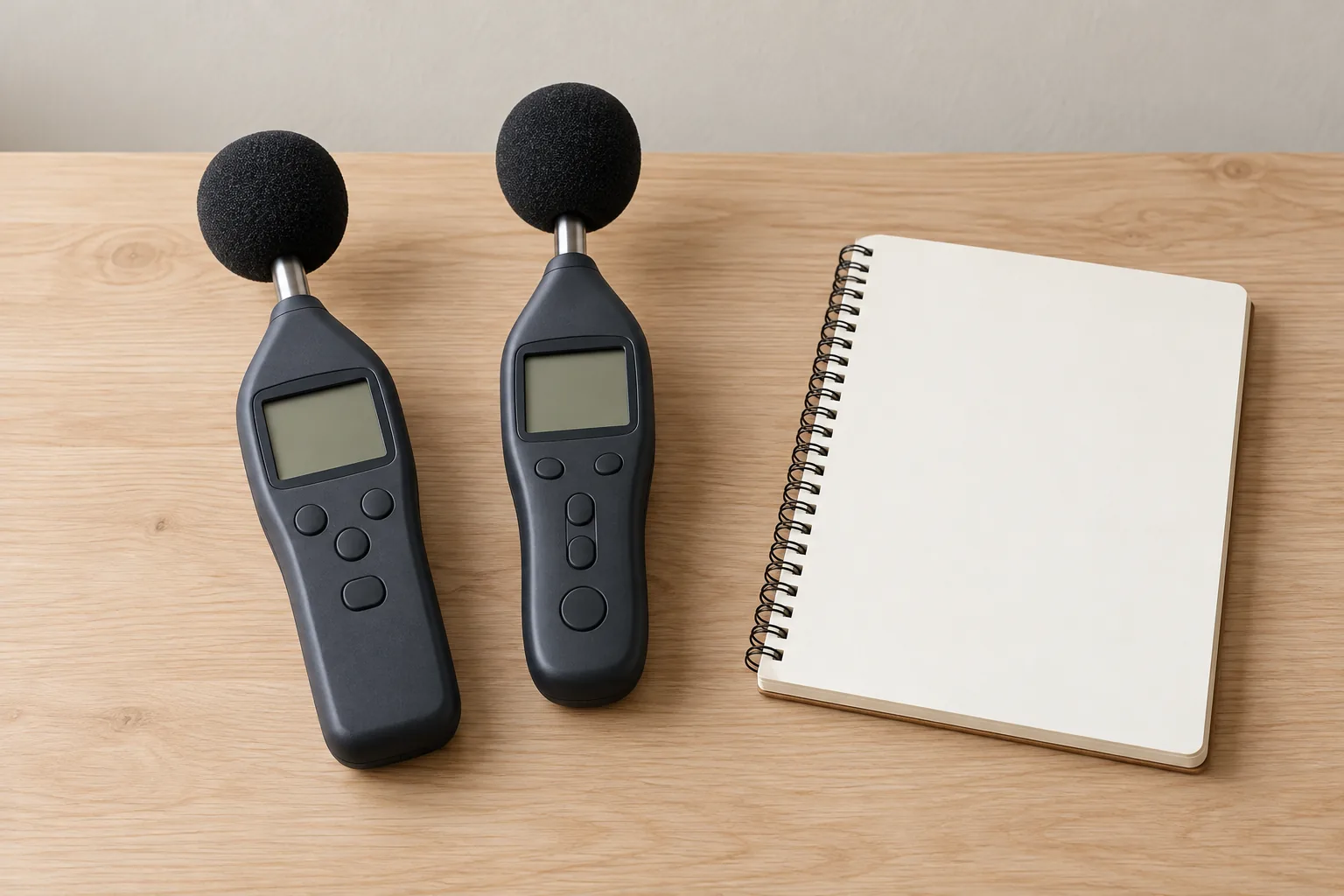
Identify what a retained number represents before treating a sound meter display as a fault.
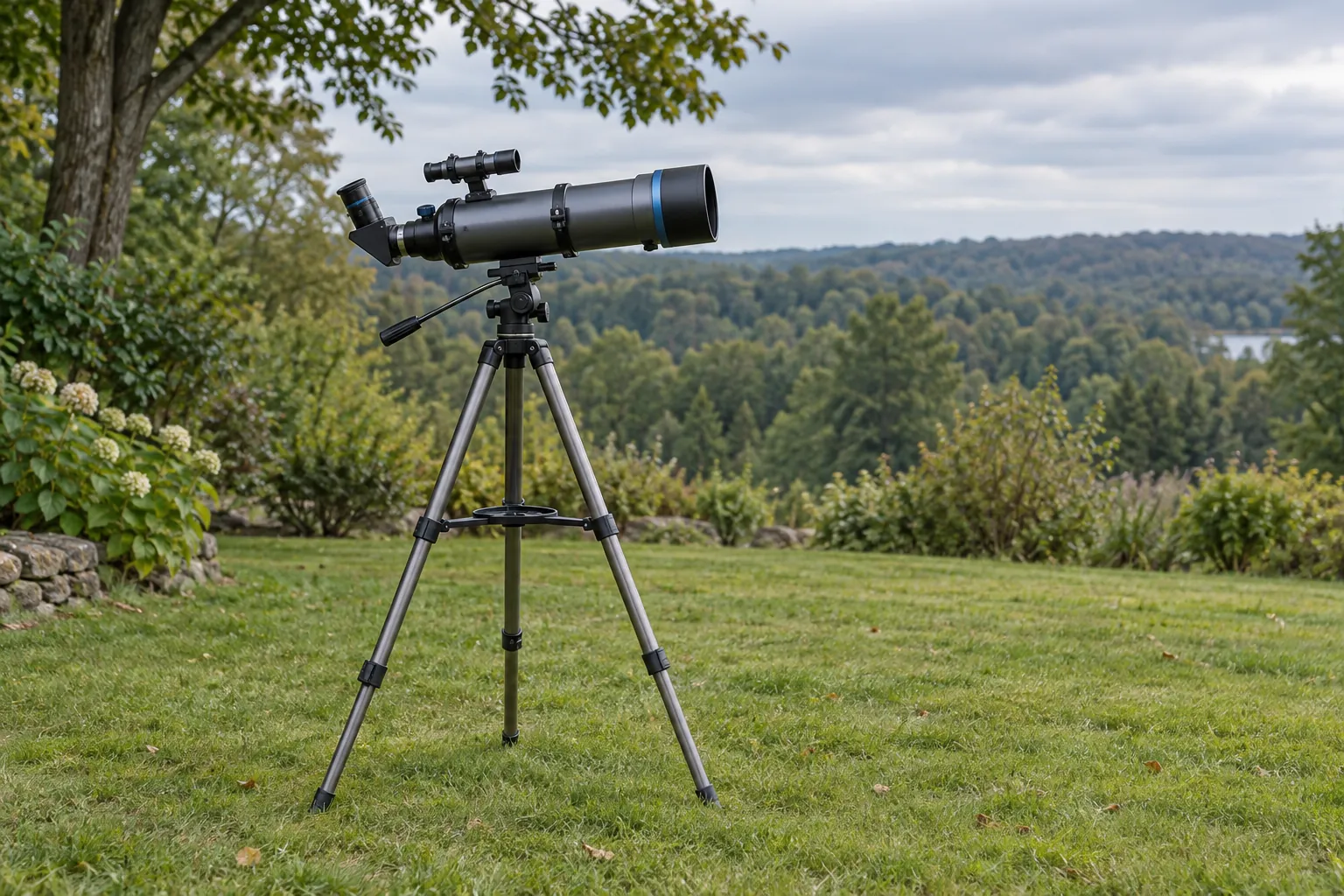
Align the Travel Scope 70 optical finder on one safe distant landmark, keeping the main view fixed and position separate from focus.
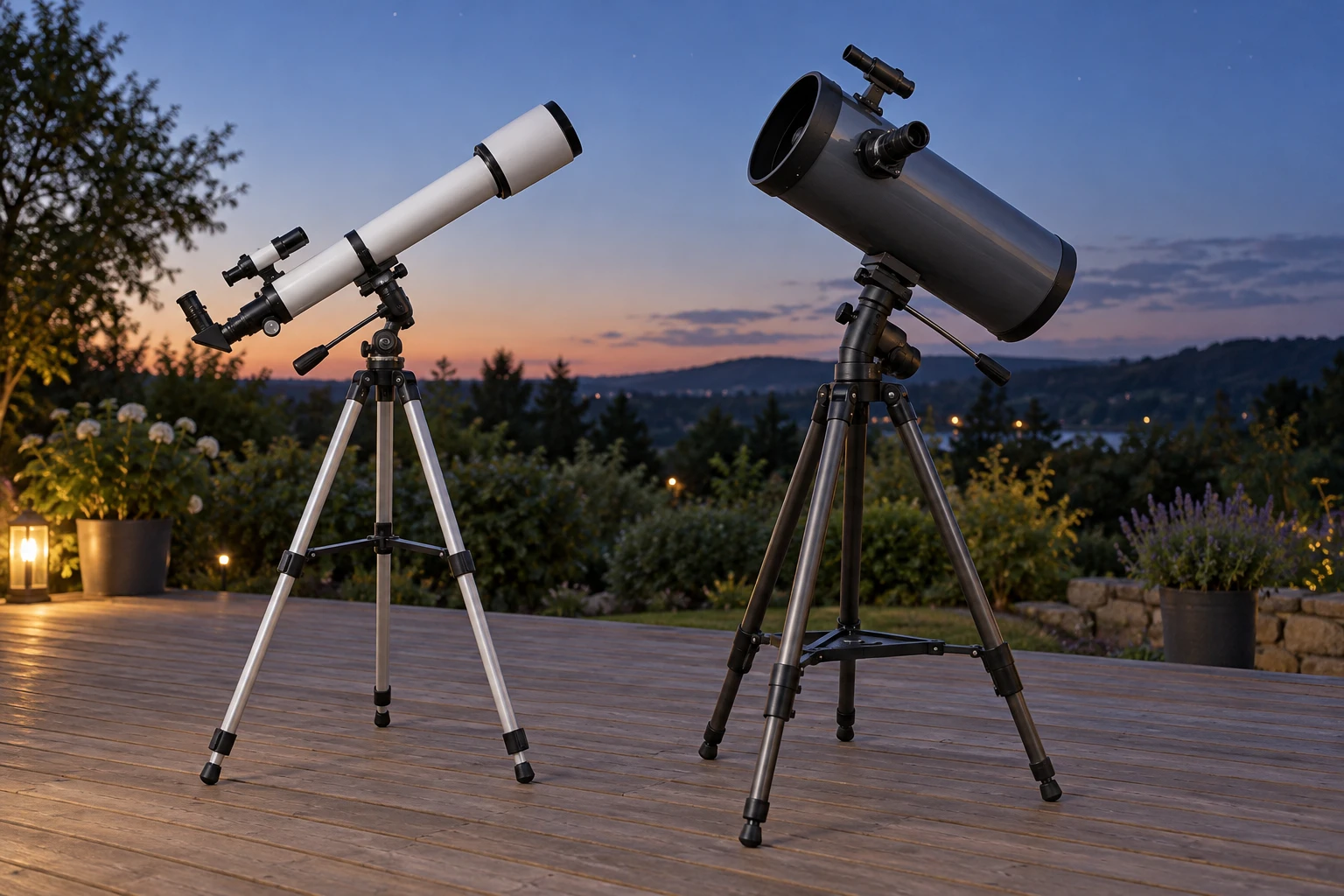
Understand the main lens or mirror, aperture, focal length and eyepiece figures using the actual SVBONY SV503 80ED and Gskyer reflector offers.
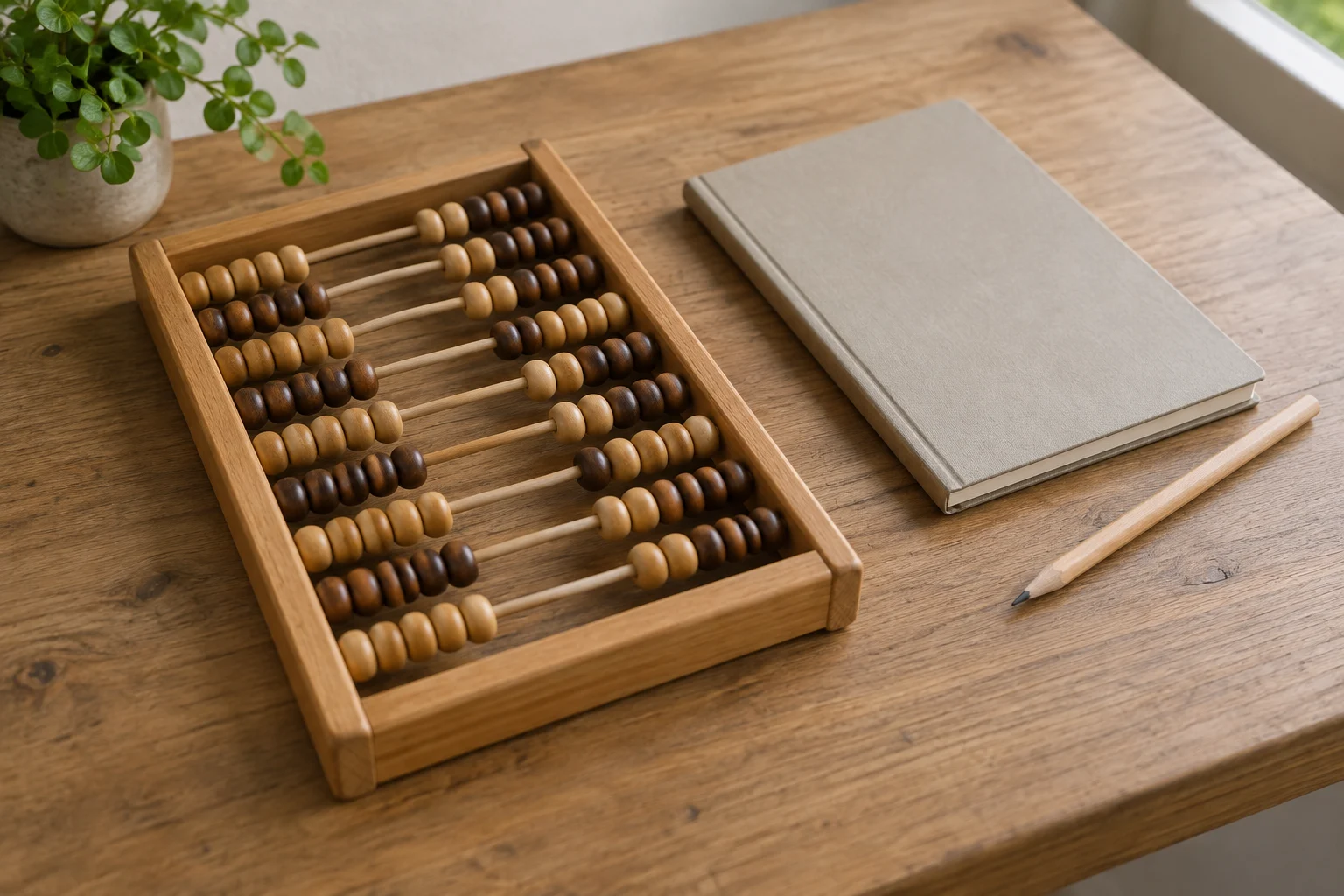
Resolve a disagreement between selected-bead totals and a whole-frame inventory through an original counting convention and definite partition examples.

Follow prism refraction, separated colours and combined white light. Read the Eisco glass set and TOP5EX spectroscope details without inferring a mechanism.

Understand repeated reflections, changing motifs and the limits of retail details for the Hygloss set and Roorkee three-mirror kaleidoscope.
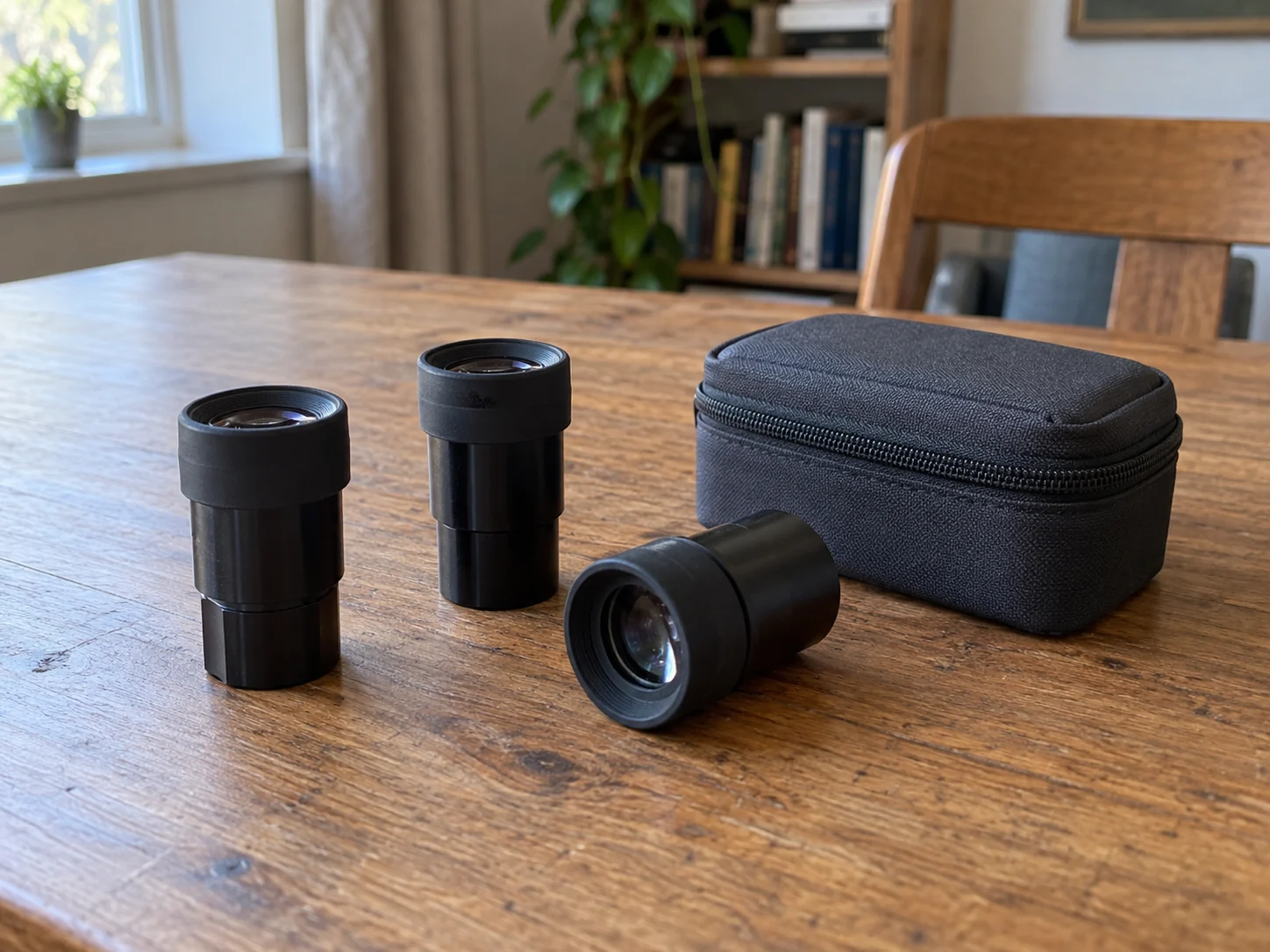
Compare microscope eyepiece fit through the actual EP10X23P pointer and two-eyepiece 30mm offer, keeping 10X, field width and mounting statements separate.

Understand a simple magnifier through object, lens and eye positions, then read the actual Fuliko and handheld lorgnette descriptions without inventing optical specifications.