9 min read
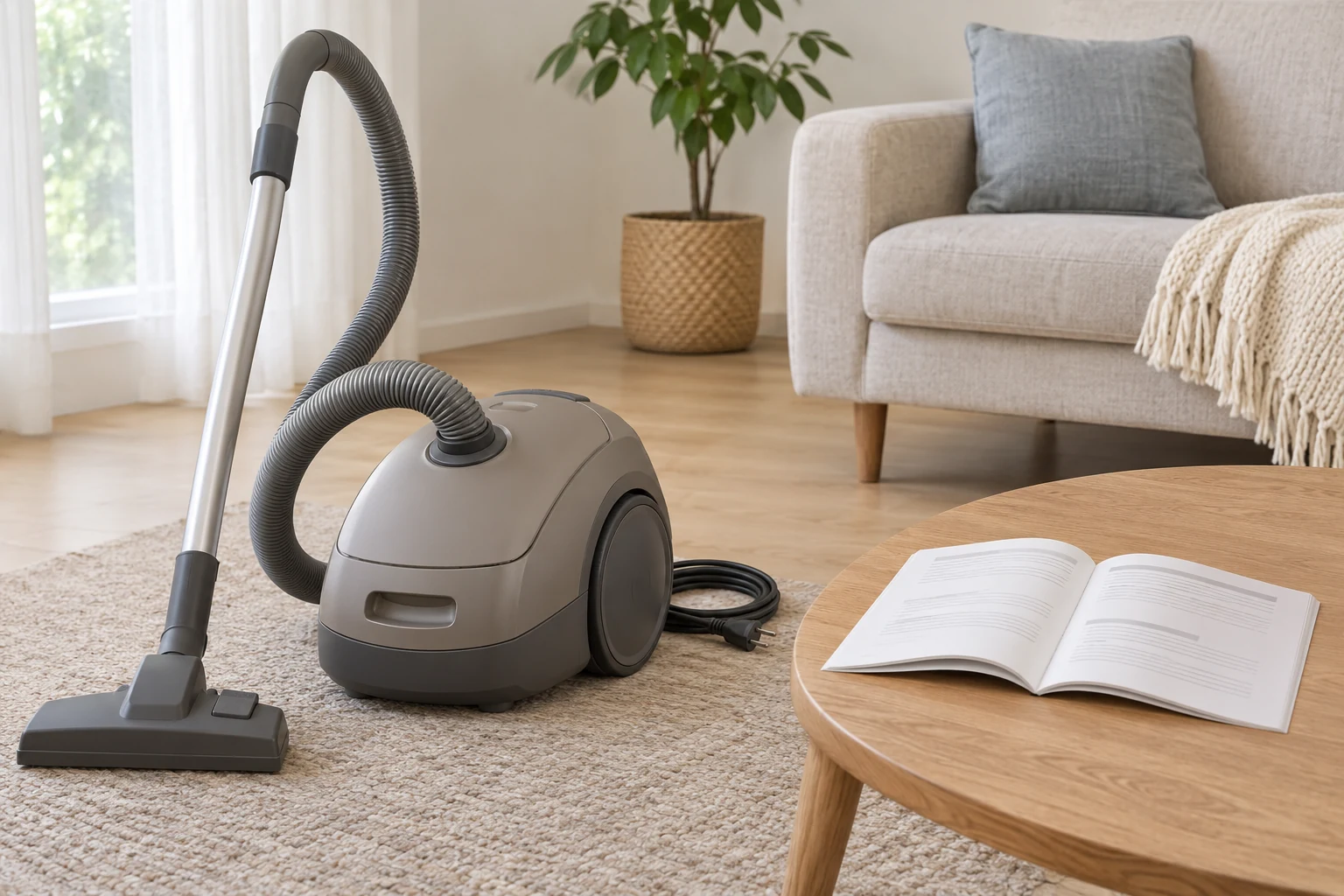
Interpret a vacuum bag indicator with its exact instructions
Understand why one retired-model manual distinguishes bag permeability from physical fullness, and leave other machines to their own complete instructions.
Vacuum cleaners, robot cleaners, and floor-care equipment.
Showing 1–12 of 93 guides
Understand why one retired-model manual distinguishes bag permeability from physical fullness, and leave other machines to their own complete instructions.
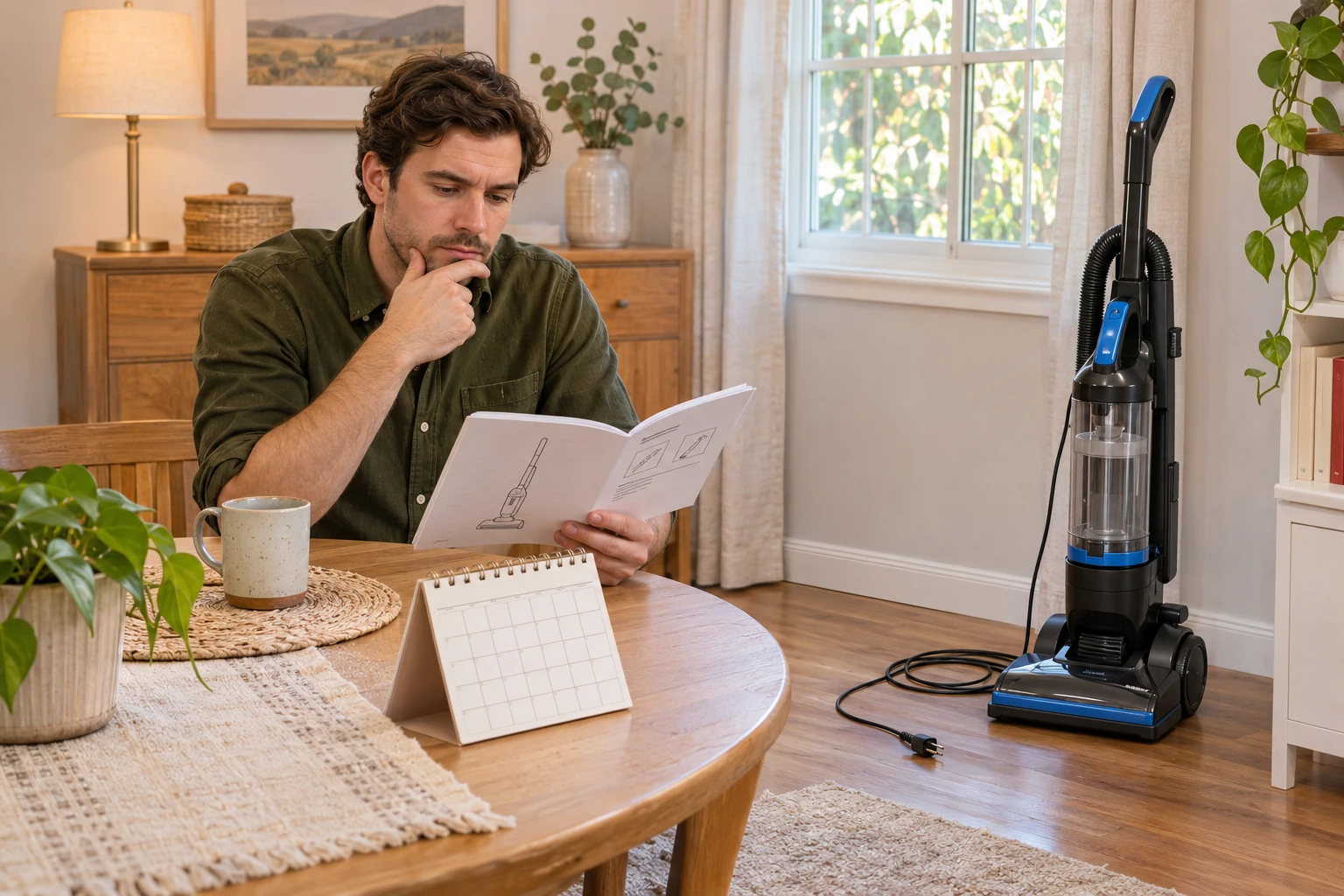
Decide whether an extra compatible filter answers a drying-period scheduling need, replaces an unserviceable part or leaves the actual equipment question unresolved.
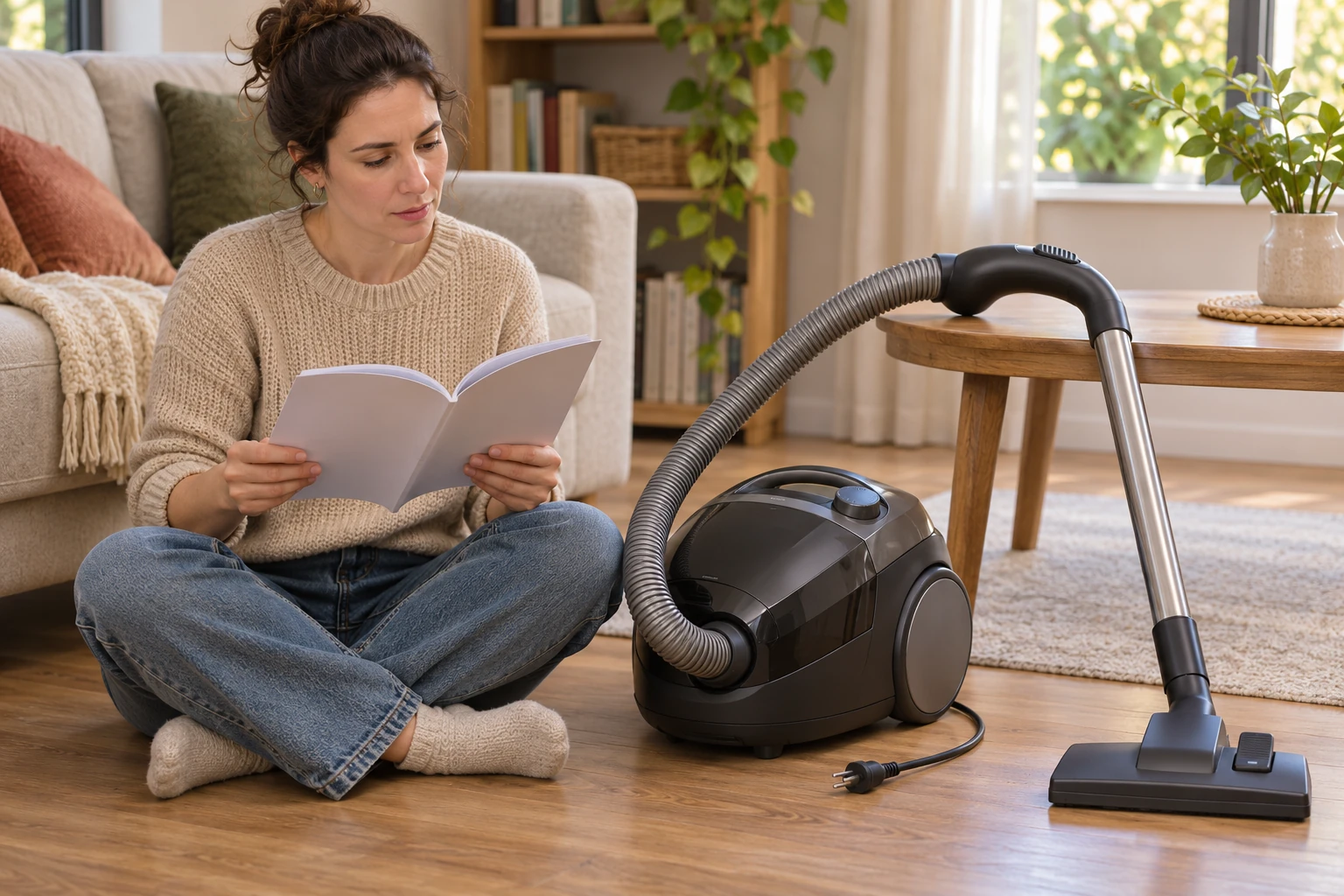
Distinguish a handle air-inlet valve, appliance selector and floorhead slider using the applicable instructions, without assuming shared labels mean shared actions.

Recognize when suspected rodent waste changes an ordinary floor task, then use the applicable public health cleanup route and its limits.
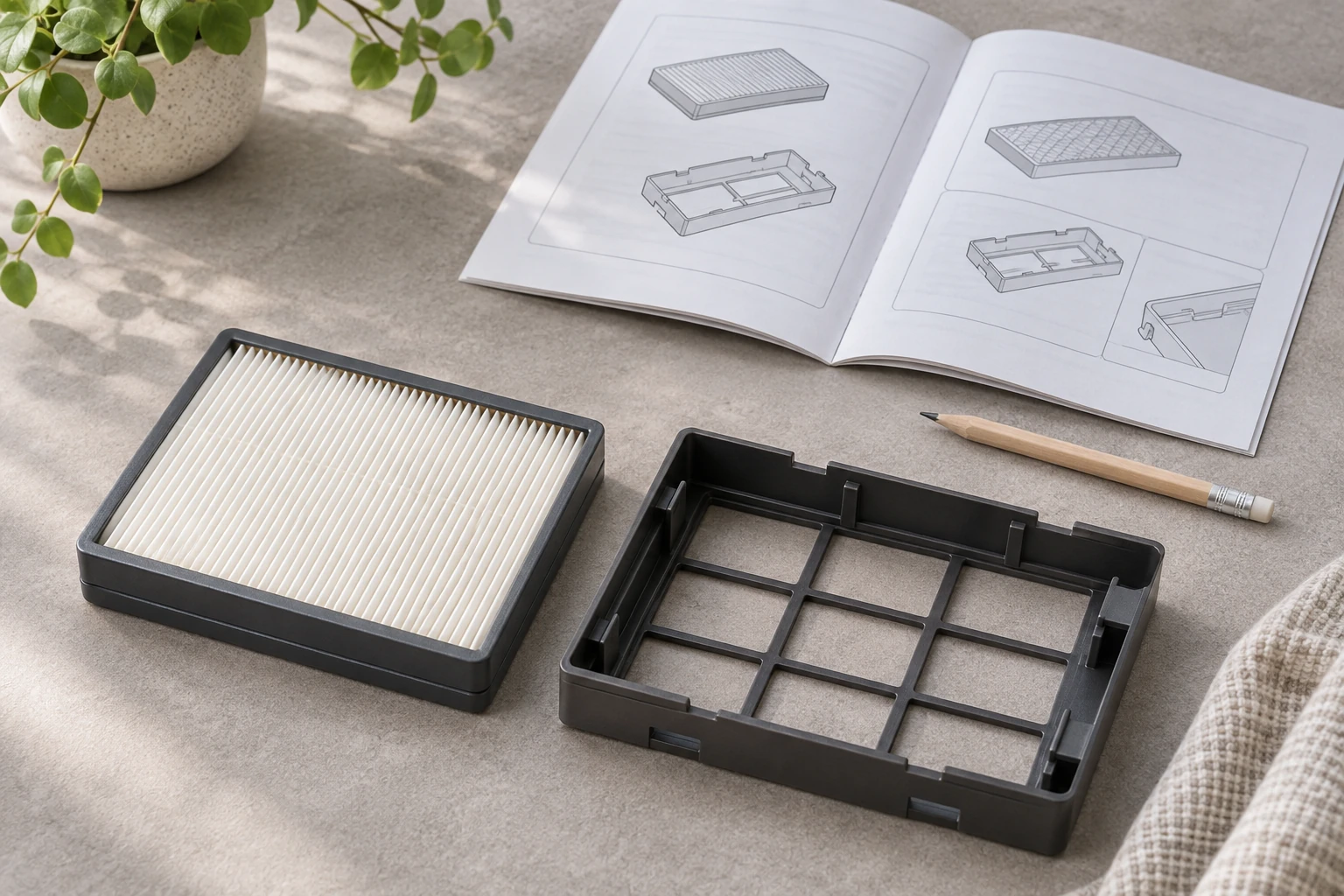
A compatibility guide distinguishes filter renewal from a change of assembly.

Plan a modest kitchen floor reset that household members can hand over, pause and finish without turning each meal into a whole-room cleaning project.
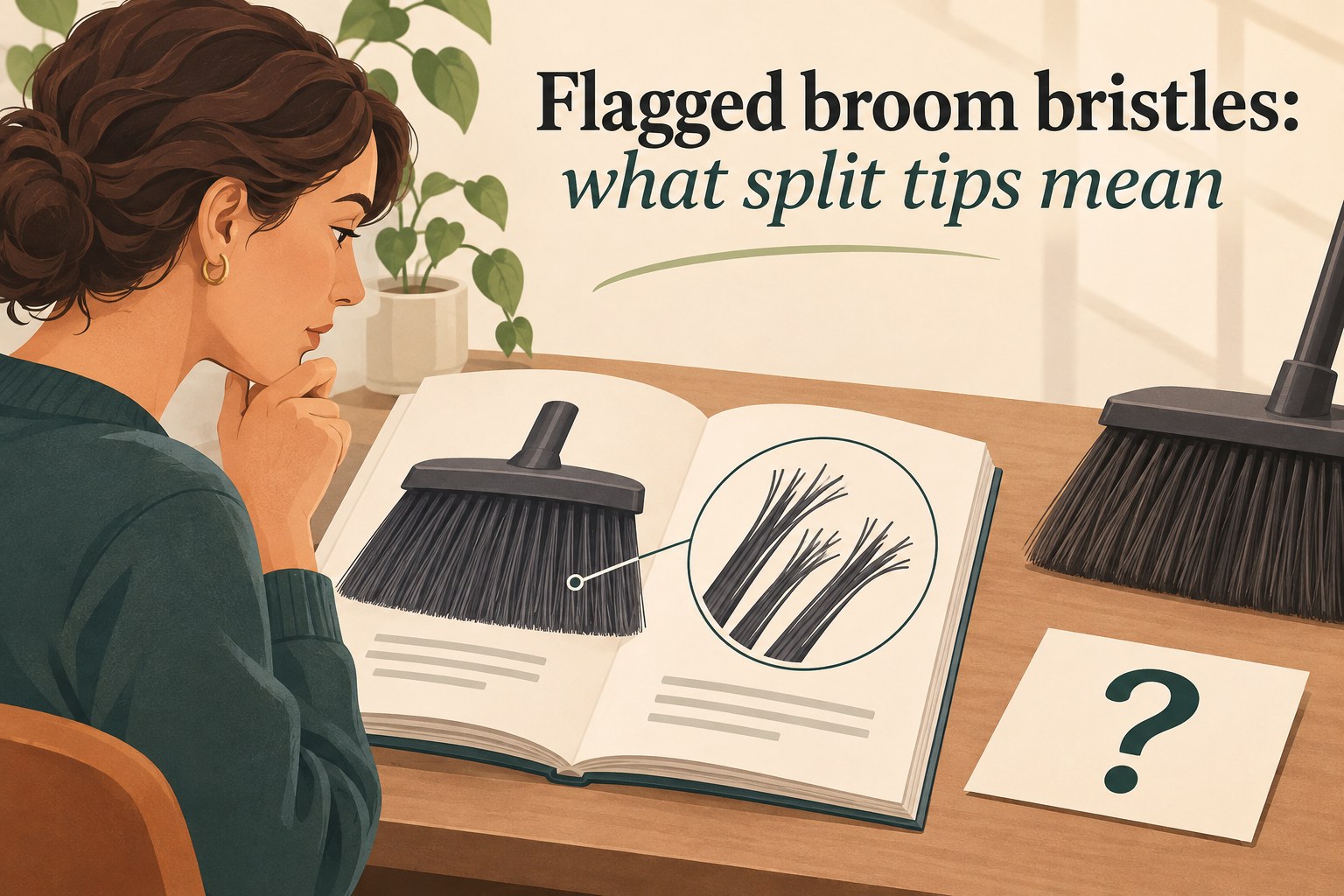
An original buyer's question separates a documented split-tip design from an unresolved condition observation, without a cleaning test or bristle treatment.
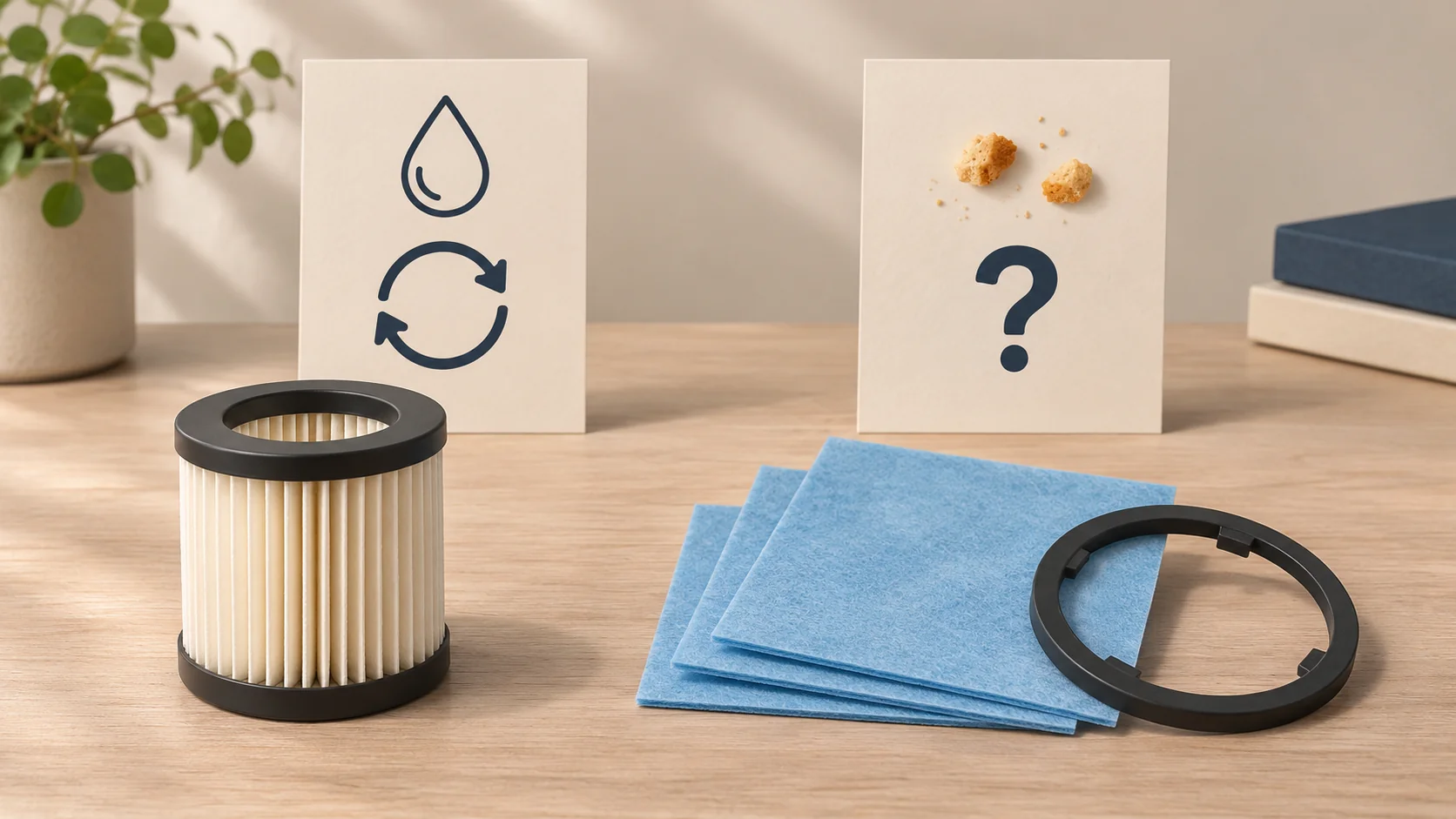
Check vacuum filter wet pickup suitability separately from washable and reusable claims. Keep maintenance wording, catalog fit and task approval distinct.
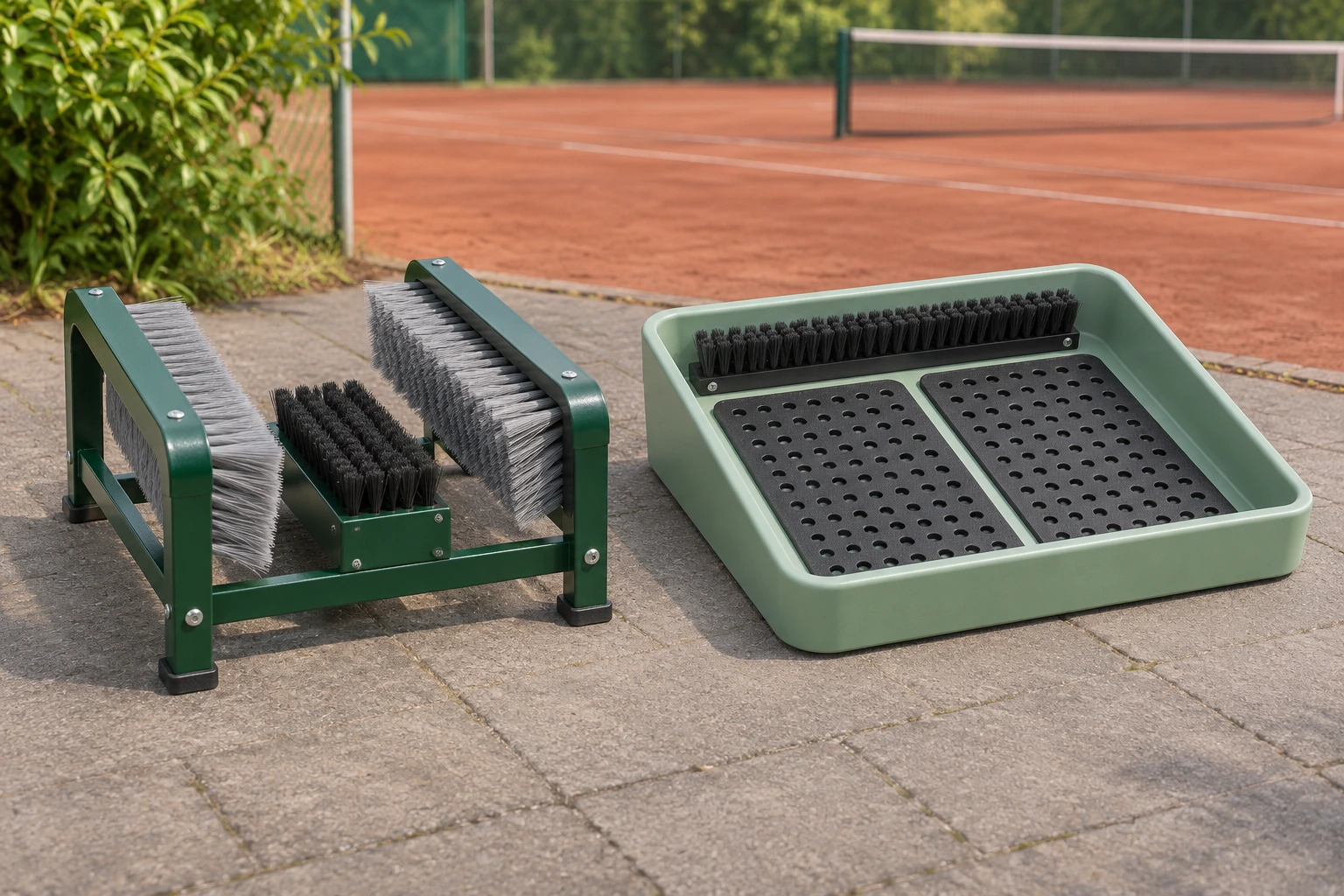
Understand the documented bristle and sole-contact panel arrangements in a practical court-cleaner enquiry, with the two retail offers and their limits kept identifiable.
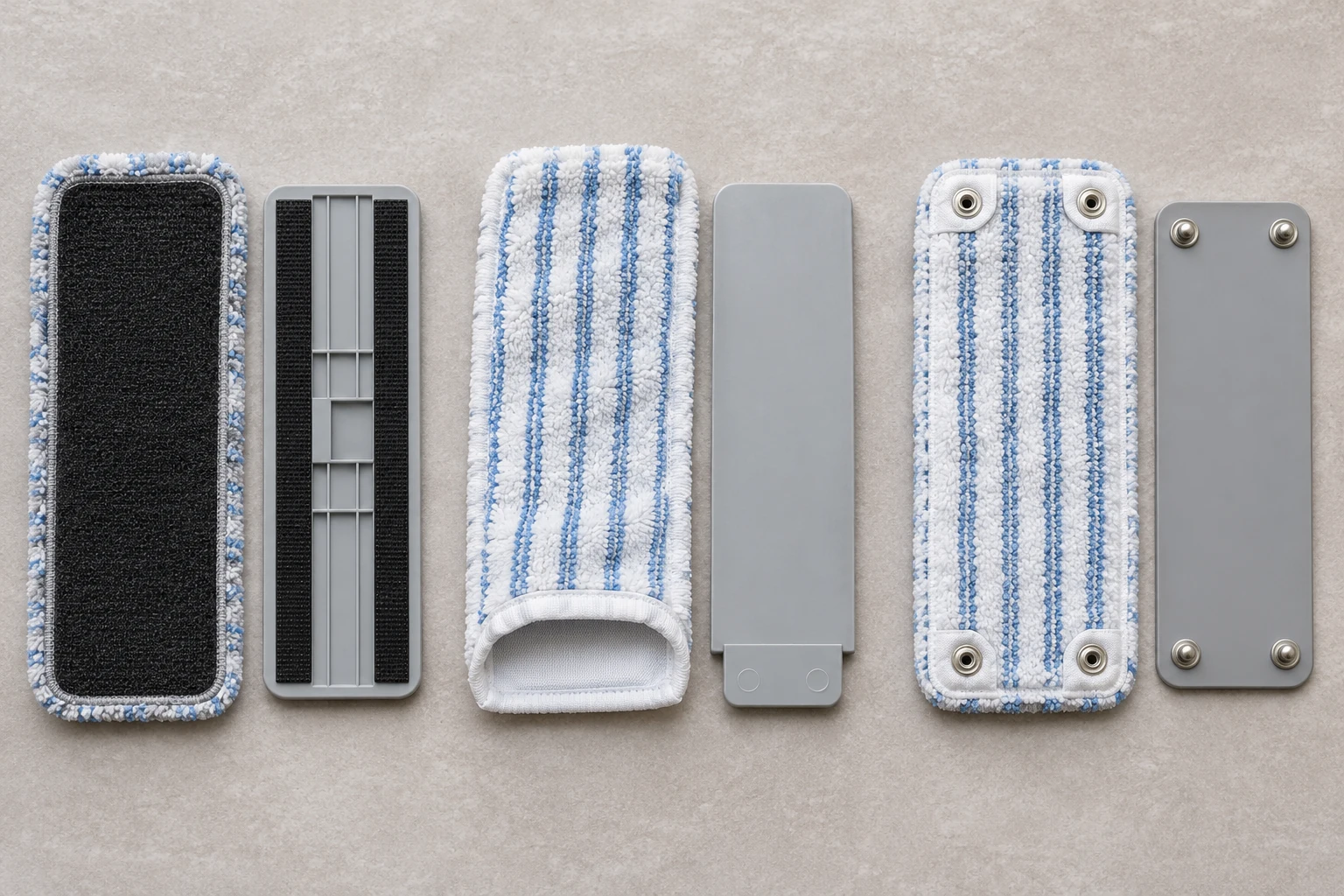
Compare the relationships that hold a manual flat-mop textile to its carrier, including surface fasteners, pockets, elastic and press-studs with model-specific limits.

An original three-point model finds and certifies a unique smallest covering disk.

An original three-node model minimizes total counter movement under fixed net balances.