9 min read
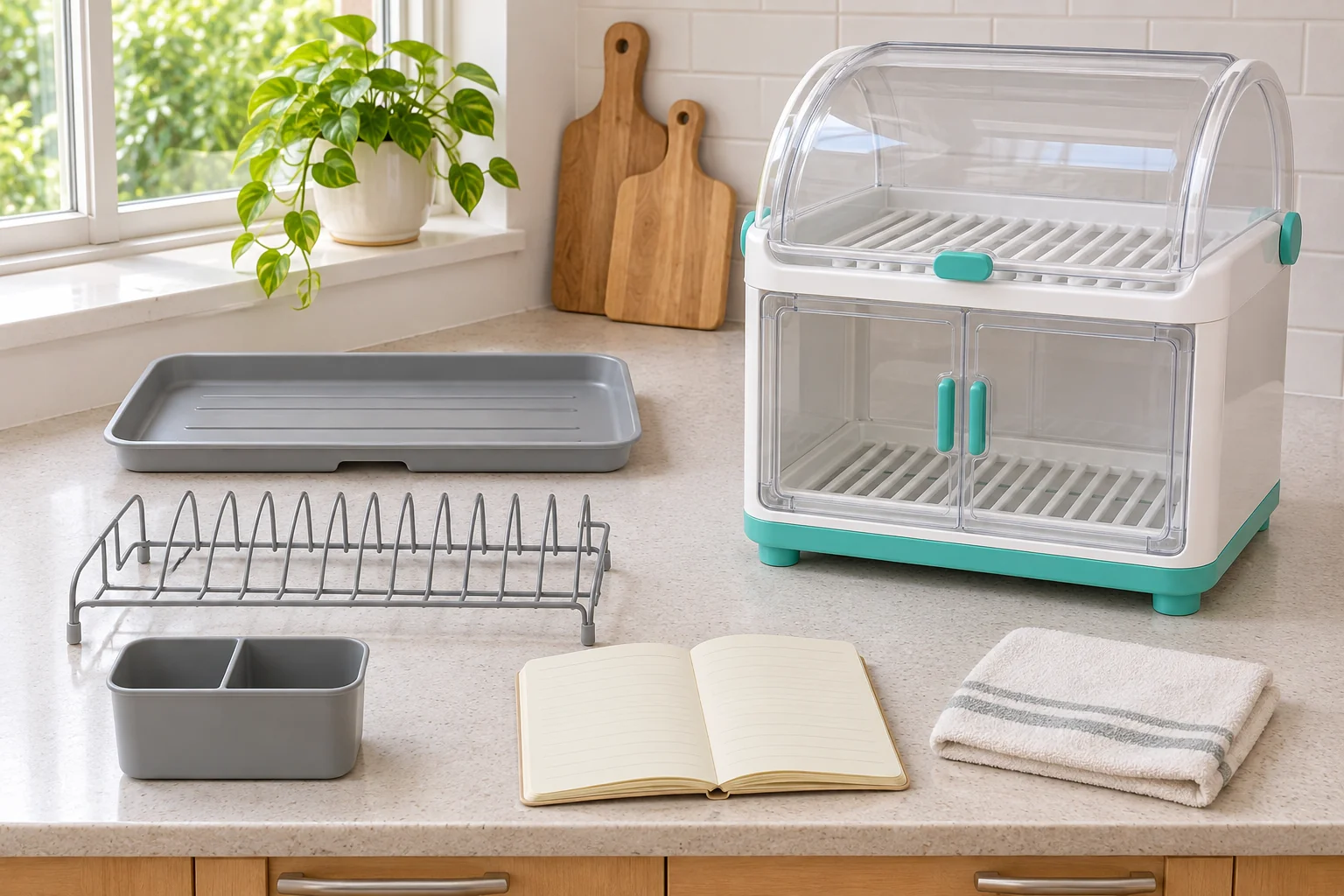
Read dish rack cleaning instructions for each part
Separate a rack, its fitted holders and its tray when checking applicable care information; leave unsupported dishwasher or chemical cleaning choices unapproved.
General appliance selection, fit, care, and ownership planning.
Showing 1–12 of 12 guides
Separate a rack, its fitted holders and its tray when checking applicable care information; leave unsupported dishwasher or chemical cleaning choices unapproved.
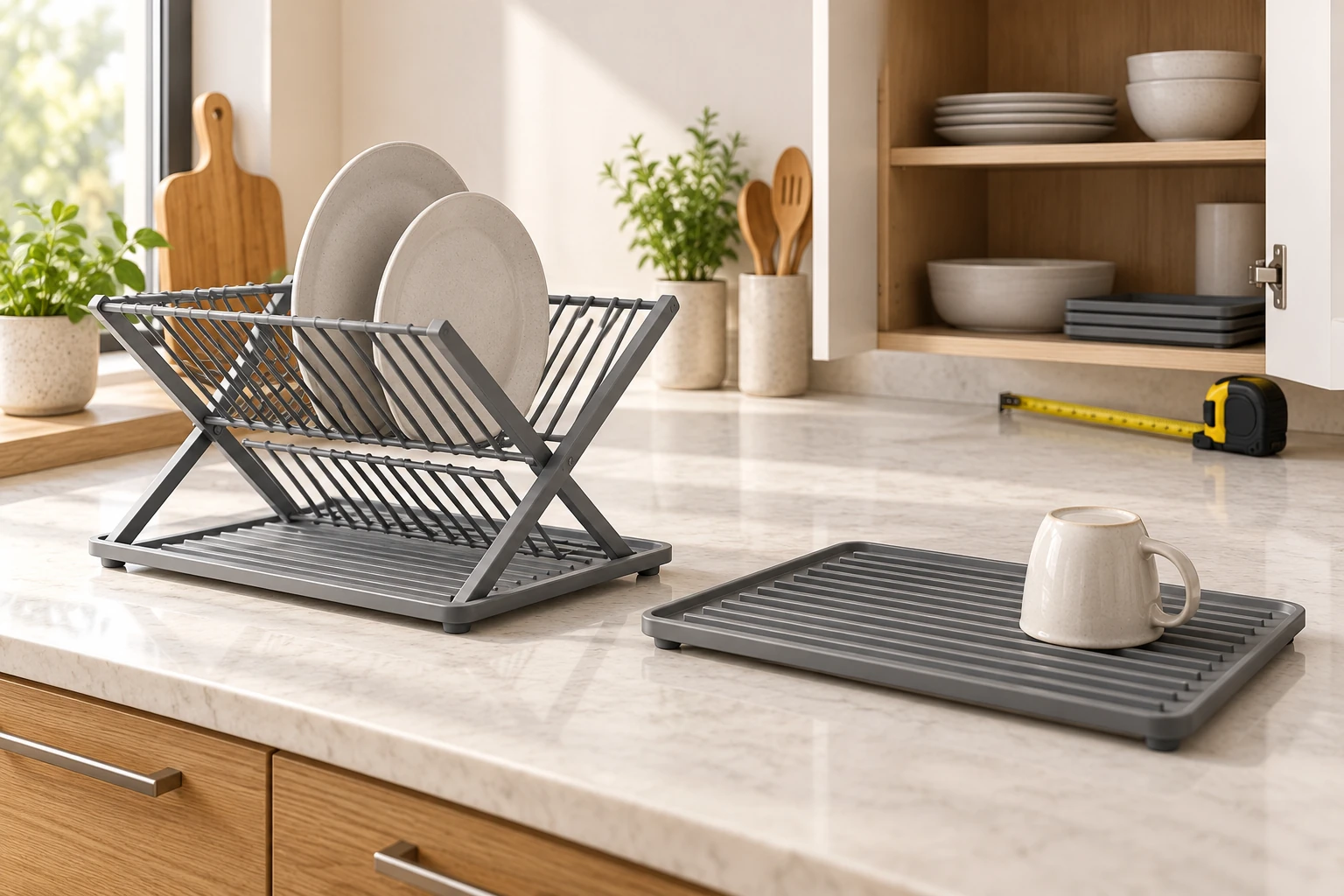
Separate a rack’s folded storage shape from a flat drying mode before measuring your counter and cupboard.
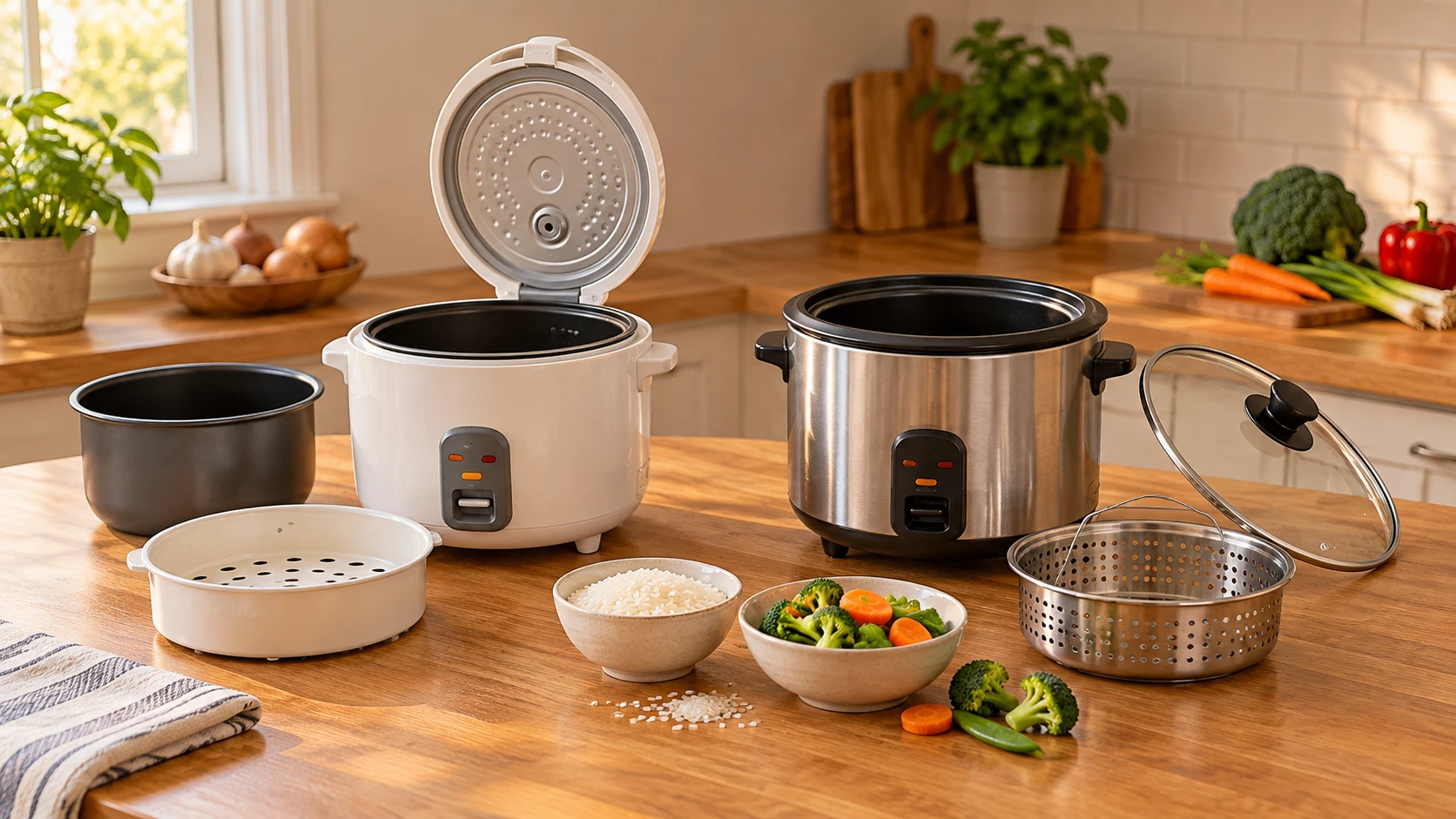
A meal rehearsal for comparing a locking-lid rice cooker with a glass-lid model, using the listed steam parts and model-specific manual questions.
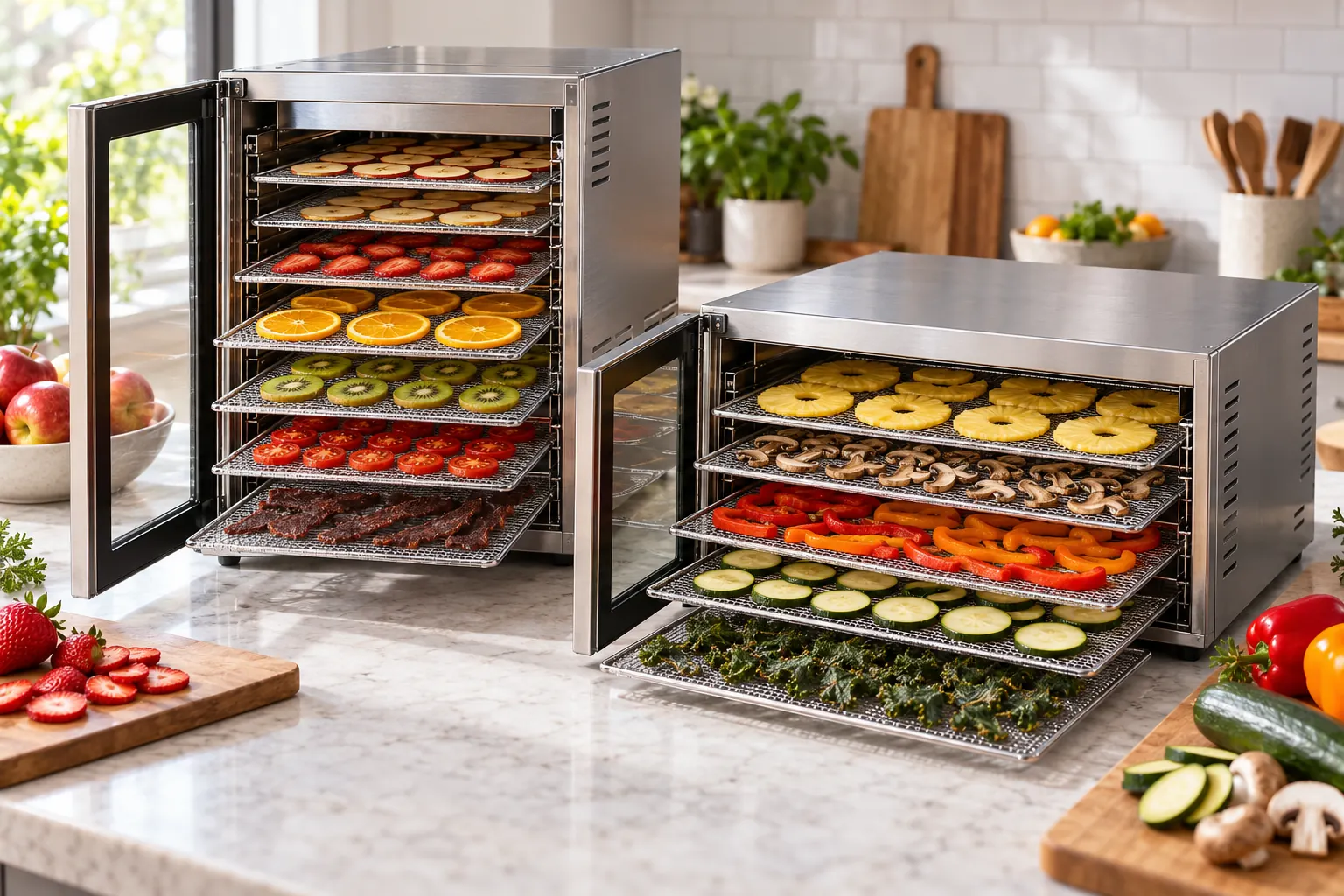
A practical way to check door clearance and tray reach on five-tier and 12-tray food dehydrator cabinets without treating tray count as a fit measurement.
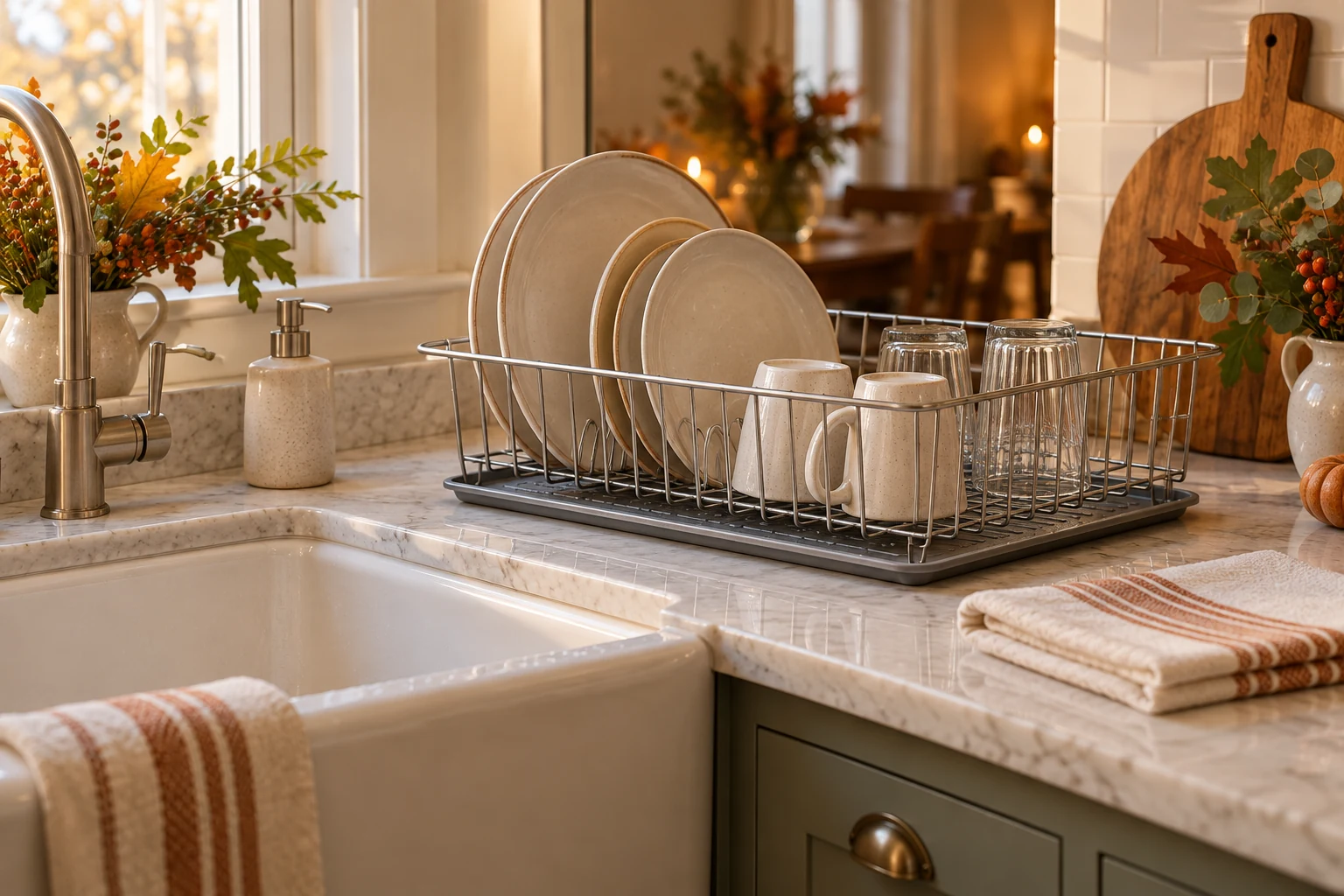
Give used dishes a return route and clean dishes a secure drying place during a busy holiday meal.
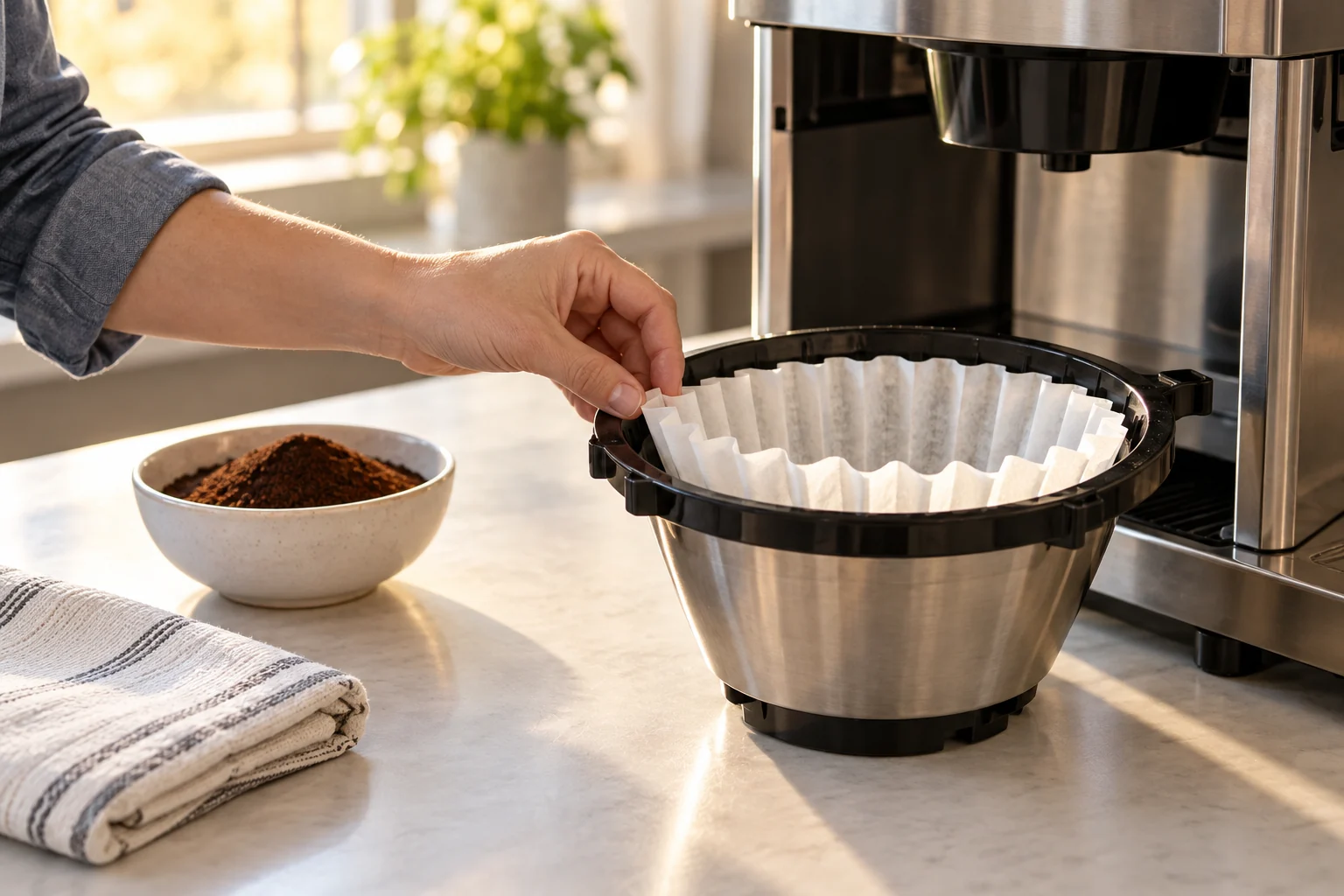
Use the failed filter, basket and brew notes to distinguish poor paper fit, placement, load and drainage before replacing supplies.
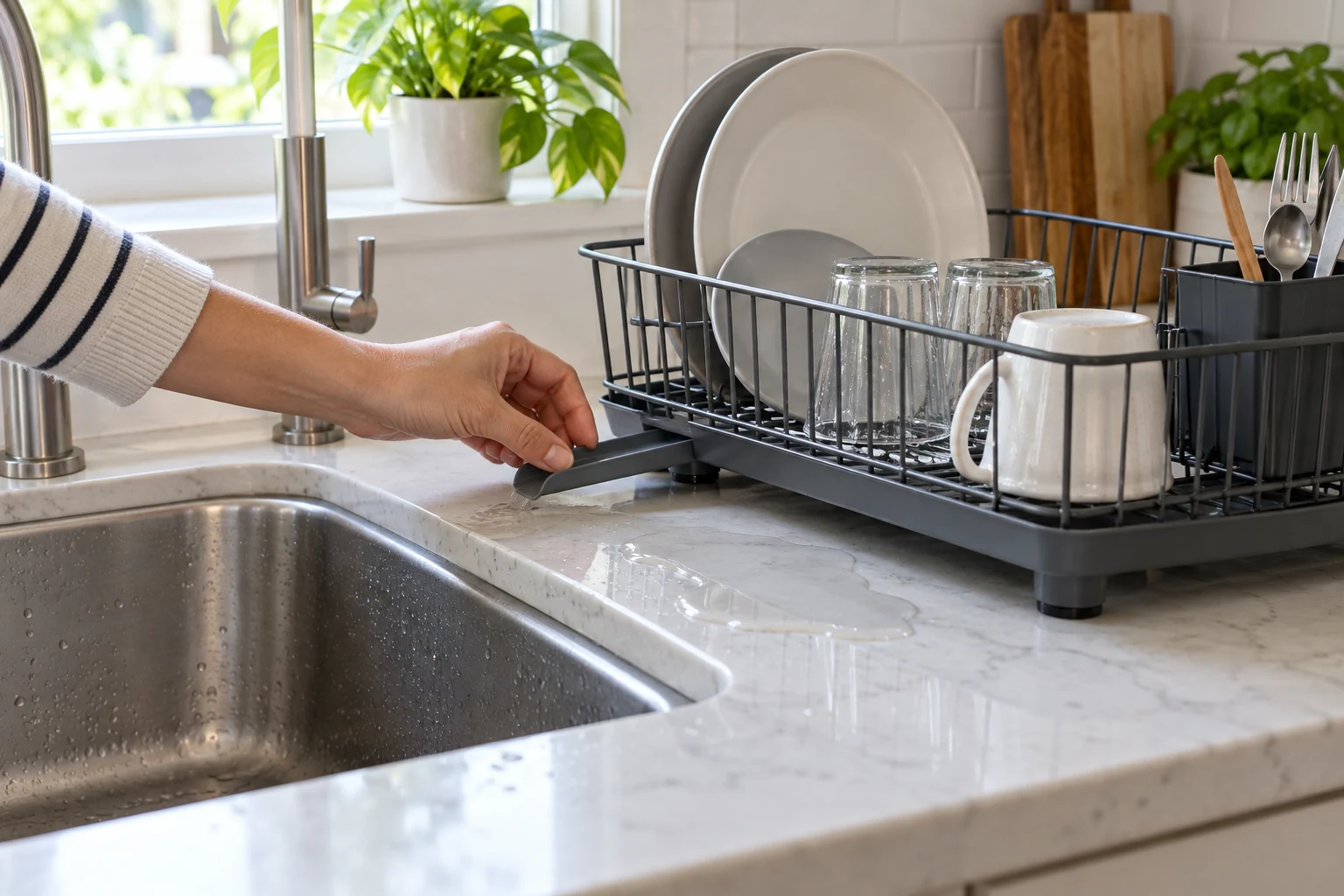
Dry the area, observe one normal dish cycle, and separate loading drips from drainboard and spout placement issues.
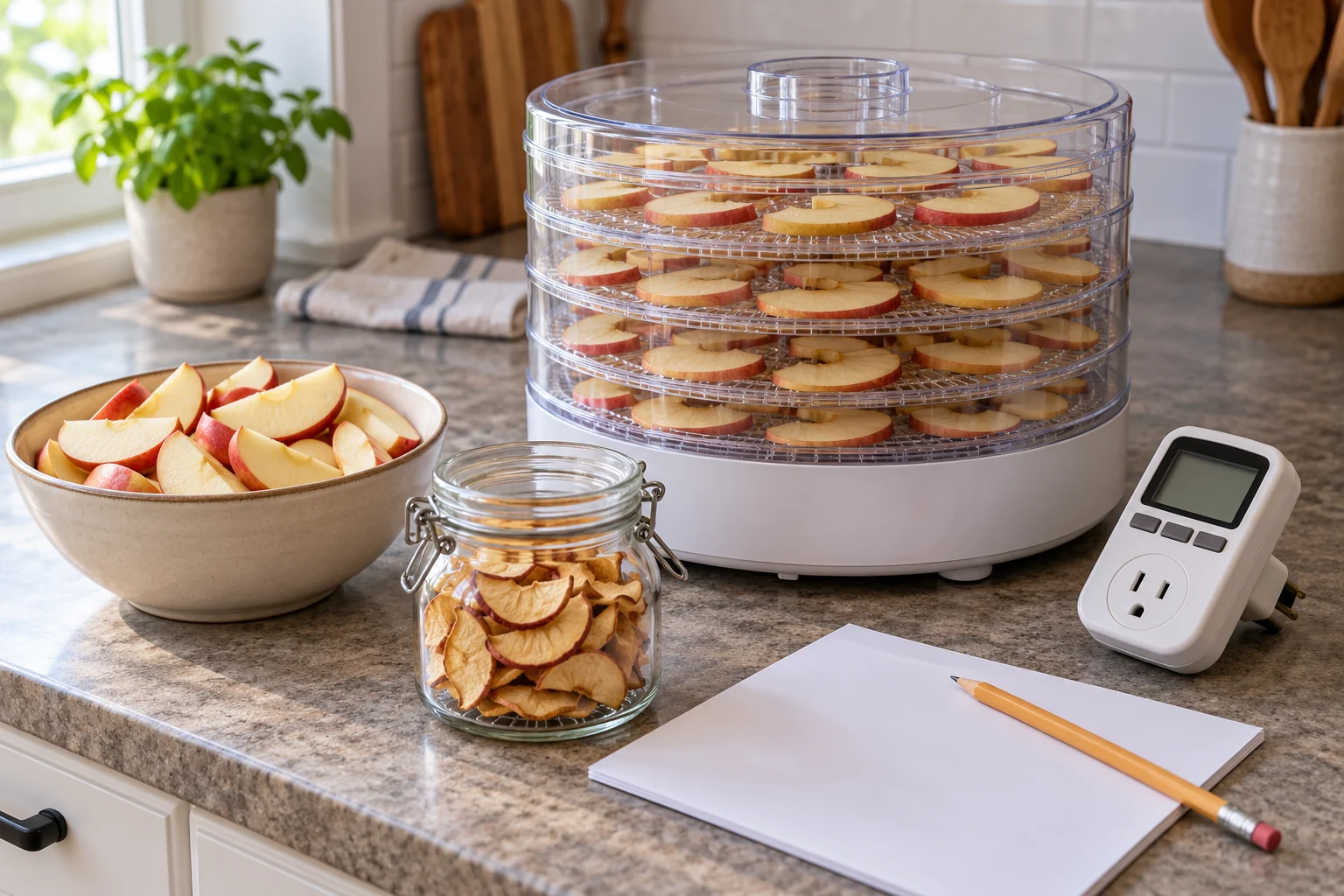
A four-line ledger for comparing dehydrator batches using actual kilowatt-hours and food you will use, without treating watts or tray counts as savings.

Two listings can use the words “stainless steel” and still leave the appearance of the appliances unresolved. If you want a range and a countertop oven to look at home together, decide which visible parts you care about and how close the match needs to be. A shared material term is a starting point for questions, not evidence that the fronts, handles or controls will have the same color, sheen or texture.
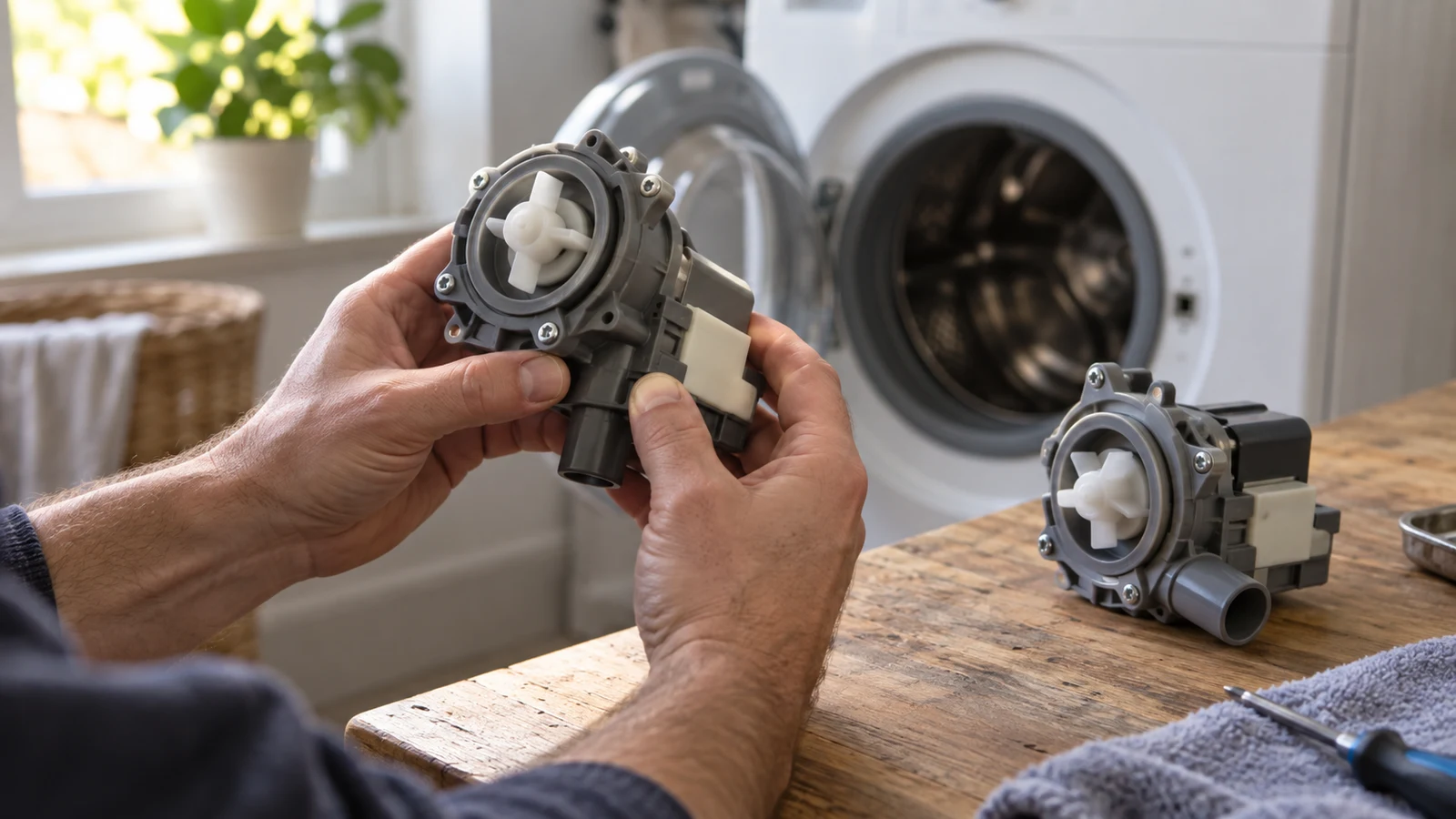
A replacement listing can name a part, say which older numbers it replaces, and still leave unanswered whether it fits your appliance. Read replacement part numbers by separating those claims. Identify the number being offered, preserve the replacement references exactly, and look for evidence connecting that part to your appliance's complete model identity. A familiar component name or an OEM description does not supply that missing connection.
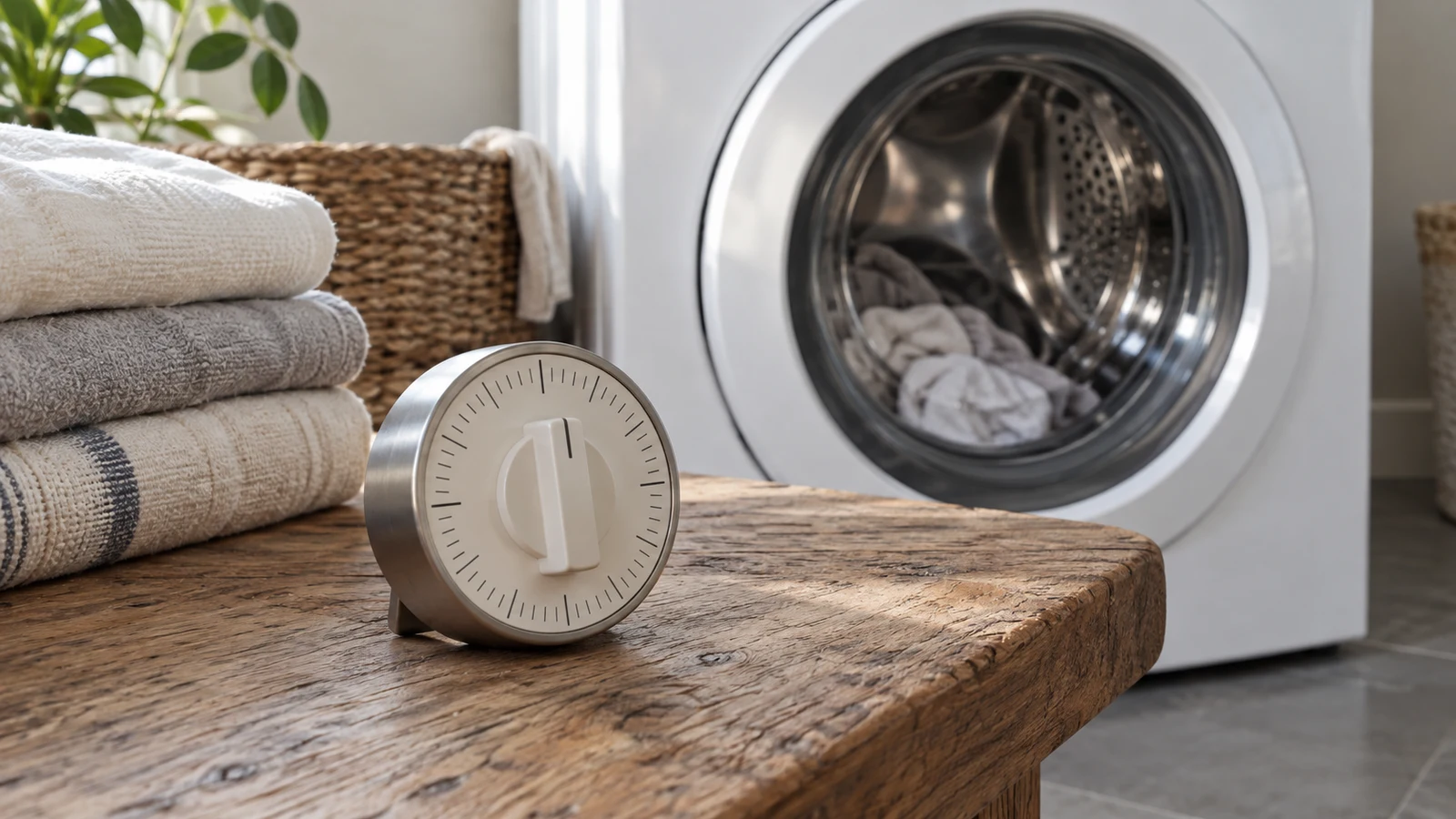
A timer description answers only part of the question you need to settle before choosing an appliance or a program. Look for what interval it measures and what action the appliance takes when that interval ends. A countdown, a transition to another temperature stage, and the end of a complete program are different things. Understanding appliance timer functions means keeping those events separate until the exact-model instructions connect them.
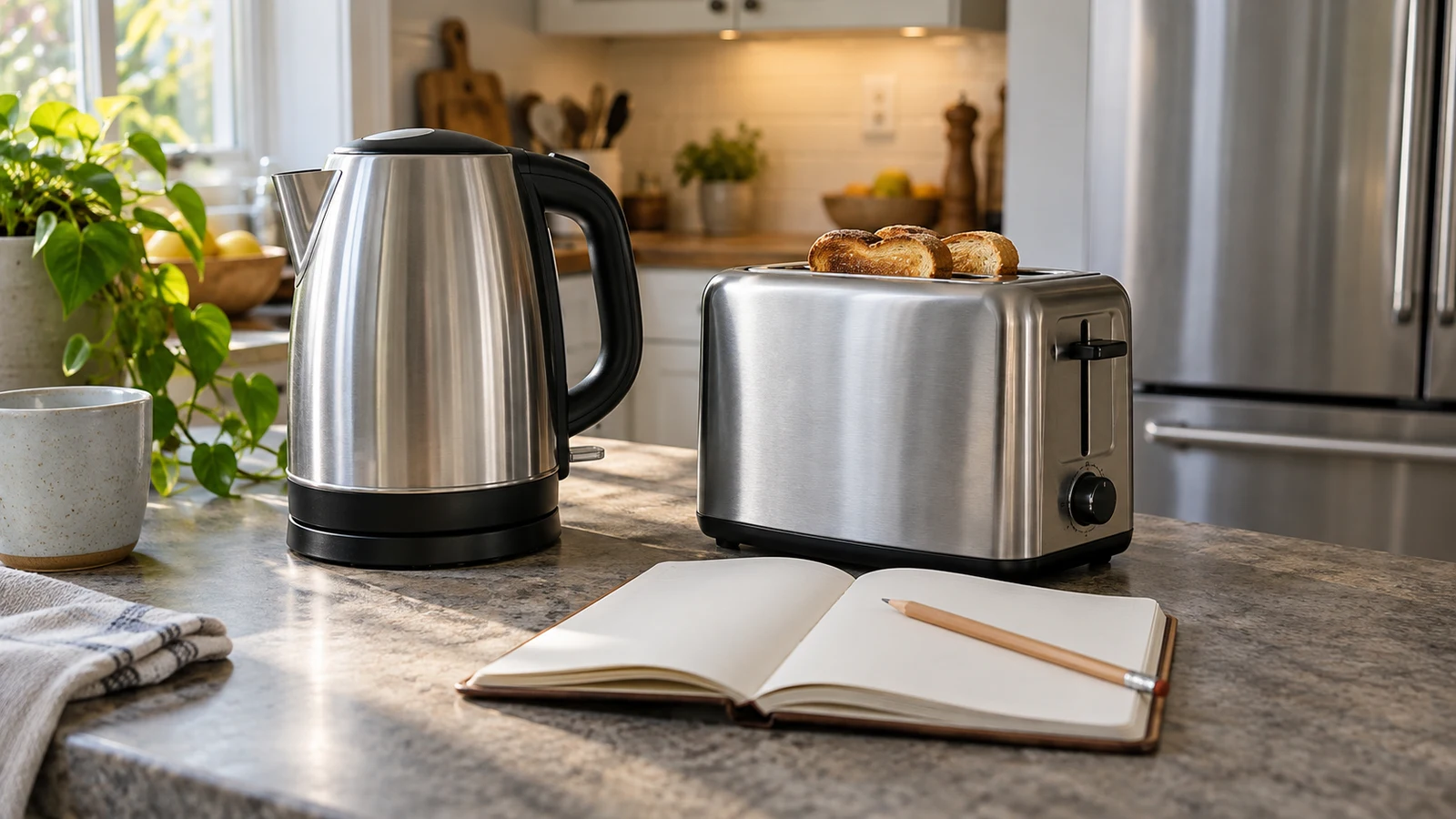
How much electricity will an appliance use when its listing gives you only watts? You need both power and time, plus an account of how the appliance operates during that time. A wattage can support a calculation for a stated operating condition. It does not, by itself, tell you the energy consumed during an evening, a wash program, or a month.