Crypto Commerce
Understand appliance timer functions before choosing a program
A timer description answers only part of the question you need to settle before choosing an appliance or a program. Look for what interval it measures and what action the appliance takes when that interval ends. A countdown, a transition to another temperature stage, and the end of a complete program are different things. Understanding appliance timer functions means keeping those events separate until the exact-model instructions connect them.
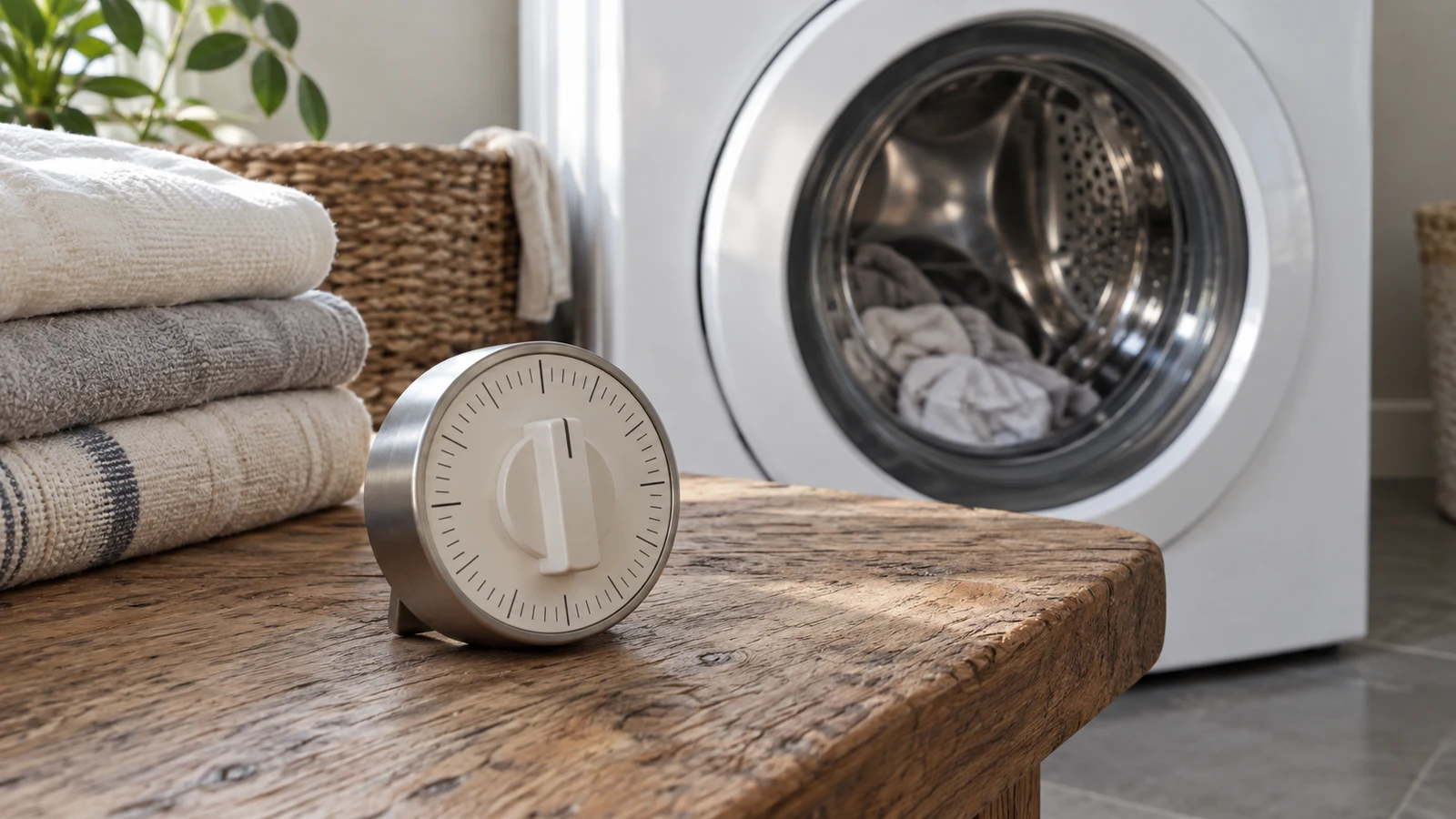
A timer description answers only part of the question you need to settle before choosing an appliance or a program. Look for what interval it measures and what action the appliance takes when that interval ends. A countdown, a transition to another temperature stage, and the end of a complete program are different things. Understanding appliance timer functions means keeping those events separate until the exact-model instructions connect them.
The supplied Republeq catalog descriptions provide a useful contrast. The Sedona Combo dehydrator description explicitly connects a higher-temperature stage with an automatic change to a lower-temperature stage. The indoor pizza oven description names an independent countdown timer but does not explain its completion action. Neither description, by itself, answers every question about shutdown, interruption, or restart. This comparison concerns what those descriptions establish, not tested performance or instructions for operating either appliance.
Identify The Interval Behind A Countertop Pizza Oven Timer
Start by identifying what the advertised time belongs to. A displayed duration might represent a selected setting, time remaining in a stage, or time remaining in a complete program. Those are possible interpretations to investigate, not interchangeable labels. If the description says only that an appliance has a timer, leave the measured interval unresolved rather than assigning it the meaning you want.
A stage duration refers to one part of a sequence. A total program duration refers to the sequence as a whole. A countdown describes time counting down, but the term does not, on its own, identify which appliance functions respond at zero. Read the surrounding wording for an explicit connection between the interval and an action. The length of the available setting cannot supply that missing connection.
For example, an imagined display labeled “stage remaining” would answer a different question from one labeled “program remaining.” The first would identify time within a particular stage; the second would identify time within the program. Neither label alone would explain what happens afterward. These fictional labels illustrate the distinction and are not descriptions of either product's actual display.
When comparing listings, keep the time setting and the completion action in separate notes. Record an action only if the wording identifies it. This prevents a selectable duration from becoming an assumed shutdown feature in your comparison. It also makes your next question more precise: you need to know what the timer controls, rather than simply whether the appliance includes one.
Read The Sedona Sequence Beside The Countertop Pizza Oven Description
The Sedona Combo Food Dehydrator with BPA-Free Plastic Trays listing provides an example of appliance timer functions described through a sequence. Its supplied catalog text names a Two-Stage Sequential Temperature-Timer and describes a higher-temperature stage followed by an automatic reduction to a lower temperature. That wording identifies a temperature change within the advertised process. It does not establish every setting involved in that change.
The useful distinction is that the described transition leads into another stage. You should not treat that intermediate event as a statement that the appliance has finished its entire program. The description does not specify how each stage's duration is entered, which duration the display presents, or exactly how the transition is triggered. Those details belong in the exact-model instructions.
The same catalog description names a built-in timer with continuous mode. Preserve that feature name without expanding it into a complete account of operation. The supplied text does not explain how continuous mode relates to the two-stage sequence, what its display shows, or how a timed selection interacts with it. In particular, the name does not establish a universal completion rule for every mode.
This leaves a focused Sedona question: which instructions explain the relationship between the stage settings, the automatic temperature reduction, and the final program action? A satisfactory answer would identify those events separately. A general statement that the unit has digital controls would not resolve them, because a control interface and a documented sequence are different pieces of information.
What The Countertop Pizza Oven Countdown Leaves Open
The supplied listing for the 1100W countertop pizza oven names an independent countdown timer and gives a selectable range of 0 to 60 minutes. That is evidence of the advertised timer and its stated range. It is not a description of what the heating system, an alert, or another control does when the countdown reaches its endpoint.
The word “independent” needs particular care. It does not tell you enough to conclude that the timer is only a reminder, that it interrupts heating, or that it governs every operating mode. Each of those interpretations adds behavior the supplied wording does not specify. Keep the catalog's term intact and ask what independence means for this exact model's controls.
The range also leaves an edge case unresolved: what does selecting zero mean? Do not infer that it selects an off state, continuous operation, or an immediate completion event. A printed range identifies available values as advertised; it does not explain the function assigned to each endpoint. You can ask about that meaning without trying an unknown setting on the appliance.
For the same reason, avoid describing the countdown as proof that food will be ready when it ends. A selected interval and a food outcome are different claims. This article does not establish cooking times or judge readiness. The decision here is narrower: whether the documented timer behavior matches the control function you need before you choose a program.
Intermediate And Final Events In A Countertop Pizza Oven Comparison
Consider a hypothetical program description that says an initial stage ends and a second stage begins automatically. The specified event is a transition. Even if a stage countdown reaches zero at that point, the description would support continuation into the named second stage, not completion of the whole program. This example illustrates an intermediate boundary without assigning a display or trigger to the Sedona.
Now consider an unrelated hypothetical description that says only “countdown complete.” That wording identifies the end of the measured interval. It leaves the appliance's next action unspecified. You would still need instructions explaining whether anything changes and, if so, which functions change. This example is not a claim about the pizza oven's display, heating behavior, or alerts.
The comparison turns on the action attached to the endpoint. “Next stage begins” supplies an action within a sequence; “countdown complete” reports an interval's end. Neither should be rewritten as “everything switches off” unless the applicable instructions actually say so. The same discipline applies to a phrase such as “program complete”: establish what completion means for the appliance rather than inferring it from familiar wording.
Resolve Countertop Pizza Oven Completion And Interruption Questions
Ask completion questions in terms of the particular function you need explained. “Does the timer stop it?” leaves “it” unclear. A more useful question is whether reaching the end of the selected countdown changes heating, changes a program state, produces an indication, or requires a user action specified in the instructions. These are questions to resolve, not features attributed to either product.
Keep a normal endpoint separate from an interruption. A description of what happens after an interval runs to completion does not explain what happens if a user interrupts a program or power is interrupted. The supplied catalog text does not establish pause handling, retained settings, or restart behavior for either appliance. Leave those matters open until the relevant instructions address them.
Use the following questions when reading exact-model instructions or requesting clarification. Ask for the applicable section and operating mode, since an answer about one mode need not explain another. The aim is to obtain a documented explanation, not to discover unknown behavior by running a trial.
- What interval does the displayed time represent in this mode: a selected duration, a current stage, or the complete program?
- At the end of that interval, which appliance functions change, and which remain unchanged?
- Does an intermediate transition have a different indication or action from final program completion?
- If interruption or pause is supported, what happens to the remaining time and the current stage?
- What do the instructions say about settings and program state after power is interrupted?
- Which documented action is required from the user at completion, and where is it explained?
An answer should connect the event to the affected function. If it merely repeats “automatic timer,” the original uncertainty remains. For example, clarification about an audible indication would not by itself answer a question about heating. Likewise, clarification about the final program action would not explain whether the displayed duration covers a single stage or the entire sequence.
Finish The Comparison Before Appliance Installation Readiness
A useful comparison of appliance timer functions can remain incomplete where the descriptions are incomplete. The two products do not need matching entries in every category. Sedona's text provides a stated automatic temperature transition; the oven's text provides an independent countdown and a selectable range. That difference concerns the information available, not a finding that one appliance has better controls.
For the Sedona, record the advertised two-stage sequence and automatic move to a lower temperature. Record the built-in timer with continuous mode as a separately named feature whose relationship to the sequence needs explanation. Leave the detailed time-setting arrangement and final program action unresolved. The manual question is how the timed stages, continuous mode, and completion behavior relate in the intended mode.
For the oven, record the advertised independent countdown and its stated selectable duration. Leave the meaning of independence, the endpoint action, and any relationship to heating unresolved. The manual question is what changes when the chosen interval expires, including what the instructions say about the range's zero setting. Neither comparison entry should claim an alert, automatic shutdown, or continuation that the supplied description does not establish.
Once those control questions are understood, treat appliance installation readiness as a separate purchase consideration. The related guide addresses a different set of appliance questions and does not replace exact-model timer instructions. If cryptocurrency purchasing is offered for your intended order, keep that payment choice separate too. A payment option does not resolve uncertainty about a program's operation.
Before selecting equipment or a program, obtain the exact-model instructions and find the passages that answer your remaining questions. What time is being measured? What happens at an intermediate transition? What happens at the final endpoint, and what must you do then? Keep any unanswered behavior marked as unknown until the instructions explain it, rather than choosing on the assumption that reaching zero means shutdown.