Photography & Video

Photography and video-making techniques and planning.

Showing 1–12 of 15 guides

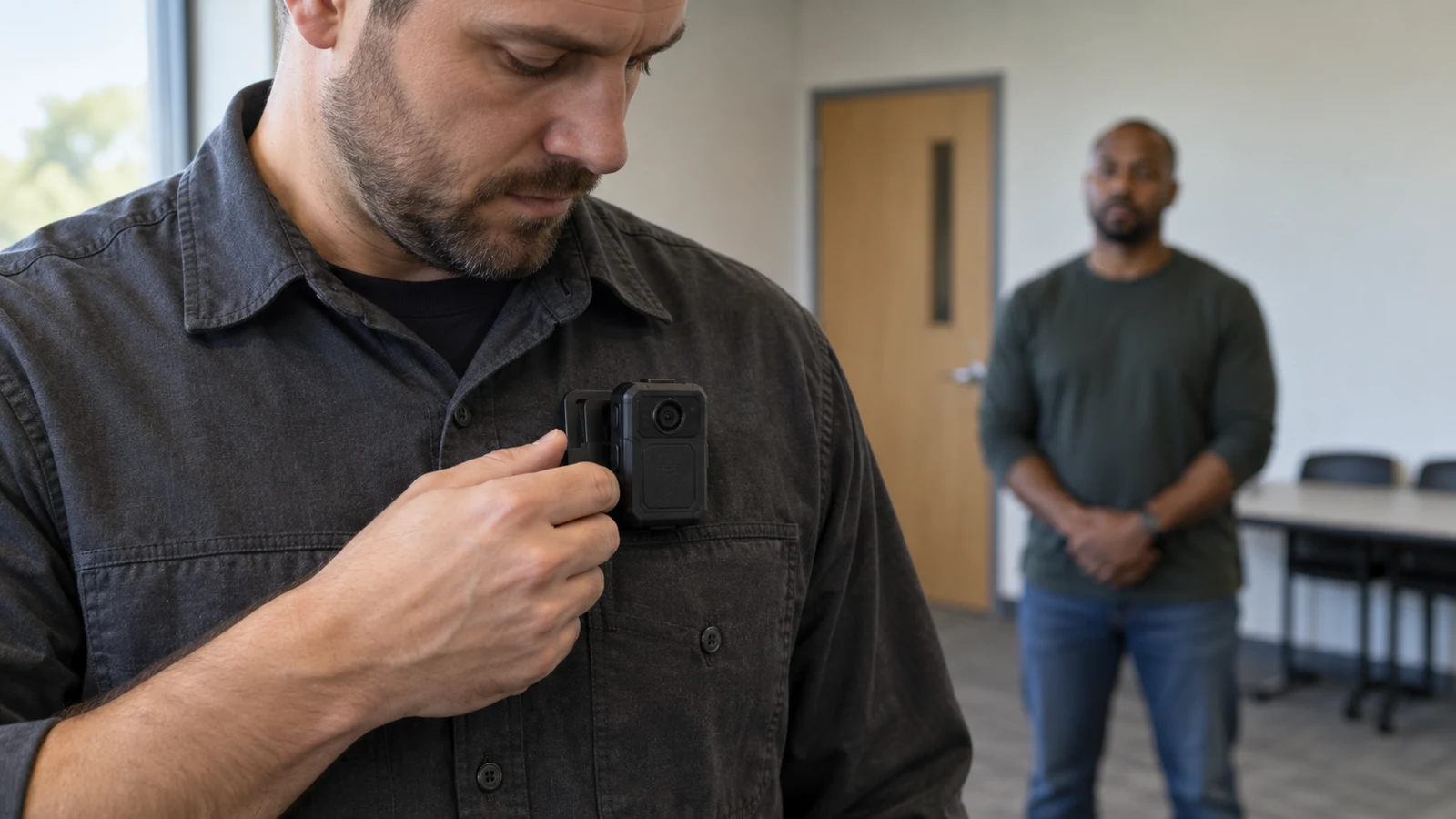
Body camera viewpoint checks guide to framing a demonstration from the viewer’s perspective.
10 min read

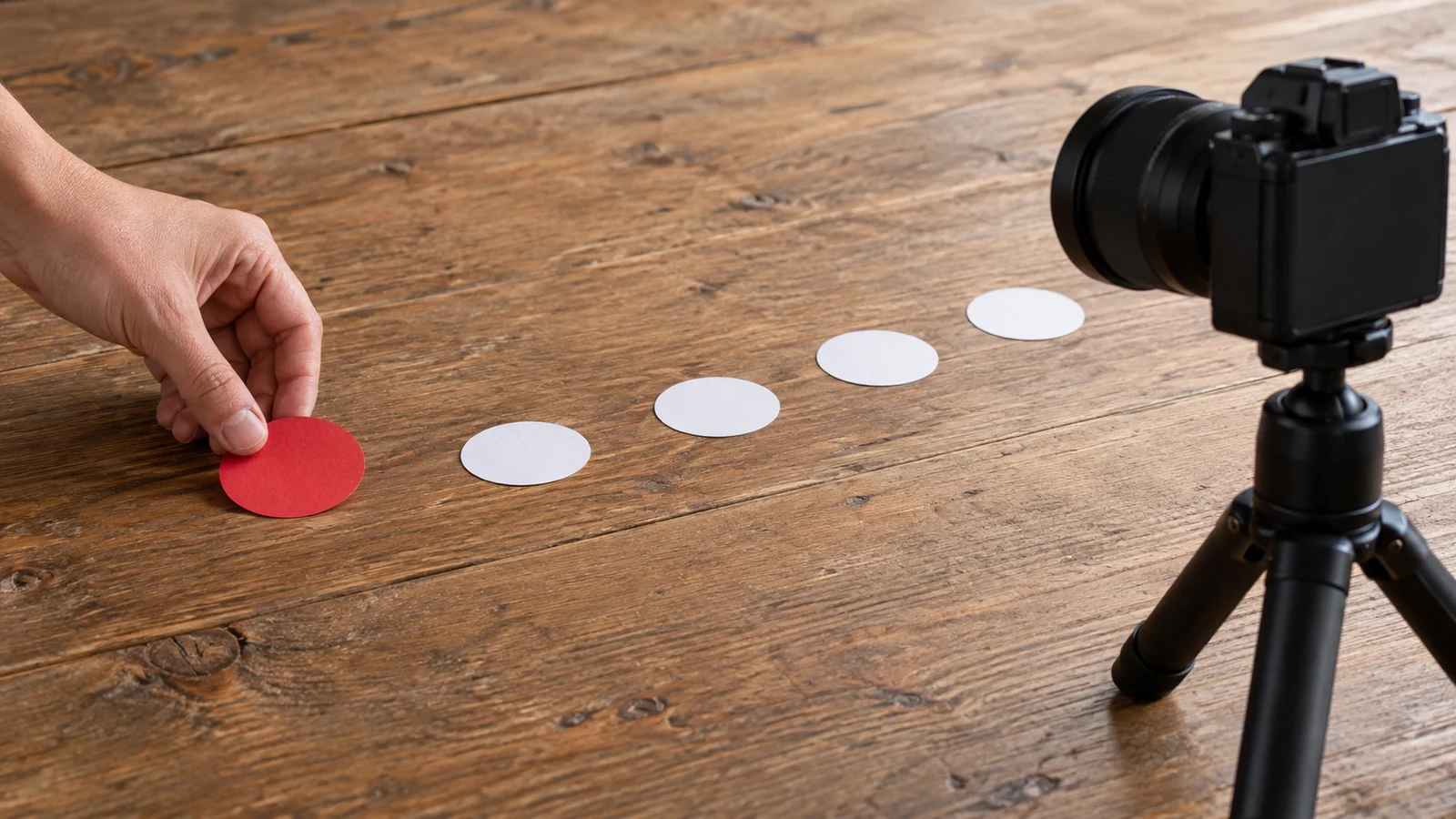
Plan body camera viewpoint checks for a demonstration

A hand can complete a fold while the camera records almost none of it. If you are demonstrating how to wrap a plain card in a paper sleeve, the useful question is whether a viewer can see the edge meet the card and follow what your fingers do next. A short trial recording gives you a better answer than the view you remember having while you worked. Watch the recorded action once without explaining it aloud. If the sleeve seems to change shape behind your hand, the viewer has been asked to infer the step that the demonstration was meant to show.
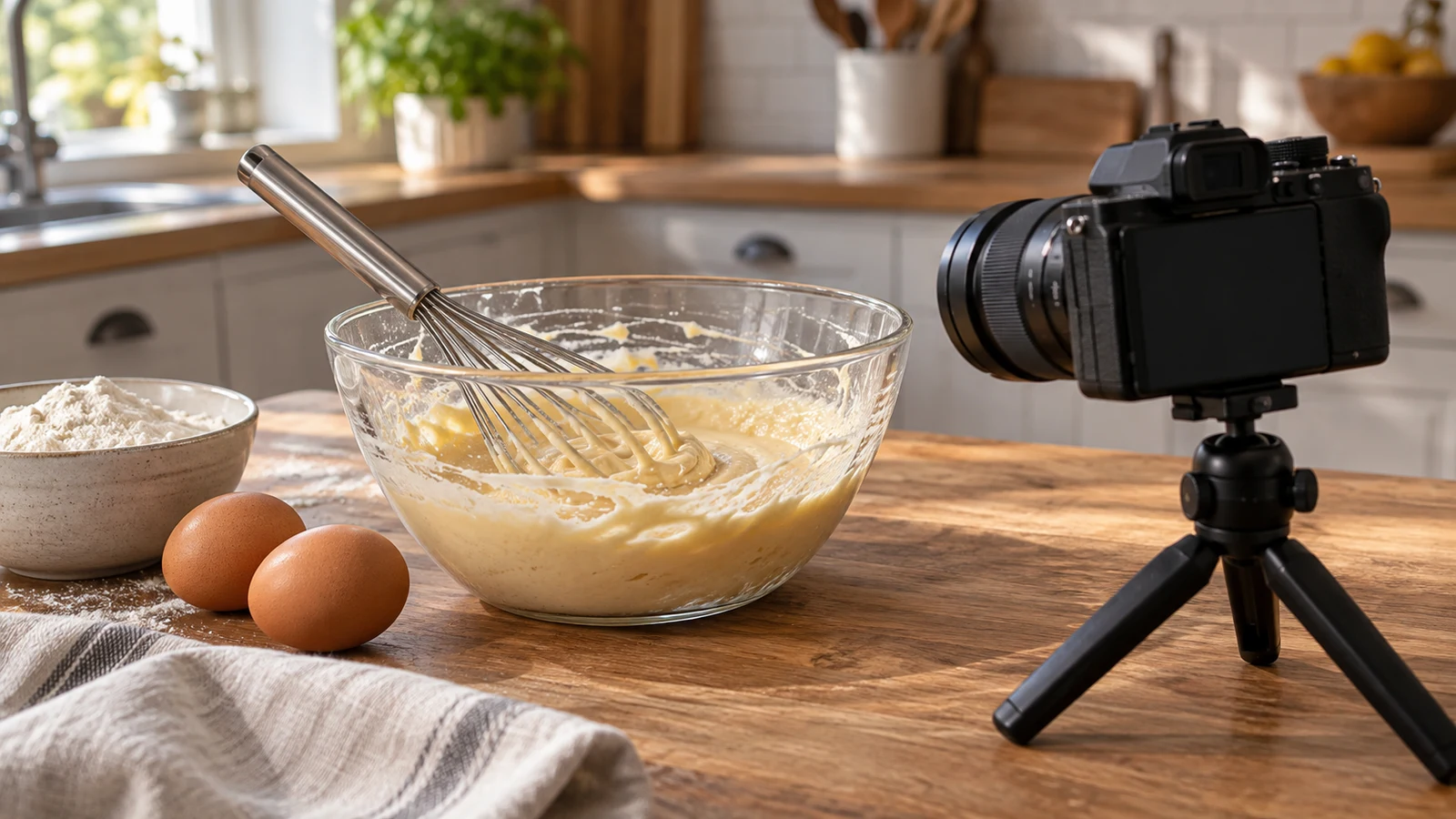

Recipe progress photography as a record of visible mixing stages, with care not to infer steps the photographs cannot show.
10 min read

Plan recipe progress photography for a mixing session

A photograph can remind you what a mixture looked like at a particular point, but it cannot tell you everything that happened before the shutter was pressed. If you want to revisit one mixing session, choose a few recipe stages worth remembering and give each photograph a short note about the step actually reached. Record any intervening action you know about, and leave uncertain causes uncertain. The result is a usable memory of your session, not a visual test for whether the recipe succeeded. For recipe progress photography , verify each step.

Photo contact sheet planning that gives reviewers a way to identify source files and locate a product-condition detail.
9 min read

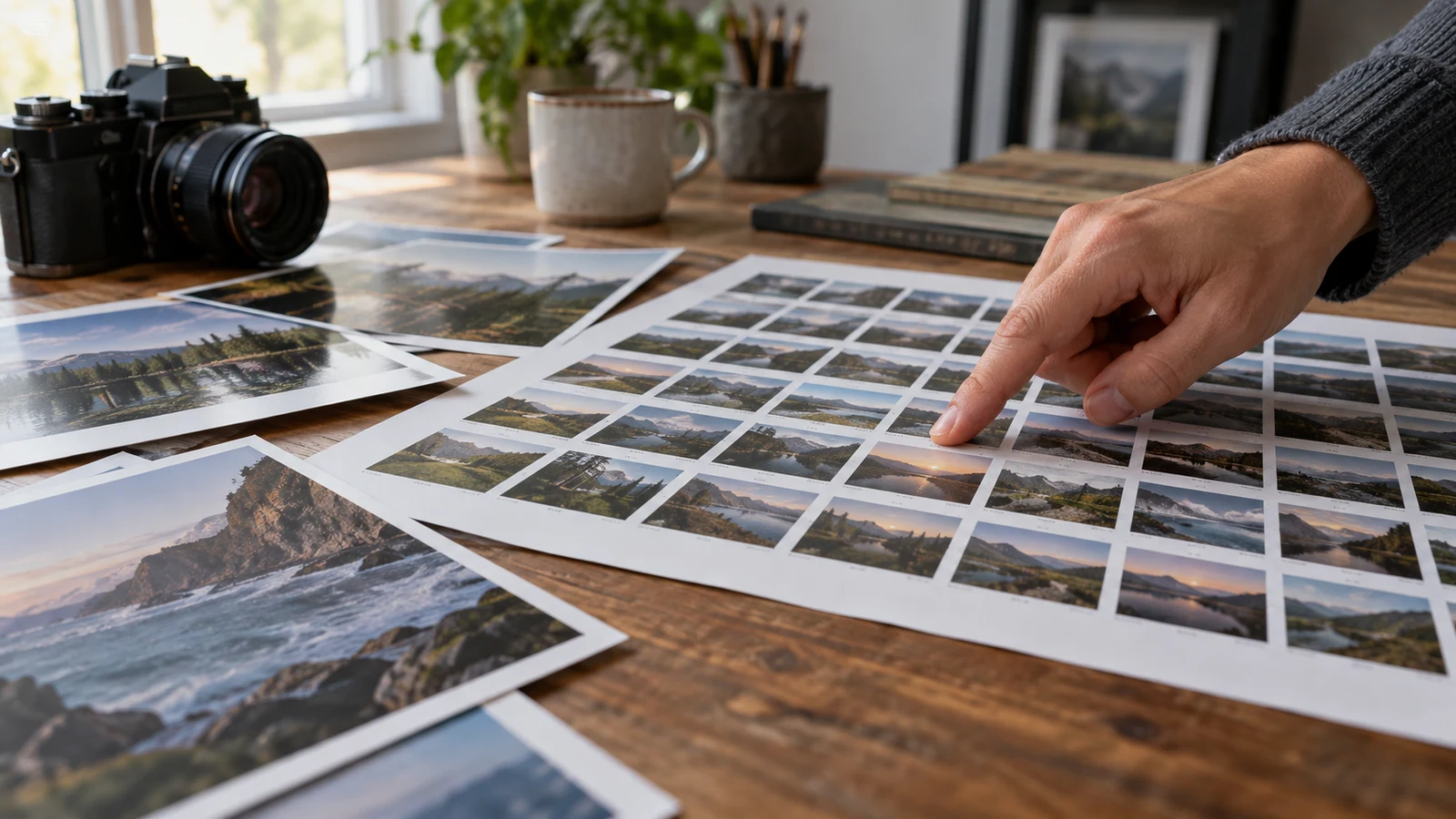
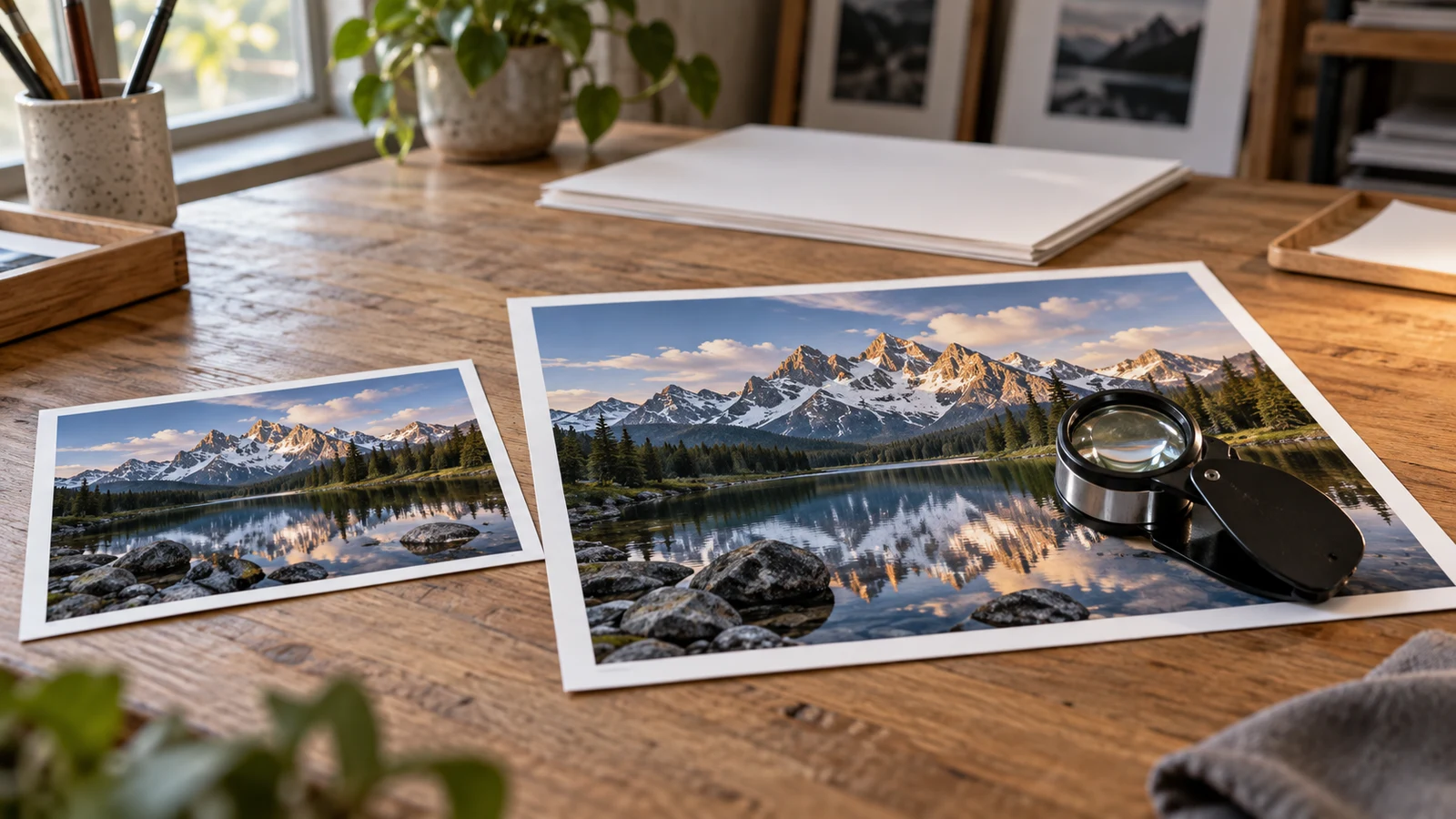
Use photo contact sheet planning to identify image files

A reviewer asks which photograph of a used table lamp shows the small mark near its base. You have several existing pictures, including two nearly identical views from that side. A contact sheet can make the exchange precise: each preview gets a reference label that leads back to one original file. The reviewer can ask for that file by label instead of guessing from a thumbnail or saying “the third picture.” The sheet is a lookup aid, not a verdict on the lamp’s condition. A small preview cannot establish whether a mark is a scratch, a reflection, or something else.

Screen direction planning for a video sequence, tracking a subject's movement and viewpoint before equipment choices.
9 min read

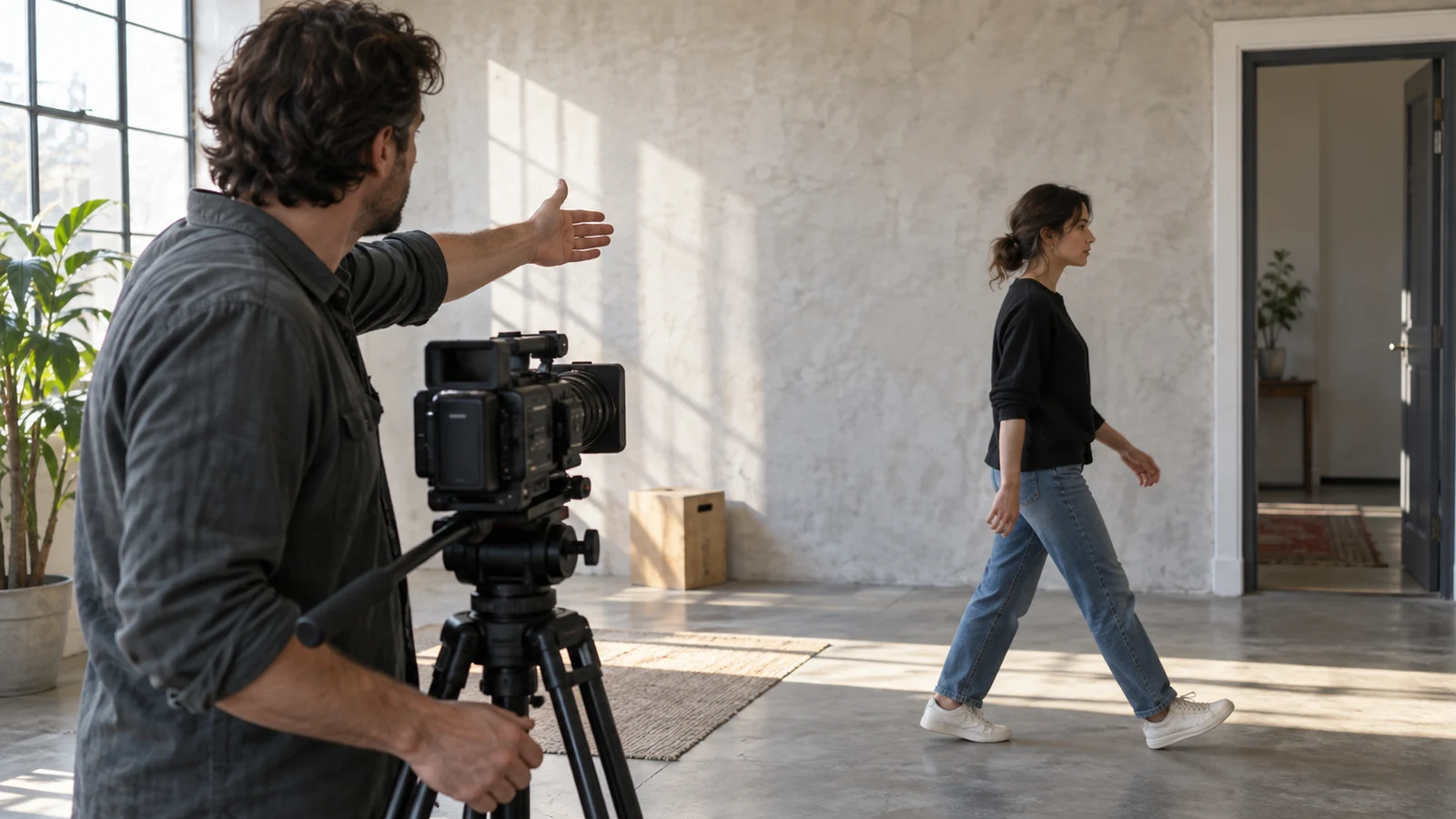
Use screen direction planning for a clear video sequence

A person walks toward a table, puts an object down, and stays there. In the room, the route is simple. Across three camera views, that same walk could appear to reverse halfway through. Screen direction planning lets you notice the problem before recording: draw the route on a floor sketch, mark each proposed viewpoint, and predict which way the person will travel across each frame. The sketch describes movement in the room; the frame notes describe what a viewer might see. Keep those two descriptions separate. For screen direction planning , verify each step.

Product photo shot list for documenting visible condition, including surface coverage, detail views, and location of marks.
10 min read

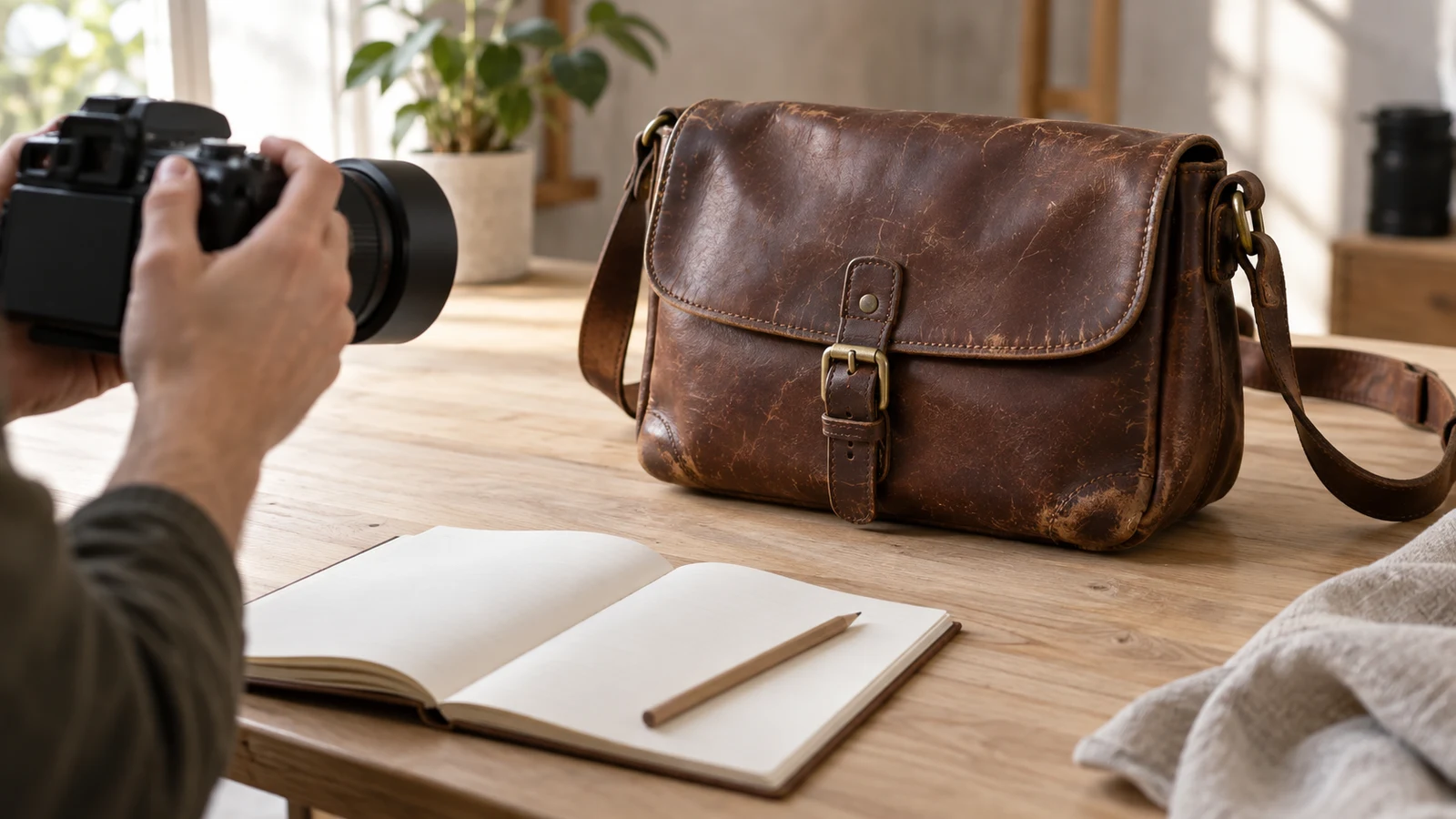
Plan a product photo shot list to document visible condition

Someone inspecting a physical item from a distance needs to know which surfaces the photographs show and where any visible marks sit. A product photo shot list turns that need into a set of specific pictures before you start. For each proposed view, write down the question it should answer. If a photograph cannot answer its question, take another view or record the gap. The list documents visible appearance; it cannot establish how the item works, what lies beneath a surface, or why a mark appeared.

Repeat photography planning for a changing subject, using a consistent viewpoint and a clearly defined comparison question.
11 min read

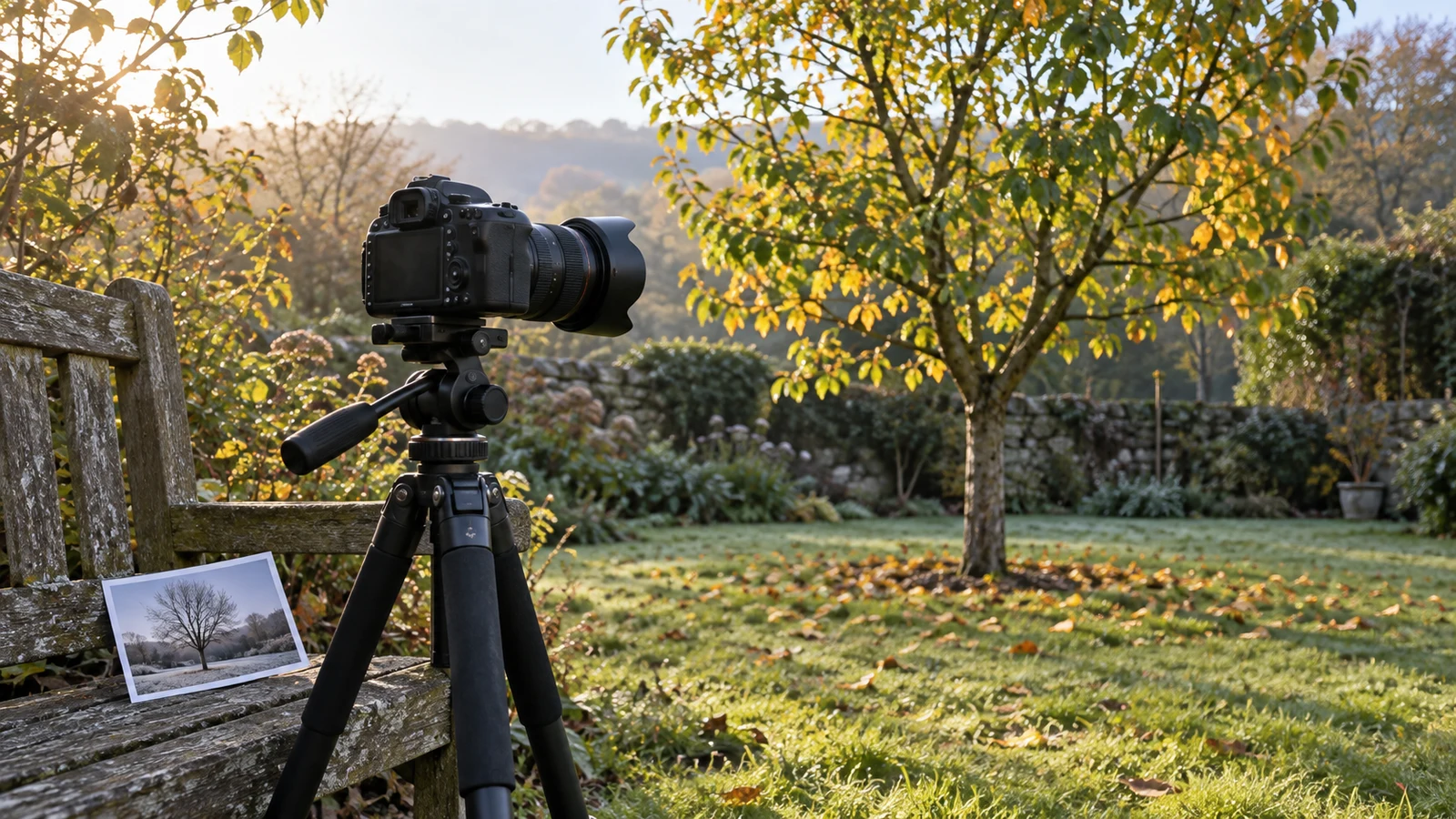
Use repeat photography planning to compare a changing subject

A photograph of a household plant today and another in a few weeks might seem easy to compare. Then you notice that the container is closer to the camera in the second image, the leaves overlap differently, and the window behind them is much brighter. Which differences belong to the plant, and which belong to the photographs? Repeat photography planning gives you a way to ask that question before taking the first picture. Choose a visible feature, preserve a view you can return to, and record anything that changes about the setup. You can then describe what the images show without treating an apparent difference as a measurement or a diagnosis.

interview camera framing: setting a camera view for a seated conversation.
9 min read

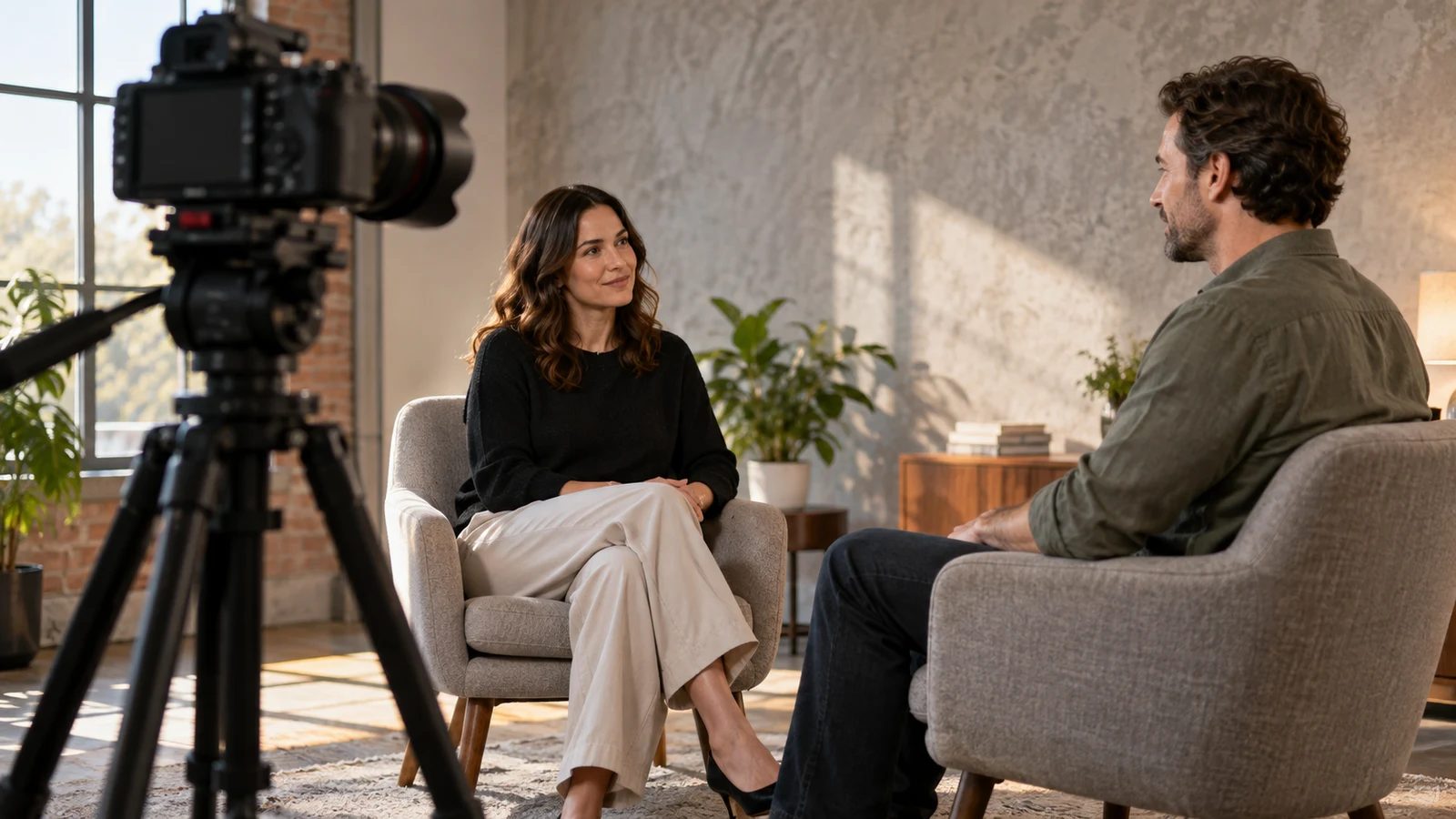
Plan interview camera framing for a seated conversation

Interview camera framing begins with a choice about the people in the picture. If you plan to record a seated conversation with an adult relative, decide whether the viewer should see the relative alone or see you listening as well. Then decide where your relative will naturally look while speaking. Those choices give you something specific to inspect in a trial frame; a camera listing cannot decide them for you. For interview camera framing , verify each step.

camera shot logging: recording take identifiers so footage can be reviewed later.
9 min read

Plan camera shot logging to distinguish recorded takes

You finish recording the same short passage several times. Later, the recordings look alike at a glance, and your note says only “second one sounded better.” Which recording was the second one, and what did “better” mean? A shot log can answer the first question without pretending to answer the second. Give each take a reference you can check, describe what you noticed, and leave your judgment open until you review the recording.

photo essay planning: arranging images so a visual story reads in order.
9 min read

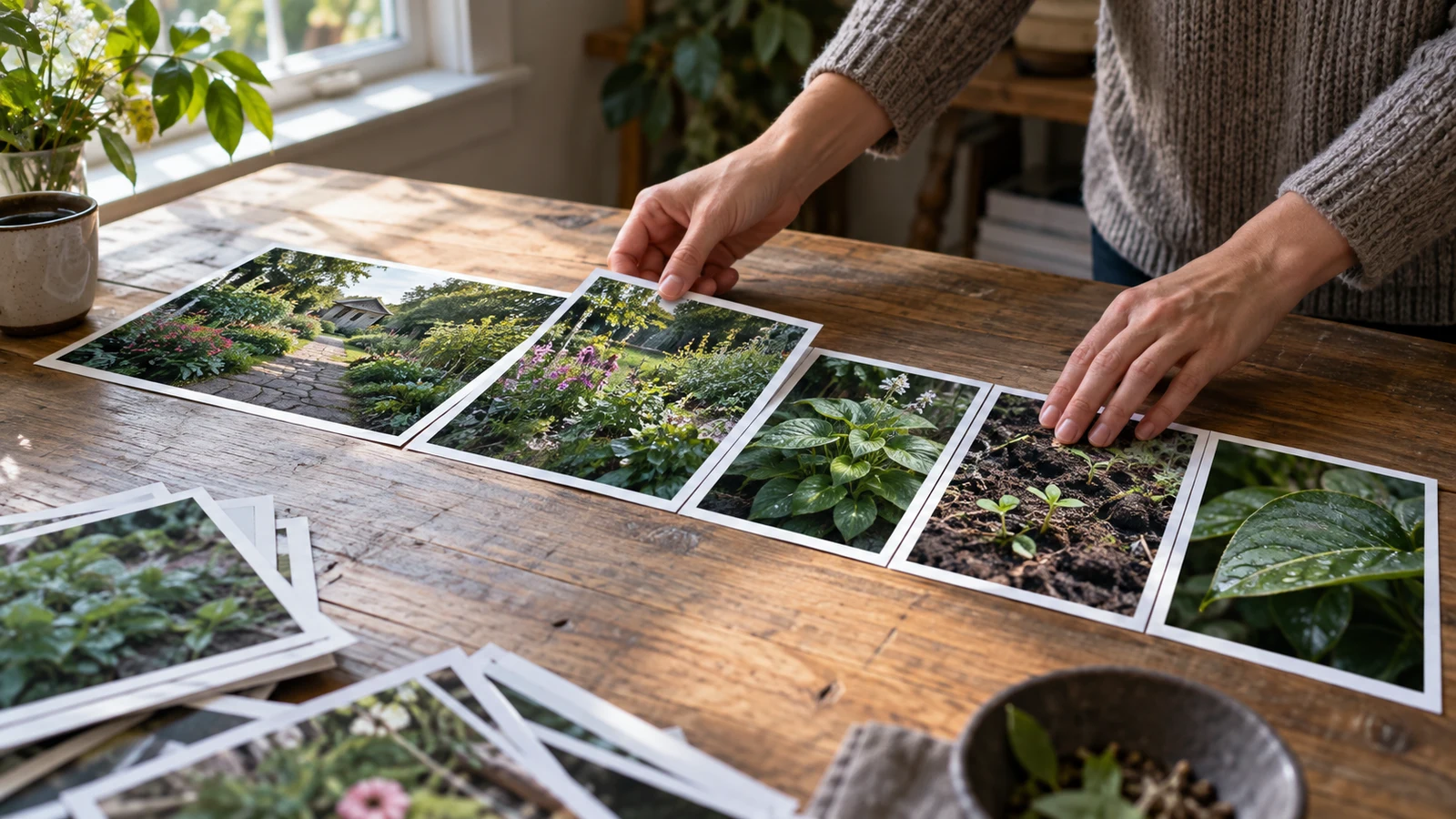
Use photo essay planning to sequence a short visual story

Suppose you have photographs of a community exhibition and want to show how its displays use the room. Which pictures belong together, and what does their order suggest? Start by writing that question above a list of the images you actually have. Give each photograph a job: establish the room, show a particular use of space, or complicate an earlier view. Then check whether the transition between two images seems to claim an event happened or one thing caused another. A sequence can make that claim even when its individual pictures cannot support it.

Photography & Video Guides | Republeq