
10 min read
Holiday word-count poem: grow four lines, then close
Five original winter-welcome lines contain 1, 2, 3, 4 and 1 words. Check the local counts, repair an extra their and compare a valid wording change.
Practical guides to documents, data, creative work, and everyday planning.
Showing 229–240 of 726 guides
Five original winter-welcome lines contain 1, 2, 3, 4 and 1 words. Check the local counts, repair an extra their and compare a valid wording change.
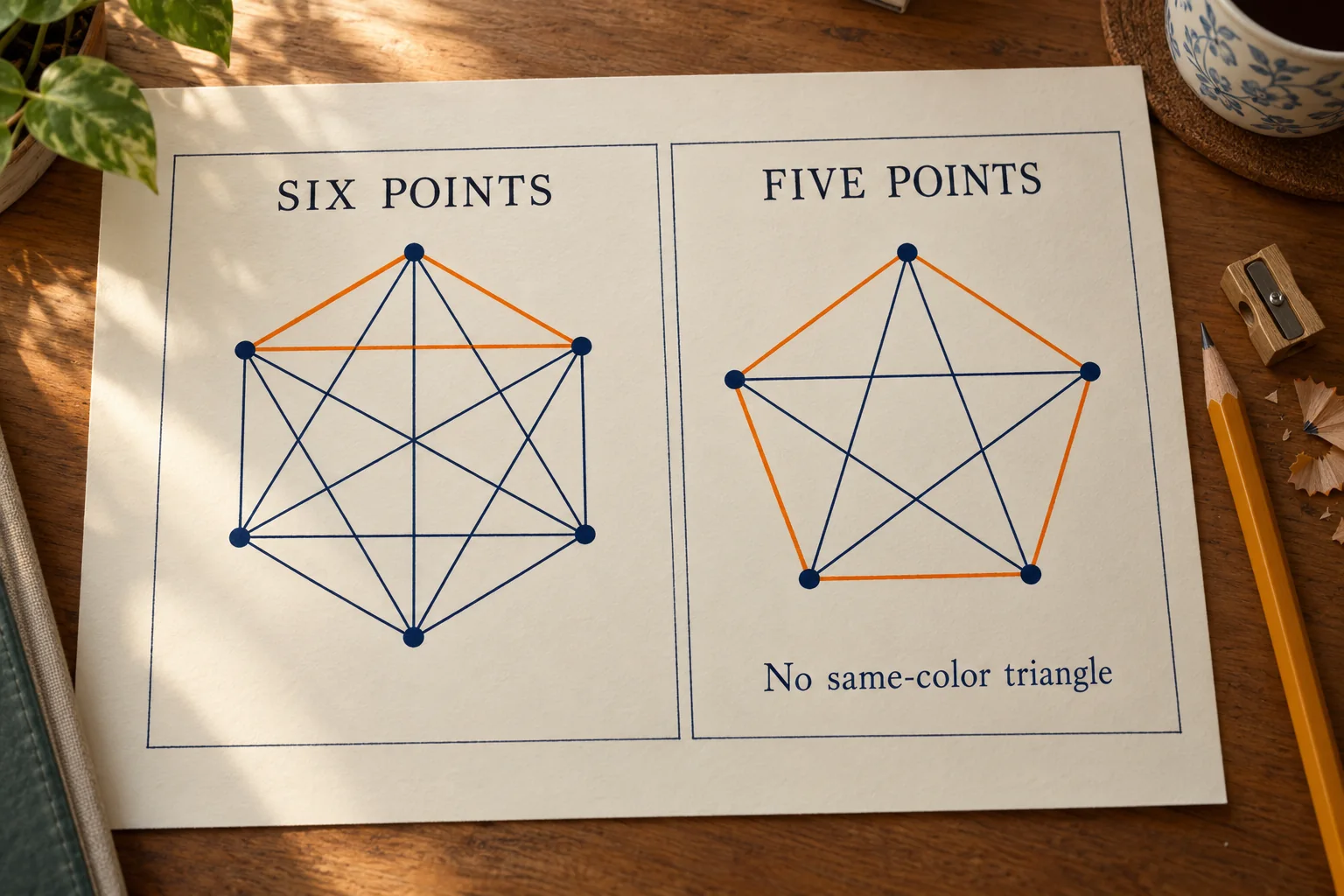
A paper gathering puzzle uses complete pair labels, a short two-case proof and a five-point counterexample to separate a guaranteed result from a smaller exception.
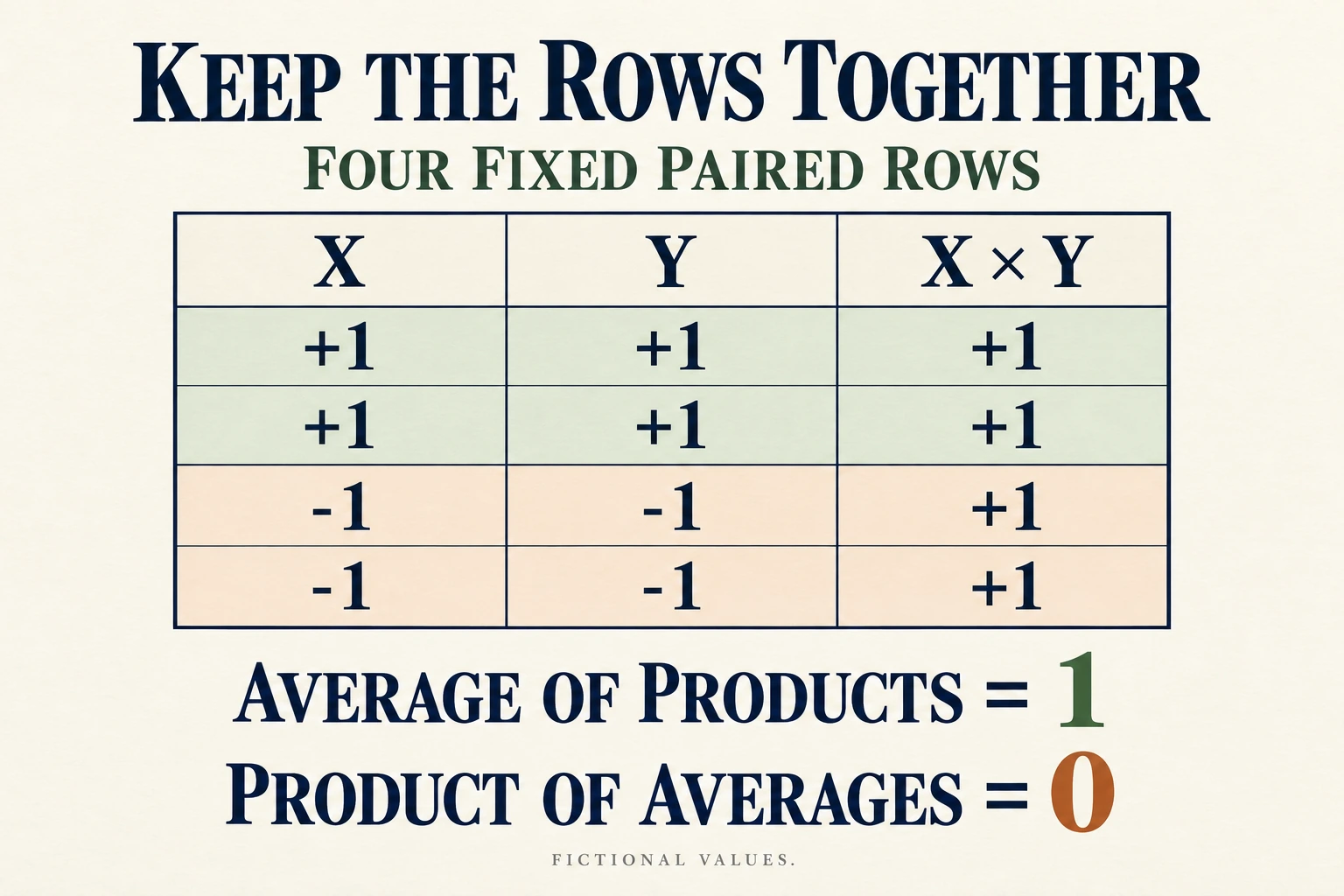
Three four-row tables keep both column means at zero, while their paired-product averages are 1, 0 and -1. An exact centered cross-term explains the difference.
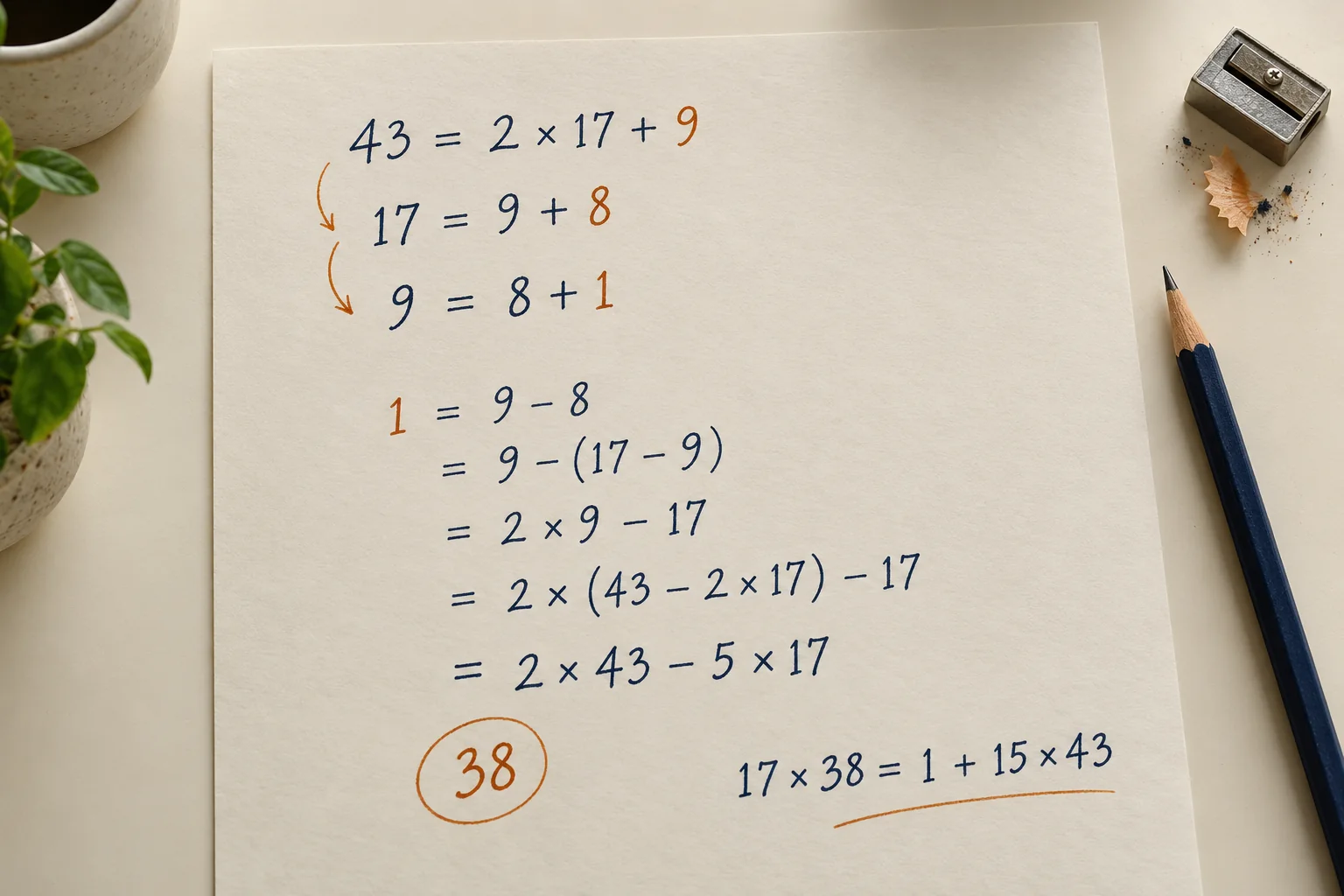
An integer identity turns a Euclidean remainder calculation into a checked modular inverse, with a uniqueness argument and a common-divisor failure case.
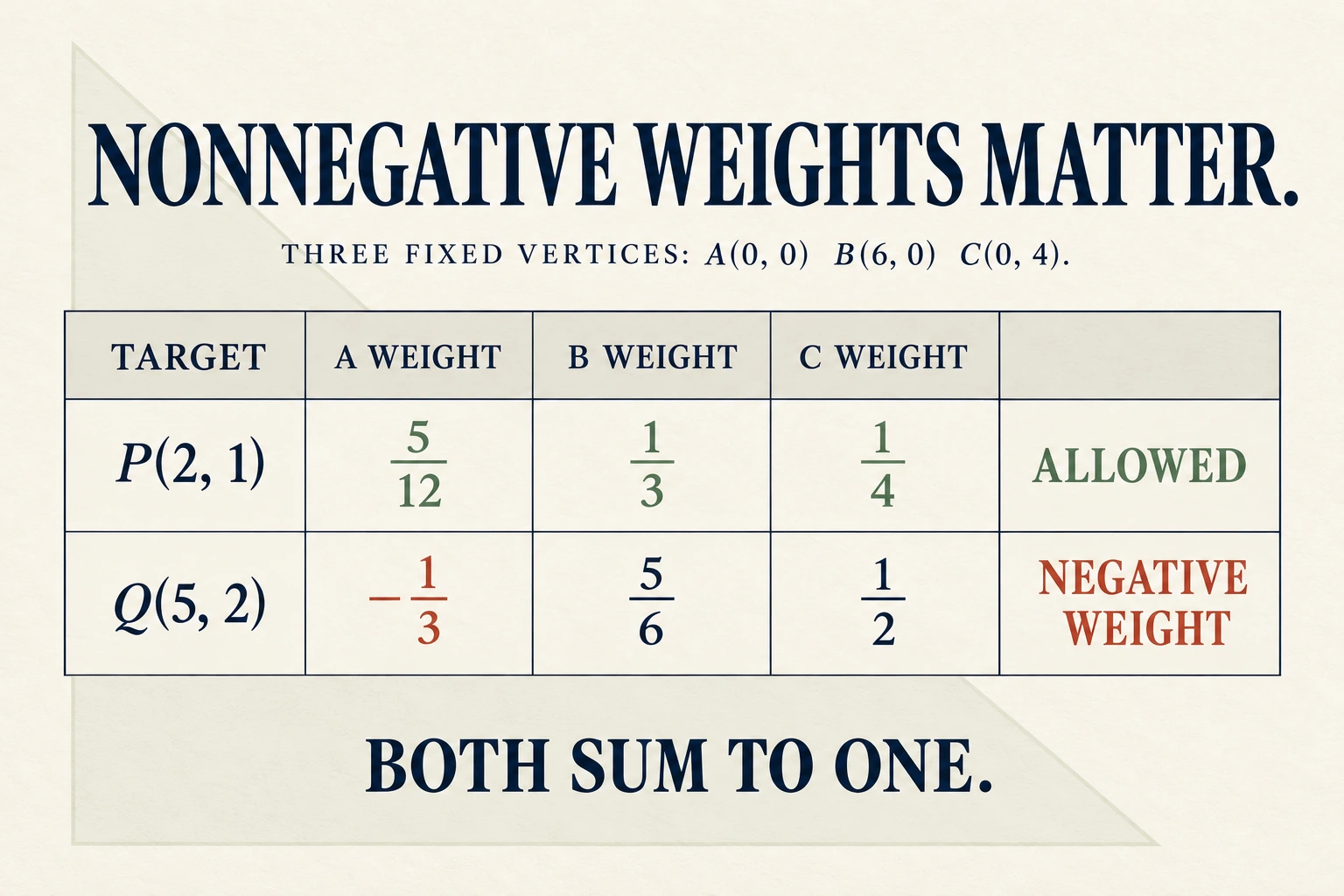
For vertices (0,0), (6,0), (0,4), target (2,1) has permitted weights 5/12, 1/3, 1/4. Target (5,2) reconstructs only with a negative first weight.
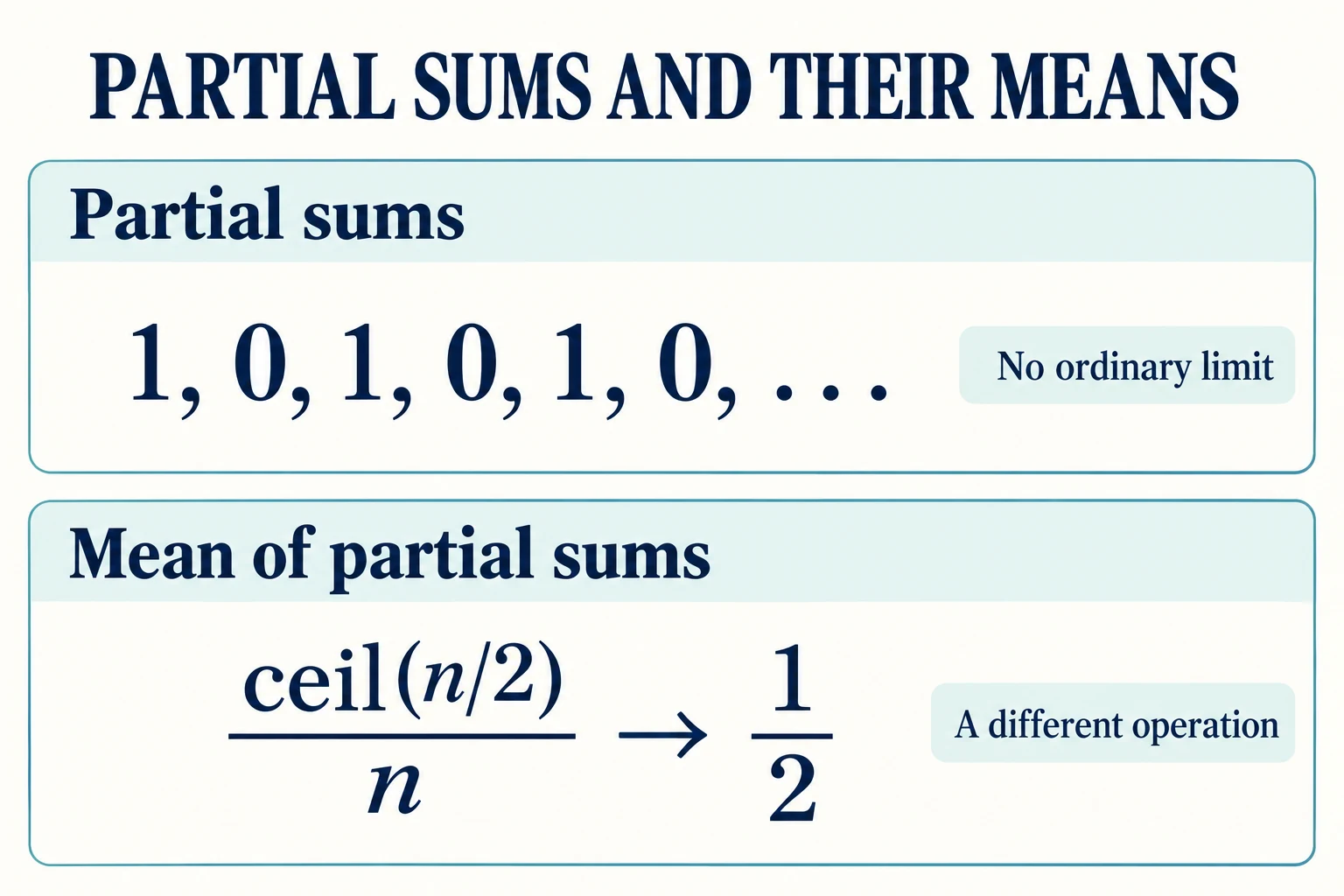
A fully specified alternating sequence separates ordinary partial sums, means of those partial sums and means of the terms, preserving each exact limit claim.

Move one fictional counter from a larger tray load to a smaller one and prove which eleven-counter allocations minimize the squared-load score.
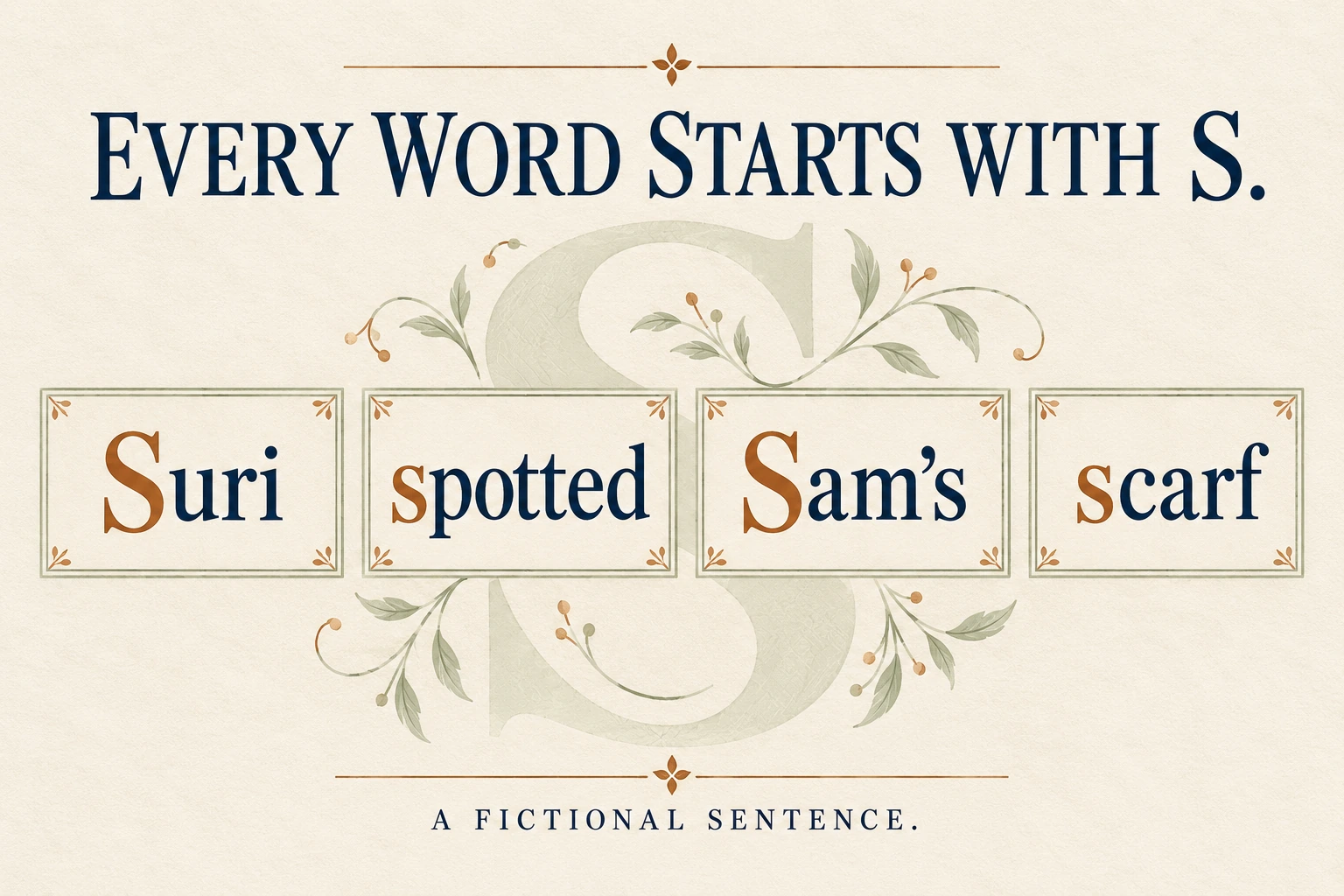
A fictional Suri and Sam scarf scene uses only words beginning with S. Check every token, repair an internal the and keep spelling compliance separate from the scene you choose.

Find the minimum total distance in a fictional holiday line model by pairing the outer coordinates and checking the middle.
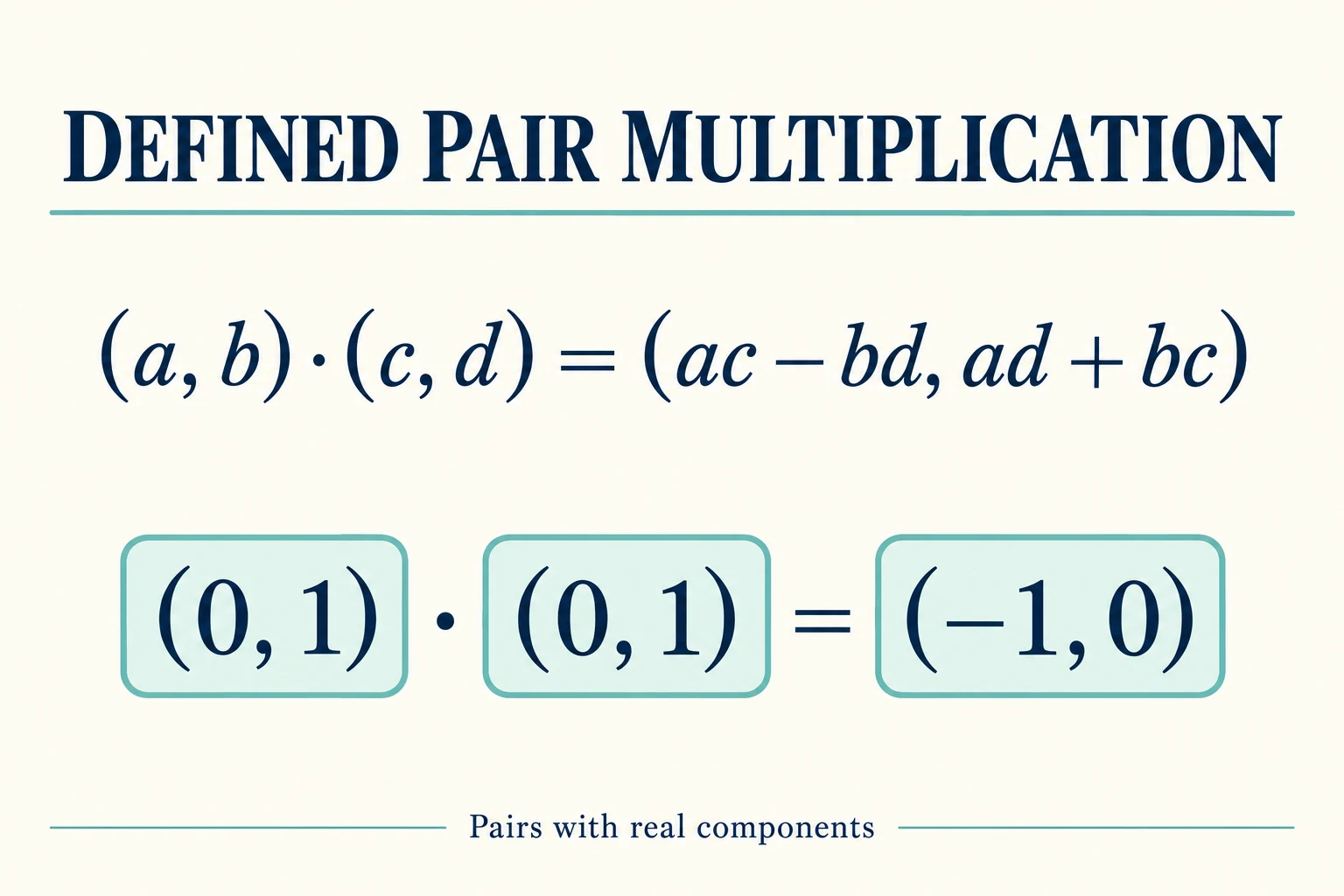
An explicit ordered-pair arithmetic model separates real scalars from a chosen imaginary unit, with a worked product and a universal sum-of-squares identity.
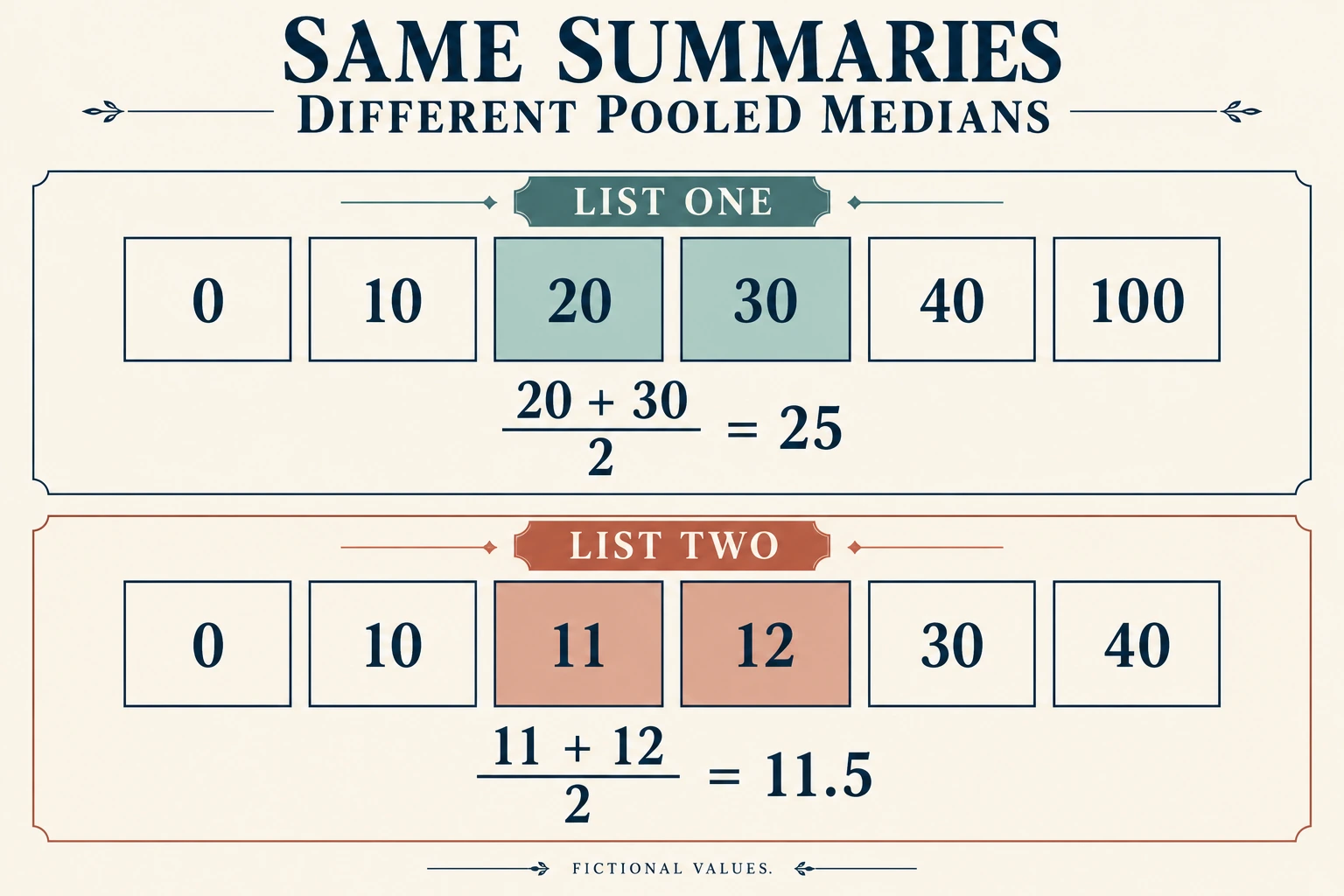
Two groups of three keep medians 10 and 30, yet two consistent pooled lists have medians 25 and 11.5. The counterexample identifies the missing central-rank information.

Repair a stated integer search by retaining its known true midpoint, then verify its bracket invariant and termination.