9 min read
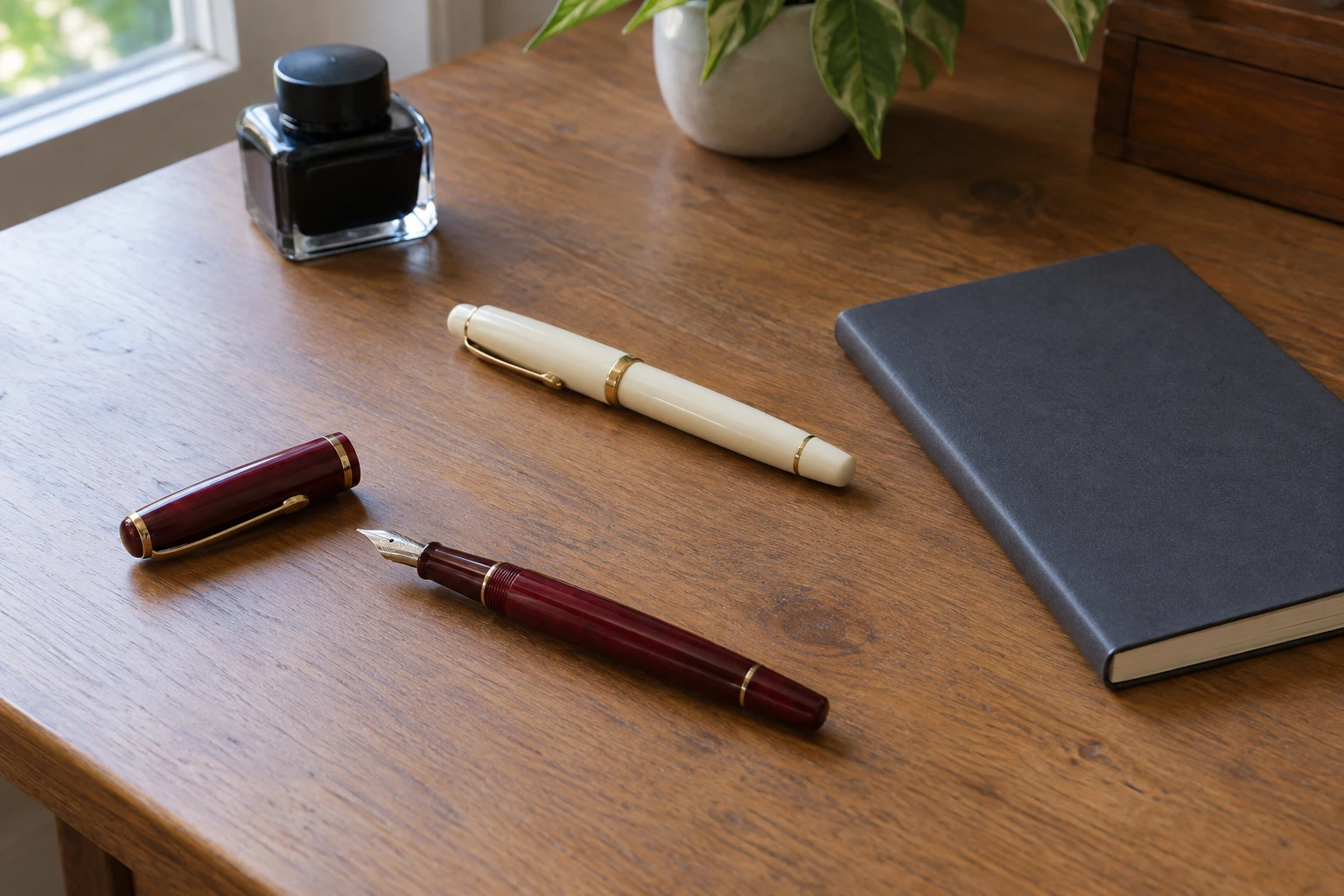
Fountain pen ink flow: the feed between reservoir and paper
Understand fountain pen ink flow through the feed, paper contact and replacement air, with actual PLATINUM PEN and Conklin identities kept distinct.
Showing 13–24 of 37 guides
Understand fountain pen ink flow through the feed, paper contact and replacement air, with actual PLATINUM PEN and Conklin identities kept distinct.
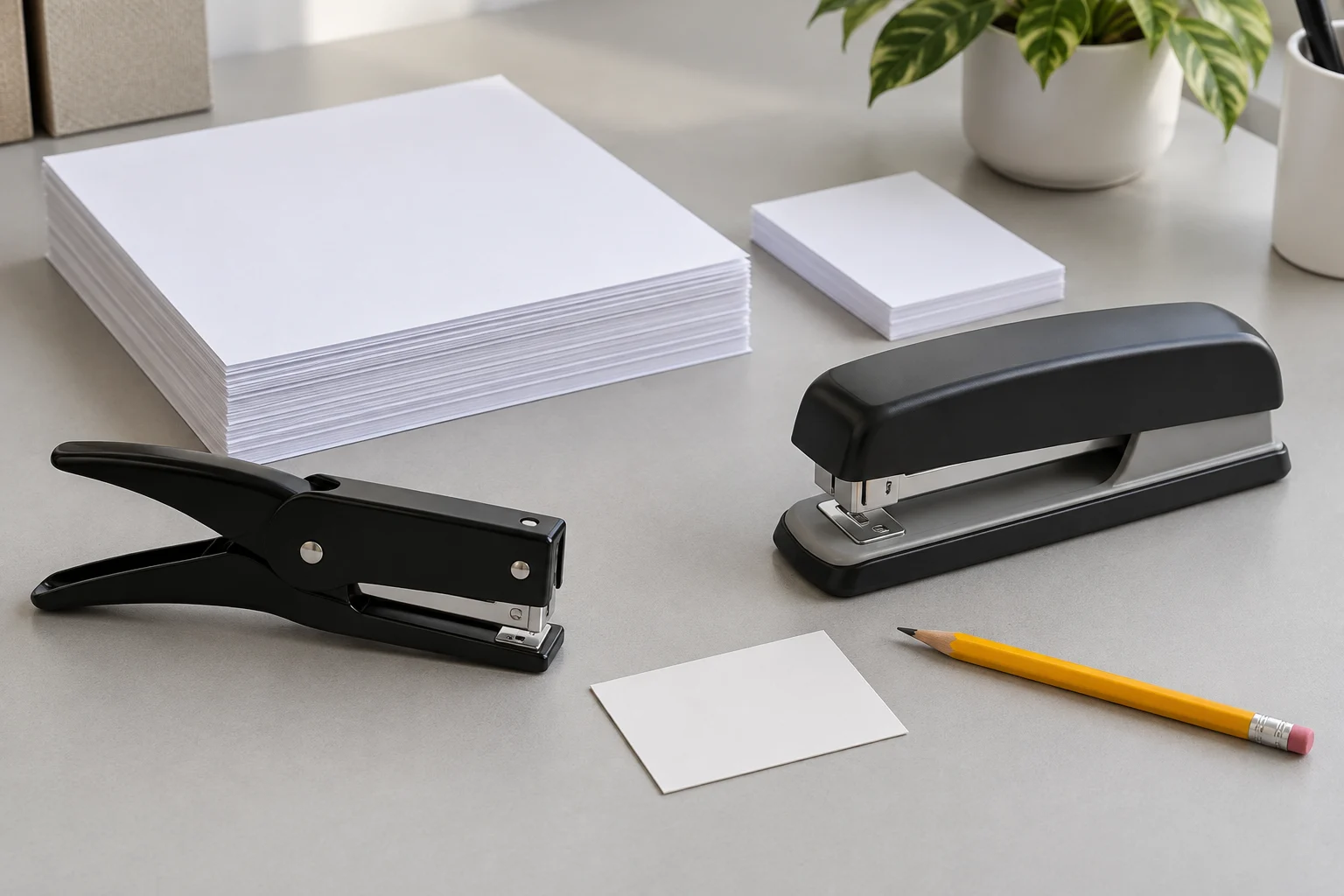
Define one complete paper packet, decide whether sections may be divided, and keep tool capacity, staple supply and refill identity in their stated roles.
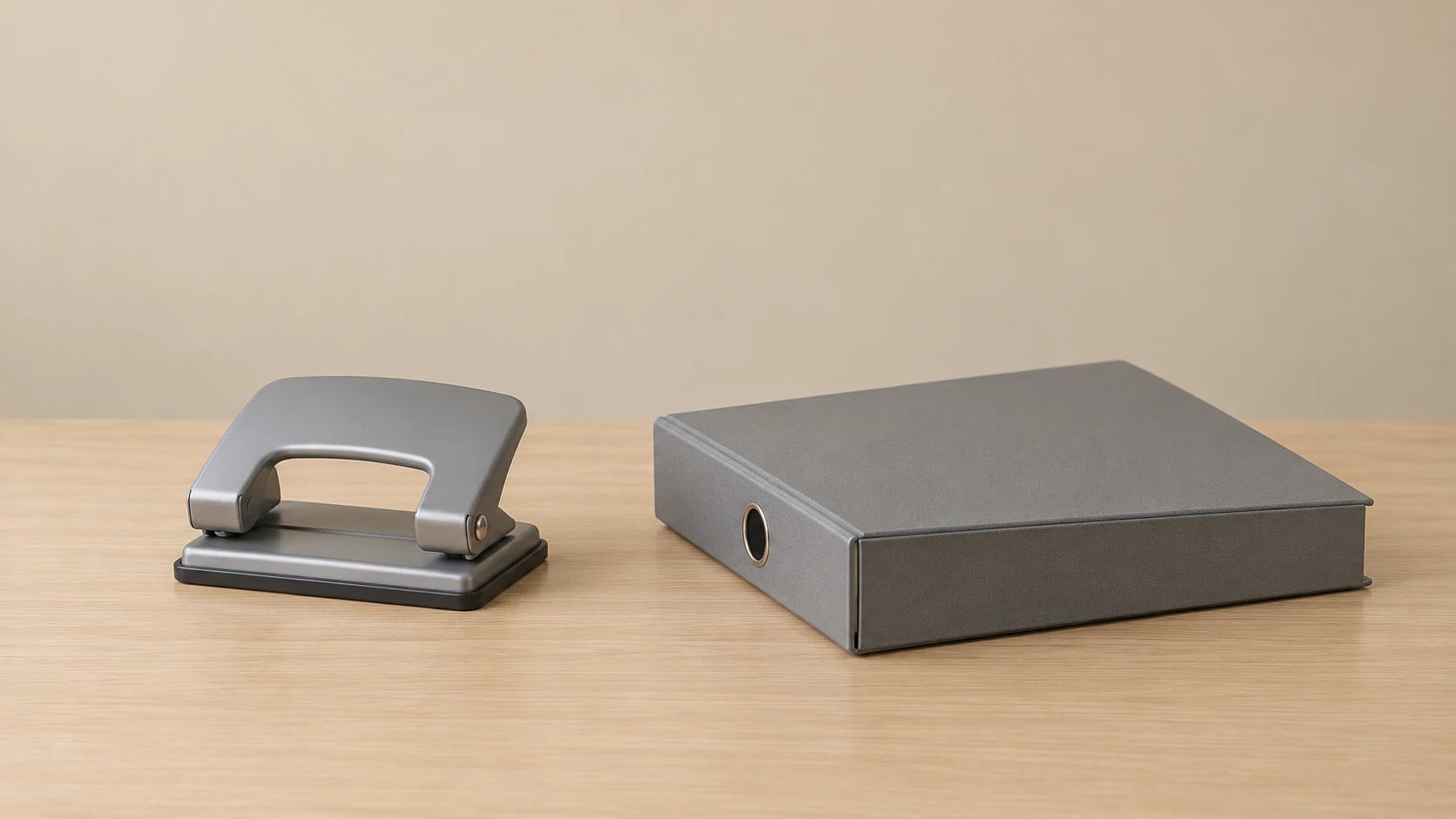
Compare hole count, centre spacing, diameter and page placement. Keep CARL XHC2100 and OfficeMate EZ Lever details tied to the actual filing requirement.

Identify the changed book row and its actual width, depth and support before replacing decorative bookends, keeping pair dimensions and footprints distinct.
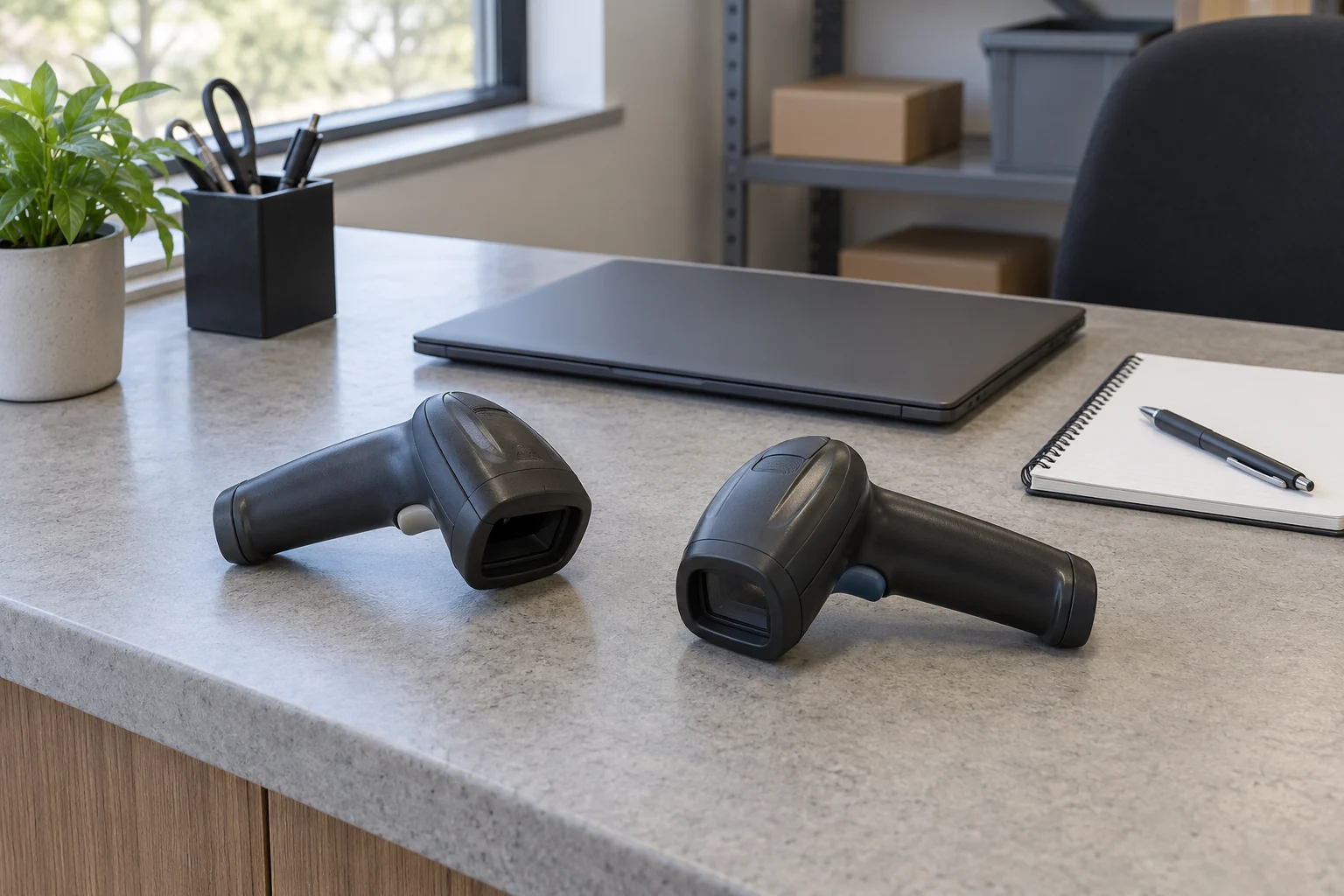
Describe the actual scanner indication and receiving-application result before selecting a model-specific troubleshooting entry.
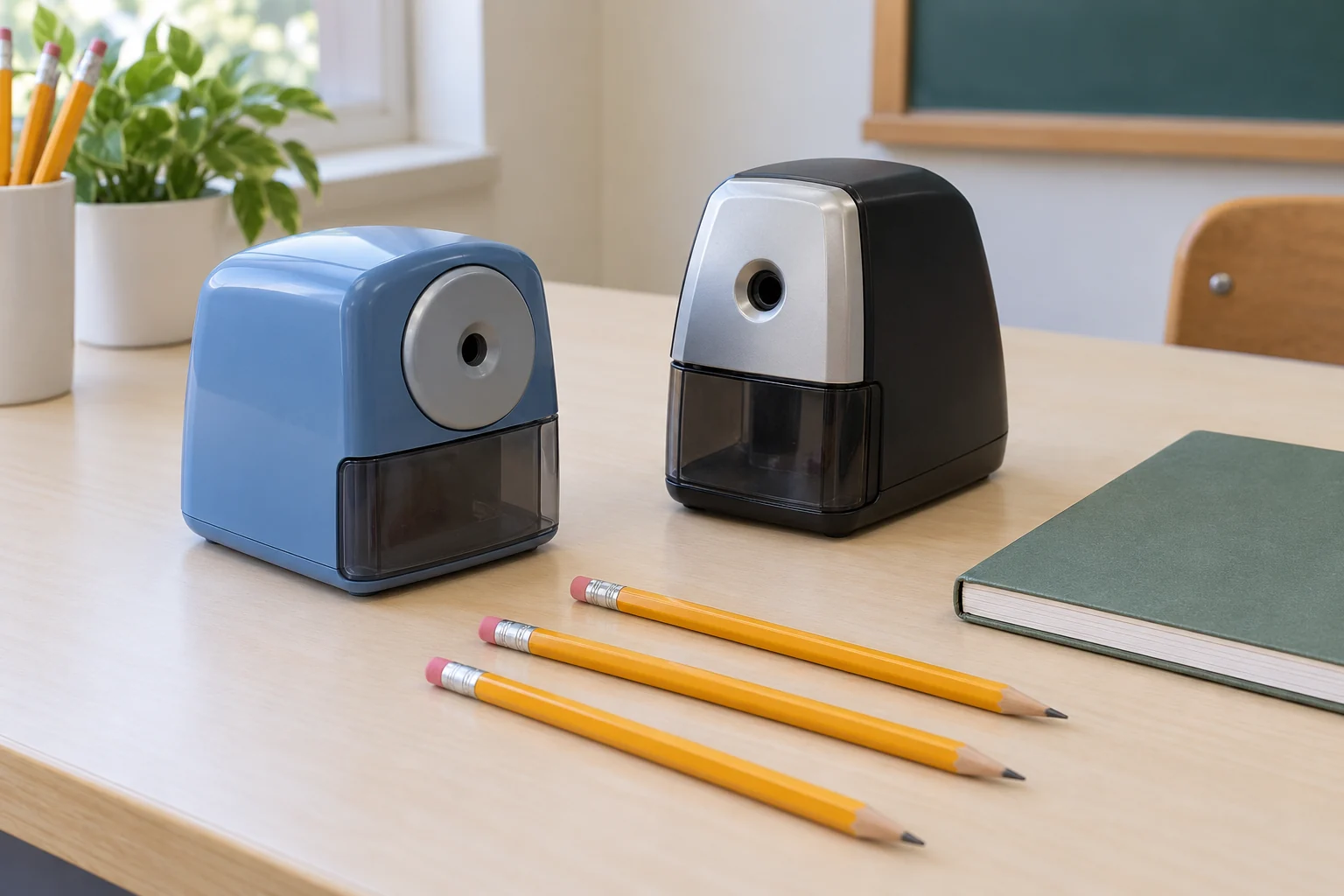
Match the EPS10HC operating sheet for a silent sharpener, tray safety condition and conditional thermal reset, keeping replacement questions separate.

Check a documented pinning option when staple ends point outward. Keep the Swingline 74732 setting, capacity discrepancy and BOSTITCH tacking features distinct.
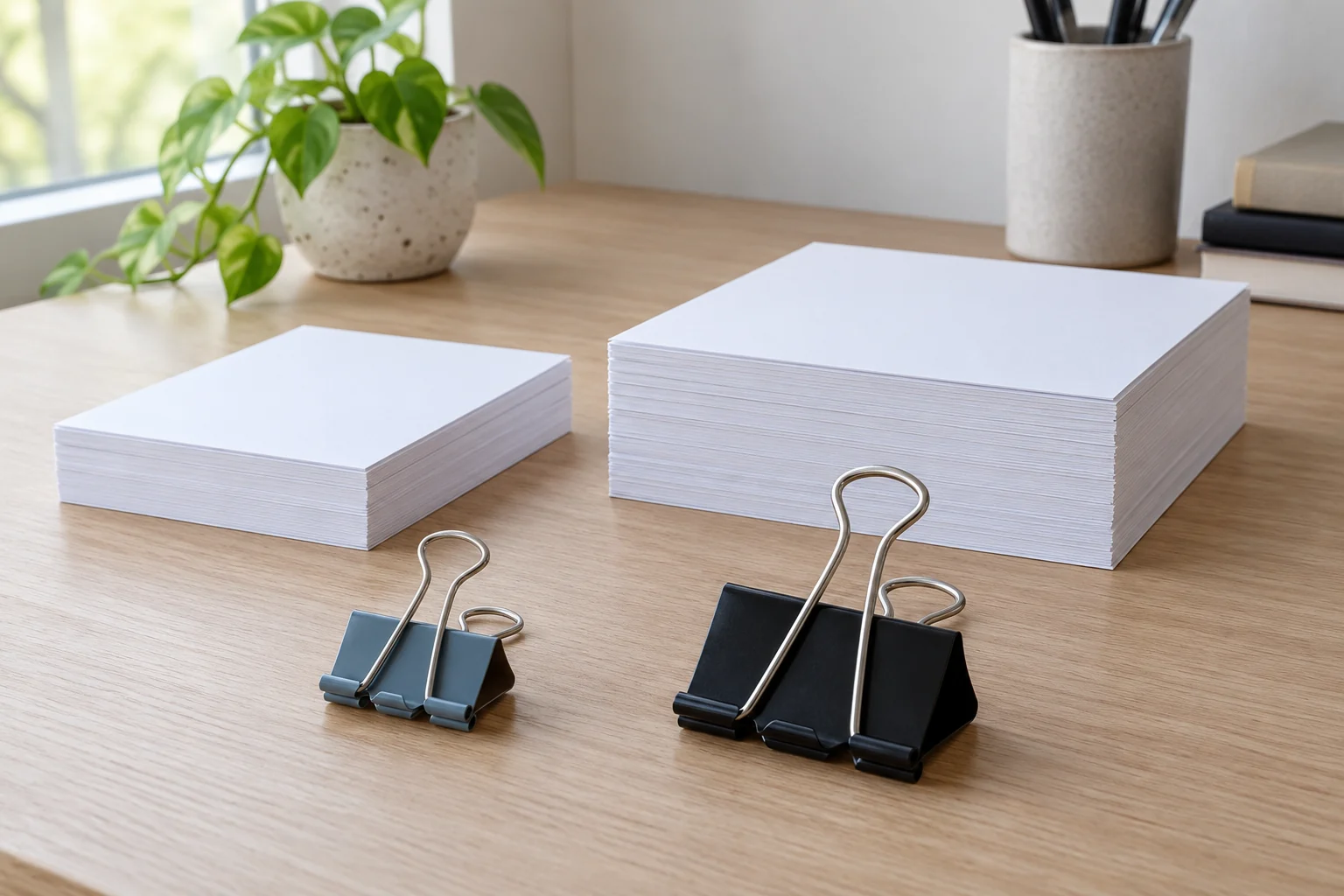
Check loose inserts, changes to the stack, clip capacity, and folder clearance before replacing binder clips for a slipping paper bundle.
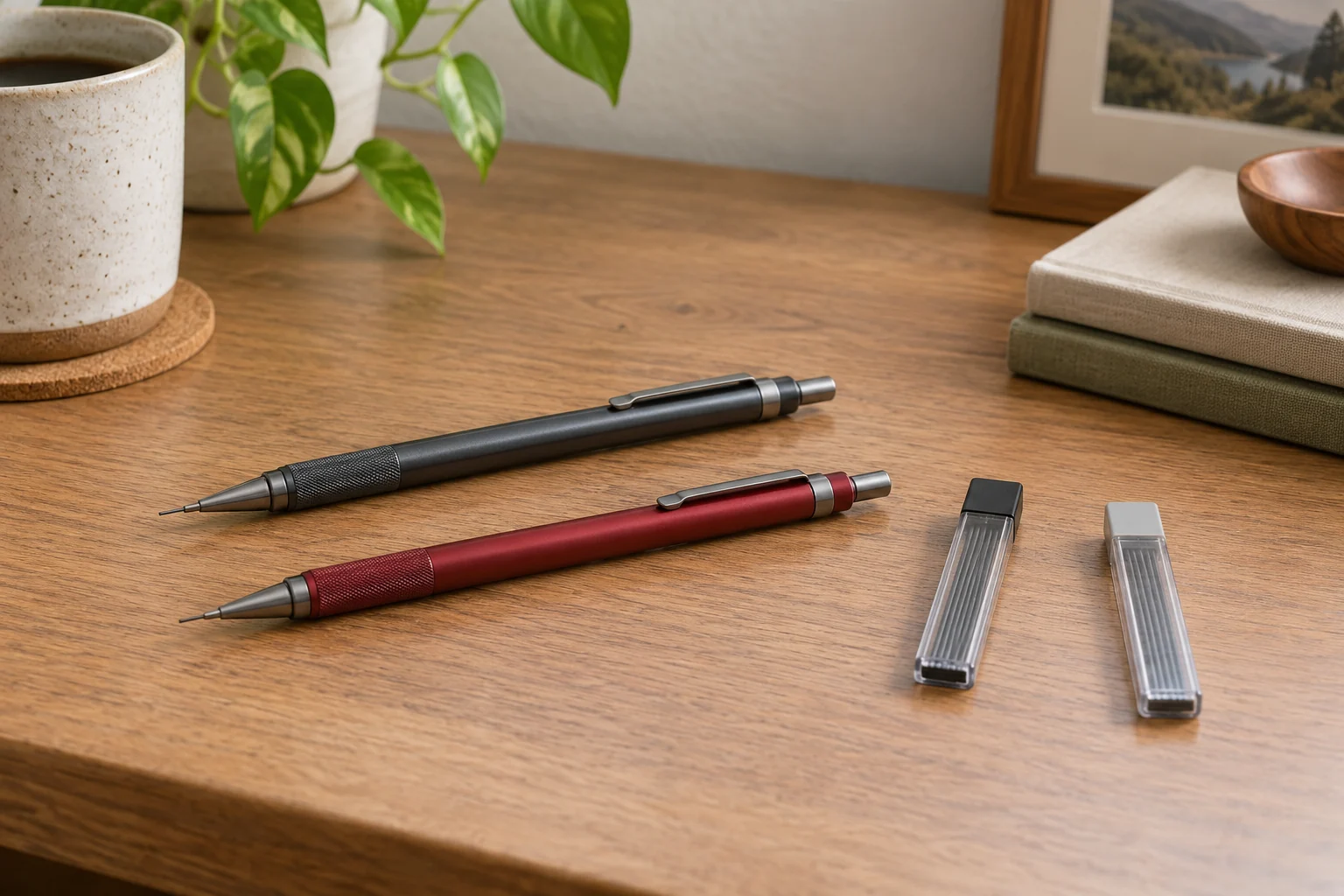
Match the Kuru Toga Metal instructions for rear refilling and jam clearing, keeping lead feeding separate from rotation and a Tamisio twist pencil.
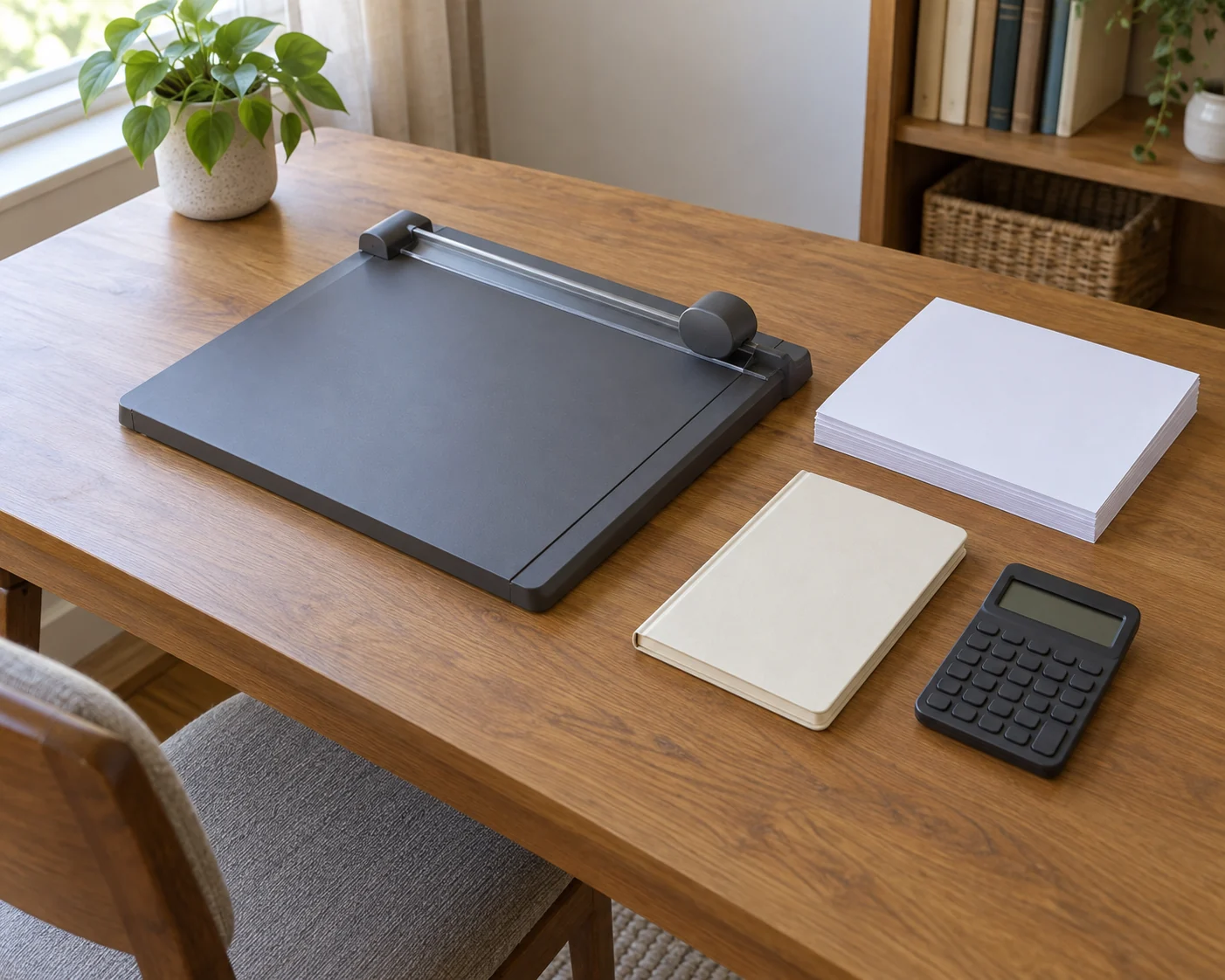
Work through an invented paper trimming minimum charge, distinguish a floor from a setup fee, and see when combining permitted orders changes total spending.
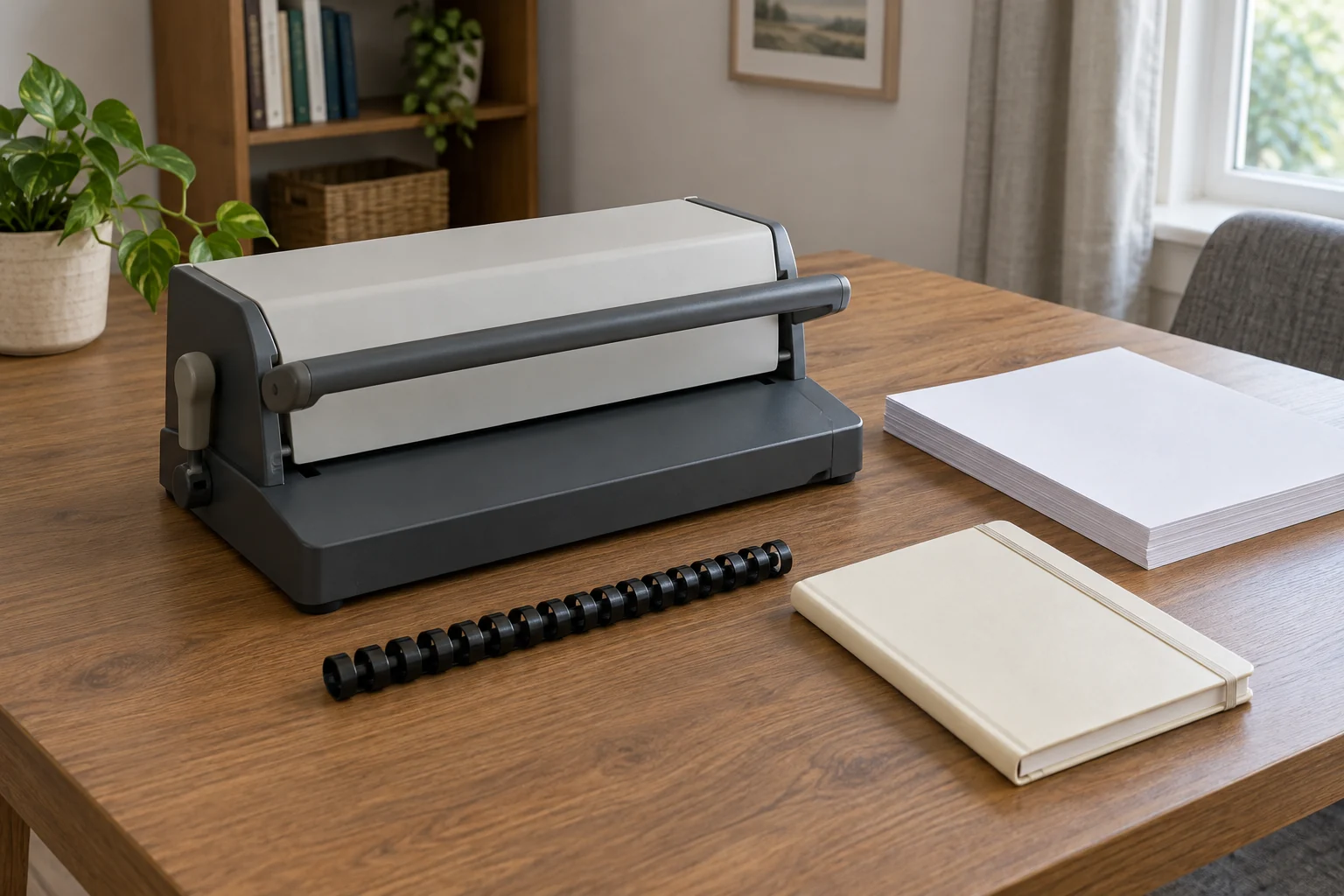
Follow the matching Quasar+500 manual to open a plastic comb, test the edge guide, load punched pages from the front and close the bound document.
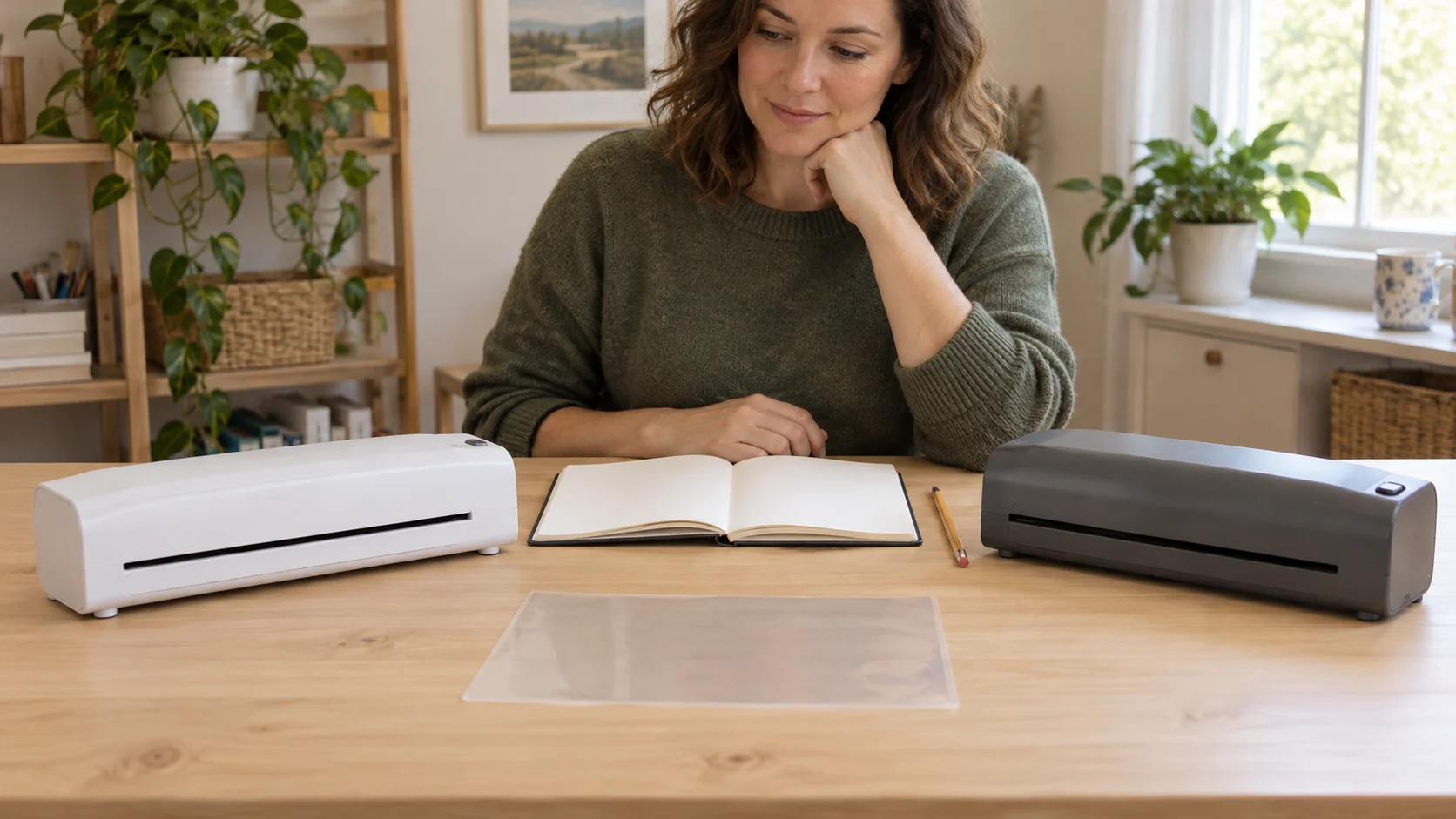
If a Halo 95 pouch does not completely seal, check the actual pouch, item and matching manual before choosing the next action or a replacement.