9 min read
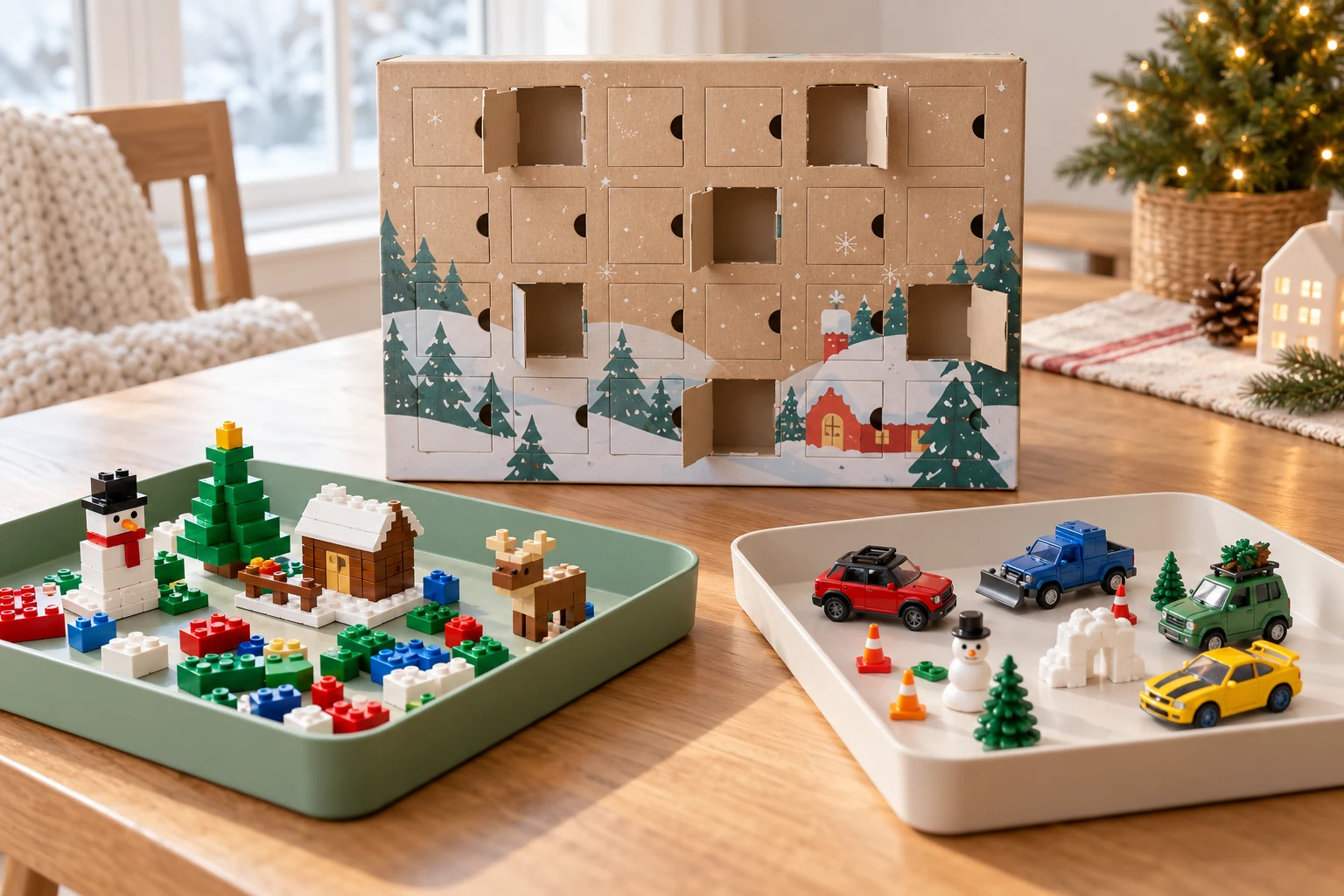
Toy Advent calendar clutter: plan the daily pieces before choosing
Choose a 24-door toy calendar whose daily pieces the recipient can keep together and enjoy.
Practical guides to documents, data, creative work, and everyday planning.
Showing 337–348 of 726 guides
Choose a 24-door toy calendar whose daily pieces the recipient can keep together and enjoy.
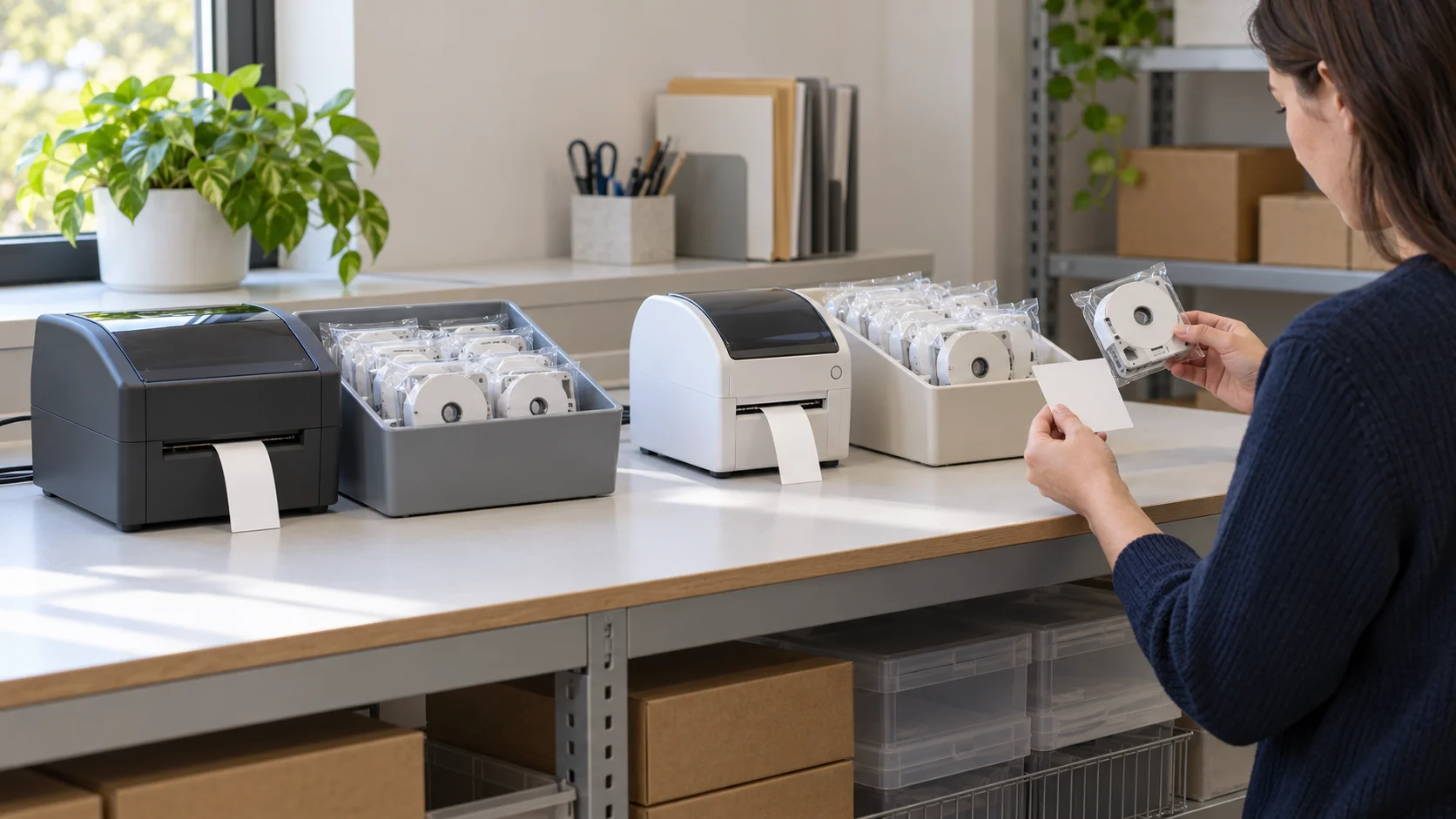
A two-station restock method for Dymo Rhino and Brother P-touch cassettes: record exact codes, check delivered packs, and keep disputed supplies out of the bins.
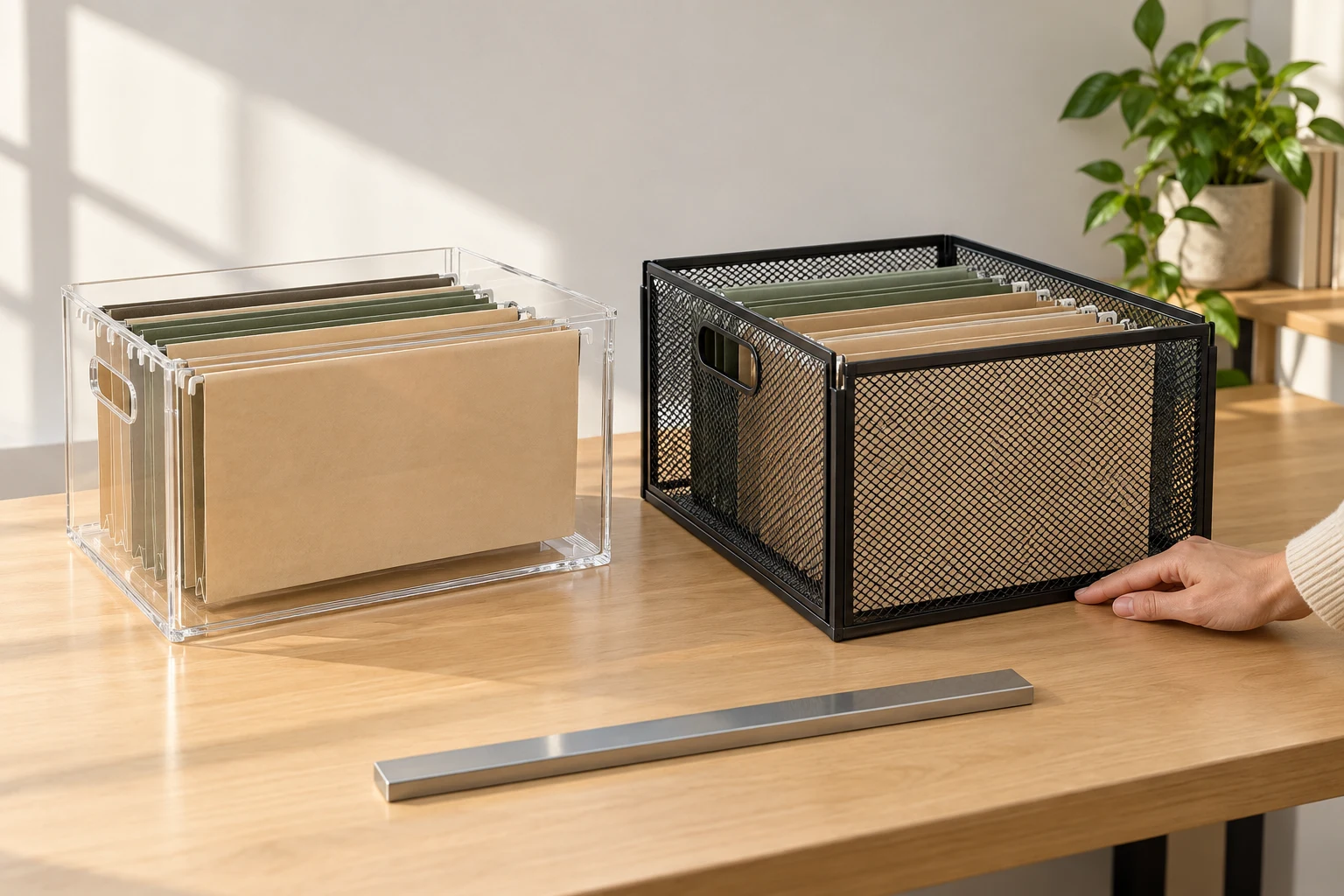
A practical fault check for a hanging-file box that rocks or twists: compare an empty box on two surfaces, inspect its construction, then test a small even file load.
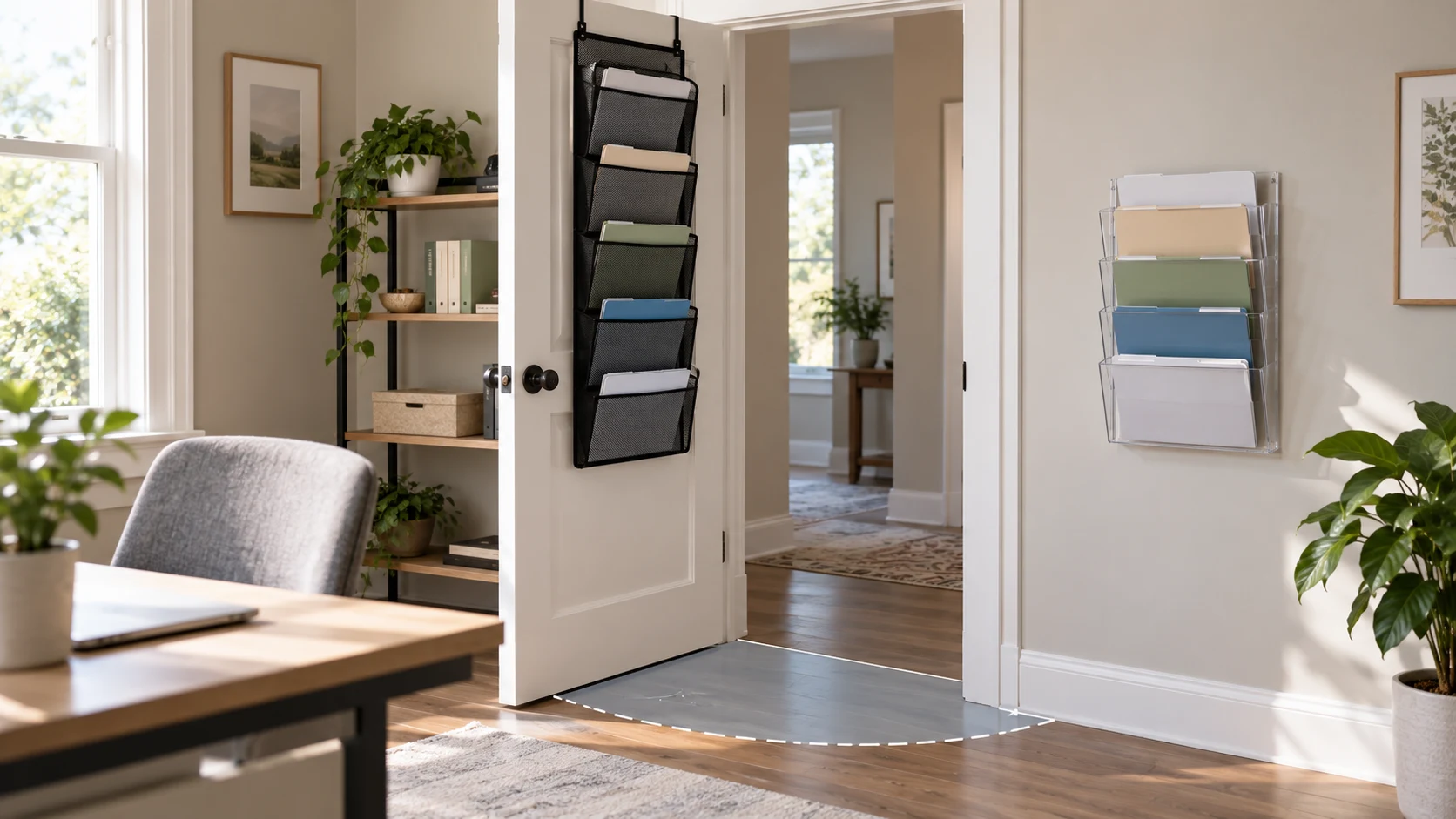
A door-path check for hanging file pockets: identify the contact point, test reach, and evaluate a wall location only after its mounting conditions are known.
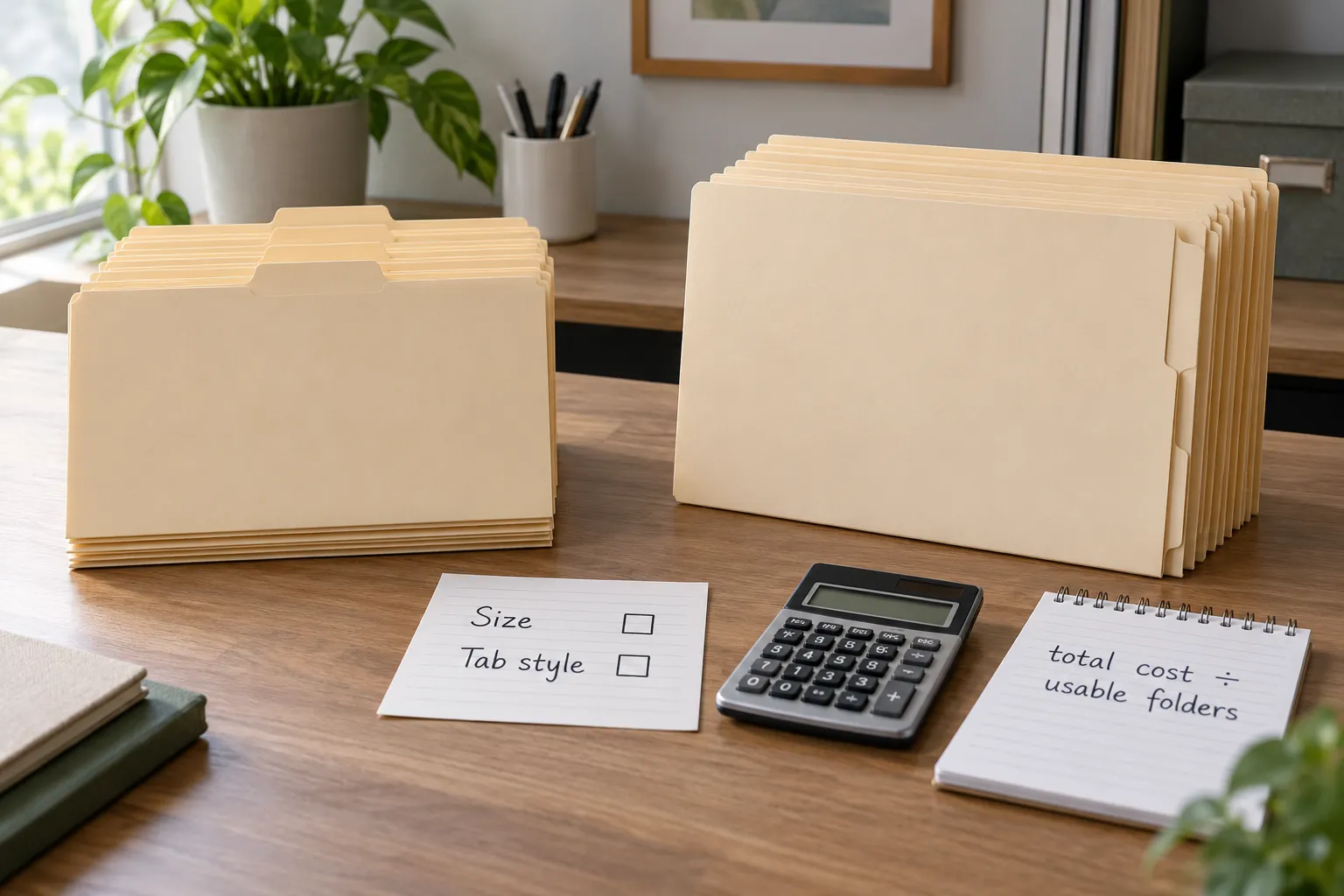
Compare folder packs with a format-first checklist and a cost-per-usable-folder calculation using current checkout prices.

Compare a divided elephant bookend pair with two separate cat figures to decide which visual arrangement suits a book row.

Set up two ordinary folders for actionable papers and items awaiting a named reply, with a visible next step and a short review routine.
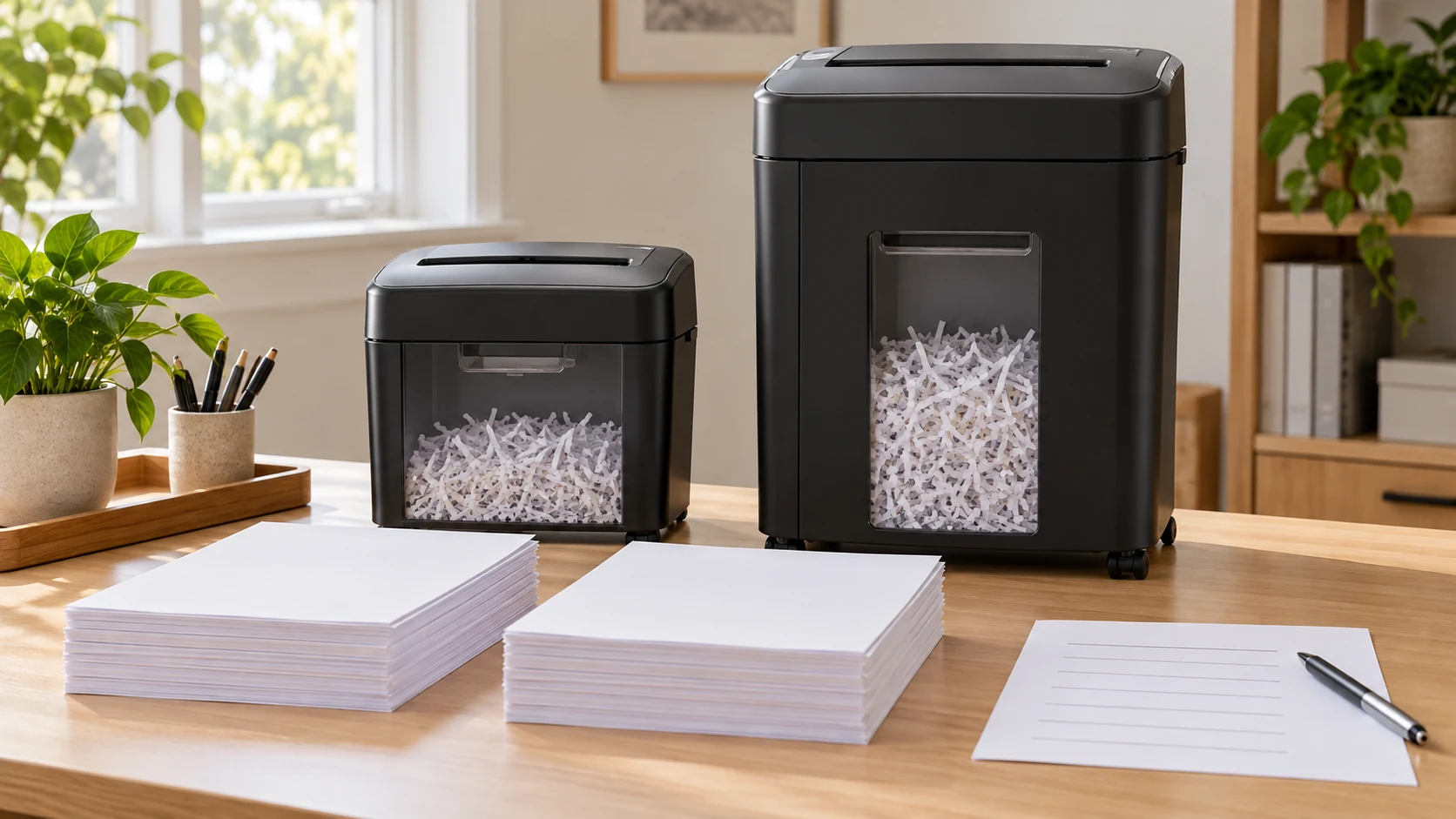
Count actual sheets and likely passes, then check run and cooling limits before assuming a larger feed slot will clear a backlog faster.
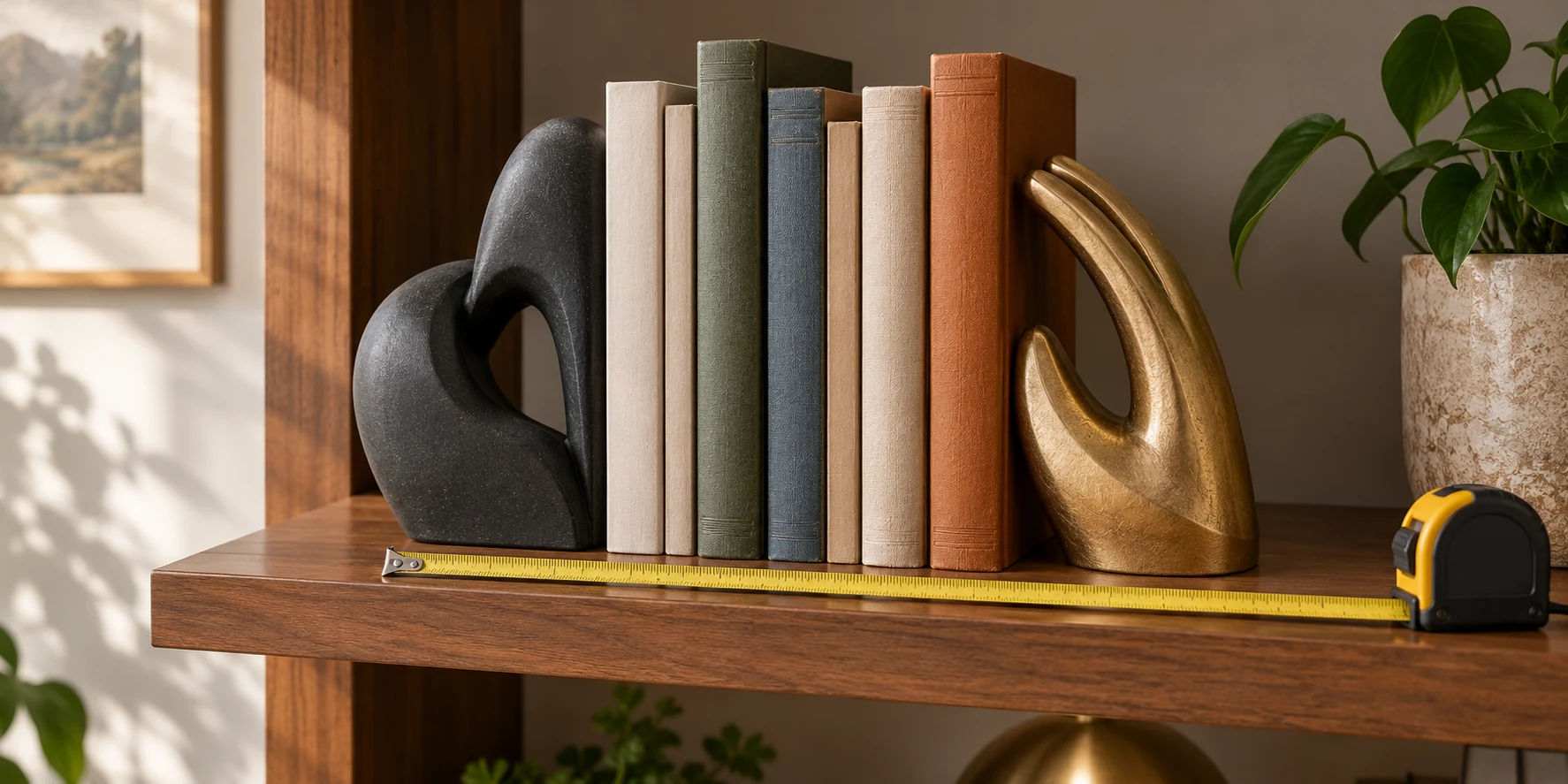
Measure usable shelf depth and the bookend footprint before choosing a sculptural pair for a defined row.
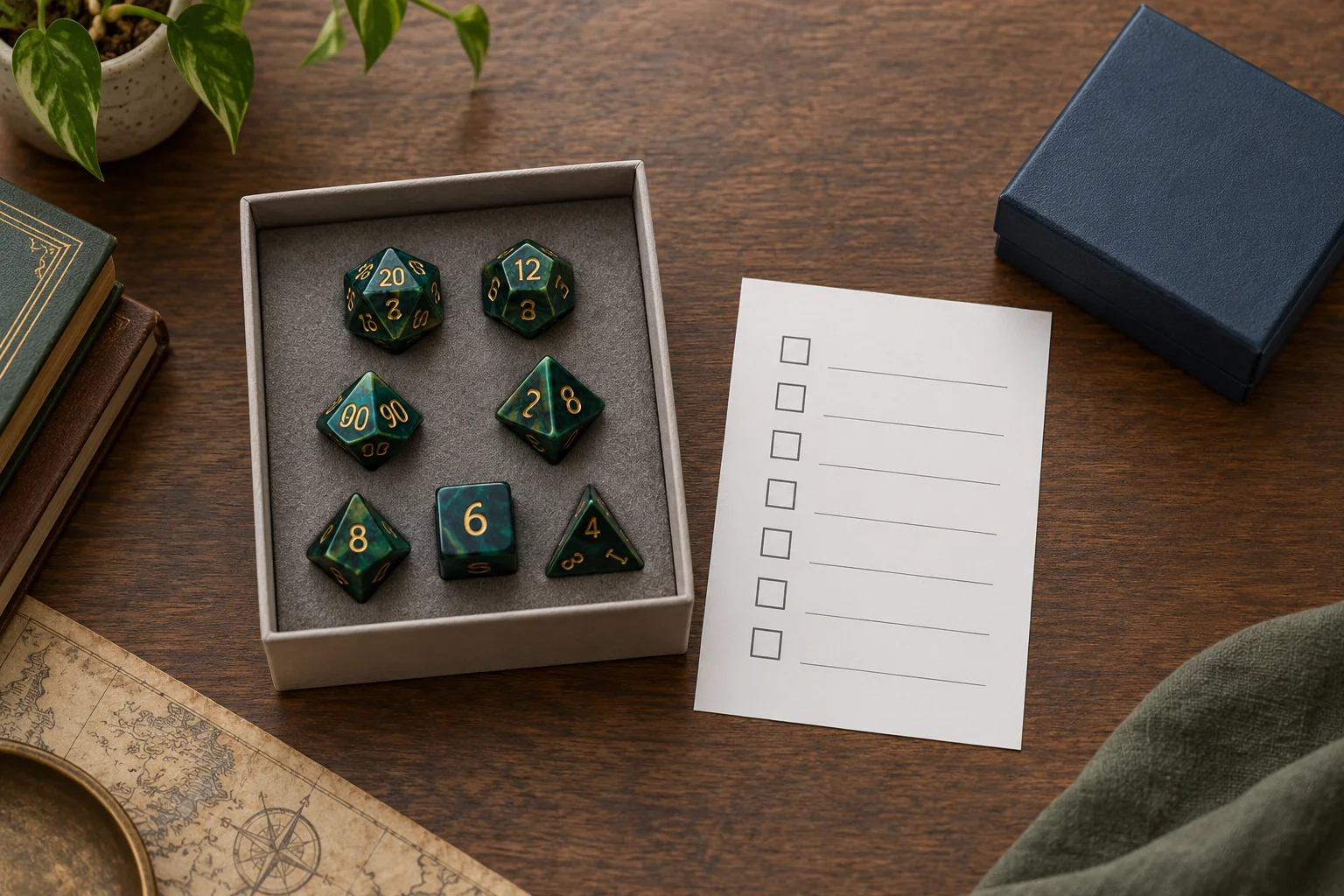
Two seven-piece dice listings can help identify a set, but neither proves what arrived. Count the pieces you have, check the tray and keep a precise record.
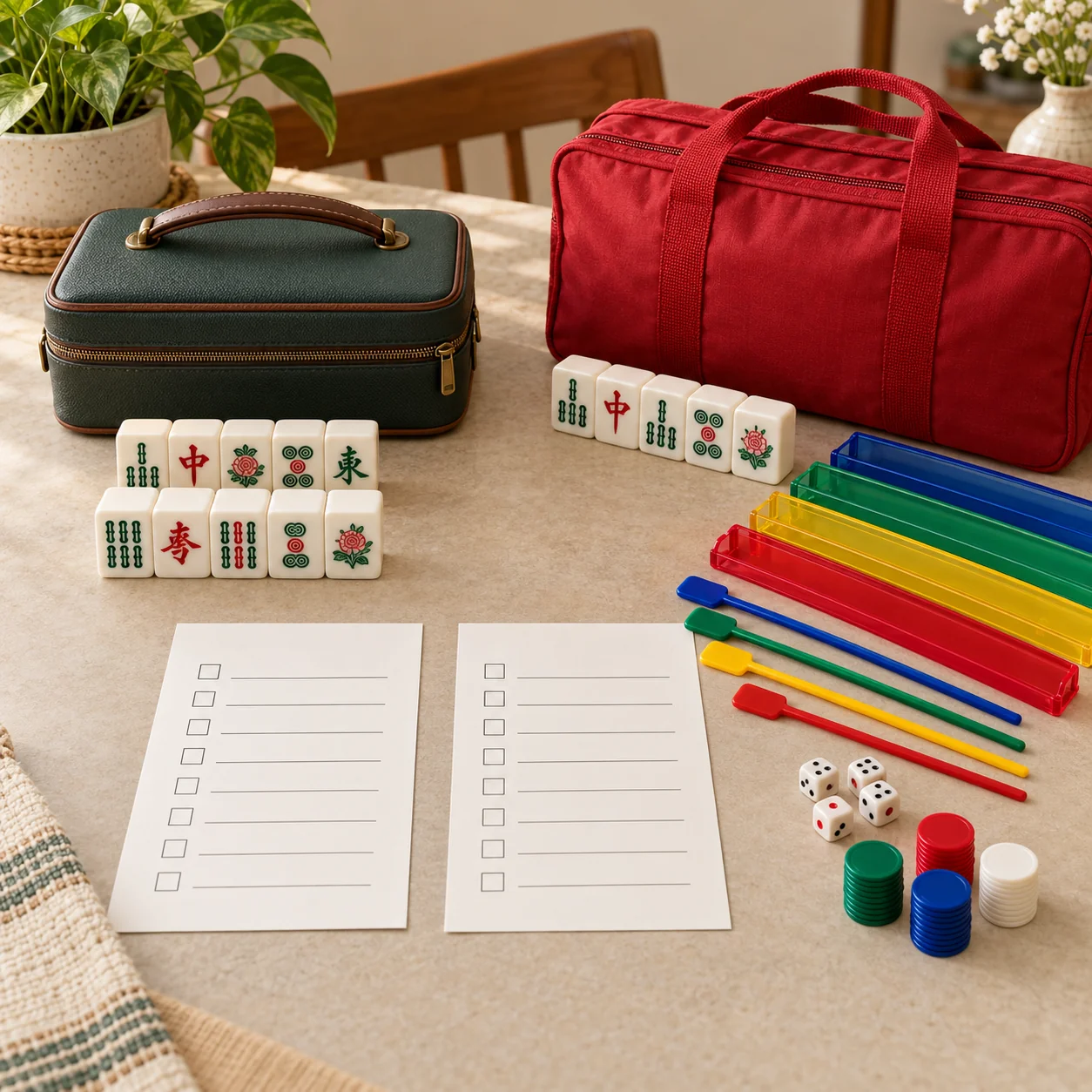
Two Mahjong sets can list different tile counts and included gear. This guide checks the exact purchased kit, records what is present and identifies what still needs confirmation.
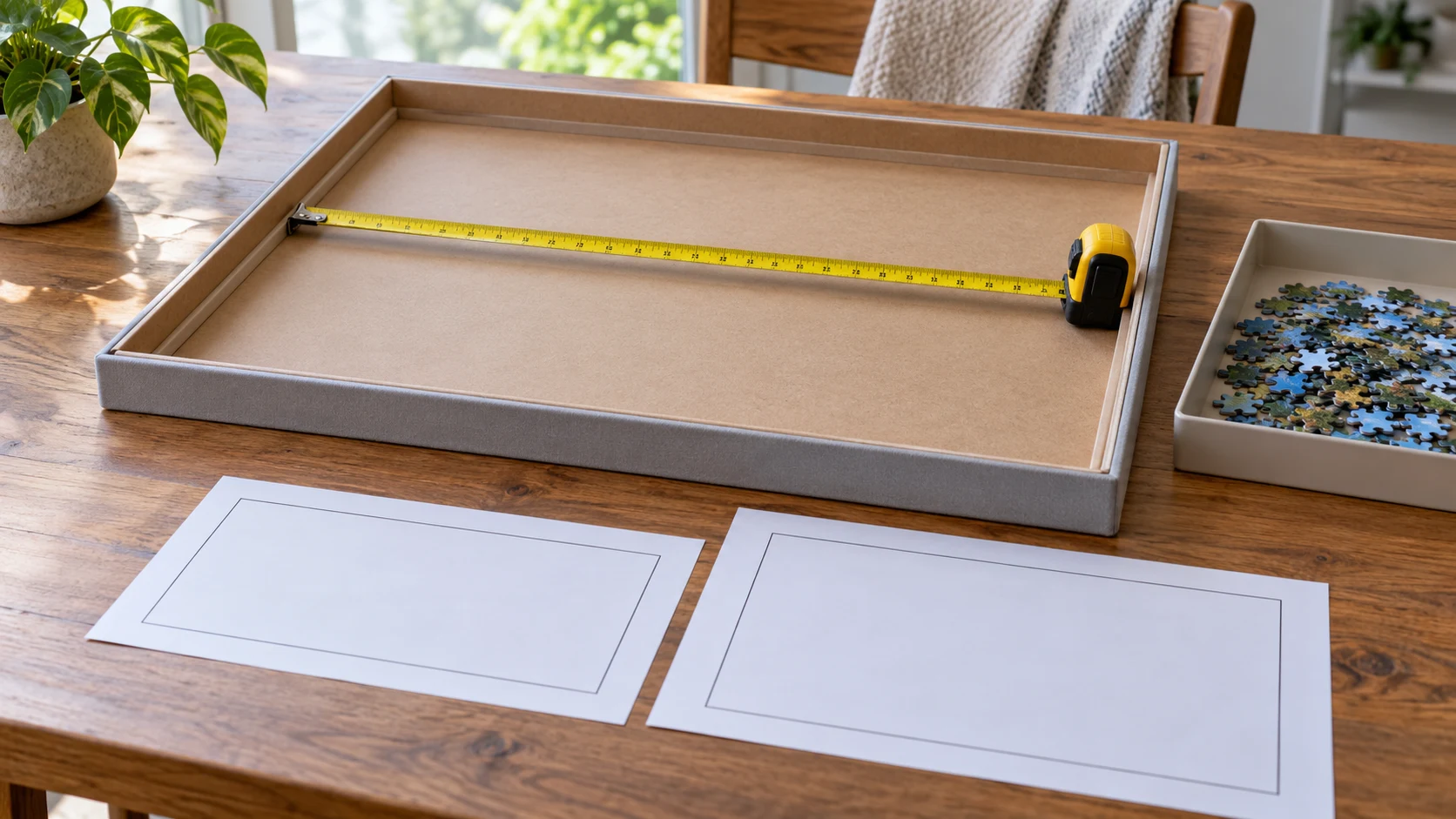
A stepwise measurement method compares two seller-listed finished puzzle sizes with a hypothetical clear surface while keeping border and sorting room separate.