Republeq Guides

Helpful answers for more confident shopping

From choosing everyday essentials to understanding how crypto checkout works, our guides explain the details in plain language. Compare options, plan purchases, and find practical answers before you check out.

Explore the latest guides

Crypto checkout

Understand supported payments and what happens at checkout.

Product research

Learn what to compare when choosing between similar products.

Practical guidance

Get direct answers without unnecessary jargon or hype.

Fresh perspectives

Latest guides

Showing 3025–3048 of 3086 guides

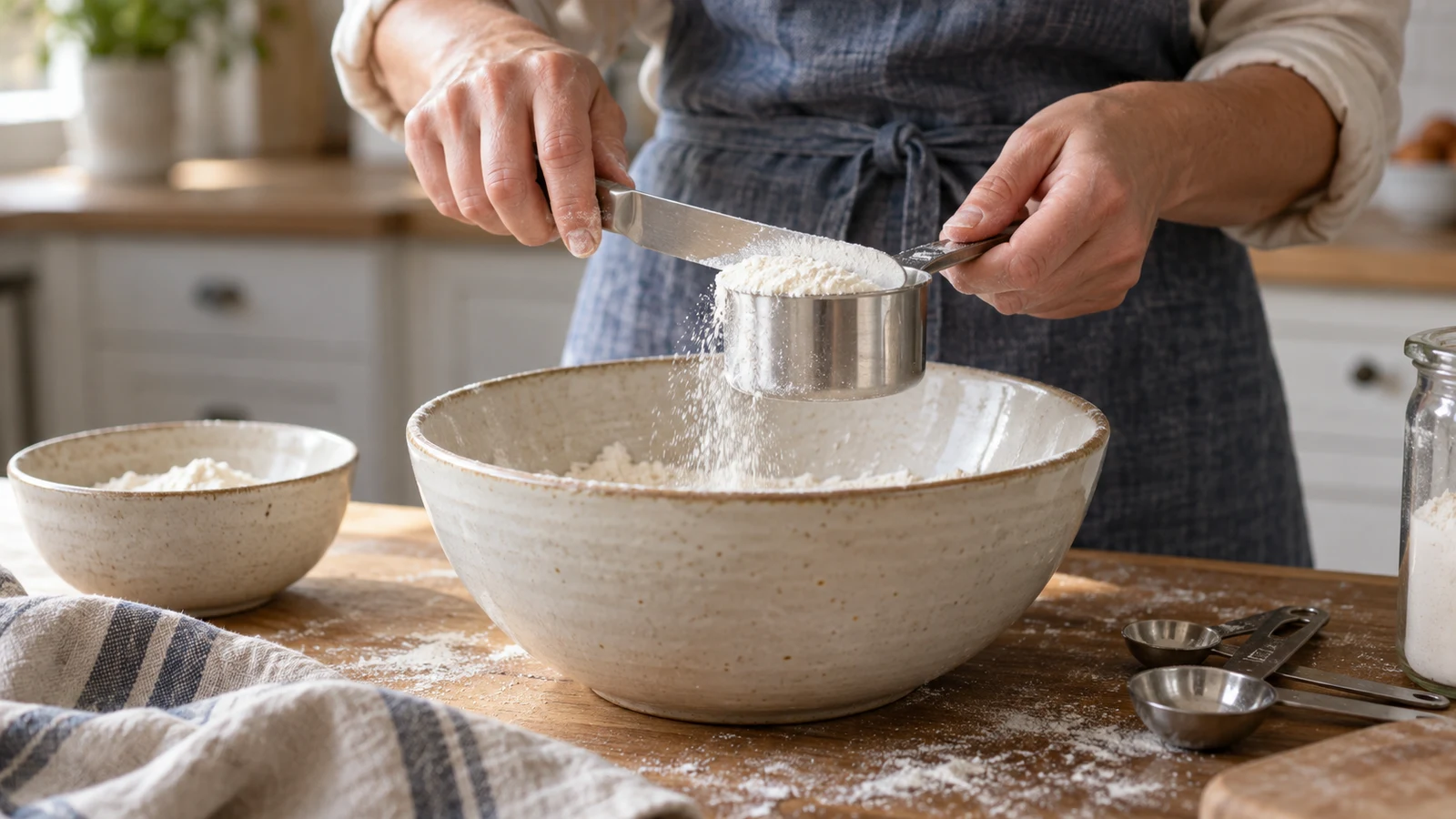
Recipe scaling by comparing intended and original yields, then checking ingredient quantities and appliance limits separately.
Cooking & Food Prep · 9 min read

Check recipe scaling before changing a batch size

To calculate ingredient quantities for a different yield, divide the intended yield by the original yield, then multiply each ingredient quantity by that factor. Keep the yield definitions comparable and preserve each ingredient's unit. The resulting quantities answer an arithmetic question; they do not establish whether a larger mixture fits your equipment or how it should be cooked. For recipe scaling , verify each step.

Read guide →
Holiday display planning that sets one visual focal point before arranging supporting decorations and lighting in a small space.
Learning & Creative · 9 min read

Use holiday display planning to arrange a small scene

To plan a small seasonal scene, choose what you want someone in the room to notice first, then arrange the other elements around that choice. Two decorative figures can be the focus, or they can become a smaller accent within an illuminated background. Adding objects does not automatically make either intention clearer. Start with a sketch that shows the proposed grouping, the features you want to keep visible, and the space you intend to leave around them. For holiday display planning , verify each step.

Read guide →
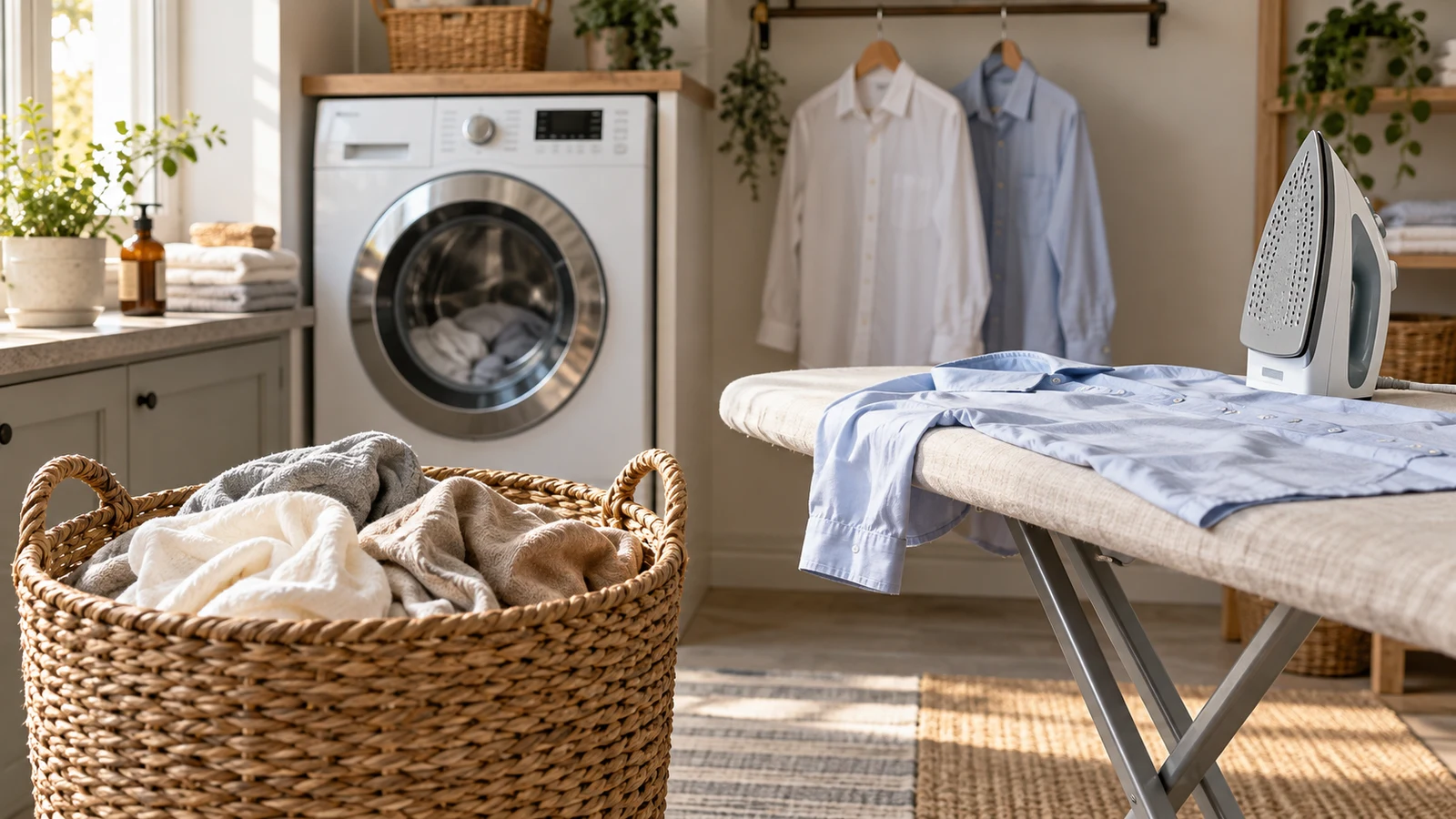
Garment care planning that checks clothing instructions before separating wash, dry, steam, and press decisions for each item.
Laundry · 9 min read

Use garment care planning to separate washing from pressing

A garment that belongs in a proposed wash does not automatically belong in a pressing session afterward. Start with what the item needs, then read its washing, drying and finishing instructions separately. Each decision needs its own support. For garment care planning , the linked Veeboto washer listing provides an equipment example: its described washing and dewatering functions leave separate questions about drying and finishing.

Read guide →
Weighted average calculations that combine group totals and counts instead of averaging two group means without their sizes.
Data & Spreadsheets · 9 min read

Check weighted average calculations before combining group results

To find the average page count across two collections of books, add their total pages and divide by their combined number of books. When you have each collection's mean instead of its total, multiply that mean by the number of books it describes. The counts matter: a collection of eight books contributes more observations than a collection of two. Simply averaging their reported means gives both collections equal influence, which answers a different question. For weighted average calculations , verify each step.

Read guide →
Bar chart planning guide to choosing category labels and values before presenting an electronics comparison.
Data & Spreadsheets · 9 min read

Use bar chart planning to make category comparisons clear

A clear category comparison starts with a precise description of what the numbers count. Before drawing bars, establish the observation period, check whether every category uses the same counting rule, and distinguish a recorded zero from an unreported value. Then plan a common zero baseline, readable labels, and a caption that keeps the interpretation within those limits. For bar chart planning , verify each step.

Read guide →
Short story pacing revised by deciding which moments need a full scene and which can move through summary or a gap.
Writing & Documents · 9 min read

Revise short story pacing with scenes and summary

A fictional encounter can feel hurried even when the pages leading to it feel slow. To revise short story pacing , find the moment when something changes, then decide what the reader needs to experience directly. Give that moment room through action, dialogue or hesitation. Compress the surrounding events when their individual steps add little, and omit intervals only when the remaining prose still makes the connection clear.

Read guide →
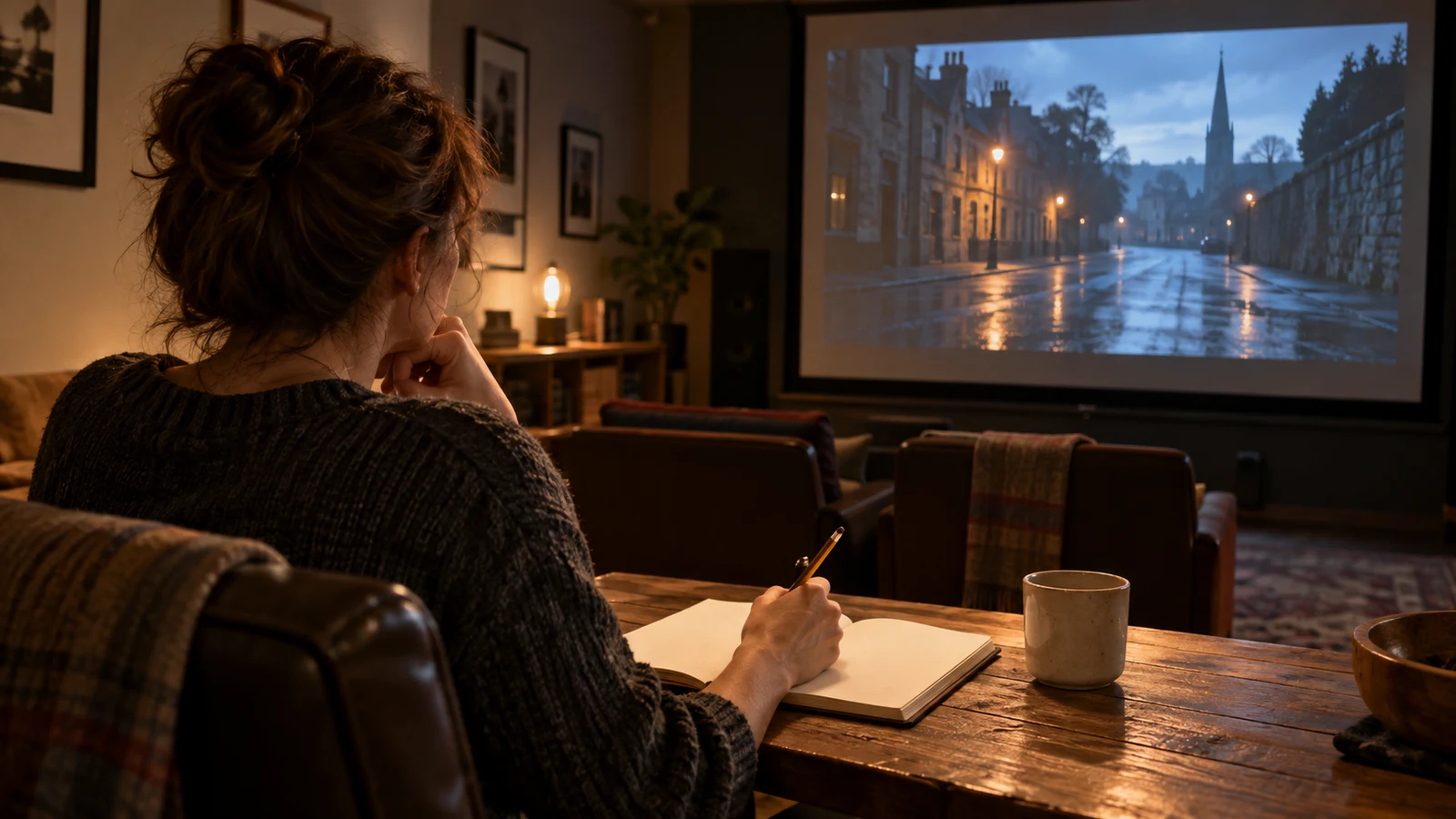
Film discussion questions that use specific scenes and visible actions to open a conversation about competing interpretations.
Learning & Creative · 9 min read

Prepare film discussion questions around specific scenes

To prepare film discussion questions , choose a moment you can describe, separate what happens from what you think it means, and ask what supports another reading. This gives people something specific to discuss after watching the same film. A reaction such as finding an ending frustrating can become a question about which relationship remains unsettled and what the final scene actually establishes.

Read guide →
observational drawing practice: checking proportions against a subject during a drawing exercise.
Learning & Creative · 8 min read

Use observational drawing practice to compare proportions

When a drawing looks wider or taller than its reference photograph, small details can distract from the correction it needs. Put the drawing beside the existing photograph and compare the outer boundaries first. Keep that photograph unchanged throughout the exercise. You are checking whether the drawing preserves the relationships visible in one image, including the spaces between features, rather than reconstructing the subject's physical dimensions.

Read guide →
Presentation slide planning that organizes a recommendation around the audience's decision and evidence needed to evaluate it.
Workplace Planning · 9 min read

Use presentation slide planning to explain a recommendation

How do you turn a recommendation into slides that someone else can evaluate? Start by stating the decision you want the audience to make, then show the reasoning that supports it. Effective presentation slide planning gives each slide a specific job: establish the problem, explain relevant evidence, expose uncertainty, or connect those points to a proposed action. The finished deck should let a listener understand why you recommend something and where they might reasonably disagree.

Read guide →
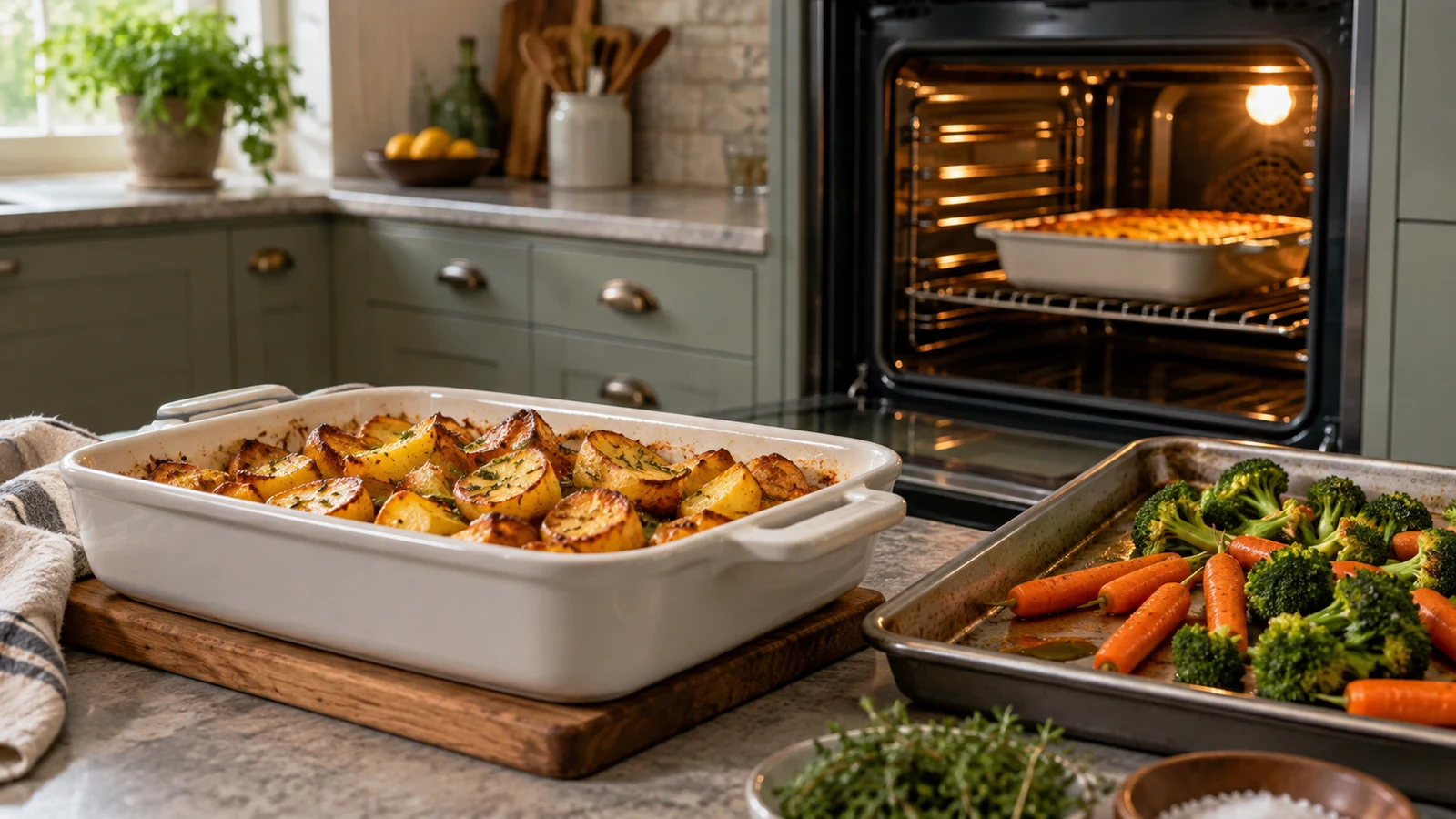
oven scheduling: coordinating oven space when dishes require different cooking times.
Cooking & Food Prep · 9 min read

Plan oven scheduling for dishes with different finish times

To bring several dishes to the table together, work backward from serving time and give each dish its own sequence: preparation, oven use, any recipe-directed rest, and finishing. Then check where those sequences compete for the same oven space or your attention. Useful oven scheduling starts with those conflicts. Putting everything into the oven together rarely answers the more practical question of what should come out first.

Read guide →
distant subject photography: planning composition around a distant subject without losing the surroundings.
Photography & Video · 9 min read

Plan distant subject photography without losing context

How do you make a distant subject readable while keeping enough of its surroundings to explain what the viewer is seeing? Start by deciding which detail matters and which relationship must remain visible. A close view might reveal a window, a rock formation, or a sculpture's outline, yet leave the viewer unsure where it belongs. Plan the detail and its setting together before choosing how tightly to frame.

Read guide →
multi-monitor document review: assigning document versions to screens without confusing the authoritative copy.
Workplace Planning · 8 min read

Plan multi-monitor document review without version confusion

How can you compare documents across several screens without losing track of which version you are reading? Give each open document a defined role, keep its identity visible, and attach every review question to a specific passage. Extra display space can help you keep material in view, but the arrangement needs to distinguish the agreed baseline from proposed changes and your own interpretation.

Read guide →
Robot and upright vacuum cleaning roles divided by floor areas a robot can cover and spots that still need manual attention.
Cleaning & Vacuums · 8 min read

Plan robot and upright vacuum cleaning around missed areas

How should you divide cleaning when a robot has finished its run but some areas still need attention? Plan robot and upright vacuum cleaning around specific locations, then check what remains before assigning the next task. Give the robot a bounded floor assignment and reserve suitable manual work for the upright. A completed run is a reason to inspect the assigned space, not a reason to assume that every nearby surface is clean.

Read guide →
mini fridge organization: arranging lunch containers for access in a shared office.
Refrigeration & Freezers · 9 min read

Practical mini fridge organization for shared office lunches

How can several people keep lunch in a small office fridge without moving everyone else's food to reach their own? Start with the path each container takes out of the cabinet. Useful mini fridge organization gives everyday lunches a reachable position, leaves room to lift them out, and makes returning a partly eaten meal straightforward. A tidy arrangement that requires dismantling a stack at lunchtime needs another pass.

Read guide →
Background music planning guide to matching a small gathering, playlist flow, and receiver controls.
Learning & Creative · 9 min read

Practical background music planning for small gatherings

How do you choose music for a small gathering without spending the evening managing it? Start with the conversations you want people to have, select recordings that can sit comfortably behind them, and decide in advance when to lower the sound or pause it. Good background music planning leaves room for guests to ask for something different, including silence. The aim is a listening plan you can leave alone for a while, with a simple way to change it when the gathering changes.

Read guide →