11 min read
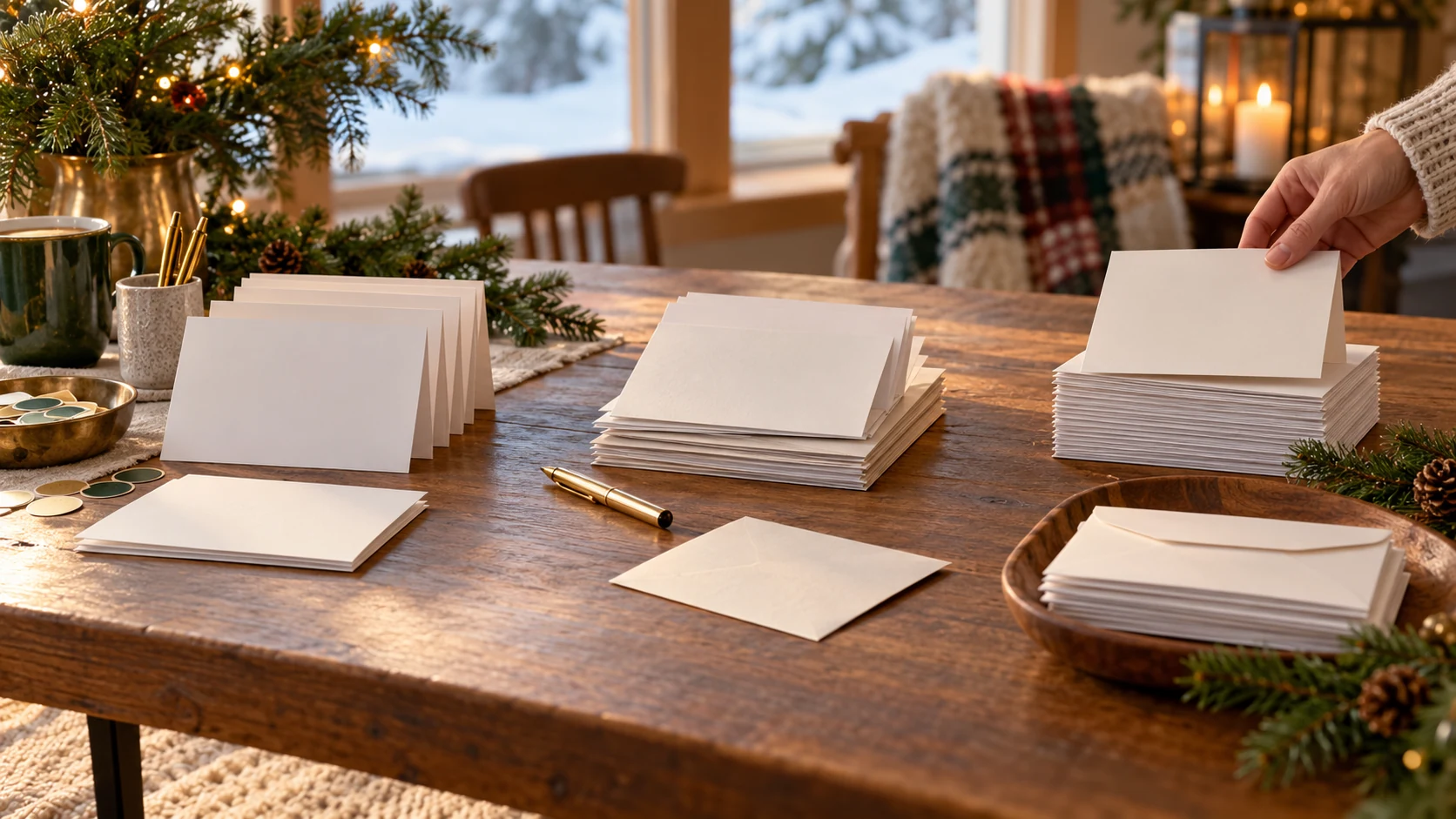
Holiday card writing station: keep notes and envelopes moving
Set out a short recipient batch and move each personal card through unwritten, written, and finished stages without losing its envelope or next step.
Practical guides to documents, data, creative work, and everyday planning.
Showing 445–456 of 726 guides
Set out a short recipient batch and move each personal card through unwritten, written, and finished stages without losing its envelope or next step.
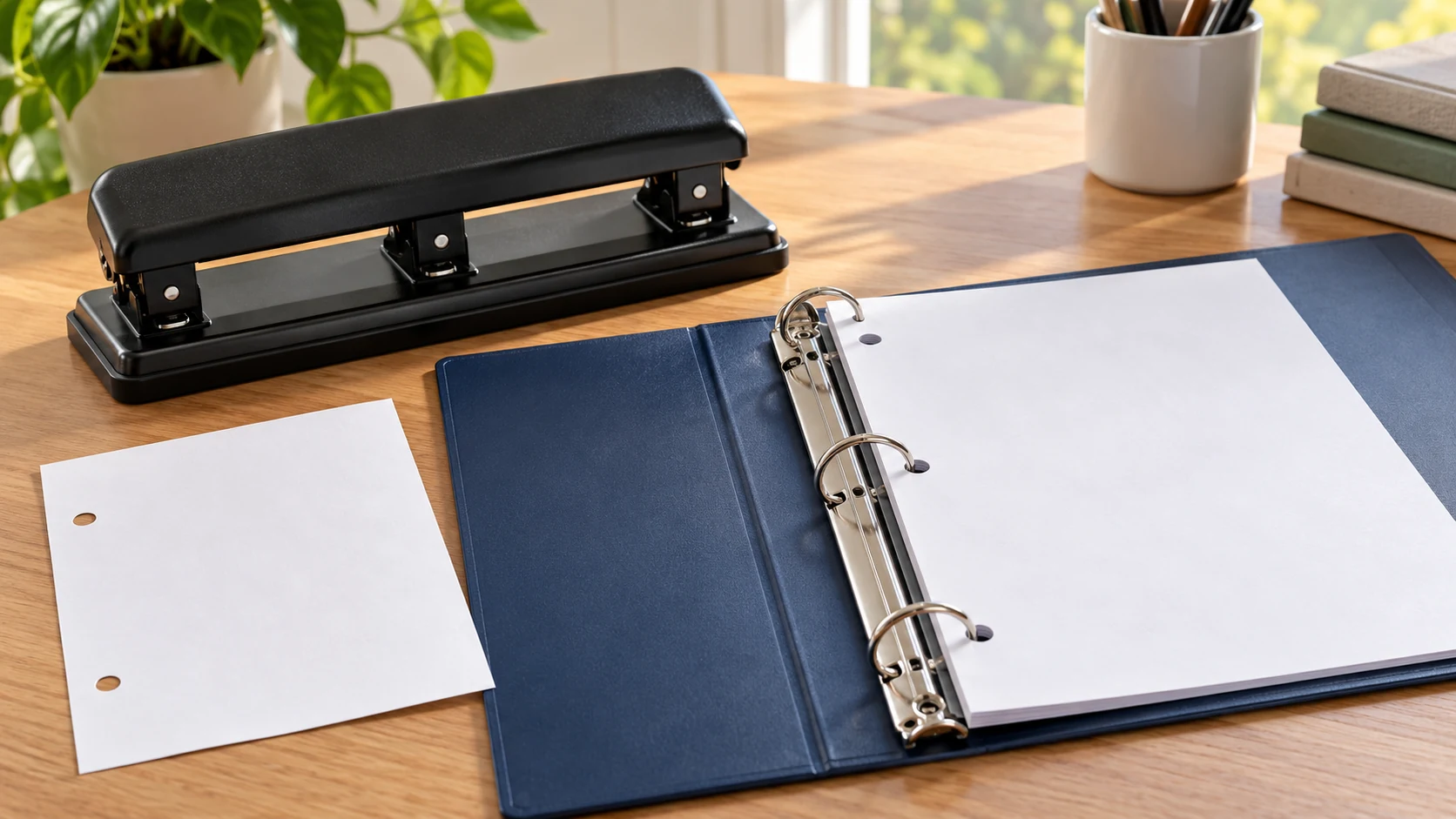
Match a hole punch to the actual binder by checking ring count, sample-page positions, margin and turning clearance.
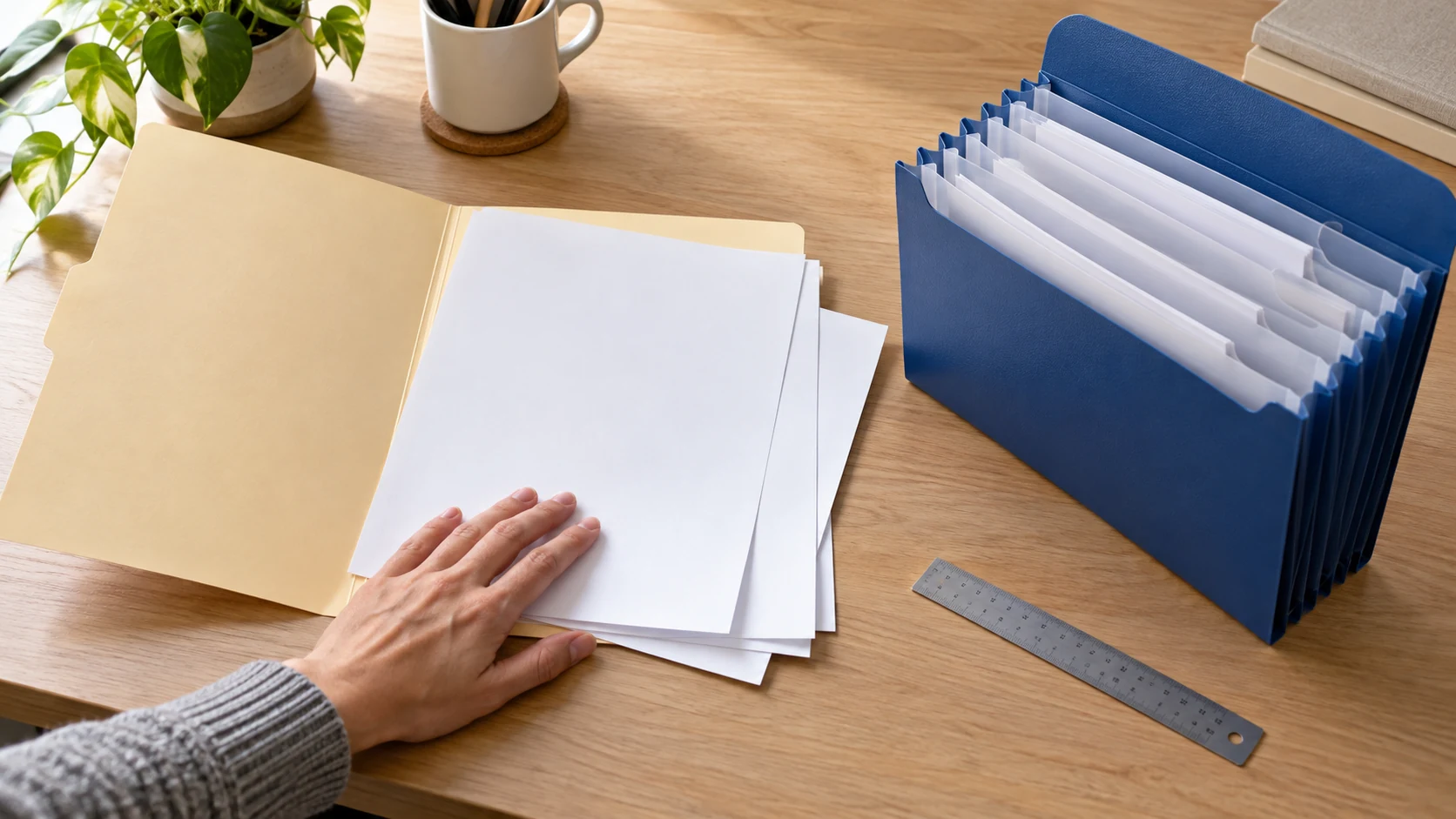
Use blank sheets to isolate why loose pages escape an open folder, then test a handling change or a more containing holder for the real route.
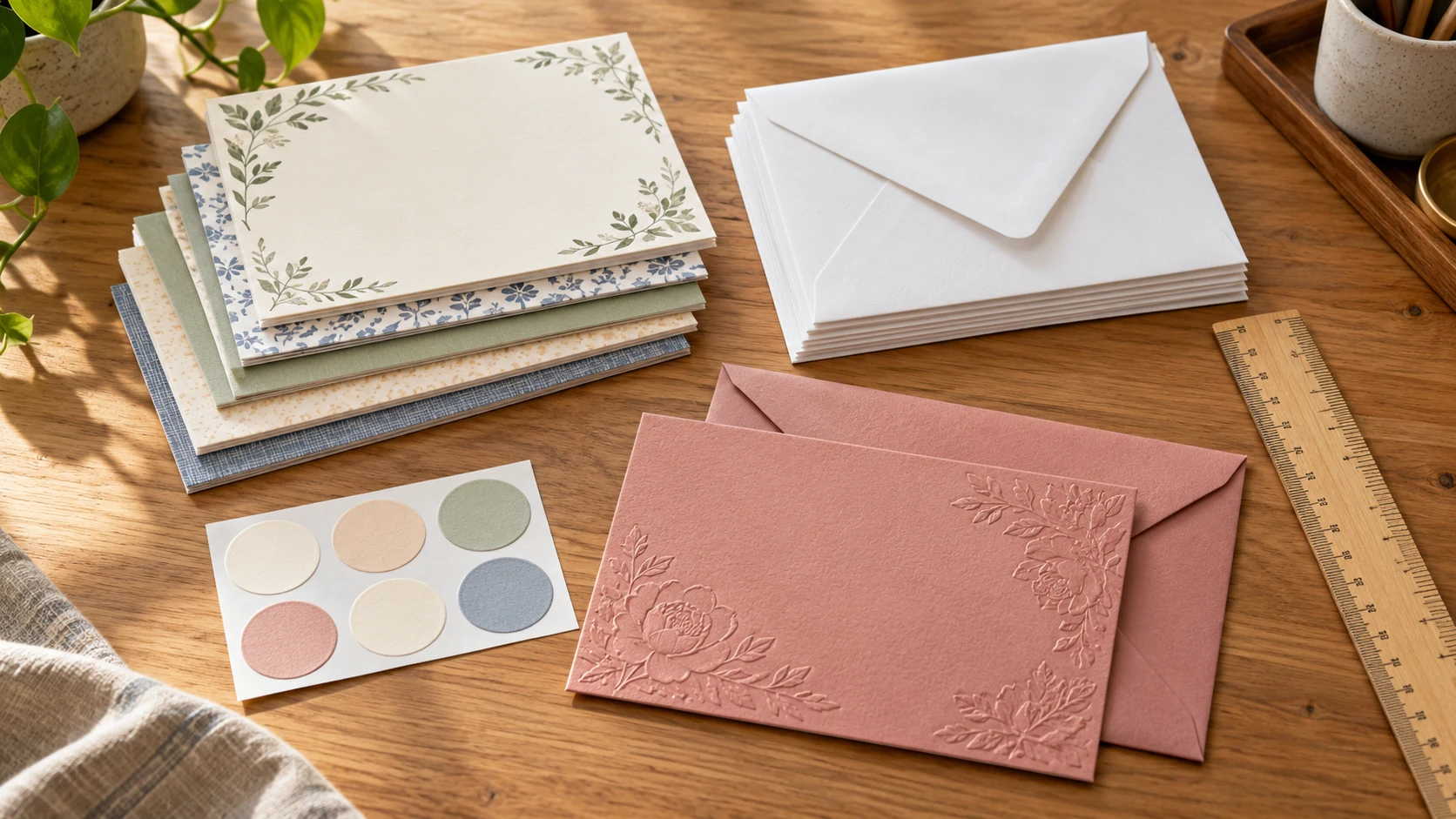
Translate note-card listings into card, envelope, extras, and unknowns before choosing a format for a real message.
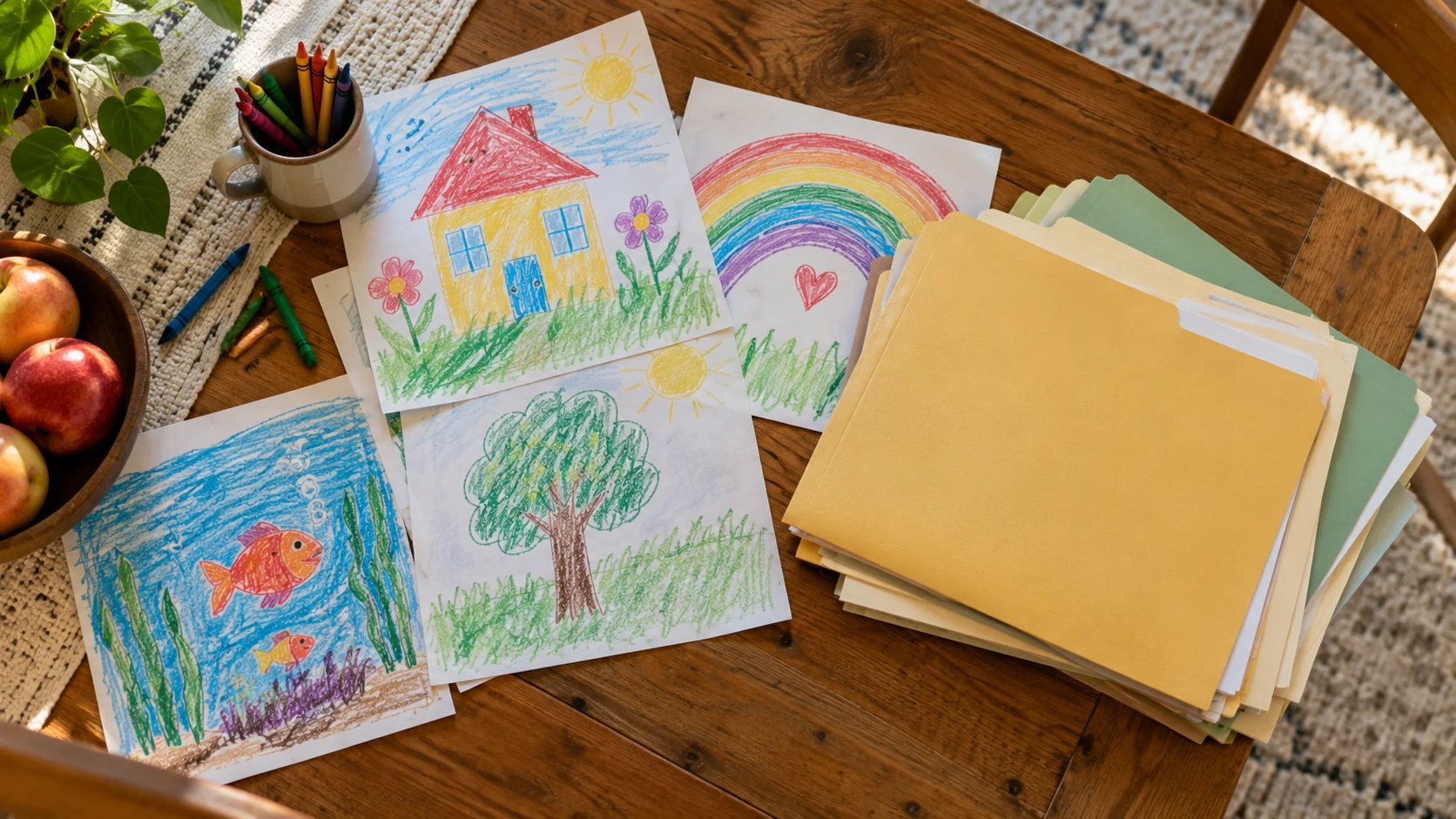
Give dry, loose school artwork a short route from waiting folder to display to completed-turn folder, while letting the artist decide what matters.
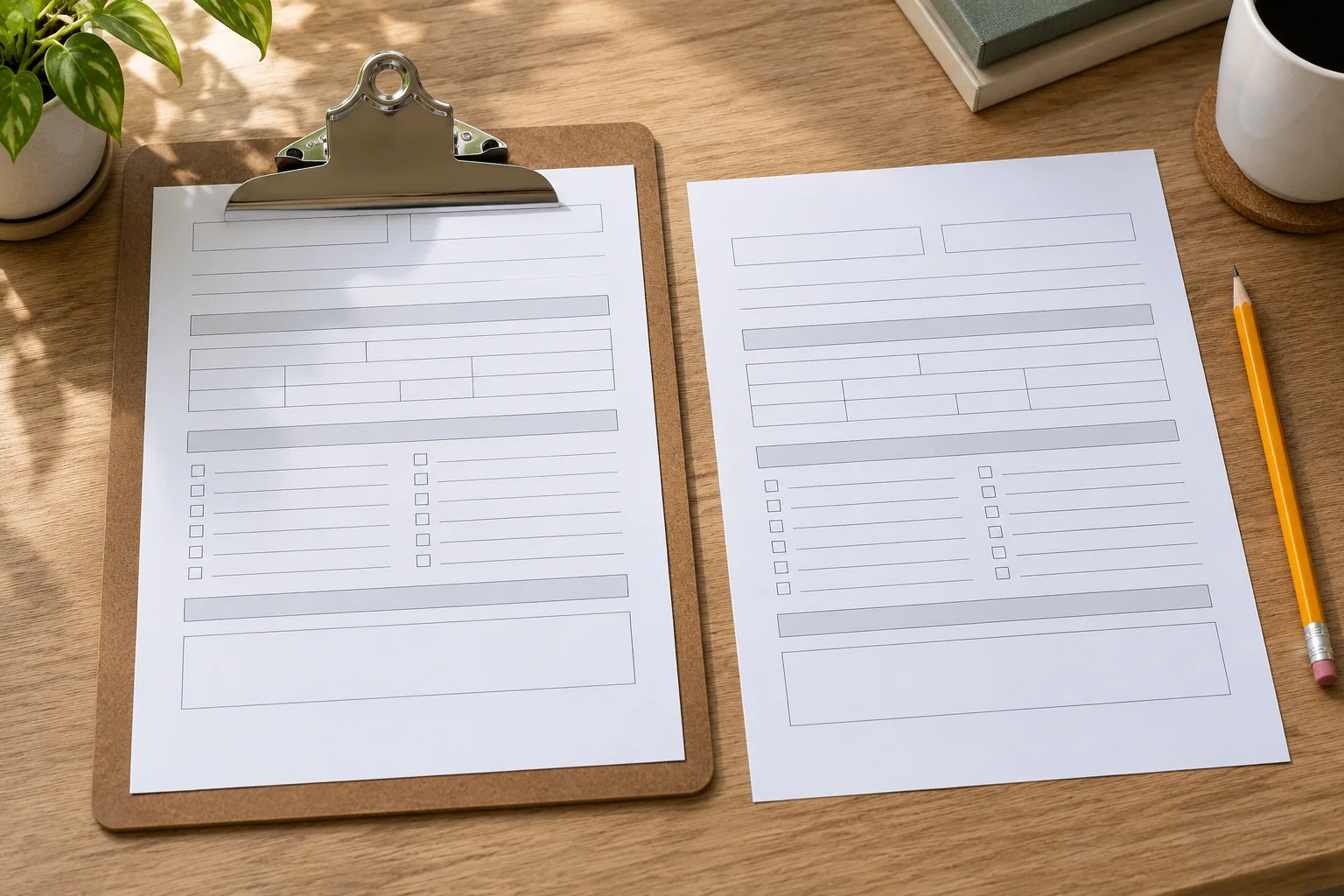
Use one representative form to identify the hidden header, test a reversible placement, and prove the first and last fields remain usable.
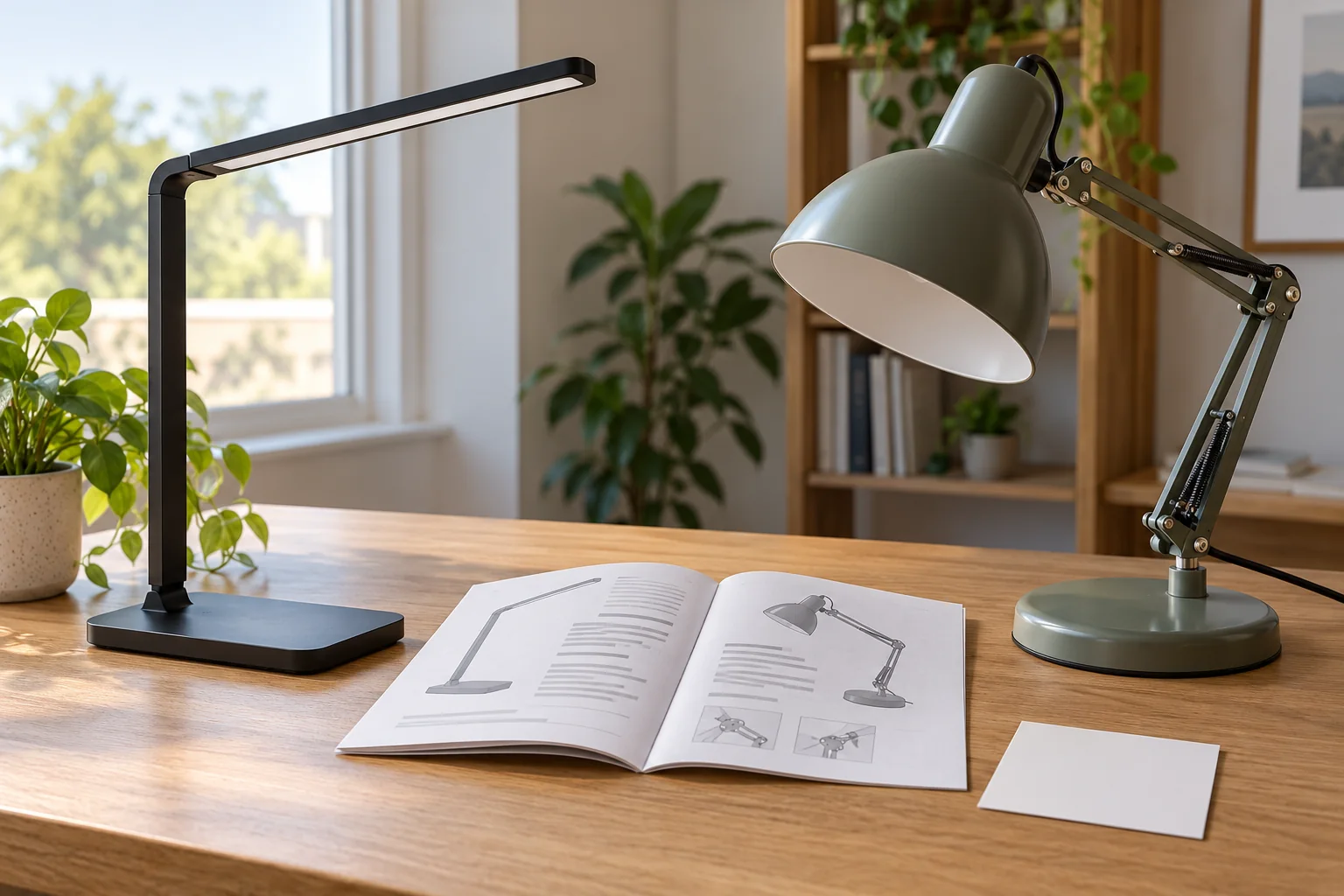
Identify an exact lamp and verify light-source replaceability and model-specific limits before choosing a bulb or service part.
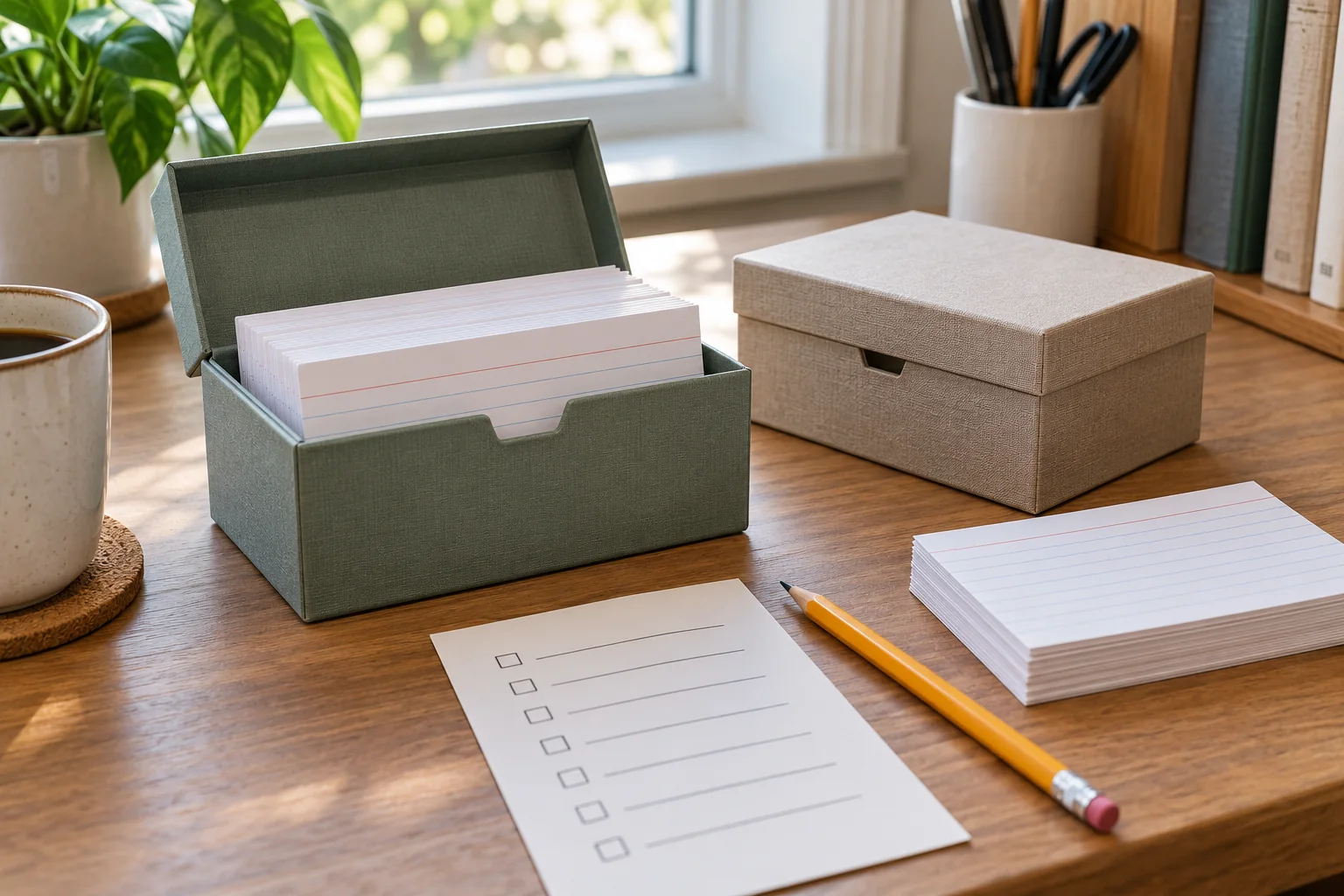
Count confirmed card collections and usable boxes on hand before comparing a seller package with actual demand.
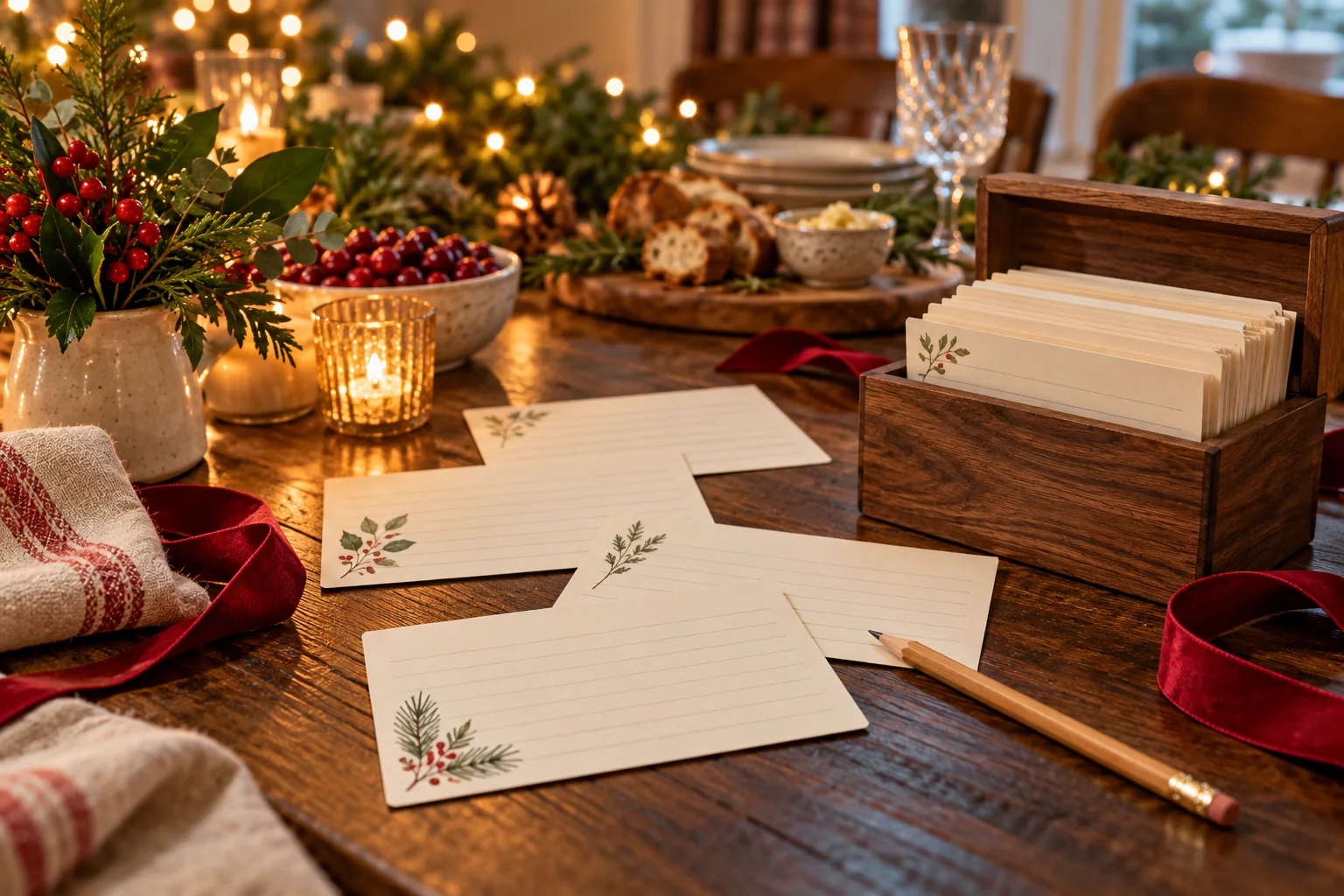
Host a small seasonal card exchange that keeps complete recipes distinct from personal food memories and preserves each writer’s sharing choices.
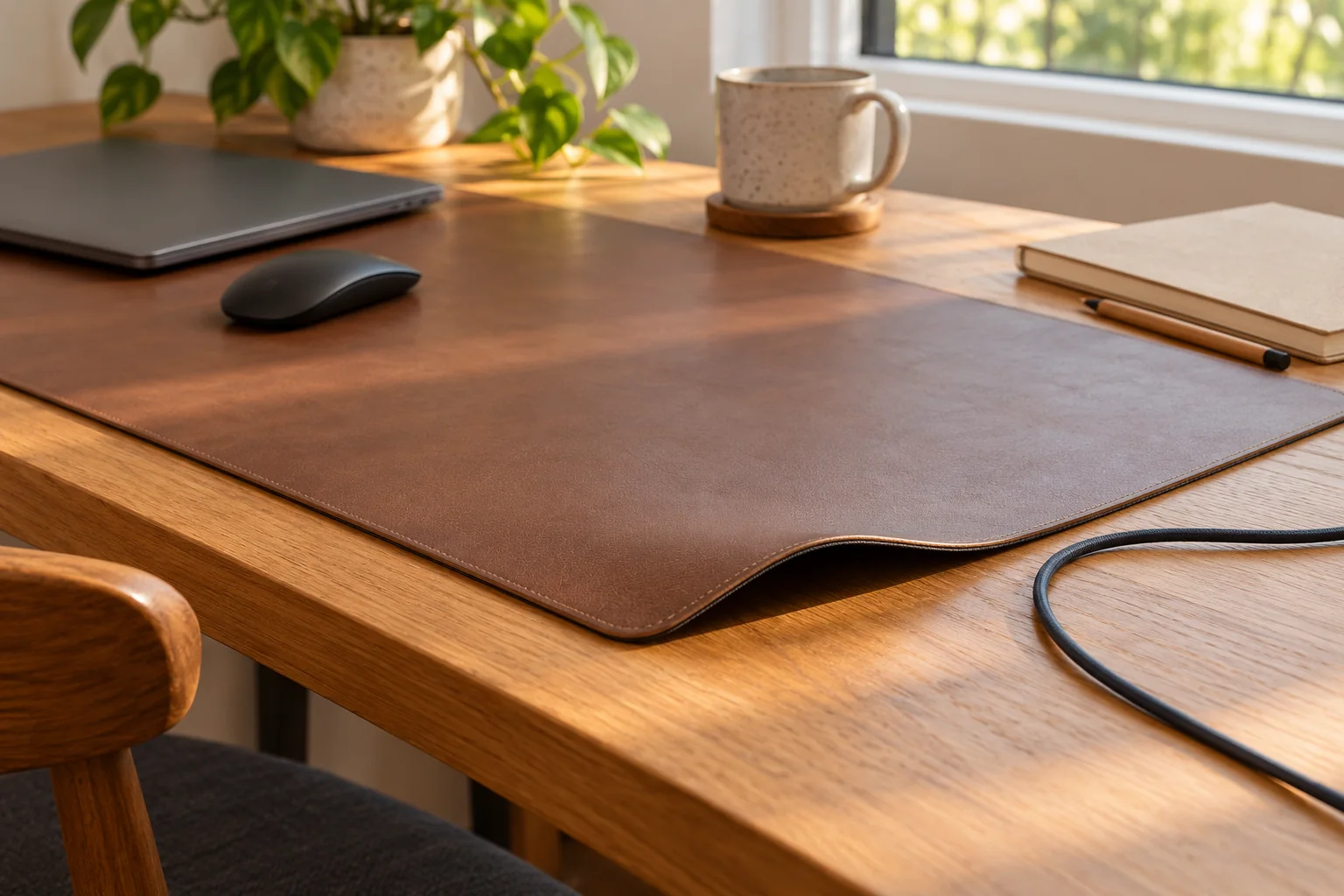
Distinguish a raised mat edge from whole-mat movement, inspect support and obstructions, and test a reversible placement change.
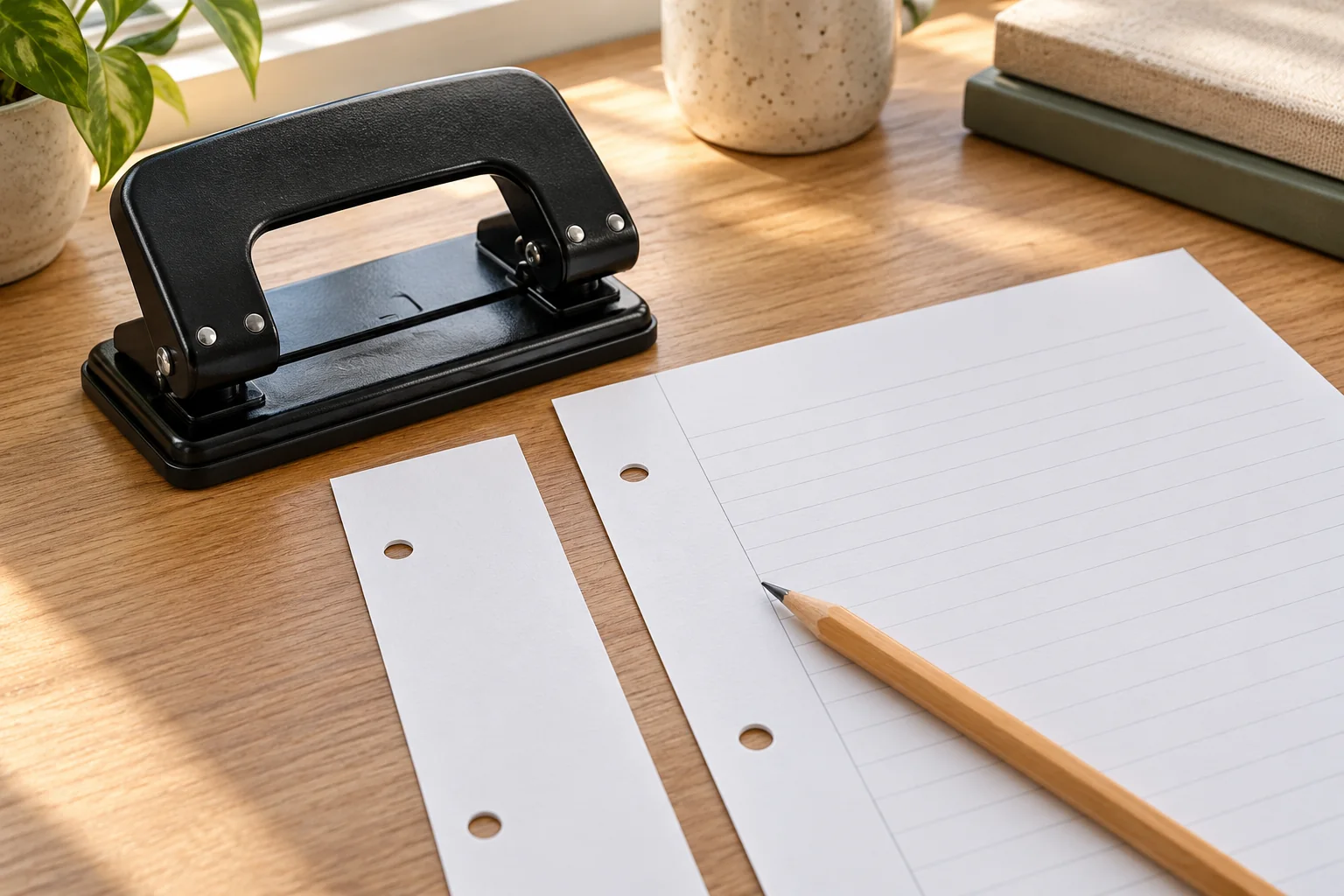
Plan the binding-edge margin around real page content and working notes, then test one sample before punching a packet.
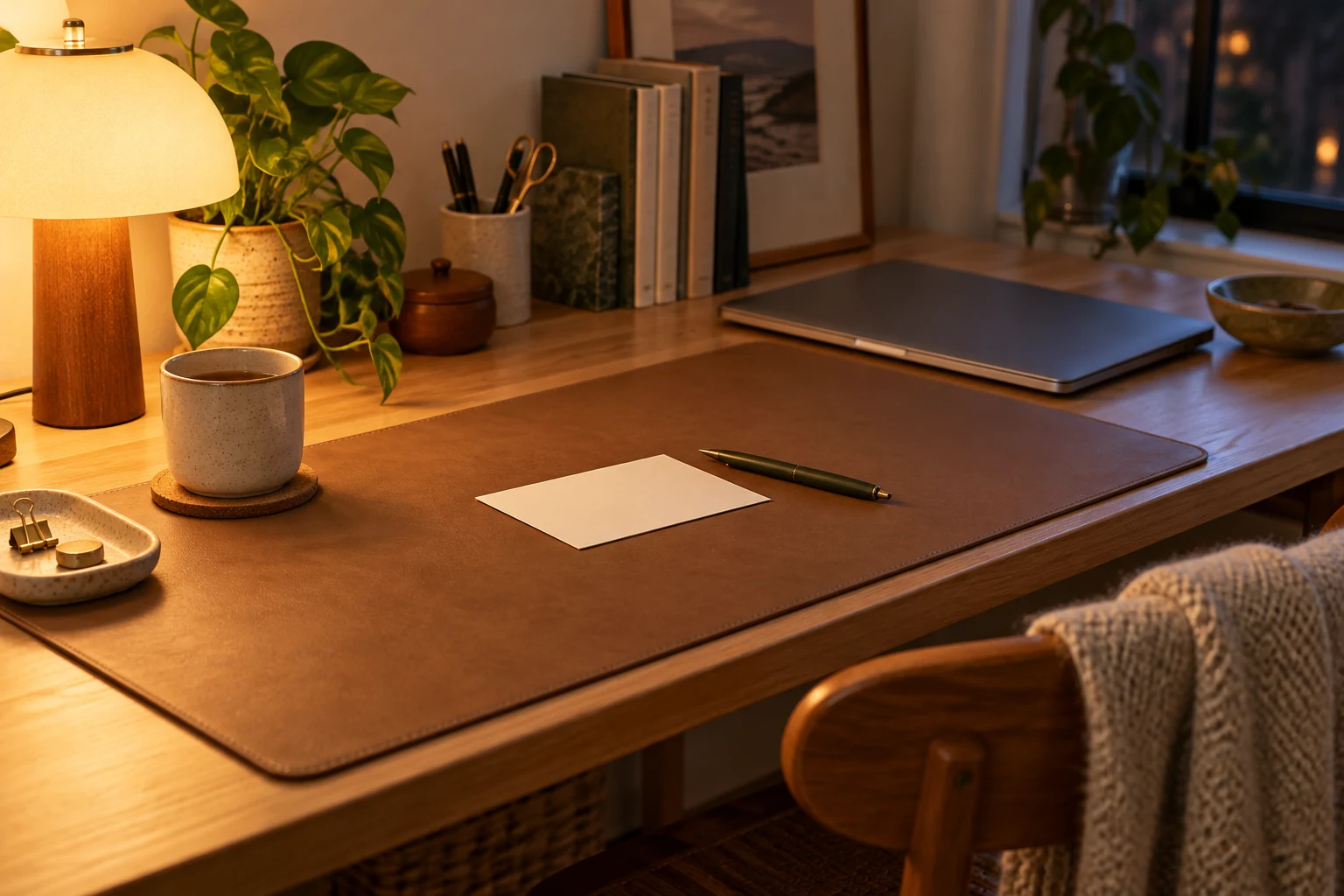
A modest end-of-work desk transition using an existing mat as a boundary for a postcard, sketchbook or other one-task personal project.