11 min read
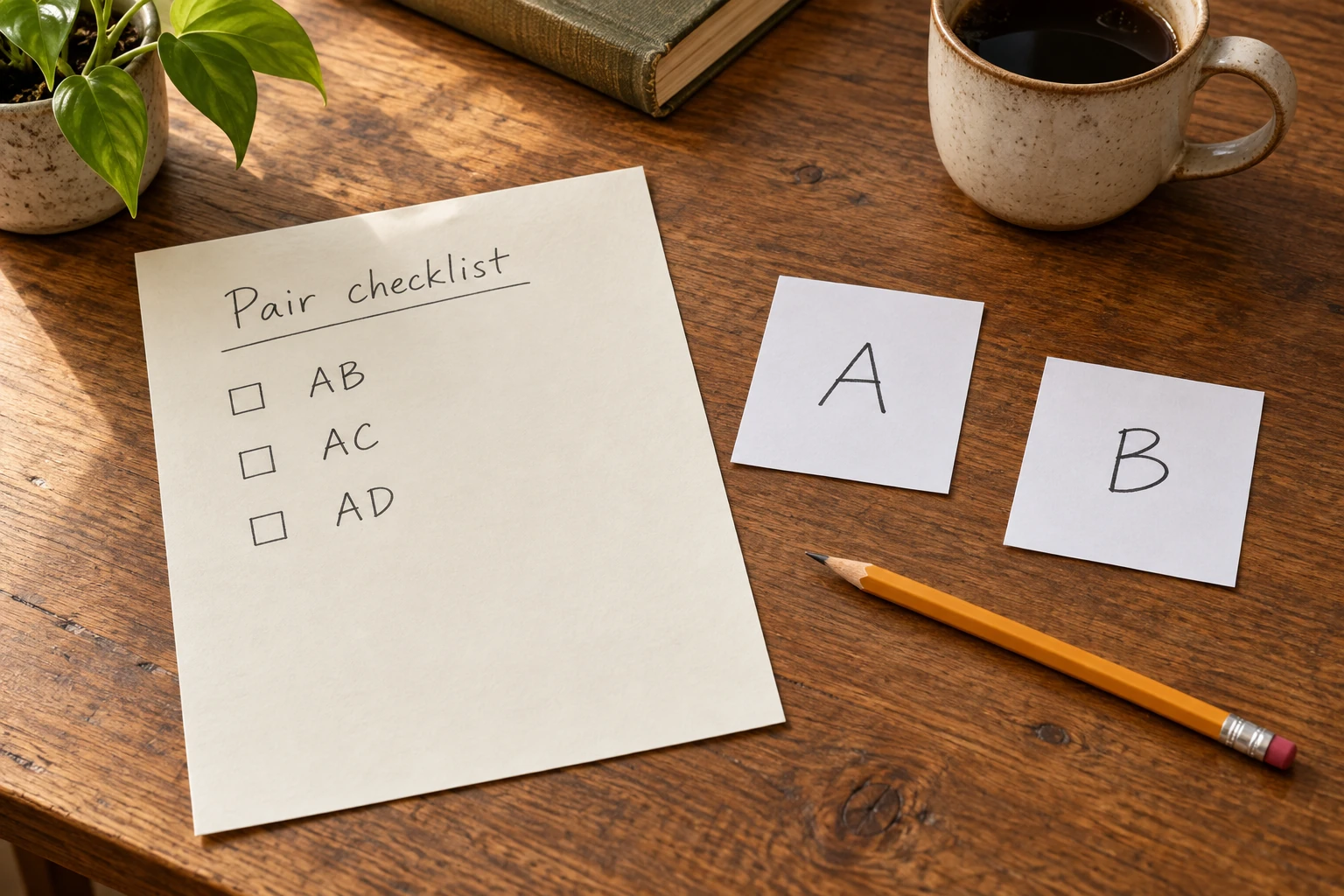
Build a six-participant pairing plan and check every pair
Audit an invented five-round pairing worksheet for one appearance per round and one meeting per pair, then repair a faulty final row.
Practical guides to documents, data, creative work, and everyday planning.
Showing 457–468 of 726 guides
Audit an invented five-round pairing worksheet for one appearance per round and one meeting per pair, then repair a faulty final row.
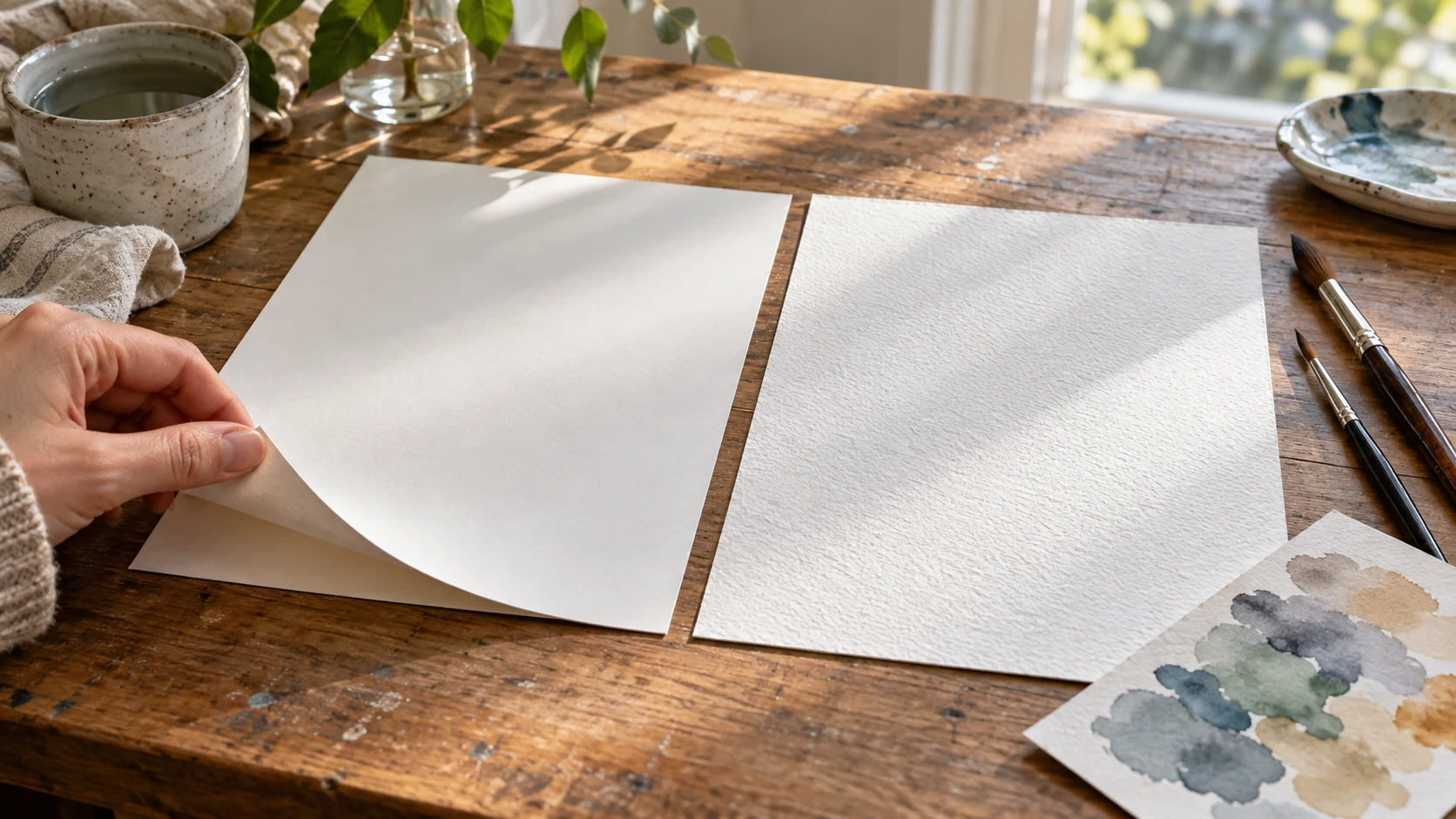
Separate paper finish from weight, fiber, sheet size and pack count when comparing hot- and cold-press watercolor listings.
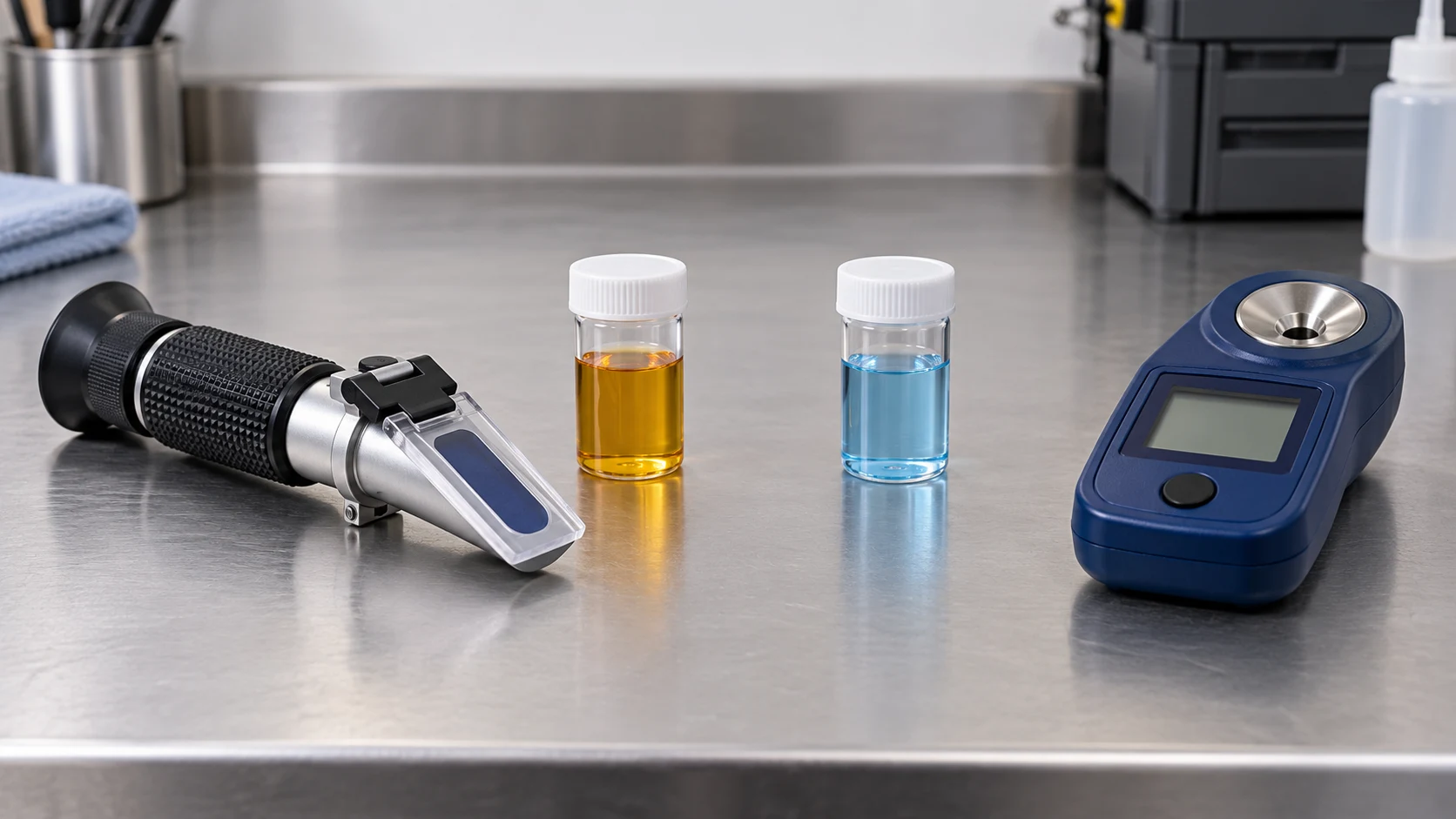
Resolve a liquid and scale mismatch before treating a refractometer number as a valid test result.
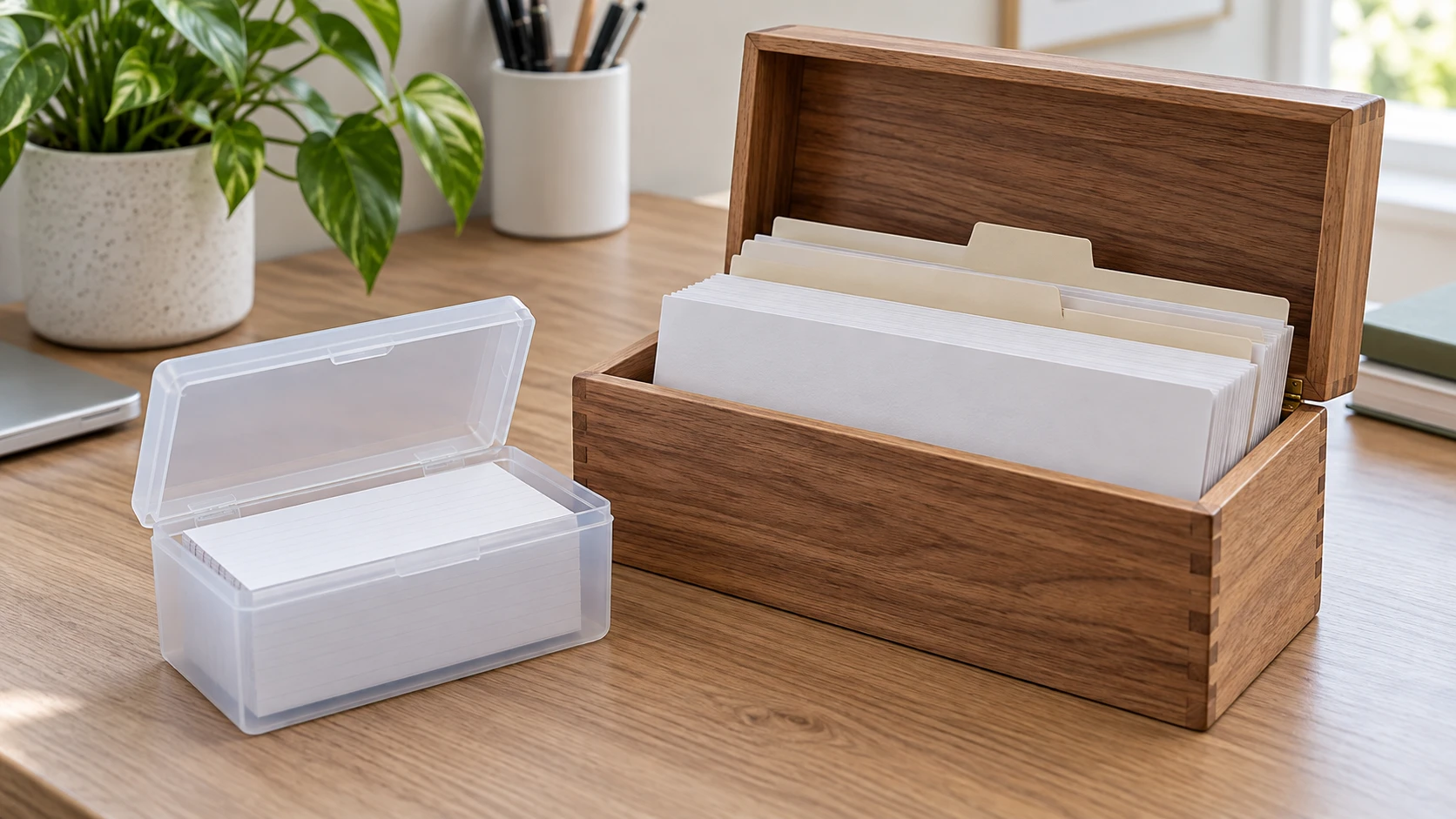
Match real card and divider sizes to a box before comparing card counts or bundle contents.
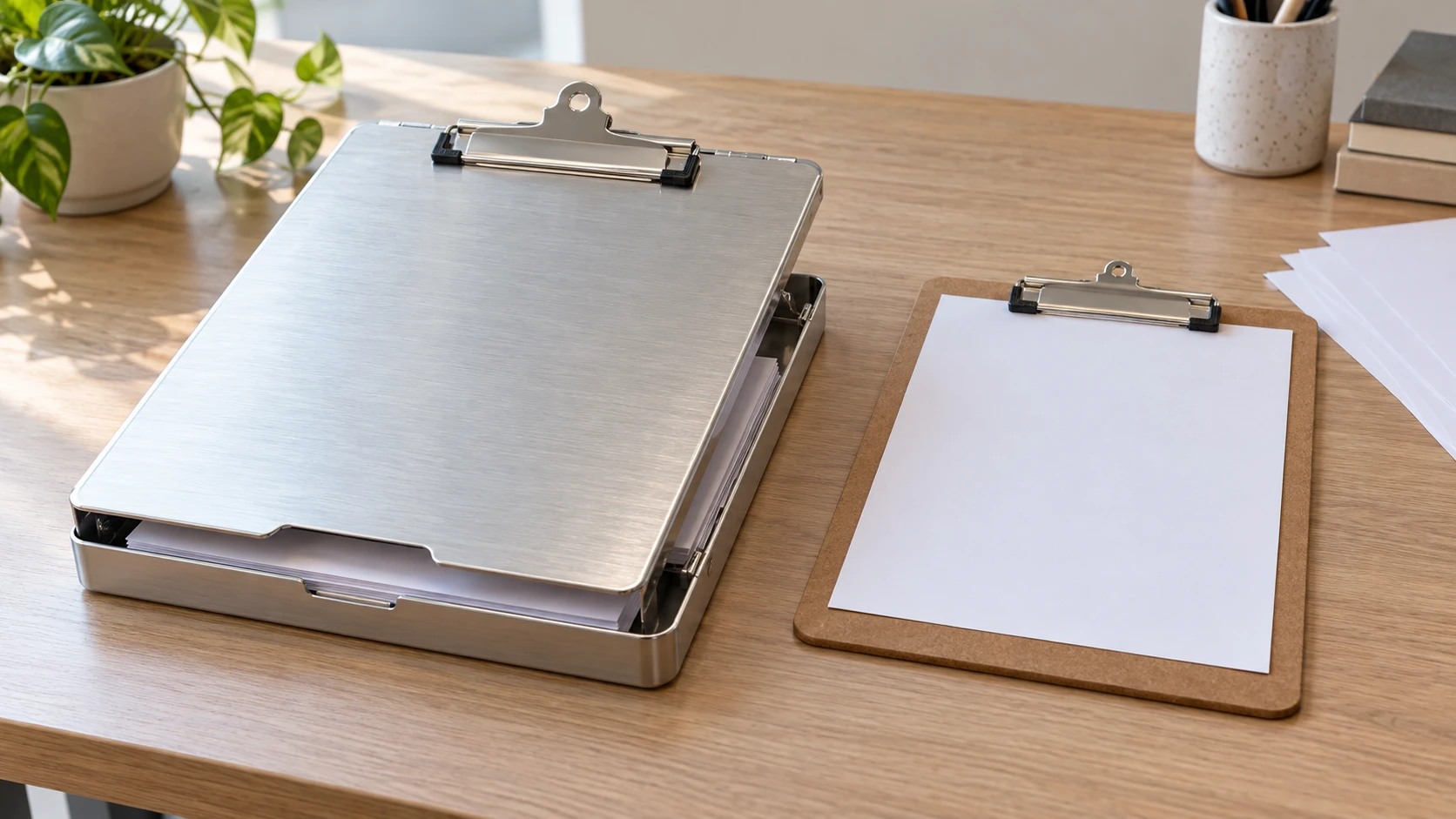
Separate supported paper size, active clip stack, and any storage compartment before choosing a clipboard.
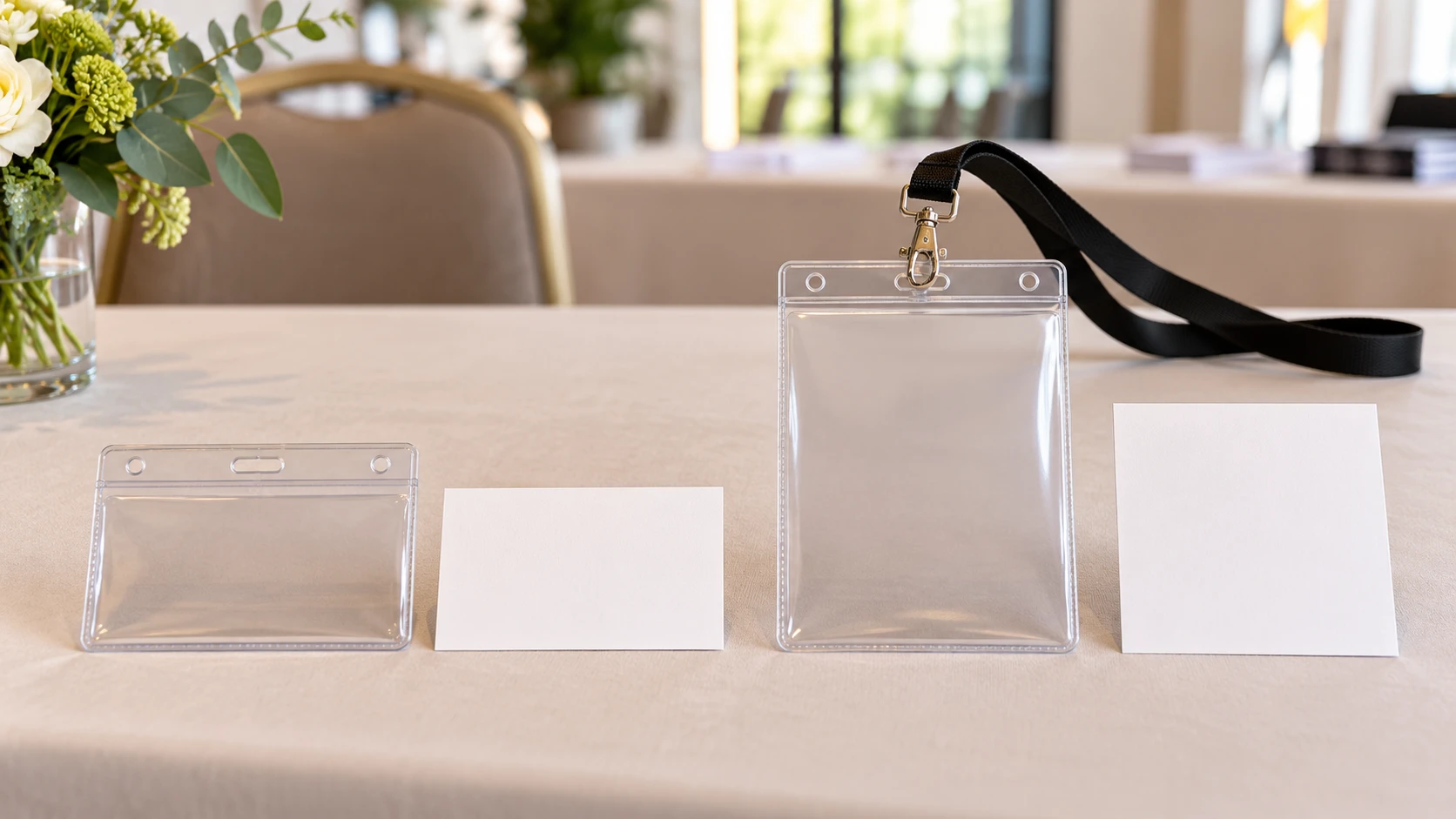
Measure the finished credential and check pocket opening, visible window, orientation, and supplied attachment before ordering holders.
Record a broken writing line, identify the exact pen and consumable, and use the proper model-specific support path.
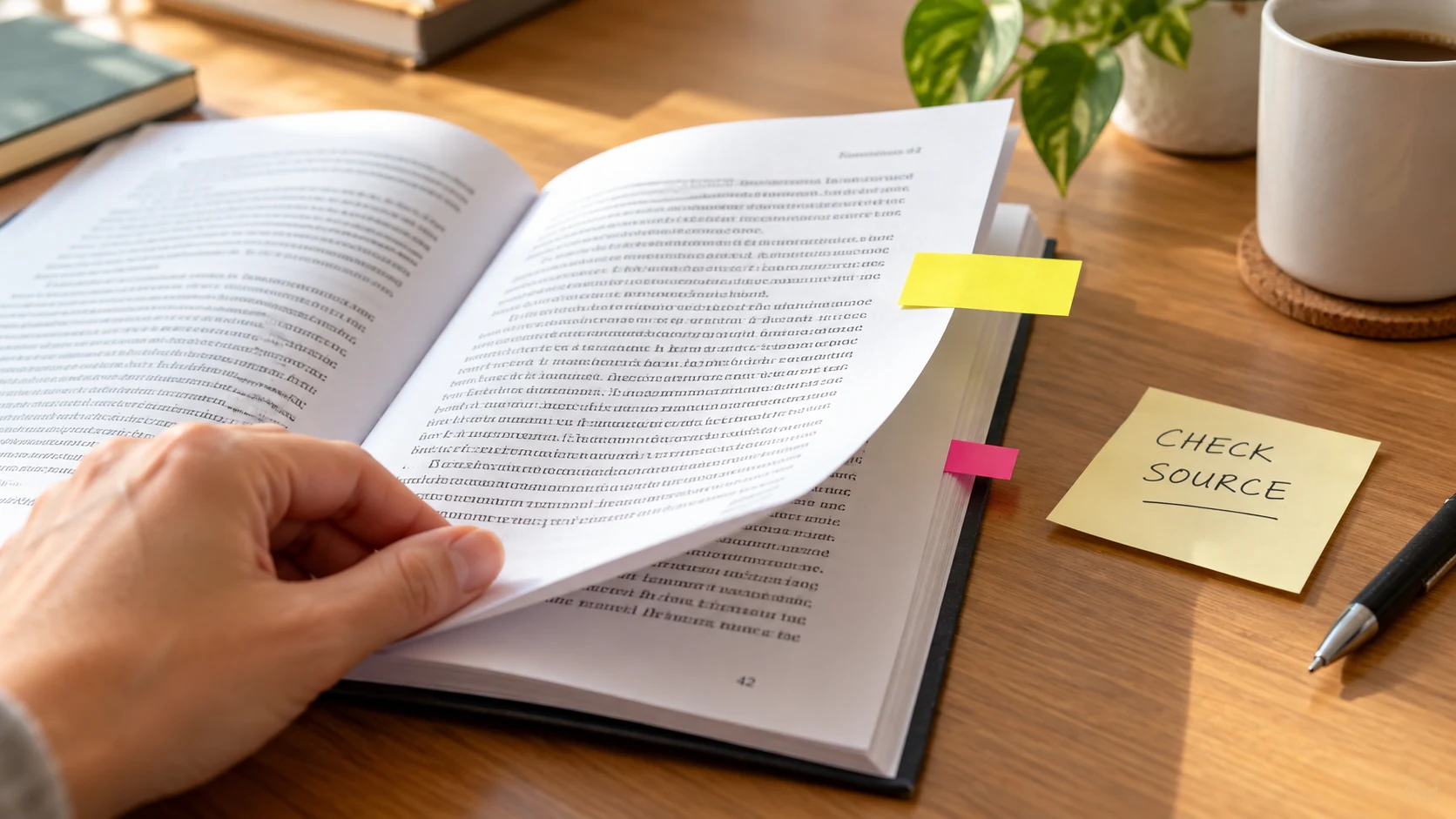
Choose broad or narrow temporary page markers, give each mark a return action, and remove or reconcile it when the task ends.
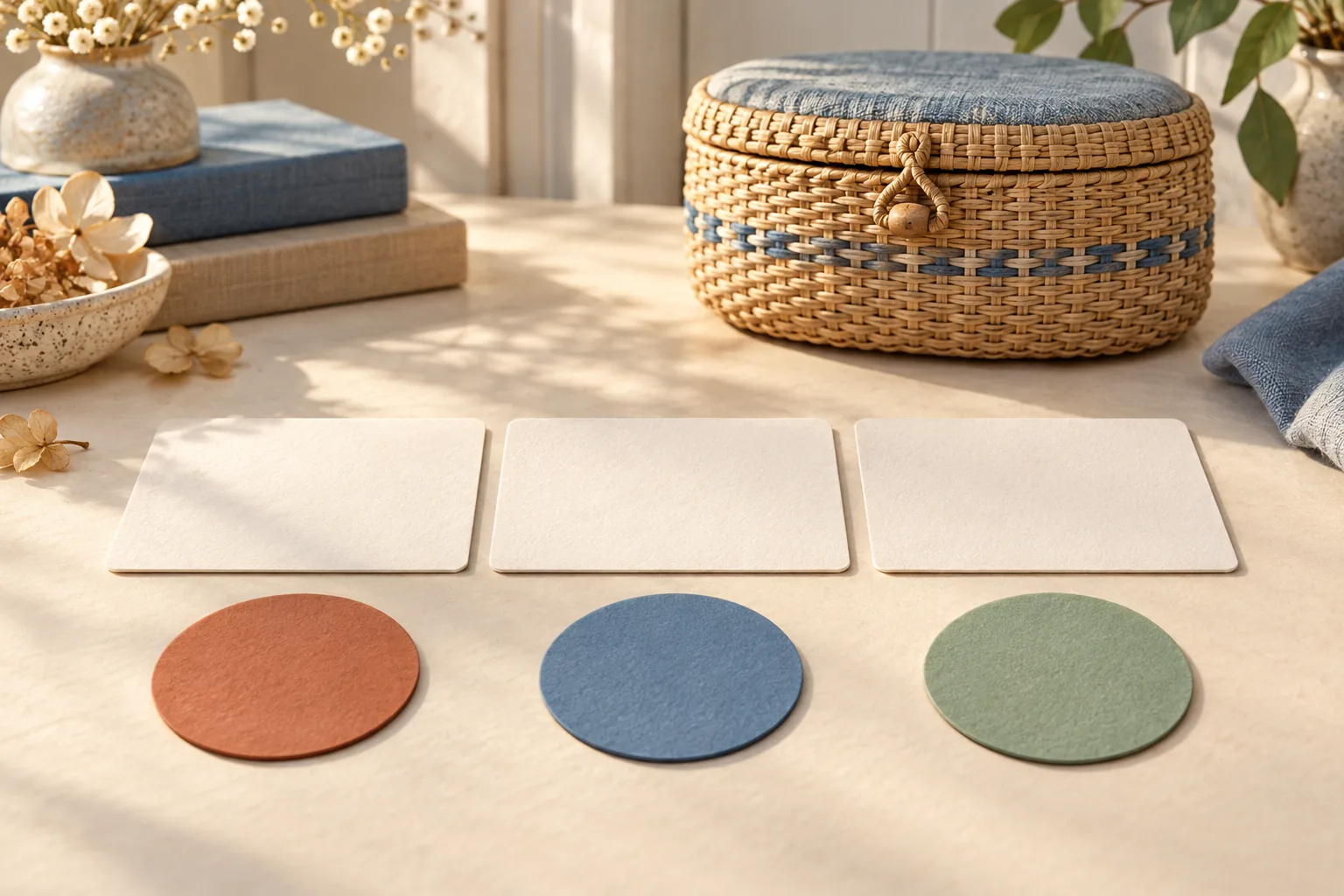
A fictional matching puzzle shows why equal counts and a choice for each request can still leave no complete assignment. Its allowed pairs are invented, not sewing compatibility facts.
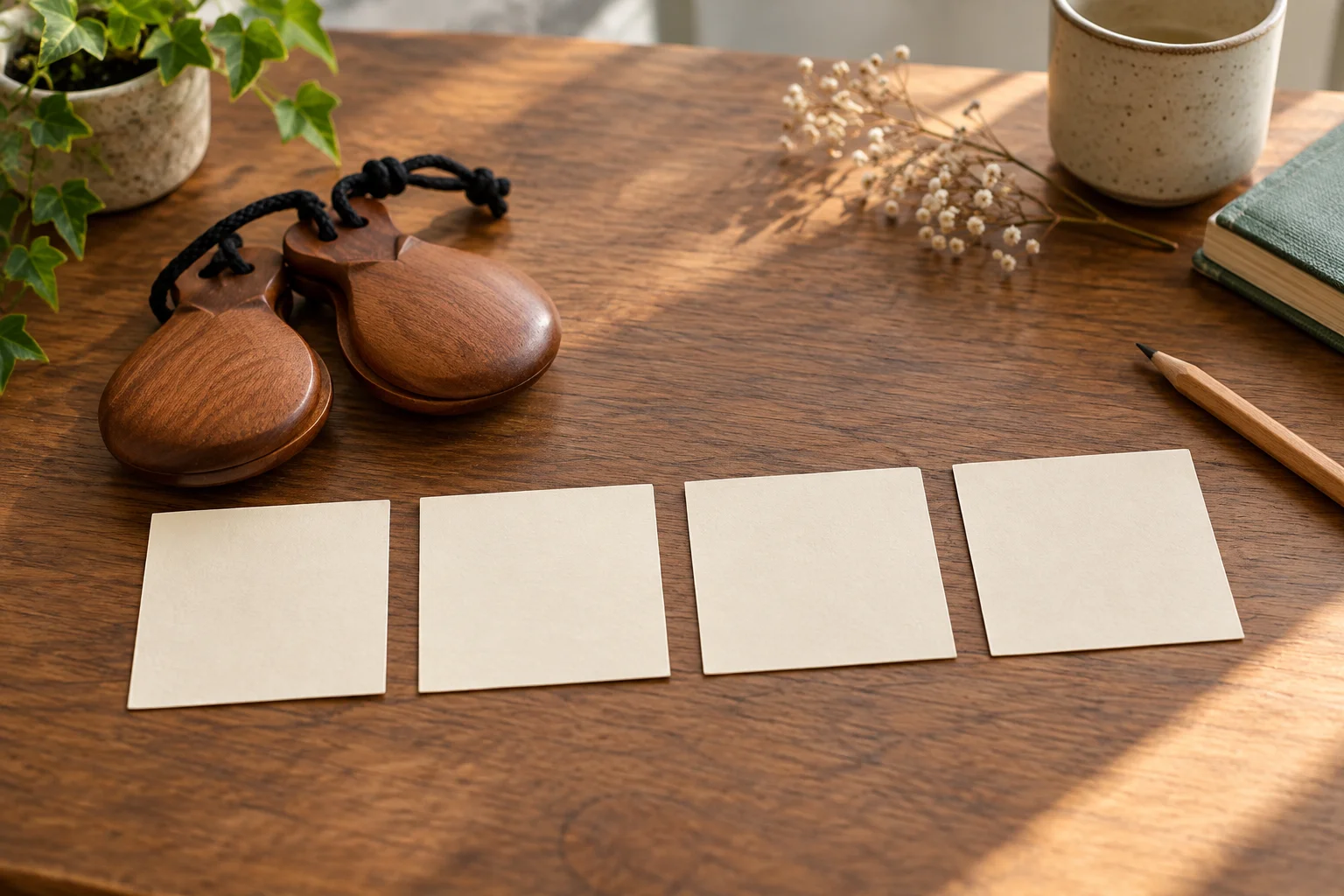
An original four-letter paper puzzle separates a minimum move bound, a parity obstruction and explicit three- and five-move routes.
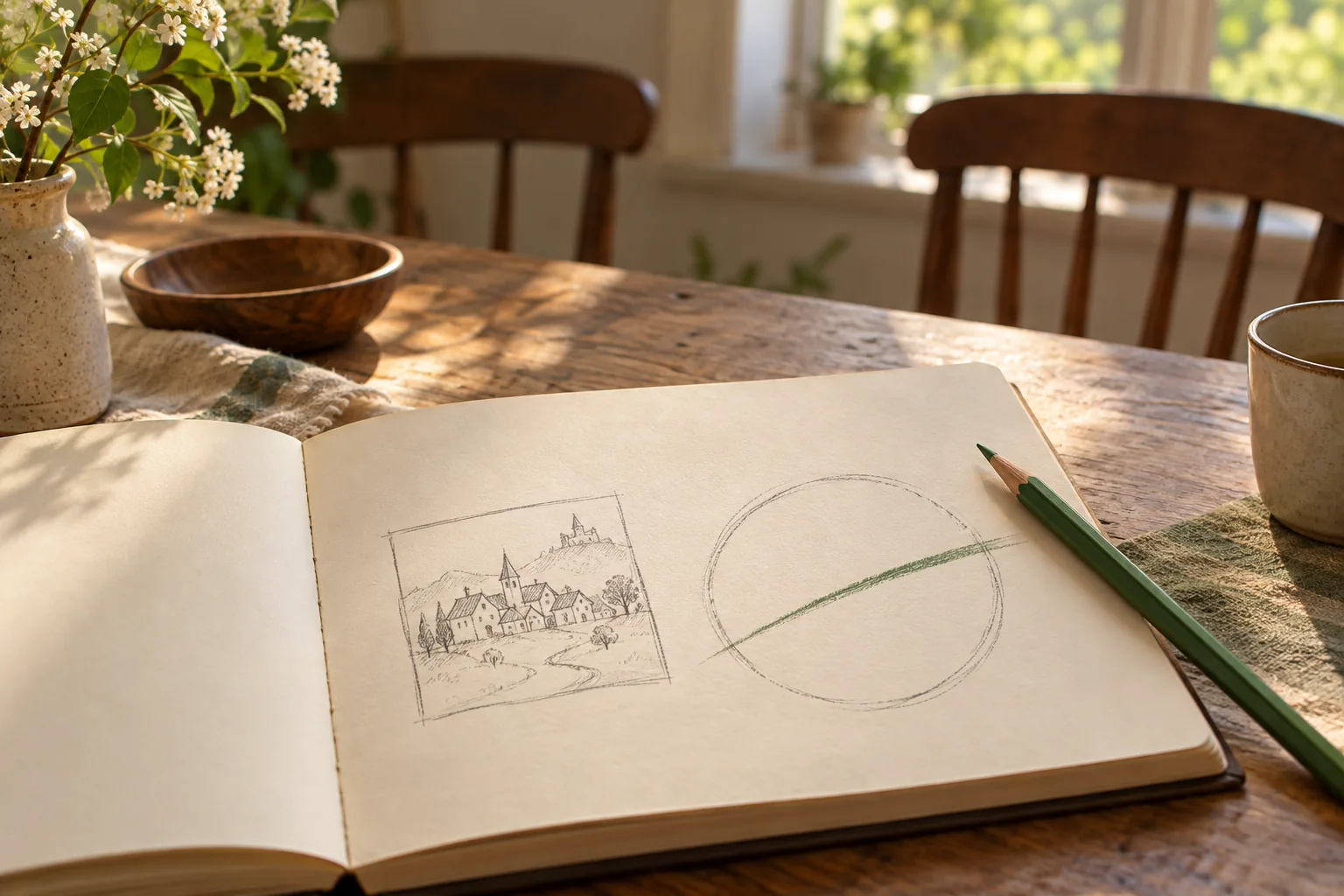
Explore framing an invented tale with a complete original Miro village story inside Tess and Lev's drawing scene; compare the return with an earlier stopping place.
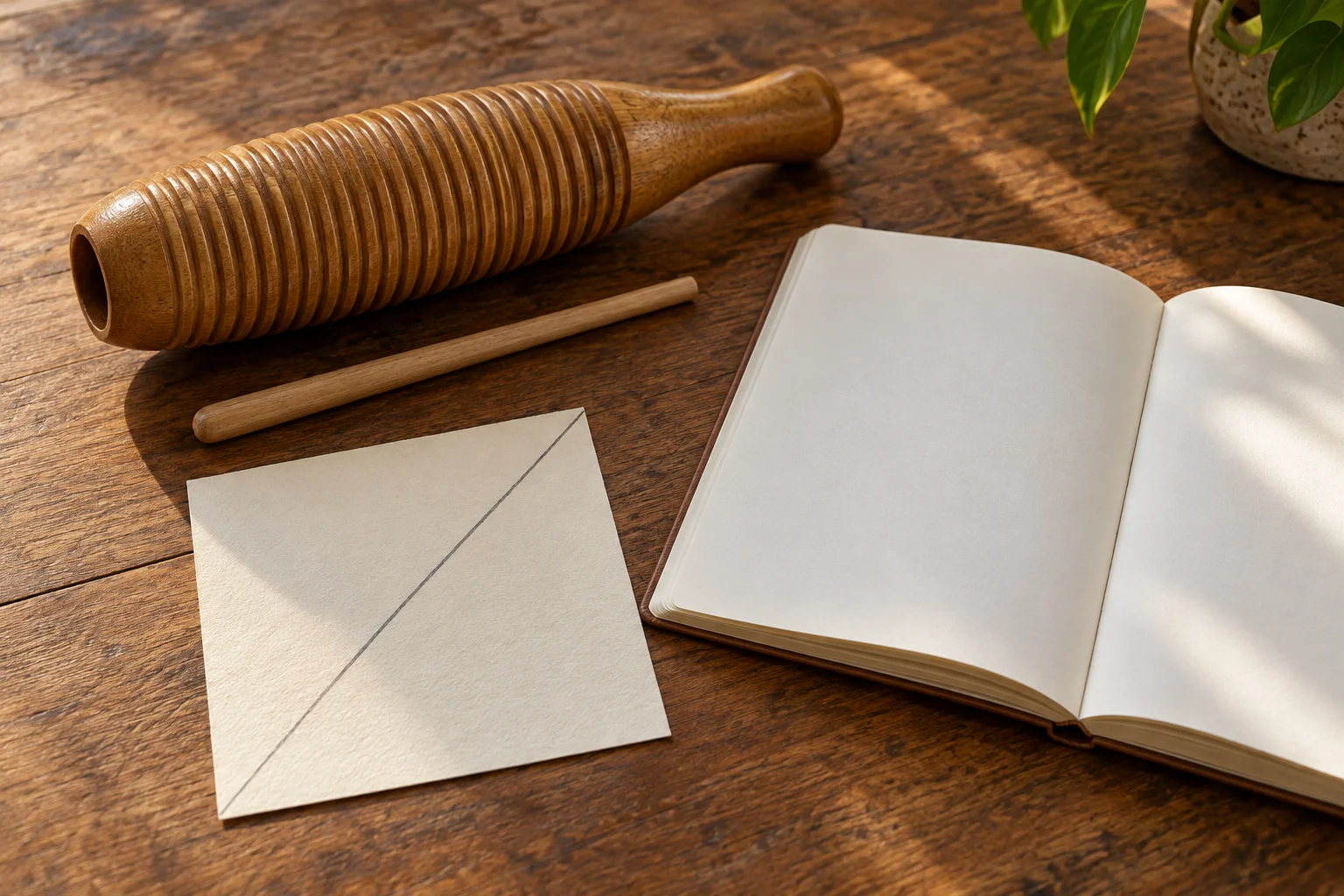
An original paper-number example tests an exact fraction with a parity contradiction and separates its proof from a finite decimal approximation.