
10 min read
A guiro winter story told by an imaginary window
An original winter tale uses a window narrator whose imagined second visitor disappears when it separates reflection from observation.
Practical guides to documents, data, creative work, and everyday planning.
Showing 469–480 of 726 guides
An original winter tale uses a window narrator whose imagined second visitor disappears when it separates reflection from observation.

Use stage directions in a short play to compare two final actions in an original Aven and Ro scene, keeping their spoken lines fixed and the room history open.

An original four-task model compares total work, allowed overlap and prerequisite chains, then checks duration changes and a one-worker revision.

An original numerical example keeps a displayed step, a percentage term and an allowed interval separate. Actual instrument specifications and applicability remain independent requirements.

Compare line breaks in a short poem through one original stone-and-ribbon sentence, two complete printed arrangements and separate punctuation alternatives.
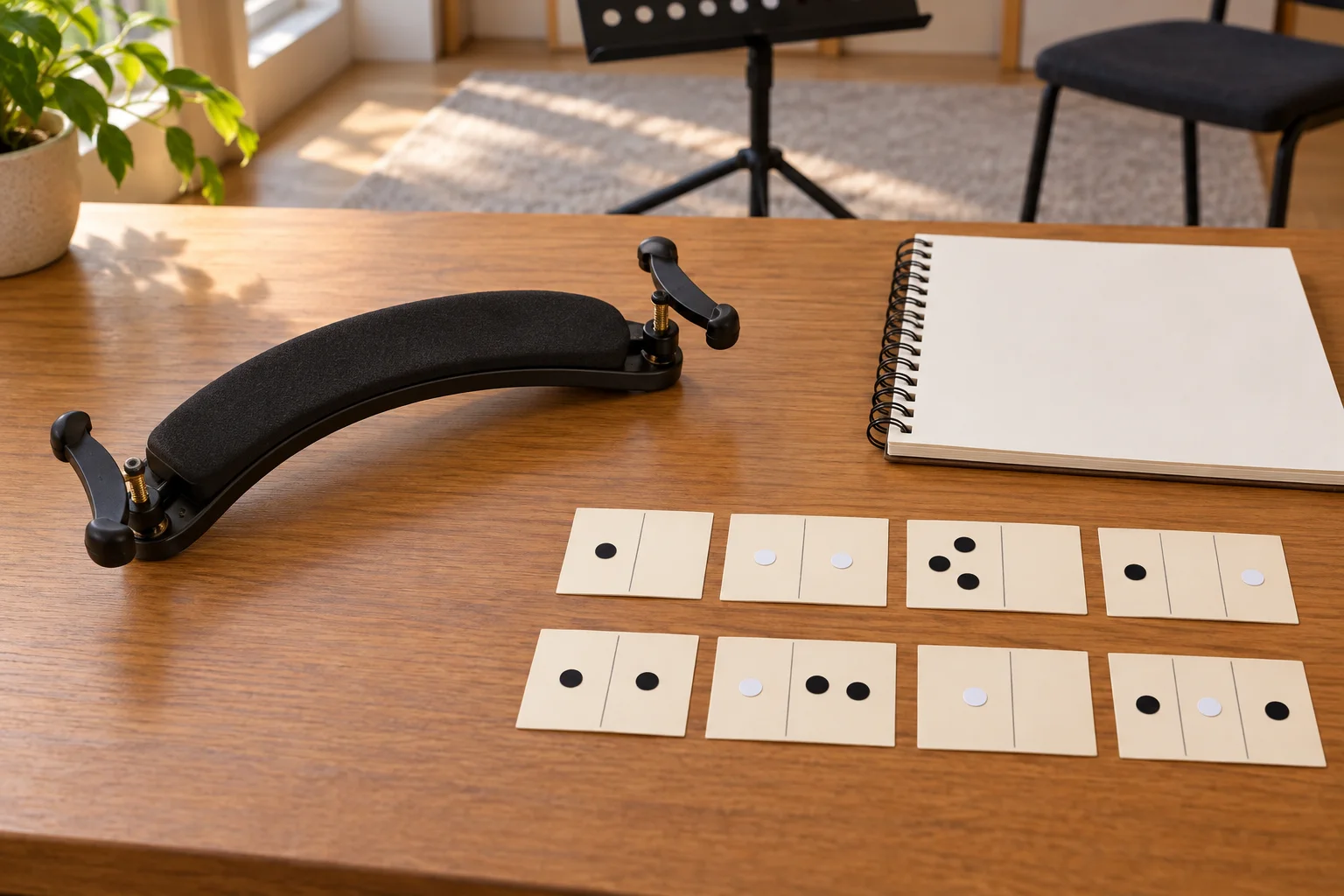
An original variable-length label code loses its boundaries, then an explicit separator or revised table supplies a clear decoding rule.

Choose a refrain in a short poem using an original imagined room, three complete stanzas and written alternatives that change the final line without reporting a real event.

An original paper inventory stipulates one front and one back per set, then checks how shortages, additions and reservations change the number of complete sets.

An original fictional tally separates returned-reply percentages from possible whole-group outcomes when invited people have not answered.

Choose a short story title for an original after-hours workshop scene, comparing two object titles and one quotation while keeping the complete story unchanged.

An original fictional interview keeps Nell's answers attached to what she knows, believes or has not learned.

An original fictional exhibition-copy schedule exposes a strict precedence cycle, then distinguishes a new attempt from a stated rule change and checked revised order.