
9 min read
watercolor brush pen set: understand colors, water tools, and paper
Separate colored pens from water and blending tools, check paper needs, and leave contradictory set counts unresolved until the seller confirms the exact variant.
Practical guides to documents, data, creative work, and everyday planning.
Showing 433–444 of 726 guides
Separate colored pens from water and blending tools, check paper needs, and leave contradictory set counts unresolved until the seller confirms the exact variant.
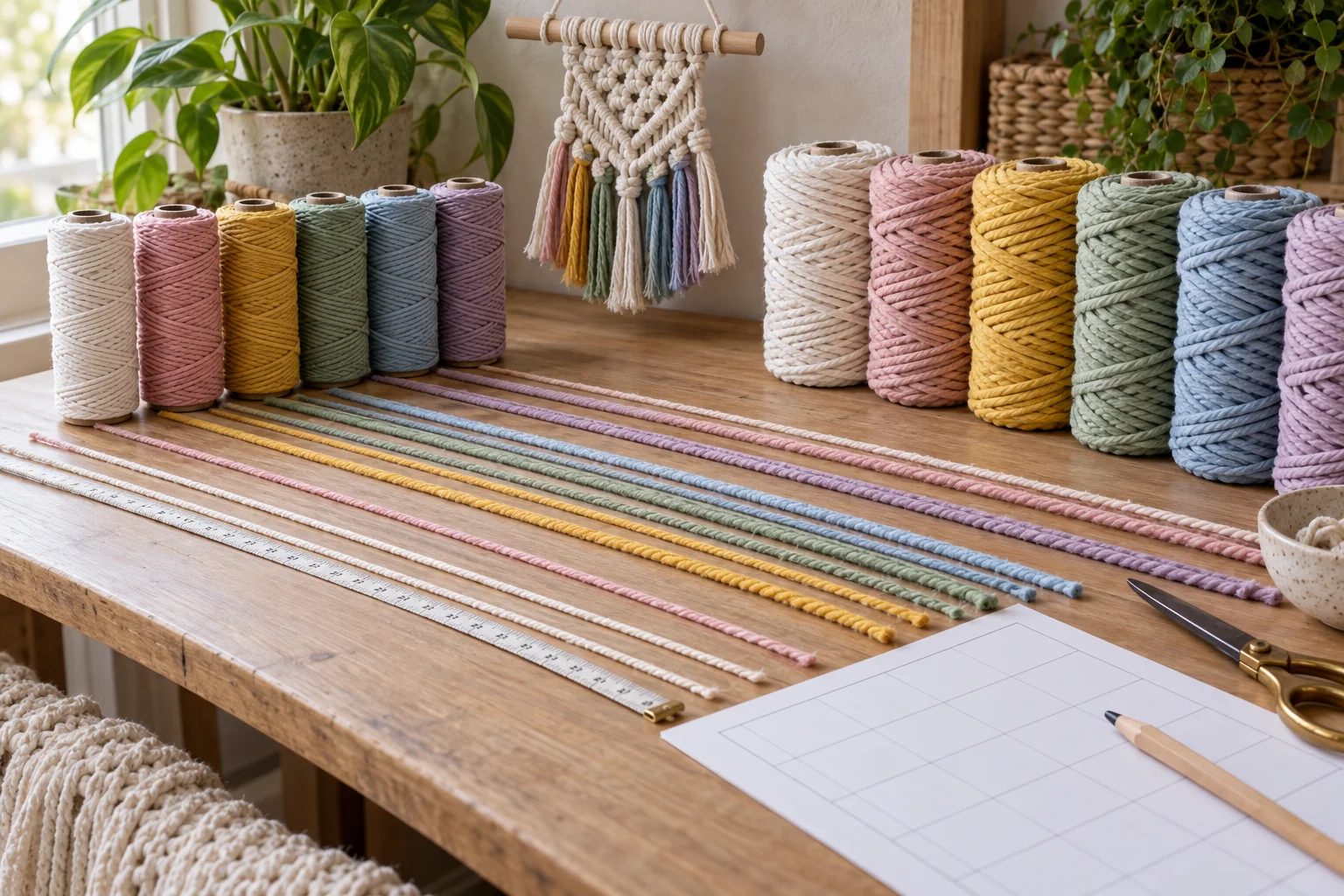
Identify the specific section and color at risk, measure a knot sample, and check continuous strand length before cutting more cord.
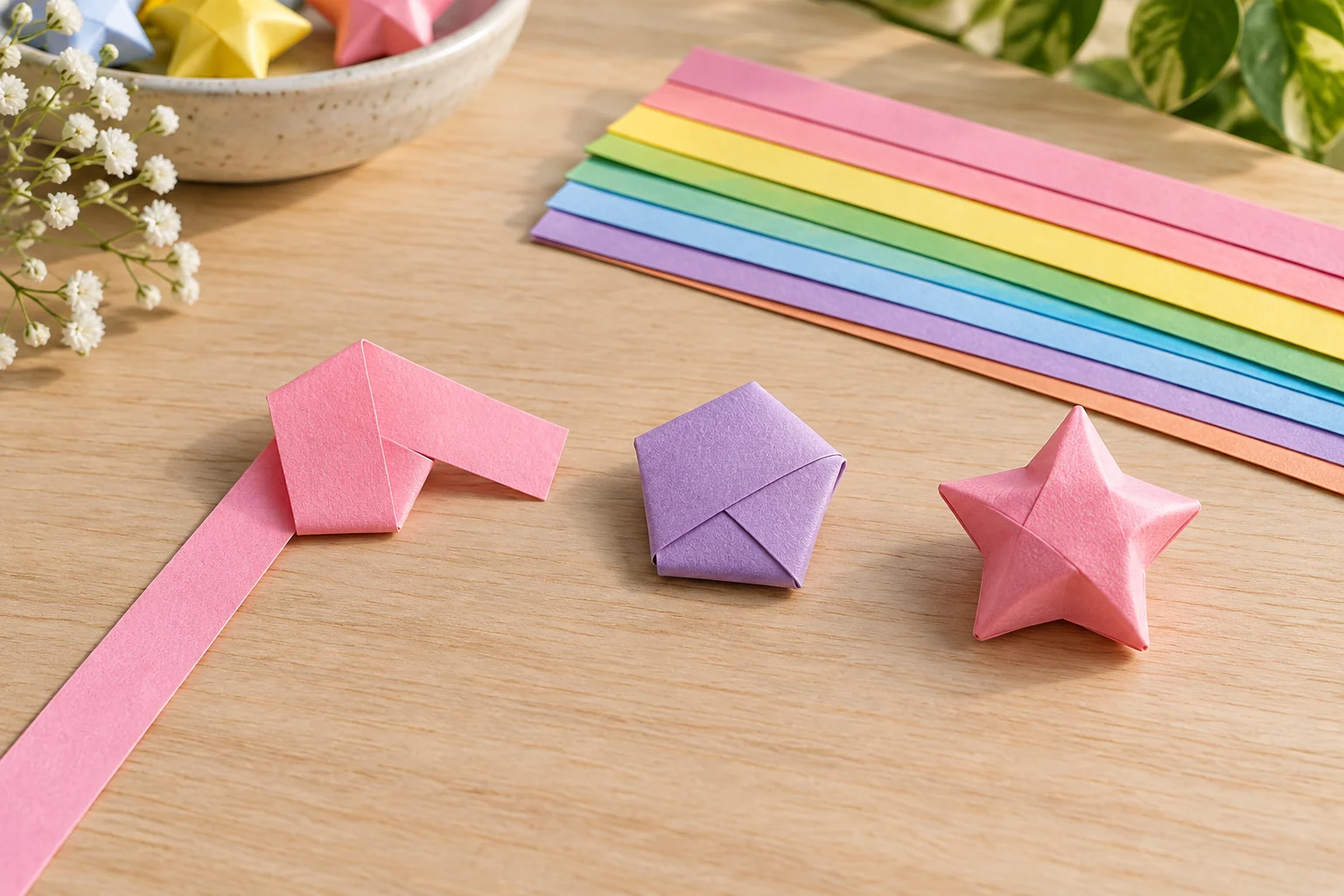
Use a small batch of precut paper strips to practise the knot, pentagon wrap, tucked tail, and gentle final puff.
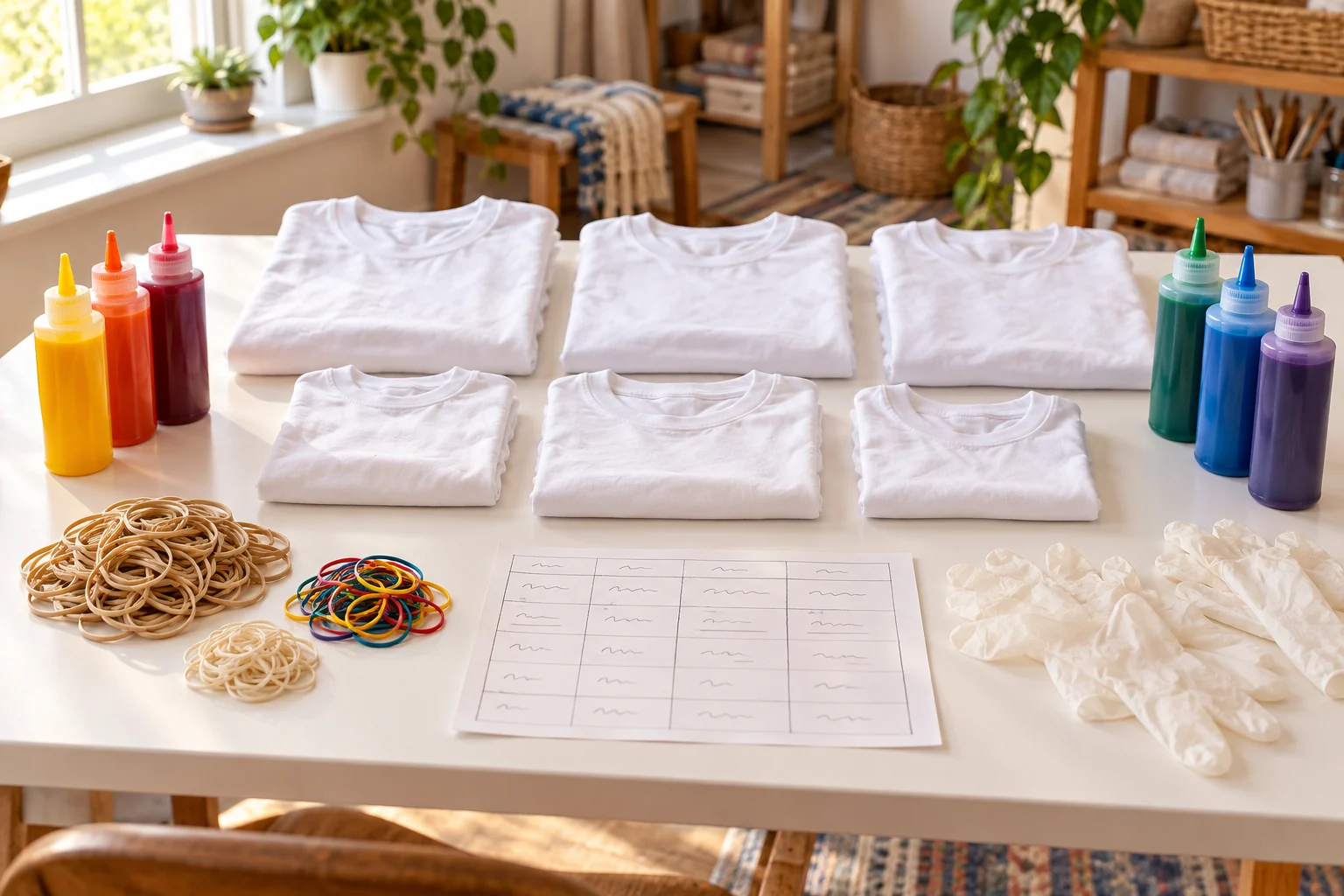
Plan dye-kit quantities for a group by comparing actual fabric pieces, participants, colors, and listed components before purchasing.
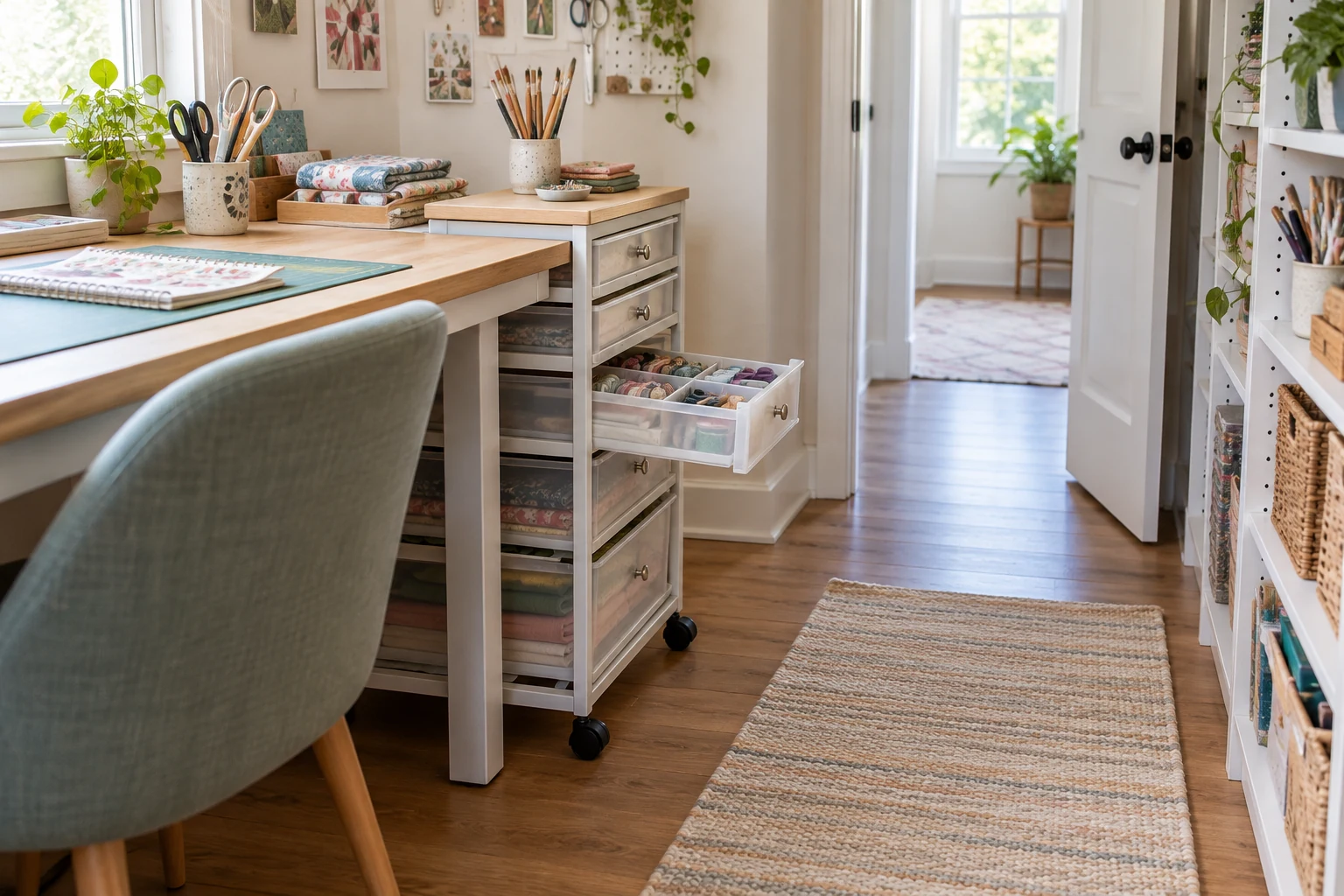
Map a rolling drawer cart’s parking spot and drawer path, then test a normal task in the furnished room.
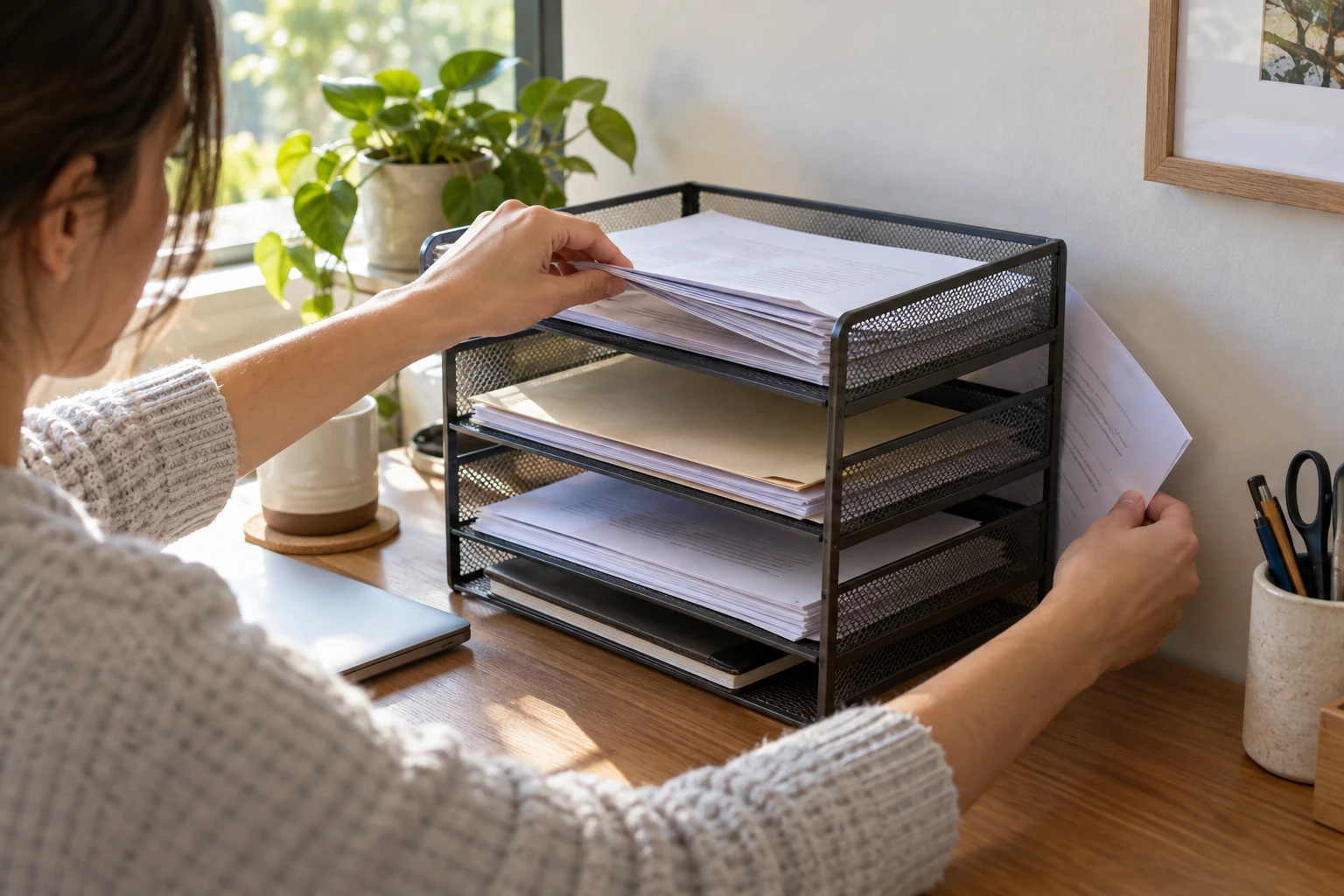
Locate where loose pages move, check real stack and shelf fit, and test a folder or approved organizer adjustment.
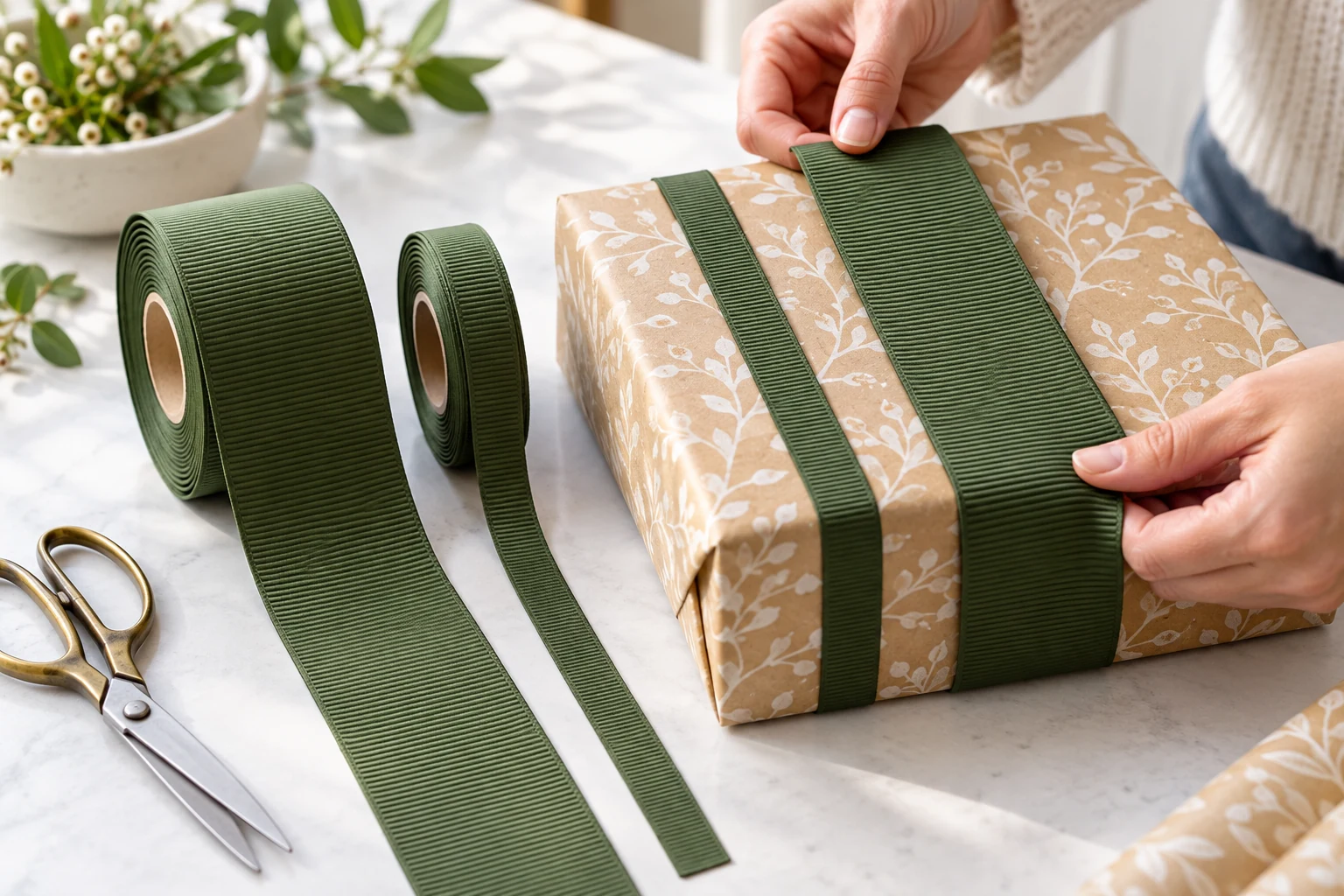
Understand flat ribbon width, ribbed appearance and roll length, then test coverage and print direction on a real wrapped box.

Give each person's active work a temporary home, return shared tools, and leave a clear starting area.
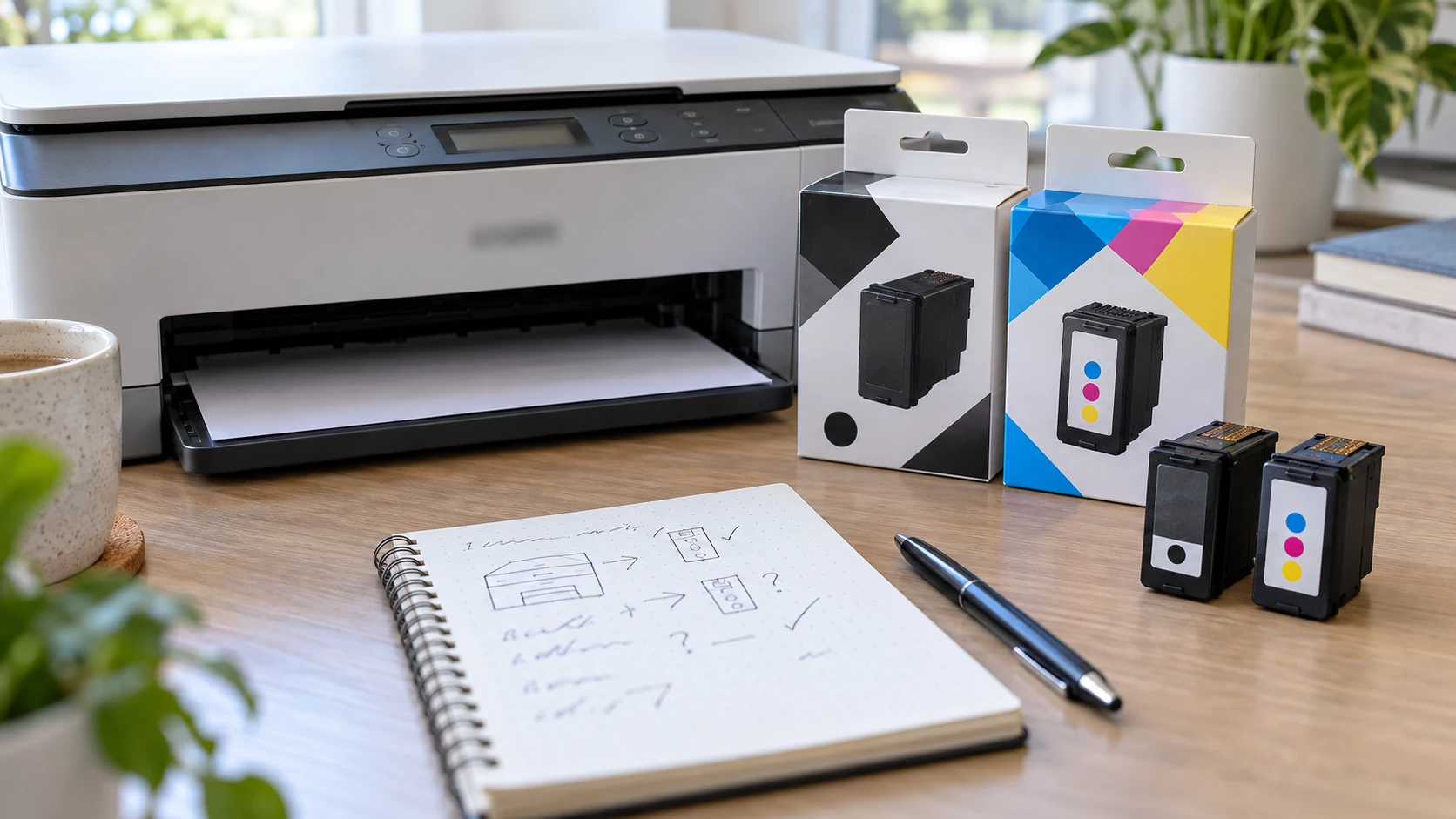
A printer spare saves nothing if its code or shipped identity is uncertain. Check the device, listing, and delivered package in that order.
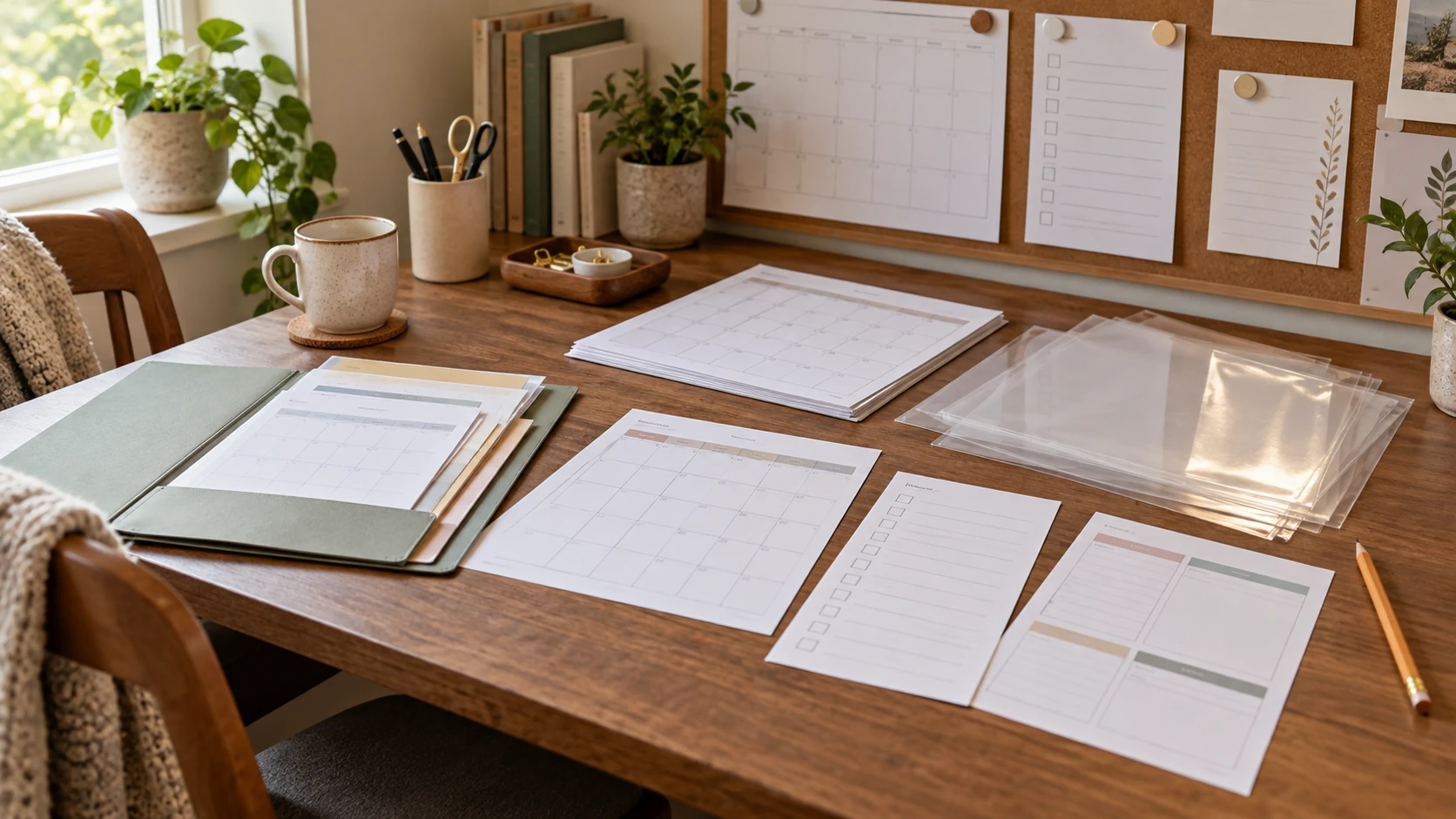
A modest wall display can show current household reminders while leaving room to replace them as routines change.

Build one visible checklist, trial it in the real location, mark waiting work honestly and reset the board after the handoff.
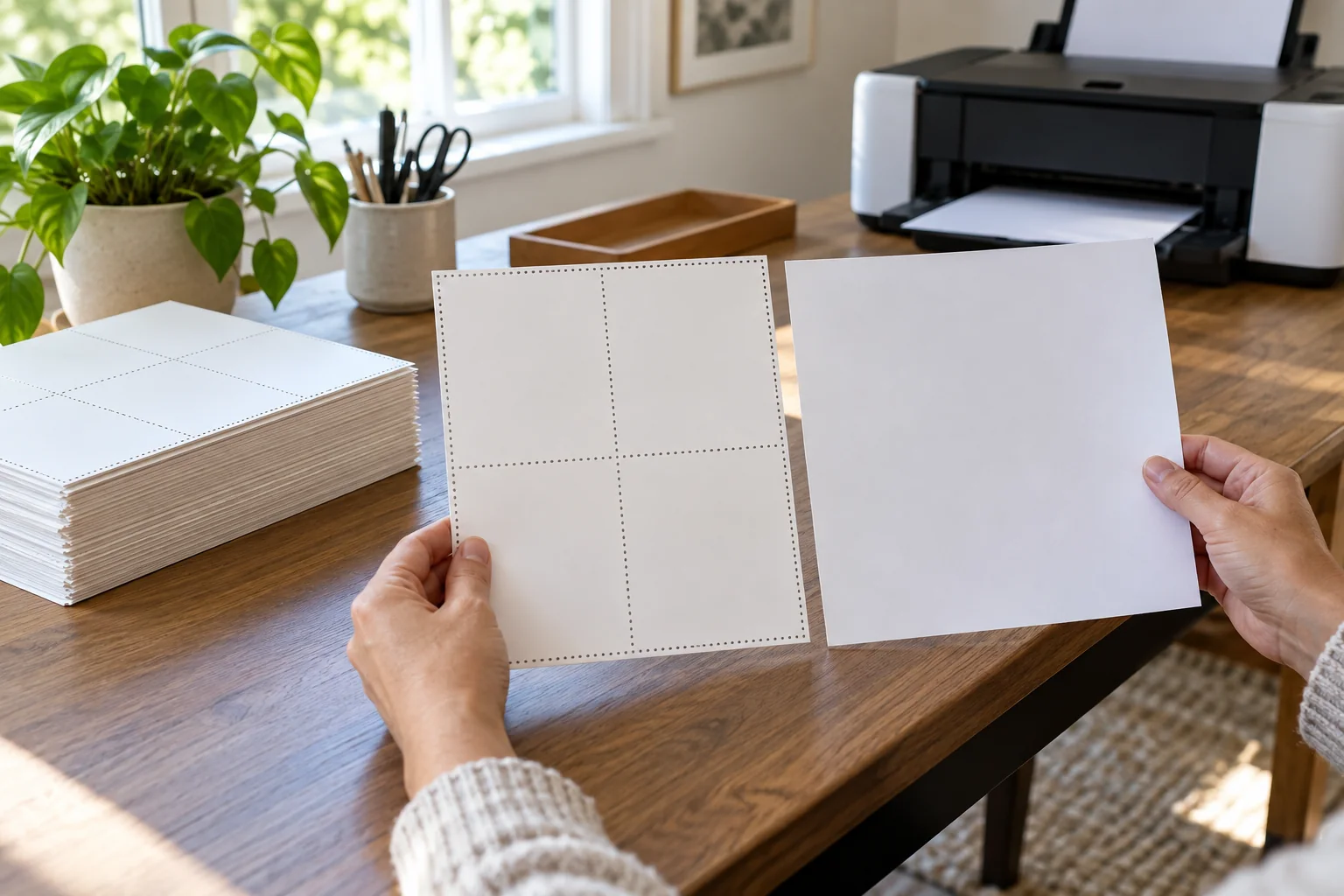
Count usable cards, translate card positions into sheet count, test one actual sheet, and stop when the recipient batch is complete.