9 min read
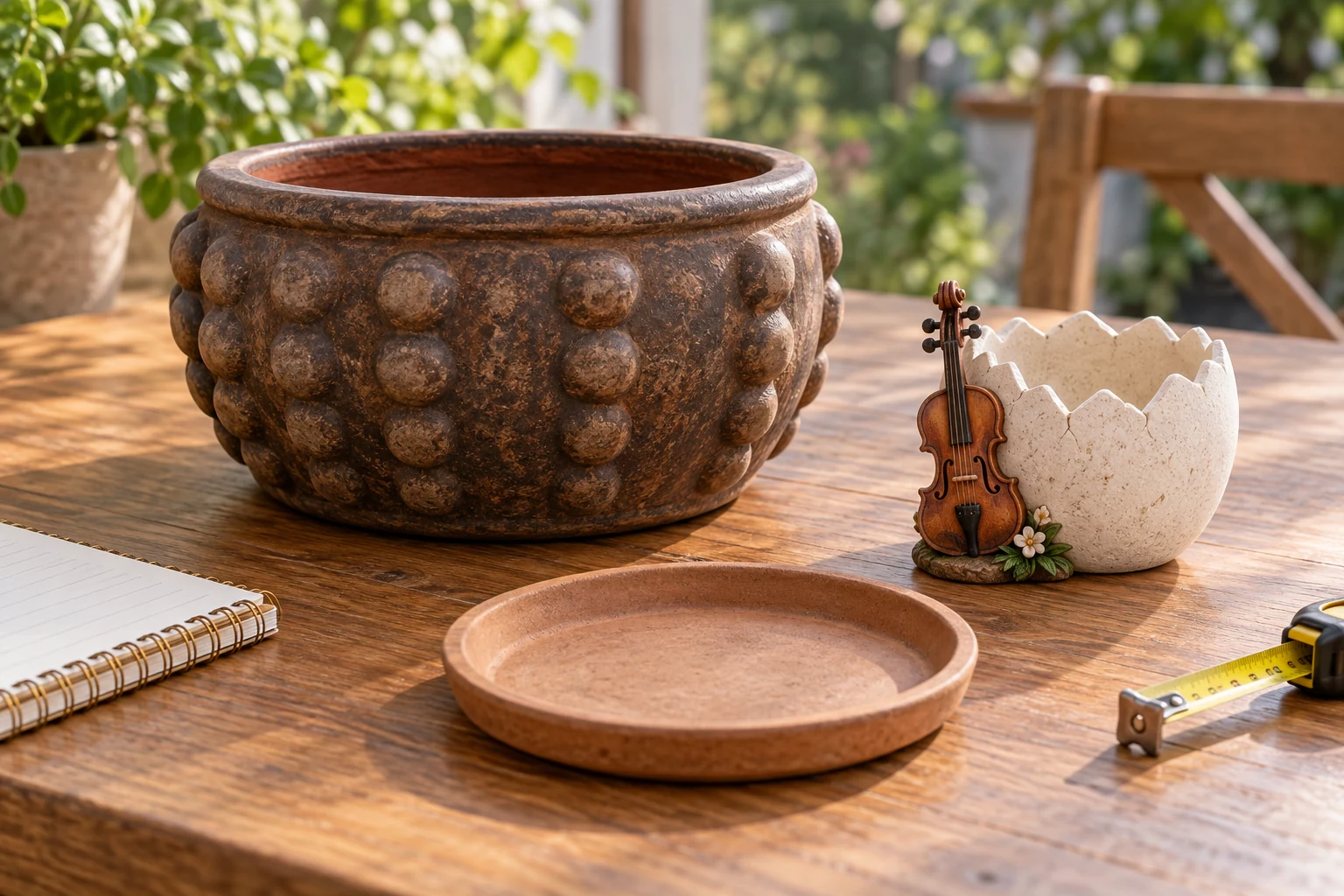
Planter drainage hole: verify the vessel before choosing a saucer
Use native listing images and the item in hand to verify a pot’s bottom opening, dimensions, and need for a separate tray without guessing plant care.
Guides to vehicle, travel, and portable power equipment.
Showing 61–72 of 200 guides
Use native listing images and the item in hand to verify a pot’s bottom opening, dimensions, and need for a separate tray without guessing plant care.

A broad, changing sweep can move some leaves forward while pushing others back onto cleared ground. Narrow the working strip and keep one destination in view.
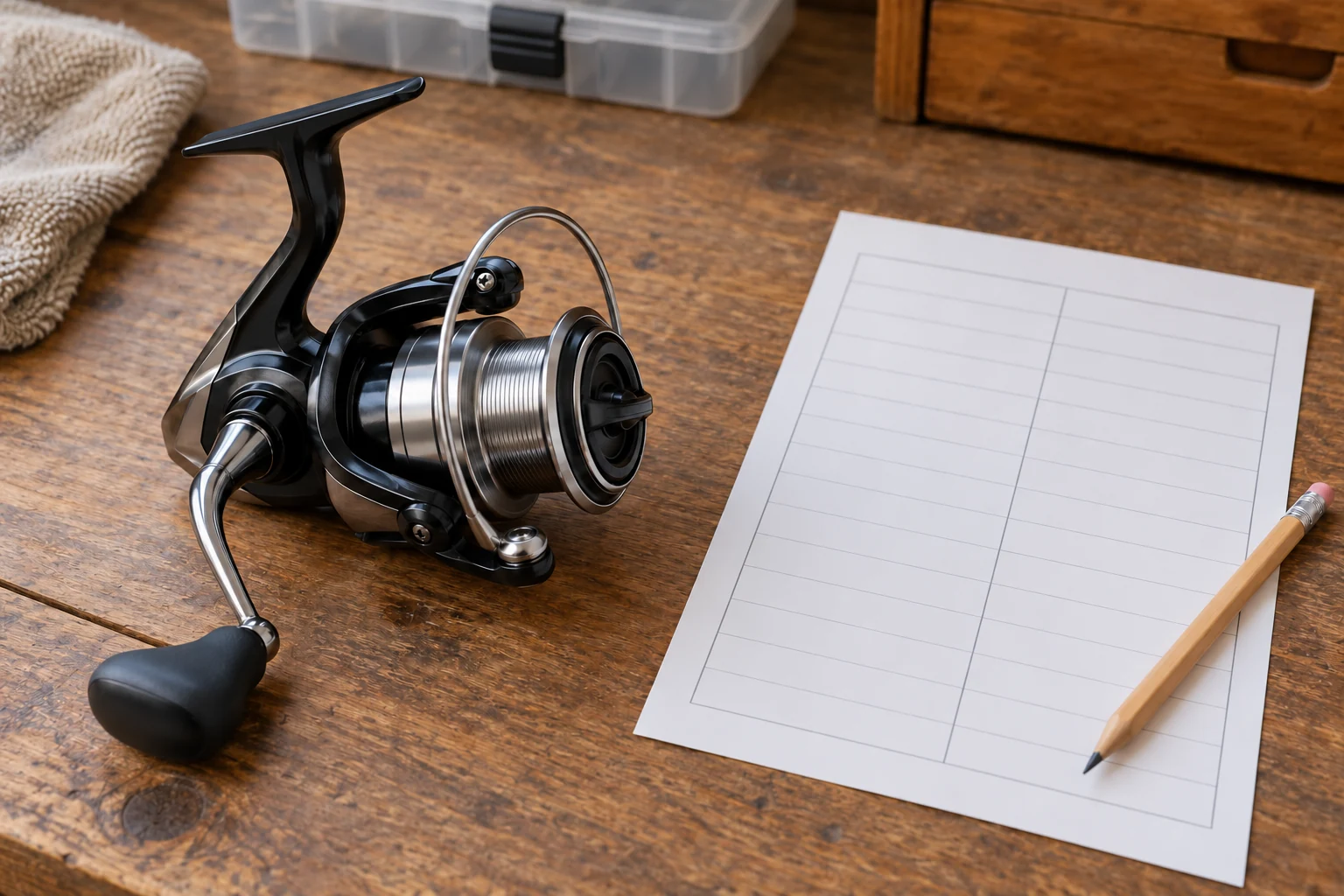
A reel line capacity record retains each paired entry under its own model and heading, while missing selected-model specifications remain open questions.
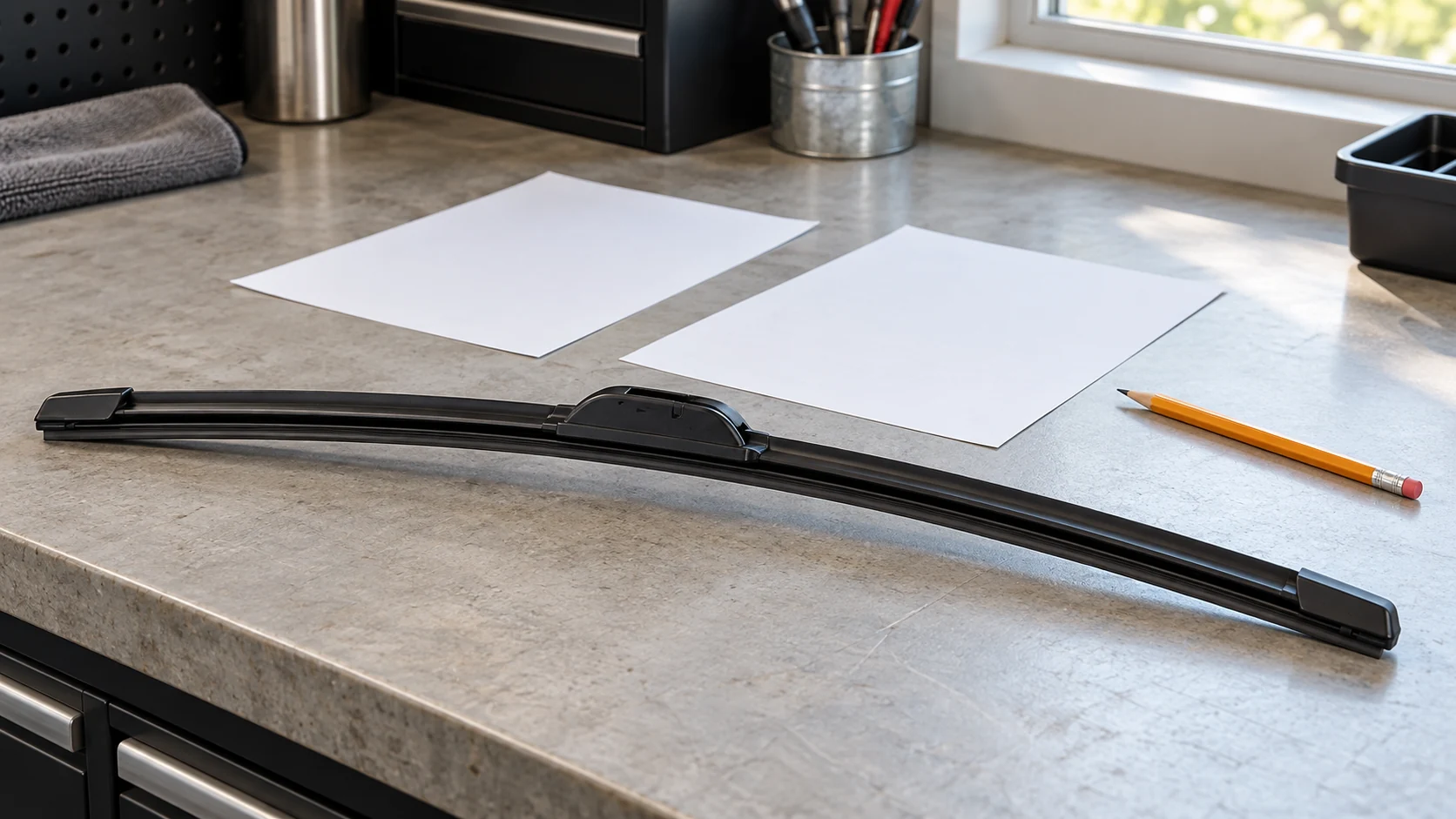
A wiper lifespan savings estimate stays conditional when actual service duration, comparable outlay and applicable warranty terms remain unverified.
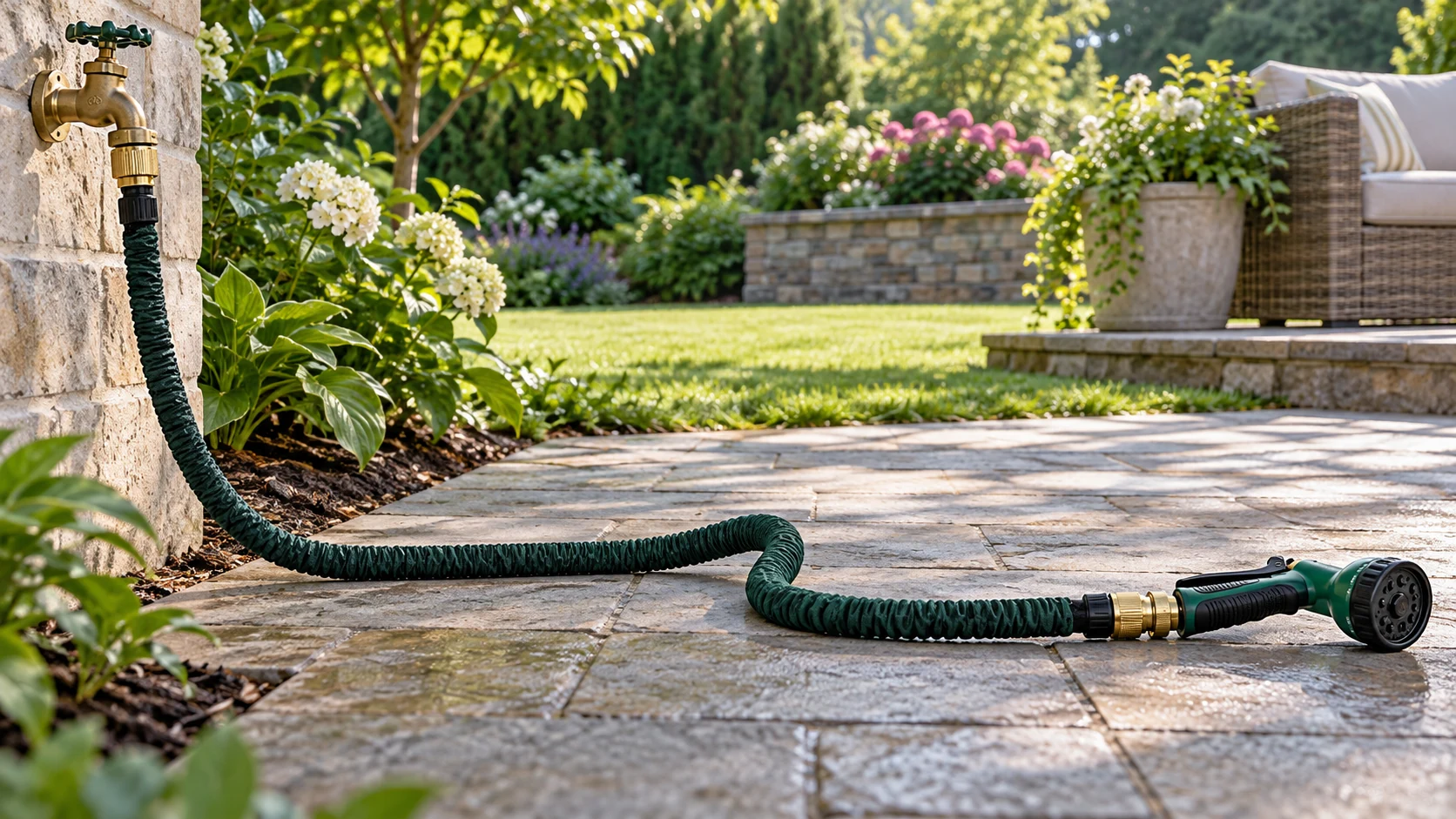
Trace water from tap through connector, hose run and nozzle to locate why an expandable hose stays short or sprays weakly.
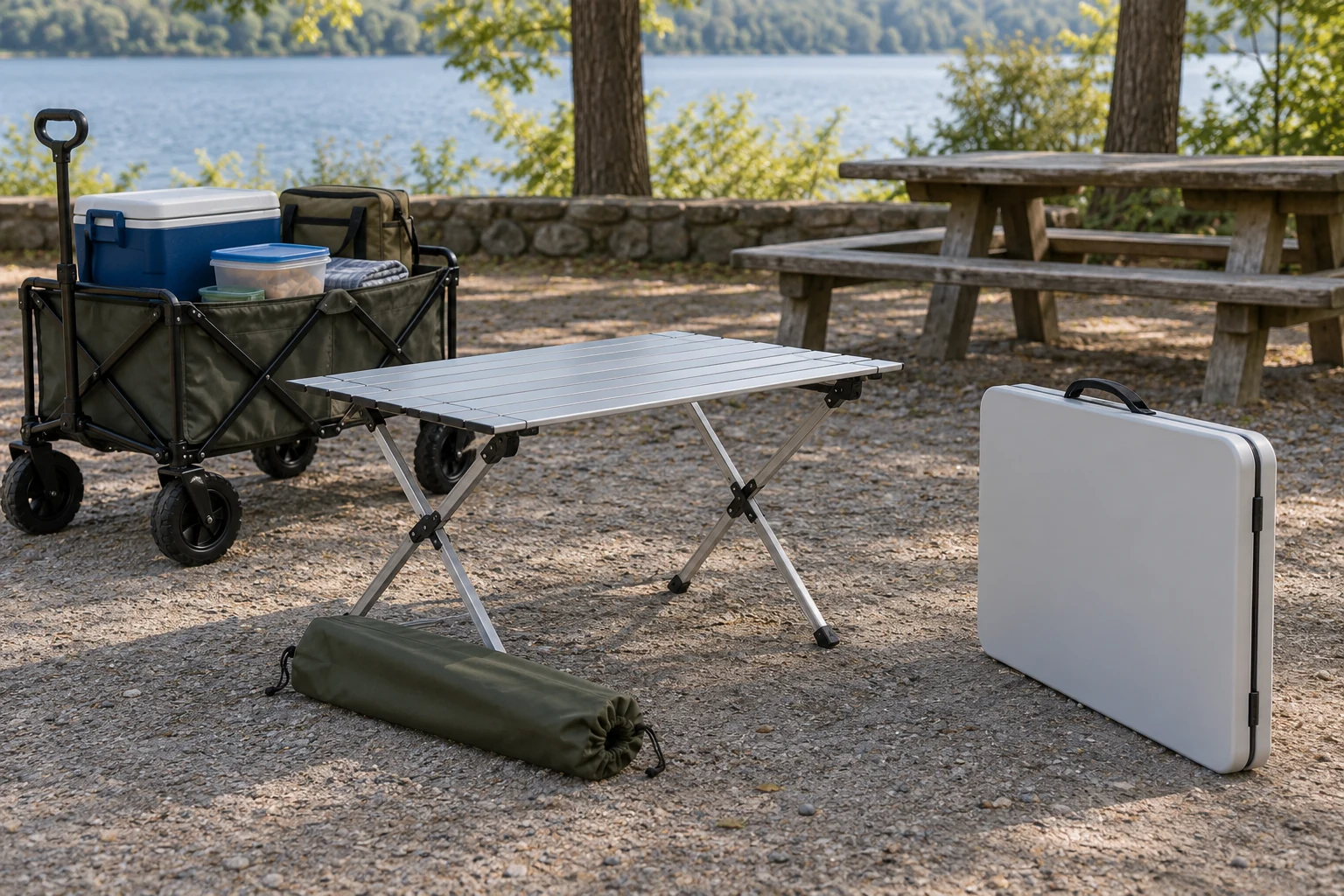
Measure the transport route, distinguish packed size from tabletop space, and practice assembly with the table and gear you will actually bring.
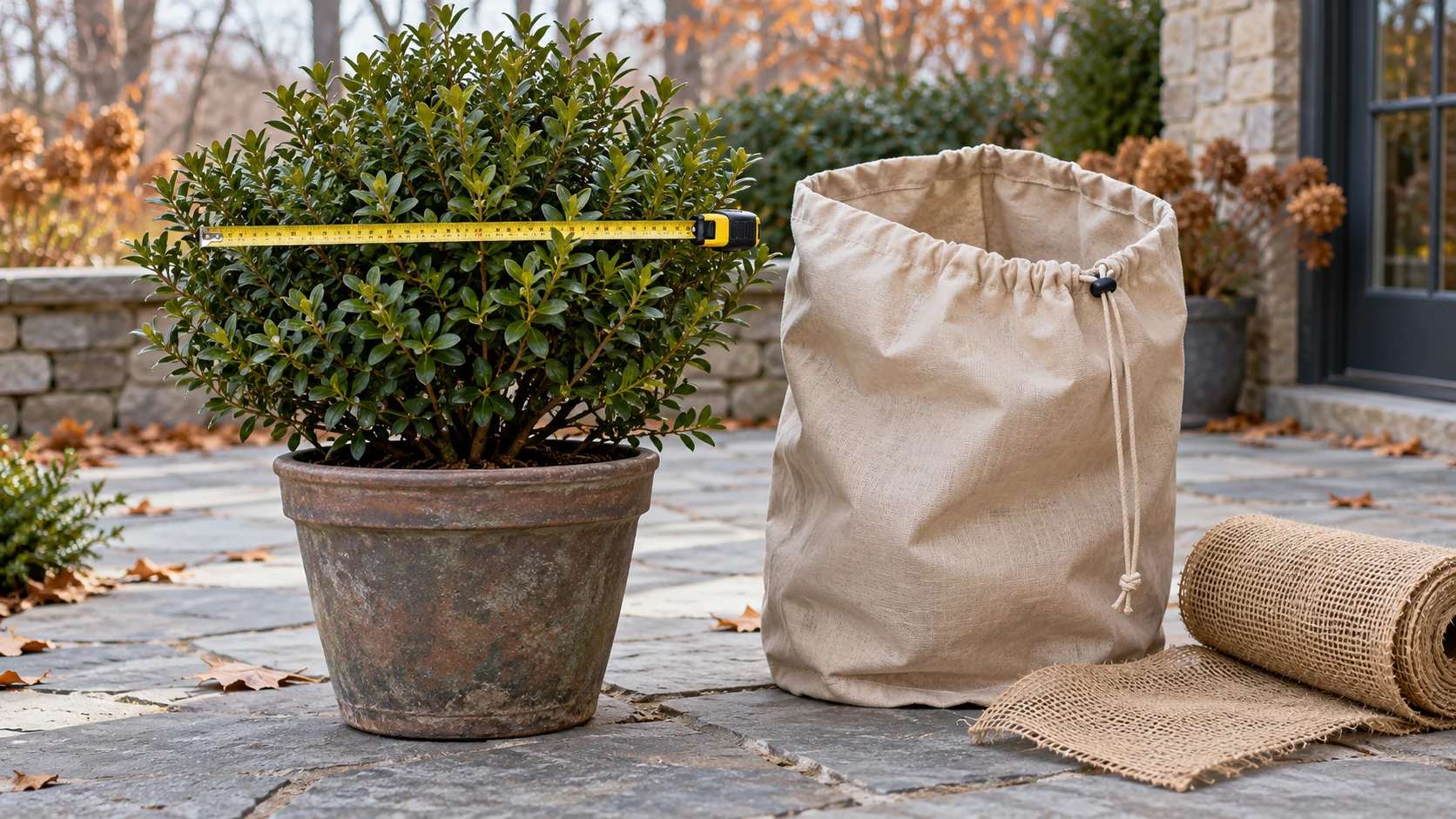
Measure one potted shrub, plan the lower closure and inspection access, then compare a prefabricated drawstring sleeve with a cut-to-size burlap roll.
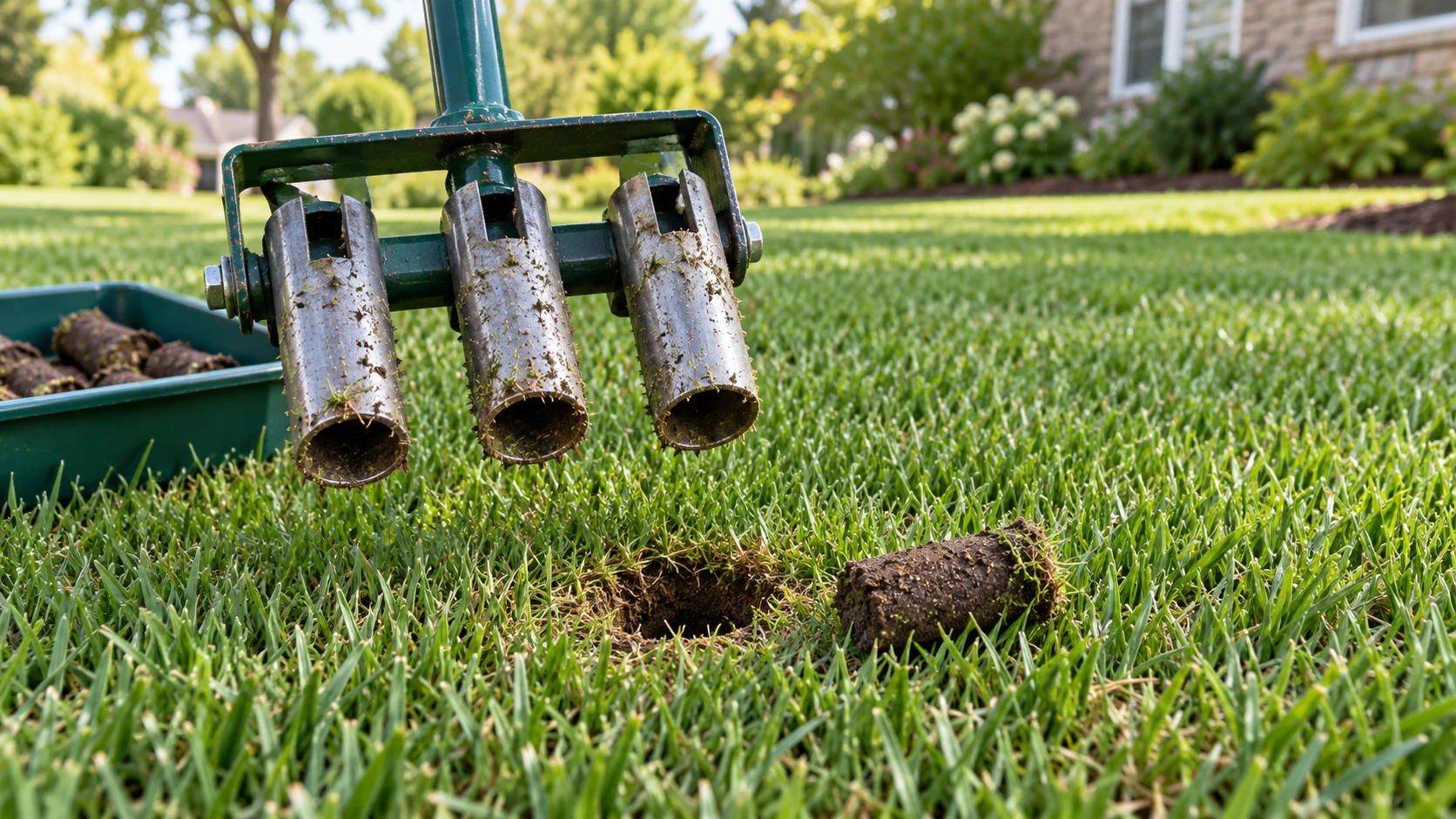
Inspect hollow-tine openings, the discharge route, soil response and head alignment on one small lawn patch before extending the job.
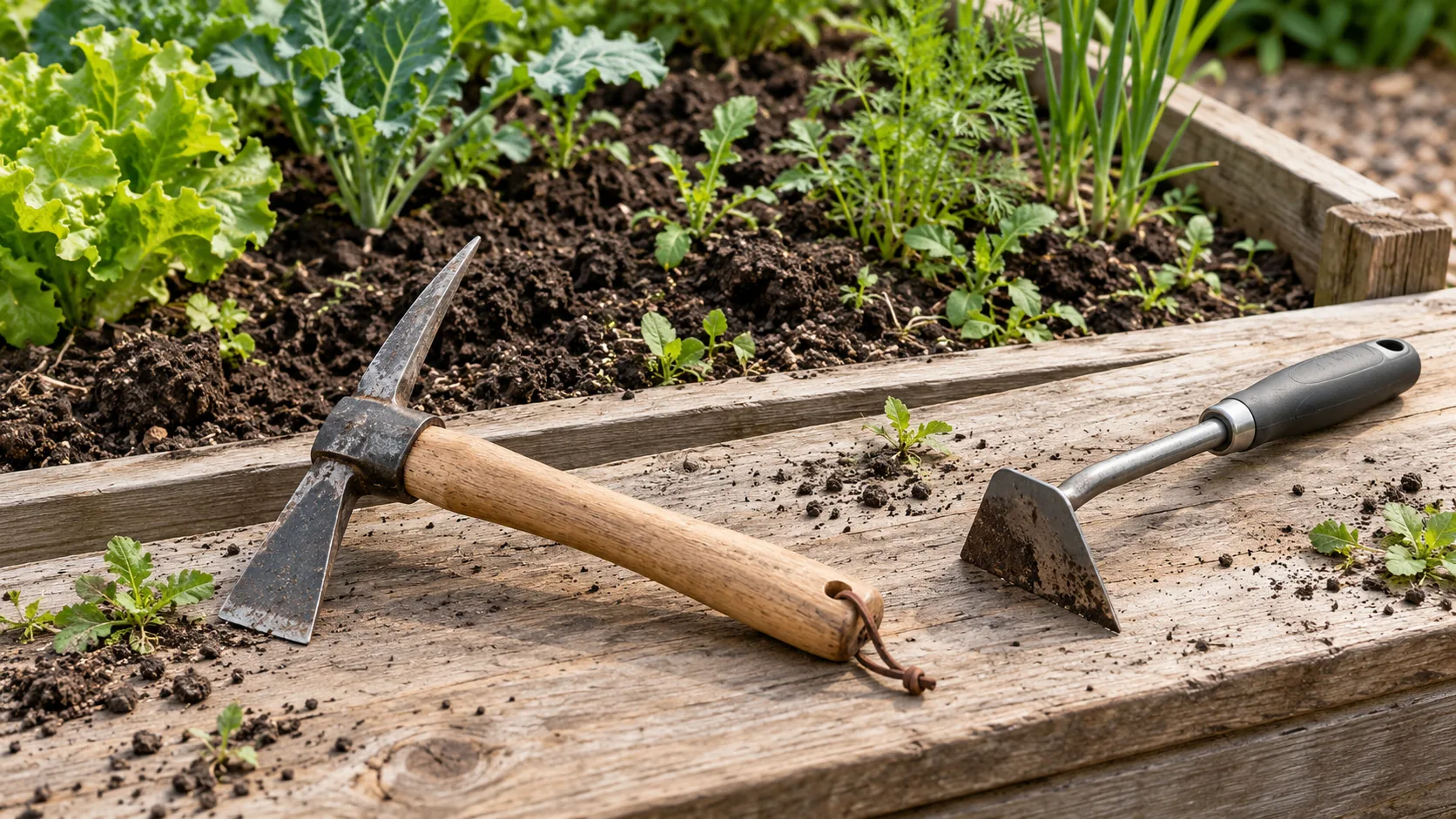
Identify the point, prongs, and blade that meet soil, check handle and bundle claims, and test one safe garden patch before repeating the task.
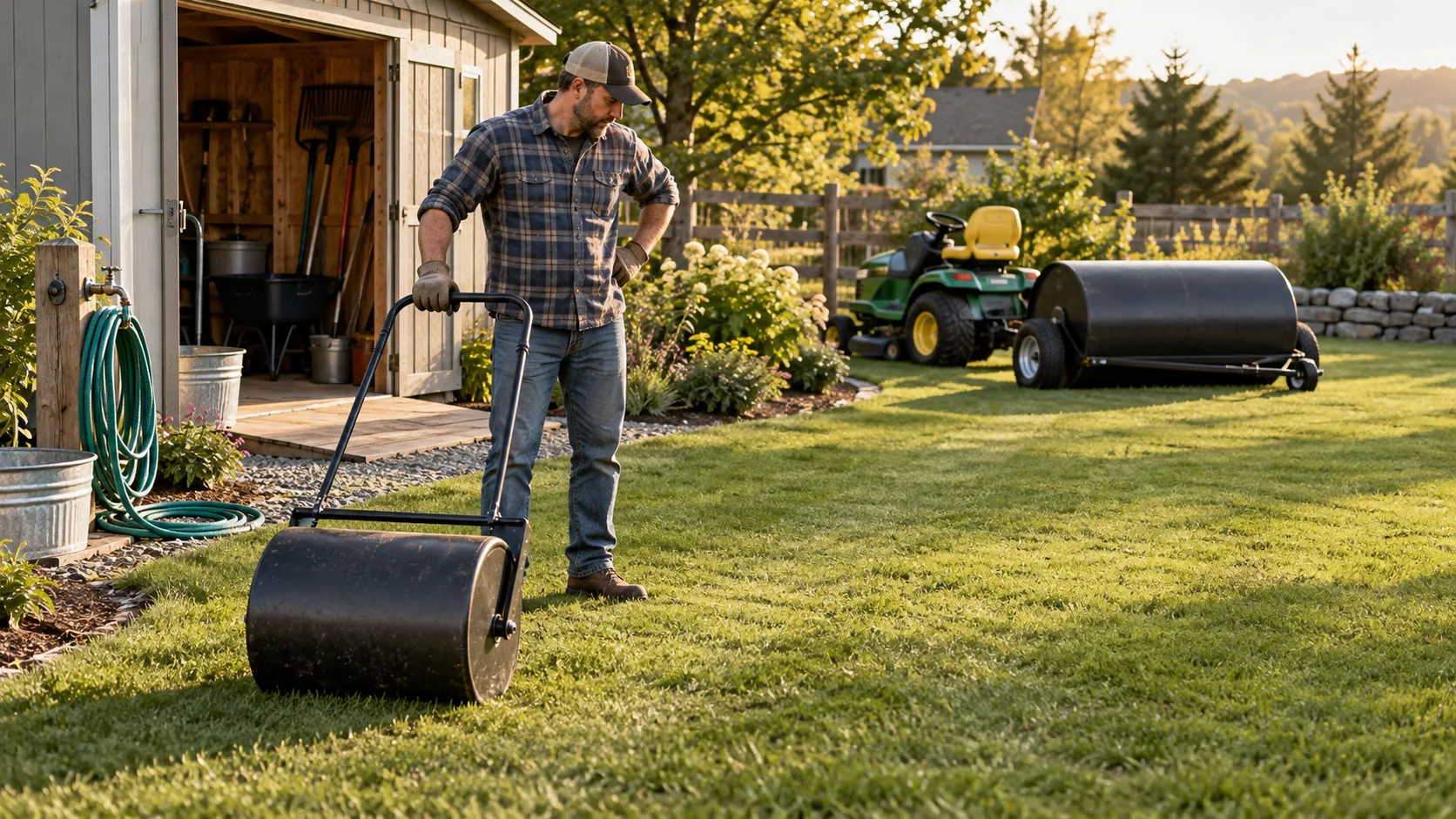
Plan a defined lawn-rolling task, test the empty-tool route, stage fill and drain points, then assess a short pass before continuing.
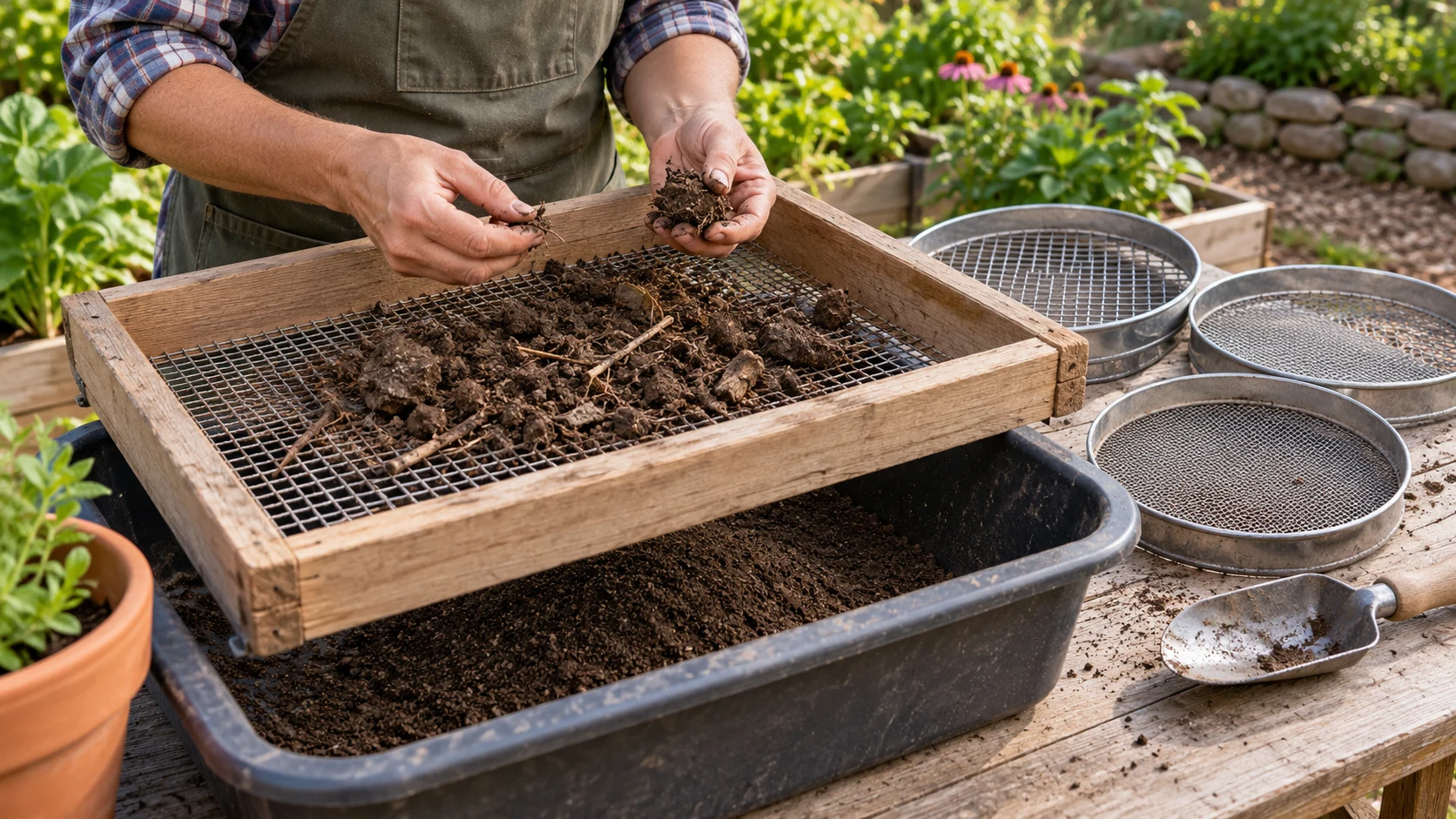
Test one soil sample, inspect what blocks the mesh, then adjust material condition, opening or batch size one at a time.
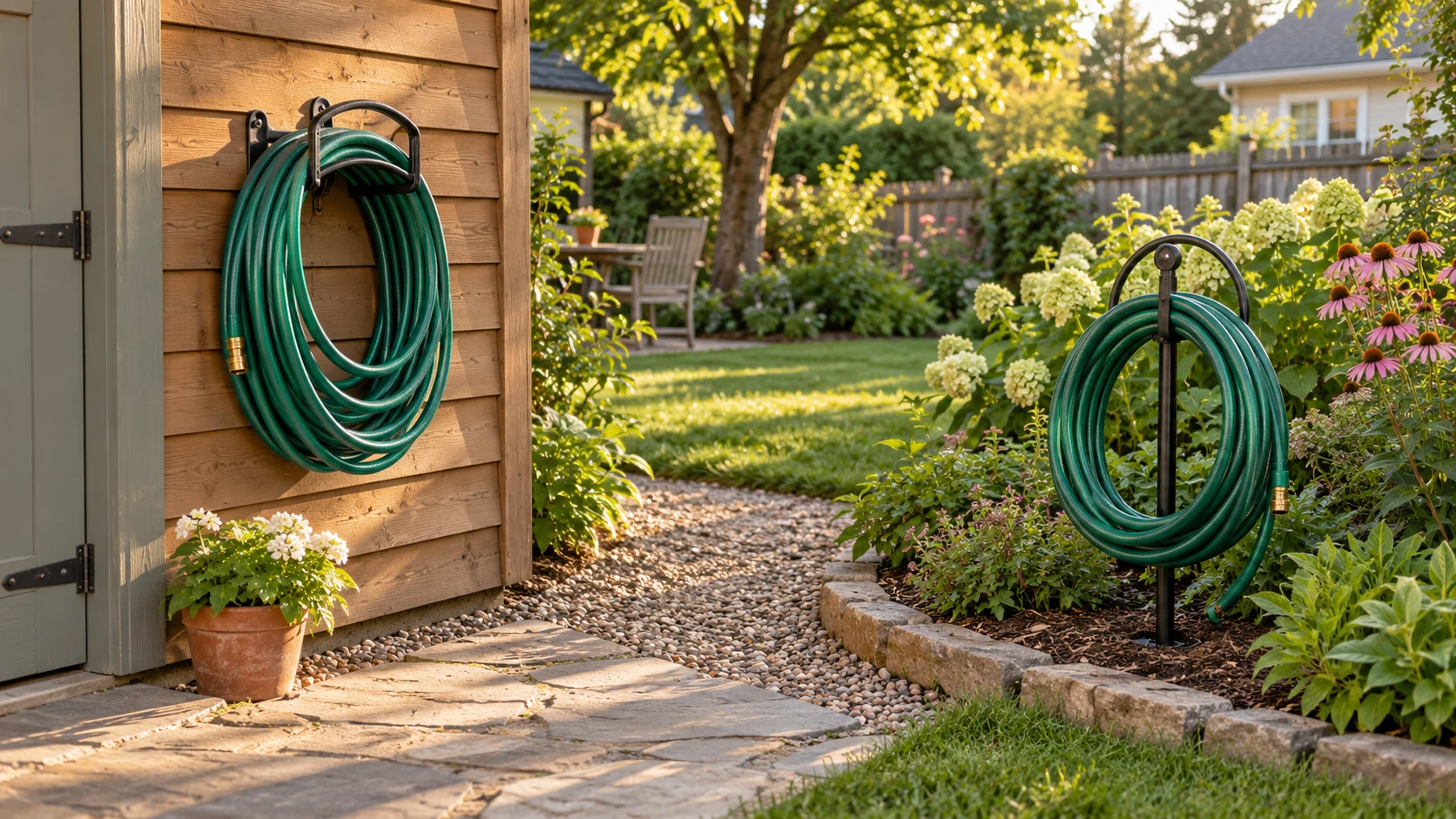
Map where the hose rests, compare wall and ground sites, then test coiling access and the exact holder instructions.