8 min read
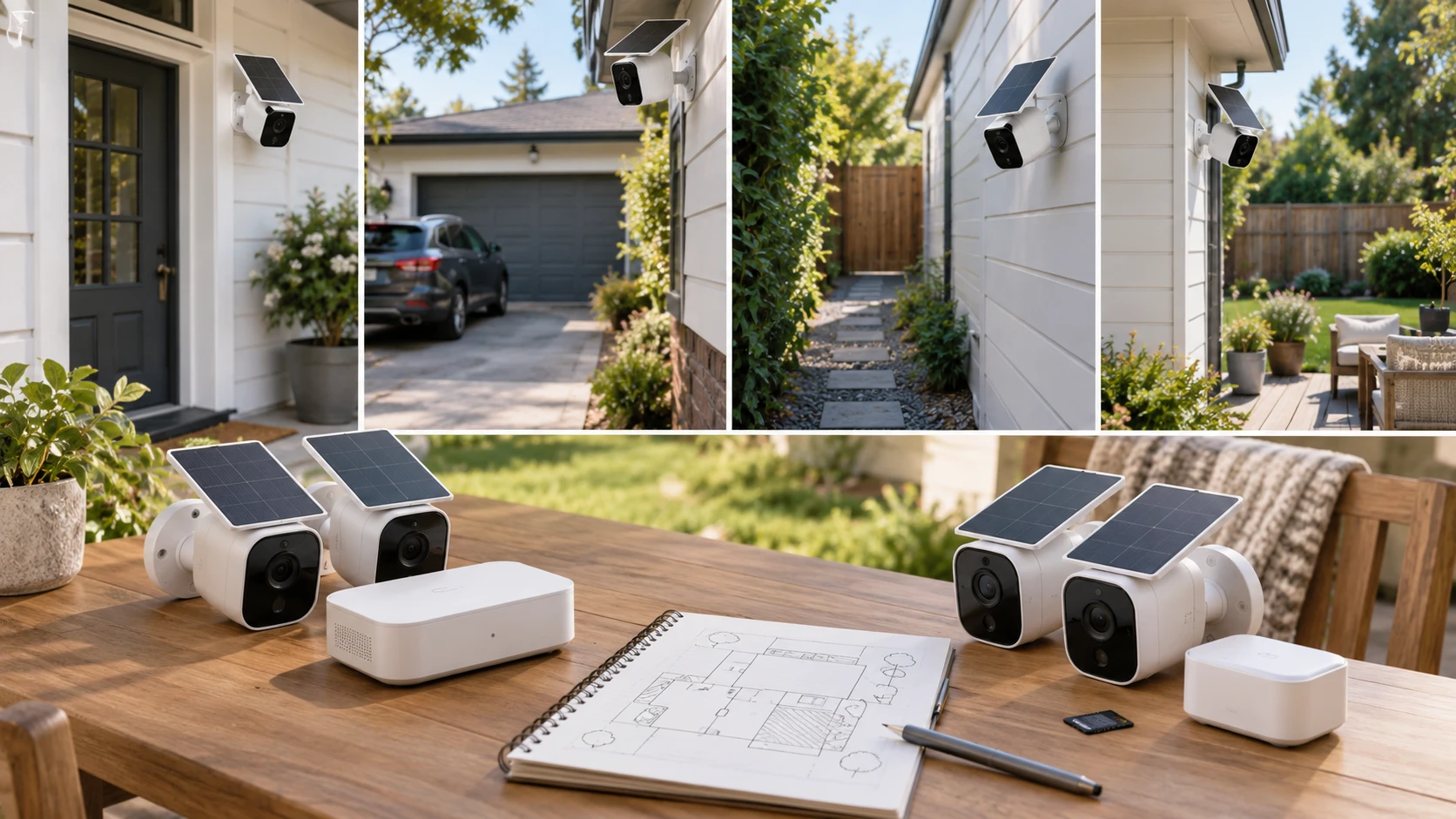
AOSU four-camera solar security kit — Four outdoor cameras with different recording paths
Compare AOSU four-camera solar security kit by hub or card storage, network setup, solar planning, night alerts, and recording limits.
Security cameras, monitoring systems, and entry protection.
Showing 37–48 of 55 guides
Compare AOSU four-camera solar security kit by hub or card storage, network setup, solar planning, night alerts, and recording limits.
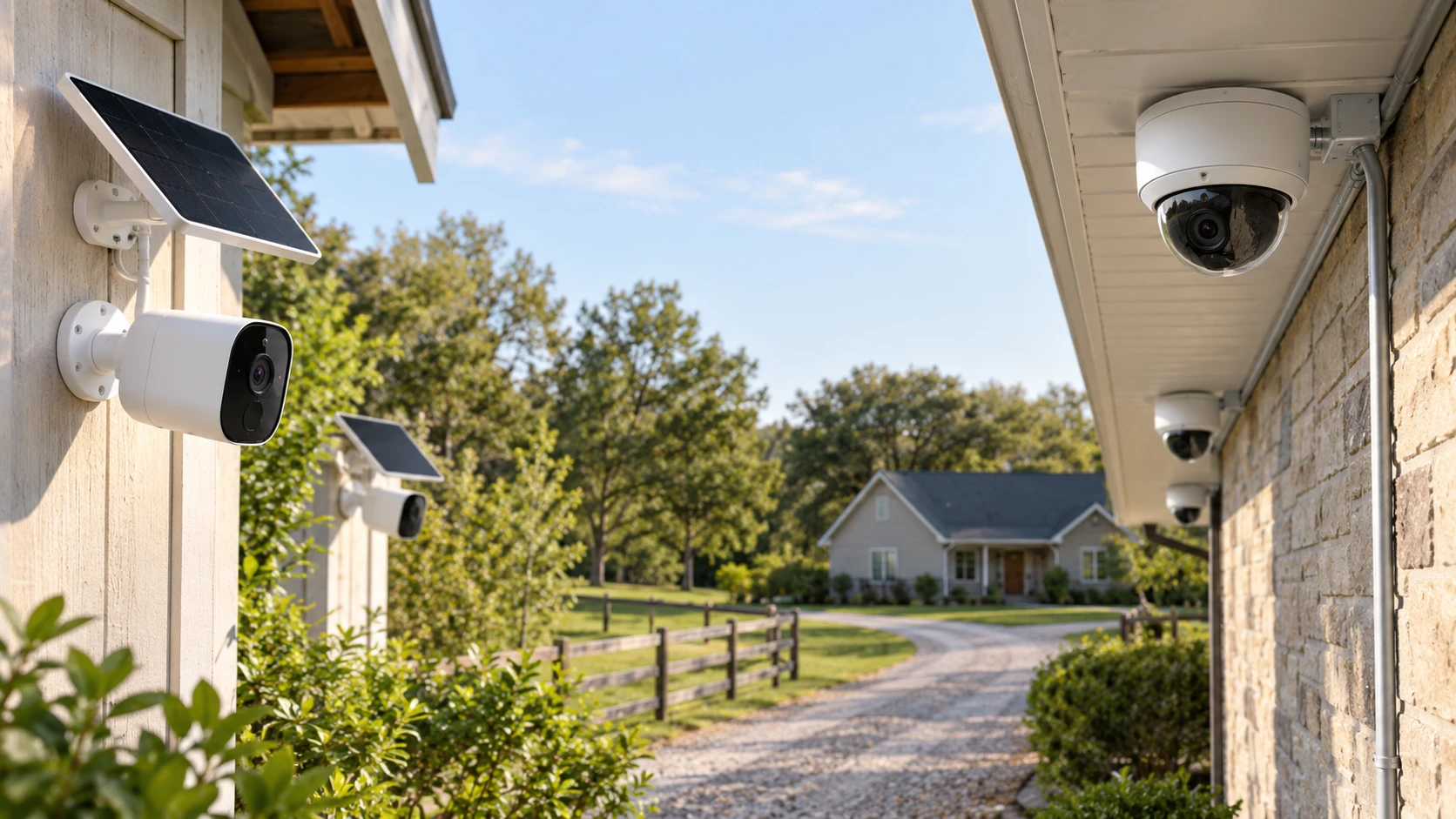
Compare ANRAN four-camera solar Wi-Fi kit by mounting, network, recording, upkeep, and the cost of an installed system.
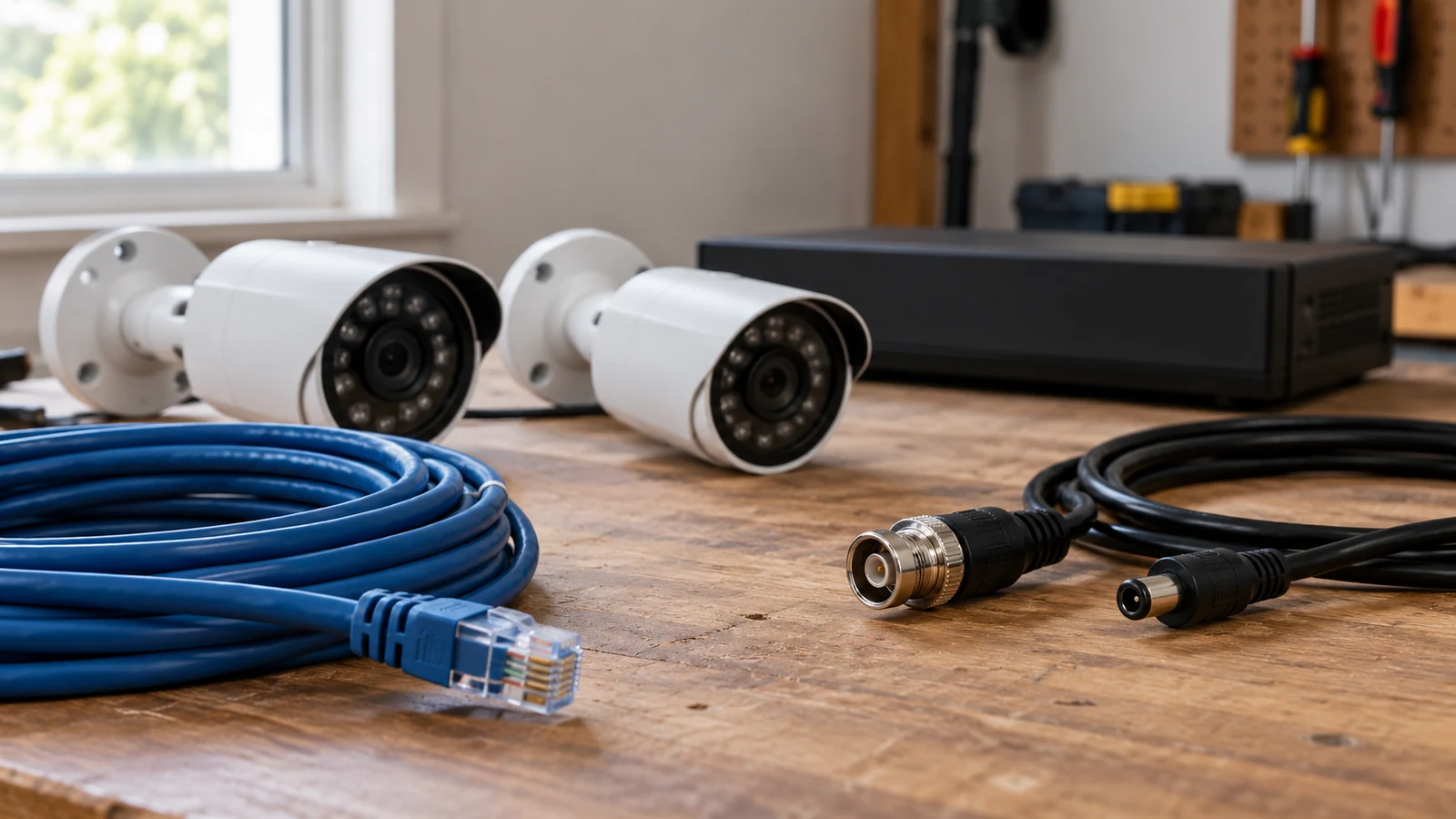
A ZOSI PoE vs VideoSecu camera system comparison needs a drawing of where the camera connections will end. The supplied ZOSI description identifies a wired PoE/IP kit with a recorder and preinstalled storage. VideoSecu describes eight cameras and eight power supplies, without identifying a recorder in its package contents. Your site plan must therefore answer different questions for each purchase: where the ZOSI Ethernet runs will terminate, or which recorder and connections will complete the VideoSecu installation. For ZOSI PoE vs VideoSecu camera system , verify each step.
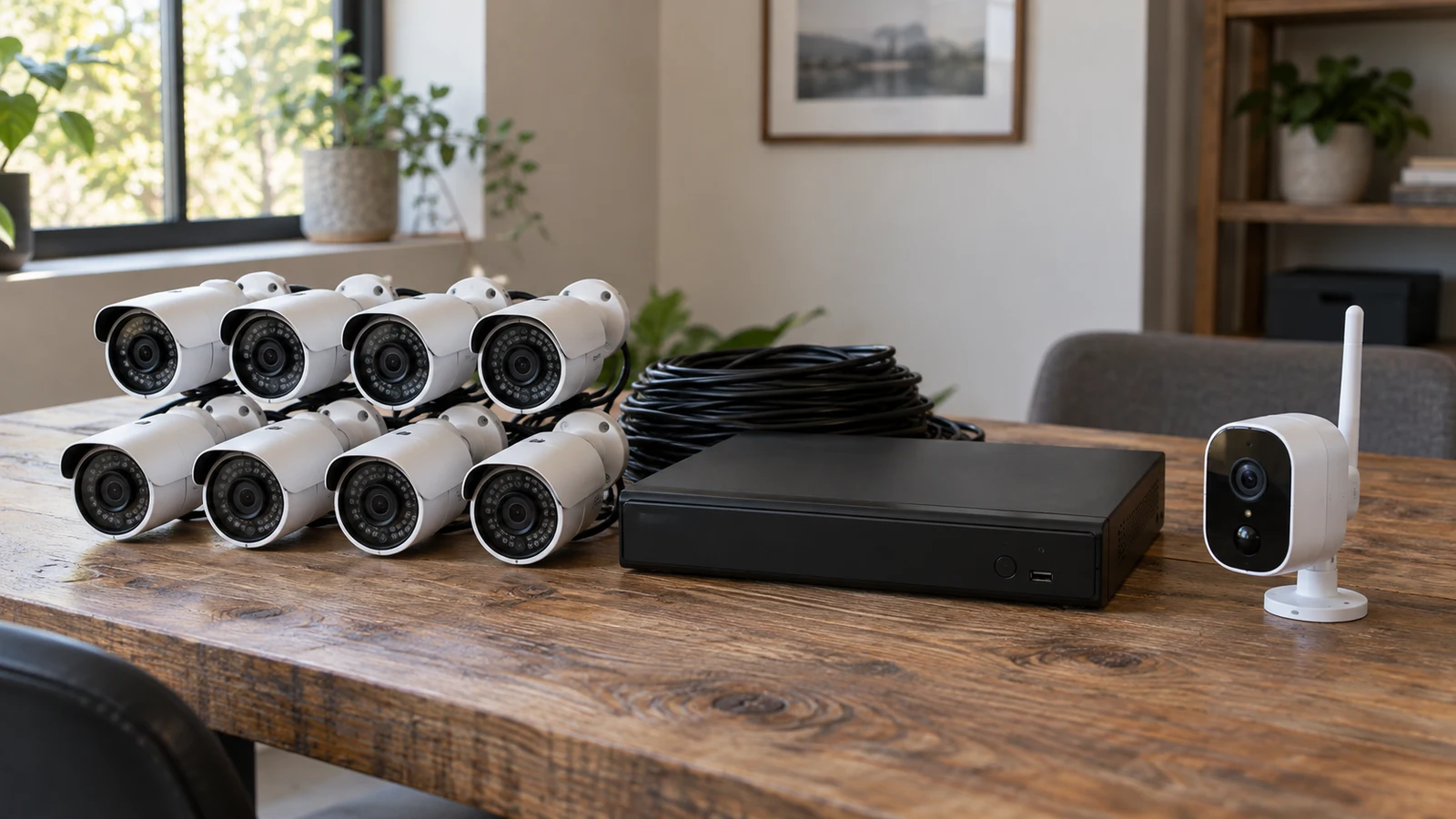
The ABLINK eight-camera DVR system is the closer configuration to investigate if you want several camera positions feeding a recorder. Reolink's LTE battery camera suits a different proposal: one camera location using a cellular connection. Neither description settles every installation question. ABLINK's camera count and connection details need reconciliation, while Reolink's title and stated recording resolution disagree. Those gaps affect what you can reasonably choose from the listings.
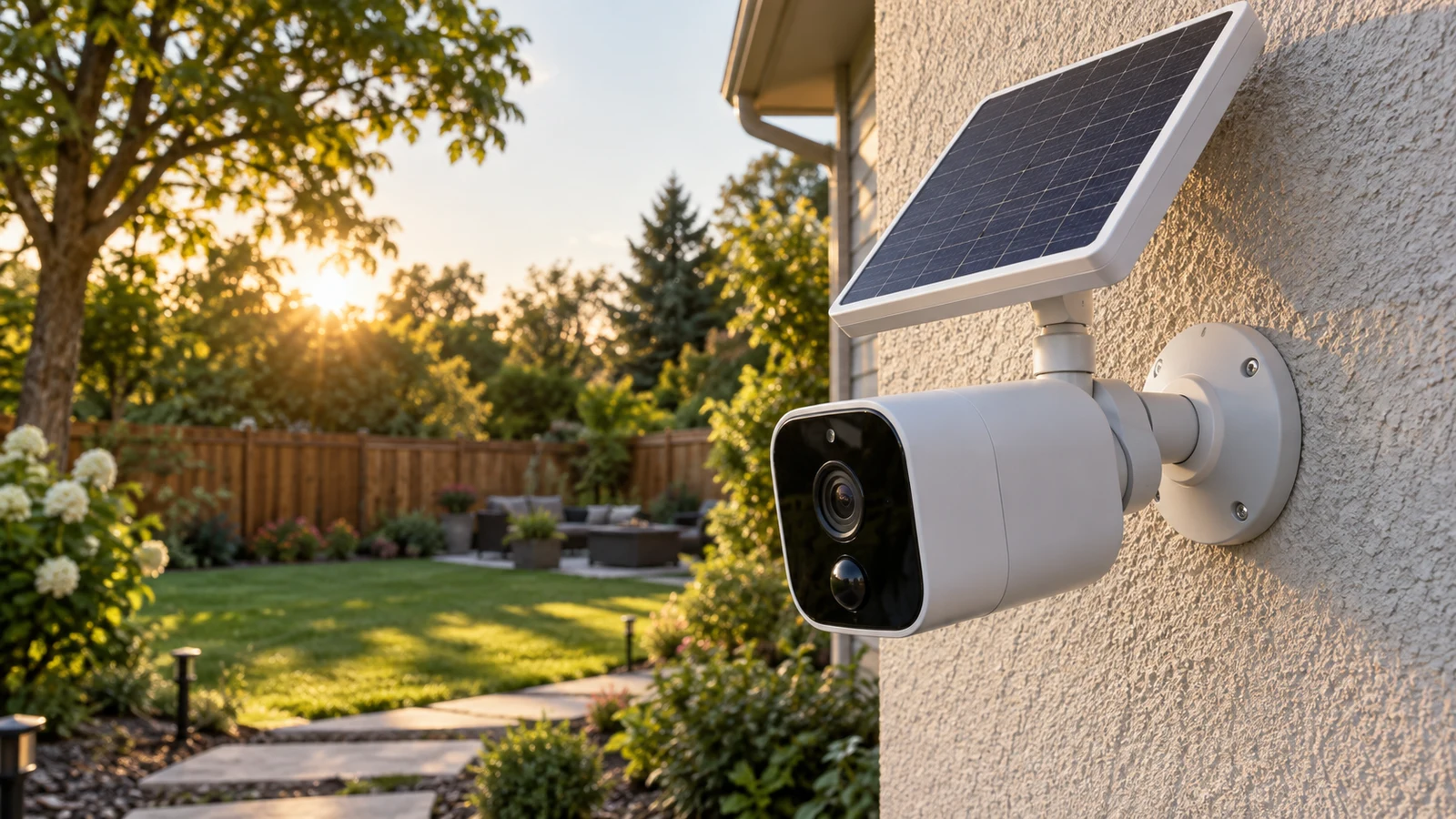
A yard camera needs a workable mounting position before its specifications can tell you much. For the Oggfader solar security camera , the immediate question is whether your chosen spot can accommodate the camera, provide suitable solar exposure and support its WiFi connection while showing the area you care about. Its listed enclosure rating and rotating view support further consideration, but they do not settle those site-specific questions.
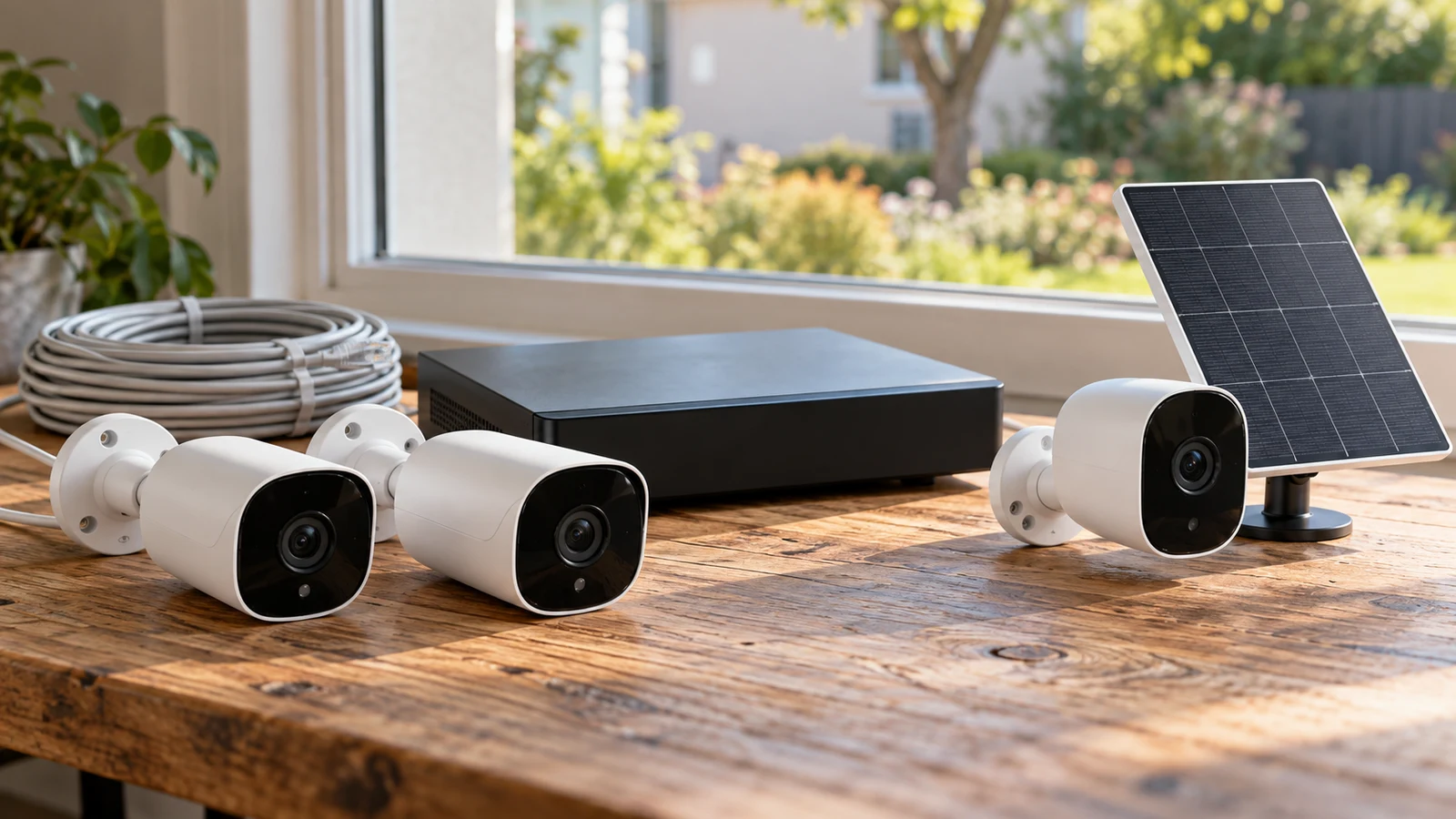
The Five Star Camera wired 5MP NVR kit has the clearer documented fit for a cable-ready property where you want continuous recording from a four-camera package. Its description specifies 24/7 recording and a preinstalled 2TB drive. ANRAN's solar kit describes battery-powered wireless cameras, motion/PIR activation and local storage, but does not establish continuous recording. Decide whether you need footage throughout the day before treating these packages as interchangeable ways to cover the same property.
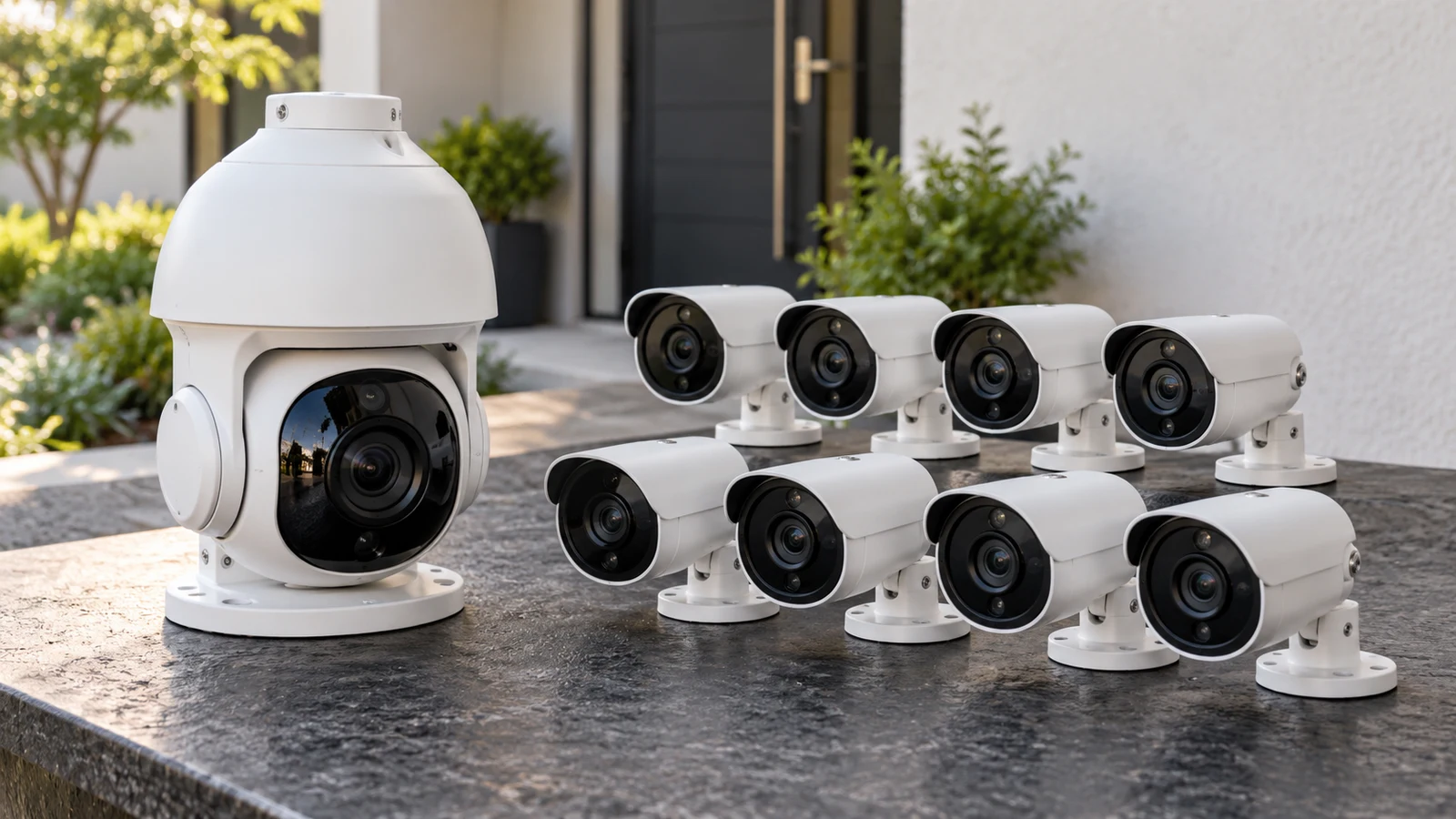
The ANNKE PTZ camera vs VideoSecu eight-camera coverage decision depends on whether your site needs a movable close-up view or separate views of several places at the same moment. ANNKE’s description lists a single dome with 25X optical zoom and pan-and-tilt movement. VideoSecu’s description lists eight cameras with 3.6mm wide-angle lenses. Neither description establishes a complete recording setup, so recorder compatibility and installation requirements need attention before either becomes a purchase.
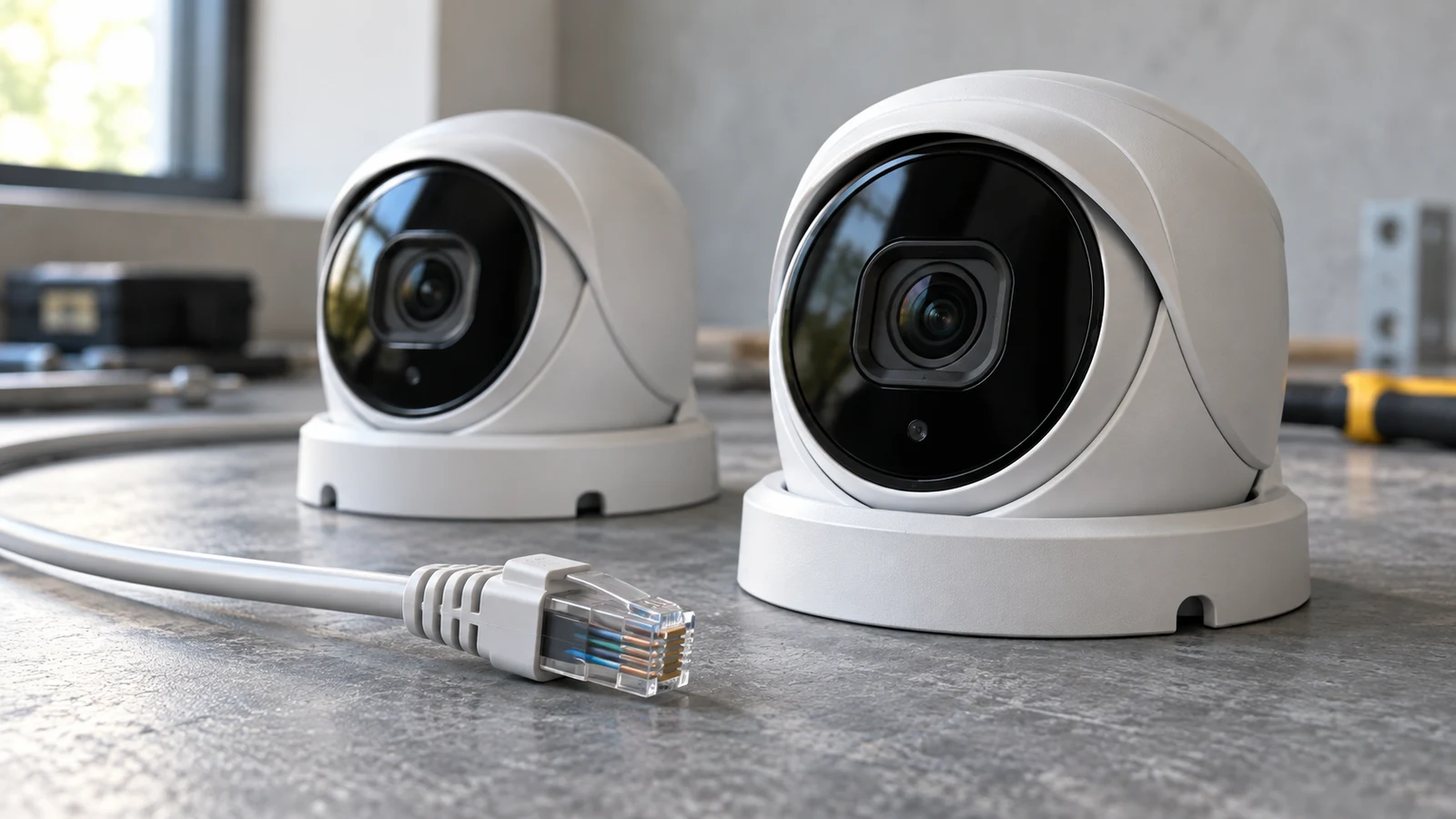
The PROVISION ISR DAI-340IPEN-MVF gives you an explicitly described combination of PoE power and a 2.8-12mm varifocal lens. Gyration CYBERVIEW 411T-TAA has a stated turret design, a 1/3" CMOS sensor and detailed video options, but its supplied description leaves its power method and lens specification unanswered. If your installation requires both PoE and adjustable framing, the first camera has the more directly relevant documented features. That does not establish that the Gyration lacks them.
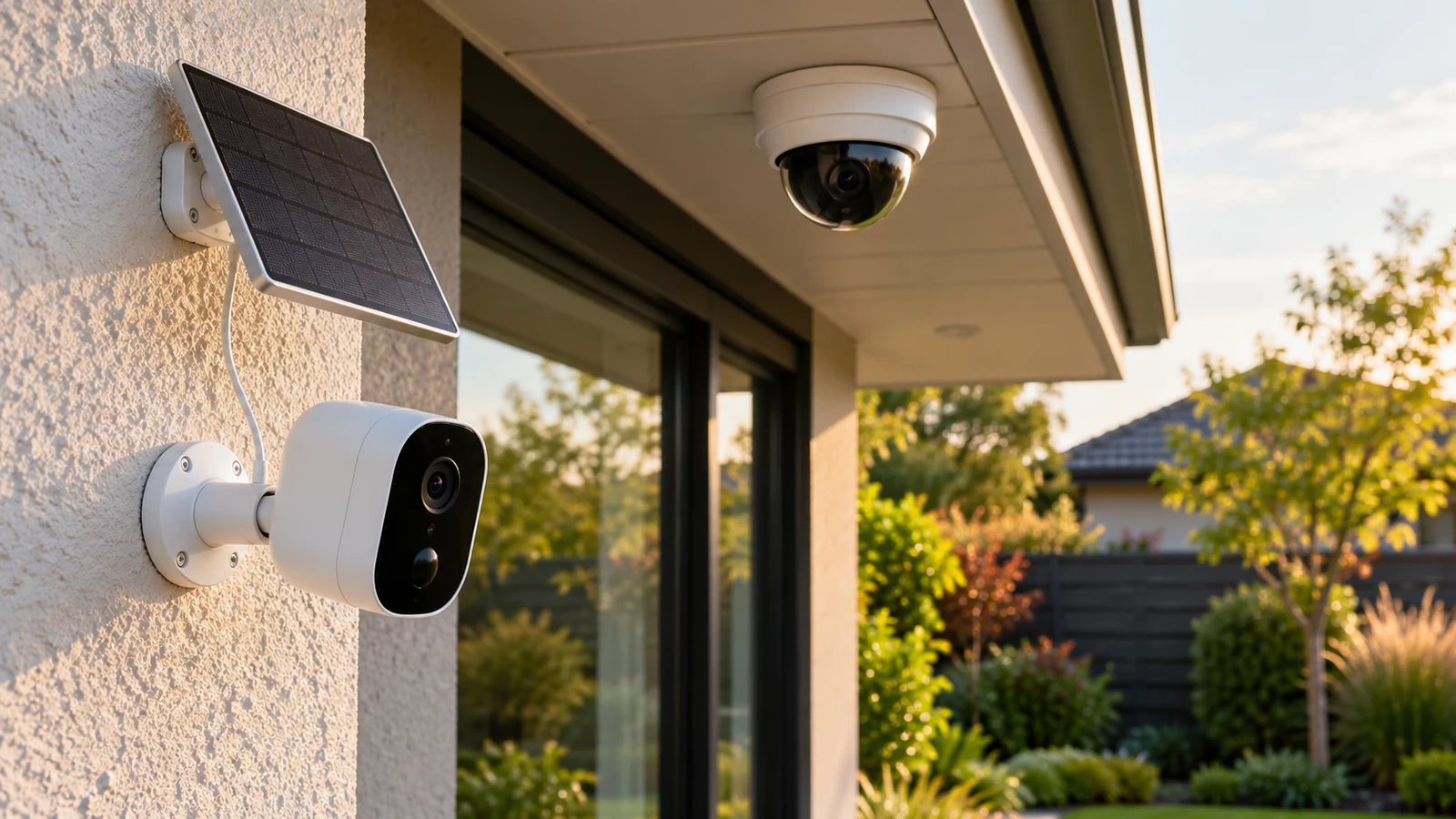
The Swann MaxRanger solar kit suits a buying plan built around two solar-equipped cameras communicating with a hub. The ENS fixed IP dome presents a different installation choice, with 12 VDC or PoE power stated in its description. To decide between them, map where the equipment would sit and how each part would connect. Swann's hub needs a place in that drawing alongside the cameras; the ENS option needs an identified power supply and a confirmed way to access recordings.
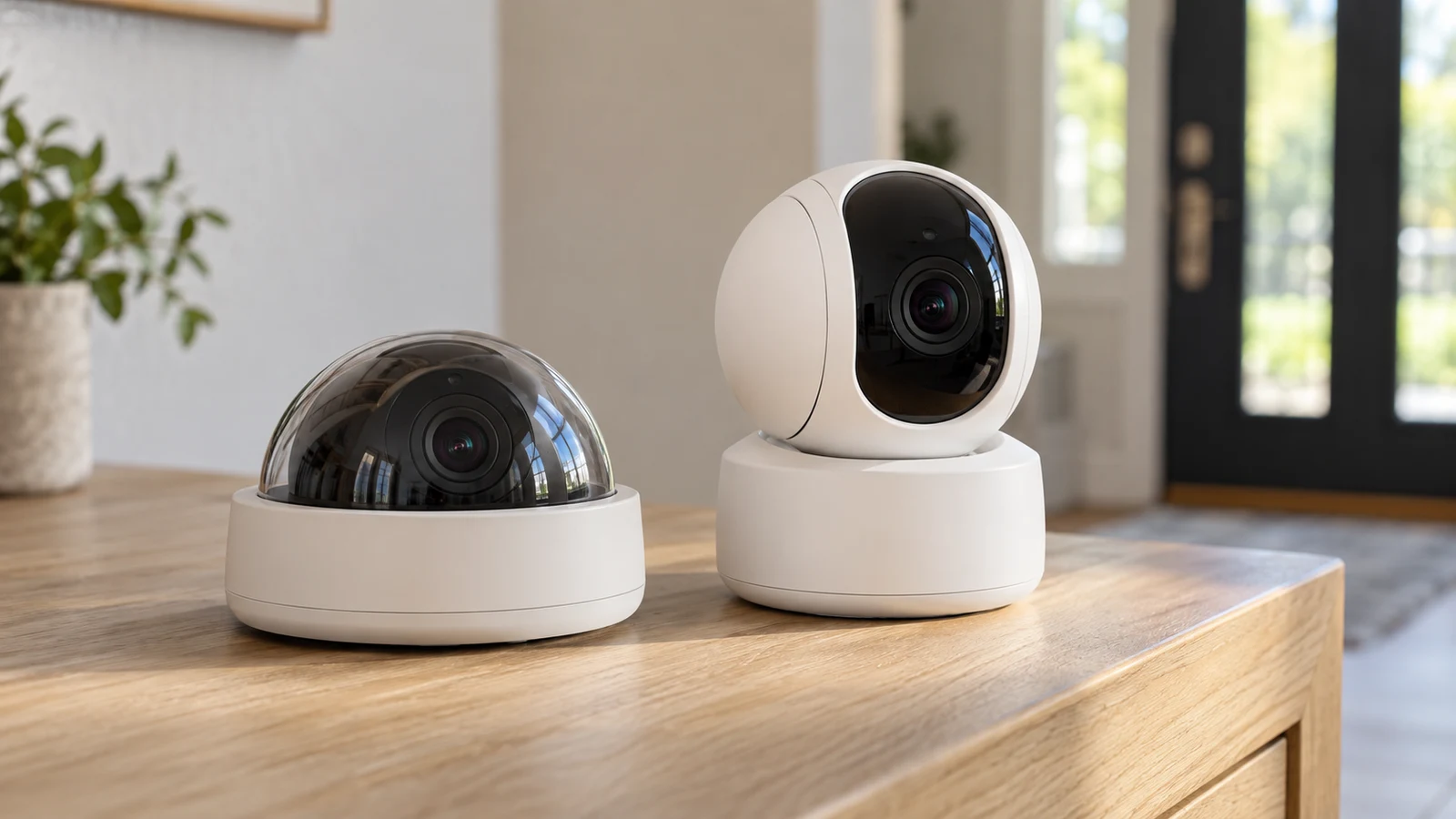
The ENS 8MP fixed dome deserves closer consideration when your coverage plan calls for a view that stays aimed at one defined area and you can arrange compatible wired power. FANRUINA is more relevant when you want to change the camera's direction from a phone. That distinction should guide the comparison before you weigh the listed resolutions: ENS describes output up to 8 MP, while FANRUINA describes a 3MP sensor. Neither description establishes which camera would produce more useful images in your particular space.
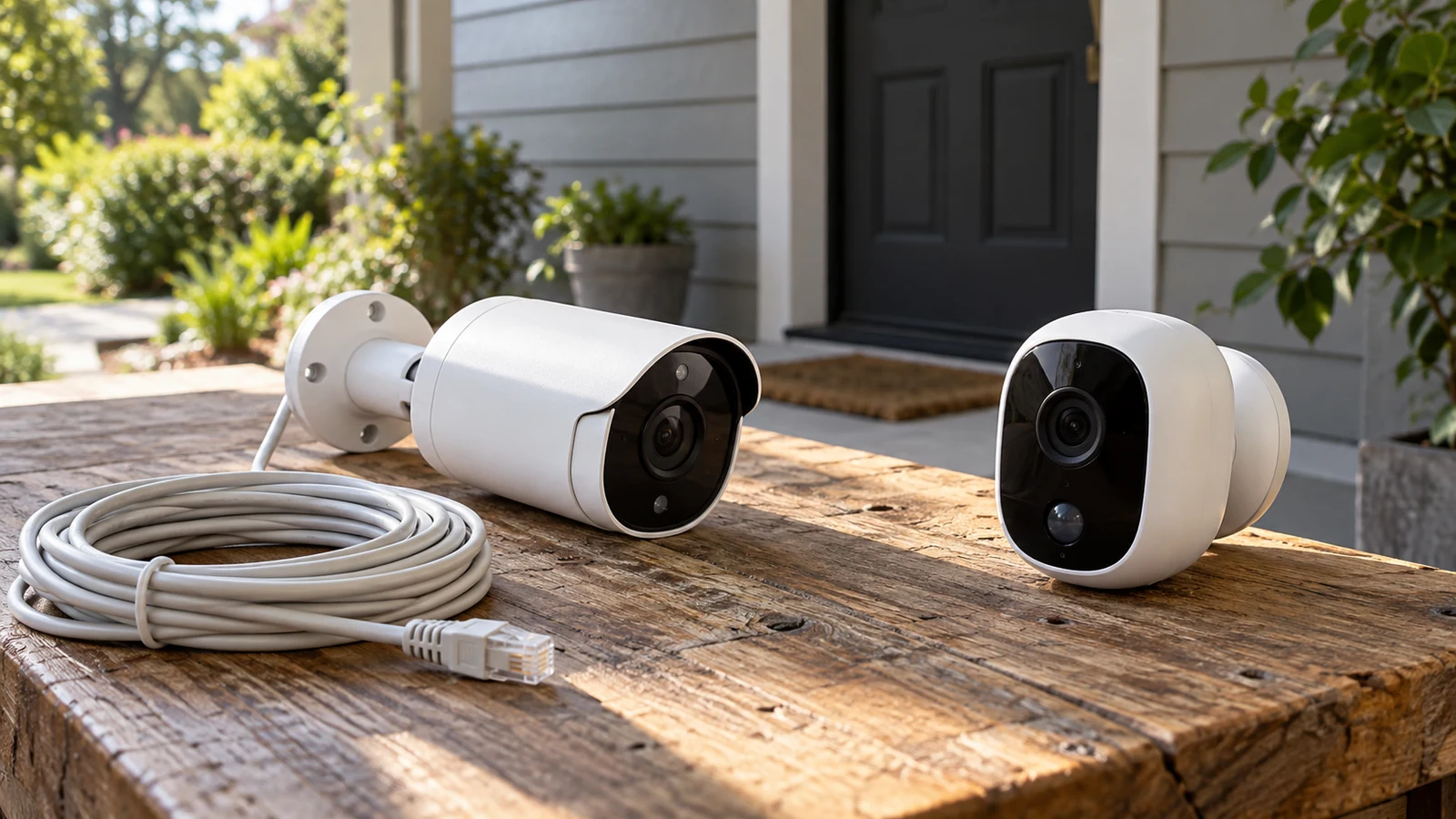
An available cable gives Reolink PoE a practical reason to lead this comparison, provided the cable reaches a useful camera position and the equipment supplying it is compatible. The SimpliSafe CMOB1 deserves consideration where a wireless connection would better suit the intended location. Its description, however, leaves power and system requirements unresolved. Decide whether each camera can operate where you need it before letting the difference between listed 4K and 1080P video settle the purchase.
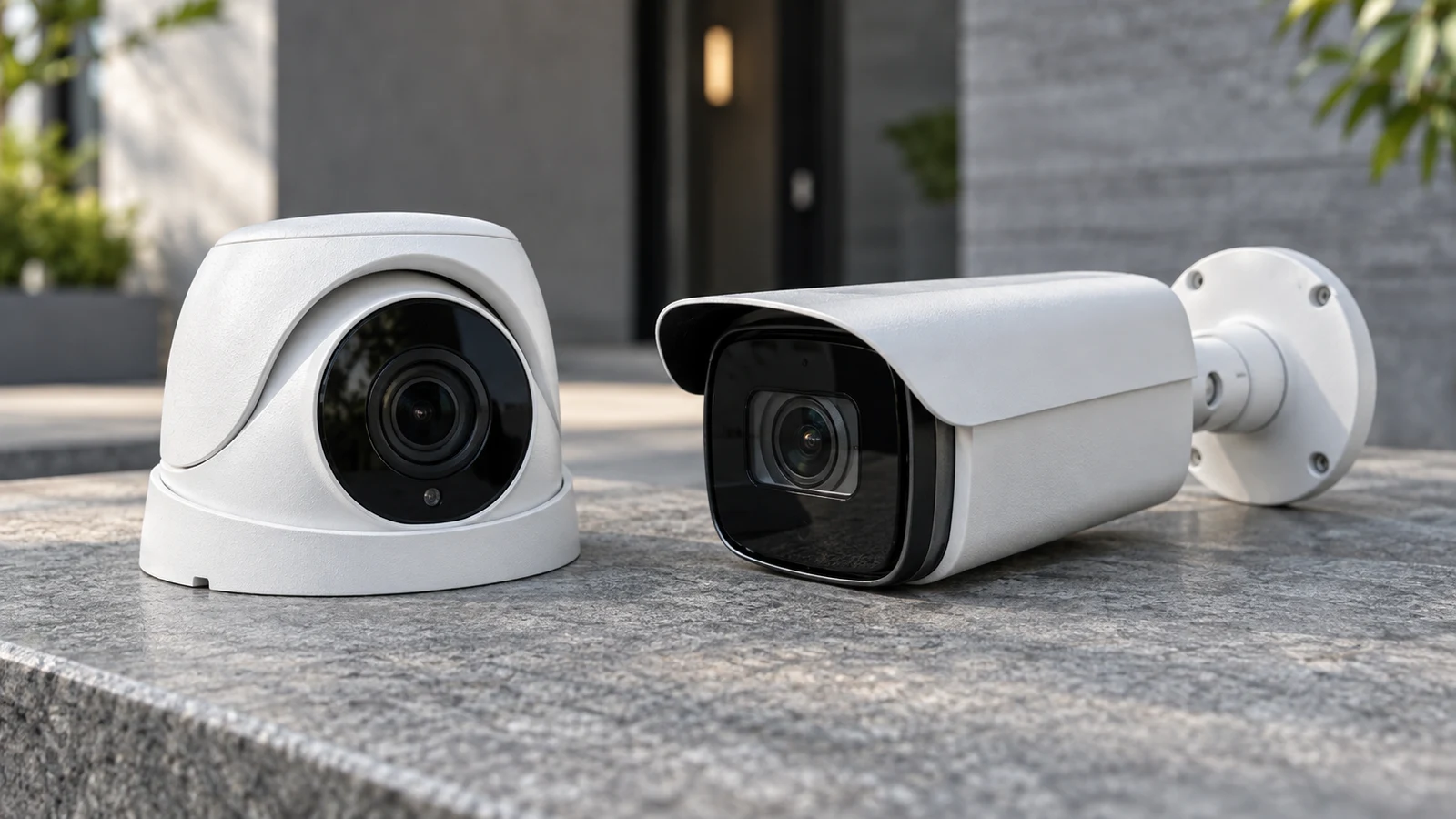
The LTS Future 8MP camera has a stated infrared illumination reach of up to 197 feet, but that figure does not establish whether its fixed view suits your installation better than Turing Video's adjustable lens. The useful distinction is whether a fixed 2.8mm lens covers the area you need or whether you need the framing adjustment offered by Turing's 2.8~12mm motorized lens. Make that decision alongside a review of nighttime image requirements. Neither description establishes the detail you will see at your intended distance.