10 min read
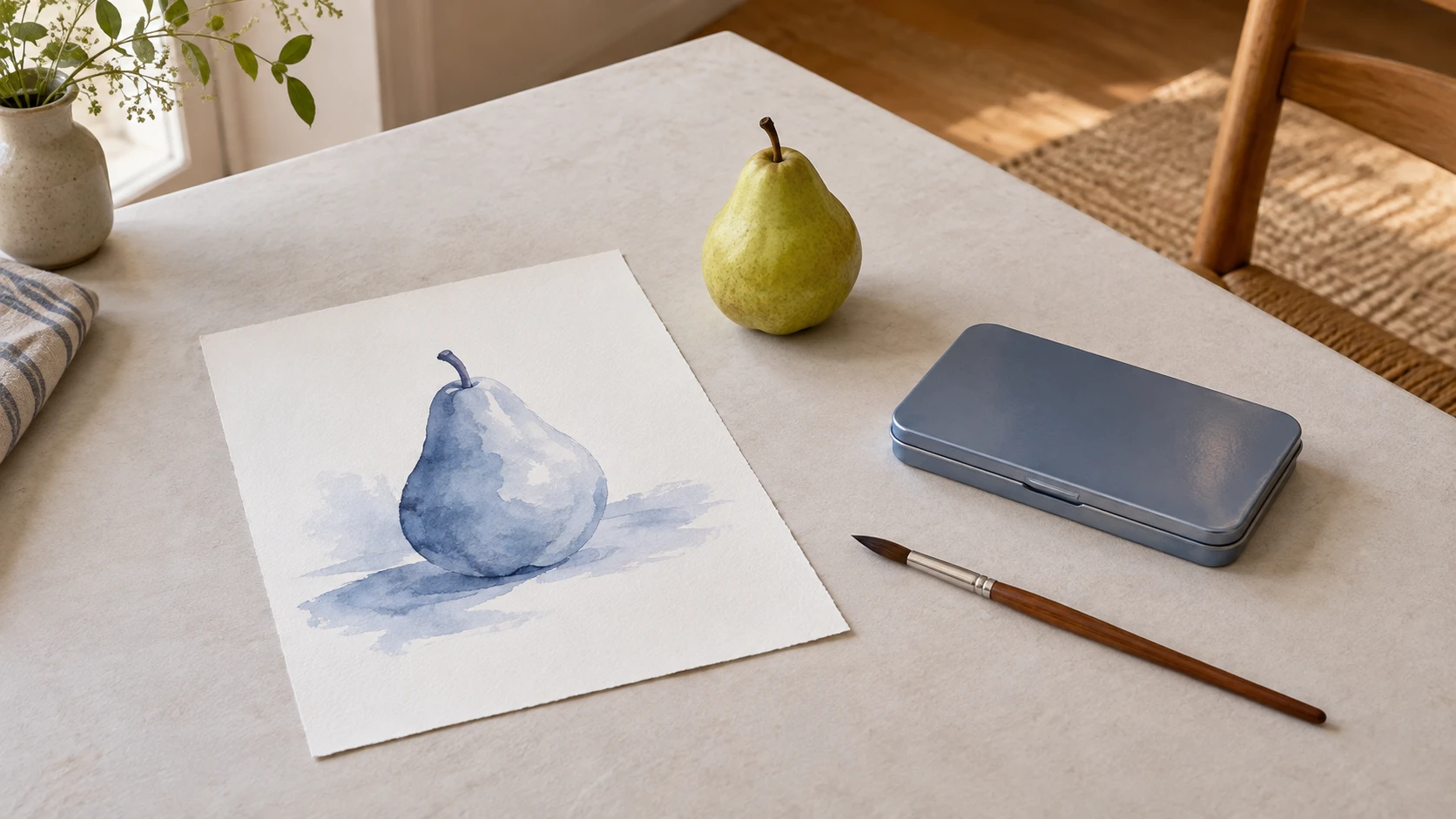
A watercolour still-life afternoon with one chosen colour
Plan an adult watercolour still-life afternoon around one available chosen colour, with room to explain personal choices and actual paint-set questions.
Learning, problem-solving, creative projects, and related planning skills.
Showing 97–108 of 108 guides
Plan an adult watercolour still-life afternoon around one available chosen colour, with room to explain personal choices and actual paint-set questions.
Invent a short wordless comic with simple characters, show a visible action across panels, and use a first reader’s interpretation to choose a revision.
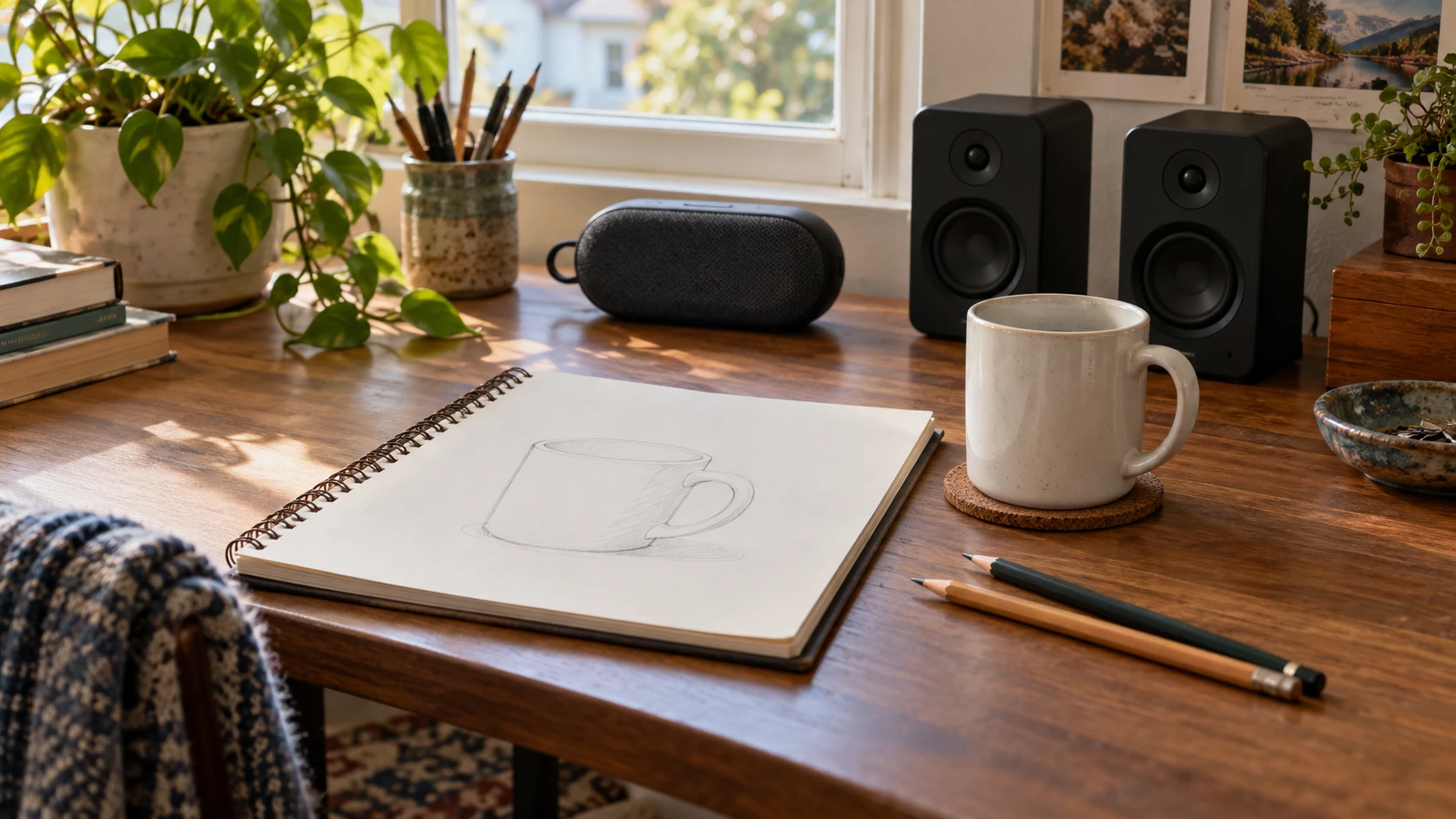
Plan a sketchbook soundtrack afternoon around one familiar object, with optional Select 4 Go or G2000 speaker features kept separate from the drawing.
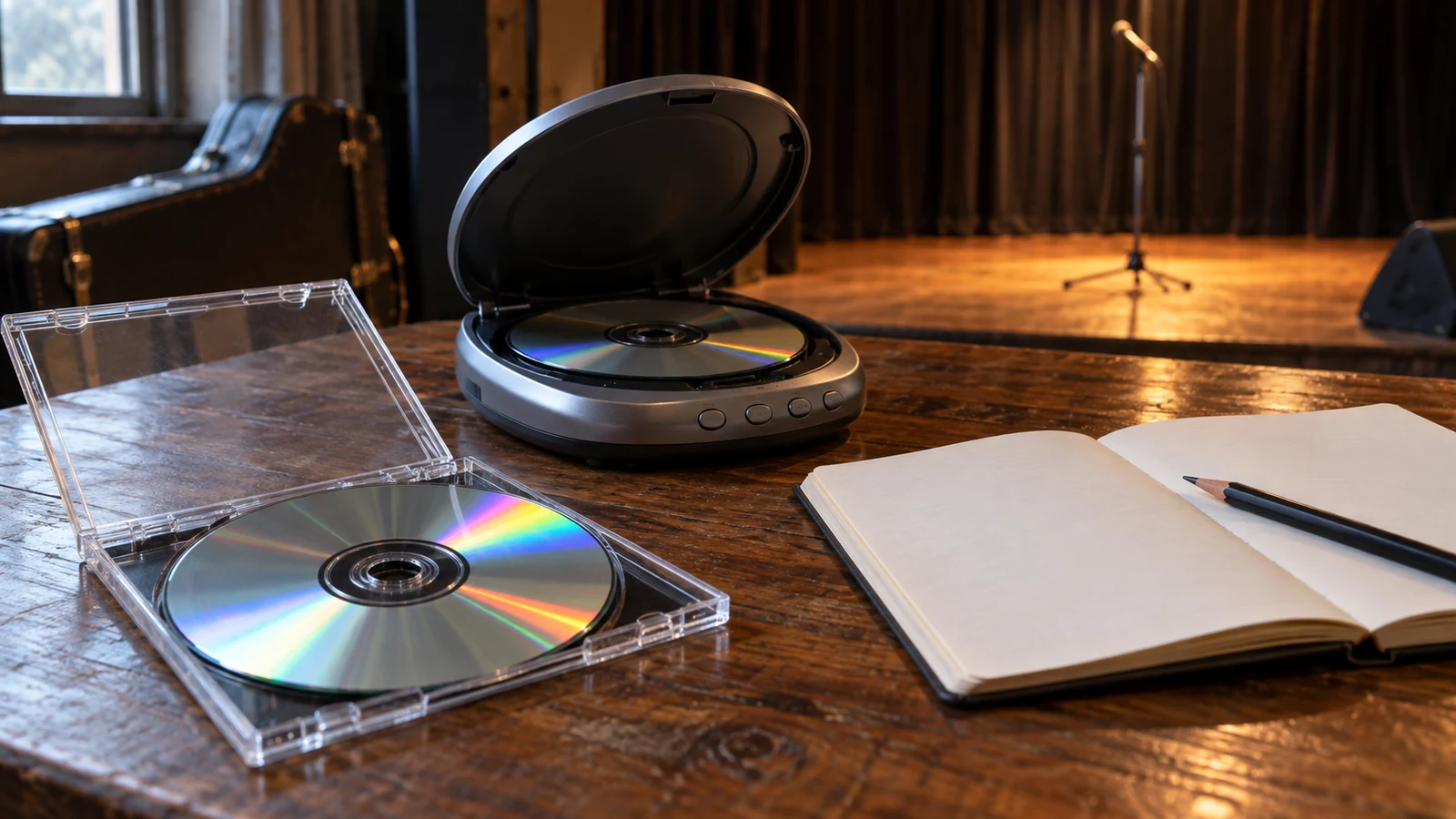
A puppet waits behind a cardboard doorway. The performer will bring it into view, stop beside a paper tree, then send a second puppet across the table. Someone else will operate the CD player. What should tell that person to start the first piece of music, stop it, and start the second? For a short home performance, write each cue around something the operator can see, then rehearse what happens if the performer waits or skips an action.

Four display cards are numbered 1, 2, 3 and 4. The fictional instruction is to visit each card exactly once, in ascending order. A loop that says it handles four cards might still stop before card 4. To find out, write down the position at every condition check, the card visited when the condition is true, and the position after the update. The failed check belongs in the record too: it identifies where execution stops. For pseudocode tracing , verify each step.
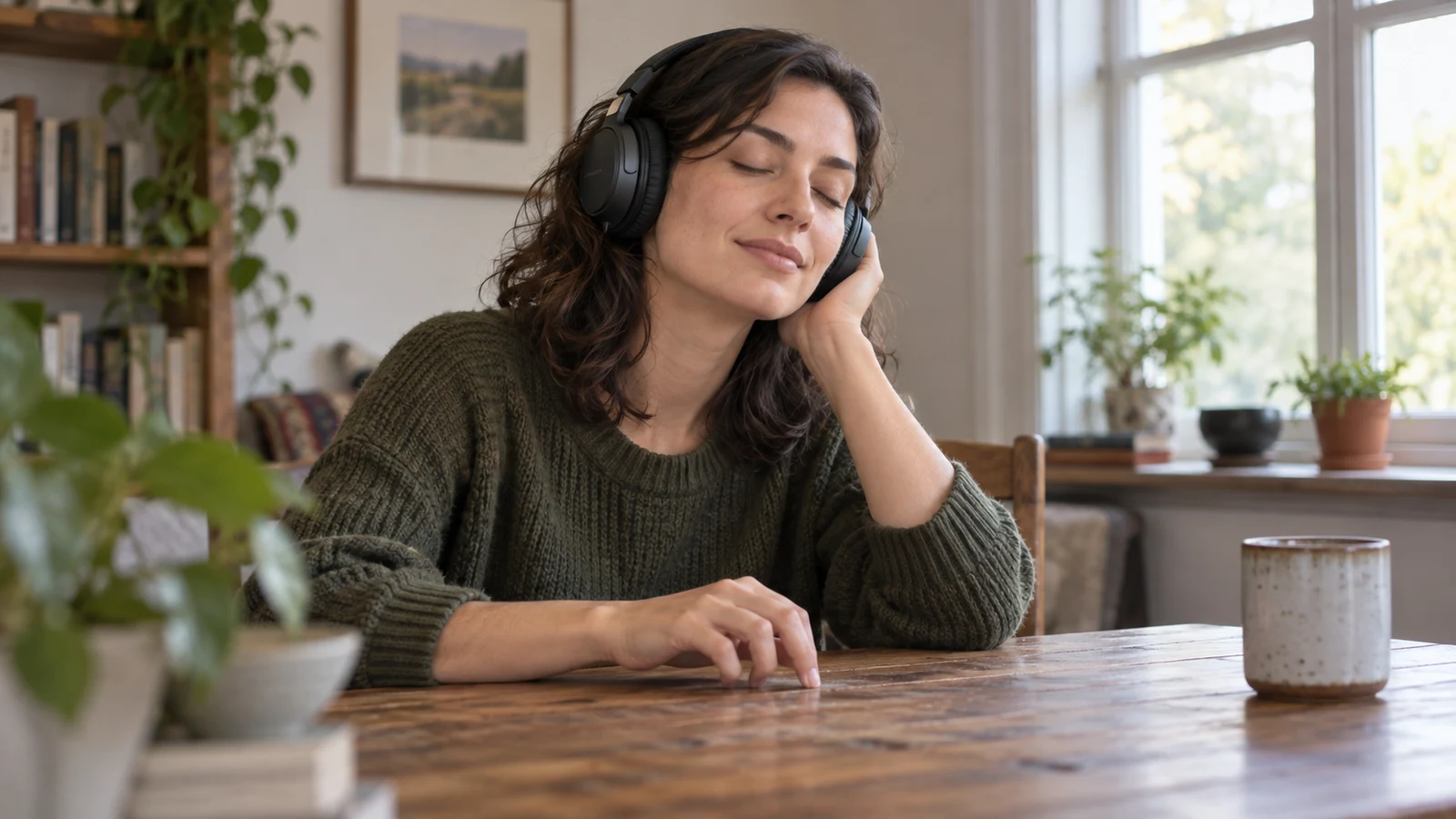
Choose a short phrase in a recording, describe what makes it recognizable, and listen for places where it might return. When something sounds familiar, compare that feature with what you heard earlier and notice what surrounds it. This approach to active music listening gives you a manageable question: does this particular figure come back, and what seems different when it does? You do not need to identify every instrument or explain the whole piece.

To plan a small seasonal scene, choose what you want someone in the room to notice first, then arrange the other elements around that choice. Two decorative figures can be the focus, or they can become a smaller accent within an illuminated background. Adding objects does not automatically make either intention clearer. Start with a sketch that shows the proposed grouping, the features you want to keep visible, and the space you intend to leave around them. For holiday display planning , verify each step.

To write retrieval practice questions , choose a short passage, ask something it actually answers, and prepare the expected answer points separately. Then put the passage and answer points out of view before attempting a response. When you compare them afterward, distinguish a missing detail from a question that was unclear or information the notes never supplied.
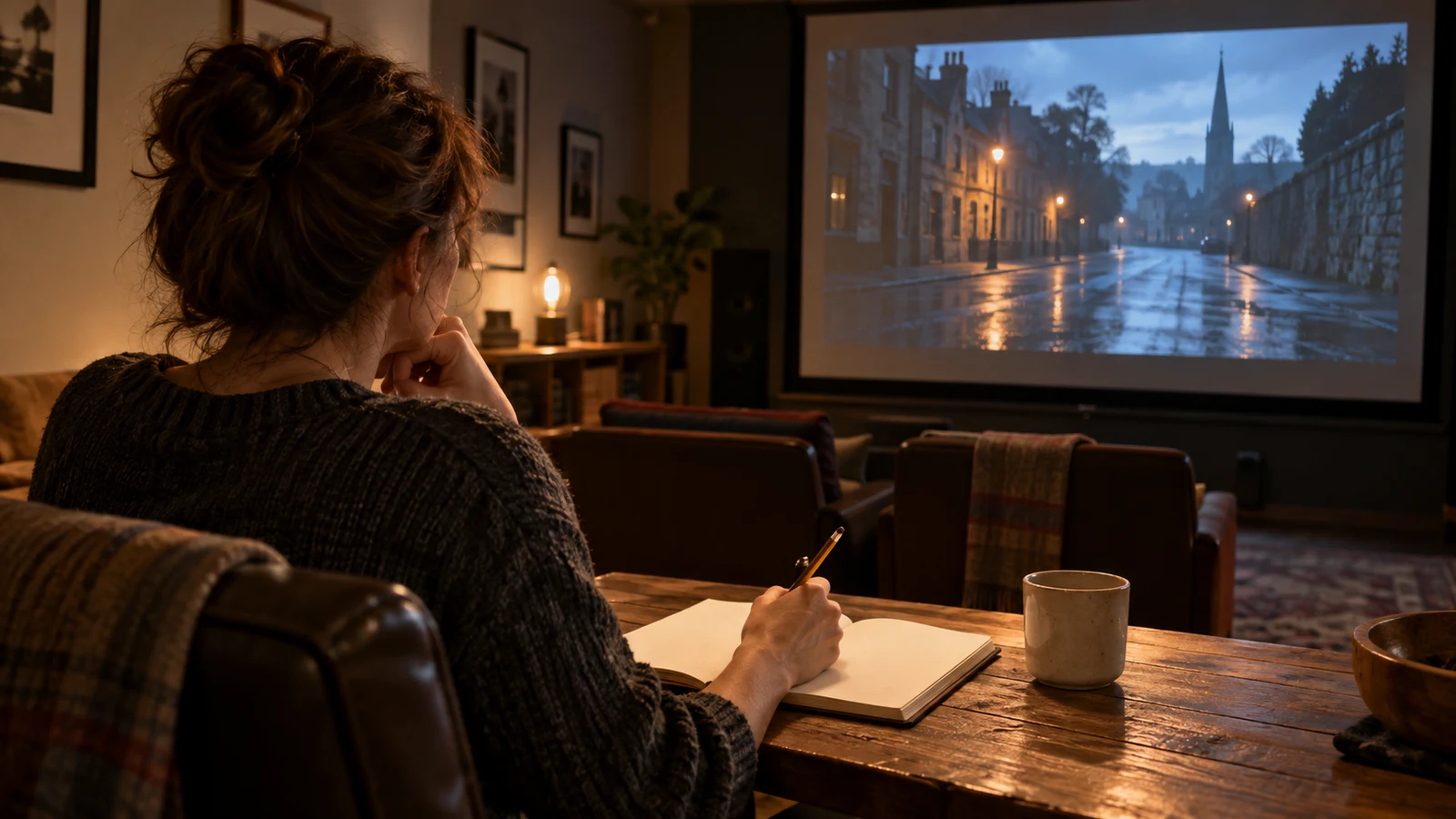
To prepare film discussion questions , choose a moment you can describe, separate what happens from what you think it means, and ask what supports another reading. This gives people something specific to discuss after watching the same film. A reaction such as finding an ending frustrating can become a question about which relationship remains unsettled and what the final scene actually establishes.
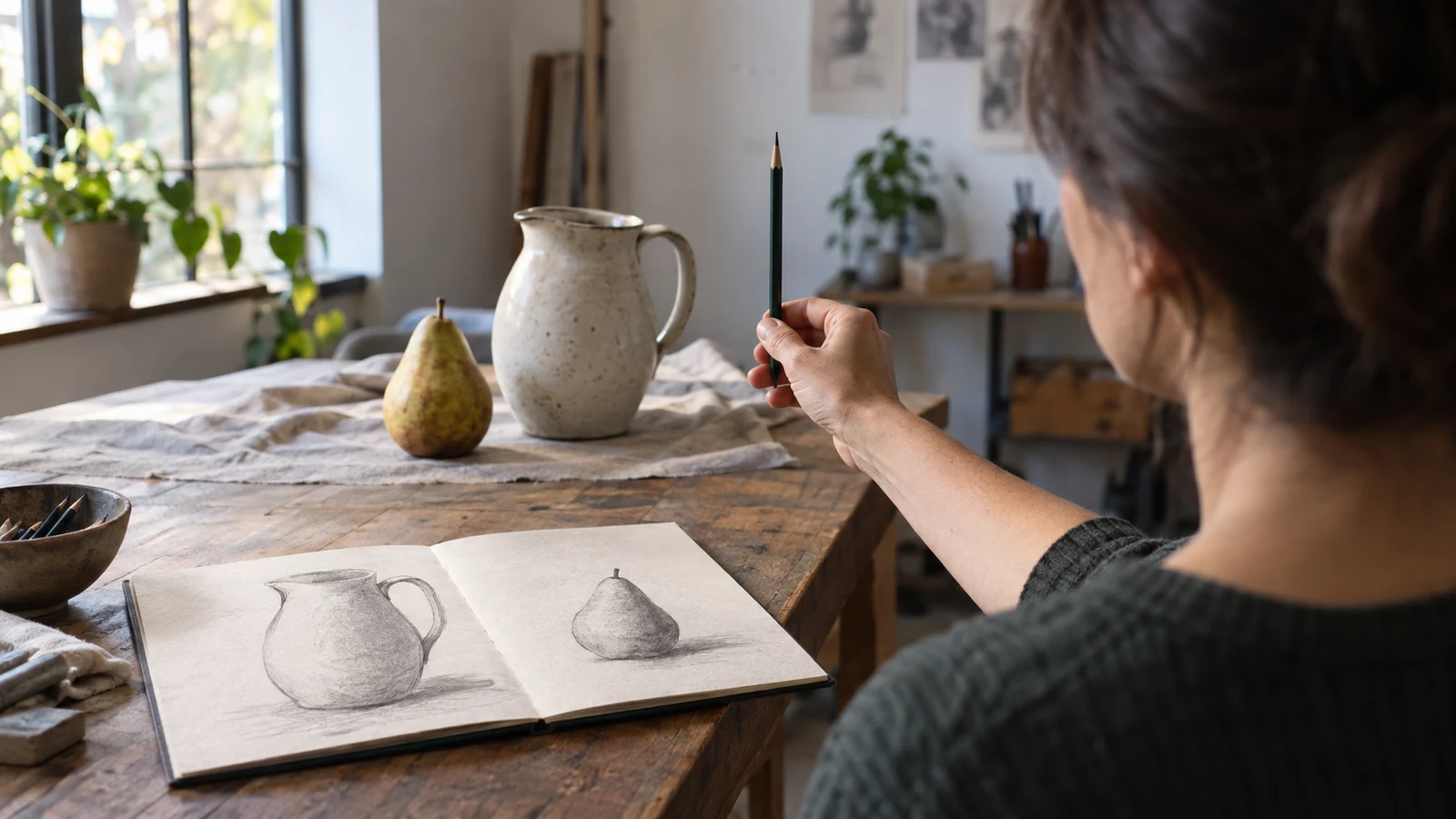
When a drawing looks wider or taller than its reference photograph, small details can distract from the correction it needs. Put the drawing beside the existing photograph and compare the outer boundaries first. Keep that photograph unchanged throughout the exercise. You are checking whether the drawing preserves the relationships visible in one image, including the spaces between features, rather than reconstructing the subject's physical dimensions.
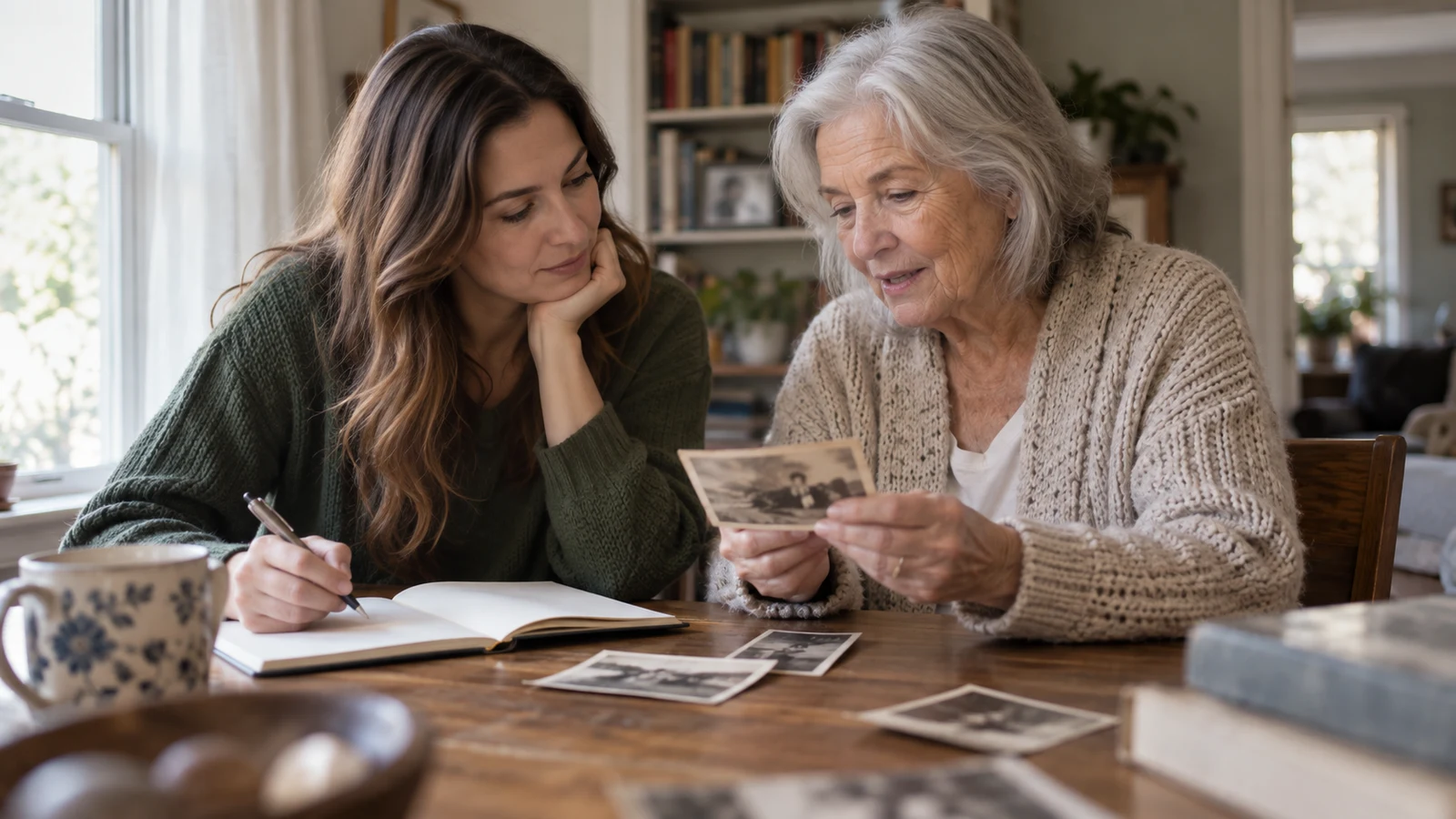
To invite a specific family memory, ask about an occasion the person can choose, then follow the details they give you. Start with something bounded: a meal they remember preparing, an afternoon after school, or a time someone showed them how to do something. Your aim is to give them a place to begin without deciding in advance what their story should mean.

How do you choose music for a small gathering without spending the evening managing it? Start with the conversations you want people to have, select recordings that can sit comfortably behind them, and decide in advance when to lower the sound or pause it. Good background music planning leaves room for guests to ask for something different, including silence. The aim is a listening plan you can leave alone for a while, with a simple way to change it when the gathering changes.