10 min read
A yarn bowl character interview with invented answers
An original fictional interview keeps Nell's answers attached to what she knows, believes or has not learned.
Learning, problem-solving, creative projects, and related planning skills.
Showing 73–84 of 108 guides
An original fictional interview keeps Nell's answers attached to what she knows, believes or has not learned.
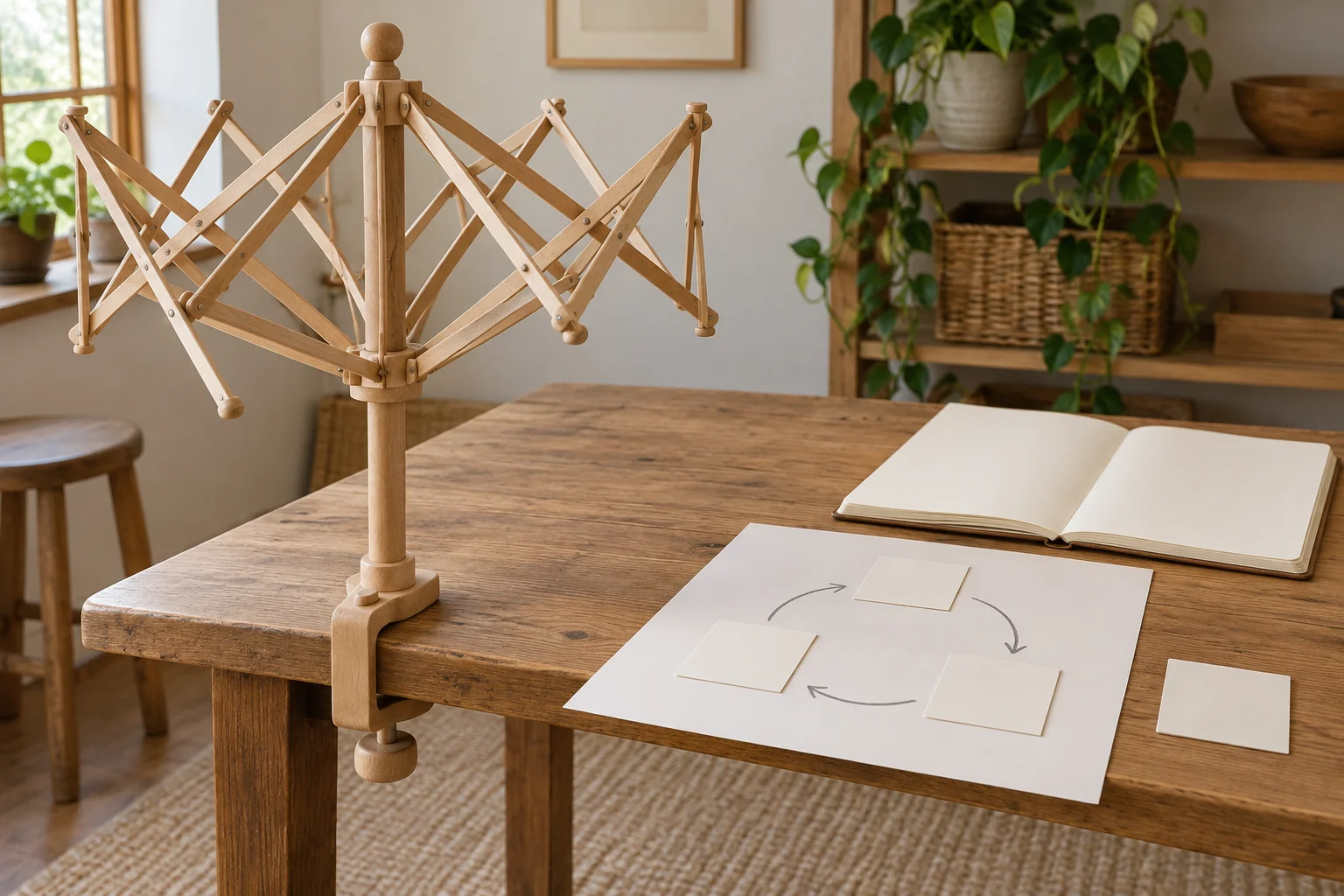
An original fictional exhibition-copy schedule exposes a strict precedence cycle, then distinguishes a new attempt from a stated rule change and checked revised order.
An original fictional display example distinguishes an acceptable card for each visitor from one card accepted by everyone, with complete, revised and partial lists.
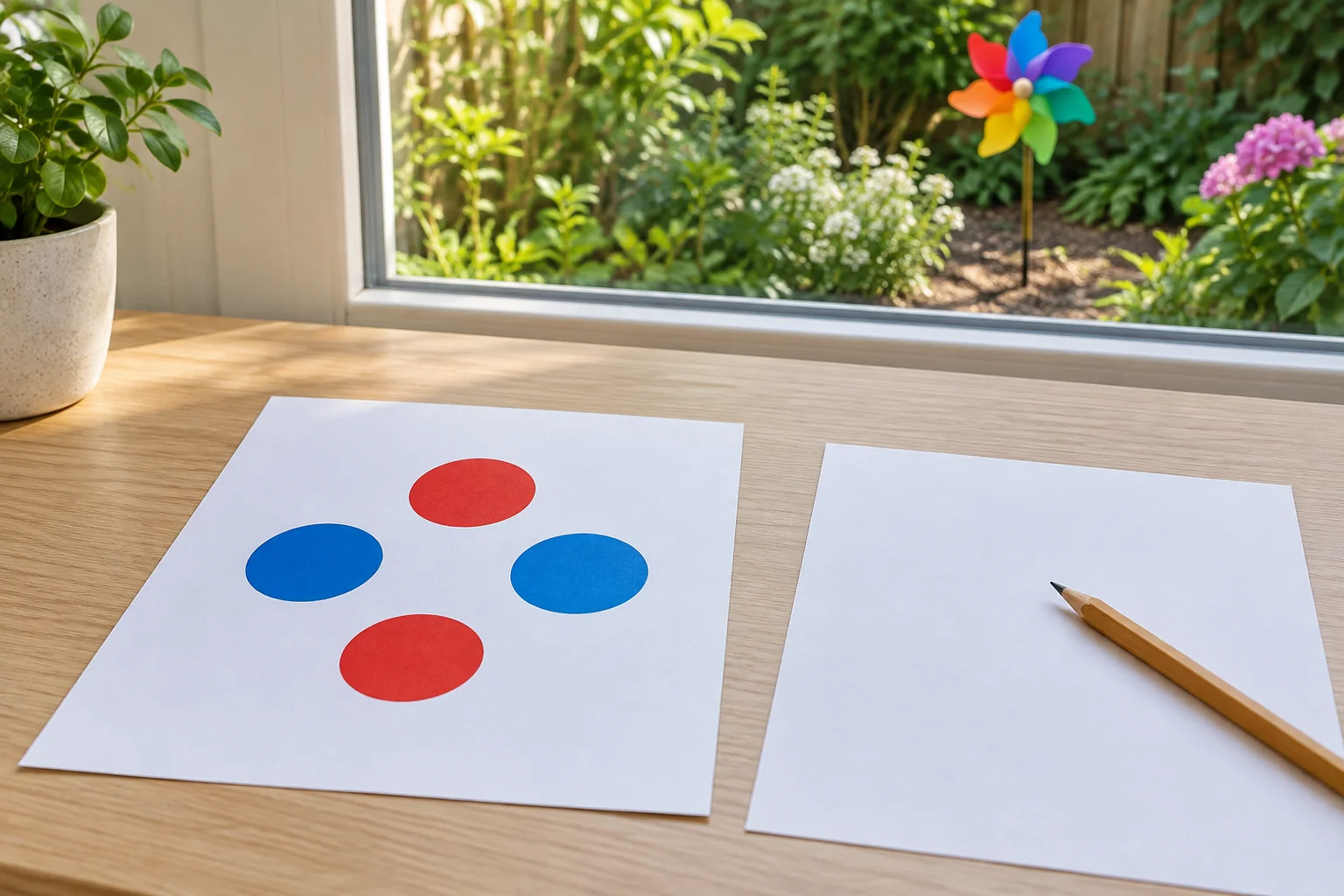
An original four-position paper model compares alternating colors, one changed color and an added marker.
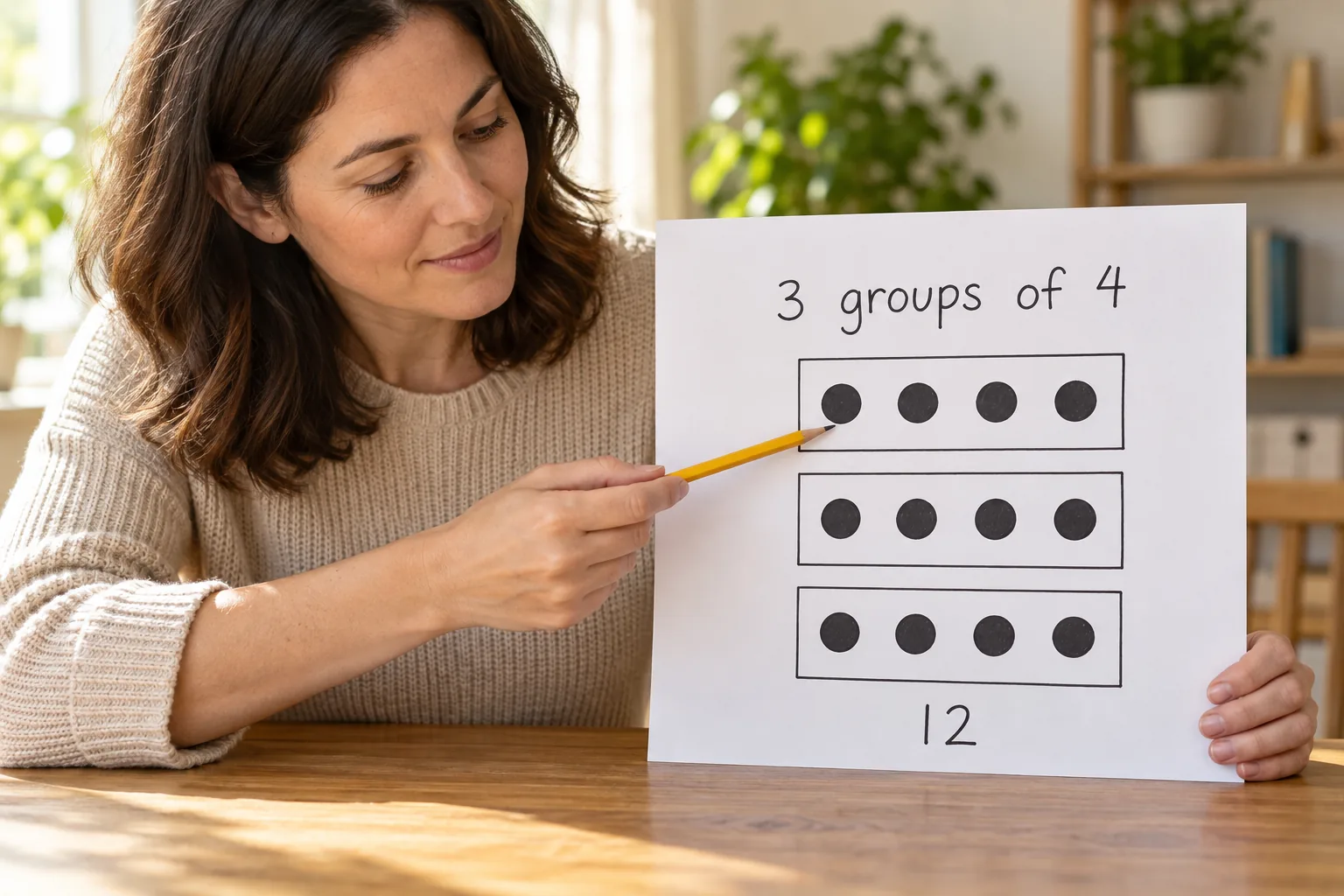
A declared one-unit counting convention explains equal groups, a missing group and the different questions answered by division. It supplies no traditional abacus syllabus.
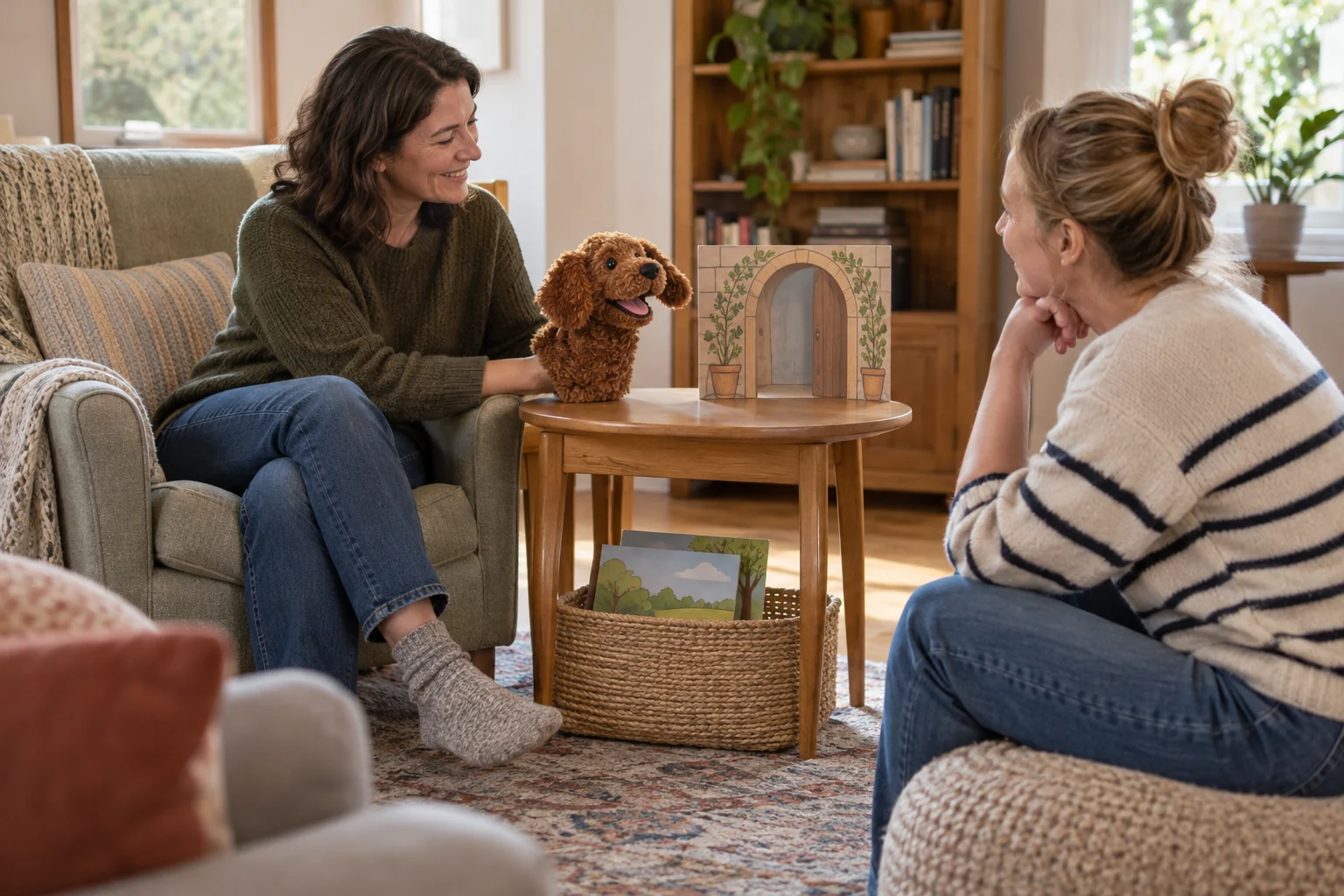
Choose a character and a room atmosphere for a small home storytelling space, with scenery and seating that fit the household and a plan for putting it away.

Consider one fictional portrait brief through a subject’s choice of an open fan, a closed fan or no prop. Two native offers keep their own inventory details.
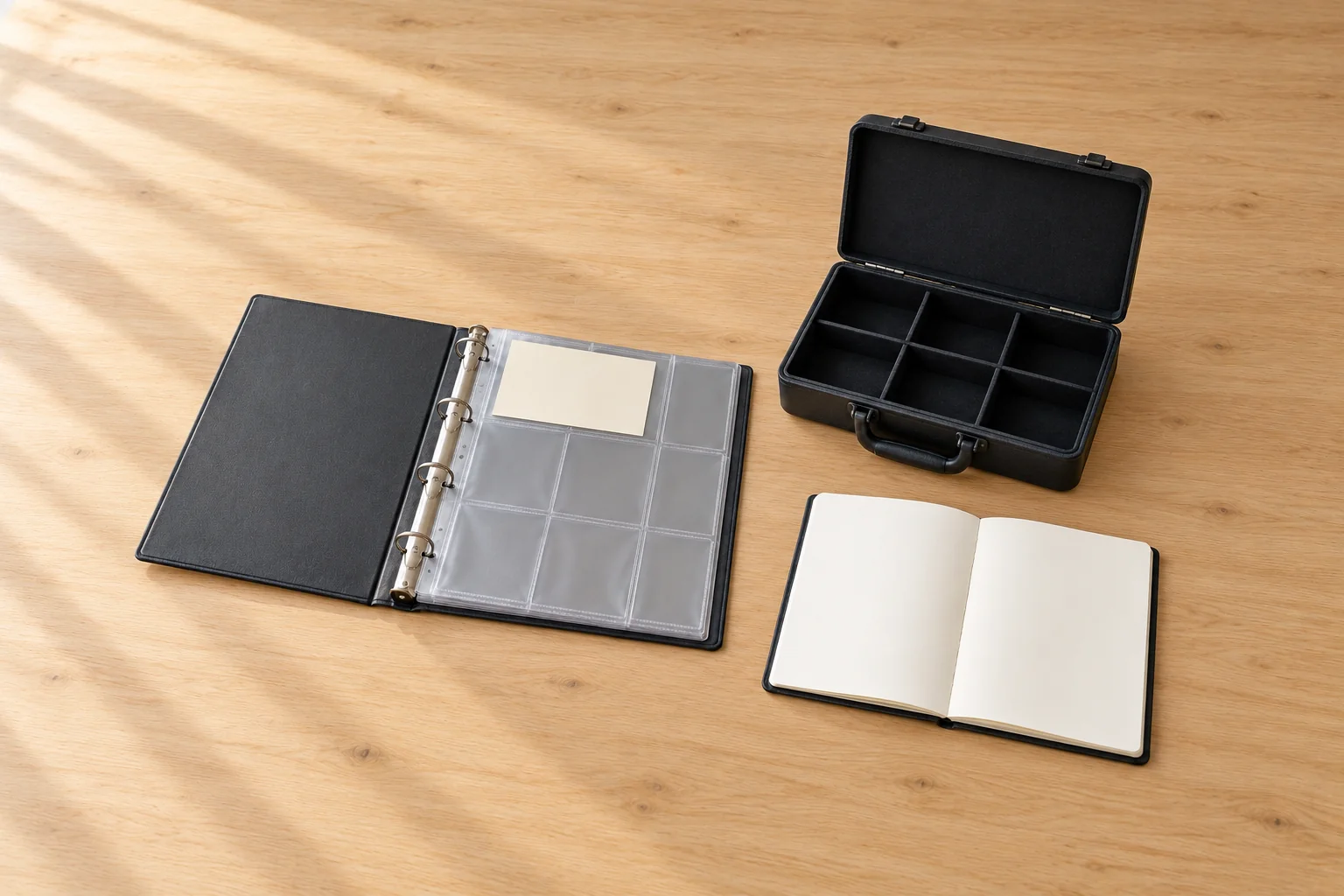
Follow a personal currency theme across monetary formats without treating a storage count as a collection goal.
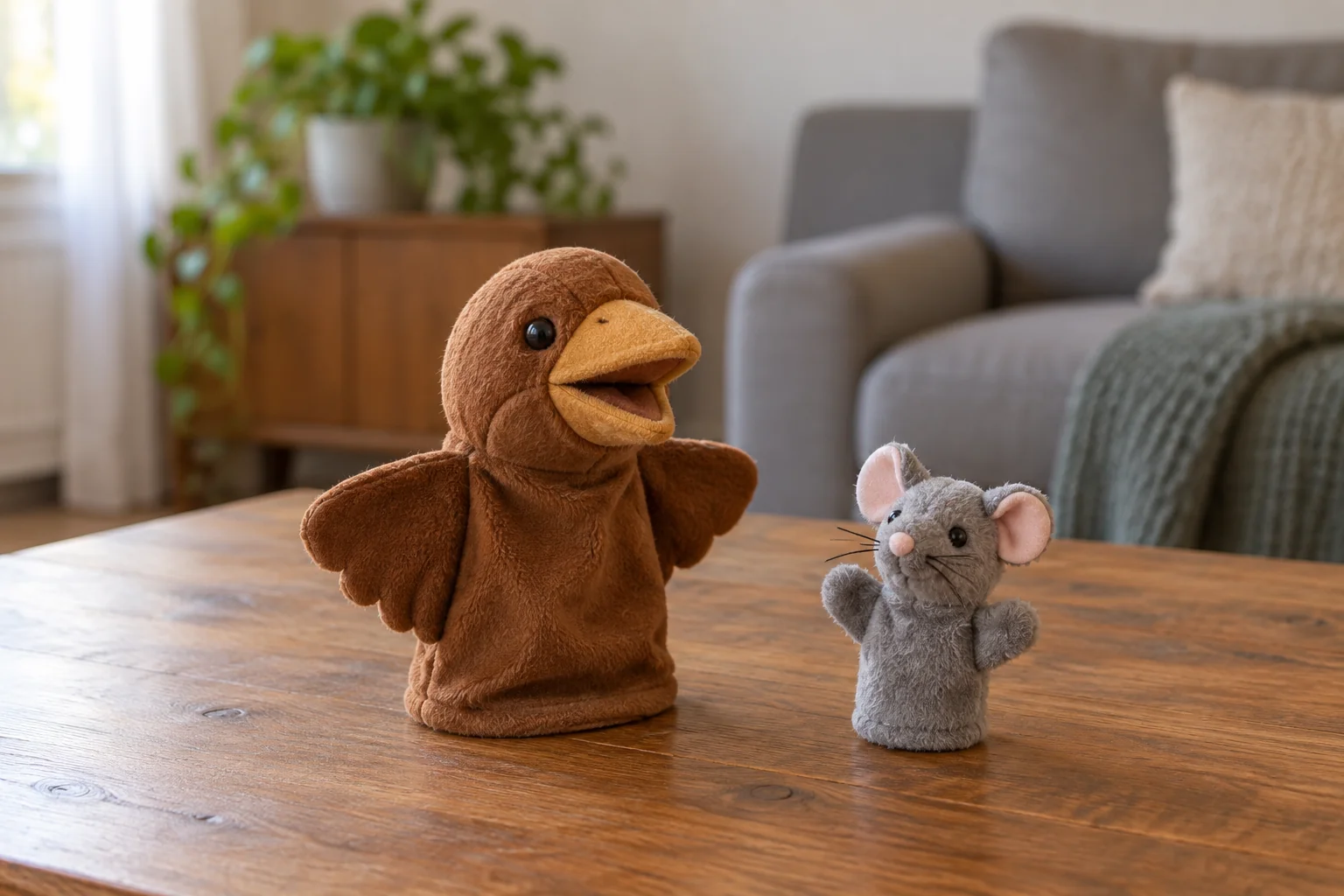
Read the stated movable feature and ask which control operates it.
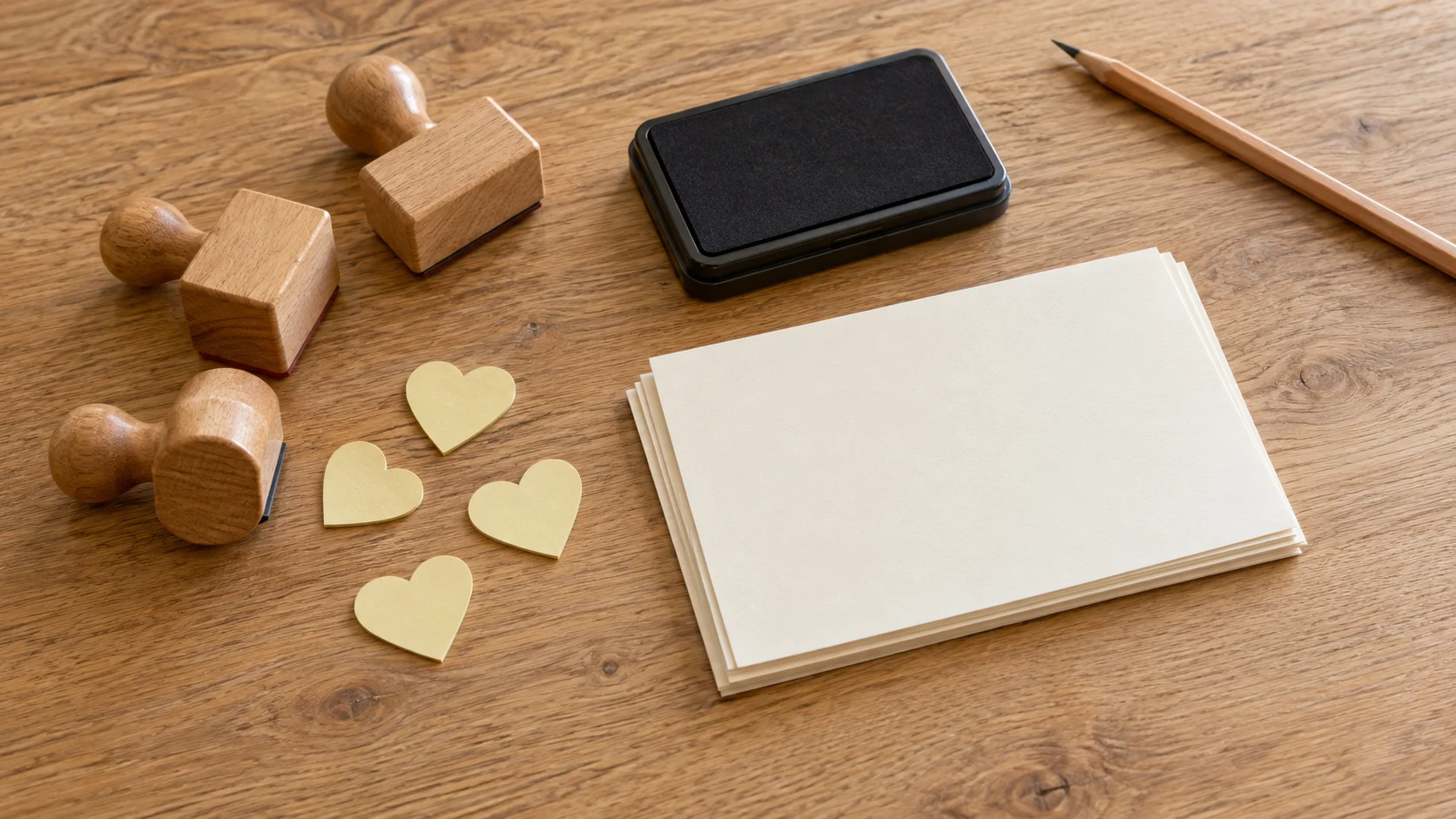
Practise a foreground-first paper-mask procedure, reveal a two-image overlap and choose the layer arrangement for your own stamped paper project.
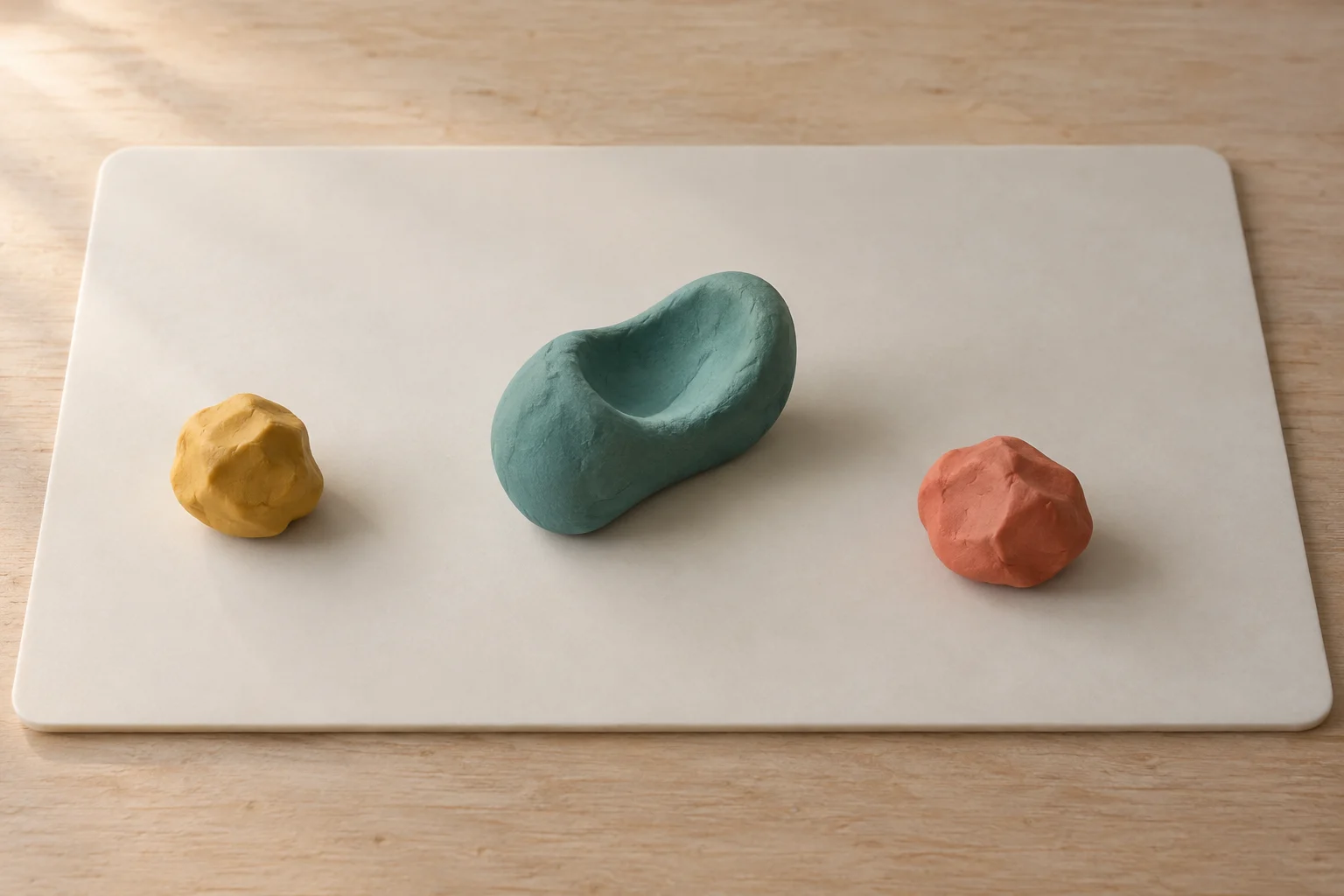
Try an adult shared clay handoff: name one feature for the next maker to retain, then let a temporary form change through mutually agreed turns.
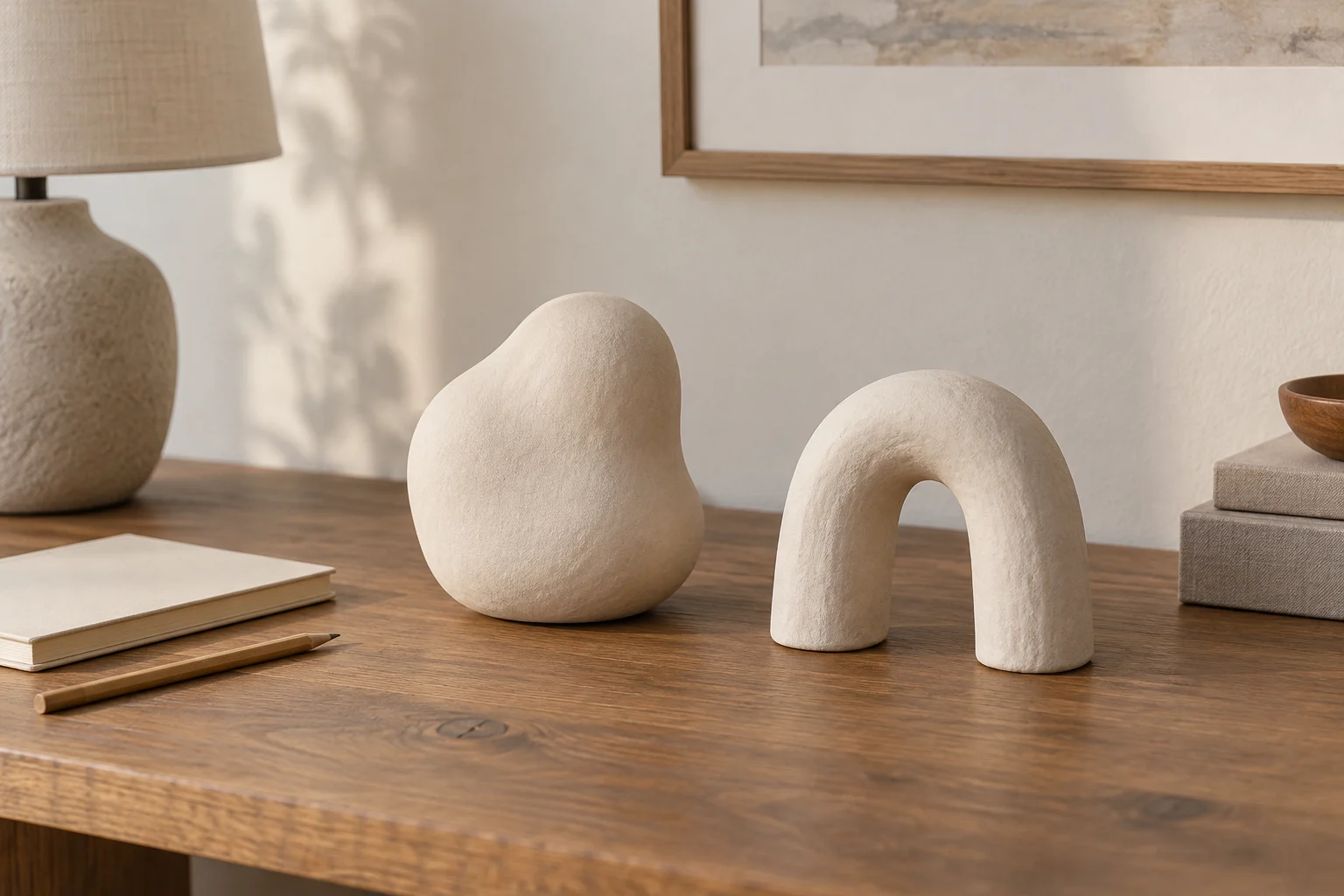
Follow one invented adult gift redesign, from an unsuitable fresh-flower-vase idea to a dry indoor decorative pair, using the selected Crayola material limits.