9 min read
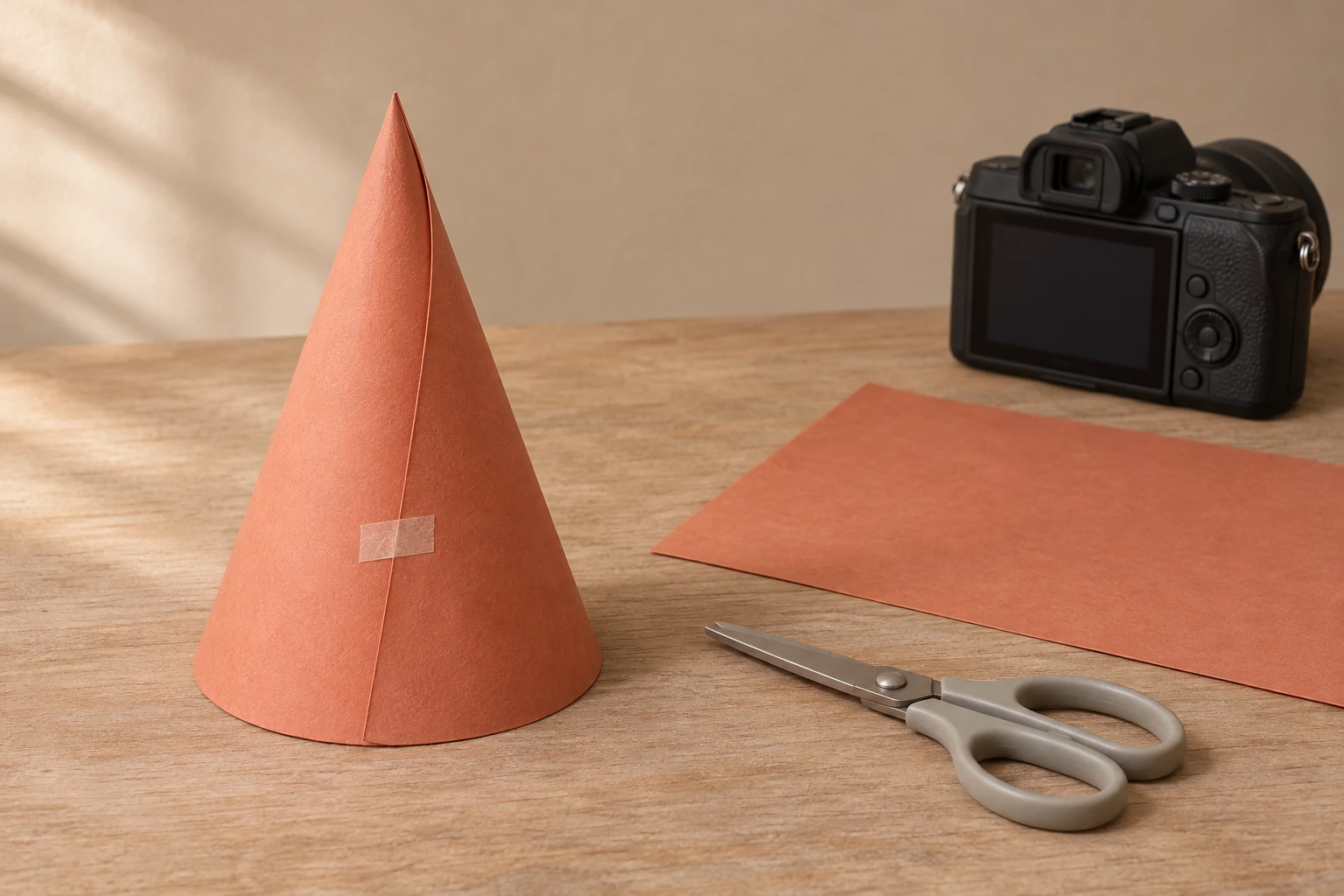
How to make a paper cone for a simple still life
Make one freehand paper cone and choose a photograph that shows how its overlap was joined.
Practical guides to documents, data, creative work, and everyday planning.
Showing 97–108 of 726 guides
Make one freehand paper cone and choose a photograph that shows how its overlap was joined.
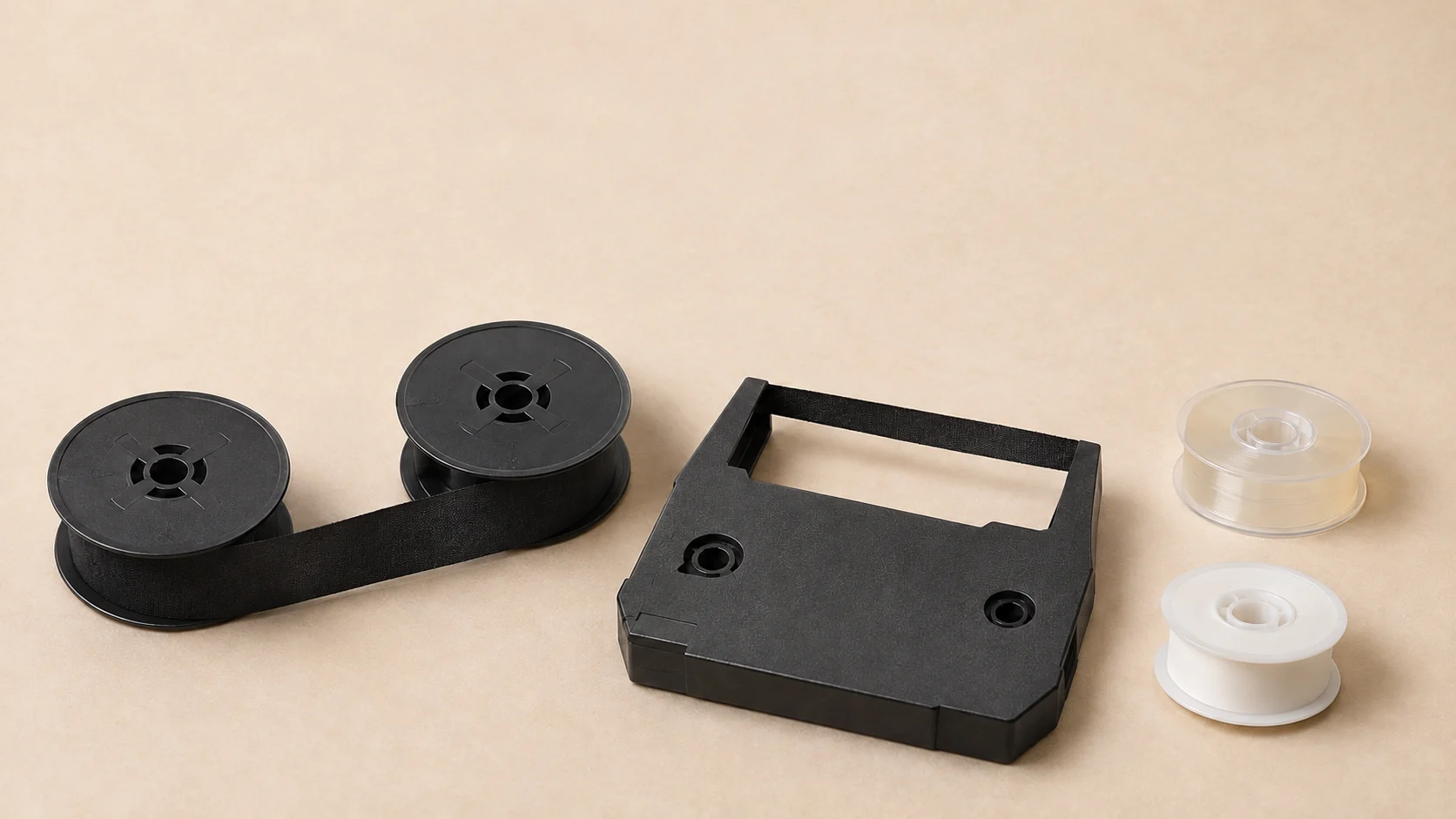
Compare exposed spools, cassette construction and the correcting media specified for actual typewriter systems.
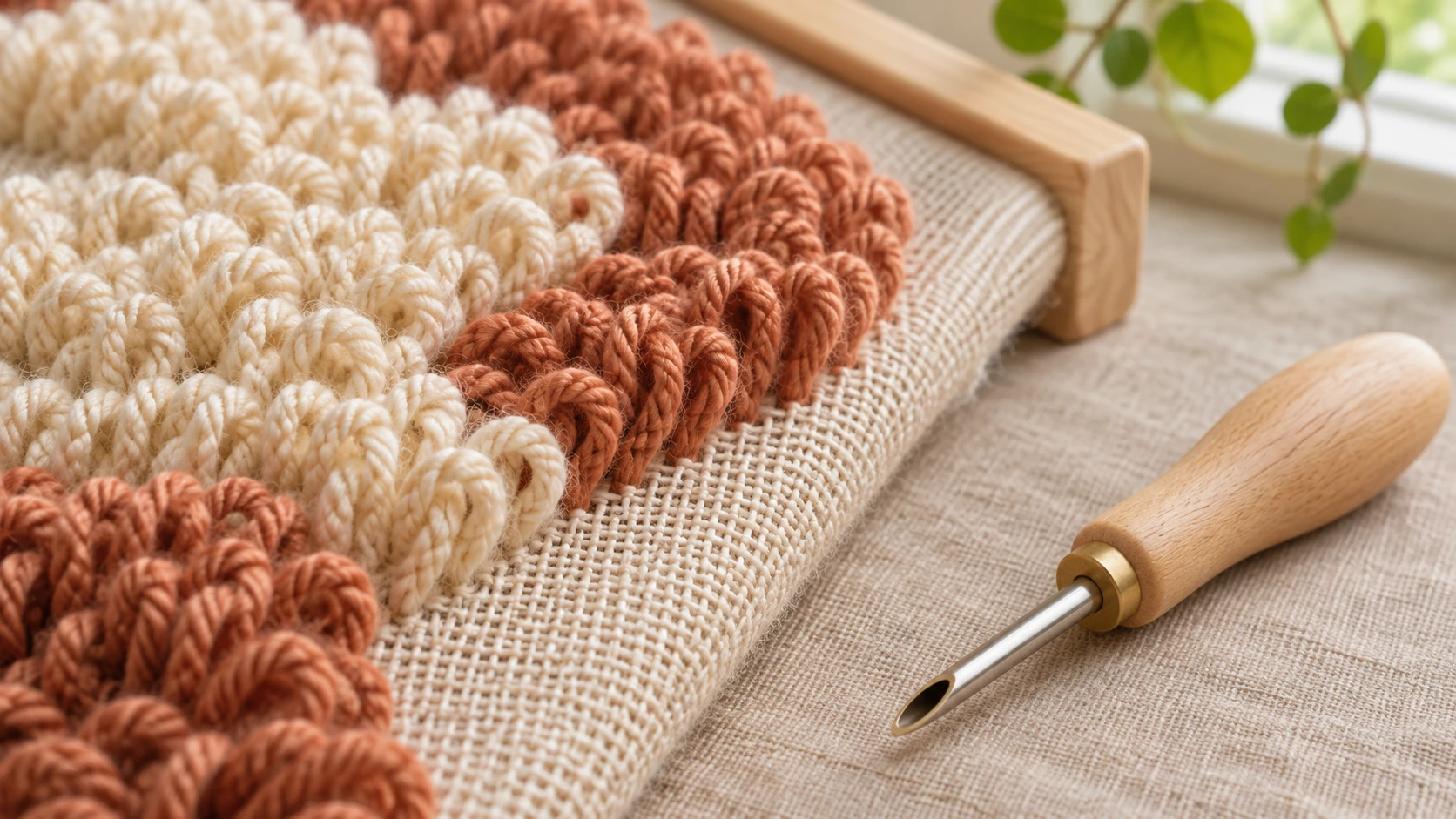
Follow the continuous strand through loop formation, the backing that grips it and the two surfaces the stitching creates.
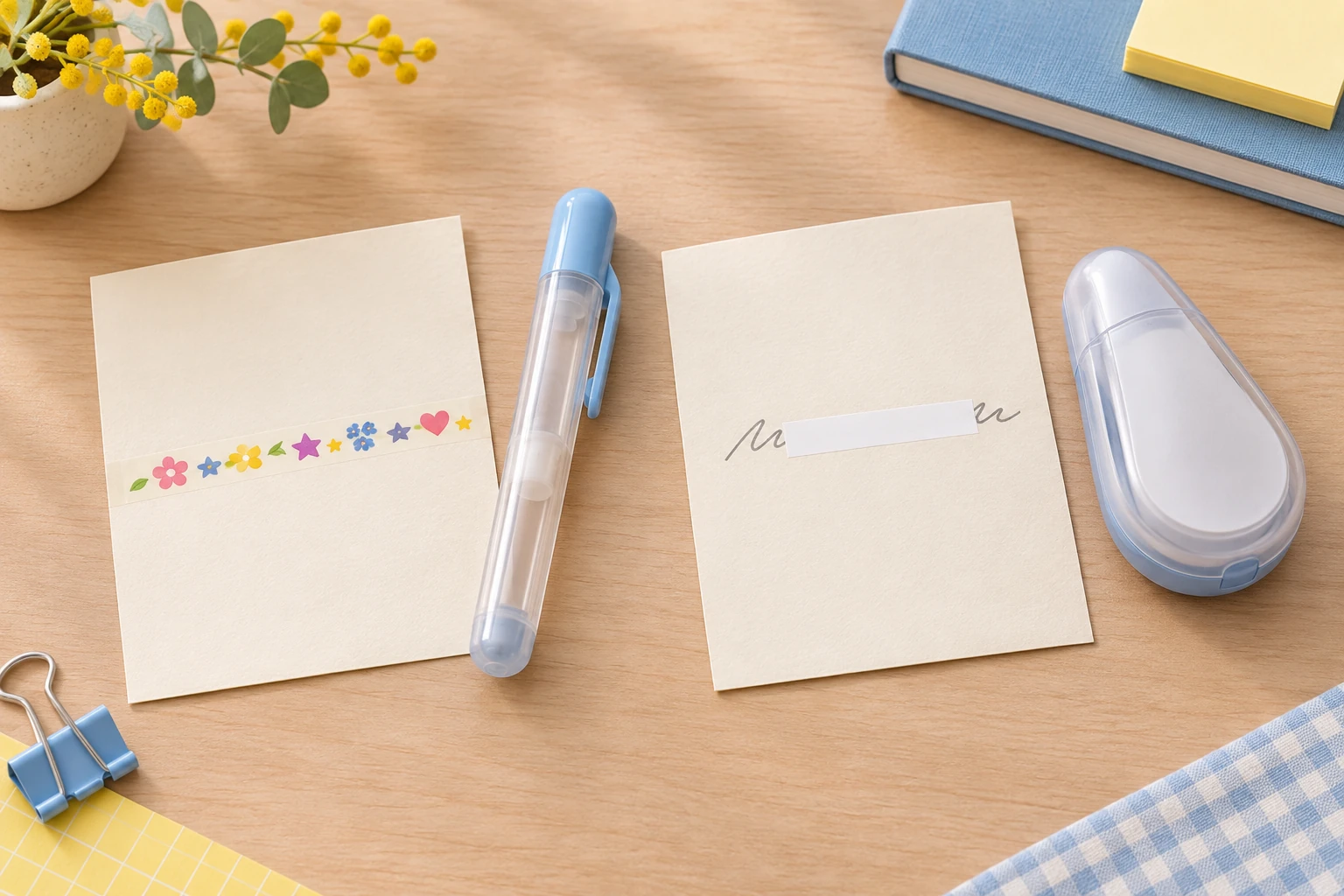
Resolve a patterned-transfer and correction-medium mismatch before diagnosing a hand-held applicator or changing the original sheet.
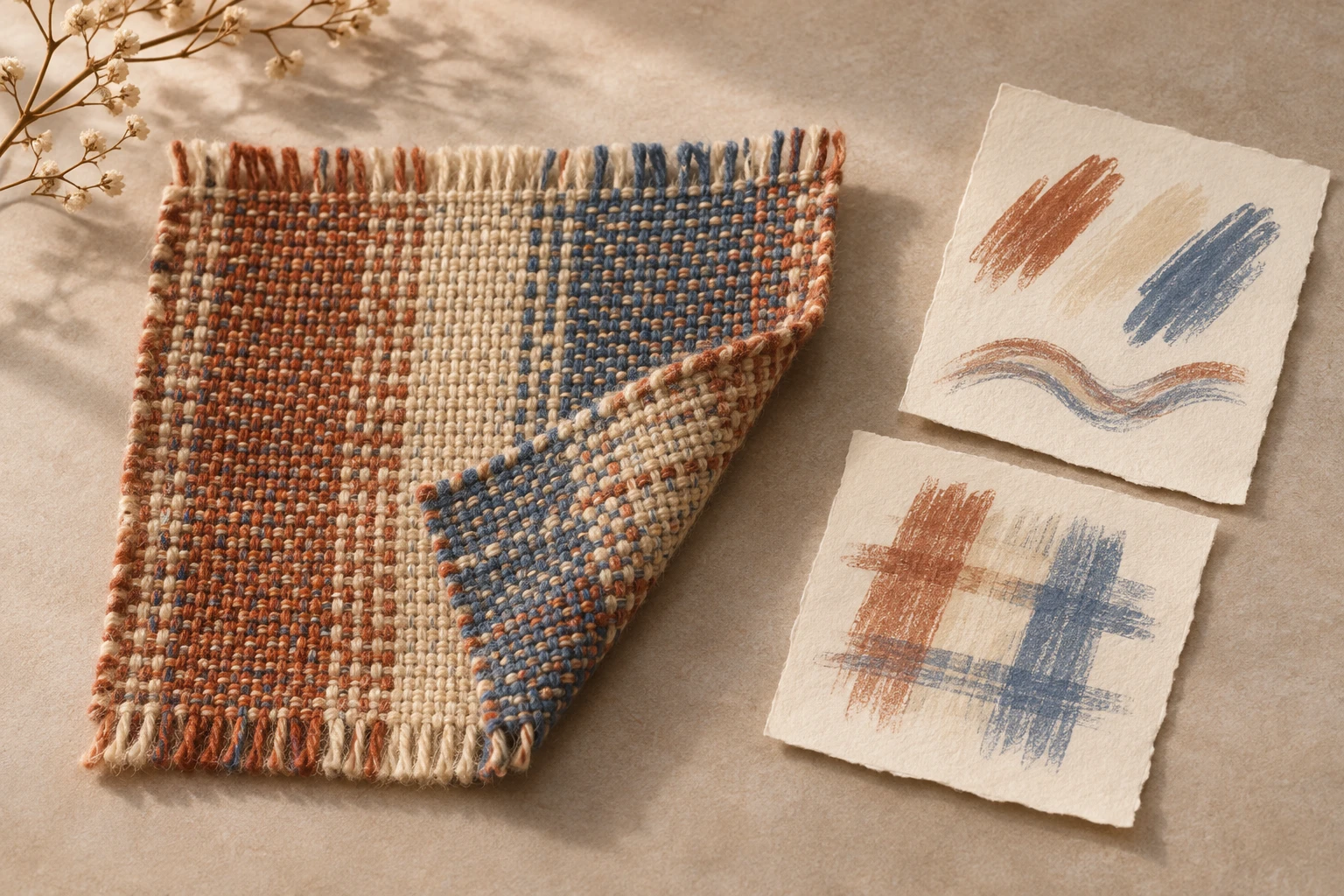
Describe both faces of a completed woven piece and decide how their relationship should guide the next sample.
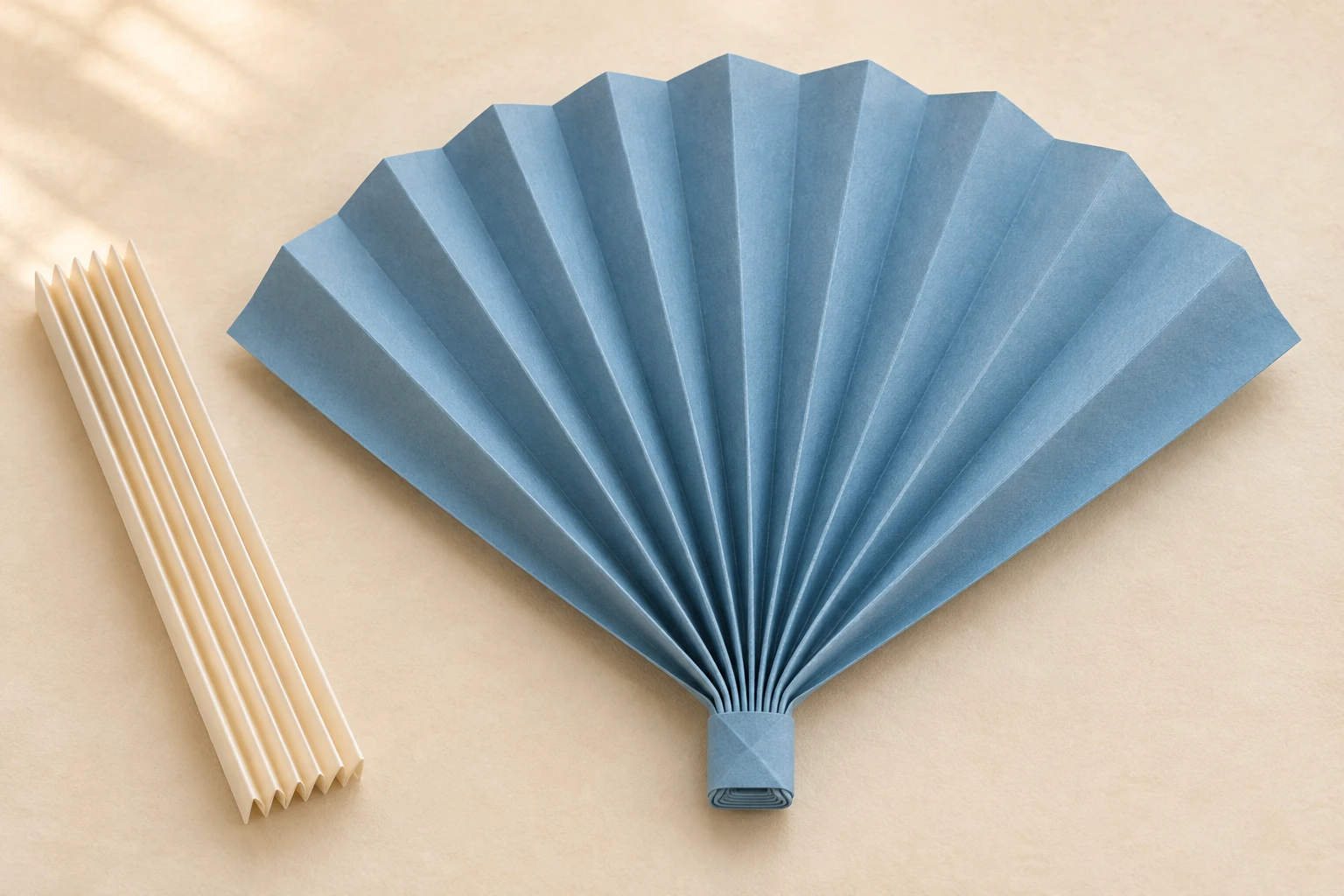
Follow a written fan-fold method to make a small single-sheet paper fan, then assess the base and opening on your actual project.
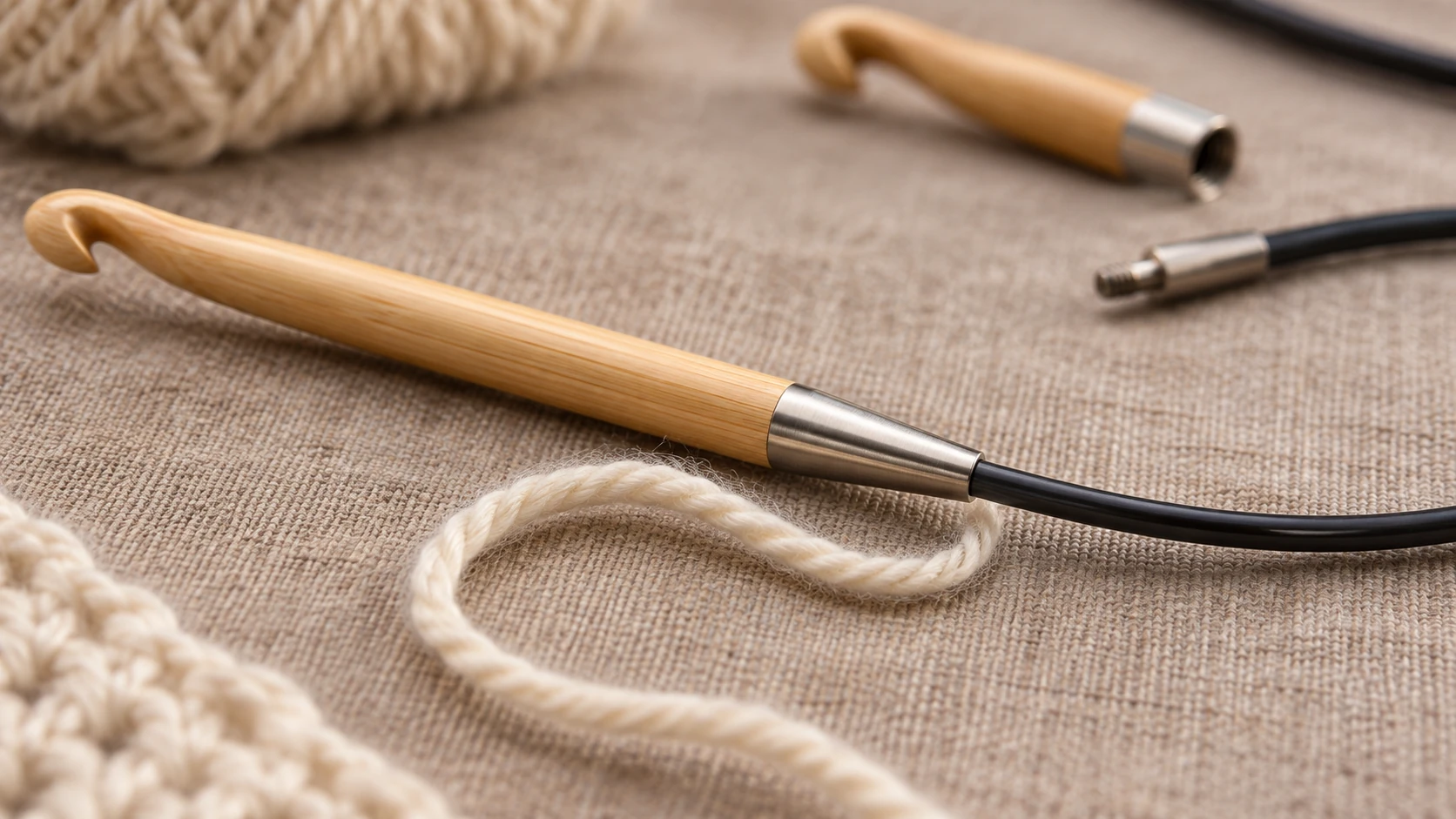
Locate where loops catch, distinguish connection systems and keep a loose joint separate from a transition that catches fine yarn.
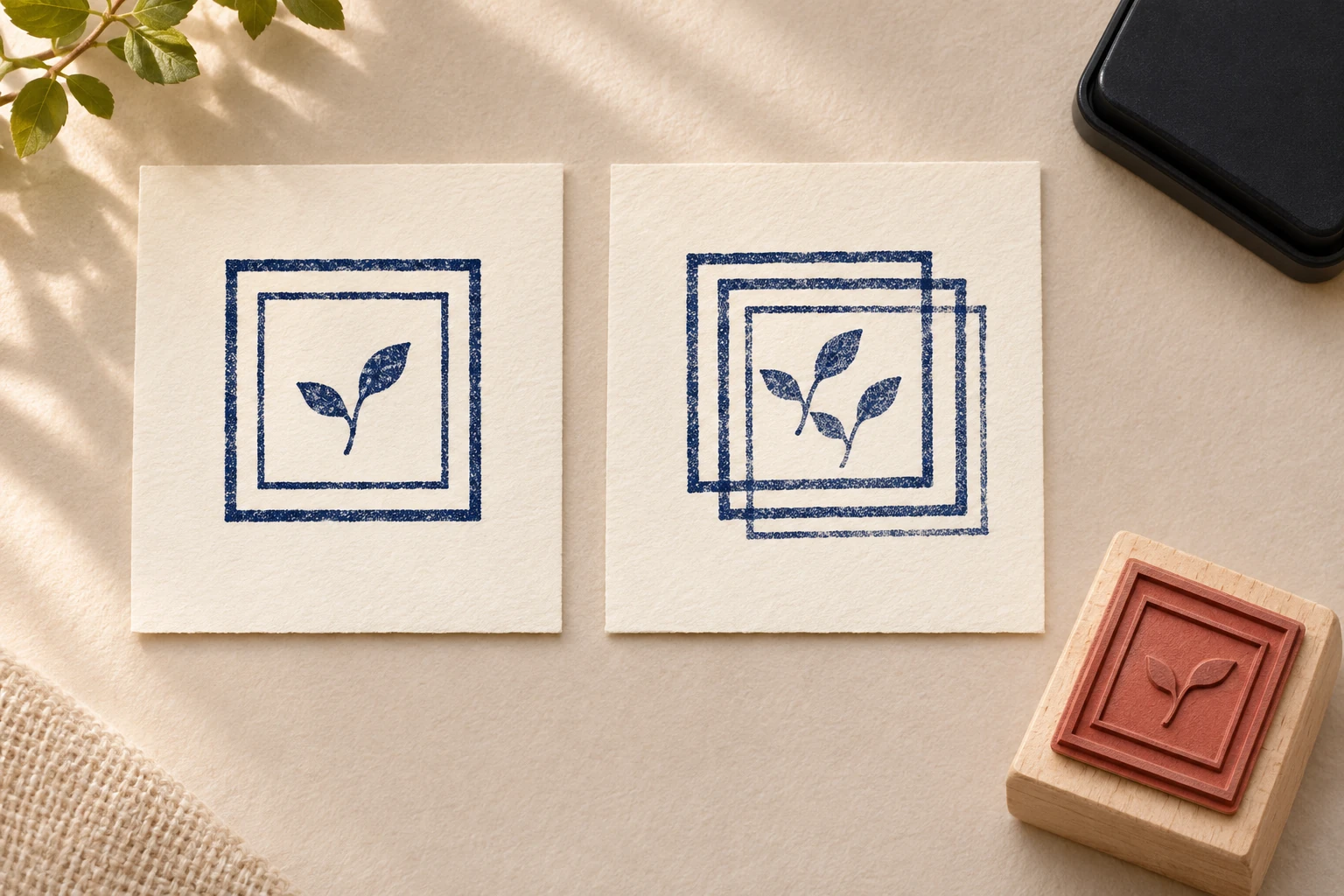
Compare a double-looking hand-stamped image with its actual design before treating nested outlines as an accidental second print.
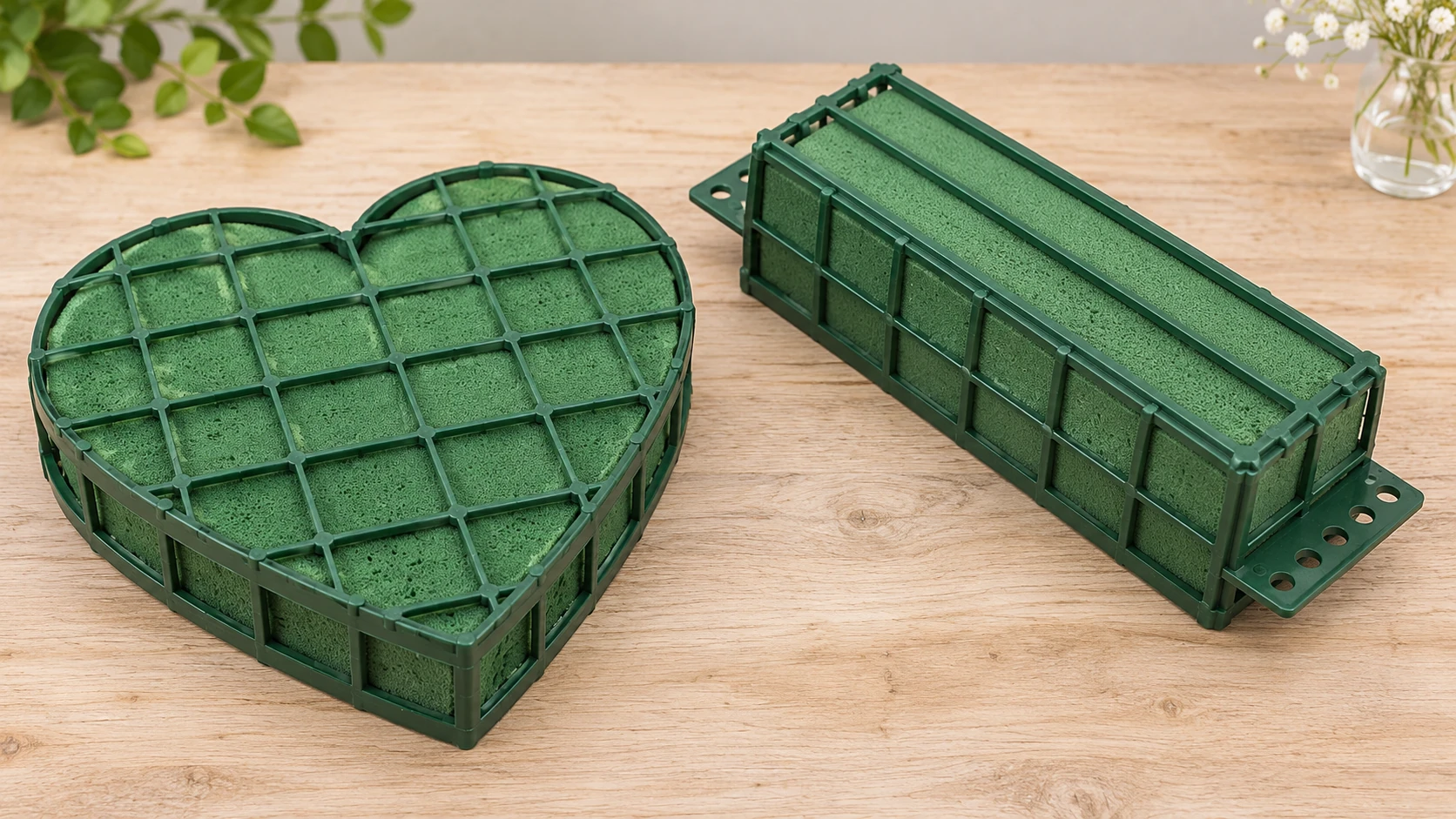
Understand water entering fresh-flower foam and the separate roles of stem contact, supporting cages and containers.

Choose which details of an imagined offstage place belong in the characters' words, using a short original exchange instead of a scenery plan.
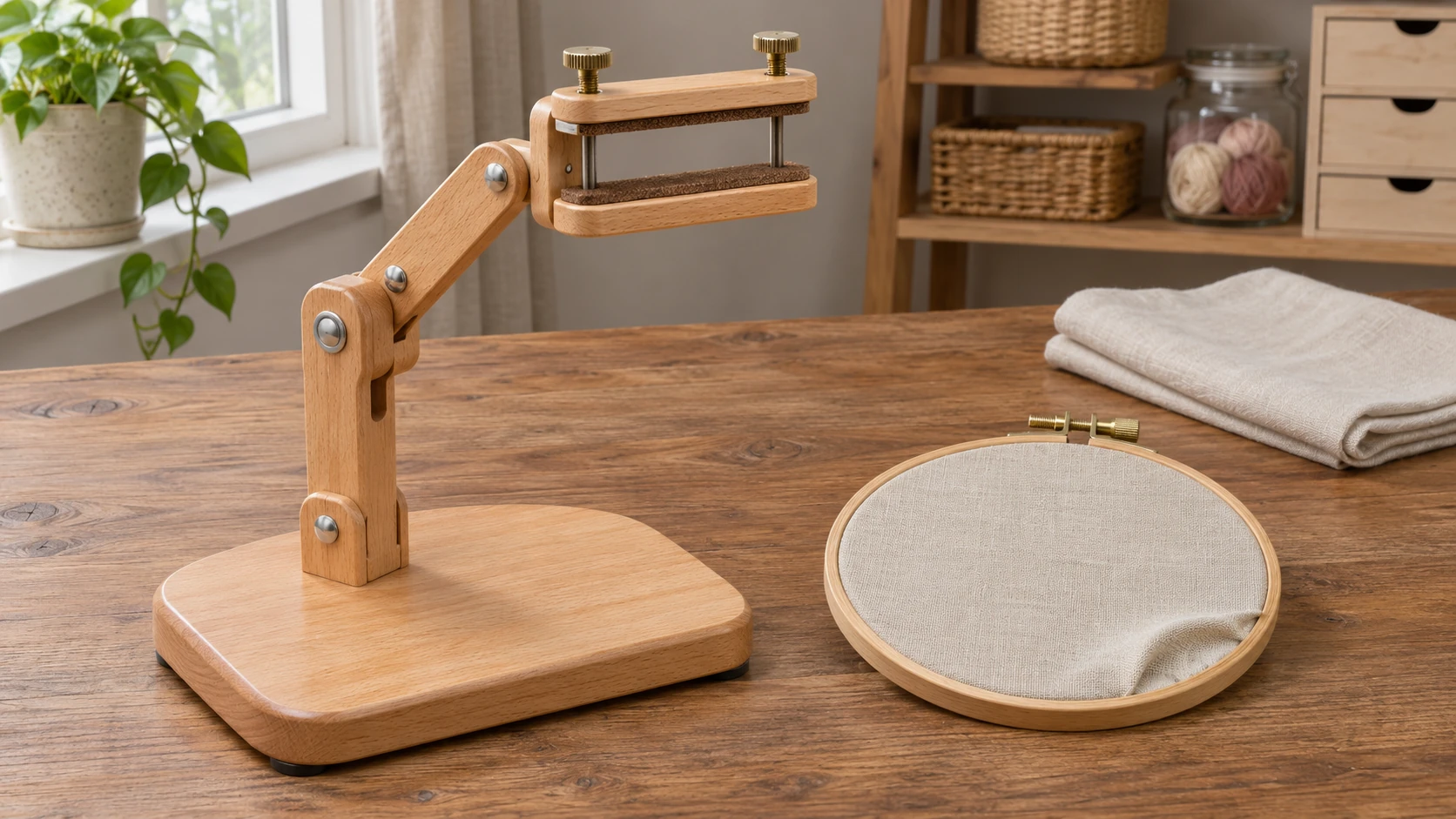
Separate the stand carrying a hoop from the rings holding its fabric, and keep changes tied to the actual stitching method and equipment.
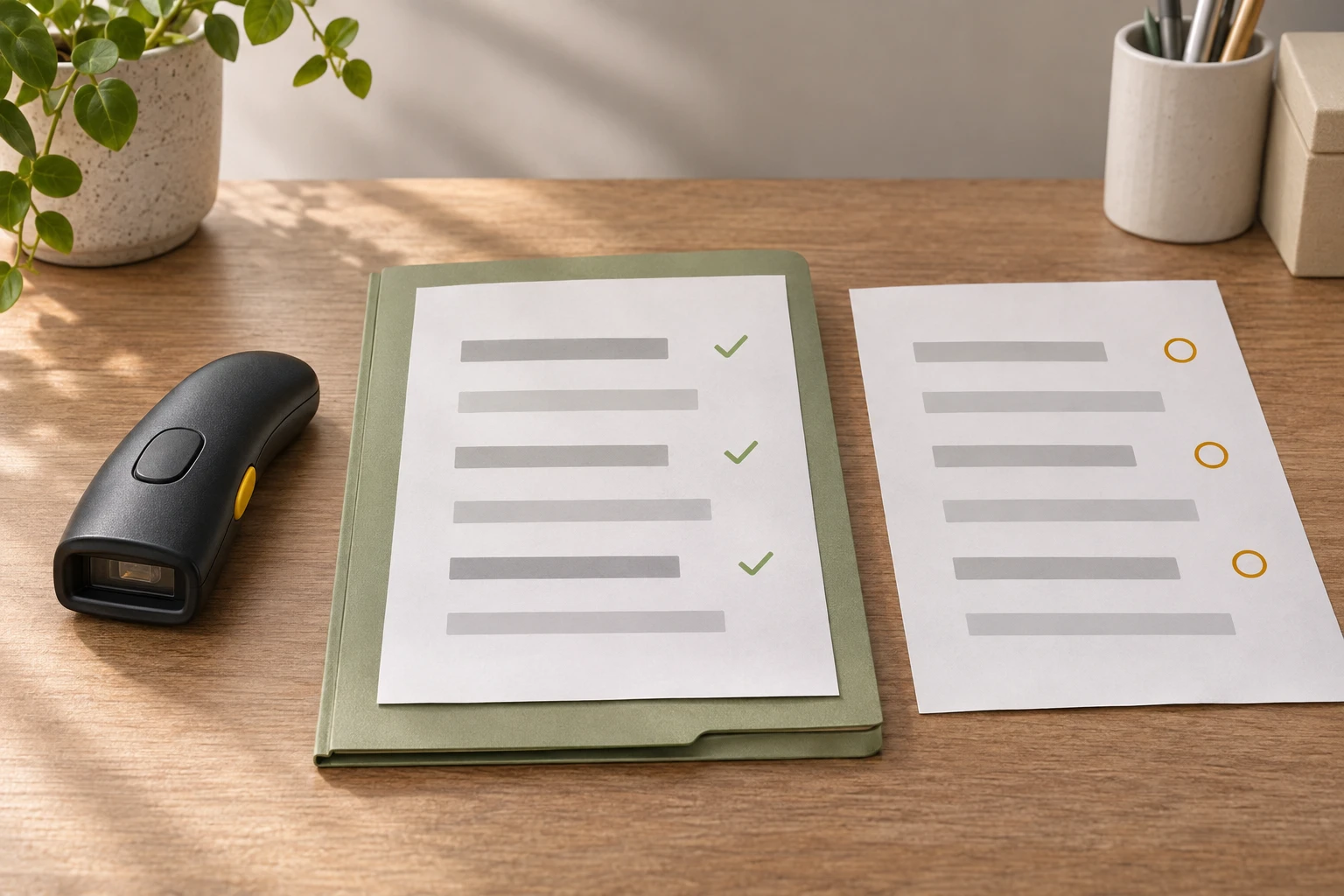
Separate the C750 manual’s repeat-command cancellation from a blank receiving field, then preserve the partial batch and identify unresolved entries before further action.