Sewing & Crafts
How to fold a paper fan with a secured paper base
Follow a written fan-fold method to make a small single-sheet paper fan, then assess the base and opening on your actual project.
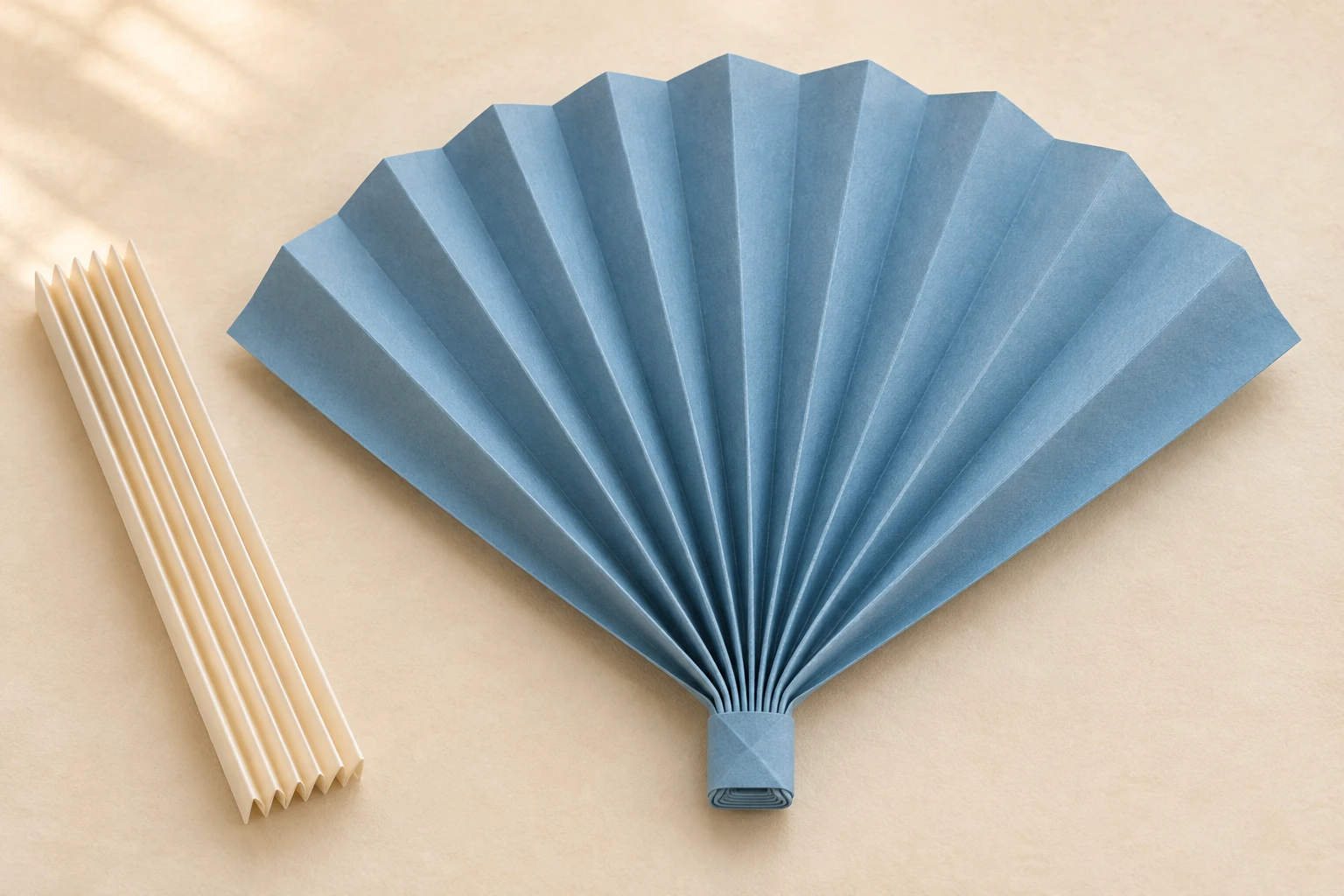
To fold a paper fan, start with a small project you can make from paper already available to you. Decide what you want to keep at the end: a simple handmade object you can hold and inspect. A drawing of a finished fan can suggest an appearance, while your own sheet determines what happens during the actual attempt.
These two retail paper accounts describe offers rather than a fan made for this tutorial. Keep that distinction when choosing supplies.
Choose a sheet you are willing to use
Pick an ordinary sheet you can spare. Keep original letters, photographs, records and other irreplaceable material out of the exercise. You want room to reconsider the result without turning an important document into a practice object. Existing suitable paper can answer that need before any purchase becomes part of the project.
Identify the actual sheet rather than borrowing a property from its color. A red piece could be thin paper, card or another material. Its appearance alone does not establish how it will respond. If the stock has supplied handling information, keep that information with the item you are considering using.
Choose a clear, dry work area where the whole sheet can lie without other objects covering its edges. Give the practice piece its own space. A partly folded sheet mixed into several similar pieces can become difficult to identify later, especially if you are deciding which attempt you prefer to keep.
Keep the project small enough for you to handle comfortably. This article gives no required fan size or promise that a larger sheet will produce a better result. If you cannot manage the paper you selected, leave that piece aside and reconsider the material or the project rather than making the task harder to finish.
You can leave the paper blank. A finished object does not need a slogan, seasonal motif or painted surface to count as the project you intended. Concentrating on the paper itself also keeps a separate decorating process from becoming another task you have to understand before you can judge this attempt.
Settle the material question before following the folding method. If the sheet is too stiff for you to handle as directed, or its identity remains uncertain, keep the choice open. A seller's broad craft description cannot supply an individual ability assessment or turn an unsuitable piece into a required purchase.
Read the Prang paper account precisely
The Prang SunWorks construction-paper offer names Orange and describes medium-weight groundwood sheets. Its gallery includes several colors, with brown first. Keep the selected option distinct from that image order. The description's folding-performance claim is a seller statement, rather than a fan made and tested here.
Keep the YUYAN identity question visible
The YUYAN red-cardstock offer describes sheets and shows red stock. Its model field reads FRF62-465DX, while the description identifies Goefun and Y81-1102N. Keep both references if asking about the item. These particulars establish no folding result for this tutorial or printing compatibility for your equipment.
Follow the written fan method
The V&A's instructions begin with an edge fold of your chosen width. Flip the paper and fold again, sharpening creases with a finger or ruler. Repeat to the end. Pinch the folds together at one end and secure them with a tight fold, tape or a stapler. For this one-sheet version, choose the tight-fold option.
Look at the base as its own part of the result
Look at the small gathered area you intend to hold. Can you identify it clearly on your own piece, with the broader paper portion remaining separate? That is a useful first observation. You are examining what you actually made, rather than deciding whether the paper resembles the color or texture of an illustration.
Give the pinched fan base a clear role in your description of the project. It is the part you intend to hold. If you find yourself gripping across the area you wanted to display, note that difference between your intention and the result. Do not call the intended arrangement achieved simply because the sheet has folds.
Notice whether the end remains gathered in the state you intend to keep. If you cannot tell what is holding the piece together, leave that question unresolved. Set aside a result you cannot confidently describe instead of making another change just to call the session complete.
Keep a useful distinction between an unfinished piece and a piece whose appearance you dislike. You may understand the result and simply prefer a different one. You may also have a real question about whether the chosen method has been completed. Those situations give you different reasons to revisit the work.
A brief note can keep the question specific: “the gathered end remains unclear” or “I can identify the grip, but prefer another appearance.” These are possible observations, without a claim that either selected paper behaves that way. Put your actual observation beside your piece instead of copying an imagined result into the record.
Judge the opening on the paper in front of you
Look at the free portion of the fan and decide whether its appearance matches the modest project you chose. Keep the visible paper edges in view. You do not need to assign an opening angle, count an ideal number of folds or reproduce the proportions of a retail fan to make this decision.
The accordion paper folds belong to this particular sheet. Notice where their appearance interests you and where a part of the result remains unclear. A small handmade variation can be a preference question. Damage, an uncertain material or an incomplete method calls for its own answer before you describe the project as finished.
Consider how you mean to keep the object between uses. Is there a state you can recognize and handle without treating the piece as something sturdier than it is? Keep that practical question attached to your actual paper. The article offers no storage-life estimate or durability result for either linked product.
View the piece from the position in which you expect to hold it. The view of a craft lying on a table may differ from the one you care about in use. Describe what you see from that chosen position before deciding what you would change. Keep the decision attached to this particular object.
If you are comparing two attempts, keep each one separate and write what you prefer about it. One might have an appearance you enjoy while another leaves a clearer place to hold. Decide which observation matters to the project you originally wanted. Neither preference establishes a universal ranking of paper brands.
Stop the comparison when it has answered a real question. Making additional pieces is useful if you still want to investigate a particular choice. It is not necessary to turn a small craft into a collection before keeping one result. You can leave the unused stock available for another purpose.
Keep other fan and paper projects separate
The folding-fan portrait-prop guide follows a fictional discussion about the character someone wants in a portrait. Its open, closed and absent-prop choices concern that imagined picture. A paper object made here does not acquire the retail fans' construction or that fictional character's meaning.
The holiday paper vase-sleeve guide uses basic pleating for a loose band around a dry vessel. Its joined ends and glass-clearance question belong to that project. It deliberately stops short of the pinched-end fan method used here. Keep the two finished objects distinct.
You may enjoy more than one paper project without combining their construction steps. Choose the object you intend to make today and retain the complete reference for it. A technique appearing in two activities does not make their attachments, intended use or remaining questions interchangeable.
Keep a possible paper order separate from the craft
If you decide to buy paper through republeq.com and prefer cryptocurrency, first identify the exact offer and option you intend to receive. A small craft project does not establish that you need a new bulk package, and a preferred payment method does not resolve an unclear paper description. Keep any product question with the selected offer while you decide whether an order is useful. Review the actual basket and payment methods presented for that transaction. Only the payment choices actually presented for that particular order can answer which methods are available. Do not infer an offered asset or network from your preference. If USDT is offered and you choose it, use the instructions for the actual order rather than carrying a network or receiving destination over from an earlier purchase. Check the asset, network, destination and amount before authorizing a transfer. Leave any unclear instruction unresolved until the merchant clarifies it through its applicable support information. This paragraph supplies no wallet address, conversion rate, quoted price or fee estimate. Retain the real order reference and payment confirmation if you proceed. A payment confirmation cannot establish that delivered sheets match the selected option or that the stock suits the craft you wanted to try. Those questions need their own applicable evidence. If someone orders on your behalf, give them the exact product reference and any remaining identity question, including a color or model discrepancy that still matters. If an order or transfer status becomes uncertain, establish what happened before considering another payment. An unresolved status is not evidence that another transfer is needed. You may keep the project to suitable existing paper while leaving a purchase undecided.
Keep the result and its limits identifiable
Write down which actual paper you used if that information is known. A product reference can be useful, but do not assign an anonymous scrap to a retail brand because its color looks similar. Keep “paper identity unknown” as an honest description when that is the evidence available.
Record the result you chose to keep and the question you would change in another attempt. This need not become a formal craft log. A short note beside the piece can preserve the decision without turning a pleasant making session into a claim that you tested a product's performance.
Someone who wants to fold a paper fan later can use the same written reference while making their own material choice. Give them your actual observations as observations. Do not turn one person's preferred appearance, ease of handling or unfinished attempt into a promise about what another person will obtain.
Keep the piece for the purpose you chose, or leave the project unfinished while resolving a real question. The paper need not become a portrait accessory, a vessel decoration or an item for sale. You can finish this making decision with one modest object and a clear account of your own experience.
Gather one end while leaving the opposite edge free to open.