9 min read
Make a paper weaving sample you can keep
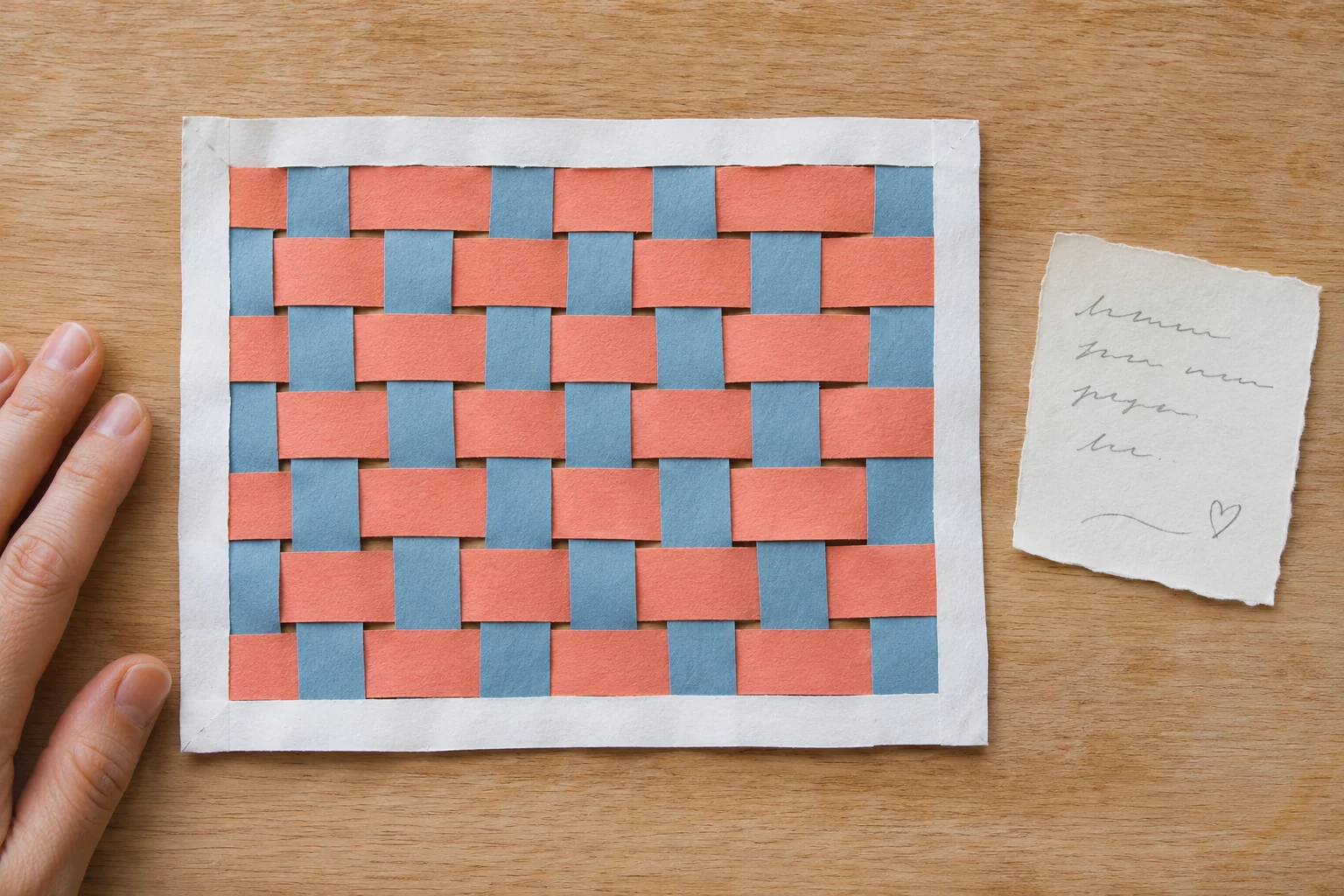
Use the museum method for one flat sample, identify the actual paper you used and retain the result with a short factual note.
Practical guides to documents, data, creative work, and everyday planning.
Showing 73–84 of 726 guides
Use the museum method for one flat sample, identify the actual paper you used and retain the result with a short factual note.
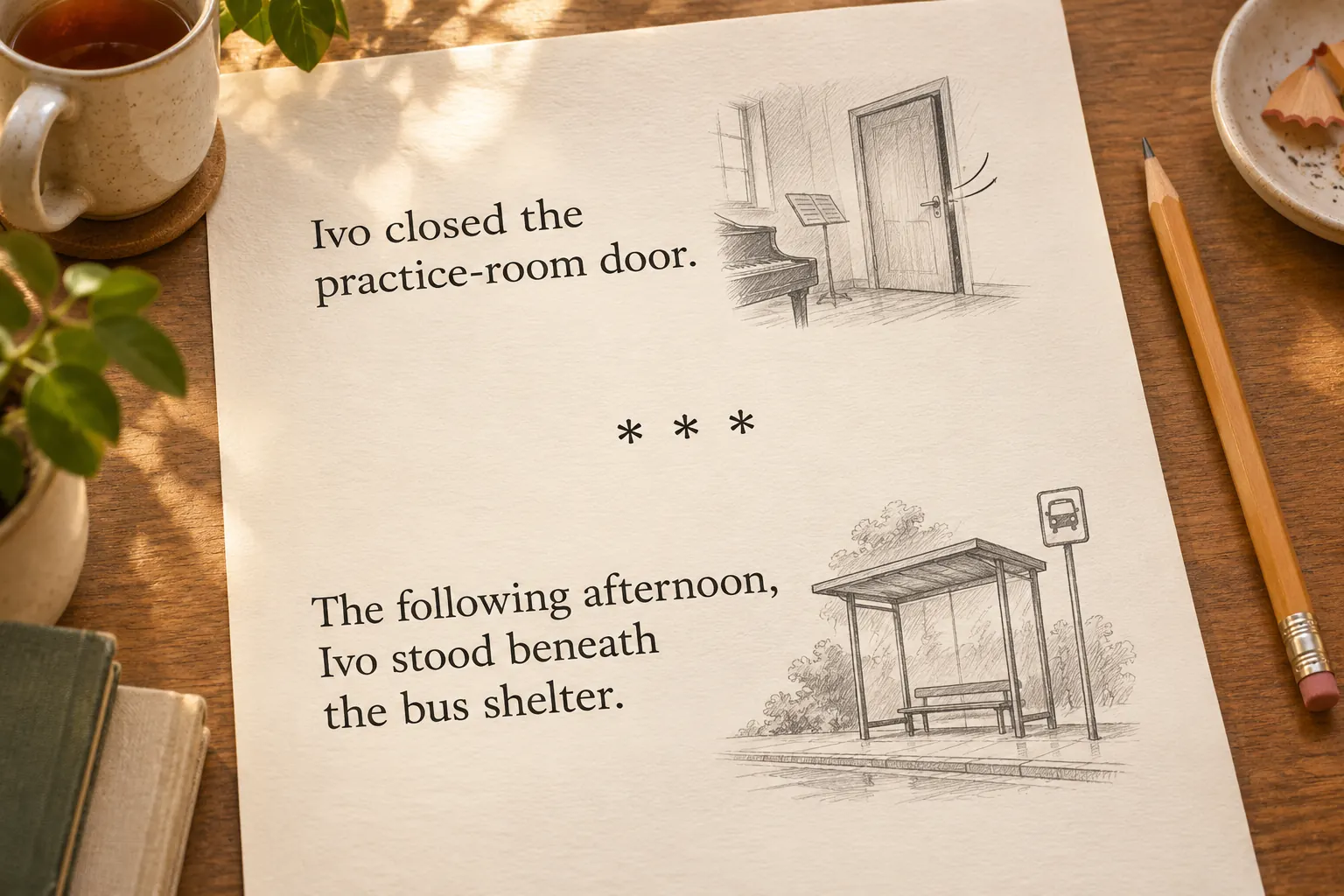
An original two-scene miniature places a visible divider between Ivo leaving a practice room and his next afternoon at a bus shelter.
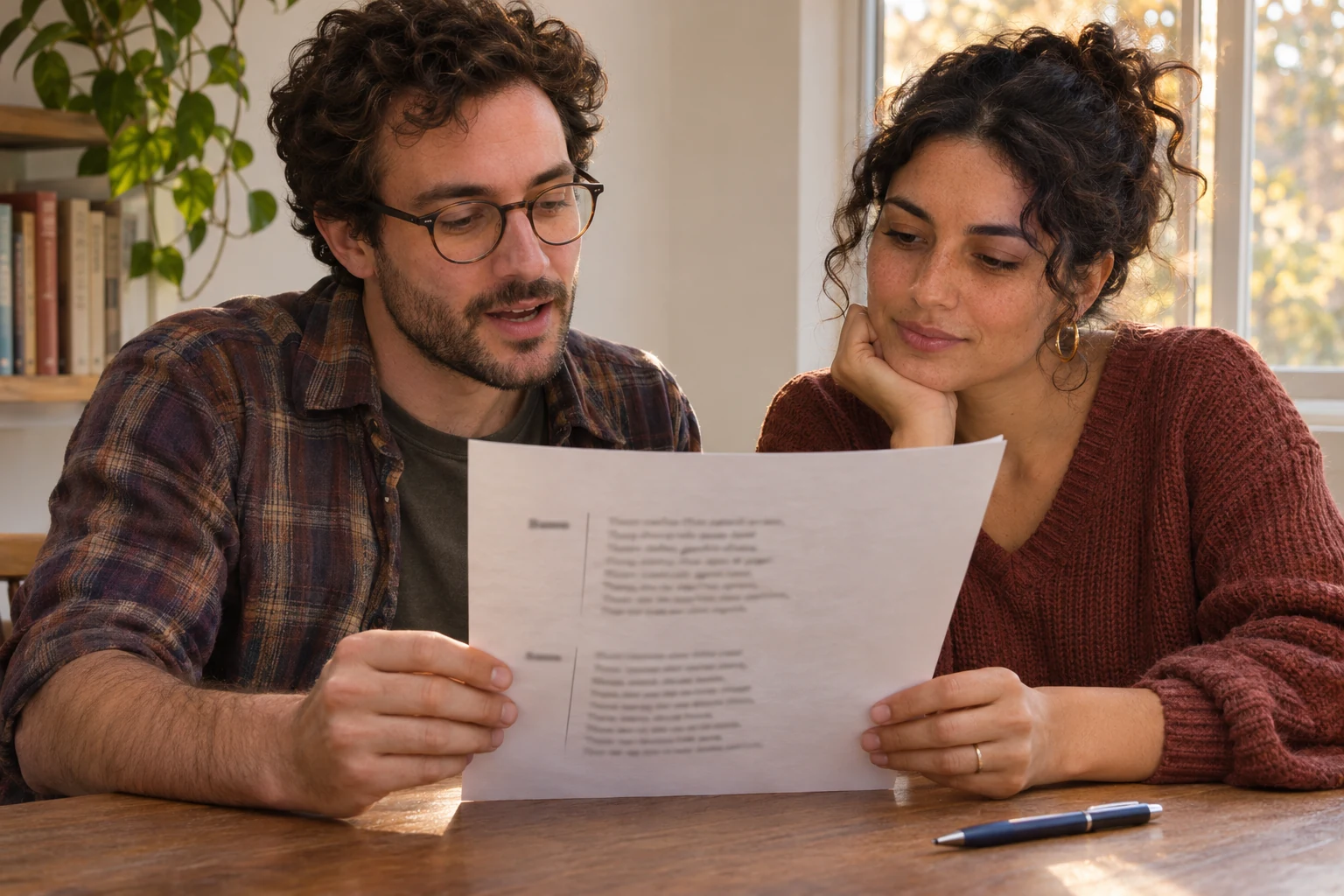
An informal shared reading of one original poem, with a continuous passage for each reader and an optional second reading.
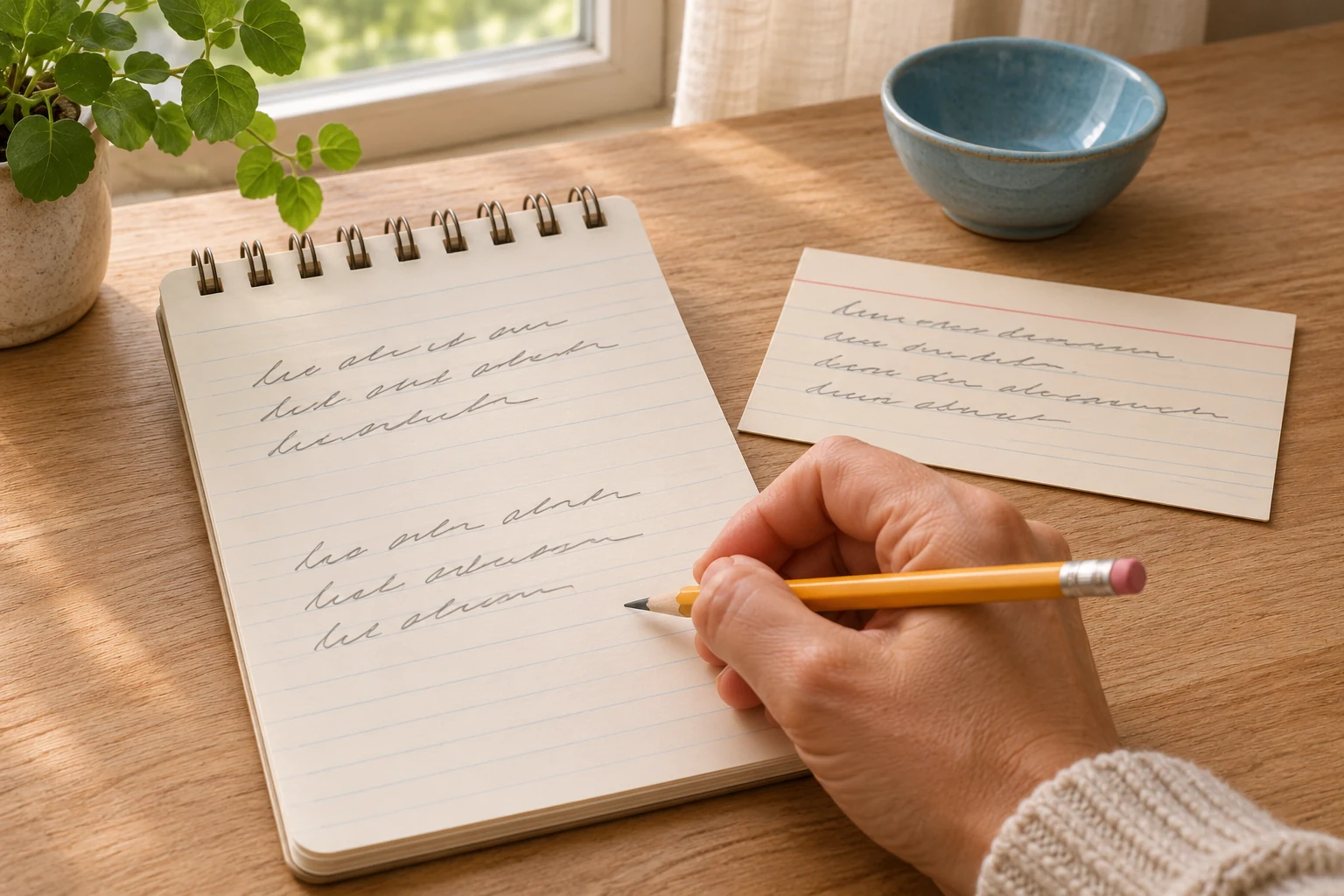
Compose a short original recipe headnote, compare its opening order and revise the transition to the separate recipe.
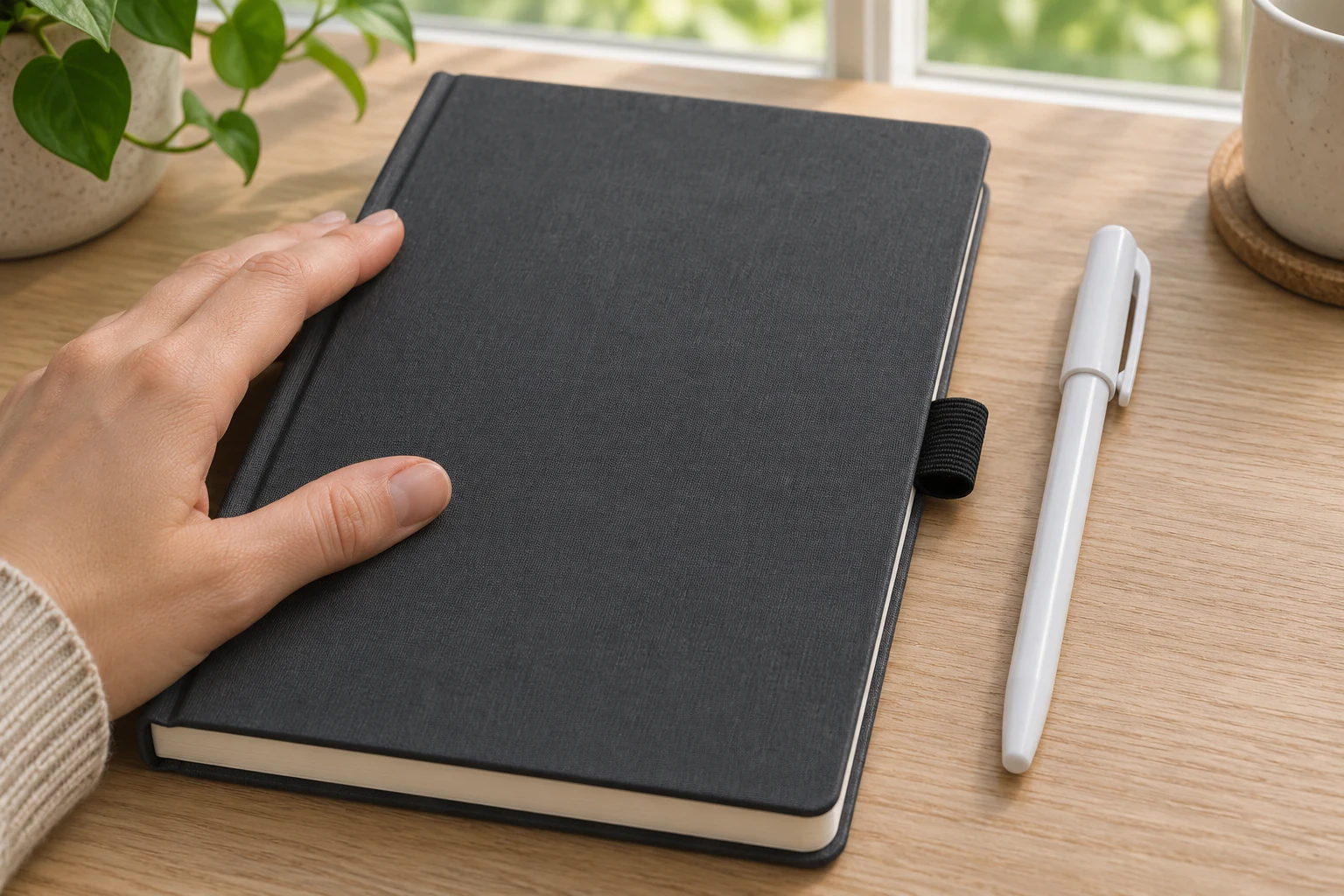
Assess an actual pen-and-loop combination, then record whether the cap remains accessible and the notebook closes normally.
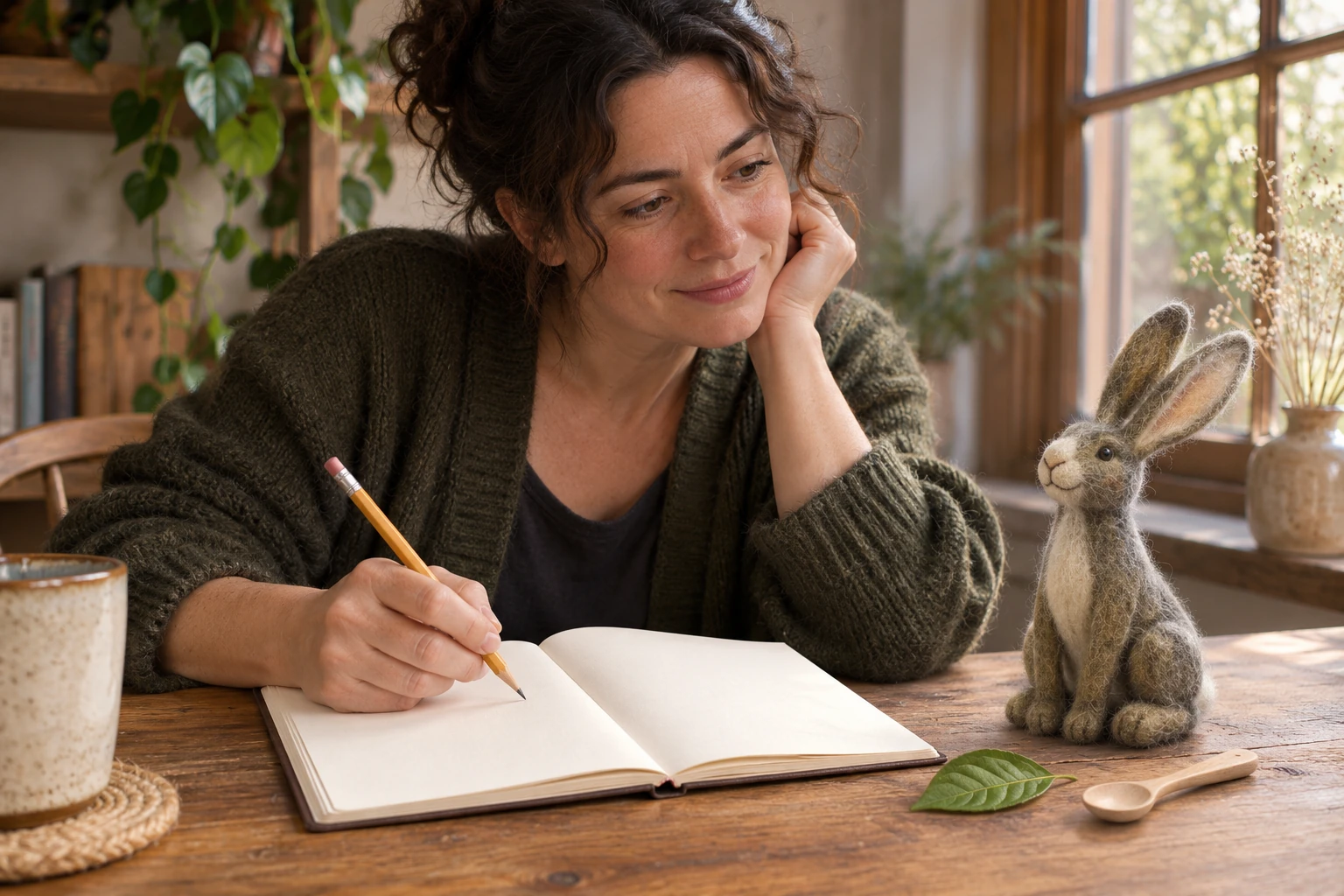
Build an original past event around one habit you choose for an imagined felt character, then keep a complete short backstory.
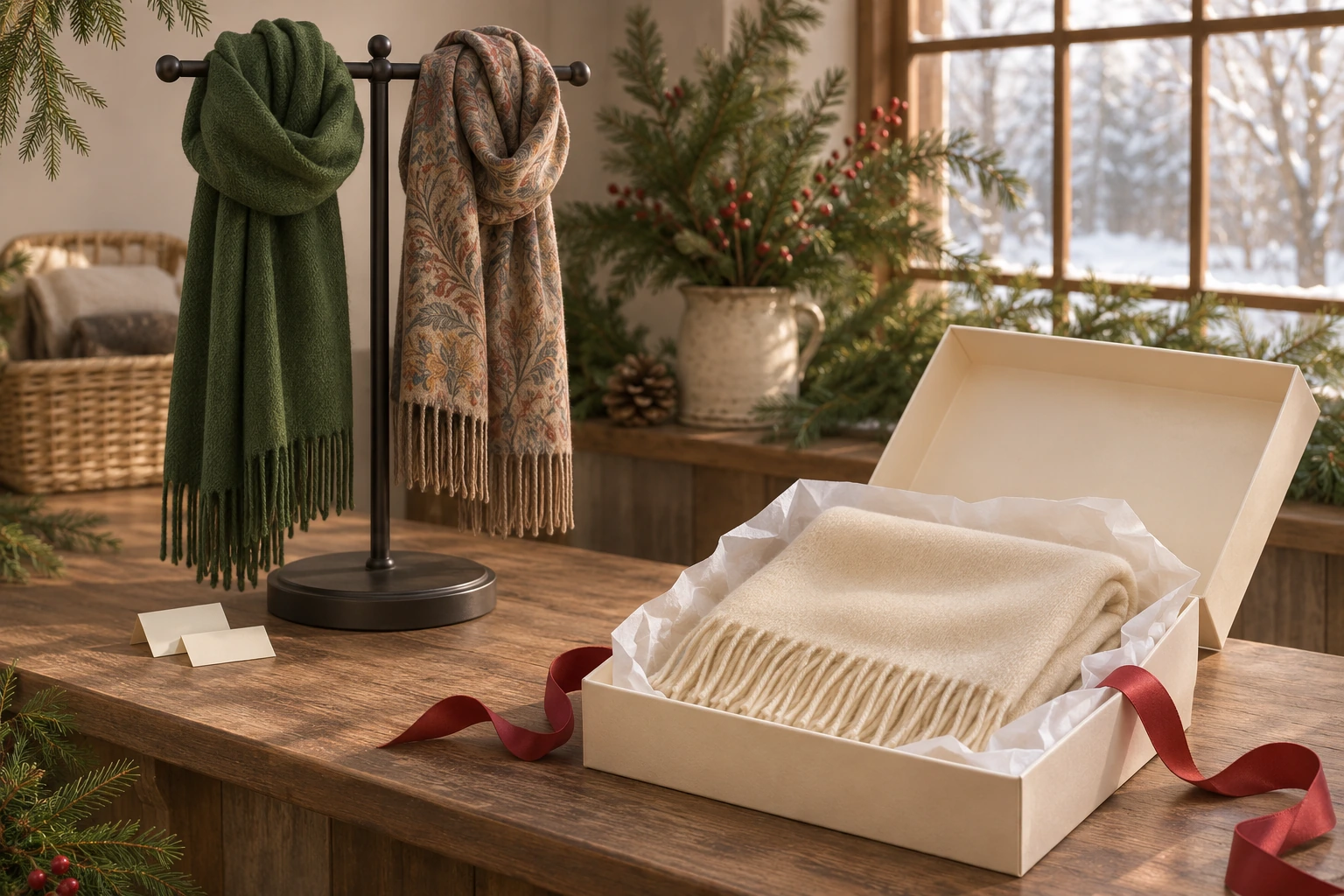
An original seasonal story follows a maker keeping a completed scarf promised to her sister apart from the pieces she offers for sale.
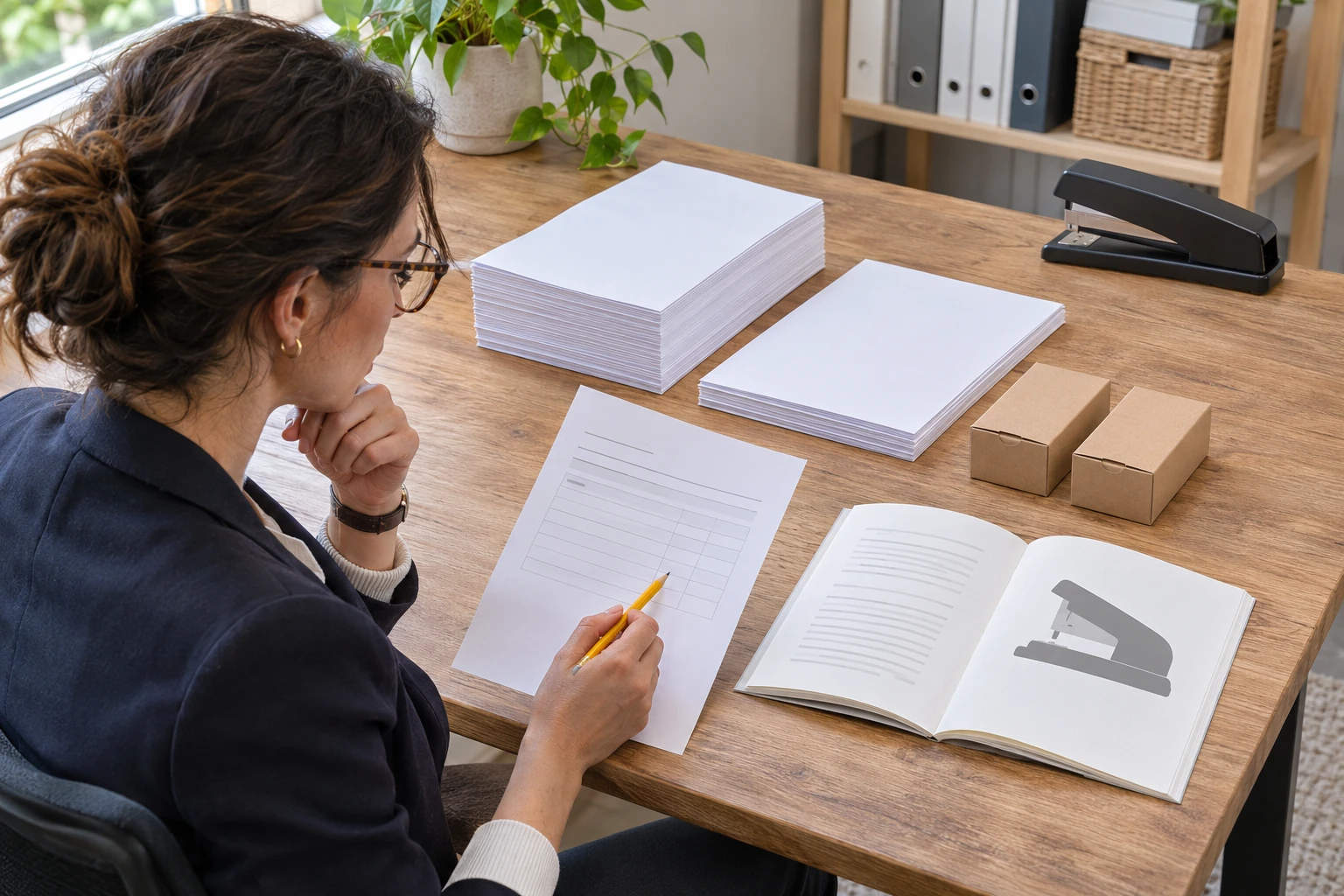
Use the Novus B56 and B50 offer accounts to frame a bypass supply-order question, with exact-model requirements and real quotes still needed for a saving.
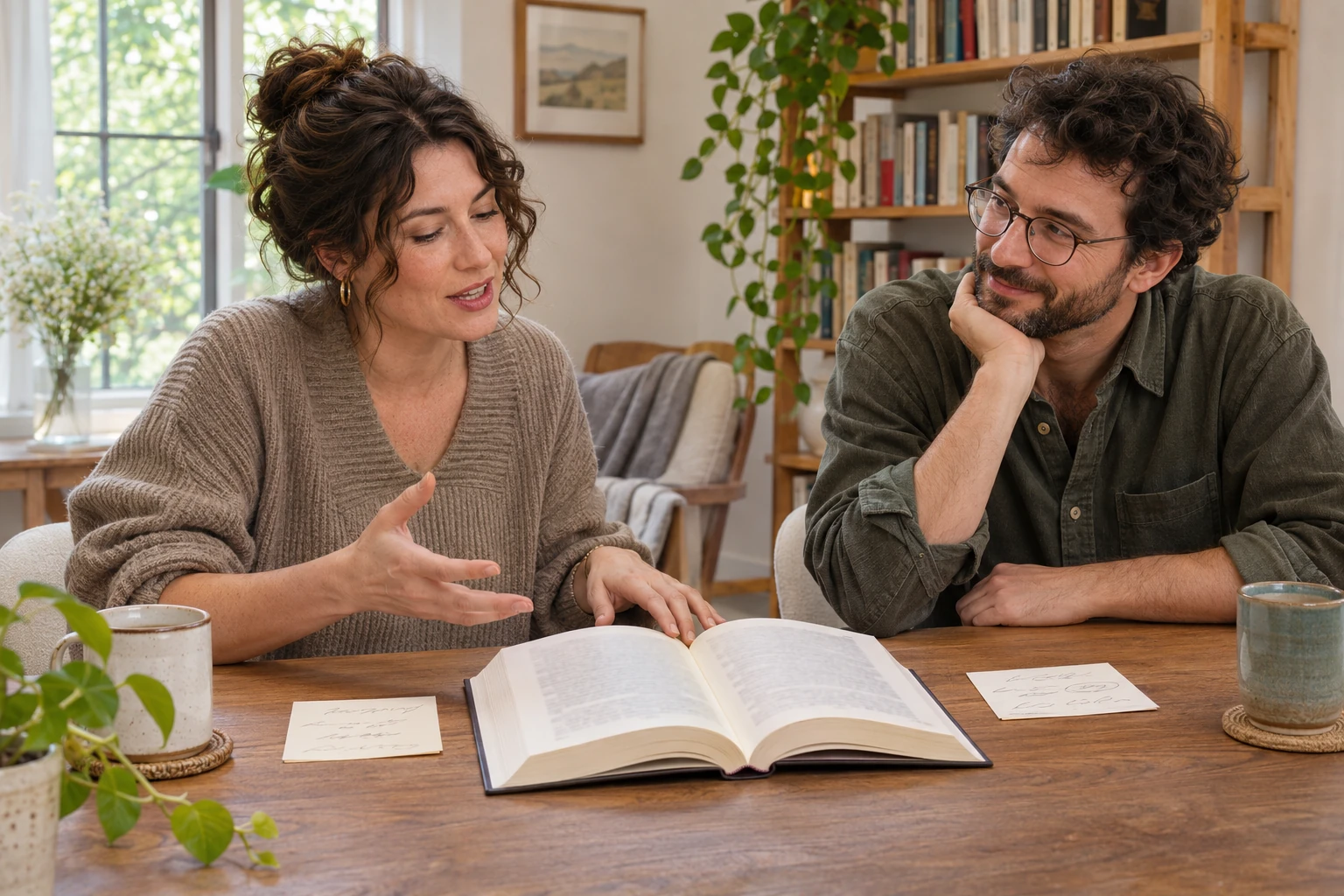
Choose an already-read passage and ask what led each person to read it differently while keeping the conversation open.
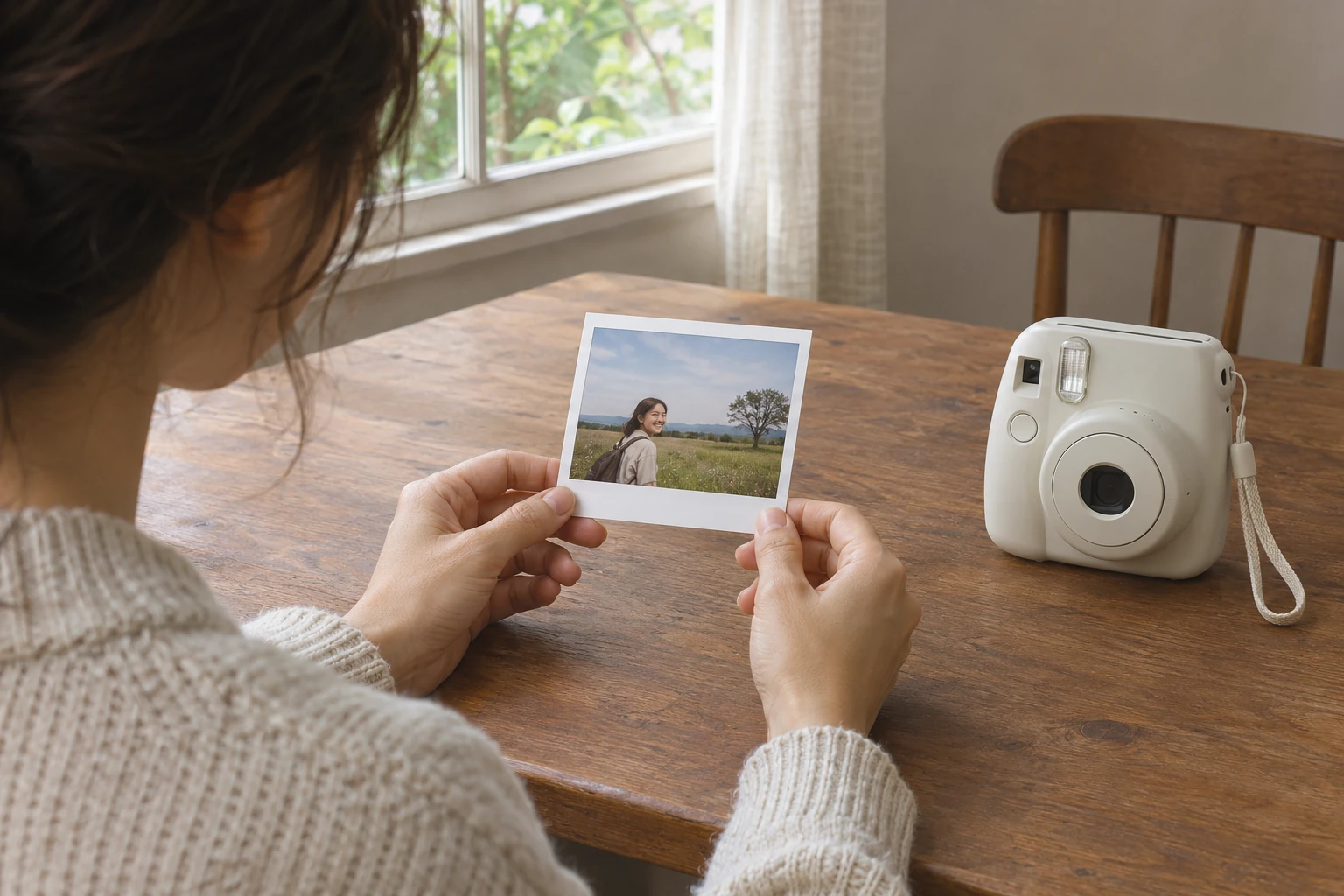
An original story about an imperfect instant photo and one adult’s choice to retain the ordinary memory attached to it, while leaving a staged retake unmade.
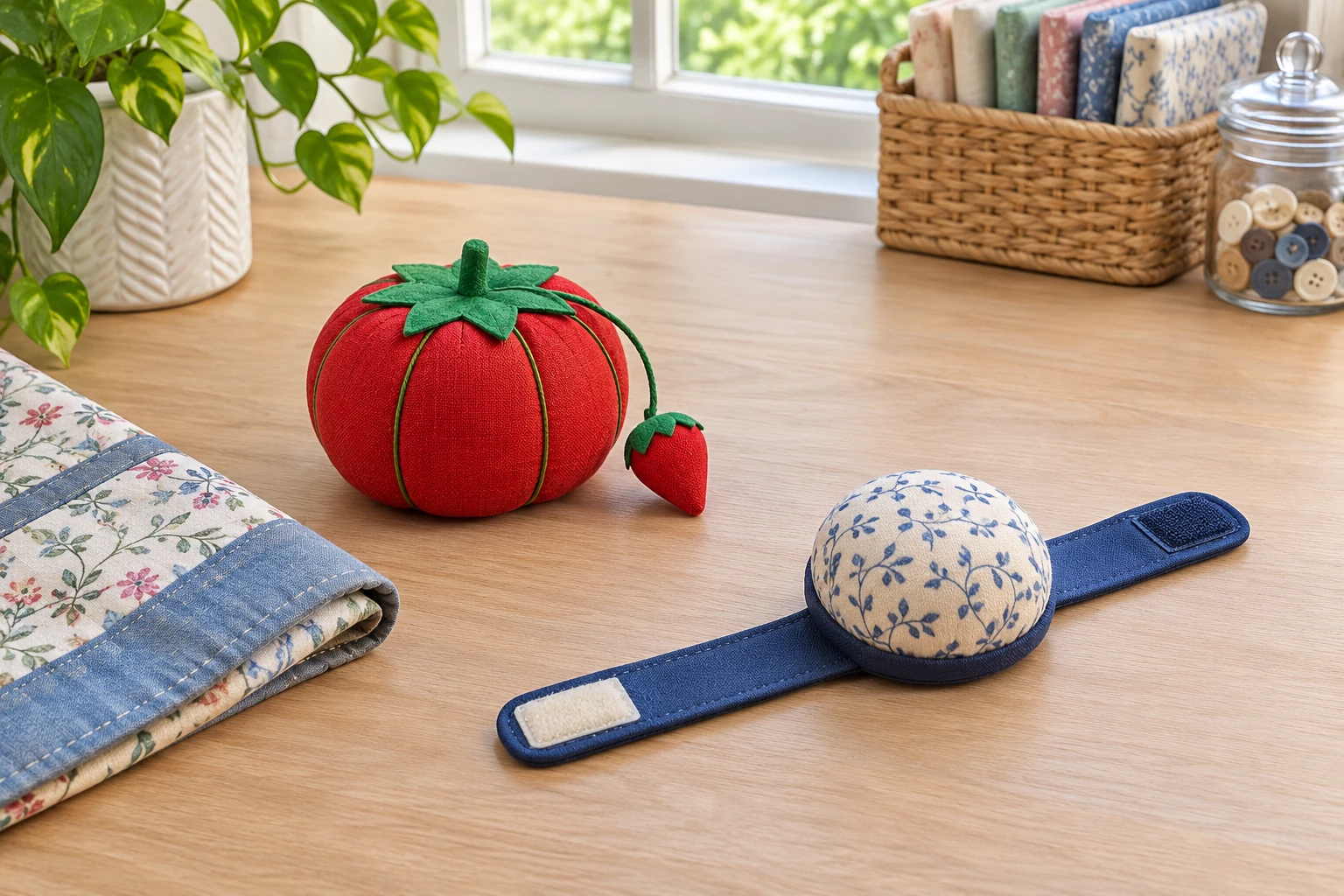
Choose a pin return place for the work in front of you, with model-specific tabletop and wearable holder examples, clear stopping points and storage limits.
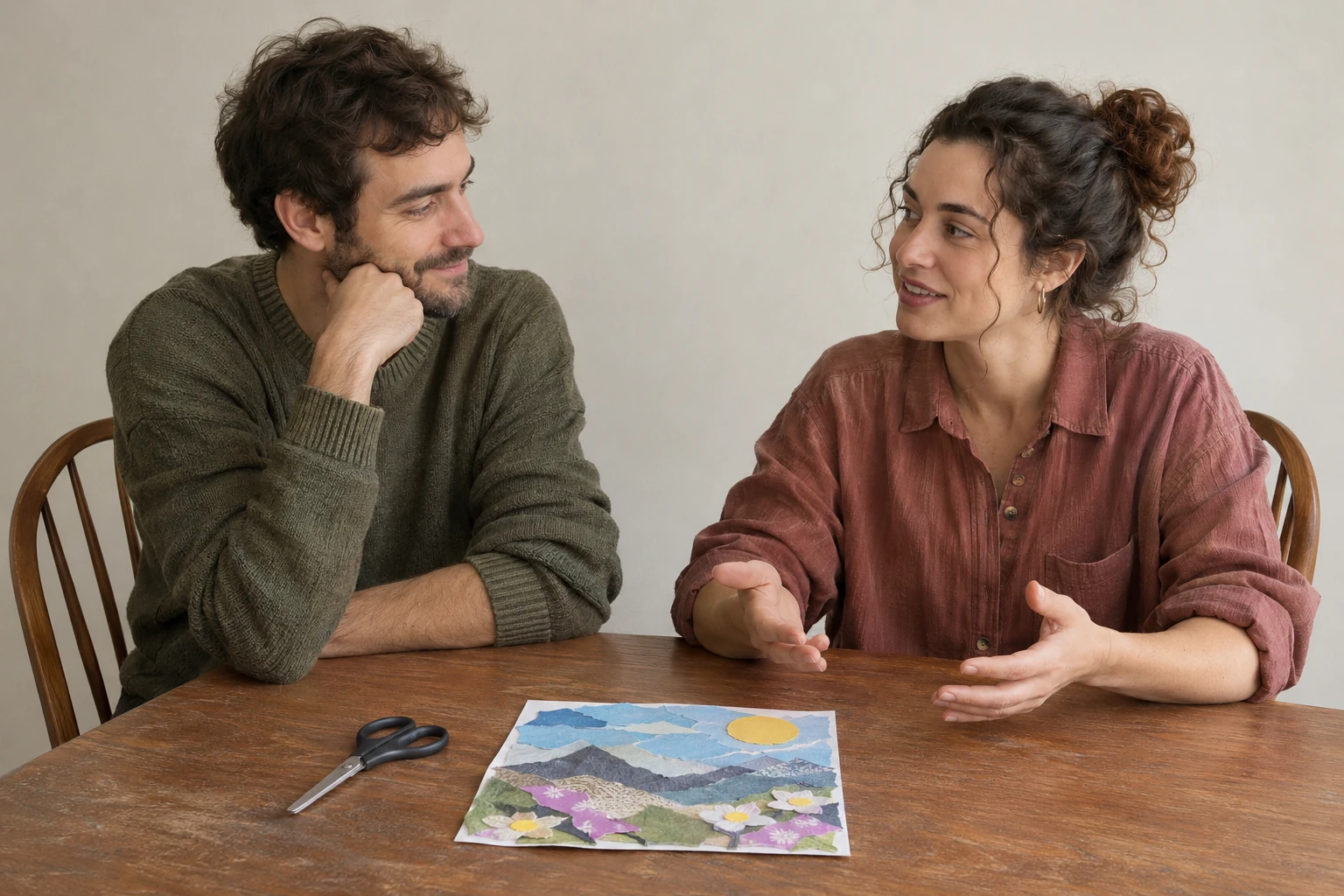
Nora accepts a finished handmade collage from Emil and thanks him without choosing a wall or promising a photograph. A fictional visit keeps gratitude and a future display decision specific.