9 min read
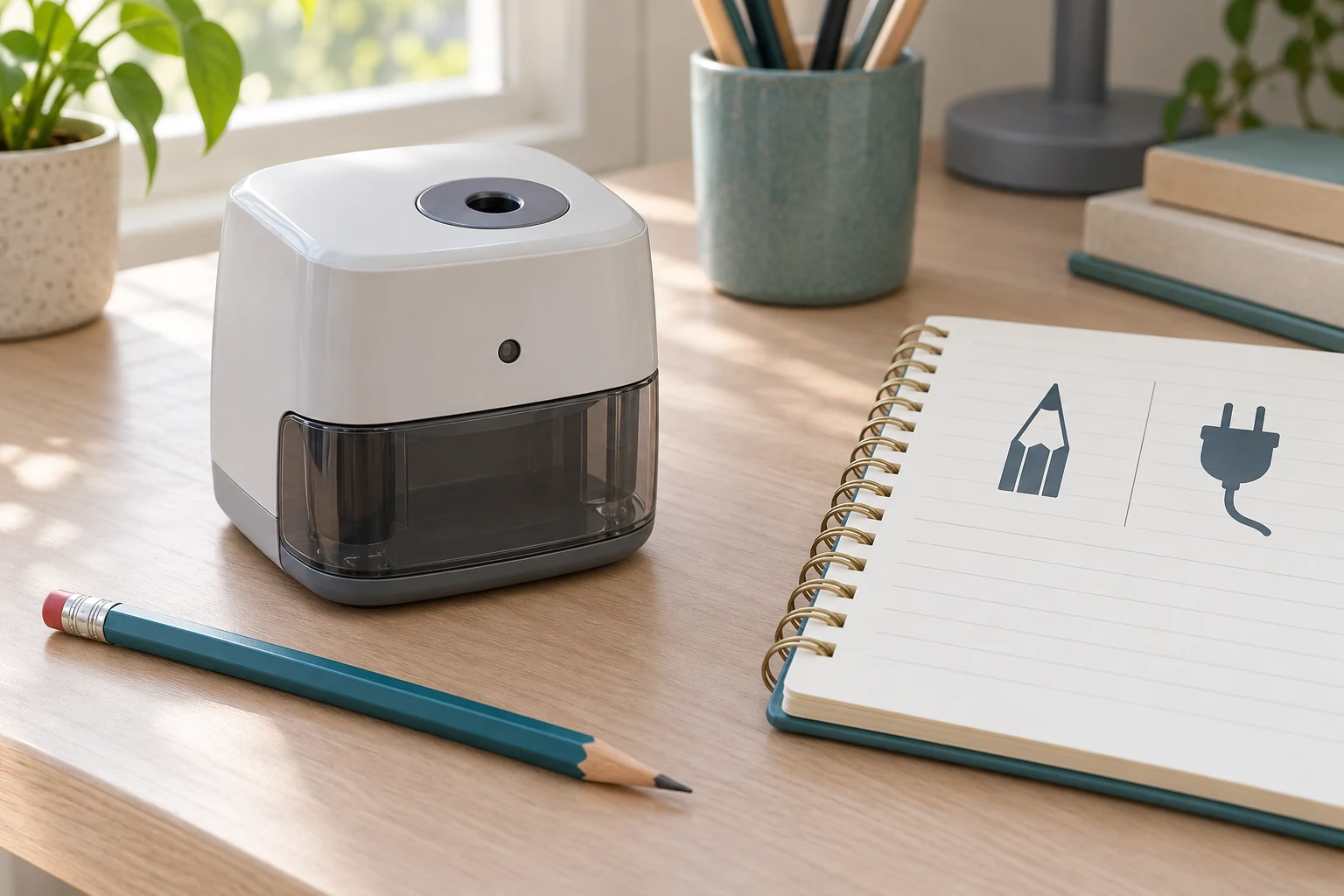
Pencil sharpener light stays off: identify the signal
An unlit indicator needs a model-specific meaning before it can support a fault enquiry. Keep a named completion signal separate from an assumed power lamp.
Practical guides to documents, data, creative work, and everyday planning.
Showing 313–324 of 726 guides
An unlit indicator needs a model-specific meaning before it can support a fault enquiry. Keep a named completion signal separate from an assumed power lamp.
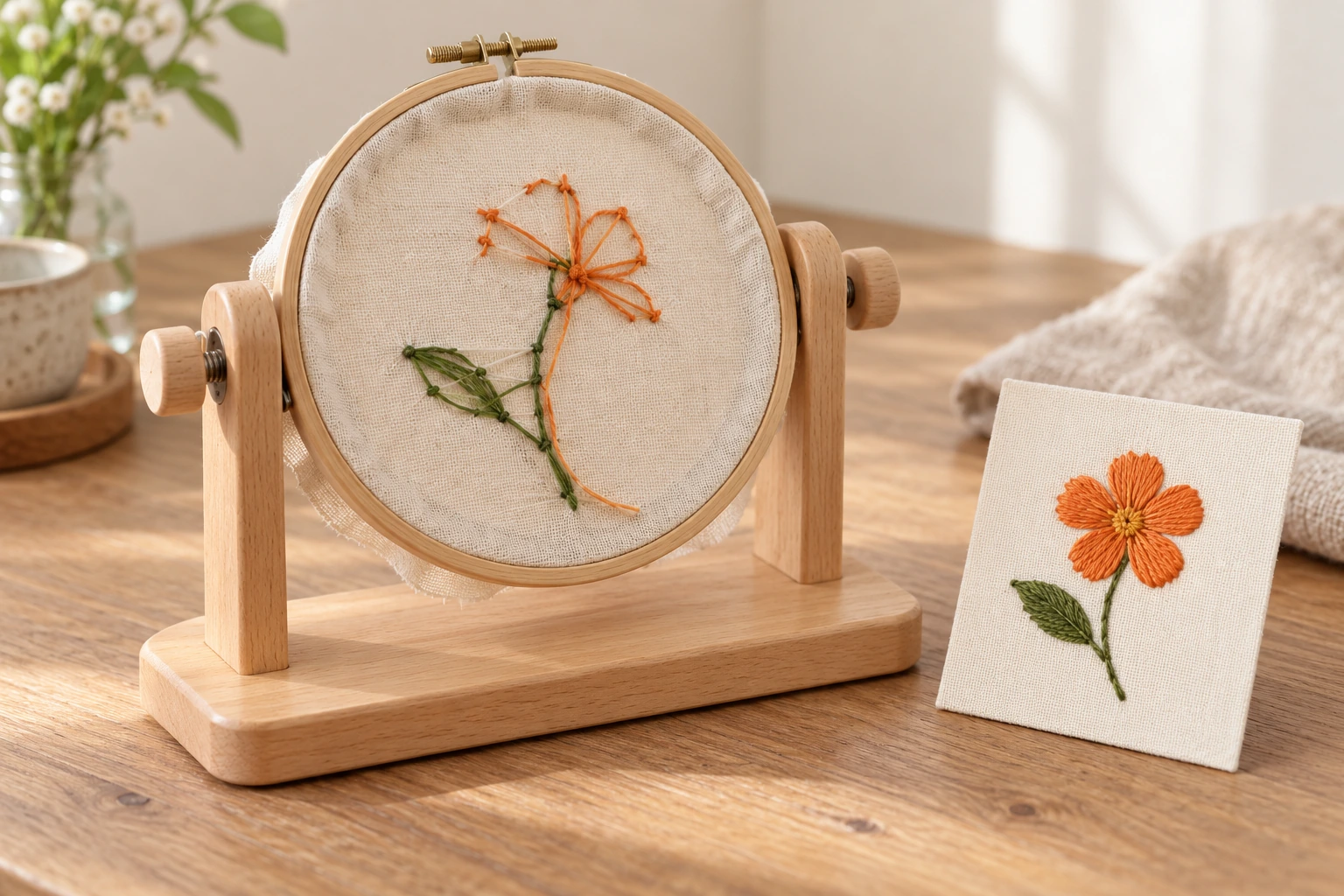
Use a rotating hoop holder for a limited front-to-back observation of one stitched area. Keep access, stitch diagnosis and correction as separate decisions.
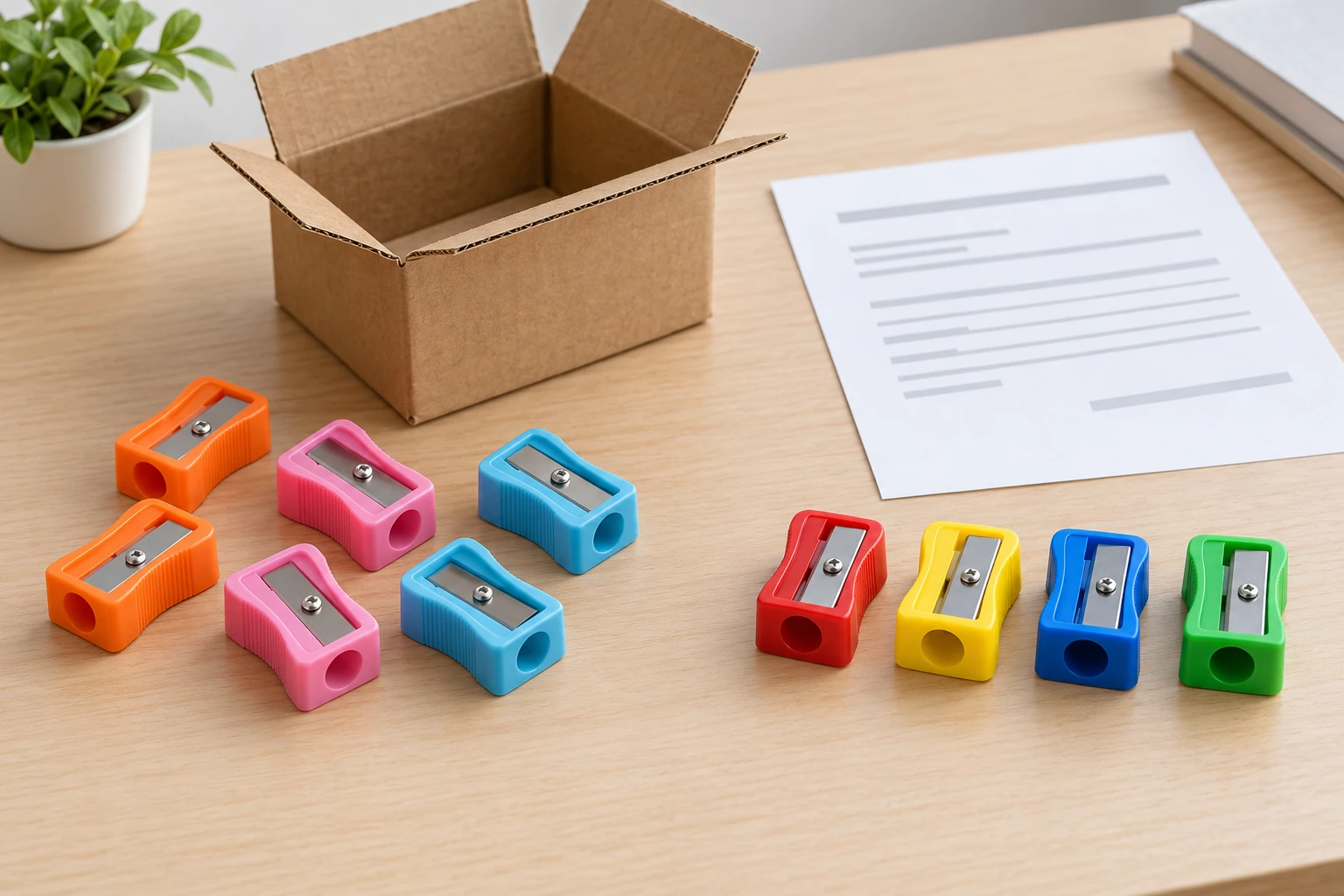
Compare a sharpener delivery with the color promise in its exact order, keeping photo examples and stated assortments separate.
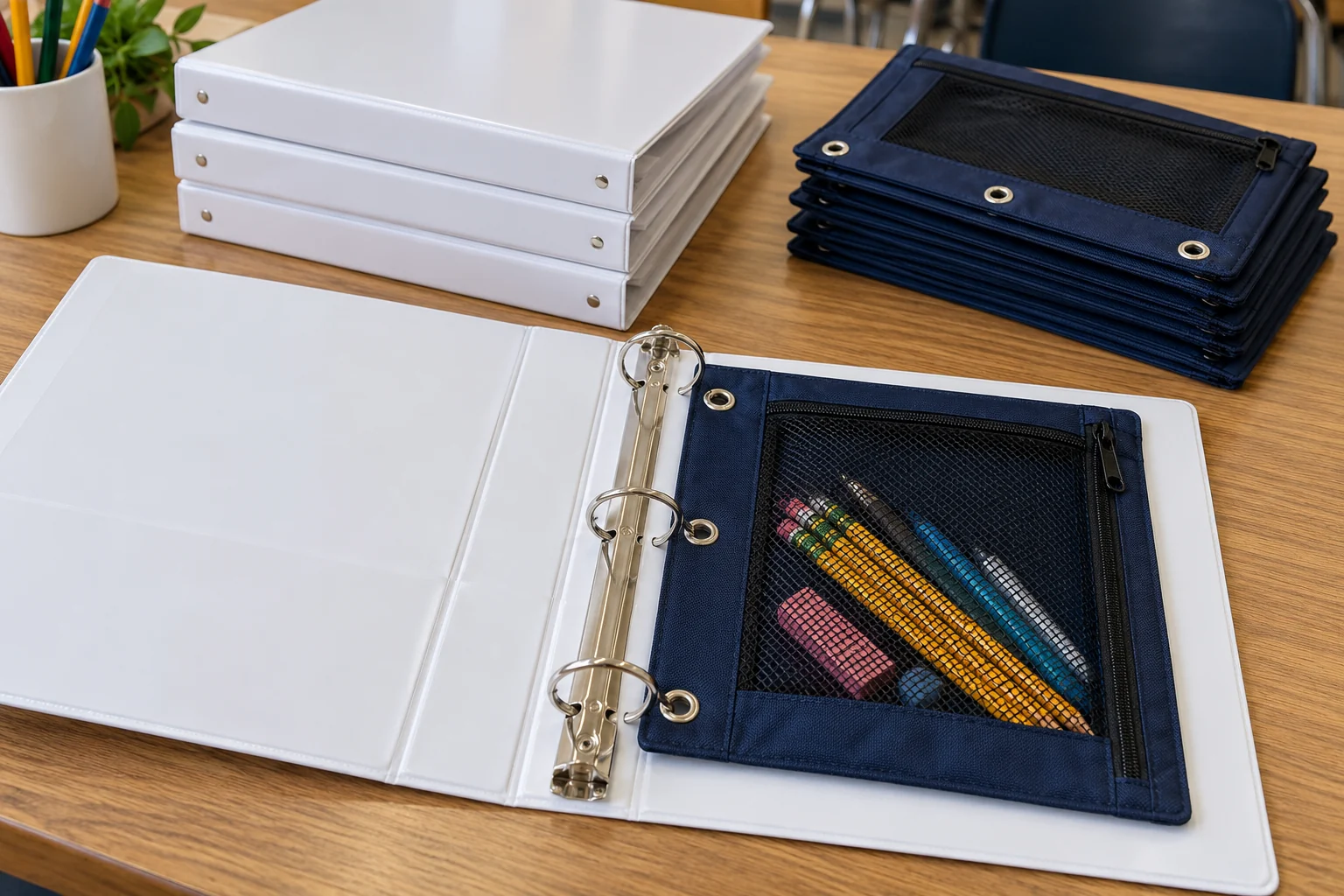
Plan one pencil pouch per binder from listed 40-pouch and 24-binder packs, then test actual ring fit and filled-pouch clearance before distribution.
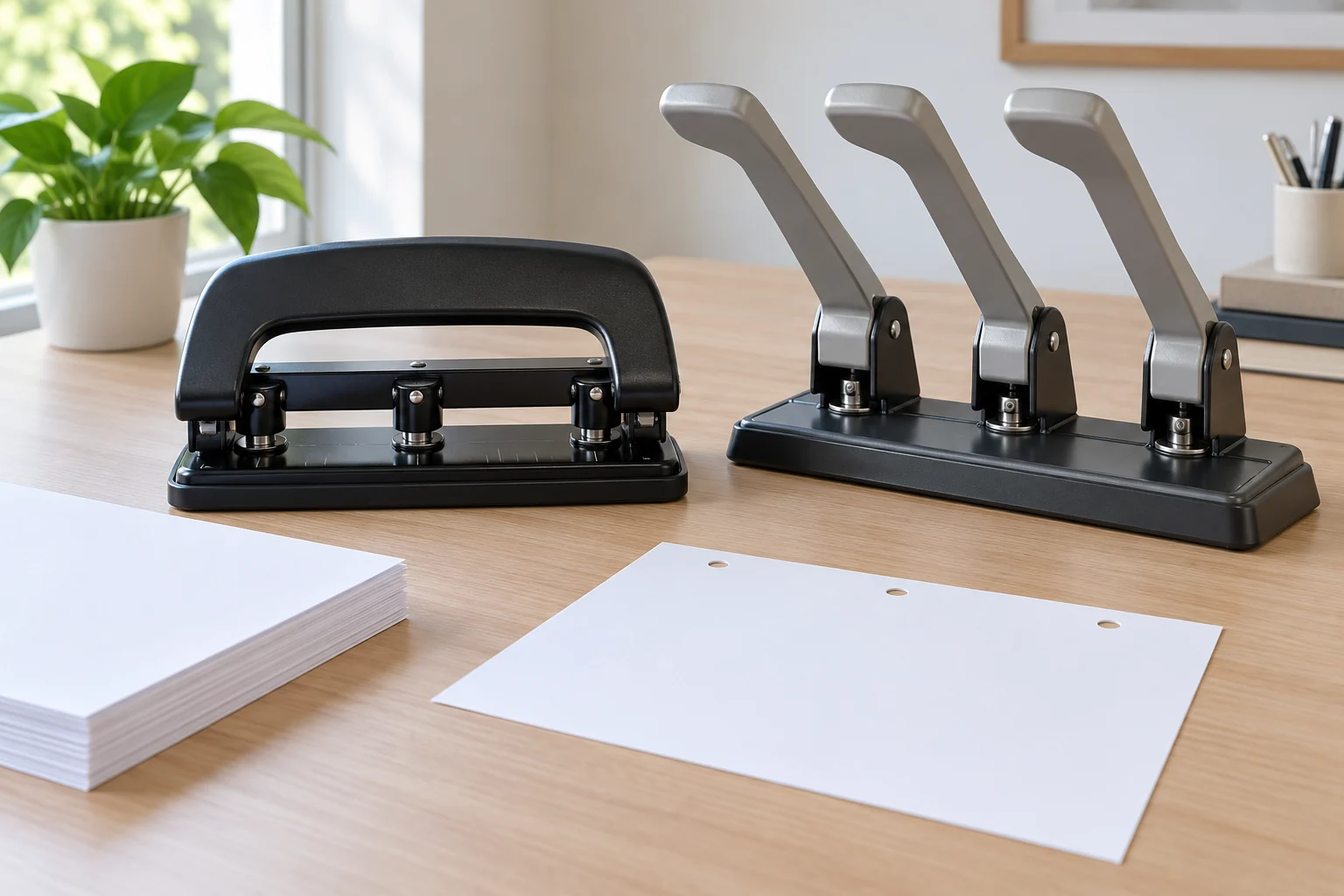
Check paper load, visible alignment and accessible waste collection when a manual three-hole punch resists, then try one plain sheet.
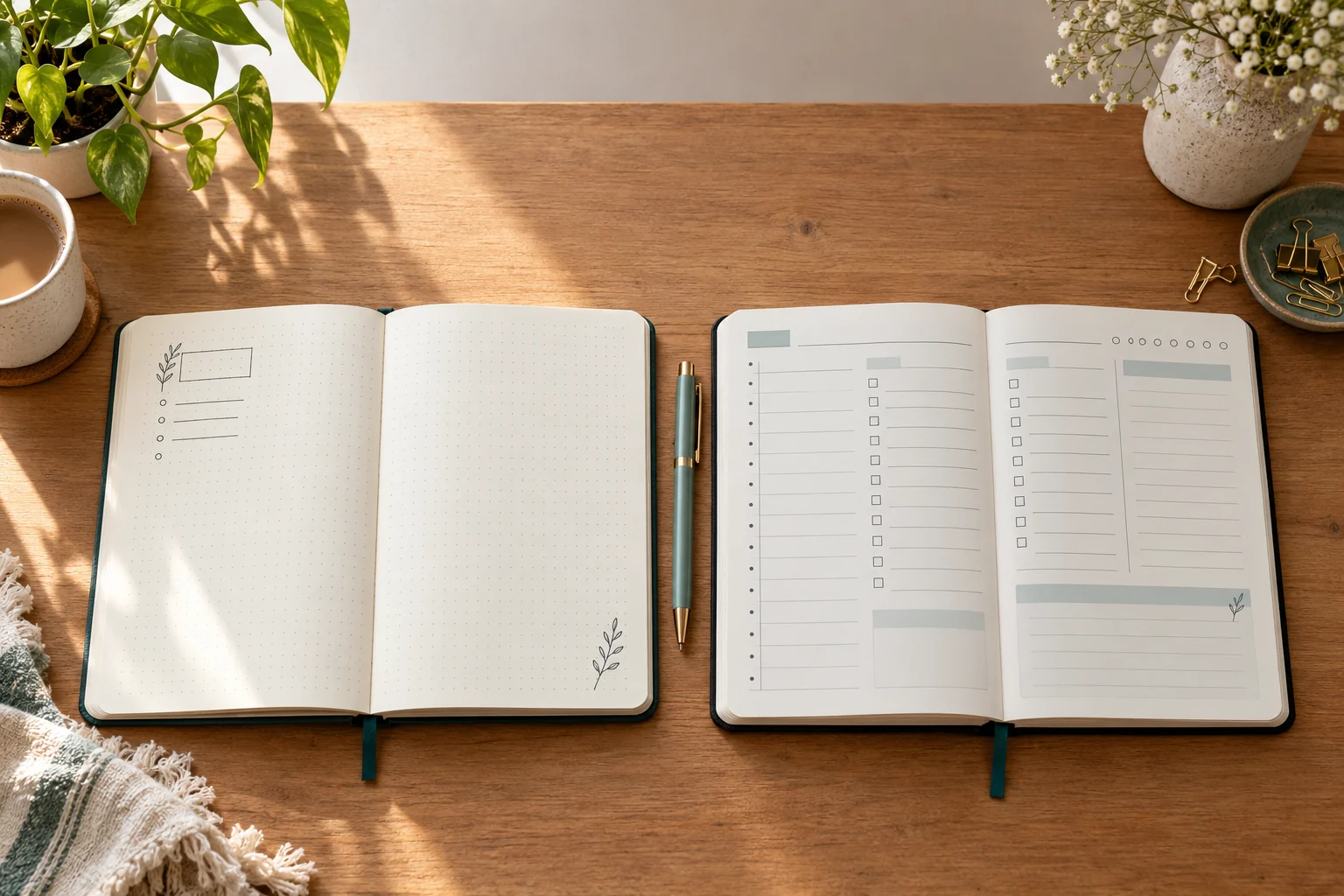
Compare a self-designed dot-grid notebook with a guided 13-week journal by trying a real entry in each layout and checking the actual interior pages.
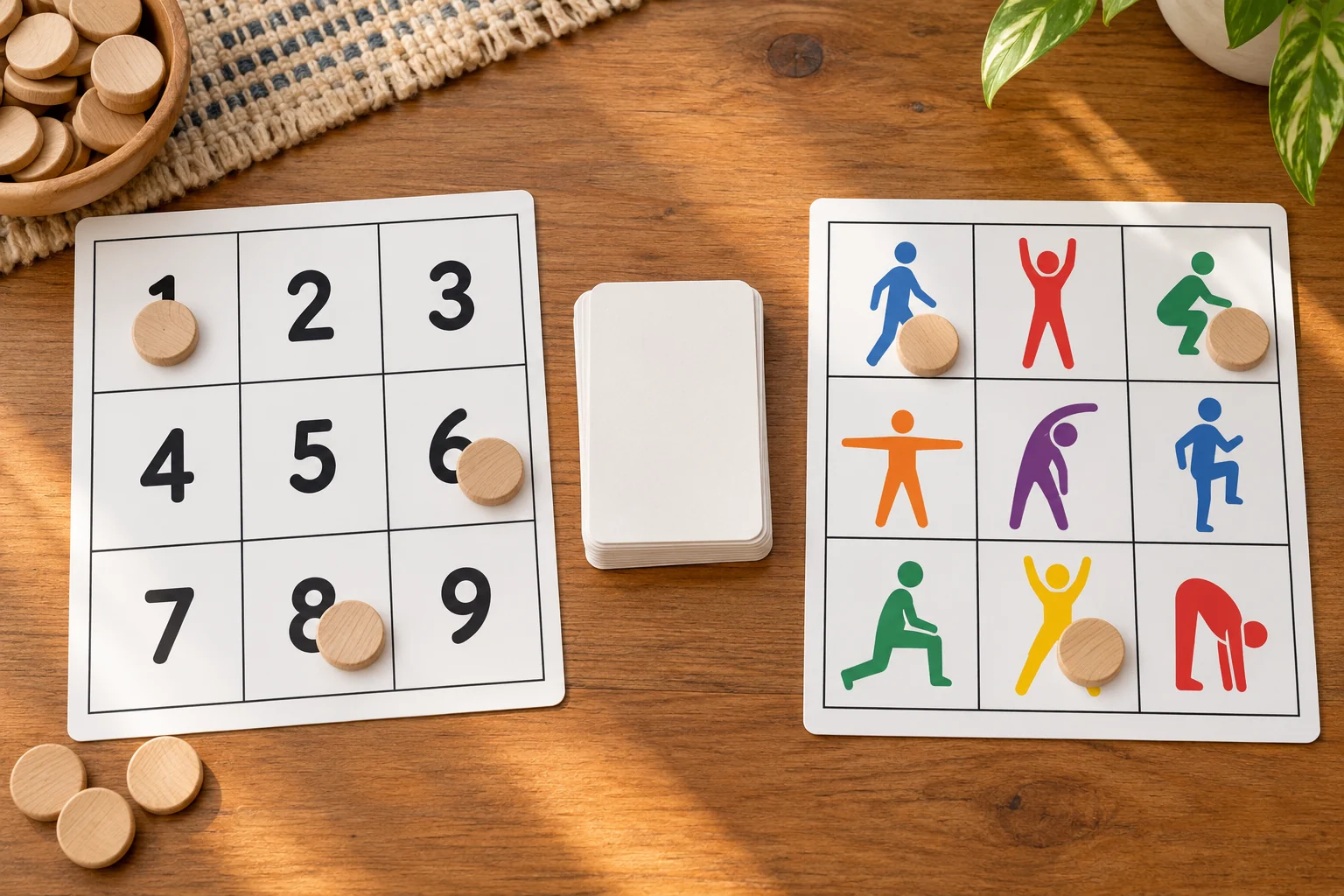
Understand how numbered cards and activity cards change a bingo caller’s prompts, matching materials and trial round.
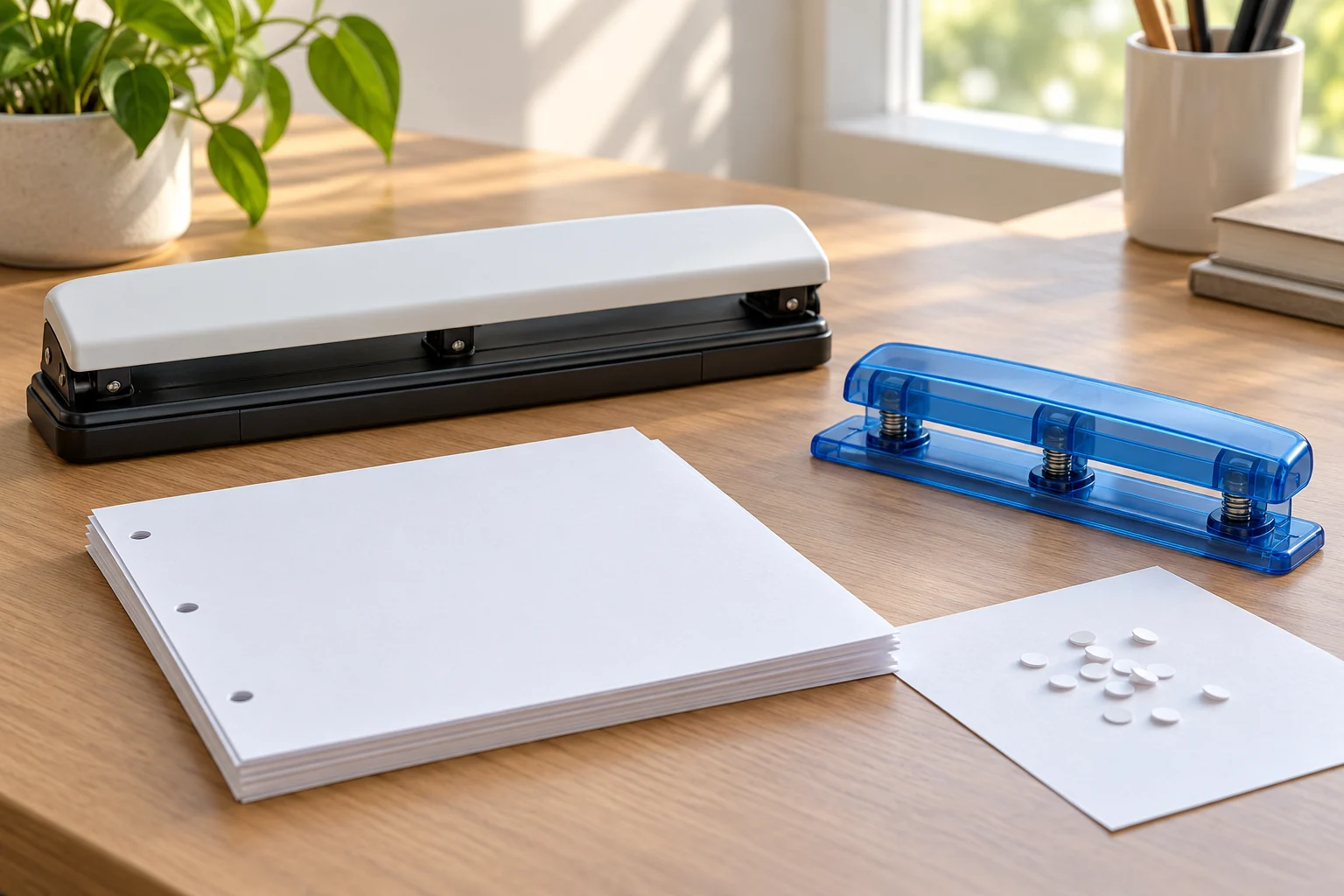
Compare a stated built-in waste tray with portable punch debris handling, then set up a catch surface and verify the actual unit.

Sketch measured walls and movable furniture footprints on graph paper before testing a room rearrangement.

Use actual canvas dimensions and the artist easel’s tray, clamp and load limits to check whether a listed stretched canvas or panel can be held securely.
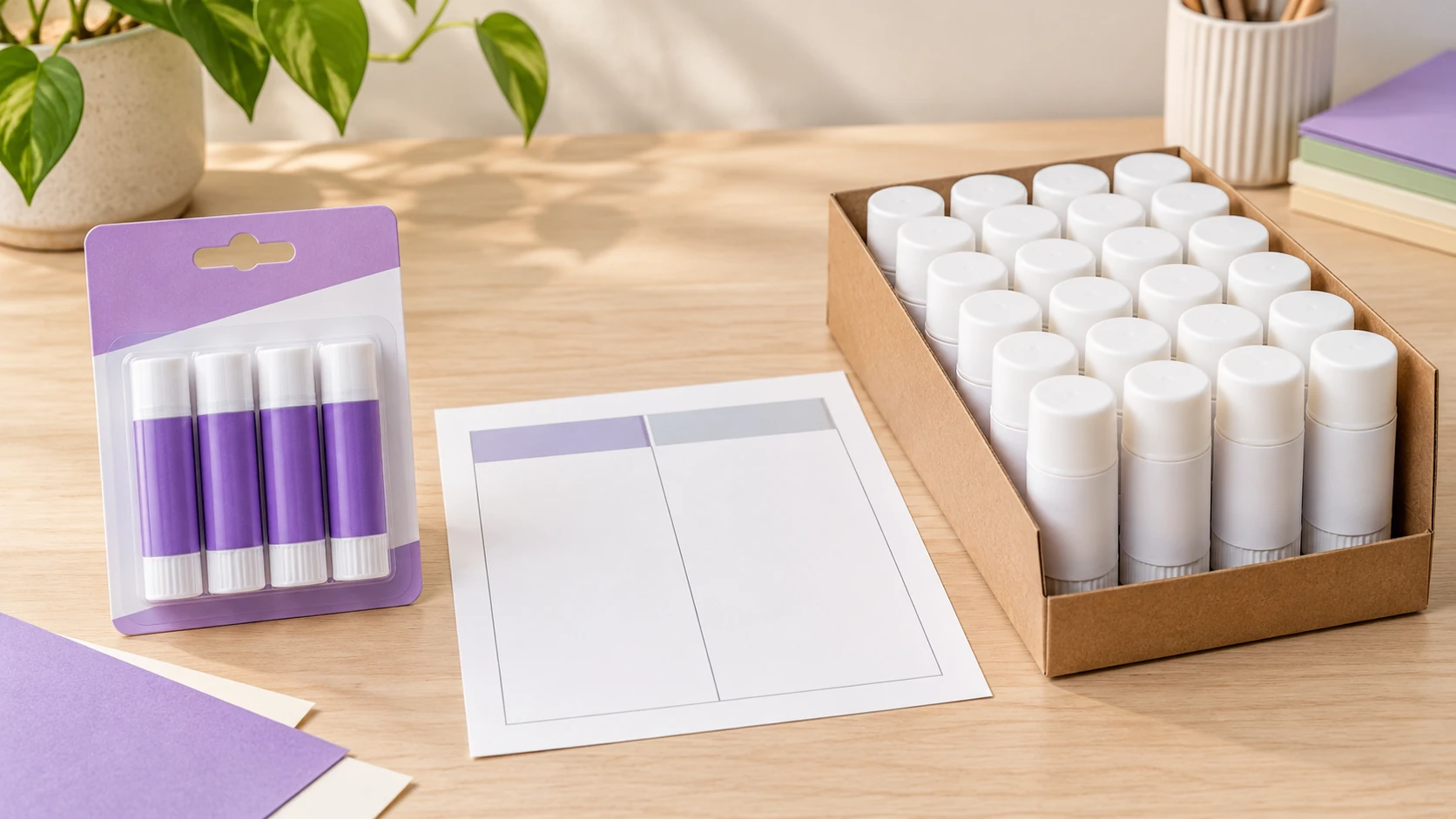
Read two glue-stick pack structures and confirm the checkout unit before budgeting a classroom supply.

Give one desk paperweight a clear role as a personal keepsake or sculptural accent while leaving room for everyday paper work.