9 min read
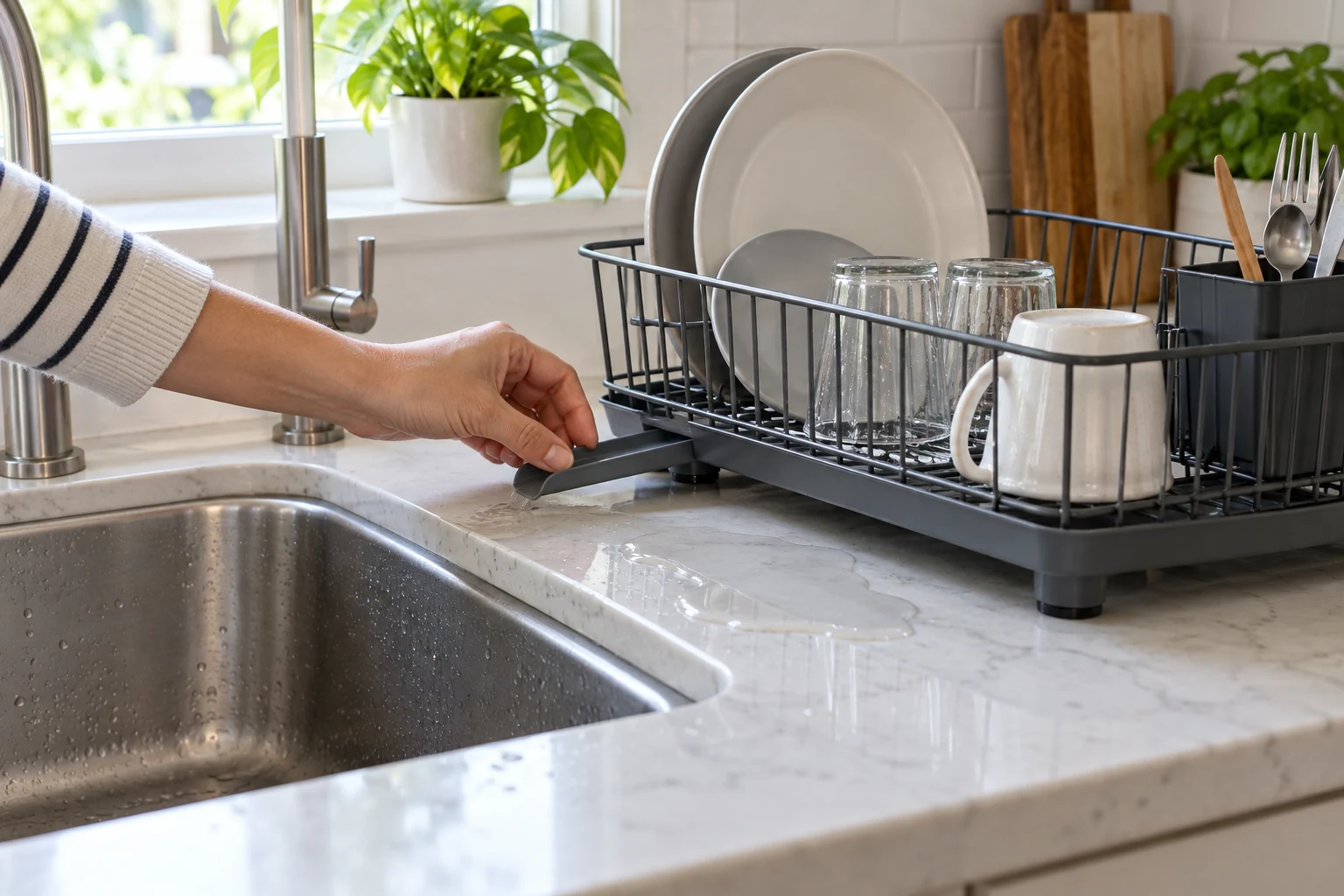
Dish rack water on the counter: trace the path
Dry the area, observe one normal dish cycle, and separate loading drips from drainboard and spout placement issues.
Guides to choosing, fitting, and using kitchen and major appliances.
Showing 109–120 of 557 guides
Dry the area, observe one normal dish cycle, and separate loading drips from drainboard and spout placement issues.
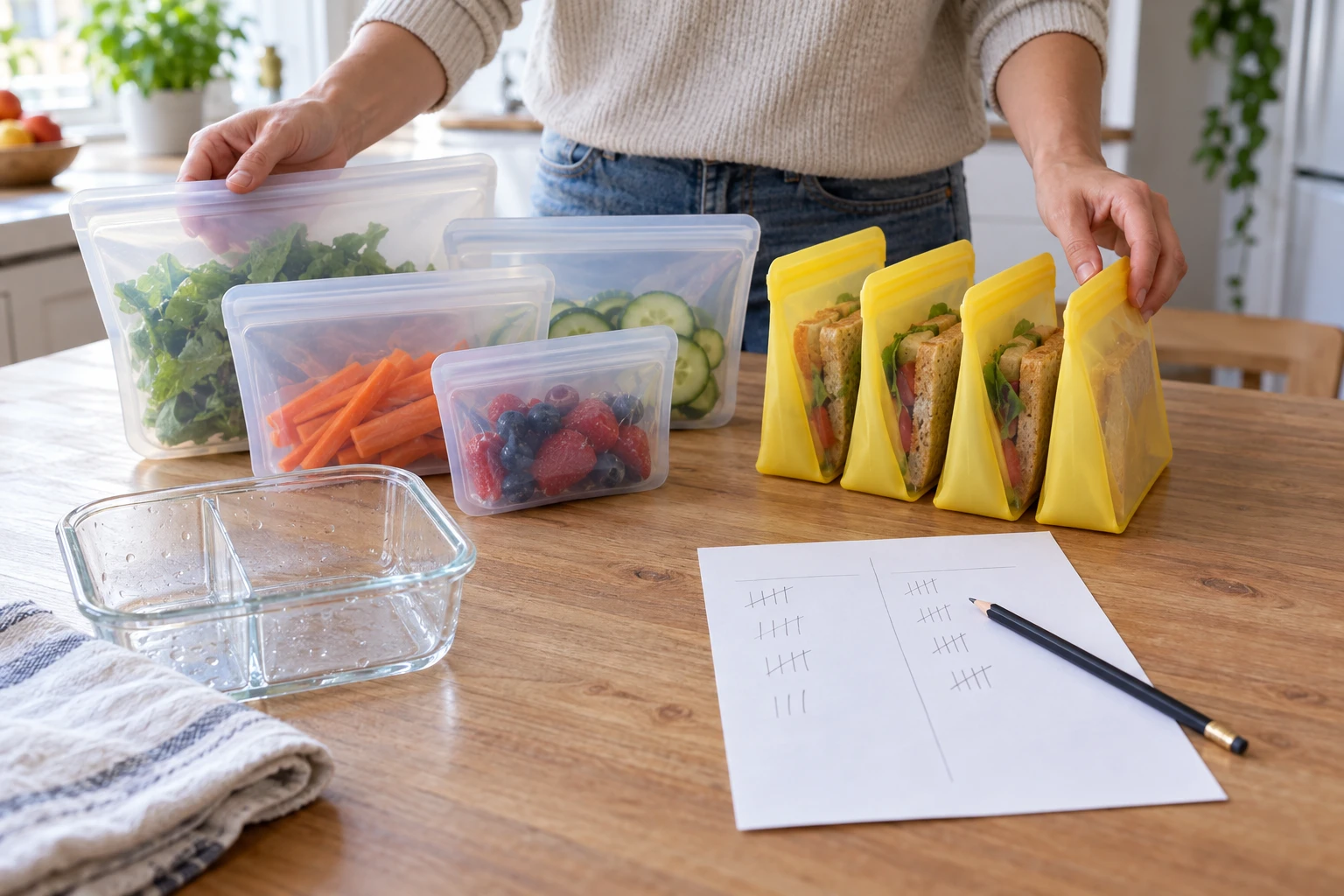
Count completed reusable food bag uses and real substitutions before estimating cost per use or buying more.
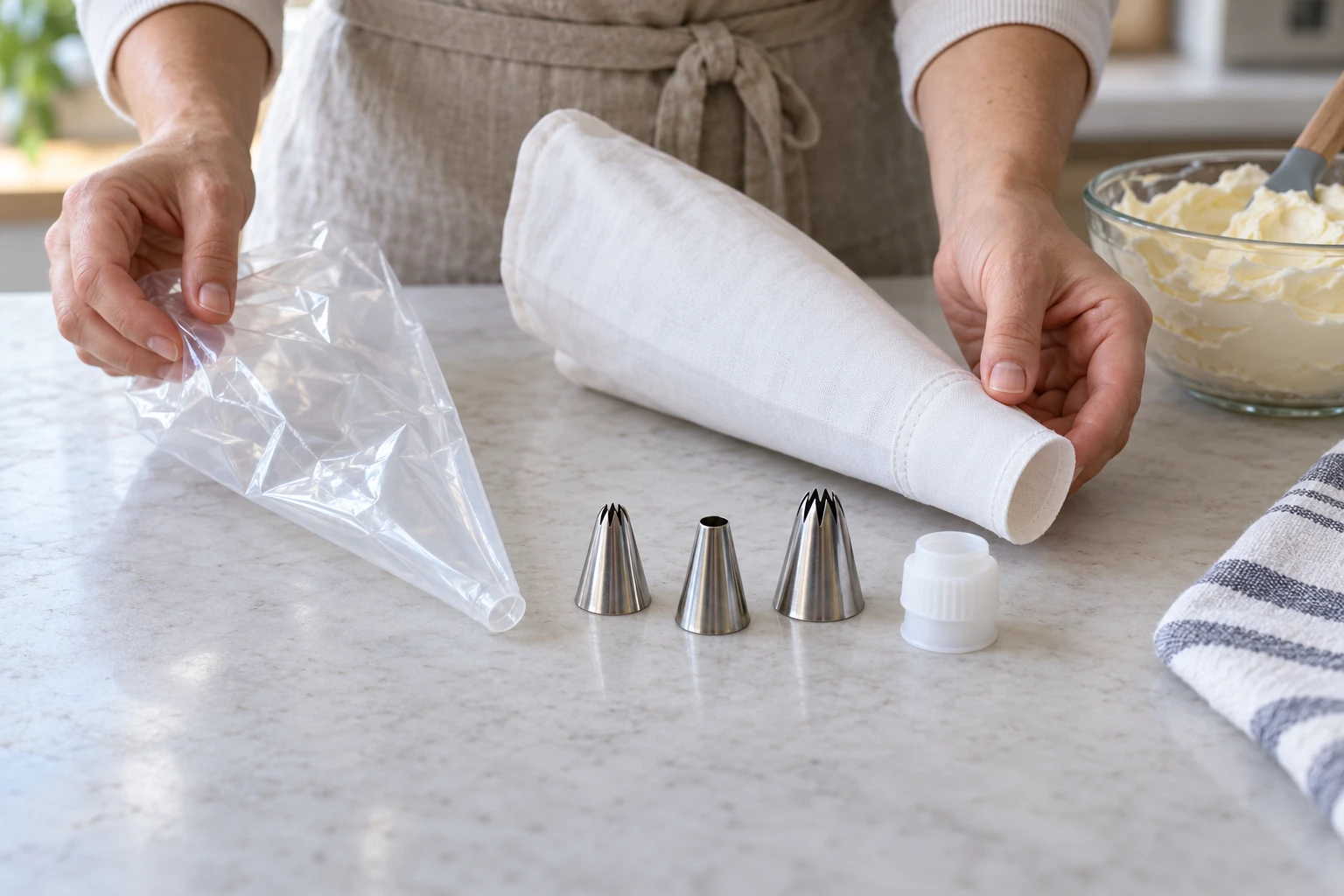
Match a pastry bag to the exact tip and coupler before cutting its narrow end; bag length, material, and brand do not establish accessory fit.
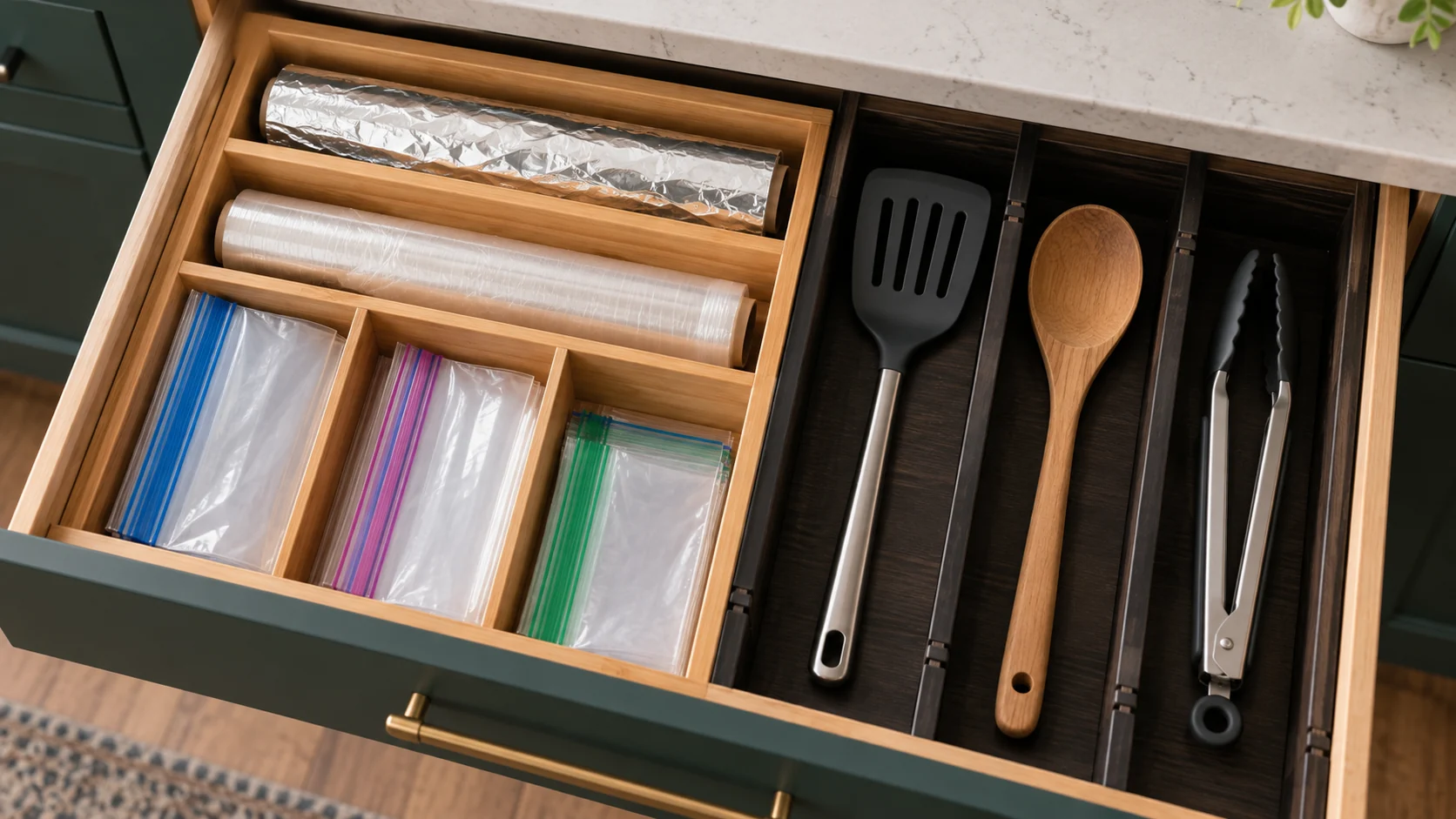
A measured two-zone drawer layout for wraps, bags and everyday cooking tools.
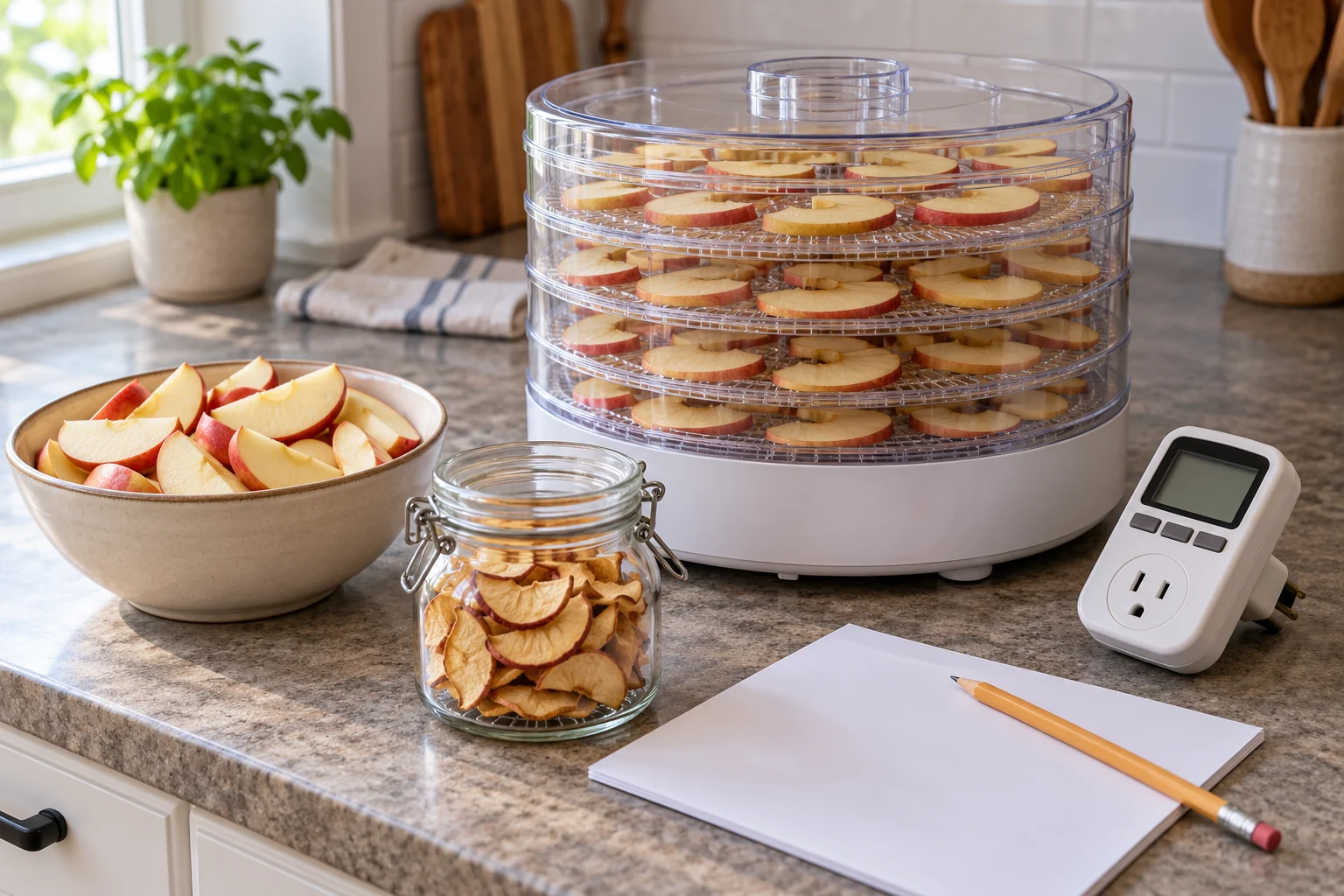
A four-line ledger for comparing dehydrator batches using actual kilowatt-hours and food you will use, without treating watts or tray counts as savings.
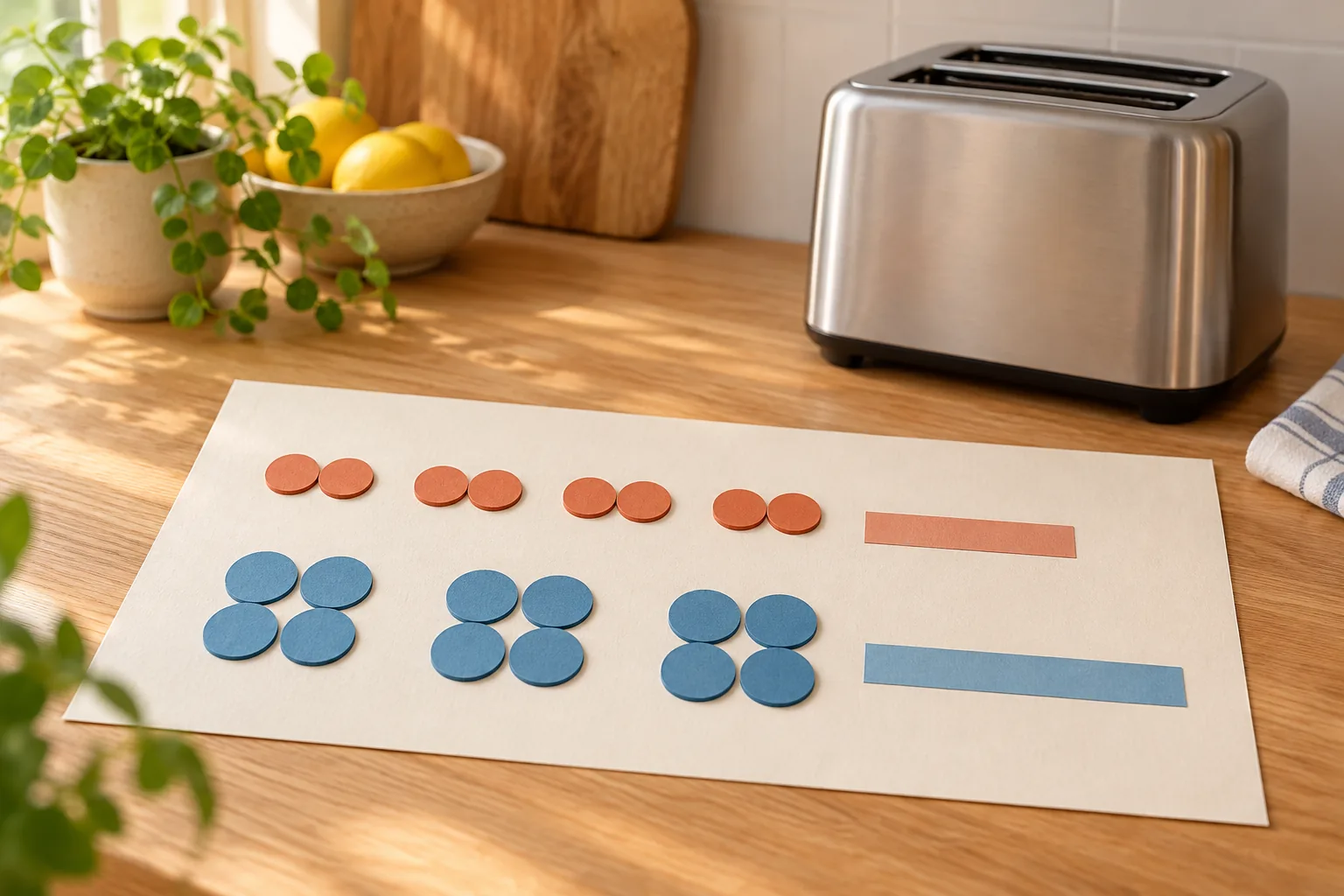
A fictional token model compares batch size, cycle duration, partial cycles and demand. Its stipulated numbers are not measured toast times or an appliance operating schedule.
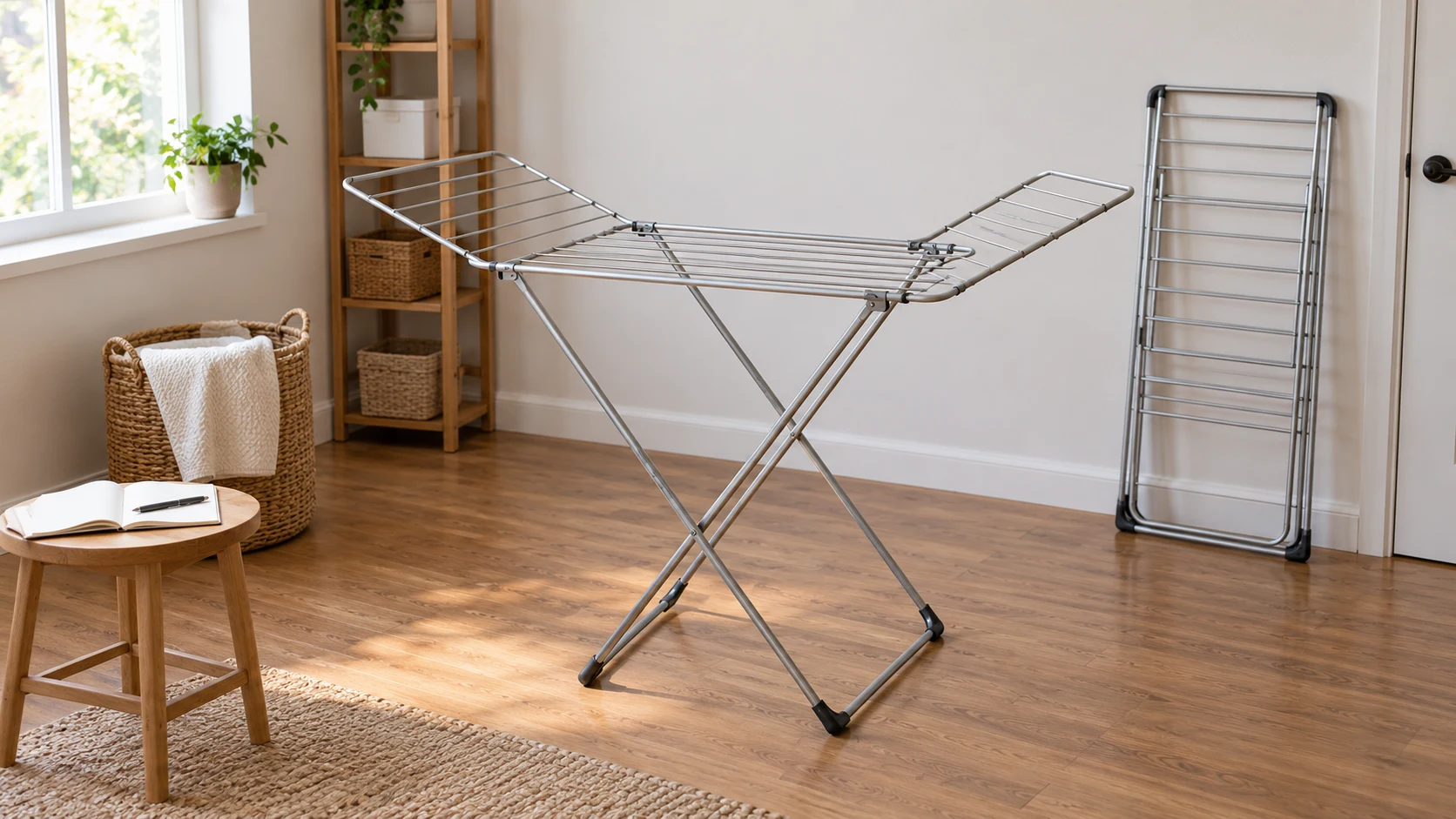
Separate the rack order from optional additions and resolve missing measurements before committing to accessories or storage purchases.
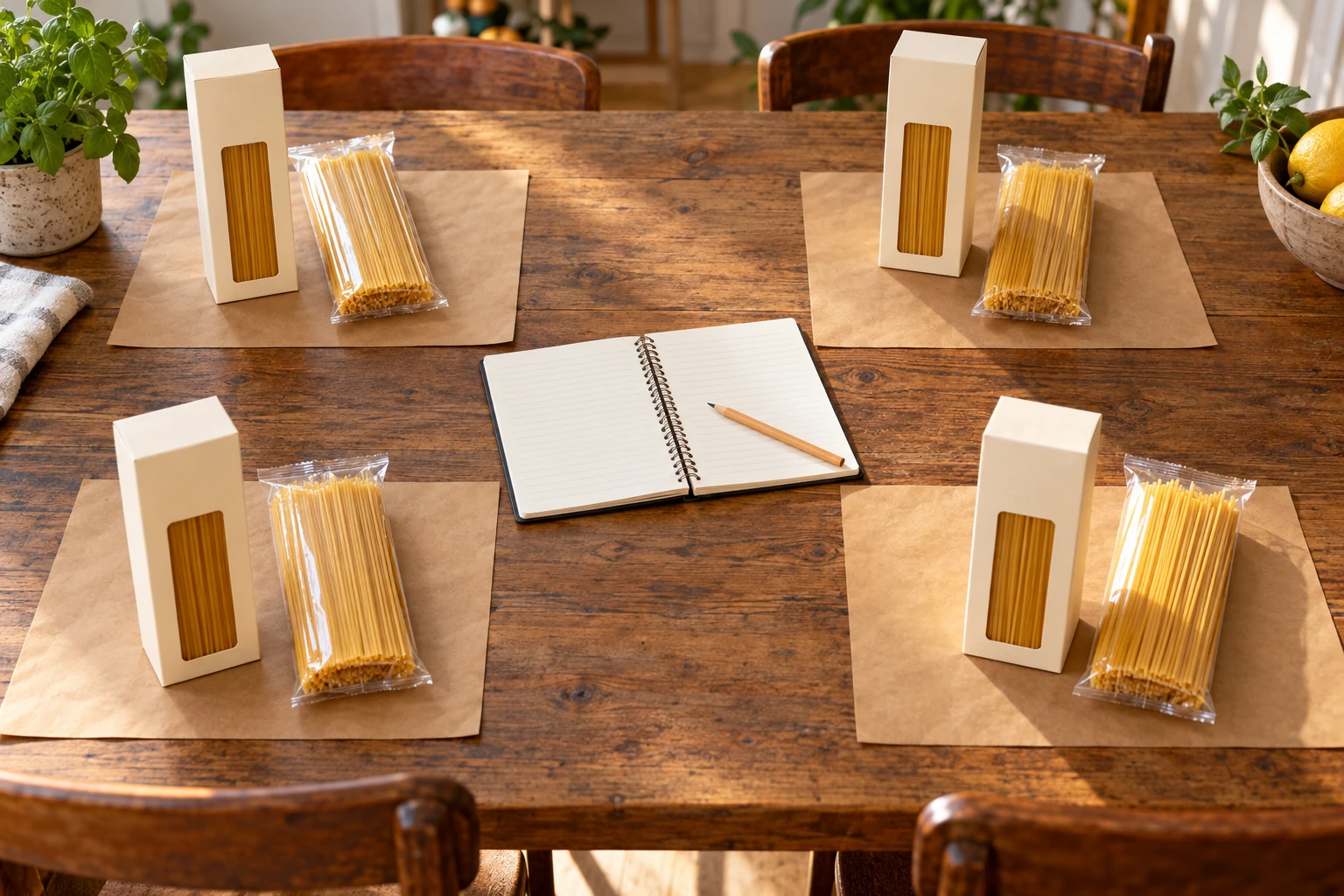
A fictional shared order tests whether exact ounce requests can be assembled from intact 32 oz and 12 oz packages, with a complete inventory check.

A cost framework for evaluating case quotes, unused inventory and the usage threshold needed for a bulk baking powder purchase.
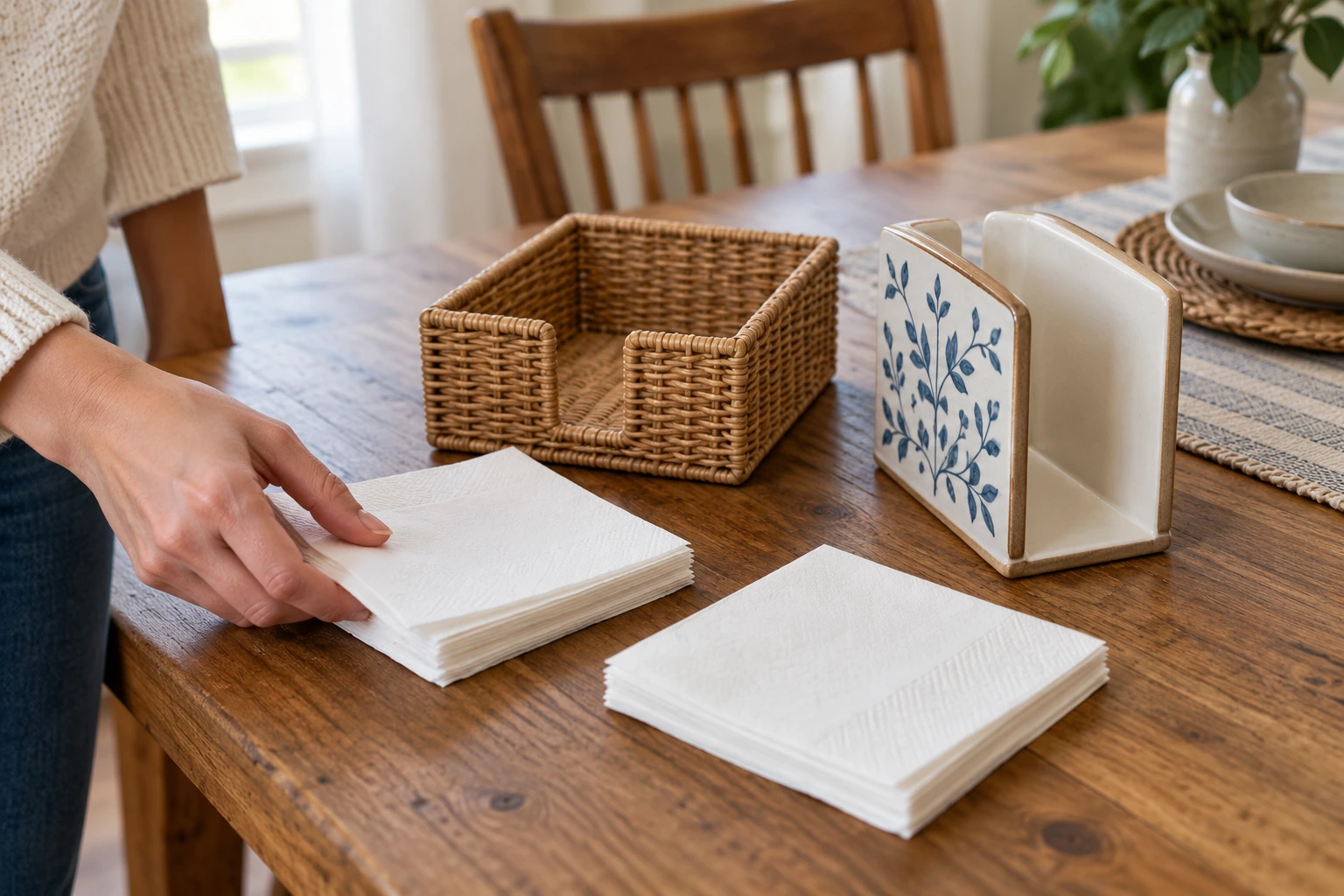
Compare an actual folded napkin with the usable space in a basket or upright holder, leaving missing measurements and untested combinations unresolved.
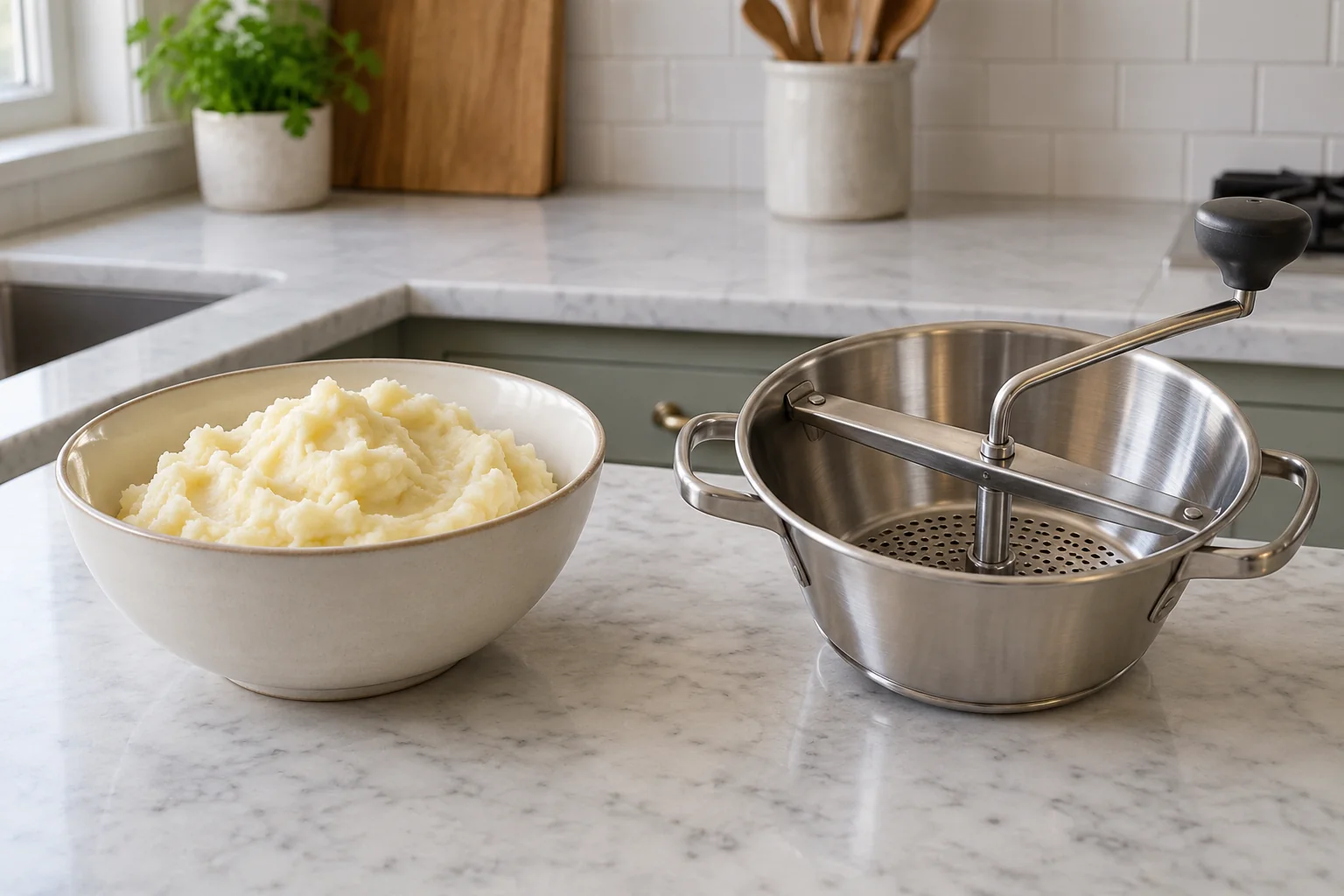
A worked fictional supper chooses a fresh preparation and postpones equipment shopping, with distinct recipes and two actual retail offers.
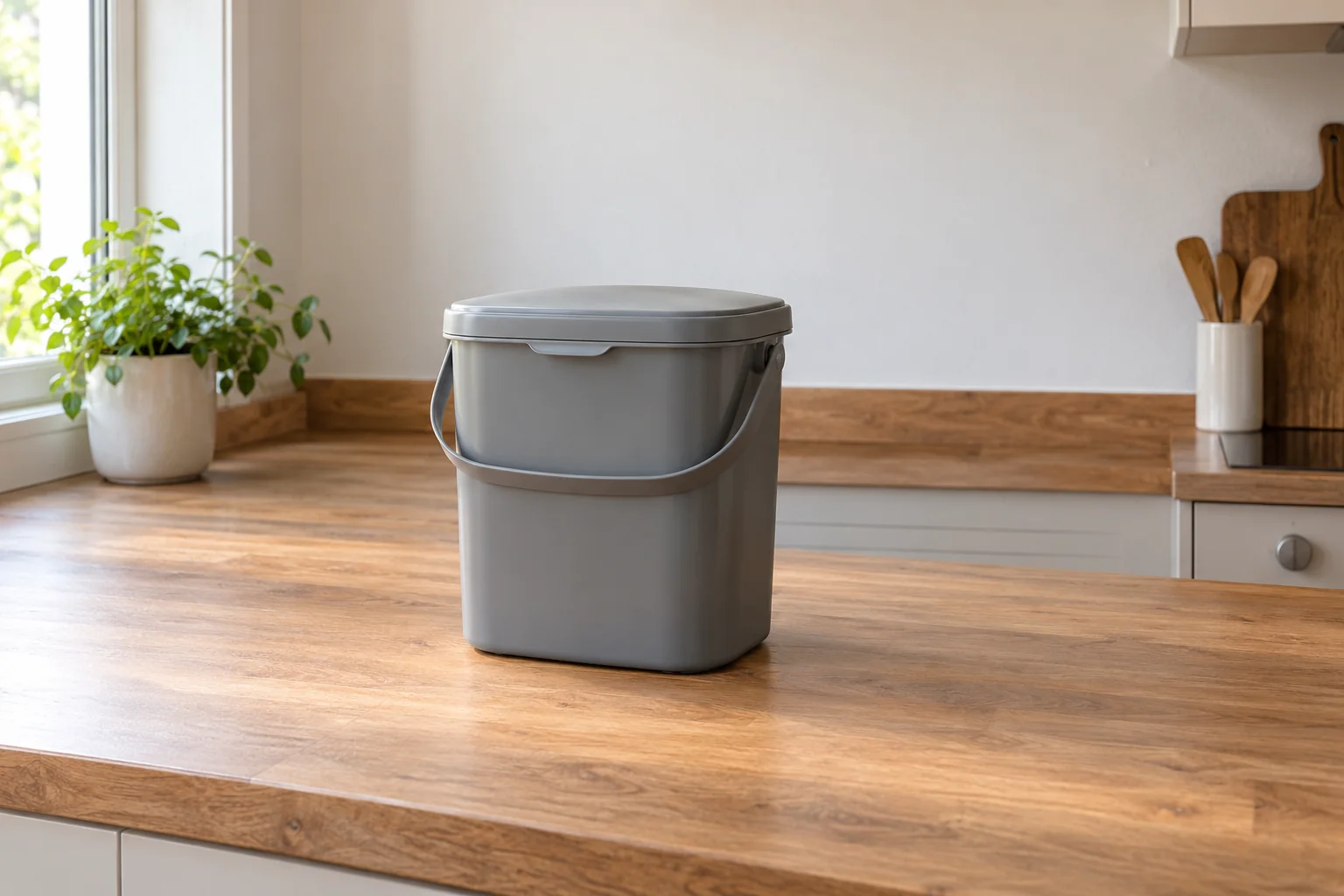
Use fictional household decisions about an existing pail, a supplied container and a height limit to assess another food-scrap bin purchase.