11 min read
Fixed interval cover cost: start at the leftmost point
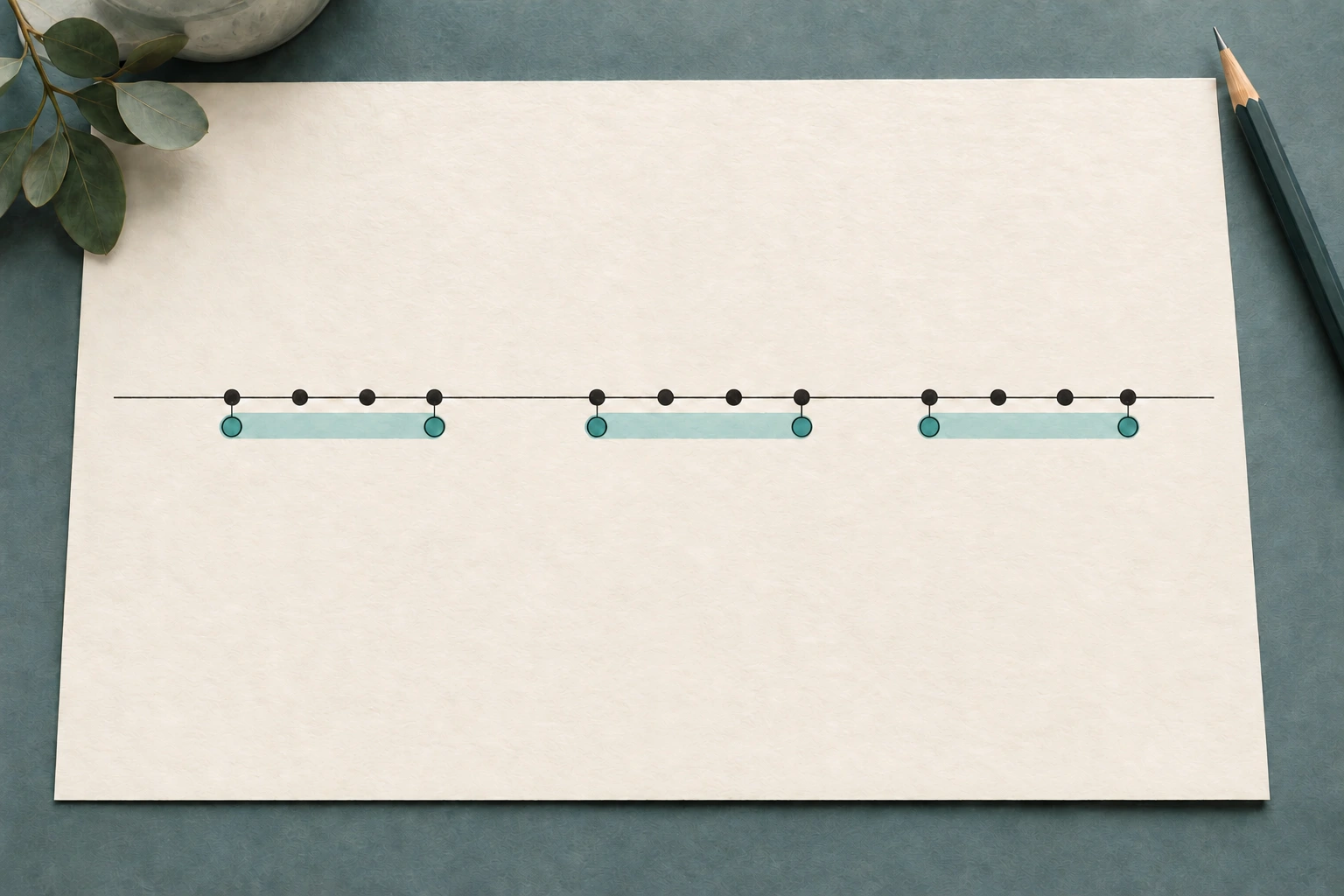
Cover fictional points on a line with fixed-length closed intervals and prove the minimum count and declared unit cost.
Learning, problem-solving, creative projects, and related planning skills.
Showing 37–48 of 108 guides
Cover fictional points on a line with fixed-length closed intervals and prove the minimum count and declared unit cost.
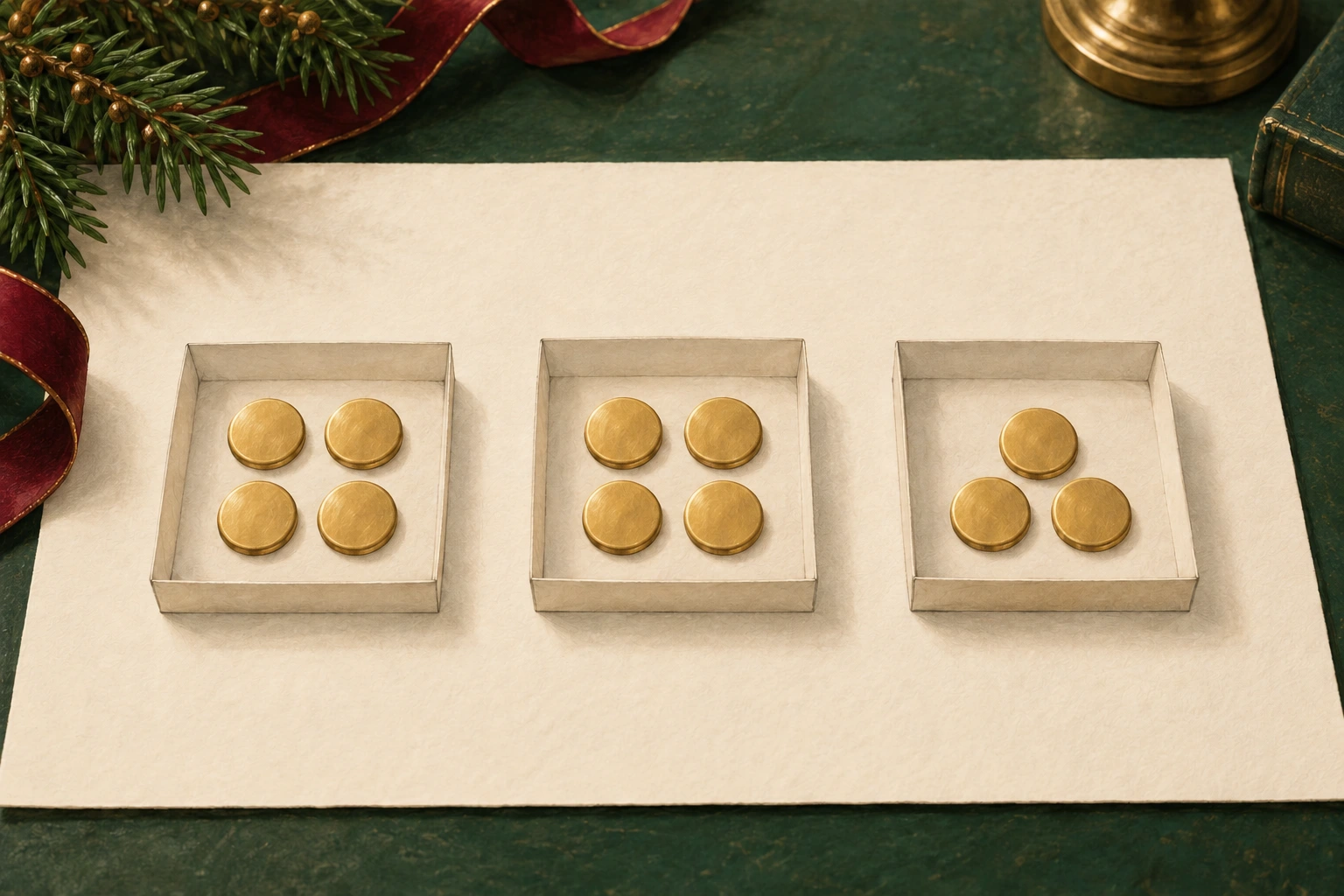
Move one fictional counter from a larger tray load to a smaller one and prove which eleven-counter allocations minimize the squared-load score.

Find the minimum total distance in a fictional holiday line model by pairing the outer coordinates and checking the middle.
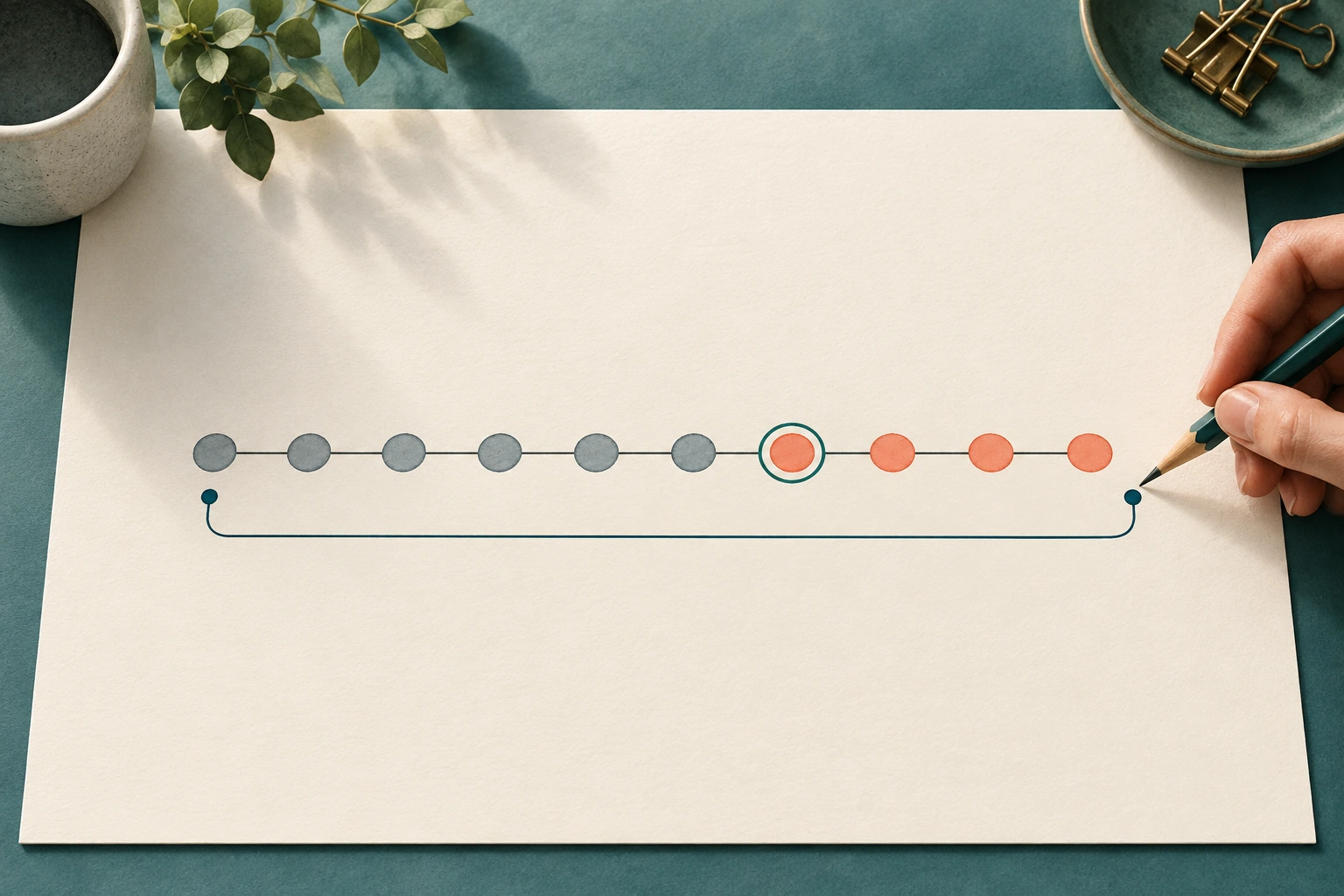
Repair a stated integer search by retaining its known true midpoint, then verify its bracket invariant and termination.
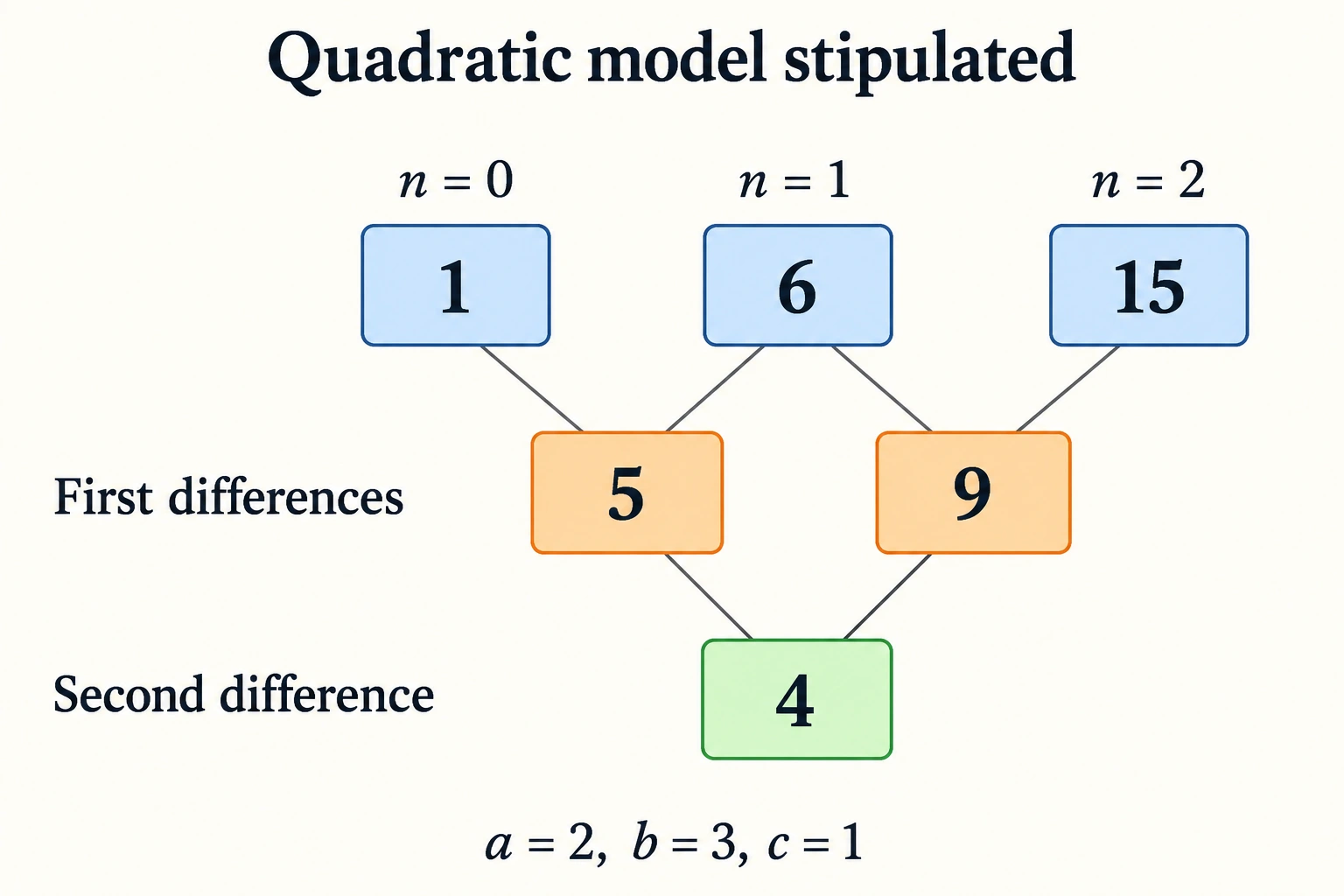
An original unit-spaced worksheet reconstructs a quadratic from three stipulated values, derives its coefficients through second differences and checks class consistency.
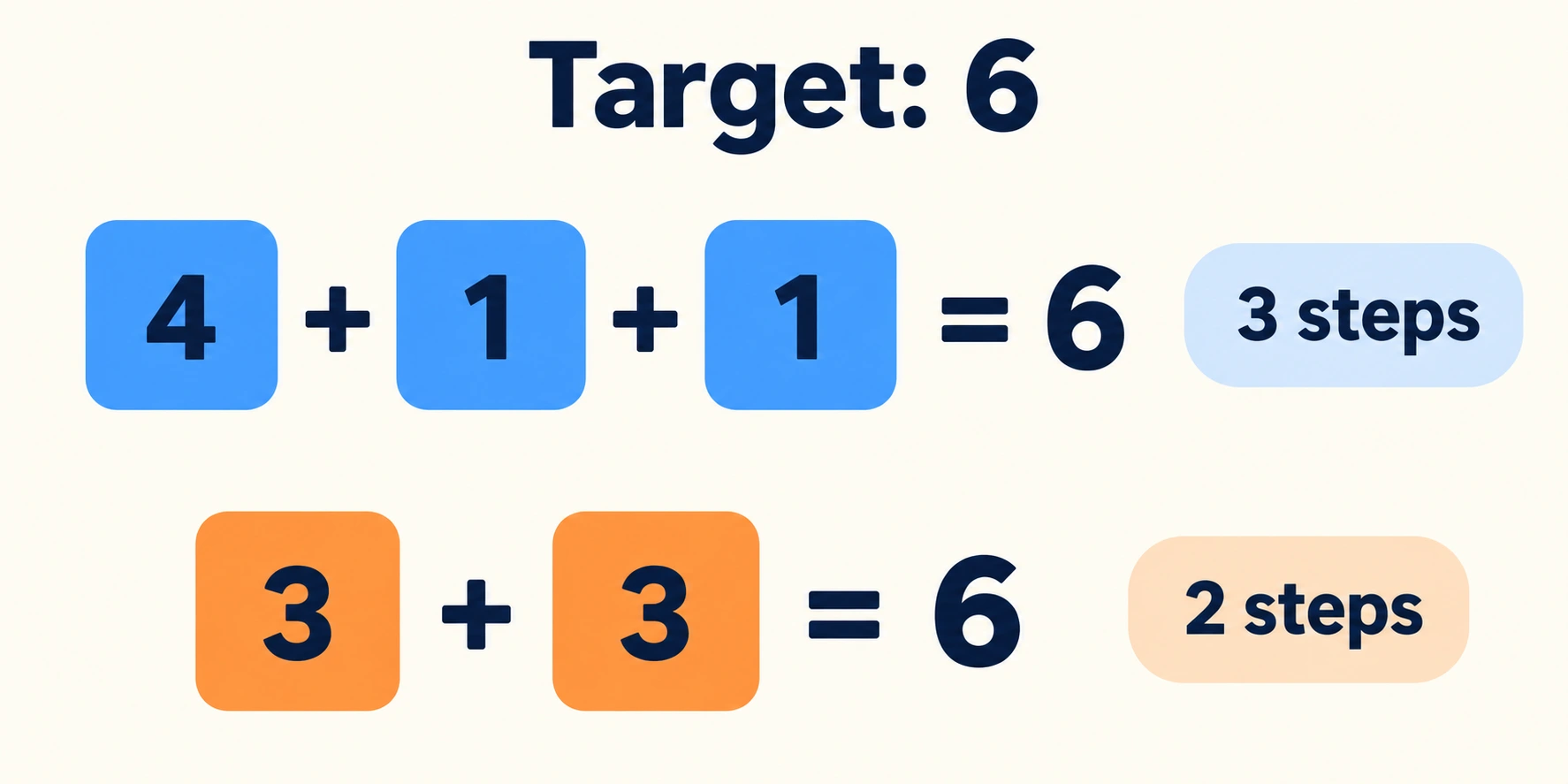
An original unit-cost move model reaches six in two steps of three, while a largest-first choice needs three steps. A last-move table proves the minimum.

An original holiday task-card exercise counts assignments that give every helper at least one distinct task, using a two-one-one split and an independent exclusion check.
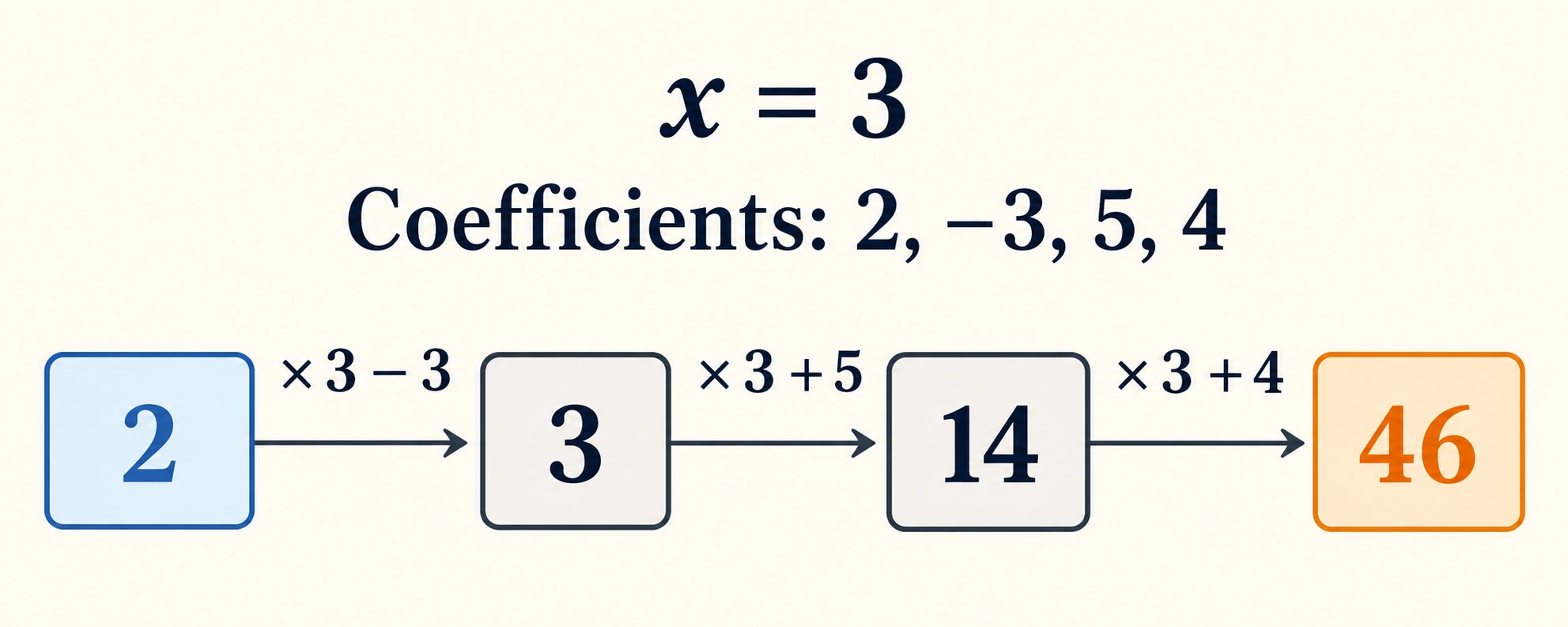
An original coefficient worksheet evaluates a cubic at a stated input, explains each multiply-add stage and shows why a missing-power zero must stay in the list.
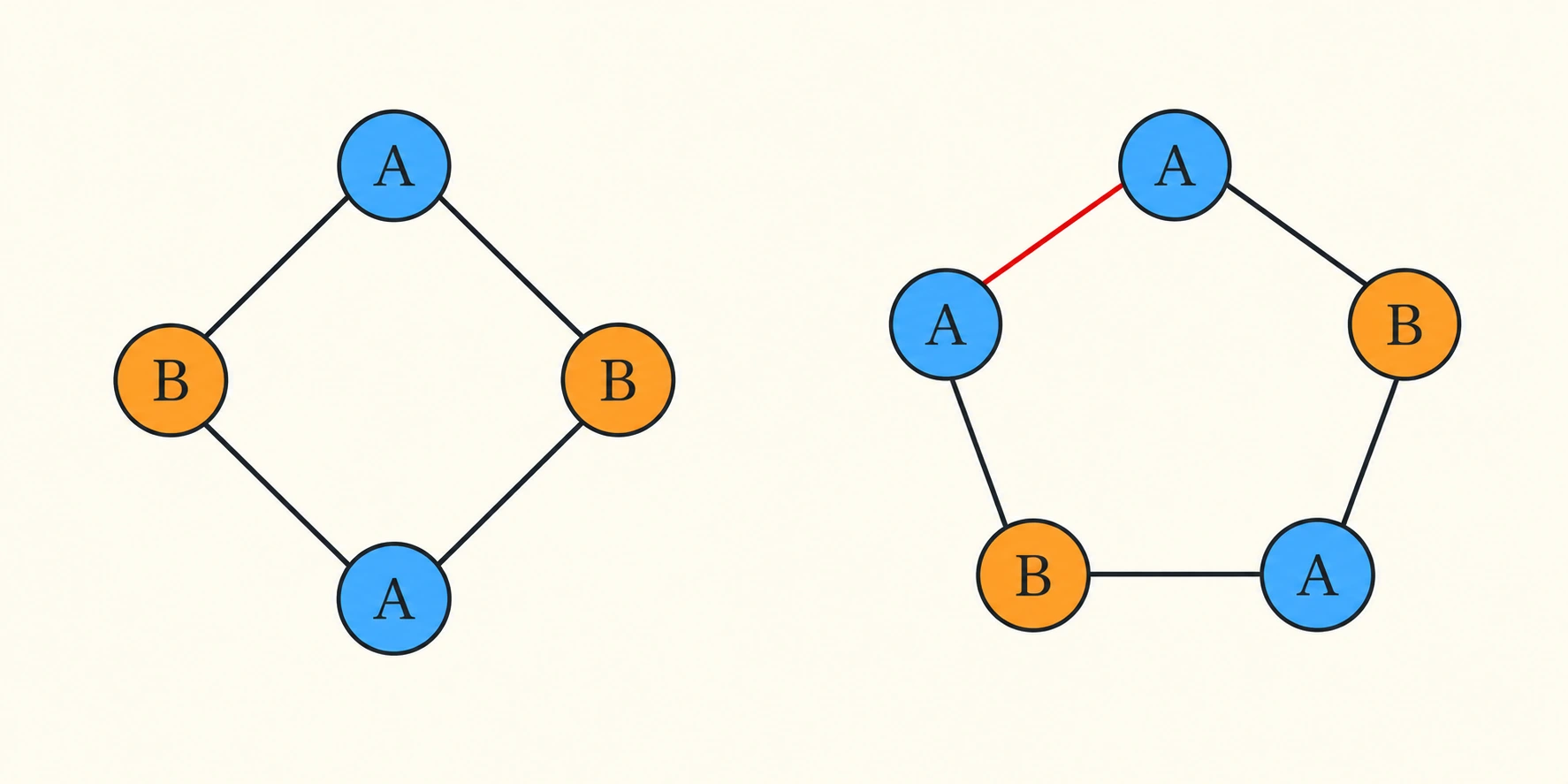
An original ring of labeled positions tests whether every neighboring pair can differ using exactly two labels, including the pair that closes the ring.
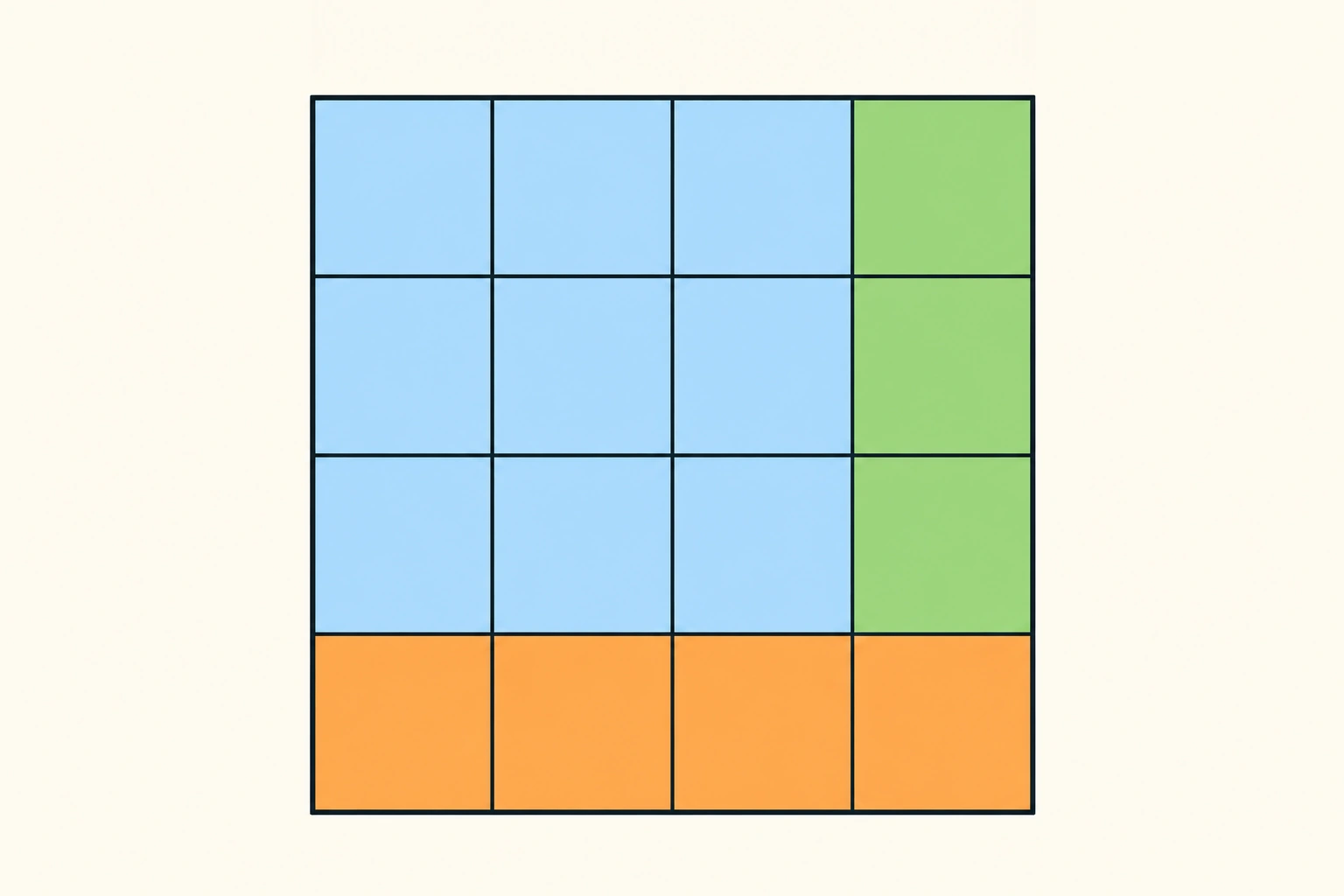
An original unit-cell square model separates each added L-shaped layer from the entire outer border and proves why the first n odd numbers total n squared.
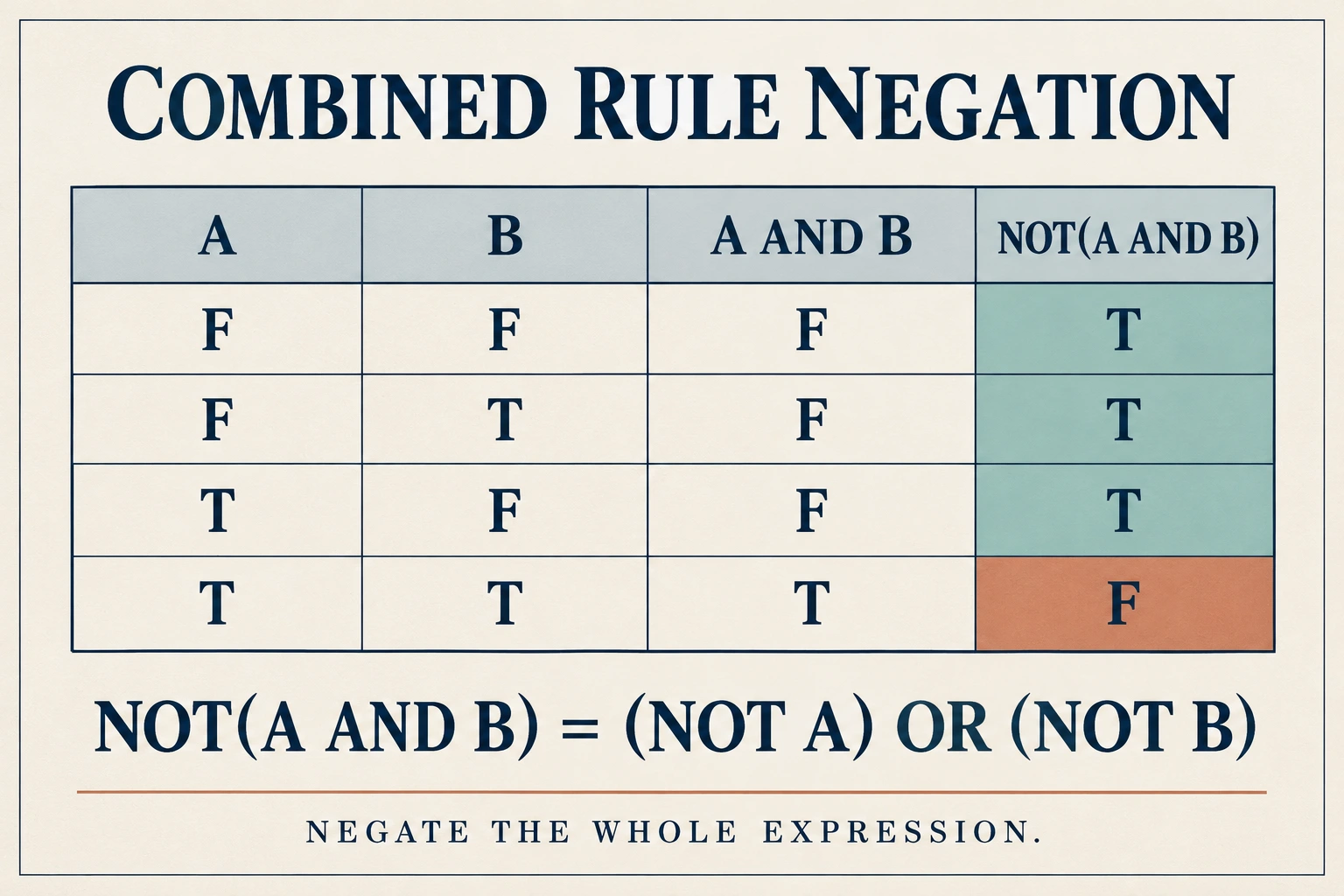
An original two-flag worksheet negates a complete AND or OR formula. Four defined input cases show why the connective changes and why false is not an inverse action.
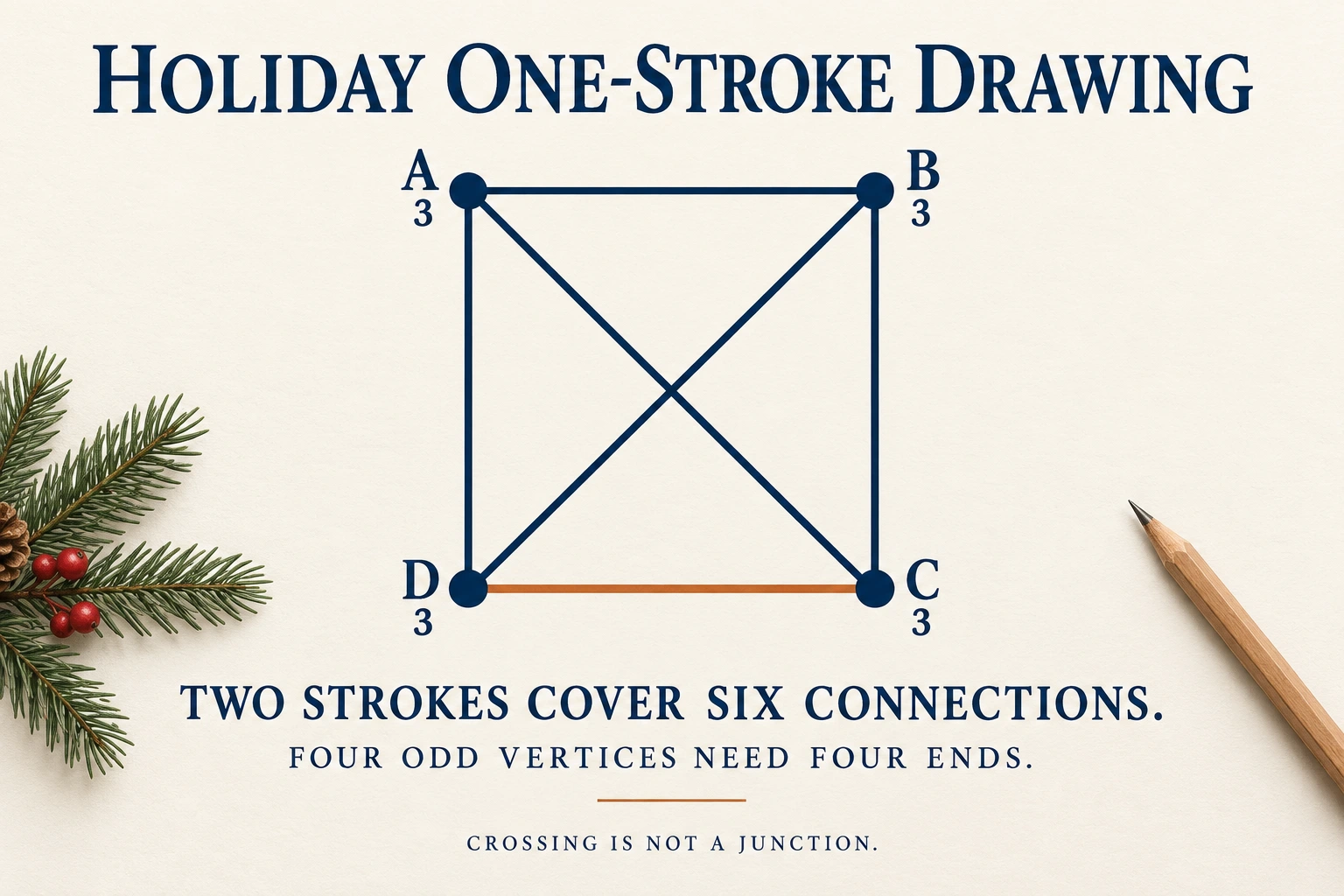
An original holiday-card paper motif has four points and six connections. Count the required ends, verify a two-stroke cover and keep a changed pattern separate.