Garden Care & Watering
solar garden lantern ideas for a calm small patio corner
Isolate a weak solar-garden-lantern stream by comparing the tap, hose route, connectors and nozzle one segment at a time.
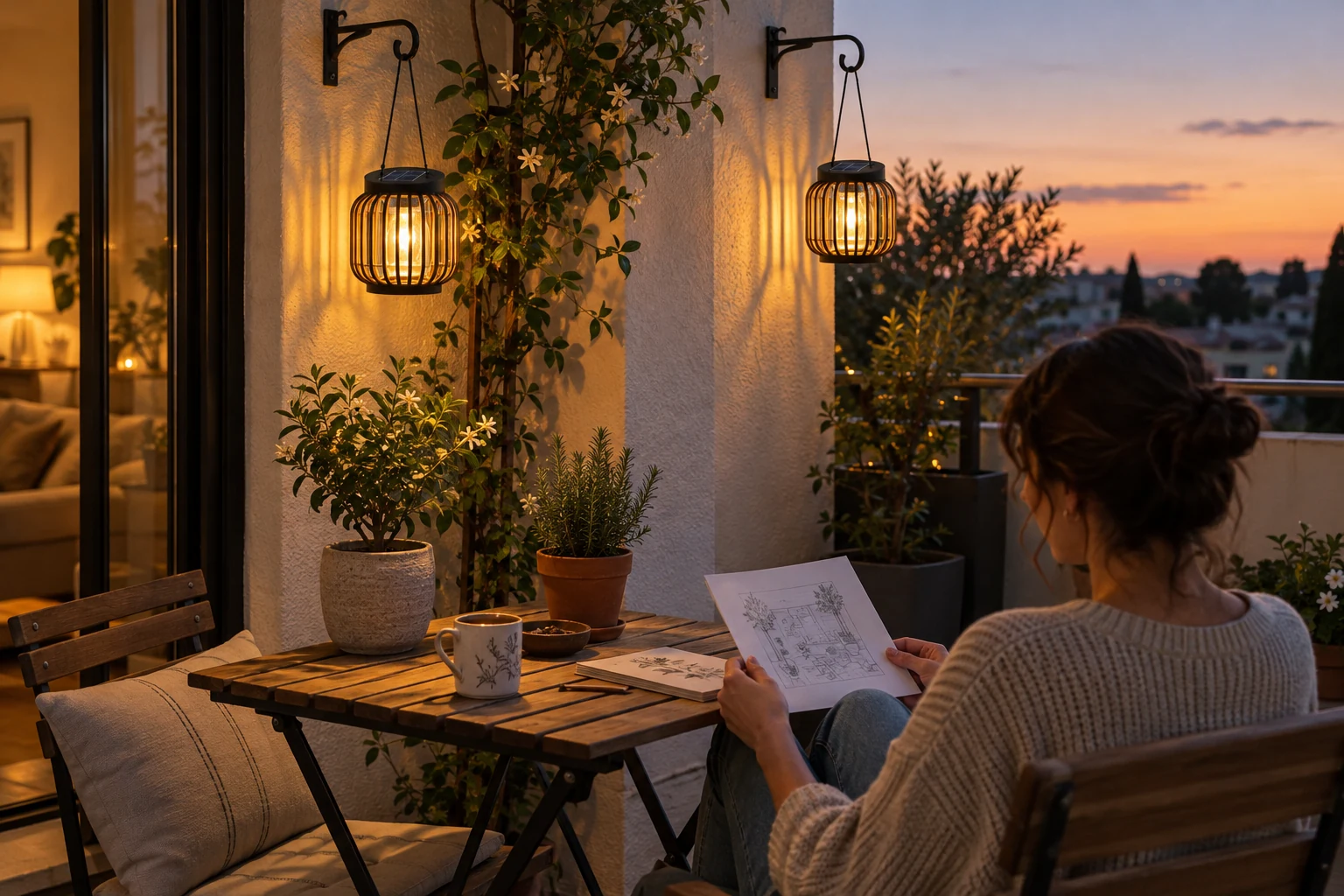
A small patio does not need bright floodlighting to feel welcoming after dinner. A solar garden lantern can add a soft point of light, provided its panel receives enough daytime exposure and the lantern sits or hangs where people can move safely. Think of the light as atmosphere rather than a guarantee of path visibility or security. This guide develops a calm patio corner with a chair, a few plants and one or two modest lanterns. It uses two live listings as examples while keeping actual brightness, runtime and weather performance conditional on the selected product and site.
Start with the evening activity
Picture what happens in the space at dusk. Is it a place for a short conversation, a cup of tea or simply a view through the window? Mark the chair position and the path people take to reach it. A small table may need enough light to see a cup, but a decorative lantern is unlikely to replace task lighting for reading. Avoid positioning a light where it shines directly into seated eyes or across a neighbor's window. A gentle scene begins with comfort and clear movement, not the maximum number of glowing objects.
Walk through the patio in daylight and notice railings, doors, planters and furniture edges. Choose one visual anchor, such as the table or a pair of plants, and leave a clear route around it. A lantern hung above a chair may look balanced in a photograph but interfere with someone standing up. A lantern set on a low floor may become a trip hazard. Draw a rough top-down sketch showing chair, table, plants and walking path before buying lights or drilling a hook.
Check the day's sun in the actual proposed location. A solar panel tucked under a deep overhang or behind dense leaves may receive much less light than the rest of the patio. Shade changes with season and time, so observe the spot during ordinary daylight rather than assuming a “solar” label solves the charging question. If the best night placement is shaded by day, look at whether the exact product permits a separate charging location or relocation under its instructions. Do not promise all-night operation from a shaded setup.
Choose a hanging or tabletop accent
The live UGUCYUI solar lantern listing presents a hanging, round mesh-style light. Its first inspected gallery combines a hanging lantern near a tree and an outdoor setting with seller claims about heat, frost and water resistance. The visible chain and mesh form make it a possible suspended accent in a layout sketch. The promotional weather labels are not independent proof of performance at every temperature or in every storm; use the exact product's instructions and exposure limits.
The live HYTHU solar lantern listing describes a metal outdoor solar light. Its first inspected gallery shows cylindrical perforated lanterns resting on decking and casting patterned light. Although the title includes hanging language, that first image supports a tabletop or surface scene more directly than it proves a safe hanging arrangement. Confirm the selected version's actual handle, mounting method and base before treating it as interchangeable with the round hanging example.
A hanging lantern can frame the chair from above without using tabletop space. A surface lantern can put a pattern on a table or deck, but a perforated pattern may look different when it is surrounded by furniture and plants. Try one type in the sketch before adding a second. If both are used, place them at different heights and keep the brighter one out of direct view from the seat. The intention is a readable corner, not a row of identical points competing for attention.
Do not assume the two products emit the same color, duration or amount of light because both use solar charging. Their pages describe different housings and scenes. Look for the actual selected version's panel position, switch, replaceable component instructions and intended outdoor rating. A gallery captured at night may be exposed or edited to emphasize the pattern. Use it to understand form, then judge the actual lamp in the patio once it has had the charging conditions specified by its maker.
Arrange plants without hiding the panels
Plants soften the edge of a lantern scene, but their leaves can also shade a panel or conceal a hot-looking but still electrical component. Place pots where their care conditions work first, then add the lights around them. A compact arrangement might use one taller pot behind the table and a small pot on it, leaving the solar panel open to daytime sky. Keep foliage from rubbing a chain, switch or housing. Allow room to reach the plant without knocking over a lantern.
The tiered plant stand compatibility guide measures a real pot and shelf rather than trusting an advertised capacity. If a stand is part of the patio corner, that physical-fit check remains its own task. Here, use the stand only after it is suitable for the pots and site, then ask whether a lantern can sit nearby without blocking drainage or maintenance. The stand does not become a lantern mount merely because it has an empty top shelf.
The macrame plant hanger setup guide separates an attractive suspended plant from the strength of its mounting point. Apply the same boundary to a hanging lantern: verify the lantern maker's hanging directions and the suitability of the actual hook and support. The load is different, but the ceiling, rail or bracket still has to carry the item safely. Do not hang a light from a plant hanger ring or improvised string just to complete the picture.
Leave space to clean the panel and inspect the lantern according to its instructions. A dense vine can make a light look nestled into greenery while turning panel cleaning or switch access into a chore. An unreachable unit is more likely to be left in a poor position. Sketch the maintenance reach before choosing a high hook. If the patio is rented or shared, check the building rules and avoid a permanent installation where it is not allowed.
Make the glow useful without relying on it
Imagine sitting in the chair at dusk. A lantern slightly to the side may illuminate the table edge while preserving a view of the sky. A patterned tabletop model may add visual texture on a broad surface; on a narrow table it may crowd cups or hands. Place a mock object of similar size during the day and sit down to see the real scale. Keep a separate, adequate light for steps or exits where people need safe visibility. Decorative solar lights are an accent, not a safety system.
Check the route from door to seat after the furniture and planters are positioned. A lantern on the floor should never be the object that marks a narrow walkway if someone could kick it. A hanging lantern should not swing into a head or scrape a door when a breeze moves it. If the patio is exposed to wind, follow the product's mounting and weather instructions and take the unit down when conditions exceed them. “Waterproof” in a seller image is not a reason to ignore storm guidance.
Keep the light's reflection in mind. Glass doors, pale walls and glossy tabletops can amplify a small lamp or create glare for someone indoors. Stand in the room behind the patio door and look outward. If the light bothers that view, move it a little to the side rather than adding a shade that covers its solar panel or vents. A tasteful position should work both from the chair and from the window where the corner is seen most often.
Choose a restrained number of lights. One lantern near the table can create a focal point; a second can balance the opposite edge if the space is wide enough. Too many small lights may make a compact patio busy and require more panels to find sun. Keep the arrangement easy to move for cleaning, weather and seasonal plant changes. The goal is not to fill every rail opening with a product, but to make one useful evening place feel intentional.
Observe the first evening honestly
Follow the selected lantern's initial charging and switch instructions. Place it in its intended position for a normal day, then observe it at dusk without assuming a runtime from a listing headline. Note when it becomes visible and whether the glow reaches the table in the way you hoped. Weather, season and panel orientation can change results. If the panel is shaded, moving the lantern may help; inventing a battery-life promise will not. Record the actual site condition rather than judging the product from an edited gallery scene.
Watch what happens when someone stands, opens the door or waters the plants. If the lamp swings into a pathway or a tabletop lantern catches a sleeve, adjust the layout. If plant leaves cast attractive shadows without covering the panel, keep them; if they block charging, move them. A lived-in patio is more demanding than a still photograph. The first evening is a small trial, and it is reasonable to use fewer lights than originally sketched.
Inspect the housing, panel, chain or base periodically as the maker advises. Clear dirt without harsh methods that could damage the panel or finish, and keep water away from any compartment that the instructions say must stay dry. Do not open a sealed unit or improvise electrical repairs. If a lantern fails after an ordinary charge and its instructions do not resolve the issue, preserve the exact model and seller details for support. A dim lamp is not a reason to connect an incompatible charger.
Update the corner when the season changes. A taller plant can shade a panel that worked in spring; a lower sun angle may change charging; a moved chair can put a lantern directly in someone's line of sight. Recheck the sketch and daylight observation rather than assuming the original placement stays optimal. Store or relocate the unit according to its instructions during conditions it is not rated to withstand. A small adjustment often preserves the atmosphere better than buying another light.
A welcoming patio corner can be built from a chair, a clear path, a few suitable plants and a solar garden lantern placed where daylight can charge it. Choose hanging or surface form from the real space, verify the support or base, and keep the glow out of eyes and walkways. Let the first evening show what the unit actually does. The lantern should make the patio more pleasant while leaving safety lighting, plant care and structural mounting to the equipment meant for those jobs.