Computers & Gaming
Prepare holiday photo viewing with a pointer you can find
Prepare a shared holiday photo session by asking the actual viewer to locate the mouse pointer after considering its documented size and color settings.
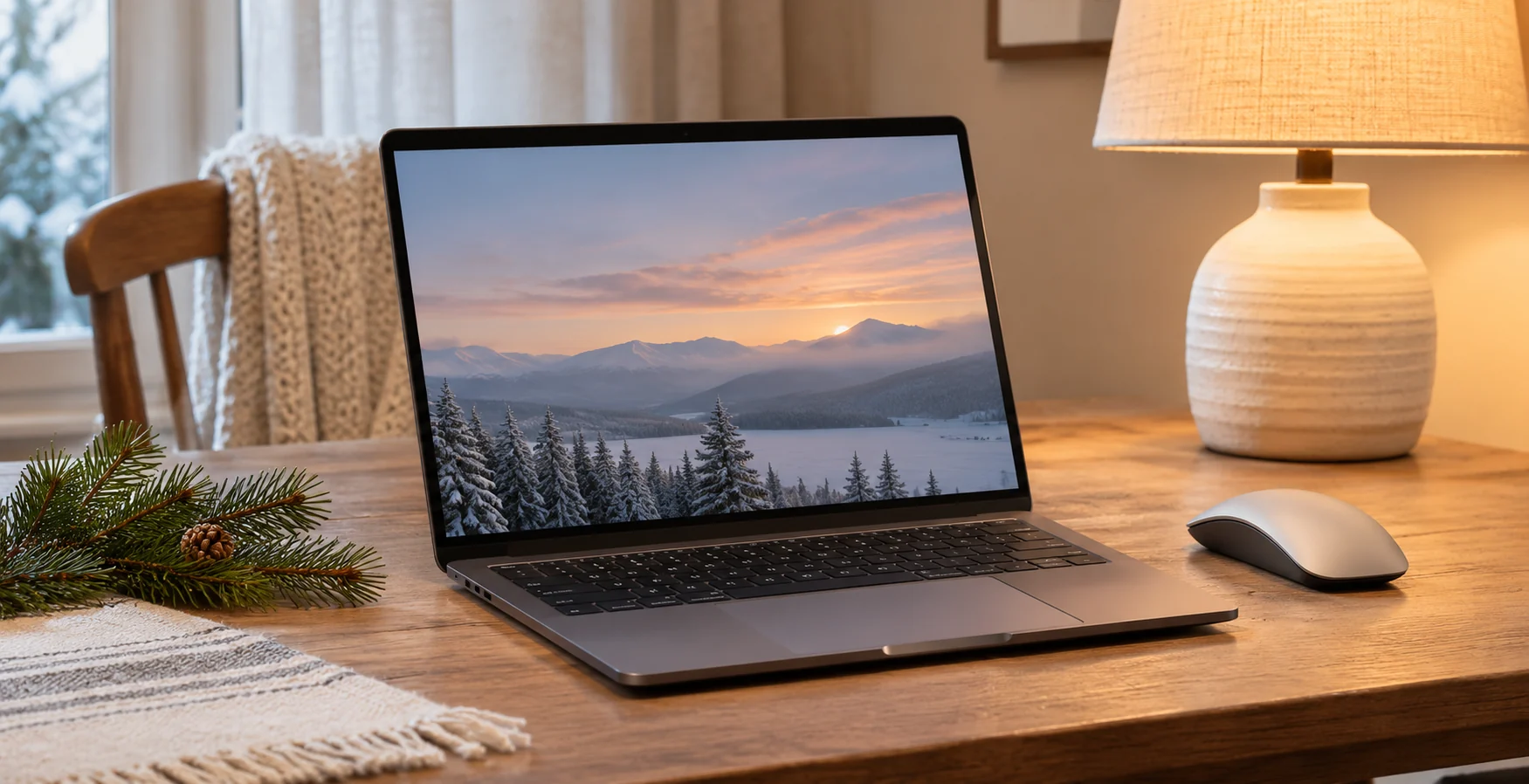
Prepare holiday photo viewing by asking the person beside you to find the mouse pointer before the pictures become the main event. A quick visibility question can belong to the preparations, alongside choosing where to sit and deciding which photographs you want to enjoy together. This is a suggested routine, not a report of a successful accessibility adjustment or a gathering that actually happened.
The specific Windows controls in this article come from Microsoft’s instructions for making Windows easier to see. The proposed social routine is original. Two native mouse offers provide bounded equipment context; neither has been tested here. A product photograph cannot establish that a particular viewer will find a pointer, that a computer supports the offer or that an advertised hardware feature will solve the viewing question.
Choose the person who will use the pointer
Begin with the person who expects to move through the pictures. Perhaps your cousin wants to explain a holiday walk, or a visiting friend has brought photographs from a recent trip. Ask who would like to lead that part of the visit. The person who usually operates the household computer need not silently become the presenter for everybody else.
Keep the question small enough to answer. You might ask, “Can you find the pointer where it is now?” Let the other person describe what they can actually see. If they need more time, leave room for that answer. Avoid supplying a reassuring “yes” on their behalf because you are eager to begin the pictures or because the setting looks obvious to you.
Choose an ordinary place in the intended viewing arrangement for this conversation. If you are still discussing which chair or screen to use, retain that uncertainty. A preference expressed before those choices are settled can remain a provisional preference. The aim is to hear the viewer’s answer in the arrangement you are considering, without pretending that an unfinished preparation has become a completed observation.
Choose a documented pointer appearance
Microsoft’s Windows 11 instructions say to select Start, then Settings, Accessibility and Mouse pointer & touch. Under the guidance for knowing where you are pointing, Microsoft identifies changes to mouse pointer size and color. This article adopts those controls only. It does not provide a pointer-trails route or instructions for touch feedback, text-cursor indicators, magnification or display color filters.
Read the available choices on your actual computer before making a change. If the current screen differs from the applicable instructions, preserve that difference as a question. You can still agree who wants to show the photographs and which part of the visit should include them. Those social choices do not depend on describing a control you have not found.
Ask the viewer which available choice they would like to consider. If you are helping with the computer, explain the proposed change before applying it. Keep the person’s answer attached to that particular choice. “Try this one” is a useful proposal; it is not yet a statement that the new choice made the pointer easier for them to find.
Leave an opportunity to reconsider. A visitor may want to compare the proposed choice with the previous one, or may prefer to stop and begin the pictures another way. There is no need to turn that preference into a contest about which setting ought to be best. Record the actual answer in ordinary language and leave any unanswered visibility question open.
Ask about the actual viewing background
Choose a picture you already intend to view and ask where the pointer can be found. Let the viewer identify it rather than following your own pointing gesture without answering the question. This is an original observation prompt, not a standardized eyesight assessment or a hardware performance test. No particular response, improvement or setting is promised by the procedure.
Keep an observation distinct from the next decision. “I found it there” describes what someone reported at that moment. “Let us keep this choice for the session” records an agreement. Either statement can remain useful without becoming a claim about every picture, every screen or every person who might use the computer later. Use the narrower statement that the actual answer supports.
If another person takes over, offer the same chance to speak. The first viewer’s preference does not answer for the next one. A holiday visit can include several people with different ways of participating: one person may navigate, another may tell the story and someone else may simply enjoy listening. Ask about the role someone actually wants rather than assigning it from a guessed technical preference.
Make the viewing arrangement comfortable to change
Before a shared photo session, make it easy to interrupt the preparation with a question. A guest should not have to wait until several pictures have passed to say they cannot follow what you are indicating. You can agree on a simple phrase such as “hold that picture” before you begin. This is an example of an invitation to speak, not a tested instruction or a message sent to a real visitor.
Let the pictures remain the reason for the gathering. Ask which story someone wants to tell, leave room for a detail you did not expect and allow a person to pass over a picture they do not want to discuss. The visibility preparation can stay brief and practical. It need not become a demonstration of computer settings for guests who came to spend time together.
Keep a note only if it helps the people involved. A short line can name the computer, the proposed choice, who considered it and whether an answer is still pending. Avoid turning the note into a permanent description of the person. A preference for this particular session belongs to that occasion unless someone actually asks to retain it for another use.
Read the two mouse offers within their limits
The CHERRY MC 3.1 JM30002 mouse offer has one native gallery frame showing a black mouse with an attached cable, wheel and red accents. The native account has one variant with a dash option. No readable maker or exact model authentication is established by the image, and no hardware or Windows compatibility test is reported here.
The LJ White mouse offer has one native variant with White, A-white and SM10 option labels. Its single image shows a white perforated mouse with purple lighting, numbered side controls and a detached USB-A-form receiver. Those observations do not authenticate the maker, a technical model, supplied inventory, radio support or performance.
Keep any equipment enquiry attached to the exact offer. You can ask about an unresolved requirement without presenting a catalog name as a confirmed answer. The proposed viewing routine can also use equipment you already have when it suits the actual task. Buying a different mouse is a separate decision from hearing whether a guest located the pointer in the arrangement being considered.
Use the neighboring guides for different questions
The published mouse pointer speed settings guide separates pointer travel from wheel scrolling and double-click timing. Its question concerns behavior controls. Use it when that is the unresolved issue, without treating a speed adjustment as evidence that the pointer’s appearance has become easier for a particular viewer to locate.
The published text cursor indicator guide concerns the insertion cursor used while typing. Keep that role separate from the mouse pointer considered here. A useful answer about locating a typing position does not settle the mouse-pointer choice for a photo-viewing arrangement.
A fictional preparation with an answer still open
Imagine Imani preparing to show a visiting uncle photographs of a holiday meal. She asks whether he would like to move through them himself. He says he would rather tell the stories while she operates the computer. That answer changes who needs to navigate, without making any claim about his ability or about a setting she has not discussed with him.
In this invented example, Imani consults the documented pointer size and color controls while considering her own navigation role. She asks her uncle whether he can follow the pointer on the intended picture. The example supplies no response to that visibility question. It demonstrates where to ask and what remains to be learned, rather than reporting that an adjustment worked.
They can still agree which photographs they want to start with. Imani leaves the unanswered visibility question beside the proposed setting in her note. If her uncle later gives an answer, she can record what he actually says. If they decide to continue without using the pointer to indicate details, that is another arrangement to agree together rather than an outcome the article has already established.
After the visit, keep only the preparation information you actually need. A note that a particular question remained open may be more useful than a confident summary assembled from memory. Before another occasion, ask again about the intended arrangement and the people involved. A previous social agreement can supply context without answering for a new gathering.
For holiday photo viewing, finish the preparation with a clear distinction between a choice you considered, an observation someone reported and an arrangement you agreed. Then return to the photographs and the people who want to talk about them. An unanswered visibility question can remain honestly unanswered while you decide together what to do next.
Keep an eventual purchase with its actual order
If preparing the viewing session leads you to consider a mouse order, keep that purchase outside the guest’s visibility answer. A hypothetical shopper might browse republeq.com, retain one exact offer and ask what still needs to be confirmed before proceeding. The purchase can remain an enquiry while the gathering takes another form. A mention of USDT or crypto in a possible payment discussion does not establish that a particular checkout offers that method. Read the actual order information presented for the selected item and keep any unresolved payment question with that order. Do not infer a supported network, wallet route or destination from the article’s wording. Before authorizing a transfer, identify the exact item and the terms that the actual transaction makes available. If the displayed instructions are incomplete or contradictory, preserve the question instead of filling the gap with a remembered address or a guess about another purchase. A saved product page, an unanswered enquiry and a payment request represent different stages. None proves that a transfer occurred or that the intended item was delivered. Retain the actual transaction reference and the evidence of whatever stage was reached, without turning a proposed purchase into a completed one in your notes. The article supplies no payment destination and reports no checkout, transfer, delivery or product test. A shopper can postpone the order while still arranging a pleasant visit with existing equipment. If they later return to the purchase, they should review the actual offer and order again rather than treating the earlier viewing plan as authority for a changed transaction. The mouse selection, the visitor’s reported observation and the payment decision each need their own actual answer.
Conceptual holiday photo-viewing preparation; no exact Windows interface, viewer response or verified pointer setting is shown.