
10 min read
Forward product change repair keeps the joint increment
An exact one-step product calculation restores its joint increment and checks a shifted-factor identity.
Practical guides to documents, data, creative work, and everyday planning.
Showing 133–144 of 726 guides
An exact one-step product calculation restores its joint increment and checks a shifted-factor identity.

Mira and Jon revise a claim during an invented study afternoon. Their six-prime example separates a composite constructed number from its omitted prime factor.
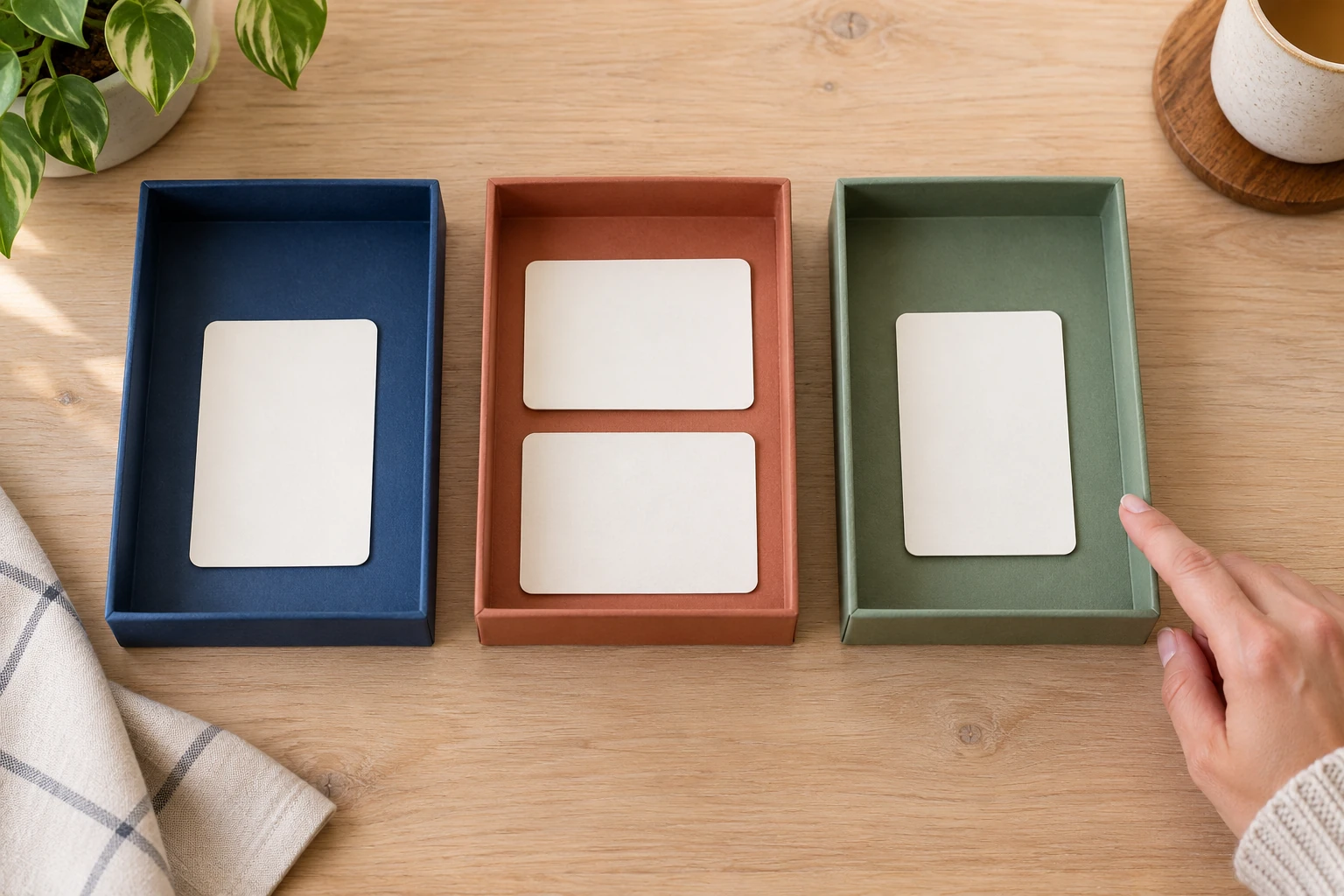
An original four-label assignment exercise counts 36 ways to fill three labeled boxes. Two exact methods explain the overlap correction and the occupancy check.

An original seven-label card exercise counts three-card selections directly and by group composition. A split-and-join argument explains why both totals are 35.
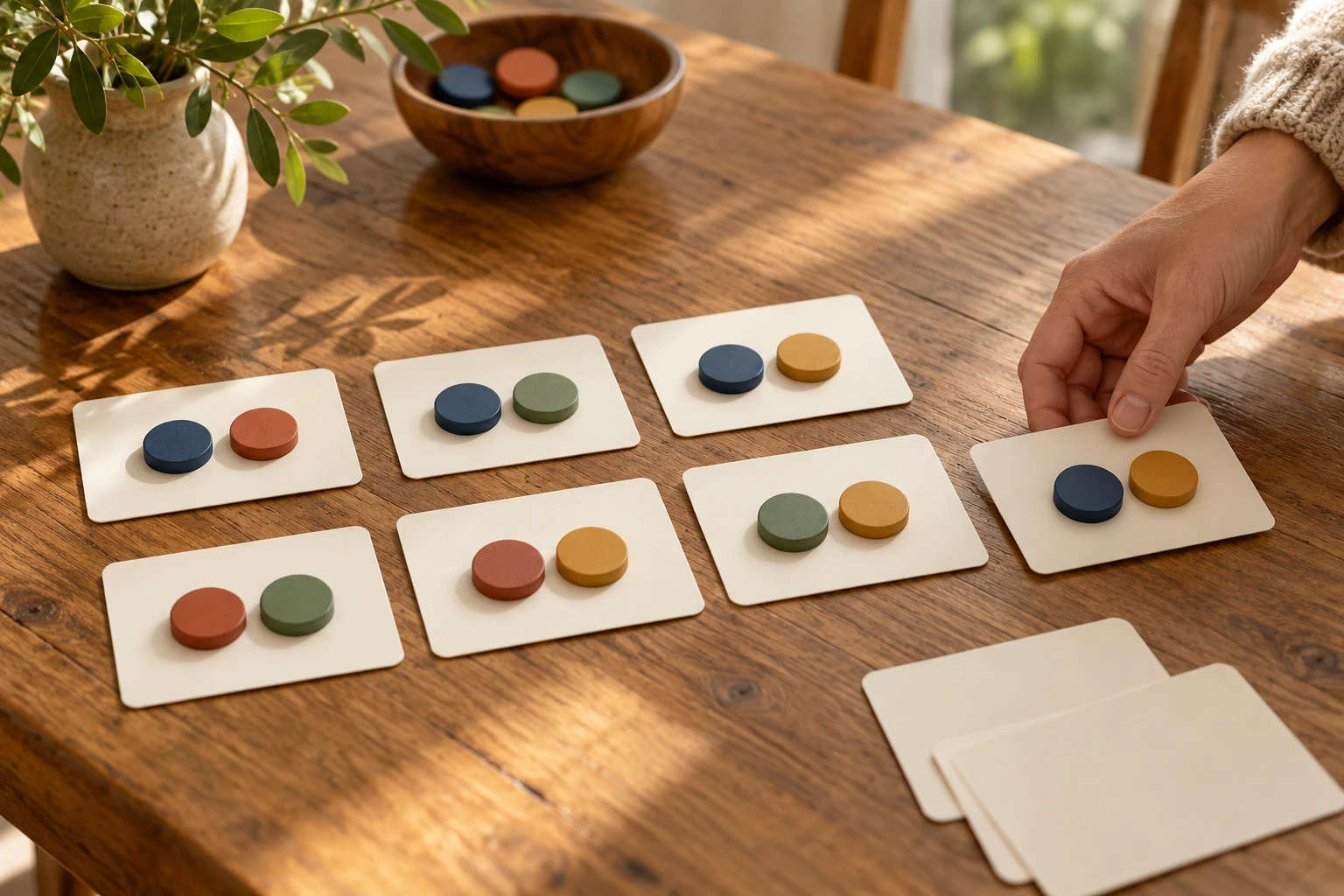
Mara’s fictional choice-card project asks how many subsets can coexist when none contains another. Six pair cards attain a chain-counting upper bound.

An original seasonal story follows two adults who recognize the same meeting place after its familiar statue has been removed.
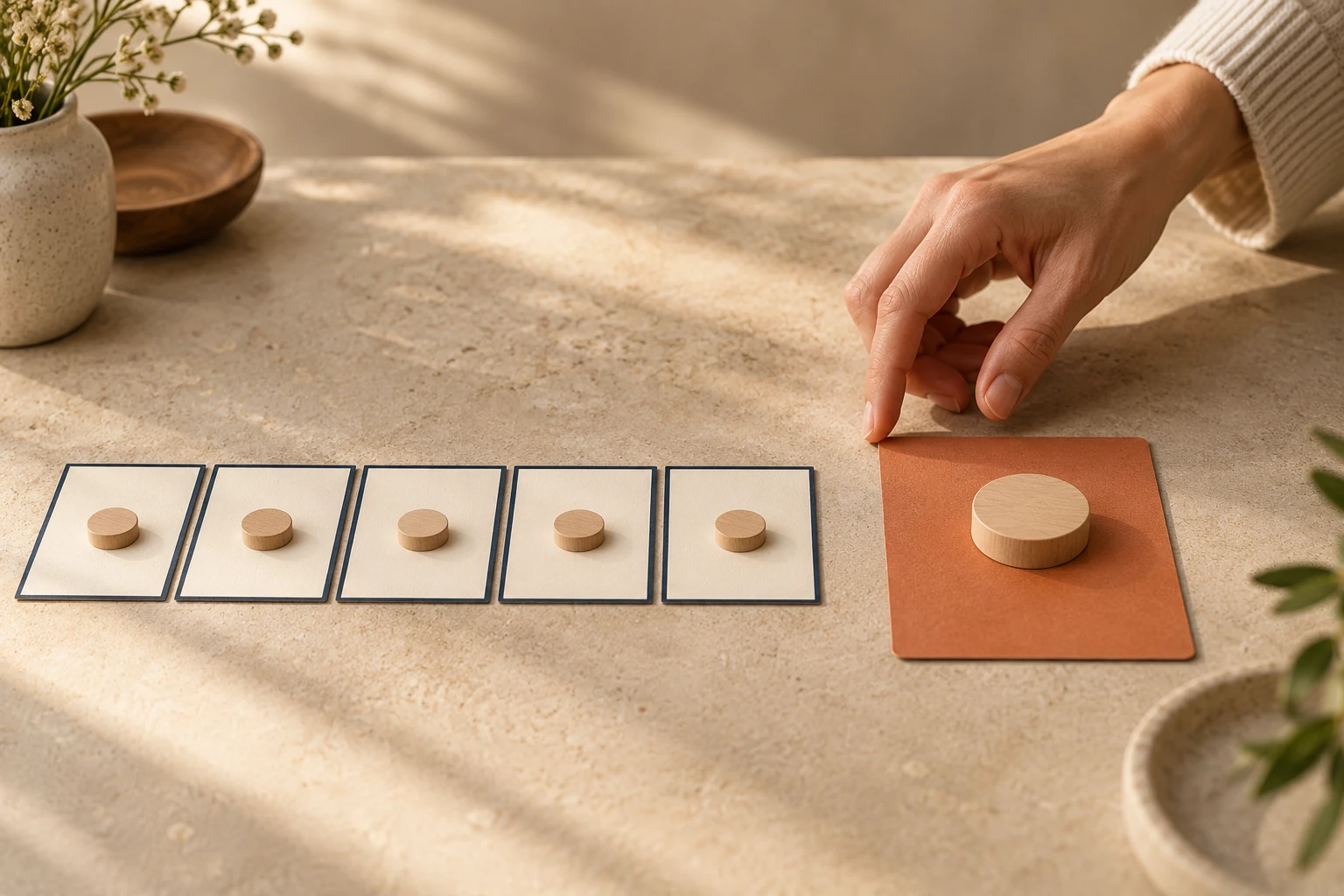
A defined sequential cost model compares renting with a first-buy threshold. Prove the optimal deterministic worst-case ratio when the final use count is unknown.

A defined four-user model shows how a new connector raises stable per-user cost from 70 to 80. Audit edge loads, individual switches and system totals.

An original seasonal story follows two adults who keep their annual outing together while choosing a different destination this year.

An invented speaker strengthens a sentence about silence.
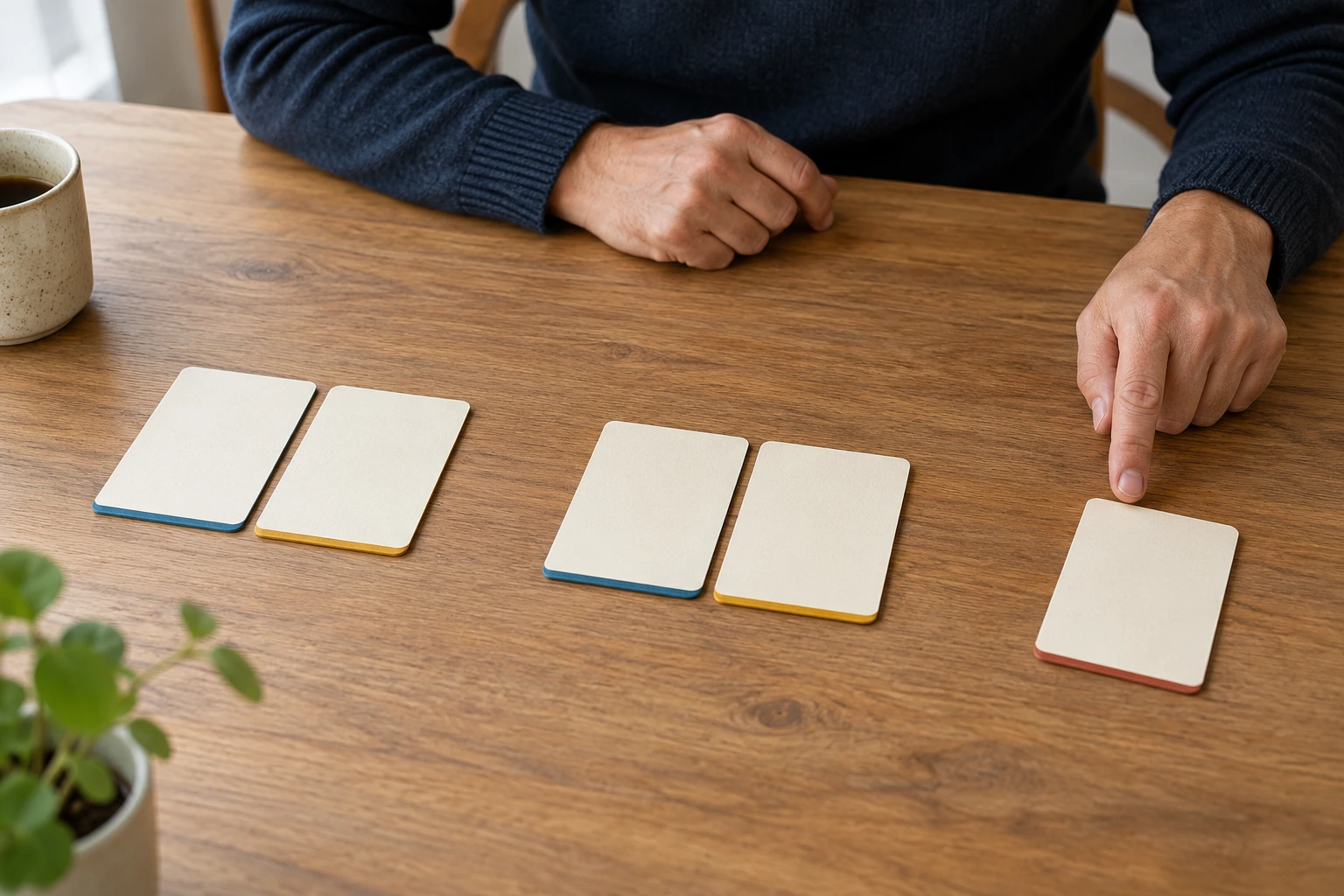
An original pair of rectangular maps restores every pair in one order, while the reverse composition loses a third coordinate. Check both domain-specific identities.

An original winter fantasy follows Liora listening to a temporary sea sound inside an empty cupboard before returning to her evening.