Home & Living
Bag charm attachment compatibility starts at the bag loop
Identify the existing bag attachment point and the charm’s own connector before considering a decorative addition, keeping zipper hardware and uncertain fit separate.
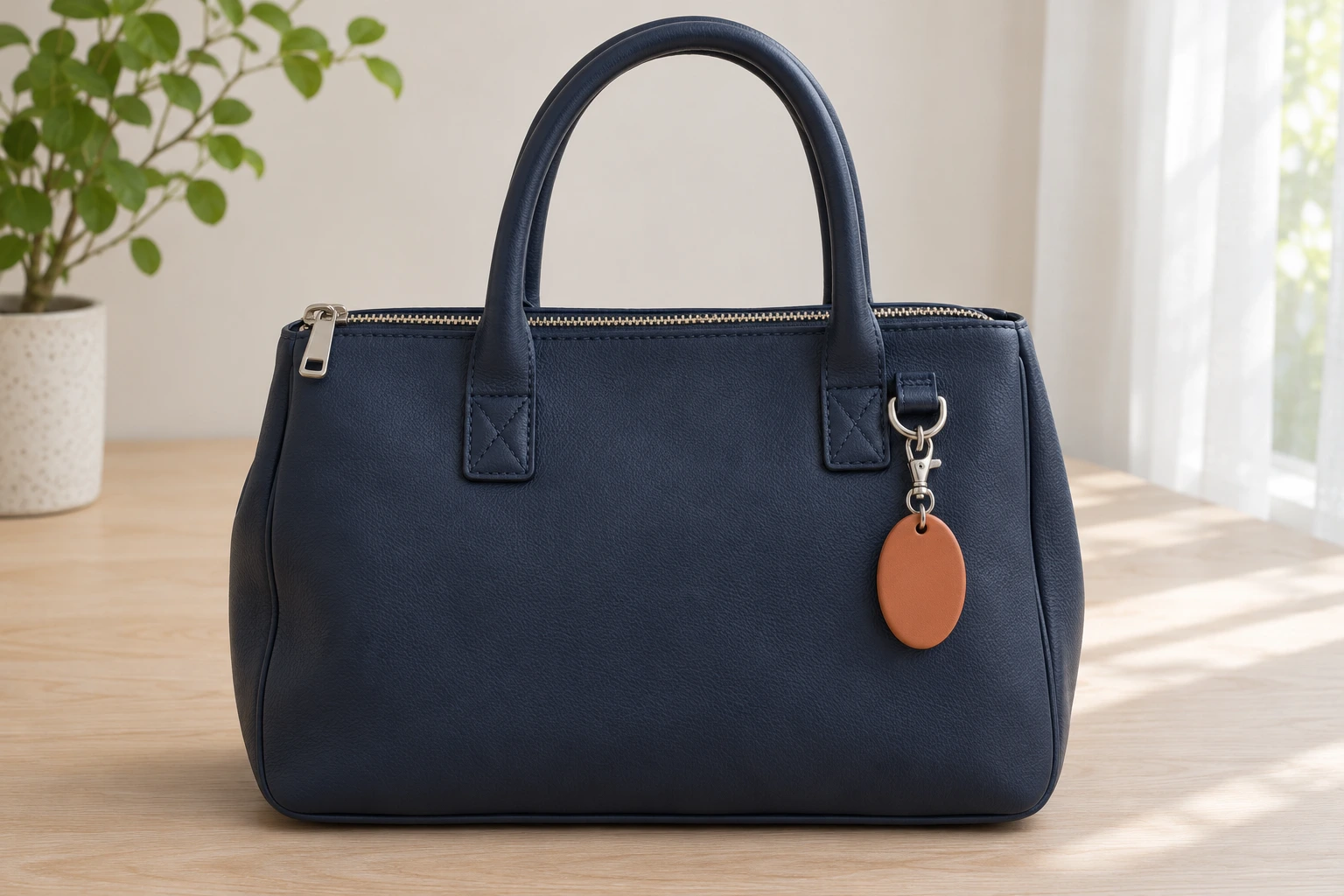
Bag charm attachment compatibility begins with two things you can identify separately, the point on the bag and the connector belonging to the charm. Choose the decorative location you want to investigate, then find out what those particular objects permit. A pictured charm hanging from a different handbag leaves the question about your own bag open.
This guide follows that small decision for an adult’s own bag. It includes an invented example and two actual retail references. It supplies a way to describe the proposed connection and its unanswered questions. Follow the applicable bag and accessory information for any real use, keeping operation, suitability and care with the particular objects involved.
Begin with the point on the actual bag
Put the bag you mean beside the product information you already have for it. Identify where you would like the decoration to hang. Describe that location plainly, such as a loop beside a handle base. Keep the bag’s own identity with the description. A photograph of a similar bag on a shopping page cannot identify the hardware on yours.
Look at what is already connected at that location. A visible ring may already belong to a shoulder strap or another part of the bag. Include that existing use in the question you ask. Leave the assembly as it is while you establish what the point is for and whether the proposed decorative addition is supported.
An unoccupied loop also needs its own information. Its appearance can tell you where it is, while the bag’s instructions or responsible product contact can address its intended role. Record the location you actually see, without assigning it a capacity or a purpose merely because the shape resembles hardware on another bag.
Keep the zipper pull identifiable
Find the zipper and its pull as a separate part of this inspection. A pull may be close to the place you have chosen for decoration, especially in a front photograph. Name it in your description so a person answering your enquiry can distinguish it from a fixed loop beside the handle.
If your chosen point turns out to be part of the zipper arrangement, take that information back to the bag’s guidance before proceeding. The fact that a charm has a clasp does not settle where it belongs. This guide gives no procedure for attaching an object to a zipper or for changing the way the zipper operates.
Keep the distinction in any picture you send. One view can show the whole bag and another can show the relevant bag hardware in its existing state. Explain which point you mean in ordinary words. A close-up that hides the handle and opening may leave the recipient reconstructing the location you are asking about.
Trace the charm as a complete assembly
Read the selected charm’s own account alongside its whole gallery. Identify the decorative body and the visible fittings that belong to it. The connector nearest the bag, a ring within the assembly and the decorative figure can be different parts of one complete accessory. Keep those relationships visible when you describe the proposed connection.
A closed photograph may leave the opening mechanism unclear. Preserve that uncertainty. Ask how the relevant connector is intended to be used through the appropriate product information before considering a real connection. This guide supplies no directions for prying, cutting, bending, splitting, crimping or taking apart any fitting shown in a gallery.
Keep an existing key set separate from this decorative enquiry. A ring carrying keys has its own arrangement and practical role. You can investigate an optional charm for a bag without changing that assembly. If an enquiry concerns the key set as well, say that explicitly so a reply about a decorative bag point cannot silently answer a different question.
Read the pig and cherry offers within their actual accounts
The MCM champagne pig keychain offer repeats its title as its description. Its three galleries show one pig-shaped assembly with a ring and clasp. MCM lettering is visible, while the catalog supplies no model number or UPC. The lettering supports that pictured appearance, with authenticity, material and holding strength remaining unverified.
The EIOYUMY cherry bag-charm offer describes a split key ring and dogleash clip. Six galleries show the charm, close-ups and staged bags. An upper ring in one scene belongs to the bag. Bags and pearls are setting details. A decorated box appears with no explicit delivery-inclusion statement. Its Red variant maps no individual images. These views establish no measured opening or bag-fit result.
The two figures offer decorative subjects to consider. Their accounts leave the proposed connection to your own bag unresolved. You can keep your existing possessions and leave an optional purchase pending while obtaining the information that matters to that connection. Neither a brand name nor a motif identifies a supported attachment point on another object.
Work through Avery’s proposed decoration
In this original invented example, Avery owns a plain navy bag and is considering a generic oval charm. Avery likes the idea of having the decoration beside the right handle. Before choosing an accessory, Avery looks at the bag in its current state and identifies the zipper pull elsewhere along the opening.
The point beside the handle has a shoulder strap attached. Avery includes that fact in a note about the proposed location. The note does not describe the point as spare or available. The question now concerns adding a decoration at hardware that already serves another part of this particular bag, with its existing use still visible.
Avery then looks at the proposed charm’s account. Its pictures show a decorative body, a ring and a clasp. Avery can describe those visible parts without claiming to know a hidden opening mechanism or the connector’s suitability for the bag. The exact accessory reference stays with the enquiry so another item’s fittings cannot become the answer by accident.
Avery asks the responsible product contact about the actual bag point and the proposed charm connection. The response identifies the accessory but leaves the bag point unaddressed. Avery retains that response as partial information and keeps the purchase undecided. The example reports no fitting, alteration, strength test or successful use that has not occurred.
While waiting, Avery considers using another bag with a similar color. Avery starts a separate description for that bag because its handle arrangement is different in the example. The earlier enquiry continues to identify the first bag. Avery can compare possible locations without allowing the answer about one object to travel silently to the next.
Ask a question that keeps both objects in view
Give the contact the bag identity, the location you mean and the selected charm reference together. Describe any part already attached there. Ask for the applicable information about that proposed use. A reply about the charm’s decoration or overall appearance may be interesting, while still leaving the connection question you raised unanswered.
If the reply names another fitting or another version of the charm, identify that change before continuing. You can ask whether the answer concerns the original offer or a newly proposed item. Retain the relevant reference with the reply. A familiar picture can otherwise conceal the fact that you and the contact are discussing different assemblies.
Leave a missing answer visible when you finish the enquiry. You might know which charm you like and still need information about the bag. You might understand the location while remaining unsure about the connector. Keeping those questions separate lets you decide what to ask next without inventing a completed compatibility finding.
If you receive a picture in response, check which part the sender is showing. You may need a wider view to connect that detail with the whole assembly under discussion. Explain the missing context in a follow-up. An image can remain useful while leaving its relationship to your proposed location uncertain.
Keep a change of decorative preference separate from a change of connector. You may prefer another shape while continuing to ask about the same bag point. Identify the new accessory in that case and read its own account. The preferred motif and the connection information can each change through a different part of the enquiry.
Use neighboring guides for their separate decisions
The souvenir keychain story follows an invented traveler deciding to keep an intended gift for its personal association. That ownership and meaning question supplies no attachment result for a bag or charm.
The AirPods case-cover compatibility guide starts with the actual device generation and the cover’s stated fit. Its pouch, shell, lid and charging questions remain specific to the device accessory being considered.
For your bag, finish with the proposed decorative location, its existing role and the selected accessory’s connector still identifiable. Keep any unanswered suitability question with those references. The decision can remain open while the bag continues to be used under its own directions. A decoration you have not chosen creates no requirement to alter what you already own.
Keep an optional order with its actual terms
If you decide to investigate a charm purchase through republeq.com, retain the exact offer and any unresolved connection or supplied-content question with that enquiry. This guide establishes no cryptocurrency payment option for your order. If USDT appears as an available choice in the actual checkout, verify the requested asset, network, receiving destination, amount and order reference through the responsible service before authorizing a transfer. Match the product, variant and quantity with the item you intend to order. Obtain the current delivery information, total charge and applicable transaction terms for that same selection. Review any fees or conversion information in the actual transaction details. Check the cancellation, return and refund process for the method you are considering, including how a refund would be handled. An answer about payment does not establish a bag attachment result or resolve an unidentified connector. Keep the product response available alongside the order details so you can tell which questions have been answered. Retain dated instructions and references if you proceed. If essential payment instructions change, have the responsible service reconcile them against the particular order before taking another step. An acknowledgement should identify the transaction it concerns. If payment or order status remains uncertain, establish that status before considering another transfer. Uncertainty cannot show that nothing happened. This paragraph supplies no wallet address, counterparty assessment, transfer guarantee or recovery method. Looking into a charm creates no obligation to buy it. You can leave the order undecided while a necessary product or payment detail remains unclear, and keep that purchase enquiry separate from the bag’s existing use.
Leave the connection question accurately described
Bag charm attachment compatibility stays with the actual bag hardware and the selected charm connector. Identify the proposed point, keep its existing role visible and ask about the exact accessory you mean. A clear description can preserve what remains unknown while you decide whether to continue investigating that optional decoration.
A generic decorative charm uses a fixed bag loop while the zipper pull remains separate.