Crypto Commerce
VOSKER V150 solar camera two-pack two-pack vs SPYPOINT FORCE-PRO-S 2.0 for remote sites
Compare VOSKER V150 solar camera two-pack: a two-camera VOSKER V150 LTE bundle with one SPYPOINT FORCE-PRO-S 2.0 trail camera on remote alerts, capture modes,…
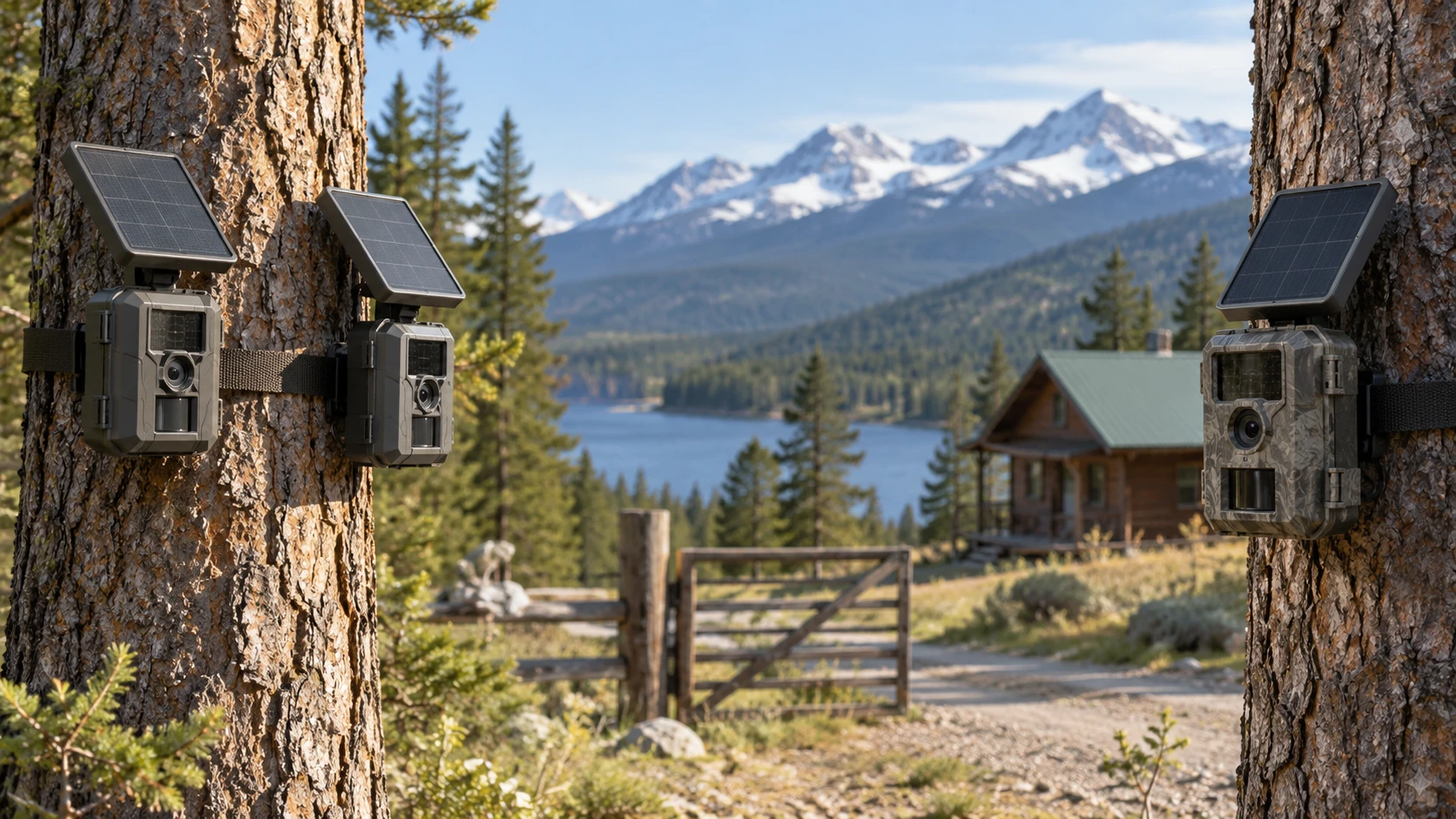
A camera left at a distant site has to do more than take a sharp picture. Someone must be able to retrieve the evidence, keep the battery charged, and notice when the setup has stopped working. The VOSKER V150 listing offers two solar-powered LTE cameras that send motion photos to a phone. The SPYPOINT FORCE-PRO-S 2.0 listing describes one solar trail camera with 48MP stills, 4K video, an on-camera screen, and AA backup power. The choice begins with whether you need two remote alert points or one location focused on detailed local captures.
The VOSKER V150 solar camera two-pack row says the package contains two wire-free 3G/4G-LTE outdoor cameras and two 32GB microSD cards. Its cameras detect motion, capture photos, and send mobile notifications. The camera battery planning guide helps set a realistic visit interval for either solar setup. The SPYPOINT FORCE-PRO-S 2.0 solar camera row lists 48MP photographs, 4K video with sound, an internal lithium battery, and the option to use eight AA batteries as backup. Its saved description says a color LCD lets you review images and change settings at the camera; it does not establish a mobile alert path.
Decide whether the site needs one viewpoint or two — SPYPOINT FORCE-PRO-S 2.0 solar camera
The VOSKER bundle covers two camera positions if both devices, cards, and mounts are present in the shipped package. That can help when an entrance and a secondary approach need separate views. Two cameras also mean two batteries to charge, two solar panels to place, and potentially two cellular connections to maintain. The saved description does not provide the plan terms or a total ongoing service cost. Confirm how each camera is activated and billed before valuing the bundle only by its hardware count.
SPYPOINT's listing is for a single FORCE-PRO-S 2.0 camera. Its higher stated still-photo and video formats may appeal when one trail or feeder needs more detailed records. A single camera cannot cover two separated approaches at once simply by having more pixels. Place a temporary marker at the intended mount and see what actually lies inside its field of view. The saved row does not state a lens angle, so photographs from the exact model or an in-person setup may be needed before fixing the position.
There is a practical cost to each extra location. Walking to two cameras, changing batteries, cleaning lenses, and checking straps all take time. Conversely, placing two cameras can reduce the chance that an event happens outside the only frame. Write down the question you want the system to answer: which gate was used, when animals visited a feeding area, or whether a remote building needs prompt attention. Then decide whether the second viewpoint or the richer single-camera capture is more useful.
Verify the remote path before counting on alerts — SPYPOINT FORCE-PRO-S 2.0 solar camera
VOSKER's row says the V150 cameras use 3G/4G LTE rather than Wi-Fi. It explicitly advises checking cellular reception at the installation site. A working signal at the road may not carry through a valley, tree line, or metal enclosure. Before permanent mounting, test each camera exactly where it will sit. Trigger a motion event and verify that its photograph and phone notification arrive. Repeat after dusk if low-light alerts are part of the plan.
The same row names VOSKER SENSE AI Image Recognition for image filtering and a hybrid Time Lapse plus Movement Detection mode. Those features may help sort routine activity, but the saved text does not specify accuracy, included subscription terms, or every category recognized. Check the current app and service plan for the exact V150 model. A notification is useful only if it arrives promptly enough for your purpose and shows a readable image of the subject.
SPYPOINT's saved row names on-camera controls and LCD review, with no cellular or app feature stated. That is a gap in this source, not proof that every SPYPOINT product works only locally. Confirm the exact model 01858 in the current manual if remote delivery is required. If visits are easy, local review may be acceptable; the LCD can help confirm framing and inspect recent files on site. If the drive to the camera takes hours, a verified remote path can change the maintenance schedule considerably.
Compare capture modes with the question you need answered — SPYPOINT FORCE-PRO-S 2.0 solar camera
The SPYPOINT row lists 48MP still photographs and 4K video with sound. It also offers Photo, Video, Time-Lapse, and Time-Lapse+ modes. The latter combines interval images with sensor-triggered captures. A multi-shot option takes up to six photos per detection. Those choices let you favor a detailed still, a short sequence, or a broader record of changes over time. They also create different amounts of data and different demands on power and storage. Check the manual for file sizes and supported media before planning a long unattended period.
VOSKER's saved row describes photos sent from motion detections, low-light night vision, and a hybrid time-lapse and movement mode. It does not give a matched photo resolution or video format for this exact two-pack in the catalog snapshot. Avoid comparing SPYPOINT's 48MP or 4K numbers with an unstated VOSKER specification. Ask for sample files and the V150 manual if identifying fine details will determine the choice. A motion photo that reaches your phone quickly may be more valuable for timely awareness than a larger file you see only after a site visit.
SPYPOINT claims a 0.2-second trigger and a 110-foot detection range in its row. The description also names 54 LEDs for low-light viewing. Those are Republeq's product specifications whose results depend on subject speed, direction, scene, and settings. VOSKER's saved text gives no matched trigger-speed or detection-range figures. Test with a person moving across the likely path at realistic distances. Look for the first frame that actually contains the subject and check how many false captures the chosen setting creates.
Plan the batteries around an ordinary bad week — camera battery planning guide
The VOSKER bundle description says each camera has a solar panel and rechargeable battery pack. It instructs the buyer to charge the internal battery for 24 hours before first use. Treat that as a setup step, then verify the current manual's charging procedure and status indicator. The row says solar can extend runtime but does not provide a reliable number of unattended days under a specified recording rate, signal strength, and weather. An LTE camera in weak coverage or a busy location can behave differently from a quiet test site.
SPYPOINT's row says its integrated solar panel charges an internal lithium battery and that eight AA cells can serve as backup when sunlight is scarce. Confirm whether the AA cells are included, which type the manual permits, and how the camera indicates that backup is being used. A backup is most useful when you know it has taken over; otherwise a camera can stop silently between visits. The listing does not give a measured runtime for the lithium battery or the AAs.
Look at the intended mount over a full day. A panel that receives open sunlight at noon may sit in shade for the rest of the usable hours. Check whether the panel can be aimed separately from the lens and whether its cable can be secured without strain. In a woodland site, seasonal leaves may change exposure. Run either system with the intended capture schedule for several days near home before leaving it unattended. Note battery status, alert count, and how much storage the files consume. The published battery guide's time-away questions are a useful way to set the first visit date conservatively.
Inspect the bundle and storage details — SPYPOINT FORCE-PRO-S 2.0 solar camera
VOSKER's saved row states that two 32GB microSD cards are included with the two cameras. It attributes the cards to a named bundle supplier and mentions a two-year warranty through a named Republeq's catalog. Those details should be checked on the current offer: who supplies the cameras, whether both cards and mounting pieces are in the box, and which party honors the warranty. The row does not explain the exact local storage behavior or whether alerts remain available without a paid service plan. Confirm the app and plan contract before using the cameras for an important remote site.
The SPYPOINT row describes no included memory card or reader. Ask for the complete package contents and supported card specification. Its on-camera LCD may make reviewing and setting the unit easier during a visit, but you still need a dependable way to take files home. Test that transfer method before deployment, using the actual card you intend to leave in the camera. Label the card and make a copy of valuable recordings after each visit so the field device is not the only place they exist.
Mounting deserves the same inspection. The VOSKER description calls the cameras wire-free outdoor units but does not give a detailed bracket list or ingress rating. The SPYPOINT row gives a solar trail-camera design without a full mounting inventory. Request current manuals, place each unit where you can reach it safely, and check how the lens and panel are affected by rain, glare, or vegetation. If the site is shared, confirm permission and choose a view appropriate to that location.
Use a field trial as the final comparison — SPYPOINT FORCE-PRO-S 2.0 solar camera
VOSKER's documented case is a two-point, LTE-connected photo-alert system with solar charging. SPYPOINT's documented case is a single trail camera with multiple higher-resolution capture modes, LCD review, solar charging, and AA backup. The saved descriptions do not provide a matched image test, runtime, total service price, or complete accessory list. Those gaps should be settled against the exact Republeq's catalog offer before purchase.
Mount the chosen camera or cameras temporarily at the real site. Capture daylight and night samples, confirm the intended phone alert or local retrieval path, and leave the equipment running for several days. Then check battery status, file timestamps, and whether the subject was framed when it appeared. That trial reveals the practical maintenance burden and whether the system brought back the evidence you needed.