Crypto Commerce
Plan an interview audio check before recording
A interview audio check answers a modest question before you sit down to record an adult relative: can a listener understand the people you intend to hear in a short sample of the arrangement you plan to use? Ask your relative whether they are comfortable making a brief trial recording, let them know you will listen back, and treat their willingness to continue as separate from the technical result. A camera description can tell you that it records video. It cannot tell you whether a particular reply in your room will be intelligible.
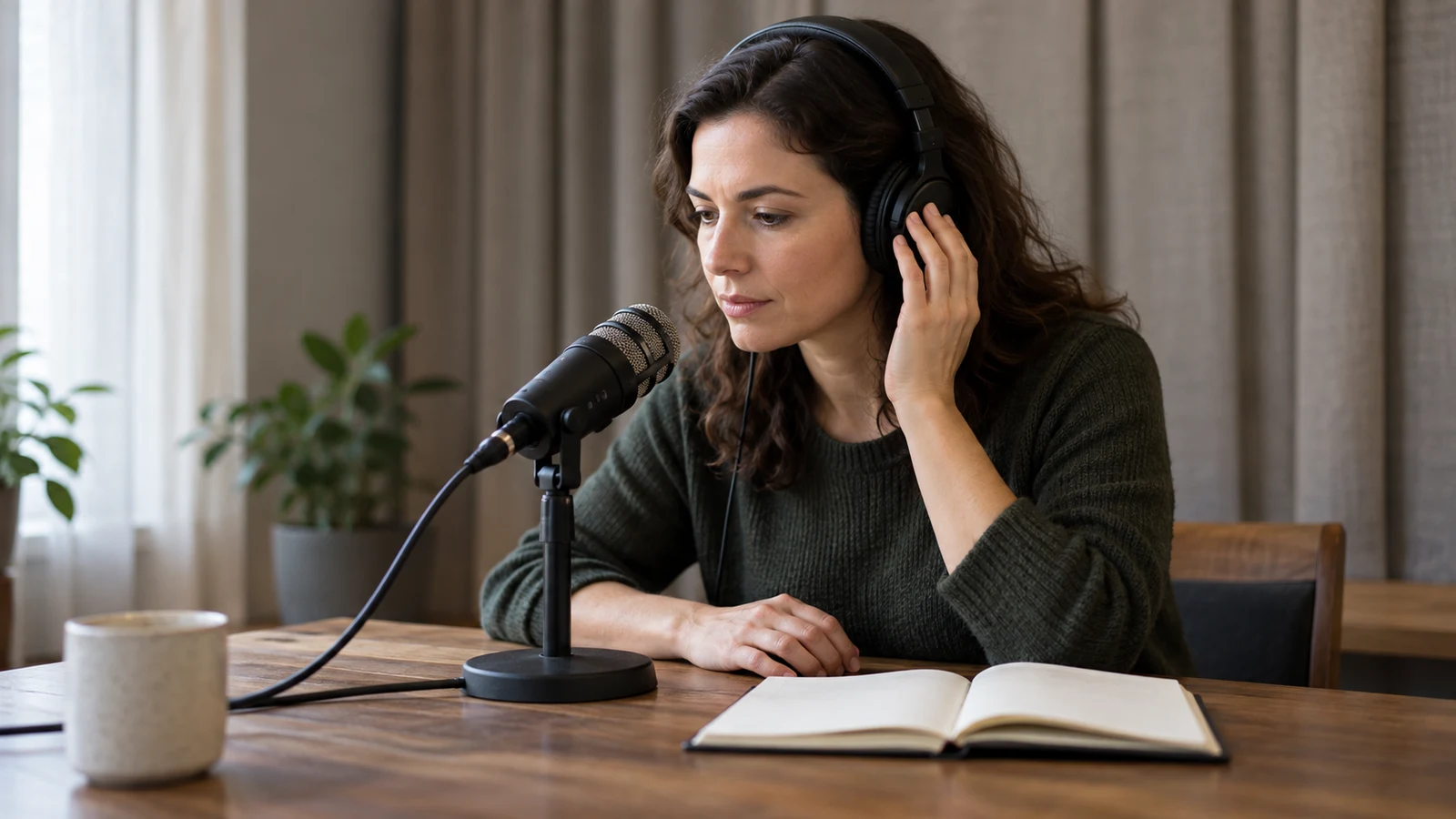
A interview audio check answers a modest question before you sit down to record an adult relative: can a listener understand the people you intend to hear in a short sample of the arrangement you plan to use? Ask your relative whether they are comfortable making a brief trial recording, let them know you will listen back, and treat their willingness to continue as separate from the technical result. A camera description can tell you that it records video. It cannot tell you whether a particular reply in your room will be intelligible.
Decide in advance what a usable sample would let you hear. If the relative's account is the focus, their ordinary speaking voice matters more than the interviewer sounding equally prominent. If your own prompts will remain in the finished recording, they need to be understandable too. Think about the spoken details you would regret losing: a person's name, a place, or the distinction between two similar words. You do not need to supply a scripted interview question to test that. Ordinary, willing conversation is enough to expose a passage that needs another listen.
Seated Interview Framing Starts With The People You Need To Hear
The trial should resemble the conversation you actually intend to record. Invite each person who will speak to take part while seated in the proposed arrangement. Ask for a little ordinary speech from each person, including any planned contributions from behind or beside the camera. A sample of the interviewer alone would leave the relative's voice untested; a sample of the relative alone would tell you little about a prompt that the eventual viewer must also hear. Keep participation voluntary, and pause if anyone wants to stop or change the plan.
When considering the listed Sony ZV-1 II white compact vlog camera, plan an interview audio check with the actual arrangement rather than inferring the result from the product description. The listing identifies a video-capable camera and describes its bundle, but it does not establish how speech from either seat will sound in your trial. Confirm the exact device's audio recording and playback details through information appropriate to that model before relying on a particular review method. The listening result comes from the sample you make, not from the listing's video specification.
Agree on what the trial is for before pressing ahead. The relative may speak at a normal pace, and the interviewer can contribute in the same way they expect to contribute later. A trial made with exaggerated volume or an unusually careful speaking style may be easier to understand than the later conversation. You can mention that the sample is provisional and ask whether the person wants it kept or deleted afterward. That conversation is about consent and comfort; it should not be treated as evidence that the recording itself sounds good.
Once the sample exists, use a playback method you have confirmed works with the actual equipment and file. Listen at a comfortable level without assuming that one playback device represents every way someone might hear the finished interview. If possible, ask a willing listener who did not take part to say which words they understood, without giving them the names or details first. Familiarity with the conversation can make a muffled word seem obvious to the people who were in the room.
Listen for a complete thought from each intended speaker. Mark a word you cannot make out instead of silently substituting the word you expected. Notice whether two voices cover one another, whether a reply becomes difficult to follow near its end, and whether another audible sound interrupts a name or other important detail. Those are observations about the trial. They are more useful than immediately concluding that a device, a speaker, or the room caused the problem.
Seated Interview Framing When A Reply Is Unclear
Suppose a fictional trial contains this exchange: an interviewer asks a relative where they met a friend; the answer begins clearly, but the place name disappears when both people speak at once. The fair note is, “Place name unclear during overlapping speech.” It would be a guess to write, “The camera failed to capture the relative's voice.” The overlap is audible in the sample; the reason a specific word was lost has not been established.
In that example, the two people could agree to leave space for the answer before the interviewer speaks again. Make another short recording with that single conversational change, then compare the same kind of passage. If the place name is clear on the new trial, the change was helpful in that instance. It still does not prove that overlap was the only problem in the first sample or that every later answer will be clear. If the word remains uncertain, note that result and choose another practical condition to try.
A different fictional sample might contain a steady audible interruption while the relative speaks. You may choose to repeat the sample when that interruption is absent, if doing so is practical and the relative is willing. Avoid naming an unseen source merely because the sound resembles one. A short note such as “Reply partly masked by a recurring sound; source unconfirmed” preserves the distinction between what you heard and what you think might have happened. That distinction keeps the next trial focused on a change you can actually observe.
Compare recordings by listening to ordinary speech again, rather than judging only the moment that first drew your attention. A change that clears one word may leave the interviewer's contribution harder to follow. The decision is whether each intended voice and the details important to you can be understood well enough in this arrangement to begin, or whether you need another trial. That is a judgment about these samples under these conditions, not a general verdict on the camera.
Canon G7 X Mark II Kit As An Alternative Recording Context
The listed Canon G7 X Mark II kit is a Canon PowerShot G7 X Mark II international-version camera bundle. Its description includes a video specification and a list of bundled items. Neither establishes that the kit includes a particular audio accessory, how it captures two speakers in your seating arrangement, or how you would review sound from your own recording. Check the exact model and bundle details relevant to audio before choosing a playback plan, and assess an actual sample if you use it for the conversation.
The Sony and Canon listings can each give you a starting point for considering a recording device. Their stated video details do not rank the intelligibility of a relative's voice, because your intended voices and room have not been recorded in either listing. If you are comparing the two, apply the same listening question to a trial made with whichever equipment you can actually use. If you cannot confirm a way to capture and review the audio you need, leave that question open instead of treating the listed video format or accessories as a substitute for confirmation.
Before buying either camera for this purpose, distinguish between a listed capability and a demonstrated result. A video recording feature tells you little about a specific interview if the final sound has not been heard. A bundled case, card, or tripod does not answer the audio question. Ask what exact-model information you need to establish a workable recording and review path, then decide whether you can try the intended arrangement. Product choice and the outcome of a listening trial are related decisions, but one cannot stand in for the other.
If you are shopping with cryptocurrency, rely on the payment choices actually shown at checkout before deciding whether to place an order. A product listing or this listening plan does not establish which payment options will be offered for your transaction. Keep that purchase decision separate from the trial's audibility result: paying for a video-capable camera does not demonstrate that it will yield understandable speech from a particular seated conversation.
Seated Interview Framing After An Arrangement Change
If an unclear sample leads you to move a participant or the camera, the visual arrangement changes too. Consult the guide to seated interview framing for the picture decision, then repeat the sound trial after the positions are settled. A useful sound check made before the move describes the old arrangement only. Keep the two judgments distinct: a position can make someone easier to see without establishing that their words are easier to hear, and a voice can be clear while the picture still needs attention.
Make one meaningful change at a time when circumstances allow. If you move a participant and change the conversational turn-taking at once, a clearer second recording will not tell you which change helped. Sometimes comfort, access, or the relative's preferences make an isolated test impractical. In that case, record what changed together and compare the new sample on its own merits; there is no need to claim you identified a single cause. The person being interviewed can prefer an arrangement even when a different one might have made a trial easier to hear.
Keep a short note that distinguishes heard speech from unresolved speech. For example, a fictional note might read: “Trial one: relative's opening reply understandable; place name lost during overlap; interviewer's later prompt understandable. Trial two after leaving a pause: place name understandable in the new reply; a later quiet phrase still uncertain. Next action: listen to a fresh ordinary reply in the chosen seating arrangement before the full interview.” These are invented trial observations to show the format of a note, not claims about either listed camera.
The note need not grade the relative's voice or diagnose a technical fault. It should say which voice you heard, what passage you could not reliably understand, what you changed, and what the new recording actually showed. If the relative chooses to change position or take a break, respect that choice and treat the next recording as a new trial under changed conditions. A clear opening exchange does not certify an entire conversation that has not happened yet.
Treat the interview audio check as a decision before recording, not a promise about the finished interview. Begin when the participants are willing and the short sample gives you a reasonable basis to understand the voices and details you care about. If a word remains ambiguous, keep it marked as uncertain and try another voluntary sample after a relevant change. The useful outcome is a specific observation you can act on, even when the honest answer is that you need to listen again.