Product Compatibility & Accessories
Lens hood compatibility: LH-XF18 and LHP-1 target names
Read the exact LH-XF18 lens target and the LHP-1 retail RX1 Series statement, keeping accessory identity and additional equipment questions distinct.
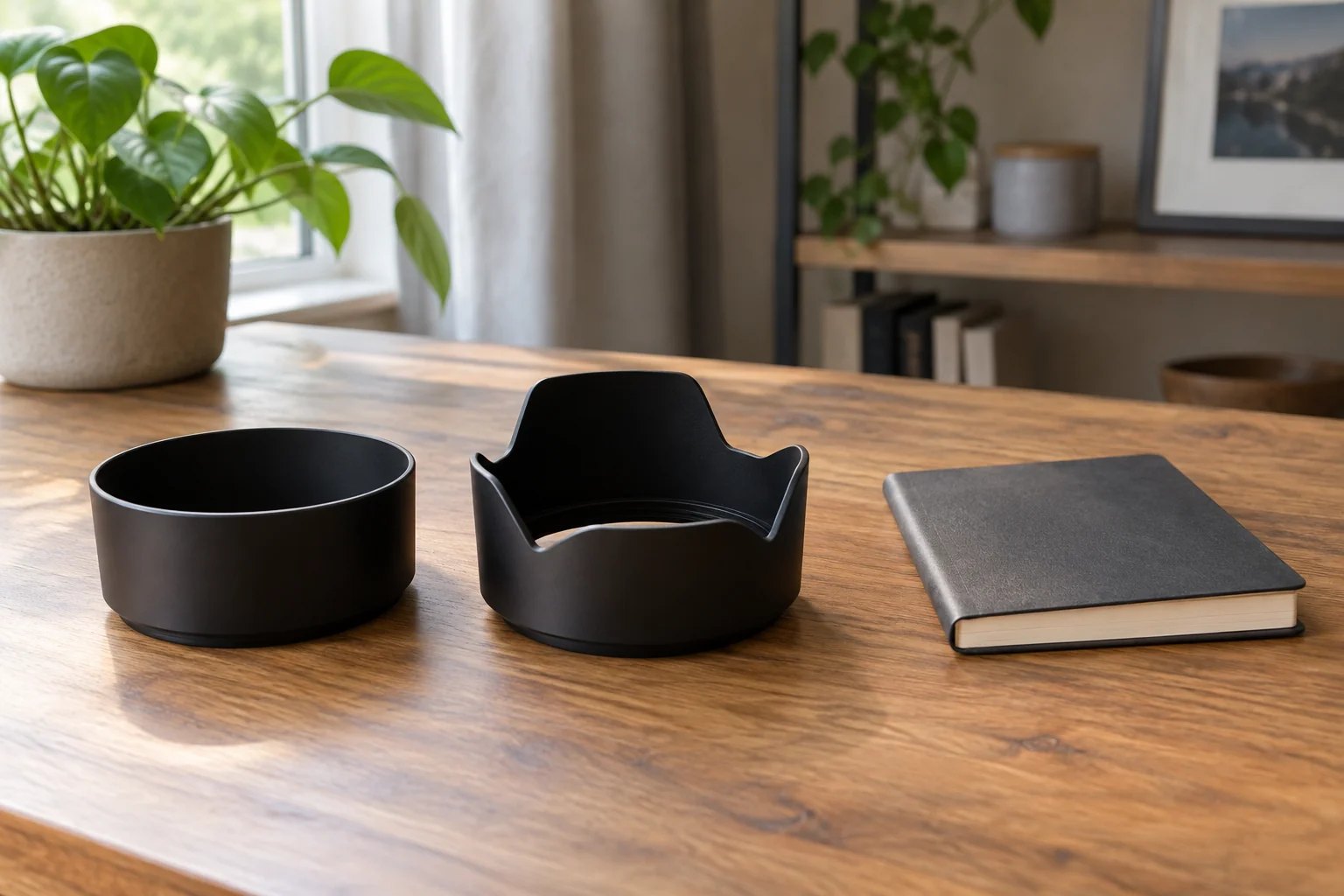
Lens hood compatibility starts with the hood and the optic it is meant to accompany. A hood described for a camera family and one specified for a particular interchangeable lens answer different matching questions. Keep the complete target name beside the accessory before treating a short focal-length label or a familiar camera brand as confirmation.
The actual offers here are Sony LHP-1 for the RX1 Series and Fujifilm LH-XF18 for the XF18mmF1.4 R LM WR lens. Fujifilm's own accessory page explicitly lists that full lens designation in its compatibility table. The Sony retail account gives a broader camera-family statement; this article does not expand it into a verified list of individual generations.
Identify the accessory you are actually considering
Write the hood's own model before describing the equipment you want to use it with. LH-XF18 identifies an accessory, while XF18mmF1.4 R LM WR identifies its listed target lens. Similar letters in those two names do not make them interchangeable descriptions of the same object.
A message asking only for an eighteen-millimetre hood leaves the accessory identity unresolved. It could be a request about the focal-length label someone remembers, without naming the actual lens. Ask for the full lens designation and the proposed hood model before assigning a compatibility answer to that abbreviated question.
Write LH-XF18 and the full target lens name in the same enquiry. Keep the exact offered item attached to the enquiry, including its SKU if that helps the supplier distinguish the listing. A photograph can accompany the question, but an outward resemblance does not independently authenticate an accessory or establish its fit.
Read the actual Fujifilm LH-XF18 offer
The Fujifilm LH-XF18 black bayonet hood identifies SKU 902850746 and UPC 074101204032. Its description names the Fujinon XF 18mm F1.4 R LM WR lens as the target. Keep that complete designation with the selected offer instead of shortening it to an eighteen-millimetre Fujifilm accessory.
The same retail account describes a matte black interior, contoured shape and bayonet attachment. It attributes protection and stray-light control to the hood, including claims about preserving contrast and colour fidelity. Those are the offer's statements, without a physical mounting trial, impact test or controlled image comparison performed here.
The protection wording does not supply a weather-sealing certification or instructions for exposing a particular camera to conditions. Nor does the bayonet description identify a universal connection shared by every accessory carrying that word. Follow the actual applicable instructions for any eventual use of the selected hood.
If the supplied item matters to an existing kit, retain the exact listing reference while checking its contents and identity. A later answer concerning a different hood variant should not silently replace the question about LH-XF18. Ask the supplier which actual item its answer covers.
Check the Fujifilm LH-XF18 compatibility table
For Fujifilm LH-XF18 compatibility, the manufacturer's accessory page names XF18mmF1.4 R LM WR. Its compatibility field therefore gives a concrete target to compare with the complete designation on your lens documentation. The page also describes a metal hood finish, without supplying a comparative performance test.
Keep the complete target name together while making that comparison. Matching only XF, eighteen millimetres or the maker's name leaves part of the designation unexamined. An abbreviated description can identify the question you need to ask without already answering it.
The table's listed target is also the limit of what this source establishes here. This article does not turn one entry into an exhaustive declaration that every unlisted lens is incompatible. If your actual lens designation differs or remains uncertain, leave that combination open until its applicable compatibility information addresses it.
Read any supplier reply against the item and target you actually named. A statement that a hood suits a general lens category does not reproduce the full match in the manufacturer's table. Keep the exact accessory and the full target optic beside the answer.
Use a fictional enquiry to expose the missing name
Imagine an explicitly fictional buyer, Erin, who writes, “I have a Fujifilm camera and an eighteen-millimetre lens. Will this hood fit?” Her message supplies a maker and focal-length description, without the full lens designation. Ask Erin for the complete lens designation before answering her fit question.
If Erin then identifies her documented lens as XF18mmF1.4 R LM WR and the proposed accessory as LH-XF18, the pair corresponds to the names in the actual manufacturer table. This fictional naming exercise is not a report of Erin's equipment or a test of a delivered item. The actual supplier and applicable instructions still govern what is supplied and how it is used.
A different fictional buyer, Dev, may only have an old note saying eighteen millimetres. Keep his question unresolved until the lens identity is established. Erin's completed name cannot fill Dev's missing one merely because their abbreviated messages initially looked alike.
If Dev asks someone else to check the equipment reference, make clear which lens and accessory the enquiry concerns. A reply about a different household kit needs its own identity. Put the named lens beside the hood in the reply Dev receives.
Keep Sony LHP-1 RX1 Series wording at its stated scope
For Sony LHP-1 RX1 Series matching, the Sony LHP-1 lens hood offer names RX1 Series premium compact cameras. It identifies SKU 17274667959 and UPC 027242932340. That is the selected retail account's camera-family statement, without a generation-by-generation compatibility table supplied here.
The offer calls the hood genuine and says it matches the camera's styling, mounts and removes easily, and helps protect the front element while maintaining intended optical performance. Keep those claims attributed to the actual offer. This article independently verifies neither authenticity nor physical protection or optical performance.
When asking about a particular RX1 Series unit, give its full model alongside LHP-1. Do not add individual generations to the retail wording from memory. Ask whether the answer covers the complete RX1 Series model you supplied.
The two selected offers therefore describe their targets at different levels: Sony gives a camera family, and Fujifilm gives a particular lens designation. Keep each description with its own accessory. The Fuji table cannot provide a missing Sony model map, and the Sony family wording cannot establish a Fuji hood's connection.
Separate the named target from a performance question
A request about stray light asks something beyond identifying a listed target. The Fuji retail description names a matte interior and contoured shape, but this article supplies no comparison photographs under controlled conditions. If someone wants to know what a particular hood changes in an actual photograph, keep that question separate from the manufacturer's named compatibility entry. A documented target is not a measured result for an unexamined scene, angle or combination of accessories.
The Sony protection claim likewise does not establish how a particular impact would affect a camera. Keep the retail wording as its own claim. A buyer can ask which accessory is intended for the actual unit without turning that answer into an assurance against damage. Nothing here supplies a handling procedure, a protective rating or permission to expose equipment to a condition its applicable instructions do not allow.
These distinctions help when two people are comparing different questions. One may need the complete model match; another may want evidence about an image result or a physical protection claim. Record which question a reply actually answers. A supplier's confirmation of the named target can settle that documented identity point while leaving an untested performance question open. Conversely, a general description of a hood's purpose cannot fill a missing target-lens designation.
Keep an additional accessory in the combination question
If you intend to use other equipment with a hood, identify that equipment in the enquiry too. A separate filter, adapter or other accessory creates a more specific proposed combination than a hood and its documented target alone. This article supplies no compatibility result for an unexamined stack of parts.
Ask the applicable supplier or manufacturer about the actual combination rather than assuming that confirmation for one accessory answers every additional arrangement. Keep the names and the stated use together in the reply. If the answer addresses only the hood and target lens, the extra component remains an open question.
Do not turn an unresolved interface into a force-based test. Follow the actual hood and equipment instructions for any permitted attachment. This article provides no mounting, removal, adjustment or modification procedure, and no assurance about an unidentified adapter or filter.
Read a camera bundle's included hood as its own item
The Canon Rebel T7 and Nikon D7500 bundle guide keeps different camera bodies, lenses and package contents distinct. Its Canon account includes a hood among an eighteen-piece accessory bundle. That presence does not identify the included hood as either Sony LHP-1 or Fujifilm LH-XF18.
Its listed Canon EF-S 18-55mm lens and Nikon kit lenses belong to those actual bundles. Neither selected hood here receives an additional target merely because another kit includes a lens and a hood together. Get the accessory identity for the package you are actually considering.
If someone says “there is already a hood in the kit,” ask which actual item it is. Keep that included item separate until its own identity and applicable equipment are established. An included accessory can remain a contents question without becoming approval for every optic you own.
Keep optical labels separate from the actual connection
The microscope eyepiece fit guide separates ten-times magnification from mounting-size statements in its actual AmScope offers. Those microscope dimensions supply no camera-hood fit. The useful connection is keeping the particular specification attached to the question it can answer.
For these hoods, an accessory name, target optic designation and retail performance claim have different jobs. A claim about contrast does not identify your actual lens. A shared maker's name does not identify the particular accessory in a parcel. Keep those facts separate while seeking the actual matching information.
Likewise, a product photograph is evidence of the picture shown with the offer. It does not independently verify that the particular item delivered has the same model identity or establish how a proposed combination behaves. Retain the actual order and item information if a question remains after delivery.
Finish with the combination that has actually been addressed
Before choosing a purchase, record which accessory and target the answer covers. Include any additional component that was part of the question, and retain any limitation in the reply. An answer about a simpler combination should not become a broader confirmation through a shortened note.
If the lens or camera changes later, return to the actual compatibility information for that new combination. The earlier answer remains about the earlier equipment. Retain the earlier equipment names with the earlier answer.
Lens hood compatibility remains attached to a particular accessory and its stated target. Fujifilm's actual table names XF18mmF1.4 R LM WR for LH-XF18; Sony's selected retail description names RX1 Series for LHP-1. Keep unresolved variants and additional components visible until their applicable information addresses them.
Lens hood compatibility concerns a particular accessory and its target optic; this conceptual cover shows generic unattached hoods without a tested mount, optical comparison or authenticated retail model.