Food & Groceries
Holiday decaf coffee choices: flavor labels and the right format
Choose a holiday decaf assortment through separate caffeine, flavor, ingredient and preparation-format questions, using the actual package and brewer information.
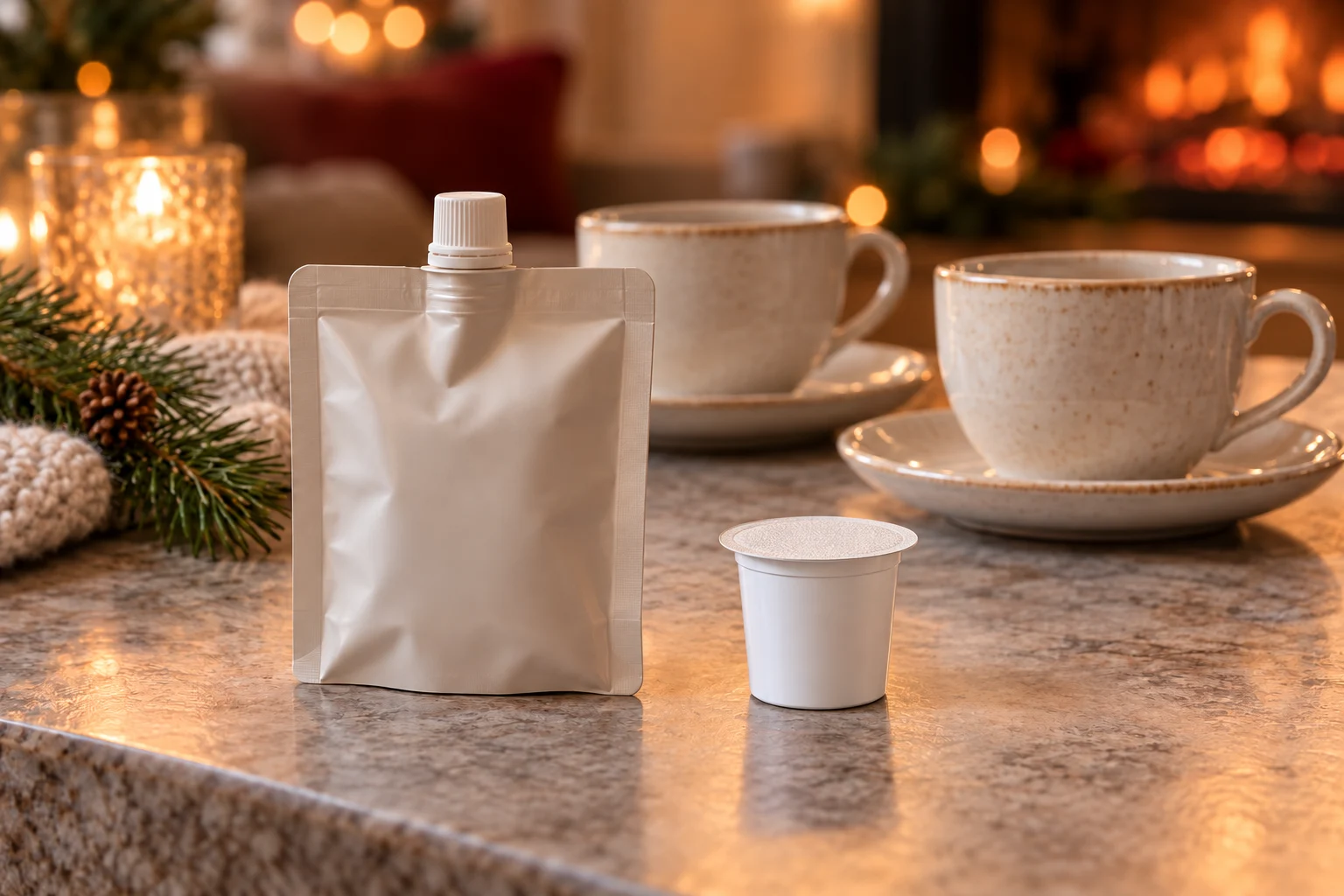
Holiday decaf coffee choices become easier when you decide what you can actually offer before buying a festive assortment. One guest may want a familiar house blend, another may enjoy a flavored coffee, and someone else may decline coffee altogether. Ask about the choice without asking people to explain their health or personal reasons. Then check the coffee's label and the preparation format your available brewer supports.
The word decaf answers only part of that purchase. Flavor wording, ingredient information and the portion format need their own reading. A coffee can have an appealing seasonal description while leaving one of those questions unresolved. This guide uses two actual packaged-coffee offers to explain the decisions. It provides no brewing method, individualized caffeine advice or guarantee about a finished drink's caffeine or allergen content.
Clarify what a decaf request means
The FDA's caffeine consumer guide explains that decaffeinated coffee contains less caffeine than its regular counterpart but still contains some. It gives a typical range of 2 to 15 milligrams in an 8-fluid-ounce cup. That is general guidance, not a measurement of either coffee offered here. Preserve the distinction between a request for decaf and a requirement for no caffeine. Do not describe an unmeasured prepared cup as caffeine-free.
The same FDA guide distinguishes naturally occurring caffeine from caffeine added as a stand-alone ingredient. Packaged foods must list caffeine when it is added that way; an ingredient that naturally contains caffeine can be named without the separate word caffeine appearing. An ingredient list therefore should not be treated as a zero-caffeine test. Product-specific questions belong with the manufacturer, and individual caffeine decisions belong with the guest.
Ask a simple menu question: “Would you like the decaf option, a different drink, or nothing for now?” If the answer depends on information you do not have, leave the choice open. You can be welcoming without translating a guest's preference into a promise about the drink. Avoid making a late-arriving guest feel obliged to accept coffee because a cup has already been poured.
Choose the kind of coffee people want
Make flavor a separate question from the decaf request. Someone asking for decaf has not necessarily asked for vanilla or another flavored option. Conversely, someone who enjoys a flavor may still want to know which caffeine description applies to the selected coffee. Offer the actual names you can verify from the current package. A short, understandable choice is more useful than a long assortment that you cannot explain.
Keep a house-blend name in its own role too. It identifies the product's stated blend, without supplying a complete ingredient statement. If a guest specifically wants an unflavored coffee, confirm that requirement from the actual product information. Do not treat the absence of a flavor word in an abbreviated shopping title as a complete answer.
Consider the drinks you already plan to serve with dessert. An additional flavored coffee is optional. If the group wants one familiar decaf and another non-coffee choice, buying several unfamiliar coffees may add questions without serving anyone's preference. You can ask before shopping and keep the gathering small. The useful outcome is an option people want and you can prepare using the equipment and information you actually have.
Read the two offers as distinct packages
The Flavia Alterra Decaf House Blend offer identifies LAV48013 and single-serve Freshpacks. Its eight gallery images show decaf-labeled pouches, a case and a pouch being used with a Flavia brewer. The brewer is usage context, not an independently supplied appliance in this coffee offer. The page's broad compatibility statement does not verify your particular model. House Blend and the depicted pack artwork supply no complete ingredient panel or actual caffeine measurement. Confirm the current selected package rather than assuming every pictured label version will arrive.
The Green Mountain French Vanilla Decaf offer describes flavored decaffeinated coffee in K-Cups for Keurig brewers. Its six gallery images include capsules marked artificially flavored coffee and a 24-count retail box, while the offer says 96 per carton. This guide does not reconstruct the outer case as four boxes or authenticate a delivered count. The seller's sweet and creamy wording is flavor copy, without a complete ingredient statement. It establishes neither milk presence nor milk absence. Confirm the exact package, ingredients and supported brewer before ordering.
Use ingredient information for ingredient questions
The FDA's packaged-food label guidance says to read all ingredient information; a separate Contains statement is not always present. It describes allergen-source names in ingredient information or an accompanying Contains statement. Ingredients can change. If a relevant ingredient remains uncertain, leave the product out or ask the manufacturer or distributor identified on the label.
The FDA distinguishes Contains from advisory wording such as may contain or produced in a facility. Advisory statements are voluntary; their absence does not establish an absence of cross-contact. Read the current package instead of answering from flavor artwork or a remembered purchase. This guidance certifies neither selected coffee nor your preparation arrangement.
Give a guest the chance to read that information themselves. Keep the outer package available when the portion wrapper does not carry everything they need. If the necessary information is missing or the guest is unsure, offer another choice they are comfortable making or leave coffee unserved. A tasting cannot identify all ingredients, and a reassuring description from the host cannot replace the missing information.
Match the portion format to the brewer
Identify the brewer that will actually be available during the visit. Use its exact model and supported supply information when choosing coffee. Single-serve is a broad description, so retain the named portion format instead of reducing every small packet to “a pod.” Confirm the selected coffee and brewer together. A capsule that resembles another capsule has not thereby acquired the same supported use.
Check this before opening a bulk package. If you are serving somewhere other than your own kitchen, ask which machine will be there instead of buying for the one you remember from an earlier visit. The host may have changed equipment. A photograph of an appliance's model label can help identify the correct instructions, but the compatible consumable still needs confirmation from applicable product information.
Use only the preparation method supported for the actual product and equipment. This article offers no instruction to cut open a portion pack, empty it into another brewer, refill a capsule or adapt a holder. If the available machine does not have a confirmed arrangement for the chosen coffee, select a supported option or change the menu. A flavor preference can remain part of the invitation without committing you to an unverified preparation method.
Buy an assortment you can actually use
Once the eligible choices are clear, consider the quantity you genuinely want to buy. Ask what the selected order contains, especially when a listing describes an outer carton and a photograph shows an inner retail box. Keep the package answer separate from the number of guests. A supply count does not tell you how many people will choose that coffee, which serving they will want or whether the chosen equipment supports it.
Allow people to decline or change their minds. A holiday meal may already include several drink choices, and an earlier expression of interest is not a commitment to finish a cup. You can decide to buy a smaller confirmed order if available, use an existing suitable supply, or omit an additional flavor. This article quotes no price and establishes no savings from a larger carton.
Check current delivery and return terms before committing to an unfamiliar package. Keep coffee that arrives with a different identity or unclear package information outside the offered menu until the difference is resolved through the seller's process. Do not announce a particular brand or flavor to guests before you know which selected product will be available. The aim is an understandable choice for this gathering, not a cupboard full of uncertain alternatives.
Make the offered choice clear at serving time
Use the product name and the description you can substantiate when explaining the options. Keep coffee choices separate from additions that a guest may select afterward. If someone adds something to a cup, the resulting drink includes that addition too. Avoid describing the finished drink solely by the original coffee package when answering an ingredient question.
A label beside a prepared vessel is useful only when you know what was actually prepared in it. If that identity is lost, do not recover it by tasting, color or an assumption about which container was usually used. Leave that beverage unidentified and resolve the question with the person responsible for it. A neatly printed card cannot establish the contents of a drink.
Use the actual product and appliance instructions for preparation and any change between coffees. No cleaning, purging or separation procedure is supplied here. A different packet or removable container does not provide a verified absence of earlier ingredients in a machine. Keep any preparation concern open until it can be answered from the relevant information; do not turn a seller's convenience claim into an assurance to a guest.
One holiday menu decision
Imagine that a host, Mina, plans coffee after a holiday meal. This is a fictional example, not a test of either linked offer. One guest would enjoy a vanilla decaf, while another asks for a familiar coffee and wants to read the package first. Mina checks the actual available brewer before choosing the supplies. She keeps flavor preference, caffeine wording and ingredient information as separate questions.
Suppose she confirms one suitable coffee format but cannot obtain the current ingredient information for an additional flavor. She can serve the confirmed option within its supported preparation arrangement and leave the additional purchase pending. She tells the guests what is available without claiming that the offered coffee has no caffeine or suits a particular dietary need. They can then accept, decline or choose another drink on the information they have.
If the equipment changes before the gathering, Mina rechecks the preparation format instead of relying on the earlier selection. If a guest changes their preference, she adjusts the offered menu without presenting that as a brewing fault. These are ordinary hosting decisions. They do not require a complicated request ledger or a promise to supply every possible coffee.
Plan service for the coffee you've selected
For the serving arrangement, the holiday coffee station guide compares operator-led espresso with an urn of prepared coffee. Its guest approach, pickup and equipment-area planning can help once you know which coffee you can offer. Keep the selected product information available when guests ask about the drink.
If you plan to use a manual press, the French press capacity and filters guide examines vessel size, filter assemblies and the model-specific information needed before choosing its two brewers. Use the actual brewer instructions for its supported coffee and preparation. Those equipment details do not supply the selected coffee's ingredient information.
Keep checkout separate from the menu
If a checkout on republeq.com offers USDT or another cryptocurrency for the selected coffee, read the terms presented for that actual order before authorizing payment. Confirm the item, preparation format and package quantity on the order summary. A payment option cannot answer an unresolved product question. This article verifies no live asset availability, network requirement, fee, conversion treatment, delivery timing, return right or transaction protection. Check the delivered total and any separate charges shown by the services involved, without assuming an earlier quotation remains current. Keep any written product clarification attached to the item reference it covers. If the selected package changes while you are shopping, compare the final selection with that clarification again. You can leave an order uncommitted while essential ingredient or compatibility information remains missing. Before proceeding, read the merchant's current delivery and return terms and decide whether they suit the purchase you intend to make. Follow the actual checkout instructions for the chosen method. Never send wallet private keys or recovery phrases in a product enquiry. Retain the order reference, displayed amount, selected method and resulting confirmation according to the service's instructions. If you later request a change or cancellation, use the seller's authorized process; an unanswered enquiry does not automatically suspend fulfillment. If a transaction status is uncertain, reconcile it through the authorized channel before considering another payment. This conditional purchasing guidance recommends no digital asset and promises no saving or payment outcome. It supplies no transfer destination, wallet setup, financial projection or assurance about a particular order. An unfamiliar term or unresolved charge can remain an open purchasing question while the responsible service explains it.
Offer the choices you can explain
Before the visit, confirm the actual coffee, its current package information and the supported preparation arrangement. Keep the information guests may need available with the supplies. At serving time, name the option accurately and avoid turning an unresolved question into a reassuring claim. A small holiday coffee menu can be welcoming when people understand what is offered and can make their own choice.