Home & Living
Doorstop release problem: find the exact release instructions
An original troubleshooting enquiry separates a door-holder engagement claim from missing release instructions, without diagnosing a fault or improvising a release action.
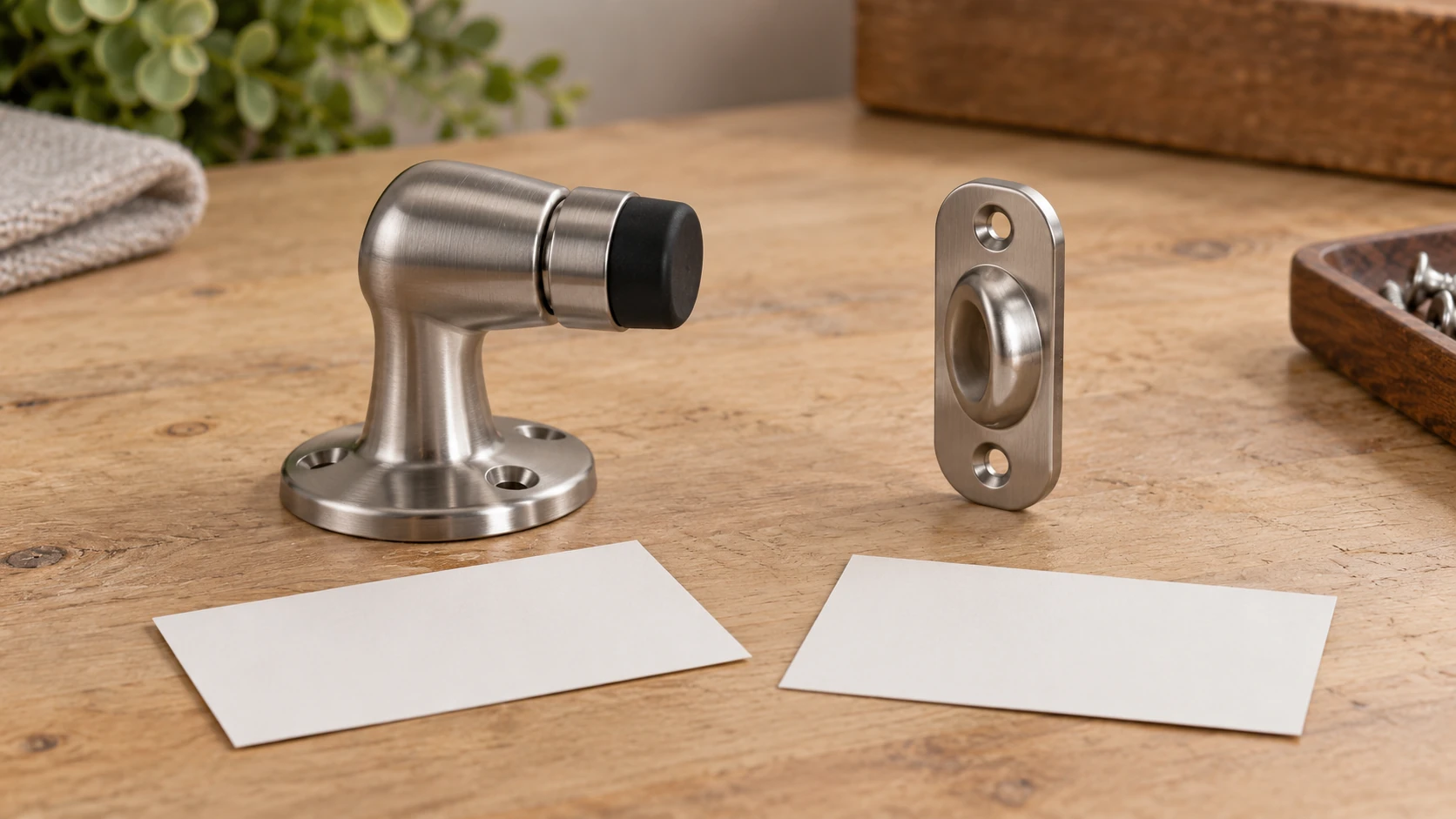
Doorstop release problem enquiries need the actual holder and the instructions for releasing it. A description of how a door engages with a base does not, by itself, provide the reverse procedure. Before treating an unfamiliar part as something to lift, press or pull, identify what the applicable documentation actually says. This guide builds a support enquiry from the information already available, without operating, adjusting or dismantling either selected product.
Describe the release question you actually have
Start with the event that prompted the enquiry. If the door remained retained when someone expected it to move, record that observed result. If nobody has attempted a release because the instructions are missing, record the different situation. An unperformed action and an unsuccessful action are separate states. Neither should be renamed a confirmed internal fault simply to make the request sound more technical.
Retain what was already done and what happened afterward. If the person reporting the event is unsure which part moved, keep that uncertainty. Do not ask them to repeat an unfamiliar operation merely to provide a cleaner account. The purpose of the note is to identify the next applicable instruction from the actual before-state, rather than creating another attempt for this article to interpret.
Keep the equipment out of an improvised repair sequence while the question remains unanswered. This guide supplies no permitted force, direction, control movement or manual release method. If the current situation needs immediate attention, use the responsible property's normal support or maintenance route. The enquiry below can accompany that request without claiming the hardware has been assessed remotely.
Read the mechanical offer's engagement account
The zinc-alloy mechanical door-stop offer describes a door engaging with its base through a clicking action. Its gallery shows a door-side component and a round floor-side component in an illustrated arrangement. The short account supplies no release sequence. Keep its engagement description as a source statement, without reversing the wording into an instruction for releasing an installed item.
Ask for the release instructions that apply to the exact supplied model. A statement about engagement can remain useful identifying information while that request is open. Do not infer that a visible opening, screw or upper surface is a release control. A photograph can show the arrangement without identifying the purpose of every visible feature or the conditions under which a user may handle it.
The account also includes broad installation and performance language. This troubleshooting enquiry does not adopt a rapid installation promise, a holding-force result or a protection claim. It gives no adhesive, screw, alignment or floor-gap procedure. Those are separate product and installation questions, rather than evidence that an unexplained release action is safe or effective.
Retain the sparse Rockwood account
The Rockwood 491.26D door-stop offer names a floor-mount product and describes cast brass with a satin-chrome finish. Its gallery shows two hardware components with H and projection arrows, without numerical values. Those details identify the account being considered. They provide no release method, applicable operating force or complete installation sequence for an actual doorway.
Do not treat the floor-mount wording as a diagram showing where every component belongs. Likewise, do not label the item a bumper-only product simply because the short description omits a retaining explanation. The captured account leaves the operating information unprovided. Obtain the exact model's applicable documentation instead of completing it with a familiar mechanism from another holder.
A dimension letter is also a different kind of information from an operating instruction. An arrow labelled projection cannot tell you which part to move or how the door is released. The gallery gives no numerical value for that arrow here. Leave both the missing specification and the missing release method in their own fields, without using one to fill the other.
Identify the installed holder and its components
Keep the actual hardware identity beside the selected offer reference. If the installed item has a readable model marking or existing paperwork, retain that information with its source. A retail page is useful only when its relationship to the actual equipment is established. Similar metal finishes or rounded shapes do not identify every internal mechanism, revision or matching component.
If the equipment uses separate components, identify which parts are actually present from information already available. This article supplies no instruction to remove a component, reach into a mechanism or move the door to obtain a better view. An existing photograph or installation record can be supplied with the enquiry when it appropriately identifies the equipment. Keep any uncertain connection between those records visible.
Ask the responder to state which model and configuration their instructions cover. A family name alone may leave a version question unanswered. If the returned document concerns another reference, retain it as a candidate document rather than applying it to the installed item. The next question is whether the document actually belongs to this equipment, not whether its drawing looks approximately similar.
Ask for release guidance as its own answer
A useful enquiry can say that the available description explains engagement while the applicable release instructions have not been located. Include the exact offer, the installed identity that has been established and the observed state. Ask which document identifies the permitted release method and its starting conditions. This request seeks instructions; it does not suggest a particular movement for the person reading it.
If support replies with another engagement description, keep that answer but identify the release question still open. If the reply concerns mounting, keep it as mounting information. A useful answer to one equipment question does not automatically resolve a different one. Give the responder the opportunity to address the missing instruction without treating their earlier response as a complete operating procedure.
Retain any limits in the answer. The document might identify a task for a particular service role or require conditions that have not been established. Do not shorten a qualified direction to a general instruction for anyone nearby. The person responsible for the equipment needs the actual scope before deciding who can proceed under the relevant guidance.
Follow a fictional enquiry through a partial reply
Imagine that Arin is responsible for a fictional shared room and cannot locate the release instructions for its holder. Arin's first note says only that the doorstop is broken. On review, that claim is replaced with the actual known state: release instructions are missing, and no further unfamiliar action has been attempted. This invented example diagnoses no product and reports no actual door operation.
Arin identifies the equipment from its existing records and asks for the matching release document. Suppose the first reply repeats how the holder engages. Arin retains the reply with the same equipment reference and asks for the release section still needed. The enquiry has made progress without a holding description being turned into a guessed release action.
Suppose a later response identifies an applicable document but requires a responsible maintenance person to establish its starting conditions. Arin keeps that requirement intact and sends the existing record through the appropriate support route. This fictional outcome is an identified next responsibility, without a successful release, a repaired mechanism or permission for another person to improvise the missing step.
You can use the distinction without reproducing Arin's situation. Compare the actual enquiry with the information available. Remove an unsupported fault label, retain an unsuccessful action if one occurred and name the instruction still missing. The record can be accurate while the release remains unresolved. A neat conclusion should not replace the outcome that actually happened.
Keep loose mounting and replacement fit separate
The floor doorstop moving-part guide owns the separate question of a loose base, fastener, mounting surface or changed contact path. Its assessment does not supply release instructions for these two offers. If movement has actually been observed, retain that additional issue with the equipment record rather than assuming a release enquiry explains it.
The floor doorstop compatibility guide owns swing, contact height, clearance and a permitted replacement mount. Those fit questions remain distinct from an existing holder's release method. This article supplies no dimension calculation, drilling location, fastener substitution, spacer or mounting adjustment. A proposed replacement also needs its own actual requirements.
Keep a later instruction and its outcome together. If an authorised person follows applicable guidance, record the actual result under that guidance. A changed movement is one observation; a confirmed normal operating result is another. This article defines neither pass condition. An unsuccessful outcome should remain available for the next support enquiry instead of being erased by repeating the same unexplained action.
Keep payment with the identified hardware order
Both captured product offers list cryptocurrency among accepted payment methods in structured data. That supports checking current payment choices if the responsible buyer later decides to order hardware. It does not establish which assets, networks or wallet services a future checkout will support. A payment preference cannot identify a release mechanism, confirm a fault or establish that replacing the holder is the appropriate response.
Retain the exact selected offer and any applicable product clarification with the order note. If a different model or configuration is substituted, revisit the relevant equipment questions before relying on an earlier answer. Someone ordering on another person's behalf needs the actual selected goods and unresolved requirements. A photograph of two components cannot establish the complete contents of a different order.
If cryptocurrency is selected, read the current transaction's amount, asset, network and receiving details. This guide supplies no wallet address, network recommendation, transfer sequence, exchange rate or fee estimate. Ask the merchant or payment provider when an essential instruction remains unclear. Details remembered from a previous purchase cannot establish a new order's payment requirements or replace the instructions actually presented for it.
Check the merchant order status alongside any payment confirmation. Reconcile an uncertain existing attempt before sending another payment. Read the applicable delivery, cancellation, return and refund conditions, including any cryptocurrency terms. Keep the order and payment references with the product clarification so a later enquiry identifies the actual transaction. Those records do not inspect installed hardware or establish a release result. If another person places the order, agree who will resolve a pending status question before either person starts another checkout.
Keep the release outcome honestly identified
A doorstop release problem needs an answer tied to the actual holder and the applicable release instructions. Preserve the observed state, distinguish an engagement explanation from the missing release guidance and keep each returned condition intact. Leave an unresolved action with the responsible support route. The useful next step comes from instructions that apply, without a guessed movement becoming a repair claim.