How-To Guides & Tutorials
Deadheading annual flowers: follow the spent bloom's stem
Identify spent annual flowers, follow their stems and keep healthy buds in view. Read the actual Fiskars snips and Unbranded garden-shears offers.
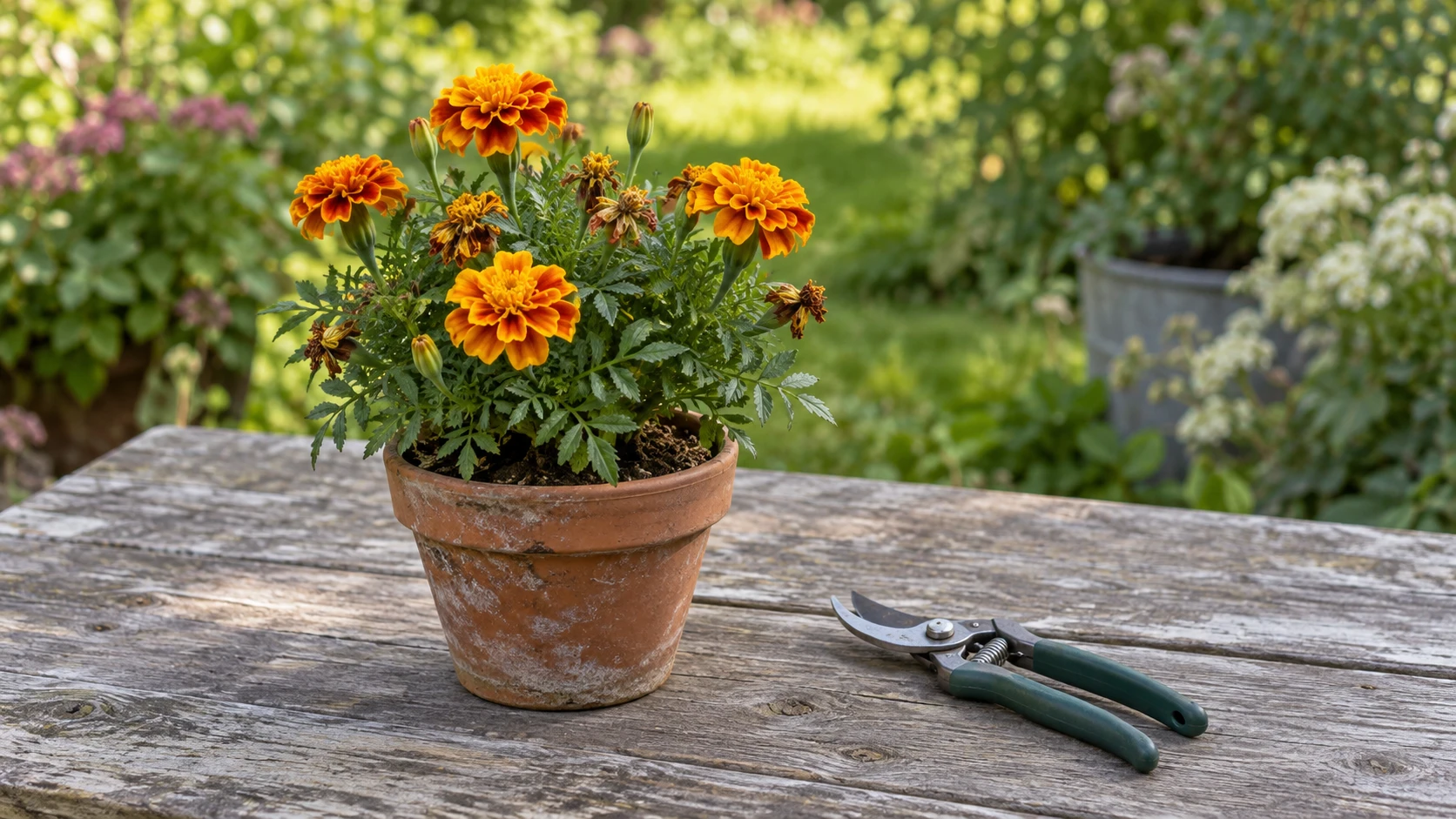
Deadheading annual flowers starts with finding a flower that has finished, then following its own stem before removing it. Keep the flowers and buds you want to retain in view while choosing the cut. The task can encourage further flowering in suitable annuals and tidy the display, while leaving selected seed heads serves a different garden purpose.
Begin with plants you can identify and reach comfortably. This guide follows ordinary deadheading advice from horticultural organizations and university extension services. The Fiskars and Unbranded offers below provide actual pruning-tool examples, with different package descriptions. Select a suitable tool using its own instructions rather than treating either retail description as a demonstration on your plants.
Step one: decide whether the flower should remain
Deadheading removes spent flowers. The Royal Horticultural Society describes it as a way to keep flowering displays attractive and encourage more blooms. It also advises leaving flowers when you want their decorative seeds or fruits, food for birds, or seed to collect. Choose the purpose for the plant before making its whole appearance uniformly tidy.
You can leave a selected plant for seed while deadheading another that you want to keep flowering. Make that choice visible to anyone helping. Point out which plant or marked part you intend to retain before tools come out. A helper looking only for brown flower heads may otherwise remove something you deliberately wanted to keep.
The separate guide to recovering a missing plant label works from purchase records and other retained information. Use that identification task when you cannot name a plant you are considering for deadheading. Keep the recovered name attached to its actual place in the bed or container, then obtain care advice for that identity. A proposed name still needing confirmation can remain a question while the plant is left undisturbed.
If several plants grow together, identify the flower and trace it to its own stem. A fading bloom may sit beside an opening one belonging to another plant. Take time to see which part you mean to remove. When the identification or the intended seed use remains uncertain, leave that flower while checking the plant's own care advice.
Step two: recognize a finished bloom among the buds
Illinois Extension's deadheading account describes looking for flowers that are fading, losing petals or beginning to form seeds. Look at the particular flower you are considering. Compare it with an open bloom and an unopened bud on the same identified plant when those stages are present. That comparison gives you a visible reference during the task.
Use the comparison to explain your choice to a helper: point to the flower that has finished and the bud you intend to leave. Ask them to show which stem belongs to each before either person cuts. If you disagree about the stage, inspect it together or leave that head for another look. Completing every stem during one visit is optional.
A flower looking different from its neighbours may also warrant a closer look at the plant. Illinois Extension recommends using deadheading as an opportunity to notice insect damage, disease or drought stress. Record the concern for appropriate identification.
Step three: establish where to cut when deadheading
For where to cut when deadheading, follow the fading flower's stem down to the next healthy leaves, lateral bud or side shoot. Illinois Extension advises a clean cut just above that point. Inspect the proposed cut before making it, with the part you intend to keep clearly distinguished from the spent flower above.
The RHS gives a similar general approach for most plants, cutting back to just above the next bud or leaf on the stem. Its advice also explains that tough or stringy stems may need a cutting tool, while some faded flowers can be pinched away. Follow advice for the identified plant and the actual tool's permitted use when choosing the method.
On a branching plant, take one selected flower at a time. You can follow its stalk with your eyes to the intended stopping point, then identify the nearby growth you want to retain. Pause if foliage hides that junction. Finding the place clearly before using the tool is more useful than trying to work quickly across the whole clump.
Keep the chosen target and the next flower separate as you work. After removing one spent bloom, look again before selecting another. The next stalk may branch at a different place, even on the same plant. A successful cut on the first flower gives you experience with that stem, while each following one still needs its own inspection.
Read the Fiskars pruning-snips package carefully
The Fiskars 399241-1002 micro-tip pruning-snips offer identifies an Orange product under Garden Tools, SKU sku-17159707238 and UPC 363090157543. Its short description gives both a two-pack and a quantity of six. Confirm how those quantity expressions relate before ordering; the account does not explain the resulting total supplied pieces.
The description supplies the model identity and package wording, but no full operating or maintenance instructions. Request those for the actual product you are considering. The micro-tip label can help you identify the offer in a question to the supplier. It does not establish a measured fit between the tool and a particular crowded stem junction.
Choose for the gardening task you actually have. If you already own a suitable tool and have its applicable instructions, you can first assess whether that equipment serves the work. Keep the question about needing another tool separate from the need to understand the plant. Buying snips cannot resolve an unidentified flower or an unclear cut location.
The Unbranded offer describes twenty shears
The Unbranded twenty-piece garden-shears offer describes stainless-steel blades and an approximate length of 6.9 inches, also expressed as 17.5 centimetres. Its title specifies Beige. The supplied description names flowers among the proposed gardening uses.
The offer contains broad durability and comfort language, including claims about long use. Those statements have not been independently tested here. Use the documented material, approximate length and package quantity to frame questions about the actual tool. Obtain the information needed to establish its suitability and care rather than treating the promotional claims as measured performance.
A twenty-piece package may serve a different purpose from one person's gardening round. Consider who would use the other pieces and whether you intend to purchase that quantity. Whichever package you choose, identify and inspect each individual flower's stem as you continue the gardening task.
Step four: deadheading marigolds and zinnias
For deadheading marigolds and zinnias, retain the plant identity throughout the task. University of Minnesota Extension says marigolds benefit from removing spent blooms, although deadheading is not required. It describes encouraging further blooms instead of seed production and keeping the plants looking fresh, particularly where old flowers tend to rot in humid conditions.
The same university's zinnia guidance recommends removing faded flowers to encourage continued flower production. It also explains that zinnias vary in their flower forms, including single, double and semi-double blooms. Judge the actual flower's stage from the plant you have. A naturally different flower form should remain part of identifying the plant and understanding its appearance.
When working in a mixed planting, return to the species' own advice as you change plants. The name of the task can stay the same while the plant and its structure change. You can finish the identified annuals and leave an unfamiliar plant for later investigation. A garden round does not have to include every flowering plant in the bed.
Step five: remove the spent material and look again
Illinois Extension advises taking the removed blooms out of the garden and placing diseased spent flowers in the trash rather than the compost pile. Keep material with a suspected problem identifiable while obtaining advice about that problem. Use applicable local disposal arrangements and the tool's own cleaning instructions when finishing the work.
Look back at the plant after the selected flowers have been removed. Check which open blooms and buds remain, and whether a flower you chose to keep is still there. This gives you a record of the task you actually completed. Further flowering develops afterward; the tidy appearance immediately after work is a different observation.
If the same plants concern you on a later visit, describe what you see and when it changed. The guide to checking plant needs before watering examines water decisions separately from the watering-can purchase. Keep that distinction when looking at an annual after deadheading. Its remaining buds, leaves and soil conditions can require different questions. Removing an old flower supplies no diagnosis of a separate problem you notice elsewhere on the plant.
Before handing the task to someone else, show one identified plant and explain which flowers you deliberately left. Ask the helper to point out a candidate and its proposed cut location while the tool remains unused. Discuss any difference in what you each noticed before continuing. That exchange makes the instructions about this plant concrete for the person helping.
Resolve the pruning-tool order before payment
Before considering a pruning-tool purchase through republeq.com, keep the exact equipment identity attached to your gardening purpose. The Fiskars description names 399241-1002 and gives package wording that needs clarification, while the Unbranded offer describes twenty shears. Resolve the supplied quantity and applicable instructions before selecting either one. A preference for USDT cannot identify a plant, establish a cut location or confirm which package will be delivered. Inspect the payment methods available for the actual basket after the equipment questions have been answered. If cryptocurrency is offered, read the supported asset, network and receiving details from that checkout. Retain the supplier's response about the chosen offer with the order record so later questions refer to the same goods. Review delivery information against any date when you intend to garden, without treating a planned task as an arrival guarantee. Read the current return terms as part of that decision. The captured merchant policy treats cryptocurrency purchases as non-refundable and offers an exchange route subject to conditions and availability. Consider that distinction while deciding whether unresolved equipment questions leave too much uncertainty for the purchase. Save the order confirmation and payment record together. If a transfer's status is unclear, reconcile the merchant's record through its process before considering another transfer. After delivery, inspect the identity and inventory of the supplied package against the order details, then report a discrepancy through the merchant's applicable process. Keep the instructions provided for the actual shears or snips with that equipment. The gardening work can wait for a suitable, understood tool while a purchase question is resolved. Continue making each plant decision from its identity and the purpose you chose for its flowers.