Home & Living
Before cleaning reusable grocery bags check each care label
Start cleaning reusable grocery bags with their own care label, keep food separation clear, and finish drying before choosing a storage place.
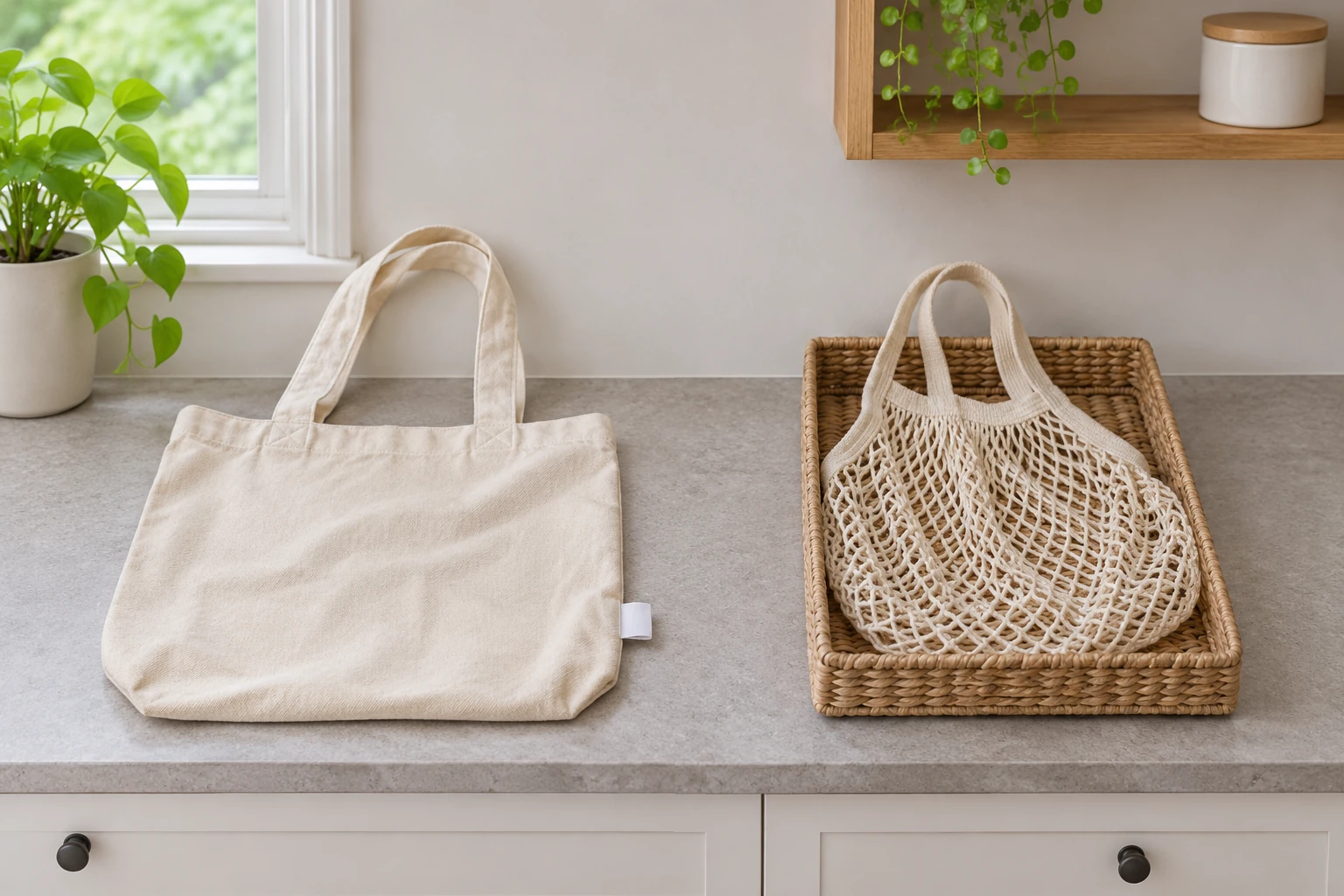
Before cleaning reusable grocery bags, decide which bag you are dealing with and what you need to establish about it. A bag already in your household may have instructions attached to it, instructions saved elsewhere, or a question that you still need to resolve. Put that question into ordinary words before choosing a method. Someone else helping with the task should be able to understand which item you mean and where your understanding currently stops. Begin with the actual item in front of you.
Give the work a clear beginning and endpoint. You might be sorting out an unfamiliar bag after a shopping trip, or taking over a household task from someone who usually handles it. In either situation, choose a manageable question. Ask which information you need to make the next decision, who can supply it, and whether you can explain the proposed choice without filling a gap from memory. Leave room to pause while an answer is still incomplete.
Read each retail account within its own limits
the JOYFUL LIVING catalog tote account identifies a red Smile Pig print carry bag. Its pictures show the striped pig design, integral handles and pocket details. D.STORE'S, ANGELPIG and SMILE appear in the graphic. JOYFUL LIVING remains the catalog label, with their relationship unresolved. The retail description uses machine-washable wording. Obtain the complete applicable care directions before choosing a programme.
the long-handle mesh bag account presents a different construction, with a net body and long handles. Its title and description specify twenty-four bags, and one gallery montage shows three rows of eight. That agreement concerns the listing and its artwork. Check actual delivered contents separately. This account describes washing with cold water, without supplying a complete qualified washing and drying routine. The pictured groceries and flowers are staged contents.
Keep the next shopping trip in view
A household can share the decisions without passing an unfinished instruction along as a settled one. If you need another person to identify a bag or find its instructions, ask them that specific question. When they reply, check whether the answer concerns the item you have. A familiar name can refer to a bag bought for a different occasion. Tell the person helping you which part you have established and which part remains open, so that each of you can work from the same understanding.
Separate raw-food uses at the packing stage
Food Standards Scotland advises packing raw foods separately from other foods. Its examples include meat, fish, shellfish, eggs and soiled loose vegetables. It recommends keeping bags specifically for raw foods and keeping those bags separate from ready-to-eat uses. The advice also calls for checking bags after every use for spillages, including meat juices or soil. Food separation can begin on the checkout conveyor, where arranging raw and ready-to-eat foods apart makes the intended bagging arrangement easier to follow. Marking bags or using different colours can identify their assigned roles. A bag that looks clean can still have contamination from an earlier raw-food use, according to the same guidance. Retain that history when deciding which bag to take for which food. The page distinguishes plastic-based bags and cotton-fabric bags when discussing responses to soiling. Apply the instructions appropriate to the actual item and situation. A general material category cannot identify the complete care directions for either retail example above.
Respond to leaks and changes of use
Health Canada recommends separate bags or bins for produce and for raw meat, poultry and seafood. It advises placing raw meat, poultry and seafood in individual plastic bags to help contain leaking juices, and protecting fresh produce from contamination. Its reusable-bag guidance calls for washing thoroughly before reuse after food juices have leaked into a bag. It also calls for thoroughly washing bags before using them for groceries after they have carried non-food items. These are distinct reasons to consider the bag's recent use when planning care. The same page addresses the household surfaces on which bags or bins have been placed, advising cleaning or sanitizing those areas. Keep that surface task with the applicable surface instructions. The page has a separate section for reusable bins. A method given for a plastic bin does not establish a treatment for a fabric carry bag. Read the bag guidance together with the actual bag's own care information before deciding how to proceed.
If two people remember the last use differently, settle the immediate practical question before describing the bag as ready for an errand. You can ask the person who used it, check the information that is actually available, or keep the intended use undecided while seeking clarification. There is no need to invent a detailed history. A short explanation of the uncertainty is enough for someone else to understand why you have paused. Agree who will take the next step, especially when another person is about to leave.
Read the complete applicable directions
Québec's grocery-bag guidance says reusable bags should be cleaned often to avoid cross-contamination. It describes washing with a clean sponge or cloth and hot, soapy water, and it describes drying a bag inside out or wiping the interior dry with a clean, dry cloth. Its advice about machine-washing fabric bags expressly tells the reader to read the care label. Keep that qualification when reading the page. The label on the actual bag is part of the decision about a suitable method. A general instruction addressed to fabric bags does not establish the temperature, cycle or drying permission for an unidentified item. The page also discusses personal containers brought to food businesses. Those sections concern the business and its handling arrangements, with requirements that extend beyond caring for a household tote. For this task, stay with the grocery-bag section and obtain the information needed for your particular bag before carrying out a proposed method.
Allow for different constructions and printing
The American Cleaning Institute begins its reusable-bag care advice with following care instructions. Its table gives different methods for polypropylene, nylon or polyester, bamboo or hemp, cotton, and insulated bags. Those entries include different washing qualifications and drying methods. Treat the table as one connected reference, keeping each method with the construction it describes. The page also notes that screen printing on some bags may bleed during washing. That qualification matters when reading a decorated bag's own care label. A fibre name in a product title leaves the rest of the care question open, including qualifications for the finished item. ACI also recommends keeping non-food bags separate from bags used for food. Its storage advice calls for complete drying and a cool, dry place at home with air circulation. It advises against storing bags in a car trunk, which it describes as a warm, often humid environment. Choose an appropriate household location after the applicable care and drying steps are complete.
Make the household assignment understandable
University of New Hampshire Extension suggests assigning bags to particular uses, such as meats, poultry, produce, clothing and household cleaners. Its factsheet proposes labelling them with permanent markers to keep the roles understandable. It also recommends avoiding dirty items or trash in a bag intended for food shopping. The discussion connects organizing the bags with their care, including washing when changing a bag's use. If you follow that approach, retain the actual use assignment when someone else takes over the shopping. Read the factsheet's care section with its instruction to check and follow the bag's label. Its material table cites the American Cleaning Institute, so repeating that table supplies no independent permission for a different treatment. The factsheet also says reusable bags eventually wear out with use and washing, and discusses replacing bags that are too dirty, torn and beyond repair. Keep an actual condition concern with the appropriate product guidance while deciding which bags remain suitable for their intended use.
For a shared cupboard, decide how another person will find the bag they need without having to reconstruct your conversation. Use language that the household already understands. If one item still has an unresolved instruction, tell the next person where that question stands. You can make the arrangement simple enough for a guest or a different family member to follow, while leaving room for the person responsible for the bag to clarify its directions. Avoid turning an unfinished discussion into a household rule through repetition.
Leave neighbouring tasks with their own instructions
the pouch-folding guide follows an empty folding tote whose current bundle does not match the stage shown in its own directions. That question concerns the folding sequence and particular pouch construction. Resolve it with the appropriate folding information after the care decisions for the actual bag are understood.
the throw-blanket symbol guide explains washing and drying marks for a household throw. It distinguishes processes and their modifiers while keeping each interpretation with the actual item. Consult it for that separate reading task, without assigning a blanket's example temperature or drying method to a grocery bag.
Keep a possible purchase separate from care
If you choose to purchase a bag through republeq.com, consider crypto only when the current checkout for your actual order offers it. An option involving USDT needs the same attention to the selected product as any other proposed order. Keep the exact item and its selected variant visible while reading the checkout information. Resolve questions about the offered bag before deciding whether to submit funds. When a checkout specifies an asset and network, follow the instructions presented for that transaction. Check the recipient information, amount and any stated charges against the order you intend to place. An old transaction record can help identify a past purchase, while the new order still needs its own current instructions. Leave an unclear payment unsubmitted while obtaining clarification through the appropriate support route. Read the displayed cancellation, refund and return terms before committing, and decide whether they are acceptable for your intended purchase. A checkout option cannot supply an unreadable care label or establish which instructions apply to a bag already in your home. Keep those product questions with their own evidence. After an actual submission, retain the transaction reference together with the merchant order information, so that a later question can be tied to the particular order. A pending screen leaves the payment status open. Check the actual confirmation before describing the order as complete. This paragraph offers conditional purchasing context and reports no completed payment, current token availability, saving or settlement result. You may decide to stop at any unresolved product or payment detail. Keep the person responsible for the purchase informed about that stopping point instead of carrying an assumption into the transaction.
Finish with a decision the next person can follow
Cleaning reusable grocery bags can end with a specific unresolved question as well as with a completed task. Say which situation applies to each item you are handing over. If someone still needs to find the appropriate directions, give them the question you could not answer. If you have finished the planned work, explain what you actually did without claiming a test result you never obtained. A brief, ordinary handover lets another person continue from your decision instead of starting again with an unexplained bag.
An illustrated decision about cleaning reusable grocery bags keeps applicable care information and dry storage readiness separate.