Home & Living
Check can-opener kit overlap before adding a gear
Check can-opener kit overlap before adding a separate gear to an already identified service-parts order.
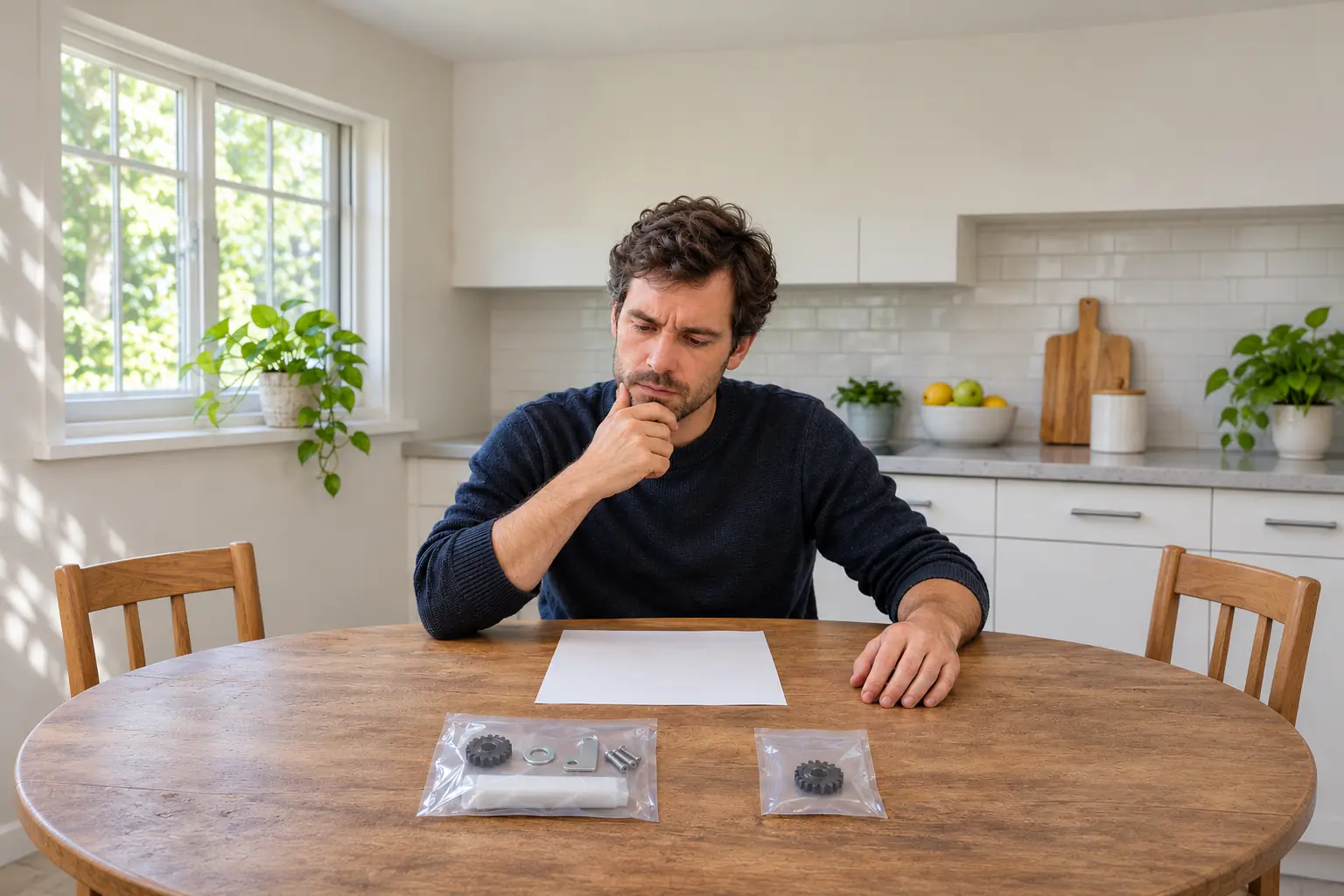
Check can-opener kit overlap before a separate gear is added to an order. Start with the parts already identified for the actual service requirement. Then ask whether the proposed kit supplies a component that the additional line is meant to provide. A confirmed overlap can leave that extra purchase open to reconsideration.
This purchasing exercise begins after the appropriate equipment and service assessment has established the requirement. Keep that requirement available while reviewing the basket. The useful cost question concerns what you are proposing to buy for that requirement, including any deliberately chosen reserve. The answer depends on the actual components, package contents and purpose of each proposed line.
Begin with the established requirement
Write down which equipment the purchase concerns and the component requirement you have been given. Use the reference supplied by the person responsible for that assessment. If the requirement is incomplete, ask them to clarify it before deciding which items can satisfy it. Retain the actual answer with the purchasing note so another buyer can understand its starting point.
Keep an optional future job separately identifiable. Someone may want to prepare for another unit or keep a reserve, but that purpose needs its own place in the proposal. An item can have a valid intended use beyond the current job. Naming that use makes it possible to consider the extra commitment deliberately when reviewing the order.
Give a changed requirement the same attention as the original one. If the responsible person changes the equipment reference or the requested component, revisit the affected order lines. Keep the correction visible beside the earlier note. A purchase prepared for the previous requirement can then be checked against the current request before someone acts on it.
Read the proposed lines beside that requirement
Put the kit and the separate component on their own lines in your purchasing note. Keep each offer reference and its current contents statement available. Then identify the requirement each line is intended to meet. A description such as “additional gear” leaves room for a more precise question about which job or reserve the additional item would serve.
Ask the supplier to clarify an apparent overlap using the exact references. For example, “Please confirm which gear the selected kit supplies and whether it meets the component requirement in this enquiry.” Include the actual requirement you were given. This is original sample wording for a purchasing question. Adapt it to the real information you have rather than treating the example as a component approval.
Read the answer against the question you sent. A reply about the kit’s overall name may leave its particular component or package quantity unresolved. You can follow up on the missing detail in the same conversation. Keep the proposal pending where an unanswered point could change which goods are needed, so the next decision starts from the actual evidence available.
Give an extra gear an explicit purpose
An intentional spare is a deliberate part of the purchasing proposal. Identify the equipment or purpose it would serve and who wants it included. This lets the person reviewing the commitment distinguish a reserve they actually intend to buy from a line added because someone had not yet checked the kit’s contents.
If an additional item has no assigned purpose after a compatible overlap is confirmed, reconsider that line before placing the order. Use the current proposal to see what would actually change. The decision can remove an unneeded commitment while leaving the established service requirement intact. The amount saved, if any, belongs to the resulting real order information.
A separately identified reserve can remain in the proposal even when it duplicates a component for the present job. Review that purpose explicitly with the person deciding the purchase. Record whether they want the reserve included now or left for later consideration. This keeps the current job and the optional extra legible when someone else reads the basket.
Follow a fictional two-person purchasing enquiry
Imagine Mina coordinates a parts request while Owen prepares the proposed order. In this invented case, the appropriate service assessment has already supplied an equipment reference and a component requirement. Mina is considering a generic repair kit. Owen adds a separate gear line because the relationship between the kit’s contents and that requirement has yet to be established.
Mina keeps both lines visible while asking the supplier for the missing component information. Her message might read, “The proposal includes this kit and this separate gear. Please identify the gear supplied by the kit against the equipment and component reference in our request.” The example supplies a question for an unresolved purchasing decision. It concerns a hypothetical question and an unresolved comparison for the linked offers.
Mina and Owen can then consider the actual answer when one is available. A confirmed compatible overlap would let them ask whether the additional line serves a deliberate reserve or another job. An incomplete answer would leave the comparison open. If their requirement changes, they would update the proposal before making that decision. The fictional exchange ends with those conditions visible. If Owen proposes a reserve, he can explain that purpose to Mina and ask whether it belongs in the current commitment. Mina can choose to consider it separately while keeping the present service requirement identified. Their note can preserve both the original proposal and the decision they eventually make. A later reader can then distinguish an extra they deliberately chose from an unexplained repeated line in an earlier basket.
Read the actual kit contents statement
The Edlund KT1100 kit account lists a gear, washer, knife, knife support and two screws. Its sole image depicts those six components. The native model is KT1100, with UPC 368547782118 and group reference 418755266. These references identify the kit offer whose contents you would ask the supplier to confirm.
The description names Edlund #1 Old Reliable openers. That retail account leaves the particular gear’s identity and its match to an actual service requirement to be established. Keep that question with the exact kit reference.
When requesting a current proposal, identify the purchasable package as well as the component you need. Ask what the selected quantity supplies and retain the response. A quotation can then be read alongside its stated goods. If the supplier changes the offered package, bring the changed contents back into the comparison before treating the earlier answer as sufficient.
Keep the separate gear reference intact
The Edlund G003M gear account has a sparse description that repeats its replacement-gear title. The sole image shows one black toothed gear. Its actual model is G003M, with UPC 663128990181 and group reference 117969443. The title names a #1 can opener. Interchange with the kit’s gear remains to be confirmed.
Keep the complete G003M reference in the proposed gear order. A shared gear name or similar outline leaves a component-specific question for the applicable equipment information and supplier answer. Preserve that distinction when comparing the offers.
If a response identifies a different package or component, record the change explicitly. Ask which proposed line it replaces and what information supports the revision. You can leave the order open while resolving that point. A clearer reference improves the purchasing note, while the actual requirement still needs to be met by the goods eventually chosen.
Keep maintenance and workstation budgets in their own scope
The Edlund No.1 wear guide concerns cleaning, wear inspection, knife limits and parts-table identifiers. Its K004SP, G003SP and KT1100 entries retain their stated roles. That maintenance account supplies context for the relevant service discussion, while the present purchasing enquiry keeps the proposed kit and separate gear identities unresolved until appropriately confirmed.
The can-opener workstation budget guide compares a proposed setup through purchase, installation and recurring upkeep. Its included-mount reminder belongs to that complete budget. This article starts with an existing service requirement and checks overlapping proposed parts lines, with any deliberate reserve recorded separately.
Bring a new condition question back to the appropriate equipment process. The purchasing comparison can remain open while that question is addressed. Keep the resulting requirement or clarification with the order note when it becomes available. This lets the person preparing the basket continue from the information actually supplied, including a changed request where the assessment calls for one.
Revise the proposed order with the answer in view
Before committing, read the current proposal from the established requirement through to the purpose of each selected line. Keep the supplier’s component and package answers beside it. If you change a line, retain enough of the earlier proposal to explain what changed and why. Another person should be able to identify the same goods and intended purposes from the revised record.
If someone else will place the order, give them the exact current proposal and identify any condition that still leaves it open. Ask them to retain the actual result if they proceed. A line you are reconsidering can remain distinguishable from a purchase you have instructed them to submit. This helps later discussion begin with the decision and action that actually occurred.
Review payment for the resulting parts order
If you decide to order parts through republeq.com and prefer crypto such as USDT, first confirm the exact offers in the proposed basket. Keep the selected kit or component references with any supplier answer that informed the purchase. Review the actual payment choices presented for that basket. If the route you intend to use is offered, read its current instructions before authorizing a transfer. A currency preference leaves the transaction’s required details to be supplied by that checkout. Ask for clarification when a necessary instruction is missing. Keep the order confirmation and the confirmation from the chosen payment route together so that a later enquiry can identify the same transaction. Read the delivery, return and cancellation information applicable to the actual order before proceeding. A question about those terms can stay open while you decide whether to purchase. If a proposed substitute changes a component or package reference, obtain the information relevant to that substitute and review the basket again. Retain any clarification with the reference it covers. You can leave an order uncommitted while its parts or transaction details remain unresolved. Choosing a payment method is a separate decision from obtaining the goods required for the service request. A successful payment would document a purchase transaction. Keep that transaction record alongside the item references if you later need to discuss the order. If the result remains uncertain, ask the responsible service about that specific transaction before considering further payment action. Return to the parts enquiry with the current proposal and the applicable equipment requirement identified.
Check can-opener kit overlap against the actual requirement, confirmed package contents and purpose of an additional line. Keep a deliberate reserve visible as a choice. Where component identity or quantity remains unresolved, retain the precise question before committing to the proposed purchase.
A buyer checks listed contents while considering can-opener kit overlap.