Kitchen & Appliances
Bottle stopper or lid seal for the replacement you need
An invented household separates a whole decorative closure request from a replacement lid-component enquiry, retaining unanswered fit questions.
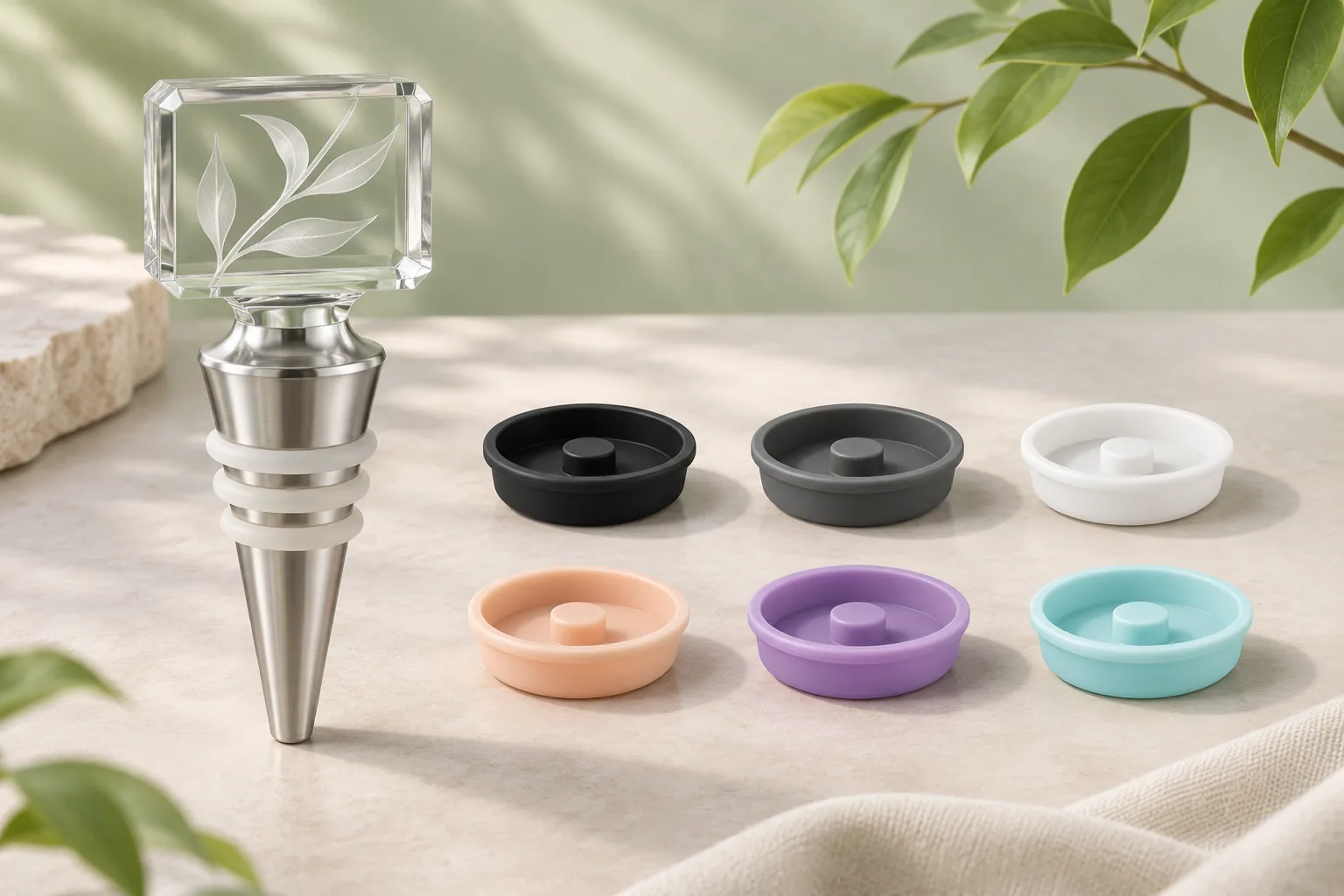
A Bottle stopper or lid seal search starts with the part that needs replacing. A complete plug for a bottle opening and a small seal fitted inside an existing lid can share the retail word “stopper.” That shared word leaves the receiving assembly unresolved. Describe the missing piece, identify where it belongs, and keep those details beside any candidate you consider buying.
Imagine Rowan sorting a household shopping note that simply says “bottle stopper.” This is an invented example. One person wants a decorative closure for a wine bottle; another has a reusable drinking bottle whose existing lid needs a replacement component. Rowan initially saved both offers in the same list. Before either purchase, the household needs two separately described requests. The example supplies no tested fit or successful replacement. Rowan gives each person a copy of the proposed question to check that it describes their own request accurately before any message is sent.
Name the replacement lid component before shopping
For a replacement lid component, keep the existing lid involved in the question. In Rowan’s example, the owner can describe which part is missing and retain the lid’s genuine product information. A shopping photograph of a loose seal adds a candidate to investigate. The owner’s information supplies the receiving assembly. These records serve different purposes, so Rowan gives each its own place in the request.
Write the request in ordinary language before copying a product title. A useful opening might be “I still have this lid and need the small component that belongs here.” Another request might be “I want a complete closure for this bottle opening.” These are fictional shopping notes. They let the recipient see which assembly the shopper intends to retain, without pretending that an informal description identifies an exact compatible part.
Keep an existing purchase record, maker document or readable label with the item it actually identifies. A record for a bottle may help a seller understand the question, while the exact lid identity may still need clarification. Rowan should preserve that uncertainty in the message. If the household owns several similar bottles, attach the information to the particular one involved instead of combining their histories into a single assumed model.
Read the whole stopper offer as one complete unit
The personalized crystal-head wine stopper offer depicts one complete silver-tone tapered plug with pale ring bands and an integral decorative photo head. Its native name is unbranded. Different portraits and a monogram illustrate customization. The chart’s maximum of two photo subjects concerns the image design; it provides no evidence of two supplied stoppers. Inner-neck fit and pressure suitability remain unestablished.
Rowan puts this offer with the request for a whole decorative closure. The buyer can ask the seller to identify the intended receiving bottle and the conditions of use before making a selection. A requested portrait is a separate customization decision. The household should keep that choice attached to the exact order after the functional question has been answered, so an attractive personal design does not obscure an unresolved application.
A customization example can also create an ordering question of its own. Rowan records whose requested image belongs to this proposed item and leaves any seller-specific image requirements for the actual offer instructions. The example establishes no upload method, production time or included service. If the household later receives an order confirmation, it can compare the requested design with that confirmation while retaining the original functional question.
Read the seal pack within its stated compatibility limits
The DEEPCRAFF six-piece replacement seal offer shows six shallow colored silicone pieces together. These are replacement components for a compatible lid or spout assembly. The native wording names Owala bottles without an exact lid model. Its stated 1.3-inch width conflicts with gallery labels of 1.49 inches. That disagreement remains unresolved. No complete lid or bottle is established as supplied.
Rowan leaves a clear question beside the second offer. Which exact lid does the seller identify as compatible, and does it match the lid the household already owns? A brand name in a compatibility phrase is insufficient to answer that exact question. The household can send the genuine item information it has and ask the seller to address the specific combination. Until the reply establishes the match, the candidate remains undecided.
Keep the seller’s answer with the question that produced it. If a reply refers to a different bottle or another lid, ask for clarification while preserving the mismatch. A brief “yes” copied away from its original message can lose the product identity that made it meaningful. Rowan’s imagined record therefore retains both item references, the date and the actual wording received. Rowan can leave the question open while awaiting that answer.
Keep the complete bottle closure decision separate
For a complete bottle closure, the shopping request concerns the whole item intended for the opening. For a replacement component, the request concerns a part within the assembly already owned. Rowan gives the two requests separate lines and separate unanswered questions. This small distinction keeps a six-piece component pack from being treated as six complete decorative closures, or a whole decorative unit from being ordered as an unnamed internal part.
Ask what the purchaser expects to receive and what must already be present. In the imagined household, the first person wants an item to use with a particular bottle, while the second intends to retain an existing lid. Rowan writes those intentions explicitly. If someone changes the plan, the record should change with it. Keeping an old component request after deciding to replace the whole assembly would leave the seller addressing the wrong purchase.
The intended contents and use also belong in the question. Describe the actual application to the seller or maker and request the appropriate product information. Leave pressure, material-contact and performance questions open wherever the evidence leaves them open. Rowan has no test result to add. Rowan can leave the order open while awaiting that information.
Preserve conflicting information in the purchase record
When a listing and its gallery disagree, quote the conflicting information accurately in the query and ask which specification applies to the exact offered item. Avoid silently picking the number that would make the purchase convenient. A clarification needs to identify the product and explain the relevant specification. Until then, Rowan’s note can simply retain the disagreement and the question sent about it.
A photograph can be useful for showing the candidate being discussed, but a shopper should distinguish the pictured arrangement from the household’s actual assembly. Rowan keeps those images in separate places. An offer’s bottle or background surface may provide presentation context without being part of the package. The recipient of the enquiry should be able to tell which image belongs to the household and which came from the shopping page.
Quantity deserves the same care as fit. Record the offered pack and the number of replacements the household actually wants, then check the current order details. A group photograph can support the described group when the complete pieces are visible. Separate example photographs need their own interpretation. In Rowan’s list, the pack count remains attached to its item, and customization examples remain attached to the decorative request.
Use neighbouring guides for their own decisions
The corkscrew lifting-step guide addresses an opening problem and distinguishes an unfinished lifting stage from persistent resistance. That scope concerns removing a cork. This article concerns identifying a closure or replacement component to purchase. Keep the opening question in its own guide. An opener’s identity supplies no evidence of a seal’s fit.
The frame-mounted bottle-cage guide separates frame attachment, bottle fit and removal clearance. Its receiving interfaces belong to carrying a bottle on a bicycle. The present receiving assembly is the bottle opening or existing lid associated with a closure request. A bottle’s suitability for a cage supplies no model-specific lid-seal compatibility.
Finish with an answerable replacement request
Before sending the enquiry, Rowan reads it as someone who has never seen the household’s items. Can that person identify the candidate offer, the existing item and the unanswered compatibility question? Remove any sentence that accidentally reports a fit test the household has never performed. Retain the genuine uncertainty and attach the information actually available. The aim is a request the recipient can address precisely.
When information arrives, record what changed. A seller identifying a compatible lid, a request for another photograph and an unanswered enquiry represent different stages. At this point, Rowan has separated the two shopping requests and can send each one to the relevant seller. Any later purchase, delivered package or actual result needs its own evidence before Rowan marks the replacement complete.
Attach any later payment to the exact selected item
If you later choose an item through republeq.com and wish to consider USDT or another crypto option, keep the payment decision attached to the exact order. Save the selected item, any chosen customization and the package details that have actually been confirmed. A payment preference supplies no answer about whether a closure belongs in a particular bottle opening or whether a small seal matches an existing lid. Read the current offer and order terms before proceeding, then use only the payment methods actually presented for that transaction. This article gives no transfer address, wallet procedure, network selection or promise that a particular asset will be available at a future checkout. General cryptocurrency wording also leaves delivery, returns and the handling of an individual order unresolved until their actual terms are available. Review those terms alongside the product information. No lower price, special refund method or delivery date is promised for paying with USDT. If the seller has left a component question unanswered, keep that question visible while deciding whether the order is ready. You can retain a candidate without making a payment. In Rowan’s invented household, the two shopping requests would keep their own item details through any later ordering process. A confirmation for a decorative customized closure would belong with that request. A confirmation for replacement components would belong with the relevant existing-lid information. Save any actual confirmation with the information used to select the item. Completing a crypto transaction would record a payment event. It would leave physical compatibility and the eventual replacement outcome to their own evidence. The example ends before any purchase or installation occurs.
The useful outcome of a Bottle stopper or lid seal search is a purchase request that names the missing item and its receiving assembly. Keep the whole closure and the internal replacement component separately identified. Preserve uncertain compatibility, conflicting specifications and the exact seller questions. Then base the order on the information actually obtained, with any real replacement result recorded only after it occurs.