Kitchen & Appliances
Zwilling Enfinigy vs Nespresso Aeroccino3: separate milk prep
Compare separate milk preparation, output-specific capacity labels, attachments and milk guidance for Zwilling Enfinigy Silver and Nespresso Aeroccino3 Black.
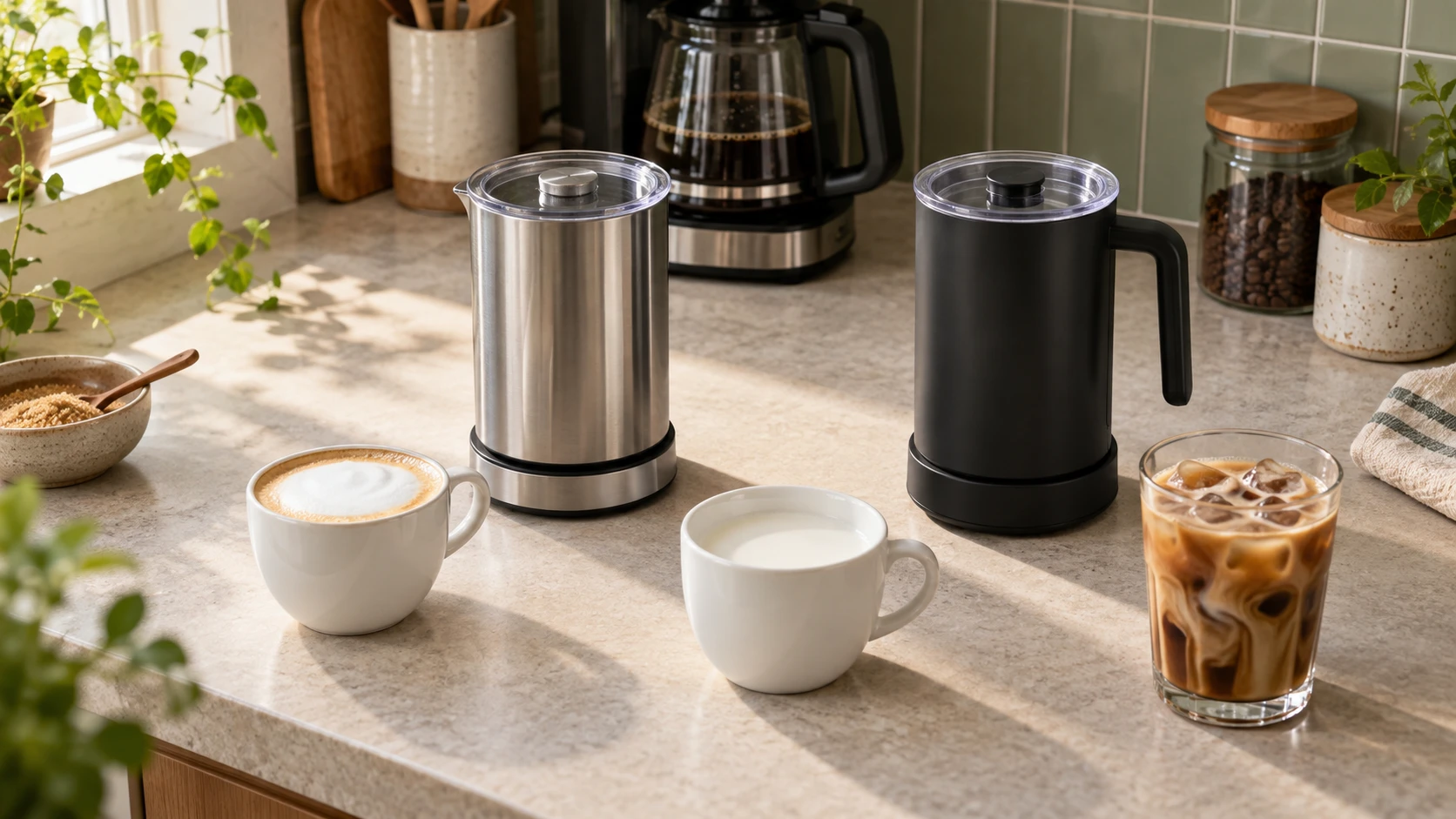
A separate milk appliance can change the drinks you make without replacing a coffee brewer that already suits you. Zwilling Enfinigy vs Nespresso Aeroccino3 is a comparison of two such additions: the silver Enfinigy and the black Aeroccino3. Both Republeq descriptions include hot and cold frothing. Nespresso also explicitly distinguishes hot milk from milk foam, while Zwilling lists separate stirring and frothing attachments. Start with the milk result you want alongside your existing coffee, then examine the capacity labels and equipment that support it.
The current offers describe different prices and different capacity conventions. The ZWILLING Enfinigy Milk Frother, Silver was listed at $280.00 when checked, and the Nespresso Aeroccino3 Milk Frother, One Size, Black at $106.24. That is a $173.76 difference in these offers. The descriptions do not include a matched test of foam, heating time or durability. Use the checked price difference to set a budget, then assess the milk features needed for the preferred drink.
Conceptual illustration of separate milk preparation beside an existing coffee setup; generic appliances and cups do not depict the exact products, supplied accessories or tested milk results.
Milk frother capacity starts with the intended output
Write down whether the usual drink needs foam, warmed milk or a cold milk topping. Those are separate requests, even when the appliance has one button. Nespresso's description names hot milk foam, hot milk and cold froth. Zwilling describes hot or cold froth and foam, milk substitutes and creamy cocoa drinks, with two attachments for stirring and frothing. Neither description provides a measured foam expansion ratio. A stated milk input therefore cannot be converted into a promised number of finished cappuccinos or lattes.
For milk frother capacity, Nespresso makes a particularly useful distinction: its maximum hot and cold milk froth capacity is 4.1 ounces, while its maximum hot milk capacity is 8.1 ounces. The larger number belongs to the hot-milk task. Someone who wants a large amount of foam cannot select that larger figure as the frothing limit. Likewise, someone adding warmed milk to coffee should look at the hot-milk description instead of assuming every preparation uses the smaller fill. Use the markings and applicable instructions for the delivered appliance before preparing either output.
Zwilling's Republeq description labels 6.75 ounces as the capacity for hot milk and 13.5 ounces as the capacity for cold milk. It also says maximum capacity is clearly marked inside the cup. Those hot and cold labels differ from Nespresso's froth and hot-milk labels, so the figures cannot be placed in a simple larger-versus-smaller foam comparison. In particular, the 13.5-ounce cold-milk statement does not establish a matched cold-froth input limit against Nespresso's 4.1 ounces. Resolve the mode and attachment associated with each marking for the exact silver unit before making capacity the deciding feature.
Consider a household making two different morning drinks. One person may want warmed milk with little foam, while another wants a smaller amount of froth. The relevant question is which task each appliance can perform with the amount of milk those drinks need. Adding the two cup sizes together would obscure that difference. Keep the desired milk portions separate from the coffee portions and compare them with the appropriate documented input limits. This also prevents a large mug from being mistaken for evidence that a single frothing cycle will supply everything it needs.
Hot milk and cold froth alongside a brewer you already keep
A standalone frother is useful to investigate when the coffee part of the routine already works. It has its own vessel and controls, so the purchase can focus on the milk step. That does not mean it will coordinate automatically with an existing brewer or finish at the same moment. Neither offer describes synchronization, a connected brewing program or a timed comparison of making the complete drink. Think through where the coffee will wait and where the milk will be poured. Assess the milk step as part of the morning routine, including pouring and cleanup before leaving for work.
The published Ninja CFN601 and Keurig K-Cafe guide compares an integrated fold-away frother with a separate included vessel. It connects that equipment choice with coffee supplies and cleanup. Here the brewer can stay in place, and the milk appliance is purchased separately. Keurig's dishwasher-safe description in that guide does not establish dishwasher permission for either of these products. Ninja's brewing formats also do not describe what these standalone vessels will do. Use the equipment comparison to decide whether another vessel fits the routine, then use each selected frother's own instructions.
Cold froth deserves its own place in that routine. Both offers describe cold frothing, and Nespresso separates it from warmed milk. This may be relevant when the coffee base or final drink is cold, but the descriptions do not establish the time required, the final foam volume or how long the topping retains its texture. A buyer who mainly makes cold drinks should assess that actual output during an allowed evaluation period. A demonstration of hot foam would not settle the cold-drink question. Keep the intended milk and usual drink size consistent when comparing the result.
Separate stirring and frothing tools from texture promises
Zwilling explicitly includes two attachments, one for stirring and one for frothing. That is a documented equipment distinction worth keeping in the purchase comparison. It also creates a storage and handling question: the attachment that is not in use needs a clean, convenient place. The listing does not provide a complete attachment chart assigning every drink to each tool. Obtain that chart for the exact appliance instead of deciding that a particular cocoa recipe or milk preparation is permitted simply because an attachment is present. The advertised cocoa use is a product claim, not a recipe with ingredient quantities.
Nespresso's offer identifies the Aeroccino3 and its hot foam, hot milk and cold-froth outputs, but the saved description does not enumerate a comparable two-piece attachment inventory. It would be misleading to call that an absence of attachments or a guarantee that every required part is included. Confirm the exact package contents if the accessory arrangement affects the decision. A photograph can help identify what is being offered, yet it should be checked against a written inventory. Keep that inventory when comparing the separate purchase with a frother included in a coffee-machine package.
Zwilling describes creamy, soft microbubble foam and velvety froth. Nespresso uses quality and performance language. These are the sellers' product descriptions, rather than a controlled comparison with the same milk. They cannot establish that the silver appliance makes finer bubbles, that the black appliance makes less foam or that either produces a preferred texture every time. The Zwilling description also mentions an SCA Golden Cup award for its drip coffee machine. That statement belongs to the coffee brewer identified in the sentence; it is not an award for this milk frother.
A useful trial would keep the milk choice and desired output consistent, follow each exact appliance's permitted preparation, and assess the result in the drink you normally make. Decide what you want to observe before starting: for example, whether the milk pours in the way you prefer or whether the topping suits that cup. These observations are personal purchase criteria, not laboratory measurements supplied by the listings. Record the output mode and amount used so a second drink can be assessed under comparable conditions. Avoid promising a result from a texture adjective before trying the delivered configuration.
Milk choice changes how the claims should be read
Zwilling says the appliance is suitable for milk and plant-based milk substitutes. Nespresso's description says cow's milk works best and that alternative milks can be attempted without a guarantee of results. Those statements have different qualifications. A buyer who uses only a particular plant-based drink should keep that exact product in the evaluation plan, rather than treating either broad statement as proof of identical foam from every carton. There is no matched comparison here showing how the two frothers handle the same alternative milk. The more permissive wording does not by itself identify a performance winner.
Nespresso's milk guidance also calls for fresh, cold milk and says milk that has been frozen will not froth. That guidance comes from this Nespresso description and should stay with this product. Check the applicable manufacturer's milk guidance before use, particularly if the intended ingredient differs from ordinary milk. A drink that is enjoyable warm may have a different purpose when used as a cold topping. The desired result and permitted ingredient should be considered together before choosing an appliance for a household's repeated milk routine.
Inspect the vessel, storage and cleanup arrangement
Zwilling describes a heat-insulating, double-walled body and a seamless stainless-steel container. Nespresso describes stainless steel and black plastic, with a non-stick surface and automatic shutoff when finished. These are different construction and convenience claims. A double wall does not establish a safe touching temperature, and automatic shutoff does not replace the care instructions for handling a heated vessel. The descriptions contain no matched test of external heat, pouring control or long-term surface wear. If those features affect comfort or accessibility, examine the actual product and its instructions rather than deciding from material names alone.
For cleanup, the listed surfaces help identify what to inspect: Zwilling's seamless container and Nespresso's non-stick interior. Neither description provides a complete, equivalent care table identifying every washable or immersible component. Follow the exact appliance's instructions, including restrictions for the base and electrical parts. Decide whether the vessel can be taken to the intended cleaning area and where it will dry. This is a practical evaluation of the daily task, not permission to wash either unit by a method described for another frother. Confirm replacement availability for regularly handled attachments or other removable parts as well.
Zwilling lists an integrated cord winder for storage. Nespresso describes a slim-line base, but does not provide a complete width, depth and height set in this offer. A compact description cannot settle fit beside an existing coffee machine. Measure the available surface and compare it with exact current product dimensions, leaving the access required by the instructions. Include a place to put down the cup while pouring. If the appliance will be stored after each use, assess the complete handling task, including the cord and the separate Zwilling attachment, rather than looking only at the vessel while it is operating.
Choose the equipment that answers the milk task
The Jura GIGA 10 and OutIn Nano guide asks buyers to examine a drink menu's ingredients and accessories before treating it as a complete routine. That question remains useful when the coffee brewer is already chosen. Identify the milk equipment and work needed for the drinks actually made at home. A standalone frother is a separate purchase with its own vessel, capacity labels and care requirements. It does not give an existing brewer a new espresso extraction system or establish compatibility with a proprietary milk connection.
For Zwilling Enfinigy vs Nespresso Aeroccino3, the initial choice can rest on documented distinctions. Zwilling offers the two named attachments, the double-walled body, seamless stainless container and cord winder, at the higher checked price. Nespresso explicitly separates hot-milk capacity from hot and cold froth capacity, includes a non-stick-surface claim and describes automatic shutoff at the lower checked price. Resolve Zwilling's mode-specific capacity labels before using them as an advantage. Keep the desired milk ingredient, amount and output with that question, so the answer concerns the drink the purchase is meant to support.
If you plan to pay with crypto at republeq.com, settle the milk appliance decision before moving funds. Keep the selected offer visible while reviewing checkout. The product descriptions show cryptocurrency among payment methods, but that does not establish which asset or network will be available for your transaction. If USDT appears, confirm the supported network in the actual payment instructions and match it to the sending wallet. Similar token names on different networks do not give permission to send through whichever route is convenient. Review the order total, delivery details and applicable return terms before authorizing payment. A wallet transfer charge can be separate from the merchant total, so include both in your own payment planning. Use only the destination displayed by the genuine checkout for that order. Verify the address and network, and avoid substituting an address received through an unsolicited message. Check any payment deadline and instructions about confirmation before starting a transfer. If the checkout changes or the transaction remains uncertain, reconcile its status through the merchant and wallet records before attempting another payment. Save the order confirmation and transaction reference together, without publishing wallet credentials or recovery information. Ask how a return would be handled under the current terms, including what information the merchant needs to identify the original payment. Do not assume a refund follows the same currency, timing or valuation as an unrelated purchase. Keep the milk output and capacity requirements with the order while choosing the payment route. When the exact offer, supported payment route and order details agree, follow the checkout instructions for that transaction. If an essential payment detail is unclear, obtain clarification before sending funds. Keep the confirmed appliance specifications and the final order record together so the purchase and payment can be checked against the same selected configuration.