Lifestyle & Inspiration
A Thanksgiving menu display to keep after dinner
Make a Thanksgiving menu print using the actual meal and familiar dish names, with optional frame choices and room for the final changes before keeping it.
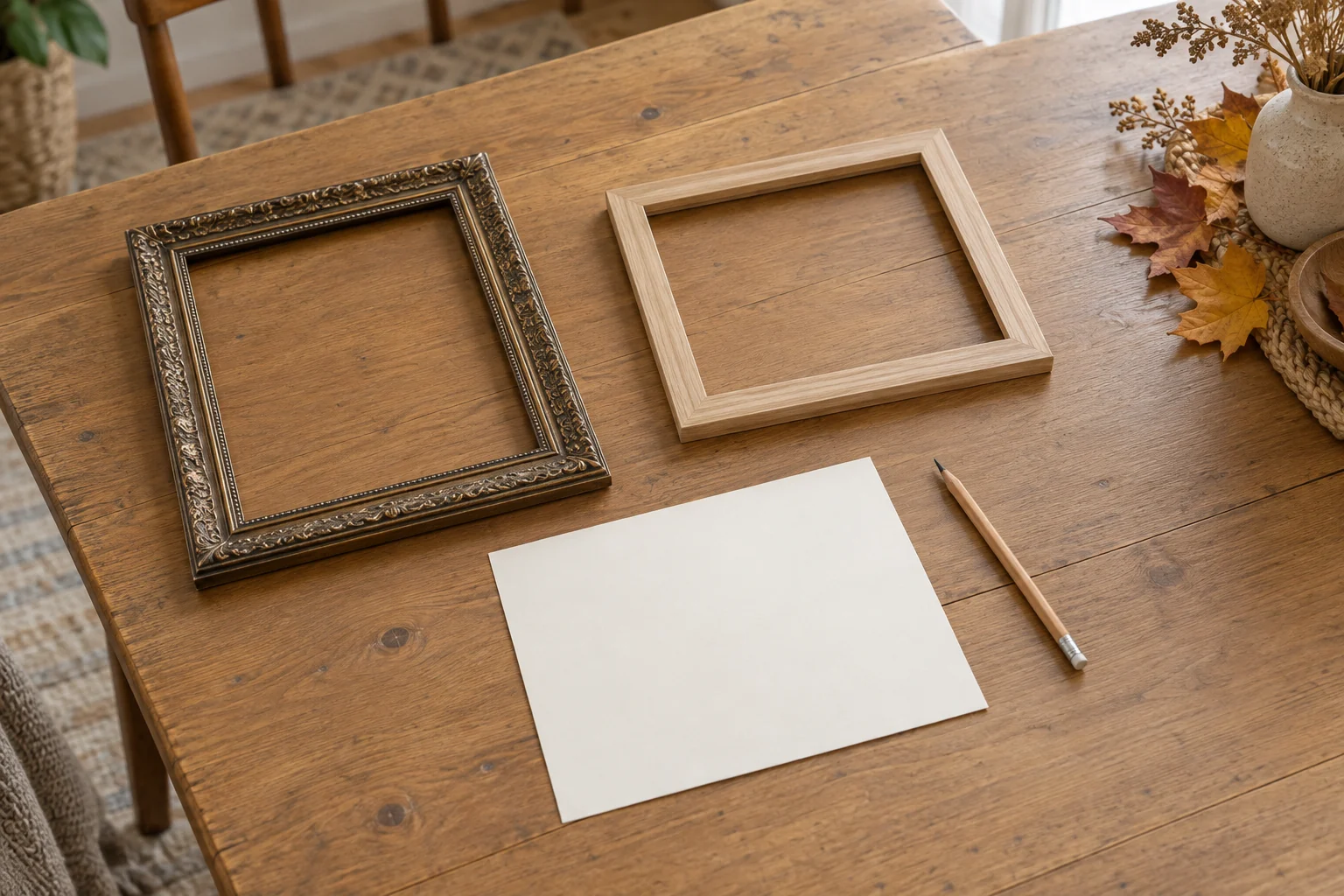
A Thanksgiving menu display can begin with the meal you are actually sharing. Put the dishes into words you recognise, choose a simple page arrangement and leave room to correct a last change. After dinner, the final menu can become a seasonal print you keep. It need not imitate a restaurant or claim to describe every meal your household has ever served.
Ask the person planning the food whether they would enjoy the idea before making it another preparation task. They may already have a list you can use, or prefer to finish the meal plan first. Offer to do the lettering or page layout yourself. They can check the dish names after you have arranged the draft, leaving the lettering and layout with you.
Decide which meal the page describes
Choose the boundaries of this particular menu. It could describe dinner alone or include the dessert people will share later. Snacks brought out during an afternoon visit may belong to a different part of the gathering. Name the meal you mean so the page has a clear subject, instead of becoming an inventory of everything available in the house.
A heading can be as ordinary as Thanksgiving dinner, followed by the year if you want it. Add a place or host's name only when you want that detail on the finished piece. There is no need to invent a formal event title. A familiar heading can leave more room for the food names people came to read.
If your household meets on a different day from the holiday, use the actual occasion you want to remember. You can call it the family's Thanksgiving dinner without presenting an incorrect date as the day it happened. Decide whether the date matters to this page. Leaving it out is also possible when a seasonal heading says enough.
Choosing words for a holiday menu begins with the cook
For choosing words for a holiday menu, start with the dish names the people preparing them actually use. A family may say roast potatoes where another would use a recipe's longer name. Ask which wording they want on this page. Do not add an ingredient, cooking method or personal name merely because it makes a line sound more elaborate.
A specific name can distinguish two dishes that would otherwise look identical on the menu. If both are described as a pie, ask what the cook calls each one. Use the answer they supply. The page should help someone recognise the food being offered, without turning a short dish title into a recipe or inventing an explanation of how it was made.
Keep someone's contribution identifiable in the way they prefer. You might name a guest's dish by its ordinary title, or include their name if they want that association on the display. Ask before making it a permanent family label. A person bringing a dish this year has not necessarily offered to bring it at every future gathering.
Choose an order that resembles the actual meal
If you are serving separate courses, the page can follow that order. If everyone will choose from dishes set out together, one list may be more natural. Avoid adding course headings solely to make the design look formal. The arrangement should describe how this meal is being shared, not create a new serving plan the cook has not agreed to.
For a longer list, group related items in a way the meal planner recognises. You might put the main dishes together and leave desserts on their own lines. A shorter menu may need no subheadings at all. Try the actual words before adding decorative sections, because the length of the dish names will shape the page.
Consider a fictional menu with a long main-dish name, three short accompaniments and a dessert served later. The main dish could occupy two lines while the others each take one. That is a possible page choice, without a rule that every course or dish deserves equal space. Your actual meal may need an entirely different arrangement.
Make a page you can read where it will be seen
Write or prepare a draft using the full dish names before deciding on the finished appearance. Read it from the position where you expect to look at the display. If the text is awkward to read, simplify the decoration or give the words more room. This is a check of your own proposed page, not a claim about a retail frame's viewing performance.
You can use familiar paper and lettering materials already available to you. A plain background may suit a busy list, while a short menu may leave room for a border you enjoy. Keep ornament outside the words people need to read. The project does not require a particular printer, special stock or new lettering equipment.
If someone else is making the page, give them the actual approved wording. Explain which breaks or groupings matter to the meal and which are simply your visual preference. Mark where one dish name ends and the next begins so the helper can arrange the lines accurately.
Consider the Bybiment frame as an optional display choice
The Bybiment bronze picture-frame offer names a five-by-seven-inch picture format and pattern twenty-six. Its description identifies lightweight polystyrene, an ornate distressed design and a clear acrylic front. It describes horizontal or vertical wall display. SKU sku-17305021191 and UPC 617357249473 identify this actual offer.
You might enjoy that ornate appearance around a short, simply worded menu. Consider the ornate bronze appearance beside the plain or decorative lettering you want. The picture-size label does not supply the frame's outside dimensions or exact visible opening, and the description does not establish a tabletop stand. Confirm the relevant display and fit information before choosing it for a particular place.
This article provides no film-removal, opening or mounting sequence for the offered frame. Use the applicable product instructions for any handling. A menu draft can remain loose while you establish the right display arrangement. There is no need to alter an existing print or hurry a new frame purchase to keep the creative part moving.
Read the Umbra gallery set without filling every frame
The Umbra Matinee gallery frame set describes five frames: two four-by-six, two five-by-seven and one eight-by-ten. The description presents it for a customisable gallery wall with photographs or artwork. It also names a small built-in basket on the eight-by-ten frame. Those are the set's stated features, without a measured menu-display result here.
One menu does not require you to fill all five frames. If the set interests you, think about whether you actually want a gallery and what other work you already intend to display. You can leave the other frames unassigned when this gathering needs only one menu page. An existing suitable frame may serve your one-page idea.
The basket is a separate feature, without a role required by this menu project. This guide gives no planting, water-use or loading instructions for it. Nor do the five picture formats establish the complete gallery's wall dimensions or an installation arrangement. Obtain the actual information needed for the location you are considering.
Keep the display beside the serving plan
Decide whether the menu will be seen before dinner, during the visit or only afterward as a keepsake. A keepsake completed after dinner can use a different display place from a menu you want guests to read on arrival. Choose an appropriate existing display position using the actual item's instructions and relevant room information. The proposed project supplies no new wall-fixing method or universal placement dimension.
The Thanksgiving napkin-ring guide starts with the real place setting and serving pieces before repeating decoration around the table. Keep that serving plan in view here too. The menu is one optional part of the occasion. Its display should suit the meal you are preparing, while the Hyjoy and Chenran ring details supply no frame measurement.
If the menu will be part of a larger seasonal display, decide what you already want beside it. You may prefer the single page on its own. Adding a photograph, another print or more frames is a separate choice, and none is needed to make the menu a finished piece.
Leave the wording open until the meal is settled
Check the draft with the person responsible for the final menu. A dessert may change or a guest may bring something different from the first plan. Update the actual dish name when you know the change. Do not make the food preparation follow an early decorative draft simply because that version has already been arranged neatly.
Choose a modest point at which you stop preparing the display for the gathering. If the meal remains undecided, you can finish the keepsake afterward. The dinner does not need a printed menu to go ahead. You can enjoy the visual project when its words are ready without turning a last-minute change into another demand on the cook.
The Thanksgiving thank-you jar guide invites one specific appreciation in the writer's ordinary words, with participation left optional. Give the menu helper the actual dish names the meal planner wants on the page. Helping with the menu page can remain optional, without adding another activity every guest must complete.
A menu keepsake for next year can stay specific
If you were a guest, ask the host for the actual dish names before making your own keepsake. They may want a copy, or simply help you identify the meal. Offer the finished page without assuming they want another framed object. They can choose whether to keep a loose copy or use their own display.
For a menu keepsake for next year, finish the page with what was actually served if that is the version you want to keep. A menu prepared beforehand can be corrected later. You can also retain an earlier design as an earlier plan, provided you do not present it as the exact finished meal.
The menu can remind you of dishes you might like to consider again. It is not a complete recipe collection. If you want the instructions for a particular dish, ask the person who made it separately and keep any answer in the form they choose to share. A title on this display does not identify every ingredient or method.
Next year, use the page as one possible starting point rather than a commitment to repeat the whole meal. People may want something different, another person may be cooking, or the gathering may be smaller. Ask about the new occasion before copying this year's dish names into another finished design.
Keep the final Thanksgiving menu display with the seasonal pieces you actually want to bring back. Follow the real frame's care information when putting it away. The page can retain this meal's familiar wording while leaving the next gathering free to have its own menu.
Conceptual Thanksgiving menu display cover with complete generic empty frames and separate plain paper; no exact retail model, readable menu, fitted print or mounting result is shown.