Cost & Savings Articles
Tambourine cost comparison: LP151 and Remo 28383 offers
Compare dated LP151 and Remo 28383 offer amounts, the actual configurations and durability claims, plus return conditions that affect a purchase.
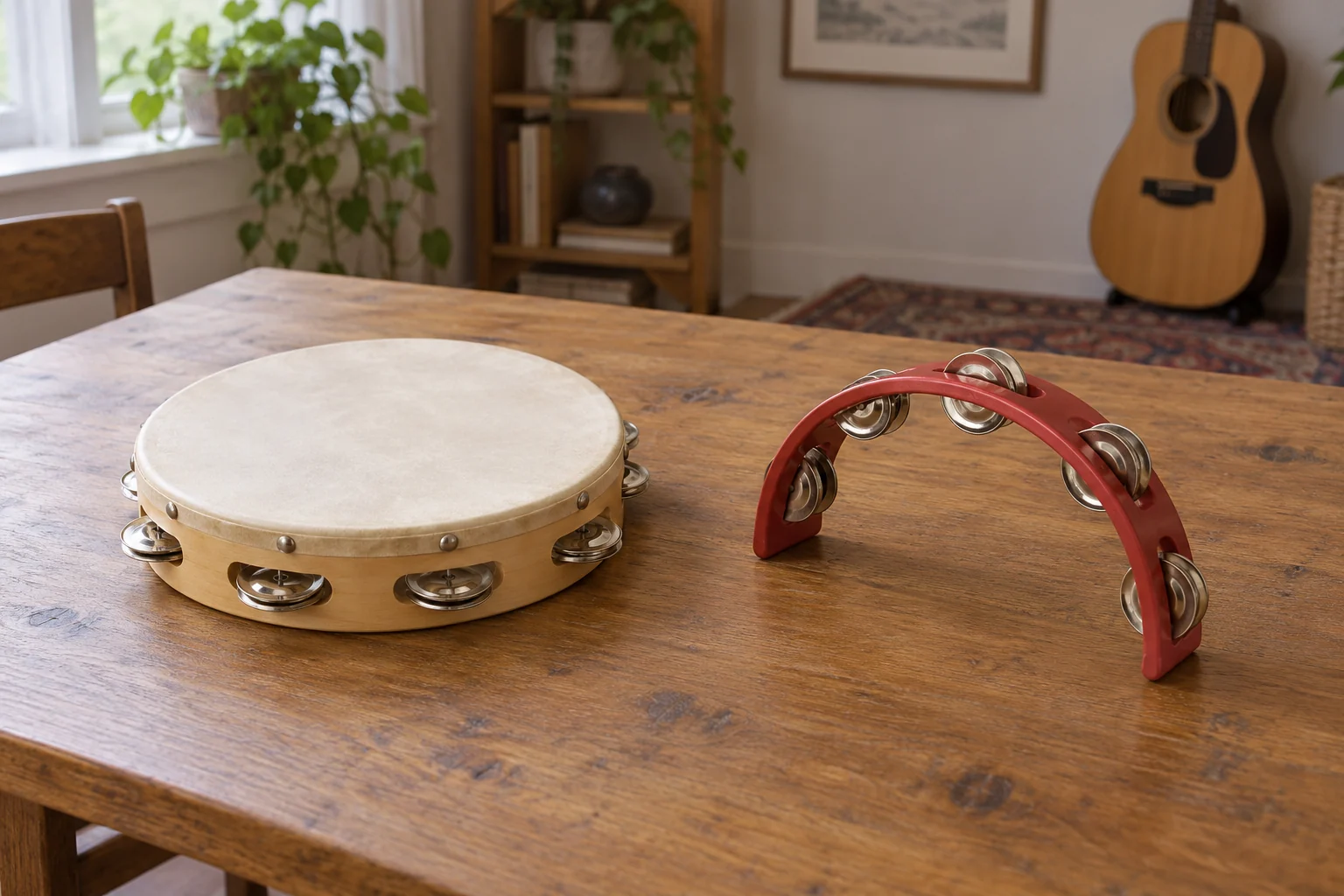
This tambourine cost comparison starts with two actual Republeq offers captured on 15 October 2026: the NOBRAND LP151 Cyclops account at USD 62.79 and the Remo 28383 account at USD 78.36. Their captured offer-price difference is USD 15.57. These are dated product-page amounts, not a current checkout quotation or a delivered total.
Ask what the difference would buy for the instrument requirement you actually have. The descriptions identify different instruments and disclose different details. Neither includes a matched sound test or a demonstrated service-life result. Read the offered configuration before deciding whether the lower amount meets the task or the other instrument supplies a feature you need.
Keep the LP151 and Remo 28383 prices with the actual offers
For LP151 and Remo 28383 prices, the captured USD 62.79 belongs to the NOBRAND LP151 Cyclops steel-jingle offer. Its native brand field says NOBRAND. The model wording and product reference do not authorize replacing that field with a manufacturer identity inferred from the familiar LP151 name.
The captured USD 78.36 belongs to the Remo 28383 eight-inch Jungle Sparkle Head offer. Its actual brand field says Remo. Its title and description identify an eight-inch, two-row instrument with that head wording. The short description adds no head material, jingle metal or measured sound output.
Subtracting 62.79 from 78.36 gives 15.57. That is the difference between these two captured offer amounts. It is not an itemized charge for a head, a second row or the Remo name. The descriptions do not split either price into components, and they do not establish two otherwise identical instruments with one separately priced feature.
Keep the date with any copied comparison. If the seller changes an amount or the selected offer changes, inspect that actual offer before using the earlier difference. A saved comparison can explain a decision made from its snapshot without promising the same gap on a later order.
Read the lower-priced offer's actual configuration
The LP151 account identifies red, hand-held construction and steel jingles, SKU 18710457372 and UPC 763436393992. It says the patented shape is designed to follow natural arm and wrist motion for easier playing. That is a design claim in the selected retail description, without a fit or handling trial performed here.
The same body account describes nickel-plated steel-alloy jingles as producing a bright, projecting sound. It also lists brass jingles for a warm but cutting sound and dimpled brass for a crisp sound. Keep those additional descriptions qualified. The selected title and opening account identify steel; the surrounding brass wording does not establish that three different jingle configurations arrive in this offer.
If the intended purchase specifically requires the steel version, keep the exact selected reference in the enquiry. A supplier response about a brass alternative could describe a different offered configuration. Establish which actual item the response concerns before allowing a general Cyclops discussion to change the purchase silently.
The description names a patented pinning system holding the jingles in place. It does not state a user replacement procedure, a replacement-part price or the contents of a repair kit. Treat the feature as disclosed construction information. It supplies no permission to disassemble an instrument or assume that later service will be free.
Decide whether the Remo description answers a required feature
The Remo 28383 account explicitly gives eight inches, two rows and Jungle Sparkle Head. If the intended task calls for an instrument matching that description, those details are relevant to investigate. The price comparison should retain them rather than reducing the choice to two anonymous objects with jingles.
At the same time, the brief account does not describe the head's material, tension arrangement or a playing technique. It does not give a controlled comparison with the LP151 or identify the same sound at a different price. Ask for the actual product information needed by the person selecting the instrument.
The LP151 account gives more descriptive detail about its shape and jingle claims, while the Remo account gives a size and two-row head identity. More descriptive detail does not establish better performance. It means different questions remain after reading the two actual descriptions. Ask which missing answer would change your choice.
If you are replacing equipment someone already uses, identify what they need to retain about that equipment. A request for an eight-inch headed instrument differs from a request for the exact red LP151 steel configuration. Get the actual requirement from the player or applicable product information before deciding which captured amount is relevant.
Tambourine durability claims do not establish a yearly saving
For tambourine durability claims, the LP151 description says the instrument lasts up to five times longer than other tambourines. The account does not identify a matched comparison product, test conditions or a measured number of years. The phrase is a retail claim, not an observed lifespan for either selected instrument.
The descriptions give no measured lifespan for a cost-per-year calculation. Dividing an offer amount by an invented lifespan would create a result the descriptions do not support. Likewise, the general phrase other tambourines does not establish that the specific Remo 28383 was tested or lasted one-fifth as long.
A person buying for regular use can ask about actual support, parts and applicable coverage. Keep the enquiry attached to the supplied item and the terms that govern it. A patented construction feature and a service policy are different pieces of information. One does not supply the other merely because both could matter to how long a purchase remains useful.
If a replacement part becomes relevant later, identify the actual part and supported instrument before planning another purchase. The present descriptions do not quote replacement jingles, pins or a Remo head. This guide therefore assigns none of those hypothetical costs to either offer and promises no repair outcome.
Keep sound preferences with evidence about the actual instrument
The LP151 account uses bright and projecting for its nickel-plated steel claim. The Remo account does not supply a directly comparable tonal description. Those unequal disclosures cannot settle which instrument a particular player will prefer or whether either meets the sound needed for an existing group.
If sound is the deciding requirement, obtain relevant information about the exact offered configuration. A demonstration of another jingle material or a different model can leave the selected item unassessed. Keep the product identity with any evidence you use. The article supplies no loudness measurement, recording test or recommended playing method.
The actual Aune AR5000 and DT 990 Premium comparison discusses open-back headphones and distinguishes their expansive sound descriptions from a matched listening result. Its driver, cable and source details stay with those headphones. The useful connection is preserving the limits of a sound claim when deciding what additional evidence matters to a purchase.
Compare the purchase you need, including unresolved contents
Use the two captured amounts as offer prices, without inventing a per-piece discount. These descriptions are accounts of the selected offers, not independently checked packing receipts. Neither provides a bundle inventory that would justify assigning separate values to an unlisted bag, spare component or additional instrument.
If a supplier proposes an accessory or another package, identify whether it is included in the exact offer or separately sold. That answer can change the actual purchase under consideration. A photograph showing several objects does not by itself make every object part of the order.
Consider the usable instrument you already have. If it already meets the player's requirement, the two advertised amounts do not create a requirement to replace it. If something specific is missing, name that need first. An identified feature gives you a reason to investigate an offer; a price gap alone does not establish an upgrade.
For someone buying on another person's behalf, share both the proposed product reference and the unresolved requirement. A gift recipient who requested a particular configuration should be able to distinguish it from a substitute. The lower captured amount can remain appealing while the actual suitability question is still open.
Distinguish the displayed amount from the transaction total
The price snapshot supplies no documented shipping charge, tax calculation or final checkout total for a particular order. Inspect the actual transaction before paying. A difference between product-page amounts can change once an order contains different items, delivery conditions or other applicable charges.
Read current delivery, return and support terms for the selected offer. The descriptions discussed here do not promise arrival before a performance, rehearsal or gift date. Nor does this article authorize using an instrument and returning it afterward. Confirm the terms that affect the actual purchase you are considering.
The actual MINISFORUM barebone and configured-PC cost guide asks what a finished purchase includes before interpreting a price gap. Its memory, storage and computer-assembly requirements do not apply to tambourines. The relevant budgeting point is comparing complete identified offers while keeping missing package information visible.
Read the actual return conditions before counting on a refund
Republeq's returns policy, read on the same date, distinguishes payment methods. It says cryptocurrency purchases cannot be returned for refunds, while exchanges have their own eligibility conditions and depend on availability. For non-cryptocurrency payments, it generally permits returns or exchanges within thirty days, subject to the policy's conditions and exclusions.
The policy requires proof of purchase and the applicable original-condition requirements. It tells buyers receiving defective, shipping-damaged or incorrect items to contact the company within seven days of delivery; a replacement or exchange may be offered at its discretion. None of those statements supplies advance approval of a particular claim. The policy describes approved non-crypto refunds as typically processed within seven to ten business days after inspection, with payment-provider timing able to vary. That is a conditional processing account, not money available immediately after requesting a return.
The same policy says prior purchases do not receive price adjustments. A later reduction therefore does not create a promised refund of the earlier difference. Read the current policy for the actual transaction rather than relying only on a general thirty-day return field in a product offer.
Those conditions make product clarification useful before ordering. If the player needs a specific head or jingle configuration, settle that requirement with the exact offer first. An undecided instrument choice should not be treated as resolved by an assumed opportunity to play both items and return one. Choose with both the product requirement and the actual transaction terms in view.
Choose the offer that answers the actual requirement
In this snapshot, the NOBRAND LP151 offer has the lower displayed amount, and the Remo 28383 offer is USD 15.57 higher. The first supplies a red hand-held steel-jingle account with qualified construction and sound claims. The second identifies an eight-inch, two-row Jungle Sparkle Head instrument without a comparable performance description.
Use this tambourine cost comparison to decide which item-specific answer you need before choosing. Confirm the required configuration and the actual supplied package, then inspect the current transaction. The captured gap describes these offers on their stated date; it establishes no universal sound winner, annual saving or future checkout price.
Conceptual tambourine cost comparison cover with complete generic inactive instruments; no exact retail model, tested sound, durability result or current price display is demonstrated.