Seasonal & Holiday Content
Seasonal plant cover planning: decide before the cold forecast
Plan around the plants and local cold forecast. Read actual cover sizes and package details without assuming a fitted shape or temperature protection rating.
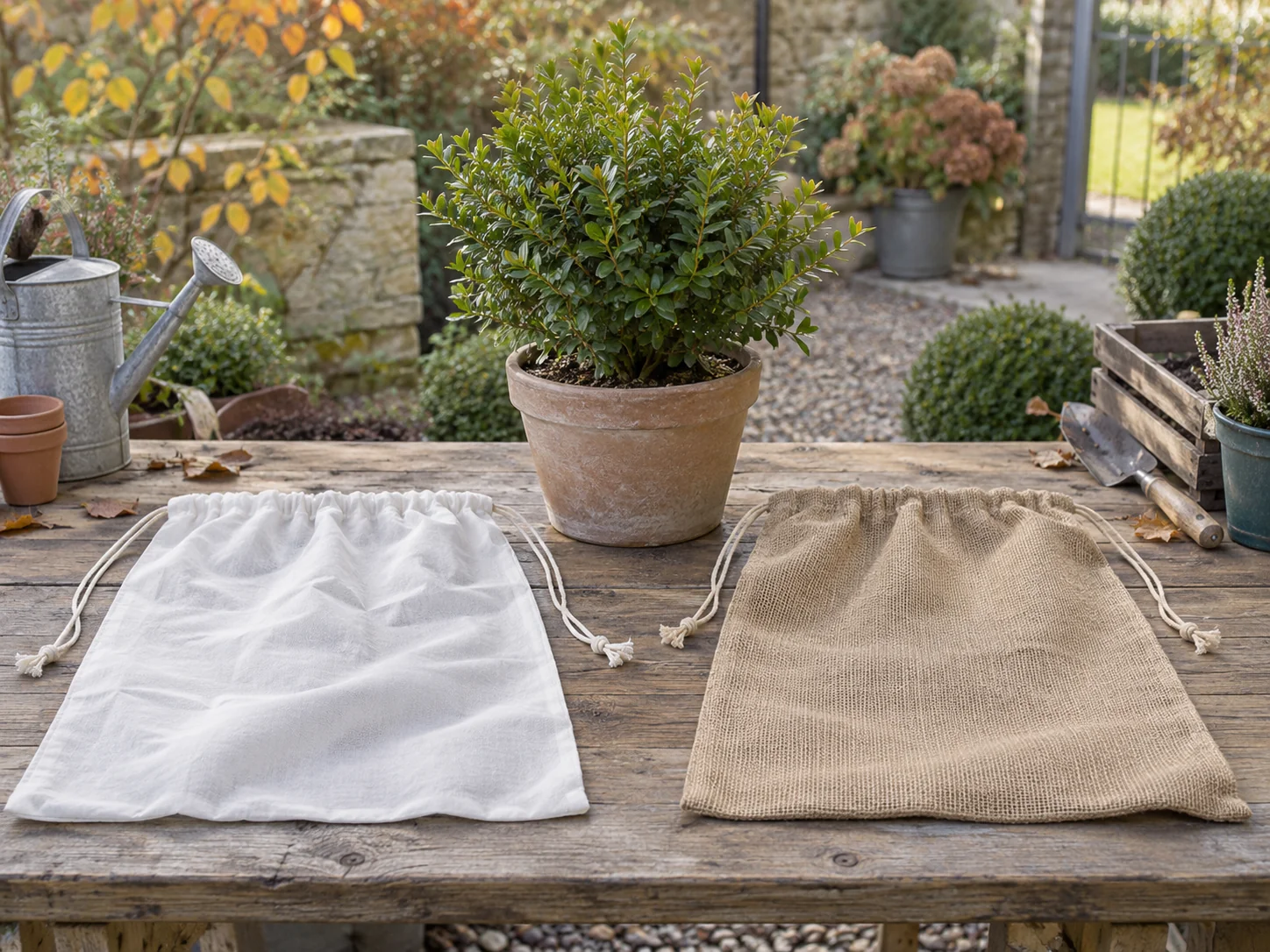
Seasonal plant cover planning starts with the plants that are already outside and the cold weather expected where they stand. Before assigning a bag to a shrub, identify the plant, find relevant advice for its situation and decide who will check the next forecast. Keep the folded cover's product details nearby while making the seasonal decision.
This guide considers preparation for a cold spell, using two actual plant-cover offers as examples of the information a shopping page supplies. It includes an invented shared-courtyard story. The people, plants and conversation in that story are fictional, and neither listed cover has been tested here. There is no prediction about a particular garden or promise that a cover will prevent damage.
Start with the plants that need a decision
Make a short record of the plants you are considering protecting. Use the identity you actually know, together with their locations. If the name is uncertain, leave that question visible and seek help identifying it before choosing care on the basis of a guess. A general description such as the shrub beside the gate can locate a plant while its name remains unresolved.
Separate an established plant in the ground from a plant in a container when asking for advice. Describe the actual situation rather than assuming a familiar recommendation applies to every item on the patio. This article does not establish which of your plants needs covering. That decision needs the relevant plant information and local guidance, including the conditions the advice was written for.
Keep any previous care note attached to the plant it concerned. A recommendation saved for last year's temporary planting may have little to say about a different shrub now occupying the same spot. Check the identity before carrying the old decision forward. Where someone else owns the plant, include that person in the conversation before arranging its seasonal care.
Read the local frost forecast with the plant in mind
A local frost forecast belongs beside the place and period you are considering. University of Minnesota Extension's article on garden timing explains that crop type and actual conditions matter alongside the calendar. Its discussion concerns Minnesota spring planting, including differences within that state. Use that regional context when reading it; the article does not set an autumn covering date for a garden elsewhere.
The same Extension article advises checking local forecasts and notes that frost cloths or row covers can help protect early plantings during temperature dips. Those are general horticultural points. They do not certify either retail bag below or assign it a number of degrees of protection. Obtain advice appropriate to your plants and location before treating a product description as a complete cold-weather plan.
Put a time beside the forecast information you consult. An earlier forecast and a later update can lead to different plans, so leave room to reconsider the decision. Avoid turning a remembered average seasonal date into a statement about tonight. If the forecast changes while responsibility is being handed over, pass on the changed information as well as the earlier note.
Gardeners preparing new crops can also read the spring seed-starting plan. That guide works backward from appropriate outdoor planting windows to sowing and indoor arrangements. Here the question concerns plants already present and a proposed temporary covering decision. Starting a new batch of seedlings and responding to a cold forecast are separate jobs with their own applicable advice.
Read the actual BotanicaNest package description
The BotanicaNest plant-protection bag offer describes five breathable bags, each measuring 80 by 120 centimetres. Its description names drawstrings and describes use around tree trunks, shrubs and other garden plants. The catalog title is BotanicaNest Restored Tools with SKU 14970114929 and Frost wording. The explanatory description supplies the plant-bag identity that the broad title leaves unclear.
Preserve the five-bag count when recording this offer. A note that says one cover would lose part of the actual package description. At the same time, five supplied pieces do not establish that five particular plants can each be covered successfully. The package quantity is information about the order, while the choice for each plant remains a separate practical decision.
The retailer describes seasonal protection against frost and cold-weather foliage damage. This guide has not measured that protection, checked the material or fitted a bag to a plant. Ask for applicable product instructions and any missing performance information that matters to the intended use. Keep the answer attached to this identified offer instead of treating it as advice for every lightweight garden cover.
Keep plant cover dimensions separate from protection claims
Plant cover dimensions help you describe the candidate item, but they need a measurement basis before supporting a fit decision. The two numbers in a bag description do not establish its usable opening, the space inside a particular arrangement or the circumference it can enclose. Ask what the measurements describe if that affects the purchase. Do not turn them into a fitted shape by assumption.
The Hmoddpon burlap plant-cover offer lists a size of 120 by 180 centimetres, a drawstring and the color Other. Its description calls the bags reusable burlap and presents them for frost, cold weather and wind protection while allowing air circulation. The actual title includes Hmoddpon, Other, Burlap, Restored Tools and SKU 14700513558.
That offer gives no confirmed pack count in the description reviewed for this guide. Its larger pair of stated measurements cannot supply the missing quantity, and the five-piece count from BotanicaNest belongs to BotanicaNest. Confirm the order contents directly if the number of bags affects your plan. Keep material descriptions separate too; a general word such as breathable does not make two offers identical.
Both pages place these items under Restored Tools. Their descriptions identify plant-protection bags despite that broad catalog category. Retain the exact offer reference when asking about them so a seller can find the intended item. Hmoddpon also mentions storing food, fruit or tools; this article makes no food-contact assessment and gives no storage recommendation from that additional description.
For a seller enquiry, describe the proposed use and ask one question at a time. Someone considering a cover for a particular shrub could ask how the stated size is measured and where the matching instructions can be found. Keep the reply in its original context. An answer about the opening does not also answer a question about protection during a specific cold spell.
A shared shopping note should also distinguish goods already owned from items merely being considered. Label a candidate with its actual offer reference and leave it separate from the list of equipment on the shelf. The distinction lets another person see which cover still has to be obtained. Check the real contents of an order when it arrives.
An invented courtyard handoff before a cold spell
In this fictional example, neighbours Saira and Joel share responsibility for a small courtyard. Saira has been keeping the plant notes, while Joel will be home during the next evening. A cold forecast makes them look at the folded covers on their shelf. Joel asks which one belongs to the shrub near the steps, and Saira realizes their old note names a plant that has since been moved.
They leave both covers loose while sorting out that mismatch. Saira records the location of the present shrub and marks its identity as needing confirmation. Another container has a clear plant label and a saved care reference that they can discuss with its owner. They keep those two situations separate. Nothing about the folded fabric resolves the name of the unlabelled shrub.
Joel had expected Saira to choose the covers before leaving. Instead, they agree on the unanswered question he needs to follow up and when he will check the forecast information again. He writes his name beside that task. Saira leaves the existing care reference with the named container, together with the owner's contact details, so Joel can ask about the actual plant if the situation changes.
The story ends with a revised handoff, before either neighbour covers a plant. Joel knows which plant is identified, which question remains open and which forecast check he has agreed to make. The neighbours have agreed who will follow up the missing information; the plant's eventual condition remains outside the story.
Make the evening plan workable for the people involved
When several people share a garden, name the person who will revisit the decision. If a message goes to everyone, ask who will take the next check. Keep the next check specific enough that the person can do it with the information available. If they need an owner or a plant specialist to answer a question first, include that dependency in the conversation.
Consider access before promising an evening task. A cover locked away in a shed or a care note held by someone away from home may be unavailable when the plan is reviewed. Resolve those ordinary arrangements while people can still discuss them. Having access to the equipment does not decide how it should be used; retain the actual care and product instructions for that part.
A cold spell may bring other preparations into the same evening. The winter car snow-removal guide concerns a vehicle, its clearing equipment and travel preparation. Keep that work separate from the garden decision. If one person has agreed to both tasks, discuss the time and information each needs so a general promise to get ready does not hide an unfinished job.
Keep the decision open when information changes
Write down what remains uncertain in ordinary language. Missing plant identification, unclear product quantity and a forecast awaiting an update require different answers. Avoid combining them into a single settled plan because a bag has been selected in an online basket. A purchase can supply equipment while care questions remain unresolved. Ask the relevant question before relying on the item for a particular situation.
Before ordering, confirm current contents, delivery information and applicable return terms. A seasonal planning article cannot establish arrival before the next cold night. If the order changes, bring the changed item back into the garden conversation rather than allowing a previous product note to stand for its replacement. Keep the exact model or SKU with the answer received about that offer.
At the next handoff, leave the plant identity, the current decision and the person responsible together. Include the forecast check time and any answer still needed. If the task has actually been carried out, record what was done without adding an assumed result for the plant. The next person can then consult the applicable guidance and the conditions in front of them.