Home & Living
Check library lost item charges before buying another copy
Check the bill and your library’s replacement rules before buying another copy.
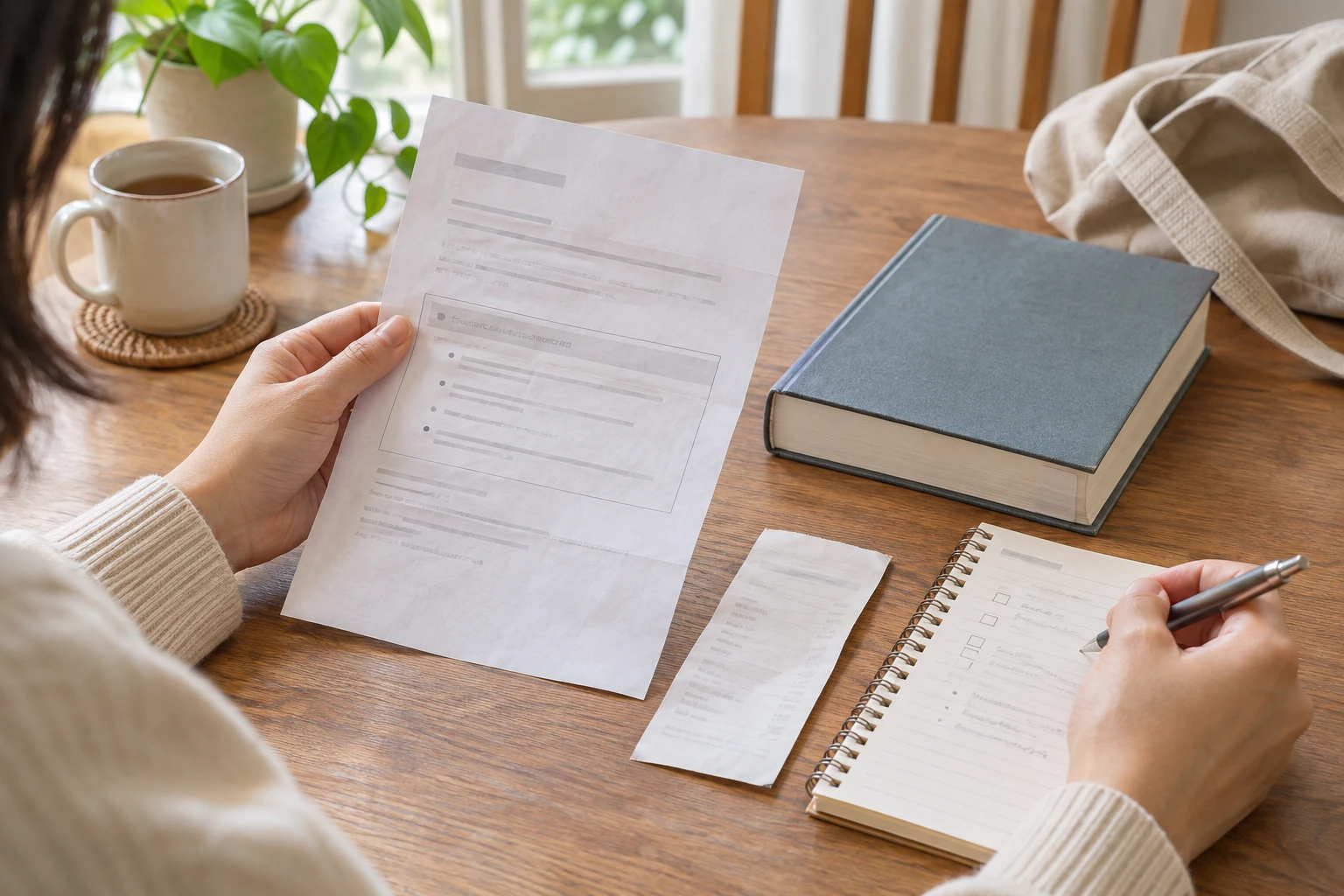
Read the charge attached to the actual loan
Check library lost item charges before buying another copy of a book. A replacement bill can have a different route to resolution from an ordinary overdue reminder. The Seattle Public Library says it does not charge daily late fines, but considers an item lost after twenty-one overdue days and charges its replacement cost. Its page says returning the item removes that replacement charge. If the item cannot be returned or payment is difficult, it directs the borrower to staff about other options. Start with the item and charge actually listed on your account. If you already returned something that remains listed, Seattle asks you to let it know promptly so staff can look for it. Purchasing another book would leave that account question unanswered. These are Seattle's stated arrangements; another institution can have different conditions.
A library replacement copy needs the right approval
San Francisco Public Library allows a like-new replacement for a lost or damaged SFPL item, while retaining the right to refuse a copy. Its instructions say to use the item's ISBN to find an exact replacement. They warn that inexpensive copies can have stamps, writing, stickers or discoloration that make them unsuitable. For a library replacement copy, matching a familiar title is therefore only part of the enquiry. Identify the exact item and the condition the library will accept before buying. SFPL also says LINK+ and interlibrary-loan items may not be replaceable and asks borrowers to discuss those cases with staff. Keep the originating collection visible in your question. A permission concerning an SFPL-owned book would not establish permission for an outside lender's copy. This guide has inspected no replacement book and obtained no approval for a particular borrower.
Ask Boston about its replacement route first
Boston Public Library's borrowing FAQ makes contacting the library the first step after losing or damaging an item. It says a donated replacement can be accepted in many cases instead of the replacement fee, with the condition of that copy important. Its listed requirements exclude writing, missing or ripped pages, torn covers, stains and odors. The FAQ also says donated replacements cannot settle lost material borrowed from outside the Metro Boston Library Network, including Commonwealth Catalog and interlibrary loans. Ask about your actual loan before treating a shop listing as the solution. Boston separately explains that checking an overdue item back in clears its lost-item replacement charge. Those are different possibilities: returning the original and proposing a substitute. Keep the library's answer attached to the one you intend to pursue, including any condition that still needs checking.
Some libraries do not accept substitute copies
Baltimore County Public Library explicitly says it does not accept substitute materials for lost or damaged items. That rule can settle a proposed purchase before a comparison of bookshop offers begins. Its page distinguishes the absence of extended-loan fees from charges for damaged, lost or missing materials. It also describes a refund when a paid-for lost item is found and returned within six months of payment, with the payment receipt. The stated refund excludes damaged materials and certain items borrowed from academic or out-of-state libraries. Read those qualifications together. A retailer’s replacement copy would not create an accepted substitute under this policy, and finding the original after payment would still leave the refund conditions to check. If you cannot identify which borrowing arrangement applies, ask the library to explain the charge on that item's record.
Keep return and paid-refund conditions separate
Brooklyn Public Library's policy says it does not assess daily late fines on overdue material, while retaining replacement fees for material not returned in good condition. It describes waiving the replacement fee once the material is returned in good condition. If the replacement charge has already been paid, its stated refund route requires the lost item to be returned within ninety days of payment, in good condition, with proof of payment. Keep that distinction visible when you ask about a bill: has a charge merely been listed, or have you already paid it? The policy also provides for discretionary hardship waivers with supporting documentation. That is a route to ask about, without a promise that a particular request will be granted. Retain the receipt and the actual response rather than assuming another library's refund period or exception applies here.
Read what a lost book refund would cover
Chicago Public Library's account FAQ describes a lost book refund when a paid-for item is found within thirty days of payment and brought back with the receipt. It says the refund covers the item's cost, while associated interlibrary-loan overdue fines are not refunded. Its page also describes repair or replacement charges for lost or damaged material and a documentation exception involving fire, flood or theft. These details concern different parts of the account; returning a found item should not be presented as a promise that every charge disappears. Ask which item, payment and fee the library's answer concerns. The captured FAQ has differing descriptions of when an overdue item becomes lost, so this guide uses neither as a settled timing rule. Check the actual record and ask staff about an unclear status before deciding what to pay or purchase.
A retail offer does not set the library's bill
Los Angeles Public Library's borrowing information says lost-material charges use the item's manufacturer's suggested retail price, with format-based default fees when that value is unavailable. It also explains that the library account shows overdue and lost items. Read the charge for the actual item instead of substituting the price of a similar book you found for sale. A paperback, a hardback or part of an audiobook set can raise different identification questions; the institution's record and applicable policy need to answer them. This Los Angeles page does not establish a replacement-copy approval or a refund arrangement for the reader's particular case. Ask about any remaining question before acting on it. The guide supplies no calculated bill or claimed saving, and has accessed no person's account. Another institution's acceptance of a donated copy would not resolve a Los Angeles charge.
Check the notice and the owning collection
The City of San Diego's library fees page says replacement copies for lost or damaged items are not accepted. For an item billed as lost, it describes waiving the bill if the original is returned within two months of the notice. Its page also describes later invoices and collection steps, making the actual notice worth retaining. Keep the stated conditions with the relevant item instead of assuming that a proposed future return has already cleared a bill. The same page gives separate rules for LINK+ and San Diego Circuit materials, including no refunds after payment under those sections. Those items belong to other libraries. Establish the borrowing route before carrying a refund expectation across from the city's own-material guidance. These are City of San Diego statements, not San Diego County policy, and they do not confirm the outcome of any individual account enquiry.
Leave an optional carrying bag as a separate choice
The Adidas Defender IV duffel account is an optional luggage reference, without a claim that a new bag is needed to resolve a library charge. Its two gallery views show a complete black duffel with carry handles, zippered sections and a dedicated shoulder strap. The account's aggregate color field says Silver, while its explicit color attribute and selected variant say BLACK | SILVER; the pictures show a black bag with a light-colored logo. Keep those source fields intact when enquiring about the exact offer. The pictures do not authenticate the model number or establish a warranty, water resistance, measured capacity or protection for borrowed materials. Choosing a carrying bag and receiving the library's answer about an item are separate decisions. Use the institution's instructions for the latter.
Read the second bag within its source limits
The Kentucky duffel account has a short title and description and one exterior image. That view shows an olive or khaki soft bag with handles, flap pockets, a shoulder strap and a small oval badge. The catalog records Hall of Fame as the brand; the badge supplies no reliably readable maker word or model identifier here. No maker relationship is authenticated, and the title's material wording is not an independent material test. The image also supplies no interior inventory, measured dimensions or delivered-contents certification. Treat the account as an example of a complete bag you might separately enquire about, without assigning it a role in the library's billing policy. The relevant purchase question can remain open while you resolve the charge using the institution's actual item record.
Keep return access outside the billing decision
The holiday library returns guide covers closure notices, an actual loan's due date and the return route for the material involved. Use it for that separate access question. Knowing which billing rule applies does not establish that a particular return point will be accessible when you arrive. Conversely, planning a visit does not show that the library has checked an item in or cleared its charge. This article does not repeat the holiday-calendar or book-drop framework. If returning the original is the applicable route, keep the remaining physical-return arrangements with their current instructions, then check the resulting item record. A pending return should stay pending in your notes. That leaves the distinction between an intended action and the account result understandable to anyone helping you.
A private owner's preference is another conversation
The damaged borrowed book disclosure guide helps someone describe what happened to a particular copy and ask its owner about the next step. Its fictional message makes no rule about financial responsibility or an amount owed. Here, the decision concerns an institution's actual account charge and its published conditions for returning, replacing or paying for material. This guide provides no damage-disclosure template, condition assessment or repair procedure. Keep any report about what happened truthful while asking the separate billing question. Once the library answers, retain which item and route its response covers. An approval for a proposed copy needs its own terms; a refund enquiry needs the relevant payment and return details. Record the result the institution actually confirms, leaving an unresolved request visible as a request.
Review a separate retail order on its own terms
If you later consider an optional purchase on republeq.com and prefer cryptocurrency, begin with the particular order you intend to place. Check the selected item and variant, and read the supplied-contents information for that offer. Keep any unanswered purchase question attached to it. You can ask for clarification before deciding whether to continue. A response about an earlier selection should remain attached to that selection if the proposed order changes. Next, inspect the payment methods displayed for the actual transaction. If USDT is offered, check the asset and network named in the current instructions. Compare the requested details with the payment you intend to authorise, and obtain clarification through the service's stated support route if an essential point is unclear. This article provides no receiving address; a saved screenshot does not establish that a particular token, network or transfer route is currently offered. Read the delivery, cancellation, return and refund information applicable to that purchase before making the decision. Keep any answer about those conditions with the question it resolves. A proposed departure or visit date does not establish when an order would arrive. If you authorise an action, retain the actual order reference and any resulting transaction record together. When an earlier action has an uncertain outcome, reconcile that status before considering another transfer. Do not turn missing confirmation into a finding that nothing happened. Keep a pending order labelled as pending, and keep private keys or recovery phrases out of correspondence. If another person helps with the order, tell them what you authorised and what remains unanswered. This paragraph supplies no payment procedure, fee estimate, refund entitlement or assurance that a transfer can be recovered. Leave the purchase undecided while a condition essential to your choice remains unresolved.