Crypto Shopping Guides
High value crypto purchases: Pre-checkout checklist
Before paying for a computer your business needs or a machine intended for a shop counter, set aside time to review the order without sending a payment. For high value crypto purchases , that review should cover the exact item, the payment instructions, receiving arrangements, and the terms that would apply if something went wrong. Keep the answers with your order notes so you can refer to them during checkout rather than trying to remember what each page said.
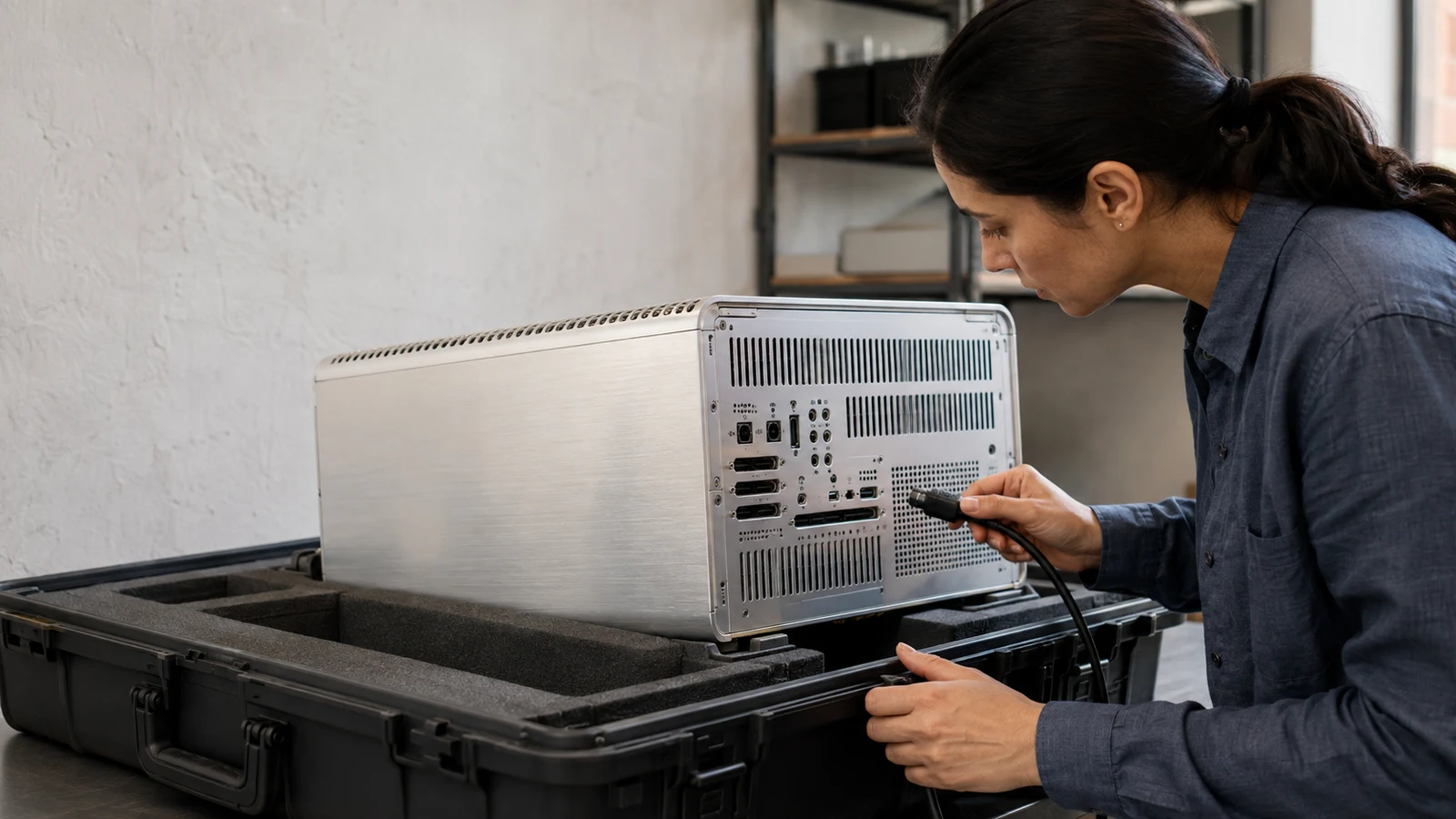
Before paying for a computer your business needs or a machine intended for a shop counter, set aside time to review the order without sending a payment. For high value crypto purchases, that review should cover the exact item, the payment instructions, receiving arrangements, and the terms that would apply if something went wrong. Keep the answers with your order notes so you can refer to them during checkout rather than trying to remember what each page said. For expensive crypto purchases, check crypto payment details against the confirmed order before funds move.
This checklist does not establish the condition of a particular product, current shipping arrangements, or the store's refund practices. Those details need to come from the listing, checkout, applicable policies, or a written response about your order. Use it to identify missing information and decide whether you have enough detail to proceed. A completed note should distinguish what the seller has confirmed from what you still need to ask.
Define the order for expensive crypto purchases
Start with the amount of disruption an unsuitable purchase would cause. There is no price threshold that makes a purchase consequential for everyone. A replacement desktop may deserve careful review if you need it for work and cannot readily fund another one. Equipment intended for a new business may need the same attention because its suitability affects when you can use the space. Set your review effort around your circumstances rather than a label such as luxury or premium.
Write down what the item must do before comparing its features. For expensive items bought with crypto, a short requirements note can help you distinguish a necessary specification from an attractive extra. A computer buyer might need compatibility with existing software and peripherals. Someone buying beverage equipment might need a particular capacity and a unit that fits the intended counter. These are questions for the specific model, not assumptions to carry over from another product in the same category.
Record the product name, selected option, quantity, and any accessories you expect to receive. Check whether the cart retains those selections. If you have changed variants while browsing, read the final selection again before payment. Keep separate notes for anything you plan to buy elsewhere, such as an adapter or stand, so you do not confuse a planned addition with something included in the order.
Resolve Listing Questions About Expensive Items Bought With Crypto
The HP ProDesk listing linked here for high value crypto purchases provides a useful context for a conditional check: if its title and description name different versions of Windows, ask which version would be installed on the unit supplied. This is an example of what to check, not a statement that the current listing contains that conflict. Do not choose an answer by assuming that the title, photograph, or longer description is more accurate.
For any desktop under consideration, confirm the specifications you depend on and what is included in the box. If the unit is described as refurbished, ask about the stated condition, testing, and any exclusions that matter to you. An operating system name alone may not answer your questions about setup or software licensing. Where a detail is missing, request an answer tied to the exact product or option you intend to order.
A useful message identifies the uncertainty directly: explain which two descriptions differ, or name the specification you cannot find, then ask what will be supplied. Save the response alongside a copy of the relevant listing. If the response remains vague, leave that question open in your notes. A seller's answer is useful only to the extent that it addresses the detail you need for this purchase.
Review crypto payment details before sending funds
Separate the order price from the payment instructions. Record the displayed currency, item subtotal, delivery charge, and any other charges shown before you reach the wallet confirmation. Check whether checkout identifies costs you may need to pay separately. If a total changes after you enter your address or select a payment method, review the changed lines. Do not rely on the price you remember from the product page as the final cost.
Next, read the instructions for the exact payment you are about to make. Confirm the requested asset, network, destination address, and any additional reference or memo the instructions require. Match those details against the wallet's proposed transaction. Similar asset names or a familiar address format are not enough to establish that the selected network is correct. If the checkout instructions and wallet options do not clearly correspond, pause and ask for clarification before sending.
Compare amounts using the units each screen displays. A price in a conventional currency, a requested crypto amount, and a wallet's total including its displayed fee may be different figures for different reasons. Identify what each figure represents instead of expecting every number to match. Check for a quote expiry time and follow the checkout instructions if it expires. Avoid reusing an earlier payment request unless the checkout explicitly says it remains valid.
Your budget review for high value crypto purchases should allow for the possibility that a problem will take time to resolve. Do not make the purchase depend on an unconfirmed refund arriving before another bill is due. Decide what total you are comfortable committing, including the charges you can identify. If a remaining cost is unknown, ask about it and decide whether that uncertainty is acceptable before authorizing the transaction.
Arrange delivery for expensive crypto purchases before payment
Check the destination against the item you have selected, not just the store's general shipping language. Enter the intended address accurately and review any restrictions checkout displays. For delivery for crypto purchases, useful pre-payment answers include whether the exact item can be sent there, what service is being offered, and whether you need to make arrangements to receive it. An address accepted by a form does not, by itself, answer every receiving question.
The single-reservoir beverage equipment listing linked under expensive items bought with crypto illustrates a different suitability check from a desktop. Before ordering equipment for a counter, confirm the unit's dimensions, required clearances, electrical requirements, and any installation instructions relevant to that location. Compare those details with your available space. This example does not establish the item's shipping method, package weight, included installation service, or current availability.
For an item you cannot comfortably handle yourself, ask where the delivery service ends and what assistance, if any, is included. Confirm whether there is an appointment, signature requirement, or access restriction you need to accommodate. Measure the intended route into the premises if the dimensions make access uncertain. If you need a separate installer or someone to help move the item, establish that arrangement before committing to a delivery date.
Separate Timing Questions For Delivery For Crypto Purchases
If the purchase is needed for a business opening or a replacement workstation, tell the seller the date that matters and ask what timing information they can confirm. Distinguish preparation or dispatch time from time in transit when reading an estimate. Ask whether a displayed arrival date is an estimate or a commitment under the applicable terms. Do not build a work schedule around an interpretation the seller has not confirmed.
Also check what you should do when the parcel or equipment arrives. Locate any instructions about visible damage, missing parts, inspection, and reporting deadlines. Make sure the person receiving the order can access those instructions and knows whom to contact. This does not require turning checkout into a shipping investigation; it means resolving receiving details that could affect your ability to accept, inspect, or use the particular item.
Read terms beyond delivery for expensive crypto purchases
Find the return and refund information before payment, then read it against your intended order. Look for the return period, condition requirements, exclusions, authorization process, and responsibility for return shipping. If a product has separate warranty information, review that too. A warranty question and a change-of-mind return question may need different answers, so describe the situation you want clarified rather than asking only whether the order is protected.
Where cryptocurrency payment is relevant, ask how an eligible refund would be issued and how its amount would be determined. Useful questions include which currency or asset would be returned, which valuation point would apply, and whether any fees would be deducted. Ask about the expected process and timing without assuming a refund is available in your circumstances. Keep the answer connected to the applicable eligibility terms rather than treating payment method alone as proof of entitlement.
If a policy does not mention crypto-paid orders, identify that omission and ask how the published terms apply to your purchase. If two pages appear inconsistent, point to the conflicting passages and request clarification. The absence of a specific statement does not establish what support would decide later. Record unclear terms as unresolved questions until you have an answer you can use in deciding whether to order.
Save the policies and product details you relied on, together with the seller's responses. Keep an order confirmation and payment receipt when they become available. Store these records somewhere you can retrieve them without opening your wallet for every support exchange. Never include a seed phrase or private key in an order note sent to a seller; use order identifiers and transaction references when appropriate.
Make the final decision after reviewing crypto payment details
Return to your notes while the order is still unpaid. Mark each answer as confirmed, unresolved, or a limitation you knowingly accept. Those categories help separate a missing specification from a stated restriction you have already considered. For example, a known delivery service that ends at the entrance may be workable if you have arranged help; an unanswered question about the service leaves you unable to make that arrangement reliably.
Use this final pass to review the order you are actually placing:
- Check that the selected item, configuration, quantity, condition, and included parts match your requirements.
- Confirm the displayed charges and understand the payment amount, asset, network, destination, and any required reference.
- Verify the destination and receiving arrangements, including access or assistance you need to organize.
- Read the applicable return, refund, and warranty terms, and retain answers to questions about unclear wording.
- Decide whether any unanswered point could change your choice to buy, and resolve it before sending payment if it could.
You may finish this review and decide to proceed, choose a different item, or wait for clarification. Base that choice on the details recorded for the order rather than a general impression of the storefront. If receiving arrangements remain the open question, continue with the guide to delivery for crypto purchases and ask the seller about the requirements for your exact item and address before returning to checkout.