Product Compatibility & Accessories
Garden hose adapter compatibility: identify each interface
Keep hose thread, PVC slip and quick-connect interfaces separate. Check actual model identities before applying Orbit or Flexzilla reference specifications.
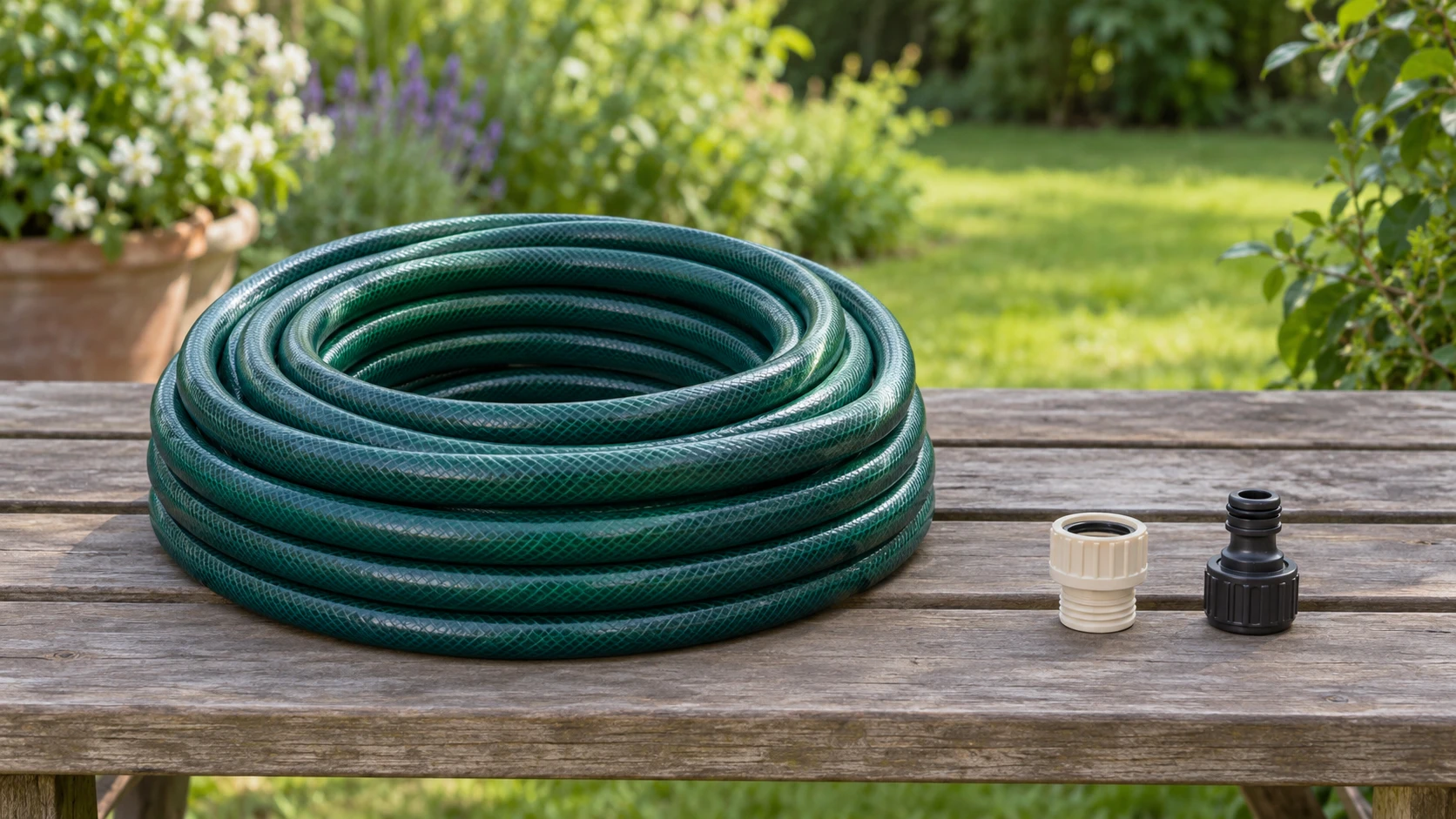
Garden hose adapter compatibility depends on the interface at each connection. An adapter can have hose threads on one end and a PVC slip connection on the other. A quick-connect kit adds another connection type that needs its own matching parts. A shared size number or the word hose cannot establish that the complete arrangement works.
The selected Orbit adapter names two different ends. The separate 50-foot kit names quick-connect attachments but leaves their complete specifications unstated in its short native description. These offers illustrate what to identify before choosing parts. This guide does not confirm that the two selected listings mate with each other or provide an installation procedure.
Name the proposed connections before choosing an adapter
Write down the actual parts you want to join. Identify the existing hose or kit, the proposed adapter and the pipe or attachment on the other side. Describe each intended connection separately. A single note saying adapter for the garden leaves the supplier to guess which end must fit which part.
If you are replacing a known fitting, retain its identifiable model and applicable documentation. An old component's appearance may help you ask a question, but a photograph does not establish every thread or coupling specification. If the reference is missing, keep that point open instead of assigning a familiar name to an unidentified part.
For an existing watering arrangement, obtain its applicable requirements before deciding that new parts are suitable. This includes more than physical connection names. The intended use and operating conditions need to be within the documented scope of the actual components. This article supplies no pressure test, potable-water approval or permission to modify a permanent water installation.
Hose thread and PVC slip describe different ends
hose thread and PVC slip are separately named in the Orbit three-quarter-inch hose-to-pipe adapter listing. Its current title identifies PVC Slip x Male Garden Hose Thread. The description says it has three-quarter-inch male hose threading and a slip connection for three-quarter-inch sprinkler pipe. Keep those labels attached to their respective sides.
The repeated three-quarter-inch wording does not make the two sides the same connection. One is described as male hose threading, while the other is a PVC slip interface. Asking for another three-quarter-inch part without naming which side it concerns discards the distinction the listing provides. Retain the connection type as well as the size.
The native description calls the fitting suitable for connecting a garden hose directly to sprinkler pipe. It also uses broad language about quick use and durable construction. Those statements do not supply an installation sequence, a pressure rating or the exact mating part in your own system. Do not turn a short retail description into a complete instruction for joining pipe.
The record does not expose a manufacturer item number or UPC for this selected adapter here. Its internal product reference identifies the shop listing. Keep that reference when asking the supplier to identify the manufacturer's actual model. A similar manufacturer's page can inform the question without proving which version the order would supply.
A manufacturer reference shows why the exact model matters
Orbit's official 53361 page describes a fitting with three-quarter-inch male hose threads and a three-quarter-inch PVC slip connection. It identifies a female hose inlet for the threaded side. It also restricts that named model to outdoor cold-water use and says it is not rated for constant pressure. Those restrictions belong with the reference, even when someone is interested mainly in its connection names.
The selected native listing has similar connection wording without the 53361 model binding. Ask whether it is that exact item and obtain the matching instructions and limits. The official page does not automatically certify the selected listing, and its conditions should not be silently omitted if the supplier confirms that identity.
This article provides no cementing, sealing, tightening or leak-testing method. The official reference discusses a particular joining requirement for its slip connection; reproducing an incomplete installation step here would leave the rest of the applicable instructions out. Identify the actual model and use its complete requirements before planning an installation.
Keep a supplier's answer about the connection separate from an answer about operating conditions. A response identifying the threaded side does not establish that a proposed installation may remain under constant pressure. Likewise, confirmation of a pipe size does not establish a drinking-water application. Ask about the intended arrangement rather than assuming one answered feature approves all uses.
Quick-connect kit compatibility needs its own mating information
For quick-connect kit compatibility, begin with what is actually included and what each part connects to. The 50-foot garden hose kit listing has Flexzilla wording in its title, while its native brand field is Unbranded. Its short description names a 50-foot hose and quick-connect fittings for tool-free hookups. Preserve that identity difference when seeking more detail.
The text does not identify the exact kit model, the complete adapter inventory or the individual interface specifications. It does not establish a hose bore, a pressure rating or a specific threaded end here. The advertised hose length answers a reach question. It cannot supply the missing connection details for the quick-connect parts.
A threaded adapter and a quick-connect component should remain separate entries in the proposed arrangement. Obtain the specification for the side that faces the hose and for the side that faces the attachment. Do not assume that a supplied adapter makes every other brand's quick-connect half interchangeable. A statement about easy hookups does not identify those mating parts.
Also ask whether a proposed replacement concerns the hose itself, a kit adapter or another attachment. Replacing one piece can leave other supplied components in the arrangement. The relevant answer should identify which original part remains and which new part joins it, so a complete-kit description does not become an unexamined specification for a single replacement.
Keep another manufacturer's kit account within its scope
The official Flexzilla page for HFZG12050QN describes a quick-connect garden hose kit with a hose, hanger, nozzle, spigot adapter and two attachment adapters. Its product-specific overview identifies a half-inch by 50-foot hose. The selected native record does not expose HFZG12050QN or an equivalent model binding. Those official contents and dimensions therefore remain reference information, without becoming the confirmed inventory of the selected offer.
That official page also contains general garden-hose FAQs describing other hose sizes and connector features. Keep the product-specific kit account separate from those broader statements. A general answer about a hose range should not fill a missing specification in an unbound kit listing. Ask for the exact model and supplied interfaces rather than constructing a specification from several different passages.
If the supplier confirms a model, obtain its complete applicable information and reconsider the proposed connection using that confirmed identity. A reply naming the brand alone would leave the model question open. Similarly, another 50-foot product can share the advertised length without supplying the same kit adapters.
One proposed arrangement can contain several separate fit questions
Imagine an entirely hypothetical plan to join an existing hose kit to a section of sprinkler pipe. The buyer is considering a hose-to-pipe adapter with two differently described ends. The first question is whether the pipe side matches the documented pipe requirement. The second is which actual hose-side component would attach to the adapter's male hose thread.
If the existing kit uses a quick connection at that point, an additional component or a different arrangement may be needed. This example does not choose one. It identifies the missing interface information that must be obtained before parts are specified. Neither selected retail description establishes a complete tested path from that imagined kit to the pipe.
A supplier can confirm the pipe side while asking for the kit model before answering the hose-side question. Preserve that partial answer. That answer establishes one end and leaves the other open. A purchase made on the strength of the first answer would leave the second physical connection unresolved.
The curtain-ring compatibility guide similarly keeps ring-to-rod fit separate from the connection to the curtain. Here, identify the adapter-to-pipe connection and the adapter-to-hose arrangement independently. The curtain dimensions and load questions supply no pipe, thread or watering-system specification.
Keep body measurements out of an end-fitting specification
The hose size comparison guide distinguishes length, inside diameter and outside diameter, leaving unconfirmed end fittings open. Its FOR discharge and garden-hose listings are different offers. Use that distinction here so a hose-body measurement does not silently become the specification of a threaded end or quick-connect component.
When asking about the selected Orbit adapter, name the three-quarter-inch male hose thread and the three-quarter-inch PVC slip side separately. When asking about the kit, request the actual interfaces supplied rather than copying a diameter from an unbound manufacturer's page. Keep each requested measurement or connection statement tied to the part it describes.
For a purchase decision, the missing information can be stated plainly: the exact adapter model, the exact kit model, the relevant mating interfaces and the documented use conditions. You need not invent a connection trial to complete that list. Obtain the applicable information before selecting an installation method or assuming that an apparently fitting pair is approved for the intended system.
Keep the confirmed parts with the transaction
A connection enquiry should identify the parts you would actually order through republeq. If you prefer crypto, including USDT, finish that enquiry before treating a payment option as the next necessary step. Keep the Orbit shop reference with any answer identifying its manufacturer's model and applicable limits. For the Unbranded record whose title says Flexzilla, retain the supplier's answer about the actual kit identity and contents. The payment method cannot supply a missing thread specification or establish that two quick-connect parts mate. Inspect the methods presented for the resulting basket once the equipment decision is clear. The native product records mention cryptocurrency as an accepted category, without specifying every supported token, network or transaction arrangement for a future order. Read the instructions shown for the method you choose, and obtain clarification if a necessary detail is absent. This guide gives no transfer address, wallet directions or network selection. A mention of USDT is not an instruction to send funds through an unspecified route. Review the delivery and return information applicable to the actual selected parts as well. A planned watering project does not establish a delivery commitment, installation approval or permission to test and return used fittings. Keep the order confirmation together with the payment confirmation and the model-specific supplier answers. If a replacement item is proposed before purchase, check its own connection details and offered payment choices. An answer about one hose-to-pipe adapter must remain with that item rather than being transferred to another similar-looking fitting. You can leave the buying decision open while the physical connection or intended-use question remains unresolved.
Choose parts after identifying every proposed interface and the actual model information that supports it. Keep the hose thread, pipe slip and quick connection as separately named questions until the complete arrangement is established. A shared size number leaves those different connections with their own requirements.