Crypto Commerce
Empava IDC36 cooktop vs True Induction: cutout and circuits
An existing kitchen setup described as “36-inch with 240-volt power” leaves two separate questions unanswered: whether the counter opening matches the proposed appliance, and whether the electrical installation meets its requirements. For the Empava IDC36 cooktop , the supplied description specifies a 35.3-by-20-inch cutout, 220~240 volt wiring and a 50 amp breaker. Those details give your installer a starting point. They do not establish that an existing installation is suitable.
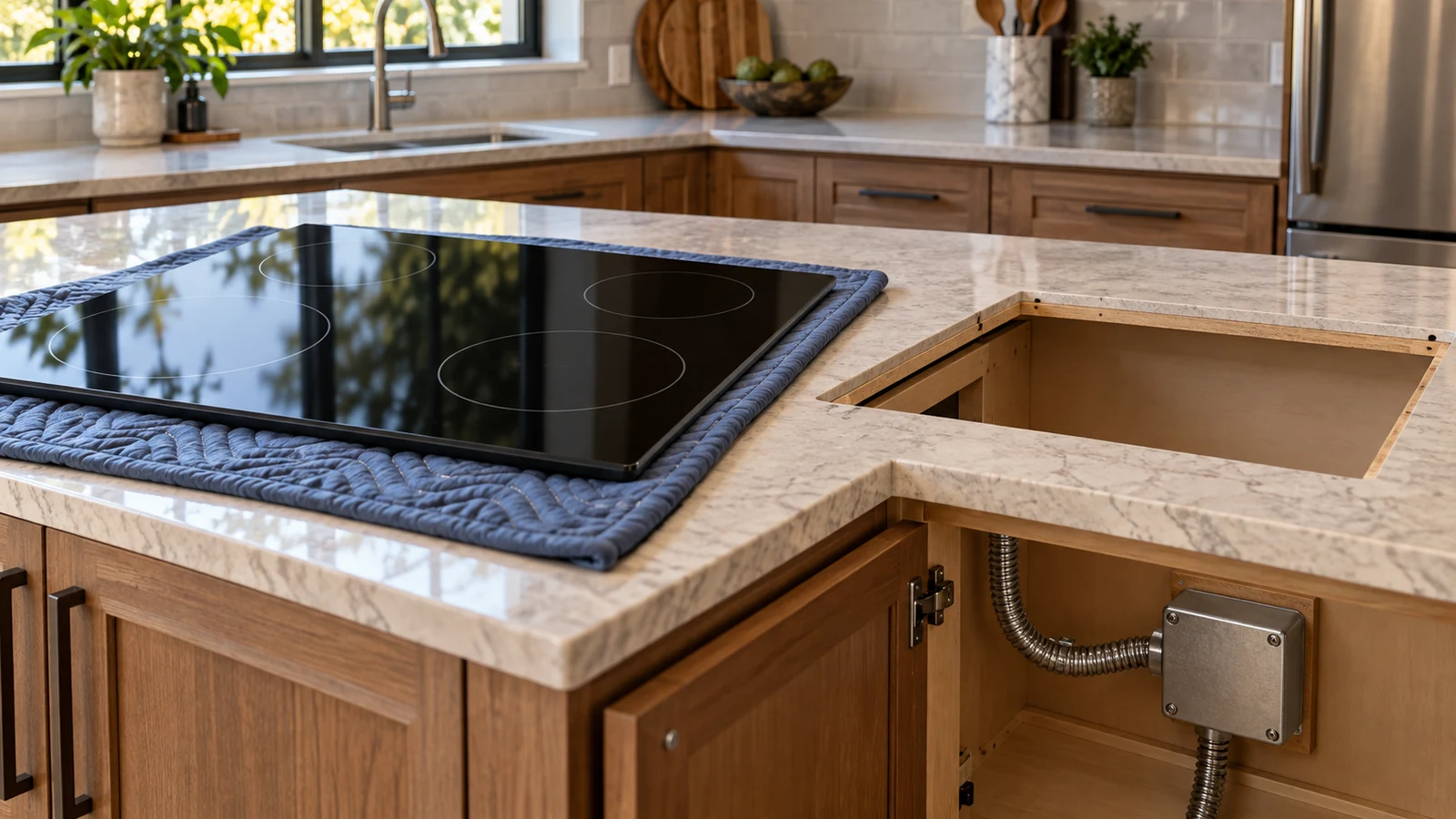
An existing kitchen setup described as “36-inch with 240-volt power” leaves two separate questions unanswered: whether the counter opening matches the proposed appliance, and whether the electrical installation meets its requirements. For the Empava IDC36 cooktop, the supplied description specifies a 35.3-by-20-inch cutout, 220~240 volt wiring and a 50 amp breaker. Those details give your installer a starting point. They do not establish that an existing installation is suitable.
The True Induction TI-3B presents a different installation proposal. Its description identifies a 24-inch, three-burner model and says full operation requires two separate 120V circuits. It also permits built-in or portable use. Choosing it would therefore mean evaluating a different counter arrangement and electrical supply, even if your reason for considering it is simply to have a smaller cooking surface.
For a replacement project, keep the existing opening and the existing supply as separate entries in your comparison. Either could rule out a straightforward swap. The useful decision is whether to retain the present kitchen arrangement with a compatible replacement or commission changes for the other model. Make that decision before cutting the counter, ordering connection parts or assuming the old cooktop's wiring can be reused.
True Induction Cooktop Alternative: Counter Opening And Circuit Differences
The Empava IDC36 cooktop description distinguishes the appliance's overall dimensions from its cutout. It lists the body as 36 in. L x 21 in. D x 2.12 in. H and the opening as 35.3 in. L x 20 in. D. Preserve those labels when sharing the specifications with an installer. Substituting the overall dimensions for the cutout dimensions would change the installation question.
Find out what “36-inch opening” means in your own project notes. It might be shorthand for the size of the appliance being removed, or it might refer to a measured opening. Ask the installer to record the actual opening independently of the old model's name. A photograph with measurements can help communicate the situation, but the installer should decide what on-site checks are necessary before confirming fit.
The listed cutout gives you a comparison point, not permission to alter the countertop. Have the installer check the exact model's installation drawing for the opening shape, support requirements and applicable clearances. The supplied description does not establish those details. If the drawing and sales description differ, resolve the discrepancy for the unit you intend to buy before any fabrication begins.
For the True Induction cooktop alternative, the description lists overall dimensions of 23.2 in. W x 20.5 in. L x 3.5 in. H. It does not supply a separate built-in cutout measurement. Do not treat those overall dimensions as a cutting template or assume that the 24-inch format tells you the required opening.
A smaller appliance also raises a question that does not arise when planning an untouched countertop: what happens to the existing opening? Ask a countertop professional whether the proposed installation would need a replacement surface or another manufacturer-permitted arrangement. Neither supplied description establishes an adapter for fitting the TI-3B into an opening previously used by a larger cooktop. Leave any proposed conversion conditional until its support and installation details are settled.
The TI-3B's listed portable option gives you another arrangement to discuss. It could be considered for a separate counter position while you assess the future of the existing opening. That is a planning possibility, not a finding that your counter is suitable. Ask about the required placement conditions and connection access for the exact model before treating portable use as the simpler or less expensive route.
Space beneath the surface deserves its own review. Empava's description instructs users to keep the air inlet and outlet clear. It also says the cooktop can be installed above an Empava 24/30 in. under-counter single wall oven. That statement does not establish compatibility with every oven or every cabinet arrangement. If an oven sits below your current cooktop, provide its exact model to the installer and have the proposed pairing checked.
The two descriptions also state different overall heights. Ask the installer to evaluate the underside of each proposed installation against the cabinet contents and any appliance below it. Overall height alone does not tell you the required free space. Avoid planning a drawer, shelf or storage position around the appliance body measurement until the installation instructions establish where those items may go.
On the electrical side, Empava specifies 220~240 volt wiring and a 50 amp breaker. A note saying that the kitchen already has a 240-volt circuit answers only part of that comparison. Have a qualified electrician inspect the existing installation against the exact cooktop's instructions. The supplied description does not establish the suitability of your wiring, connection location or other electrical components.
The TI-3B's requirement is phrased differently: full operation requires two separate 120V circuits. Ask the electrician to identify whether the proposed location can meet that requirement. Counting visible outlets cannot confirm the circuit arrangement. The description also leaves the detailed connection configuration unspecified, so obtain the model's instructions before deciding where the appliance could operate or what electrical work would be needed.
Keep the two electrical proposals separate when requesting estimates. One should address whether the existing installation can serve the Empava model as specified. The other should address the TI-3B's two-circuit requirement at its proposed position. Do not assume that the existing supply can be adapted through a simple accessory. Any change belongs in the electrician's assessment, with the required work described before you commit to the appliance.
True Induction Cooktop Alternative: Questions For The Installation Visit
Prepare a short project sheet with the proposed model names and the work you want to preserve. For example, you might want to keep the existing countertop and oven while replacing only the cooking surface. That preference gives the installer a concrete constraint to evaluate. If neither candidate can meet it, you can decide whether to expand the project before comparing optional cooking features.
Identify the Empava unit as EMPV-IDC36 and the True Induction unit as TI-3B when requesting documentation. A broadly similar model or a manufacturer's general product page may describe a different opening or connection. Ask for instructions that match the unit being sold. Keep any unresolved differences visible in your notes instead of selecting whichever measurement makes the planned installation look easier.
For each proposal, request a clear answer about what stays and what changes. Can the counter remain? Does the electrical supply need work? Will the space below the cooktop remain usable as intended? A written installation scope is more useful for comparing these candidates than a general assurance that either can be fitted. It lets you distinguish the appliance purchase from the surrounding kitchen work.
Package contents need separate attention. Empava's description says “Hard wiring is included,” but that wording does not define installation labor or provide a complete parts list. Ask the seller what is physically supplied and have the installer identify anything else needed. Do not interpret the phrase as a promise that professional installation, changes to the home's wiring or all connection materials are included in the purchase.
For the TI-3B, establish which parts accompany the unit for the intended installation mode. Its description supports built-in and portable use, but it does not enumerate the mounting hardware or detailed connection components. Ask about those items without assuming they are missing or included. The answer can affect the installation appointment even when the appliance itself is otherwise suitable.
Use the visit to separate confirmed fit from unresolved work. An installer might be able to approve the opening while still needing electrical documentation, or confirm the supply while leaving countertop changes undecided. Record each conclusion against the relevant model. This keeps a positive answer about one part of the kitchen from becoming an unintended approval of the entire replacement project.
Cooktop Power Sharing Checks Before Choosing Multiple Burners: Complete The Purchase Comparison
Once the installation options are understood, consider whether the cooking layout warrants the work each requires. The Empava description lists one 11-inch element, two 7.5-inch elements and two 6.5-inch elements. The TI-3B description lists three induction burners and a 3300W rating. These are supplied specifications, not independently measured cooking results, and they do not establish how either model would perform during your meals.
Empava's description gives maximum element outputs in Power Boost Mode for up to five minutes. The TI-3B description expressly names power-sharing technology. Neither description supplies a complete account of simultaneous operation for every zone combination. Keep that uncertainty separate from the installation decision: a suitable counter opening and electrical supply do not, by themselves, tell you how several active zones will behave together.
If simultaneous burner use matters to your choice, consult Cooktop power sharing checks before choosing multiple burners as a separate follow-up. For this replacement decision, establish whether any unanswered operating question could change which installation you want to fund. Ask for the relevant model documentation before committing to counter or circuit changes on the strength of a maximum wattage figure alone.
The Empava IDC36 cooktop remains a candidate for retaining the wider cooking format if the installer confirms its opening, clearances and electrical requirements at your site. The TI-3B remains a different proposal: a smaller three-burner format with a stated requirement for two separate 120V circuits. Neither description supports calling one a direct substitute for the other in your kitchen.
Compare the purchase price alongside the quoted work for each arrangement. Keep countertop work, electrical work and any separately required installation materials identifiable in the estimate. No supplied information establishes the cost of those changes at your home. A lower appliance price would not settle the comparison if the surrounding work differs, and a higher price would not establish that installation is included.
Before ordering, check the current listing for the exact model and review availability and delivery information. Ask about any delivery service your installation plan depends on, including whether it is offered and what it covers. Coordinate the appointment around confirmed arrangements. The product descriptions alone do not establish delivery dates, removal of the old appliance or the handling needed to bring a replacement into position.
Read the applicable cancellation and return terms while the unit is still uninstalled, especially if a fit question remains open. Do not assume that discovering an unsuitable opening after delivery creates a particular return right. If paying with cryptocurrency, review the payment choices and instructions actually displayed at checkout. This comparison does not establish payment networks, fees or refund conditions, and none should be inferred from the appliance specifications.
Before buying either cooktop, put the model-specific installation instructions beside the installer's written scope. Resolve any disagreement about the opening or electrical requirements, then confirm the seller's package contents and current order terms. You can then choose between retaining a suitable existing arrangement and paying for a different kitchen plan, with the necessary work identified before the appliance arrives.