Seasonal & Holiday Content
Snow-day sled outing: agree on the return plan
Plan a weather-dependent winter visit around the actual people, transport, equipment inventory and an agreed return arrangement.
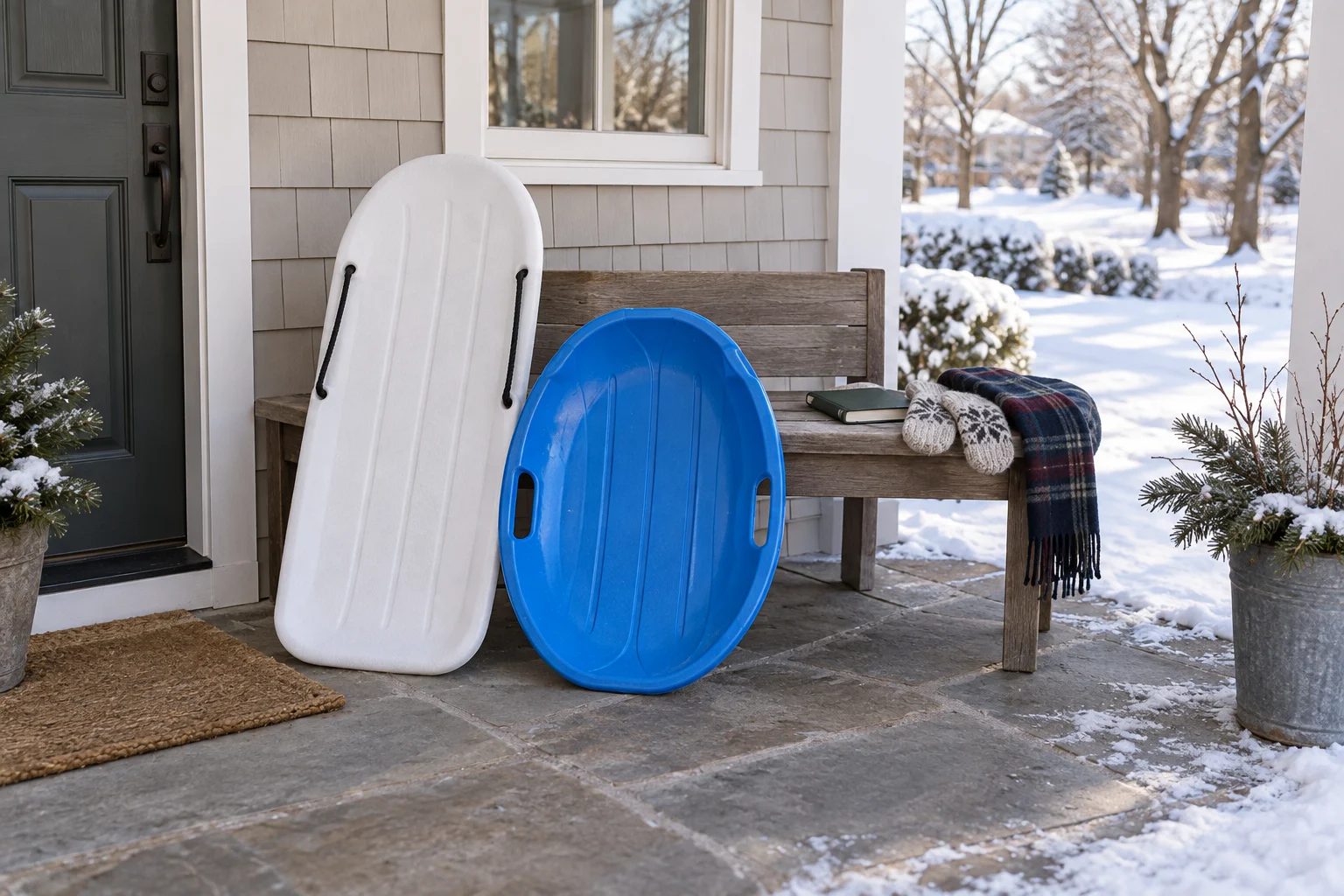
A snow-day sled outing begins before anyone puts equipment in the car. Decide who wants to come, how the group will reach an appropriate permitted location and what happens when someone wants to leave. A return arrangement belongs in the invitation, especially when people depend on the same driver.
For a winter gathering, the useful first purchase question is whether the actual equipment and its instructions suit the people and activity being considered. The next question is whether the visit works for those people. More sleds do not answer a missing transport, supervision or return-plan question.
Make the winter invitation specific enough to answer
Describe the proposal as a weather-dependent outing. Name the intended day and the location you are investigating, while keeping permission, access and current conditions open until checked. Someone deciding whether to join needs to know whether you mean a short local visit or a journey that could occupy most of the day.
Ask who actually wants to take part and who would prefer another plan. A person can enjoy meeting everyone without wanting to ride a sled. Leave that choice in the conversation. Do not turn a family or friends' invitation into an expectation that everyone will try the same activity.
Find out which participants rely on someone else for transport or supervision. Keep responsibility explicit among the relevant adults rather than assuming that another person will cover it. This article provides no age, health, supervision-ratio or rider-eligibility rule; those decisions need the actual equipment instructions, site requirements and appropriate individual guidance.
The two selected offers describe different equipment inventories
The Lifetime 91186 offer identifies an Aqua Blue sled with an EVA seat pad and a rigid HDPE body. Its listed dimensions are four feet long, two feet one inch wide and six inches high, with a weight of 9.57 pounds. It also names a molded handle and tug rope.
The SUNLITE SPORTS White Foam sled offer describes a two-pack, with each sled measuring 45 by seventeen by one inch. It names EVA foam, an HDPE bottom coating, molded grips and foot slits. Its cushioning, durability, gliding and control wording is the description's claim, without an observed riding comparison here.
Keep the actual model, package quantity and instructions together. Neither description establishes permission to use the equipment at a particular location, suitability for an unidentified rider or a safe route for your group. No riding, steering, braking, assembly or slope-selection method is supplied here.
Choose the journey only after checking current information
The National Weather Service's Winter overview describes snow, sleet and freezing rain, and explains that blowing snow in blizzards can make roads impassable. A seasonal plan therefore needs current local weather and travel information. A photograph of fresh snow at home does not describe an entire proposed journey.
Use the official information relevant to the actual location and travel times, including the return. Confirm whether the site is open and whether the activity is permitted there. Do not read a product's outdoor description as a substitute for those checks. A listed sled and a usable destination are separate parts of the plan.
The weather-station readings article distinguishes current observations, accumulated totals and forecasts. Its AcuRite equipment details concern those particular offers. For this outing, the useful distinction is that one household reading does not supply a current forecast and access report for the whole visit.
Leave a clear point at which someone will communicate the decision to go, change the proposal or cancel. Tell the group which message settles that decision. People should not have to infer that an outing is proceeding because nobody has written again after the original invitation.
A winter outing return plan needs an actual way home
For a winter outing return plan, name who is driving and who expects to travel with them. Discuss whether the group returns together or has genuinely separate arrangements. A person offering a lift needs to know about the return commitment as well as the outward trip.
Agree how someone can say they want to finish. Keep that request ordinary and welcome. You might decide that the whole group leaves together when one passenger needs to go, or arrange independently confirmed transport for different groups. Choose what the actual people and vehicles can support.
An expected return time is useful for coordination, but it is not a promise that travel conditions or individual needs will stay unchanged. Keep the current route information and circumstances in view. If the original arrangement stops being workable, revise it openly instead of describing the old agreement as though it still covers everyone.
If another household expects your return, tell them the plan you have actually agreed. Include how you intend to communicate a change. Avoid supplying a reassuring arrival time that nobody has accepted responsibility for meeting. Keep the message short and accurate.
Check transport with the complete equipment present
Use the stated product dimensions as information to investigate the transport arrangement. They do not prove that an item fits a particular vehicle with passengers and other belongings. Establish the actual fit and applicable securing instructions before relying on a remembered boot measurement or a product photograph.
The two-pack is an order quantity. It does not automatically settle how many people can participate at once, which riders are eligible or how the equipment may be shared. Those questions remain with the actual product instructions and the planned activity. Keep them out of an optimistic headcount calculation.
Identify which household is bringing which confirmed equipment. Someone may already own a suitable item and its instructions, making another purchase unnecessary. Check what is available and its actual condition before adding new products to the plan. An item merely mentioned in a group message is not yet a completed preparation task.
Shared sled waiting time belongs in the social plan
For shared sled waiting time, talk about what participation means before the visit. Someone may want only a brief turn, while another prefers watching or talking. You can agree how to accommodate those wishes without assuming that a retail pack quantity creates a complete system for taking turns.
Use the site's applicable rules and actual supervision arrangements for the activity. This article proposes no place to stand, riding order or separation distance. Those practical safety decisions must come from the relevant instructions and site information. A sociable plan cannot turn an unassessed location into an approved waiting area.
Think about the person who is there mainly for company. Find out whether the proposed visit still appeals to them once the travel and waiting are described. If they would rather join an indoor meal later, that can be their contribution to the day. They do not need an equipment purchase to justify the choice.
A fictional group can change the plan before leaving
Imagine three adult friends discussing a local winter visit. Jo can drive, Lee expects to return in that car and Pat has a separate confirmed lift. Before the day, Lee explains that a long outing would not work. This is an invented coordination example, without a forecast, site assessment or equipment trial.
Jo and Lee agree to make a shorter visit and return together. Pat decides whether that visit suits them, knowing that staying later would depend on the separate arrangement already discussed. The equipment list has not changed, but the proposed day is now clearer to everyone who is deciding whether to come.
On the morning itself, the friends still need the relevant current weather, access and travel information. Their agreement does not establish that the outing should proceed. If it is cancelled, the transport conversation remains useful preparation rather than a reason to ignore changed conditions because everyone has already made an effort.
Keep vehicle preparation as its own job
The winter car snow-removal article concerns preparing a vehicle and its visibility before travel. Its Unbranded rake and Hopkins brush offers address different equipment from these sleds. Bringing the recreational equipment does not establish that the vehicle preparation or travel checks have been completed.
If one person is arranging the gathering and another is responsible for the vehicle, make the handover explicit. Ask what remains unresolved before setting a departure time. A group can otherwise mistake one person's completed packing task for another person's confirmation that the journey is ready.
Leave enough flexibility to change the day around an unresolved task. Do not require someone to finish unfamiliar vehicle work in a hurry so the social plan can remain on schedule. Use the appropriate vehicle and equipment information for that work; this article supplies no substitute clearing or maintenance procedure.
Make late arrivals a separate agreement
If someone proposes joining after the main group leaves, check whether that arrangement really works for the people responsible. A late arrival should know whom to contact and which agreed location is still current. Do not promise that a driver or supervising adult can leave their existing responsibility to find another participant.
Keep a change of location visible to anyone travelling separately. Ask them to acknowledge the new arrangement before treating it as settled. An old message containing a meeting point can remain on a phone long after the group has decided against that destination. Tell people when the original invitation no longer applies.
You can also keep the visit together and leave late arrivals for another occasion. Explain that choice plainly when it is the arrangement the group can support. Someone who cannot make the shared departure can decline without being asked to invent a complicated journey just to remain part of the seasonal gathering.
Give a changed plan somewhere to go
Discuss an alternative that the actual participants would enjoy if the outing does not happen. It might be a meal at home, a different day or simply postponing the gathering. Check that a proposed indoor destination and its host are actually available before announcing them as the replacement plan.
Keep the alternative modest enough that cancellation does not create another complicated event to organize immediately. Someone who planned a short visit may not want a full afternoon elsewhere. Ask what suits them. Keep the invitation workable when the outdoor proposal changes.
Equipment ordered for the season does not create an obligation to use it on a particular day. Retain the actual order, storage and care information while deciding when another appropriate opportunity might arise. Avoid promising a future snow condition, an exact delivery date or a guaranteed replacement visit.
Leave the next decision with the people involved
After a visit, ask which parts of the arrangement were useful and what you would change. Someone may want a shorter journey, clearer messages or a different shared return. Keep that feedback attached to the actual outing instead of turning one group's experience into a rule for every winter gathering.
Before another snow-day sled outing, confirm the people, current destination information and actual equipment again. Keep a way home that everyone relying on it understands. The visit can be as small as the group wants, with room to change the plan when the circumstances require it.