Seasonal & Holiday Content
Holiday cookie shapes: plan the occasion before the set
Plan seasonal cookie motifs for an actual gathering. Read the DDI Easter and Spring and Dreidel Company Hanukkah set details before choosing.
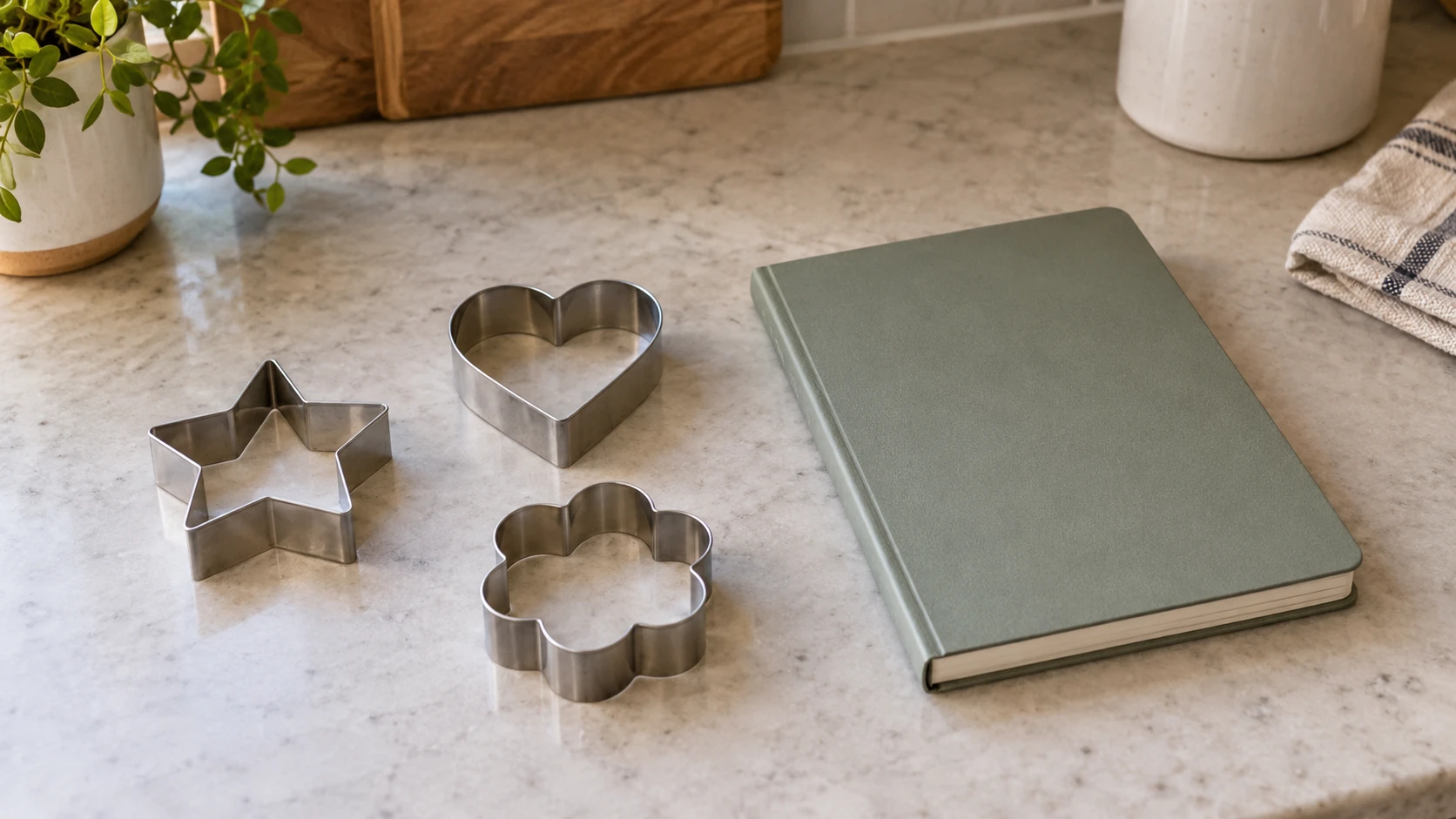
Holiday cookie shapes can start with the occasion on your calendar. Name the gathering, ask which motifs belong there and decide whether you want one recognisable shape or a small selection. Only then compare cutter sets. A collection advertised for one celebration cannot supply another celebration's symbols merely because both belong to the same kitchen drawer.
The DDI Easter and Spring offer and The Dreidel Company's Hanukkah offer describe different seasonal themes. Their records also leave different questions about the actual supplied selection and quantity. This guide helps plan those choices before an order. It supplies no dough recipe, baking schedule, cutter operation or food-contact approval.
Planning seasonal cookie shapes begins with the invitation
For planning seasonal cookie shapes, write down the occasion in the words its host uses. A spring afternoon, an Easter gathering and a Hanukkah party identify different intentions. Do not replace the host's description with a broader retail category and assume the meaning remains the same. Ask what the proposed shapes should communicate to the people attending.
Give the event its actual date and year in the note. A product description naming a holiday does not choose your gathering's date. Write any proposed preparation date separately from the day people will meet. The distinction matters if the plan includes giving cutters as a gift rather than using them for something served at the gathering.
Ask whether the shapes need to carry the whole seasonal idea. A host may prefer an unmistakable motif, while another wants an ordinary shape alongside a written greeting. Those are choices to settle with the people involved. There is no need to build a long list of symbols before learning which ones they actually want.
For an event organised by someone else, keep their answer with the invitation details. It may be a short instruction such as a request for one agreed motif. Preserve their wording instead of treating your own interpretation as an established event requirement. An unanswered question can remain a question while you investigate the products.
Separate a holiday theme from the shapes actually supplied
A set's seasonal name and its individual contents are different facts. Easter and Spring describes DDI's theme, but the captured description does not name the six individual shapes. Do not turn that theme into a promised rabbit, egg, flower or any other particular outline. Obtain the actual assortment if a specific motif determines your decision.
The Dreidel Company description names a menorah, a dreidel and a Star of David. Those named outlines let you ask a more specific question about the Hanukkah plan. They do not establish that every person involved wants every shape. Ask the host which of the supplied motifs fits the intended gathering, particularly when the event has preferences you do not share or know.
A broad spring occasion may call for a different choice from a named religious celebration. Let the occasion lead that discussion. You can explain the supplied names plainly without adding a history lesson or assigning a meaning to a symbol on someone else's behalf. If interpretation matters to the event, get the answer from its organiser.
If several people are contributing, check who is choosing the shapes and who is bringing anything prepared for the gathering. Those roles may belong to different people. A cutter purchase can be agreed while the contribution itself remains undecided. Record each decision with the person responsible so an order does not quietly become a promise to provide food.
Put the requested motif beside the selected product reference. That makes a later supplier response useful: it either identifies the actual shape you need or leaves the question open. A similar photograph from another set cannot complete an unknown assortment. Retain the answer for the exact item being considered.
The DDI Easter and Spring listing needs an assortment answer
The DDI 2363499 Easter and Spring cookie cutters are identified as Multicolor Bakeware, with SKU sku-5773367355 and UPC 721003907508. The native description says each pack contains six cutters and the listing is for a pack of twenty. Keep those two levels of packaging distinct when asking what the selected order contains.
The short record does not identify the individual motifs, cutter dimensions or material. Multicolor is an offered colour description, without a mapping between particular colours and shapes. It cannot tell you whether two packs have the same assortment. If a repeated motif matters, ask about the actual assortment and repetition rather than calculating a usable count from the theme.
Consider whether the offered packaging corresponds to your own plan. A household seeking a small seasonal selection has a different question from an organiser investigating several packs. The listing's quantity does not establish that it is appropriate for either purpose. Confirm the order unit and supplied contents before treating the product as a match.
Include the model, SKU and UPC in the enquiry so the answer refers to this DDI offer. A response about another Easter cutter collection would need its own product reference. The occasion can stay the same while you investigate an alternative, but the unknown assortment should remain visible until the actual selection is documented.
The Dreidel Company names three Hanukkah outlines
The Dreidel Company Hanukkah cookie cutter offer identifies stainless steel and names menorah, dreidel and Star of David shapes. Its description repeatedly describes a three-piece set and mentions a gift box. The retail title also contains a twenty-four-pack statement. That leaves the supplied order quantity to resolve with the seller.
Do not silently treat the title as twenty-four complete three-piece sets or calculate a total number of cutters from that assumption. Ask exactly how many individual cutters, sets and gift boxes belong to the selected order. The three named shapes answer an assortment question, while the packaging conflict remains a separate purchasing question.
A gift also needs its own quantity decision. One boxed selection for a recipient and several separate gifts are different requests, even when the desired motifs match. Tell the seller which packaging question you need answered. Do not infer a separately boxed gift for every intended recipient from a bulk statement in the title.
No cutter dimensions appear in the captured description. A named star outline therefore does not establish a finished cookie size or the amount of space a particular design would require. If your event has a size requirement, ask for the cutter's actual dimensions and keep any recipe-dependent result separate. This guide supplies no prediction of a baked result.
The description presents the set for holiday activities and gifting. That does not make it suitable for every recipient or establish a particular supervision arrangement. If the plan is a gift, ask whether the recipient wants these motifs and already has the relevant equipment information. The gift-box reference alone does not settle the contents of the order you will receive.
Choosing holiday cookie cutters around one confirmed occasion
When choosing holiday cookie cutters, keep the event requirement short enough to compare with the source. A note might contain the host's preferred theme, the desired outline and the date the decision is needed. If the products do not answer one of those points, identify the missing answer without turning it into an elaborate speculative plan.
Imagine an original example: Noor is helping plan a spring gathering and is asked to find one flower-shaped cutter. The DDI seasonal name seems relevant, but its six unspecified shapes do not confirm a flower. Noor sends the exact product reference with that question. Until an answer arrives, the product remains a candidate rather than a confirmed part of the event.
In a second imagined plan, Eli is asked about a Hanukkah gift with the three named motifs. The Dreidel Company description addresses the outlines, but the title and description leave the order quantity uncertain. Eli asks about that quantity before choosing the offer. Neither invented example establishes what a supplier will answer or what either item will deliver.
One confirmed requirement can be enough. You do not need to invent several seasonal uses to justify a larger set. If a known cutter already supplies the wanted shape, it can remain part of the planning conversation. Its actual condition, intended use and applicable information still need their own assessment; a matching outline alone does not settle those matters.
Keep the event date separate from an arrival assumption
Write the date by which you need to make the product choice, then consider the delivery information offered for the actual order. A holiday name supplies no shipping promise. An event date in your notebook cannot establish when a parcel will arrive. If the timing is essential, obtain the relevant delivery answer before making the gathering depend on that item.
The Christmas countdown date guide begins by choosing the household's intended final opening and keeping it separate from a calendar's supplied labels. That distinction also helps here: your event plan and a product's documented contents each need their own answer. Its drawer counts and December examples provide no information about these cutter sets.
Consider unresolved assortment and arrival questions together when deciding whether to proceed. An answer about timing does not confirm a particular shape, and a photograph confirming a motif does not establish delivery for your gathering. Evaluate both before relying on the order.
Agree on an alternative with the host if an exact shape cannot be confirmed in time. The alternative could be another documented cutter selection or a different contribution the host actually wants. Make that a real conversation before substituting a motif. A seasonal plan can change without pretending the original product question has been answered.
Leave a useful note for another season
If you keep the cutters for a future occasion, retain the product identity and the verified assortment with your planning notes. Distinguish what was supplied from what you hoped to find. A short factual record can help avoid reopening the same unanswered question next season. Do not carry a previous year's event date forward as if it were the next gathering's date.
The holiday decoration box label guide suggests choosing names the next person will recognise after the objects are out of sight. You can borrow that naming idea for a separate seasonal inventory note. Its label-maker specifications and decoration discussion supply no cleaning, packing or storage method for kitchen cutters.
Review the note when the next invitation arrives. A collection that suited one host may not suit another, and a gathering may call for a different selection. List the actual shapes in the record so a familiar seasonal label does not conceal the assortment you own. Choose the next occasion's motifs deliberately again.
Keep the chosen cutter offer with the purchase details
When considering holiday cutters through republeq, keep the exact item reference beside the occasion you are planning. A preference for crypto, including USDT, does not establish which shapes arrive or resolve the quantity in an ambiguous listing. For the DDI offer, retain the six-per-pack statement and the separate pack-of-twenty wording while asking about the actual assortment and order unit. For The Dreidel Company offer, keep the three named motifs with the question about its three-piece description and twenty-four-pack title. Review the payment methods actually offered for your selected basket before choosing how to pay. The captured product records identify cryptocurrency as a payment category, without documenting every asset, network or arrangement available for an order. Read the current instructions for the offered method and ask for clarification where an essential detail remains uncertain. Mentioning USDT here supplies no wallet address, transfer method or network selection. Check the delivery and return information that applies to the actual order while there is still time to reconsider the seasonal plan. A preferred gathering date cannot serve as a dispatch or arrival commitment. Keep any supplier response about the assortment and packaging with the order confirmation, together with the payment confirmation. If an alternative set is proposed, inspect its own shapes, quantity, identity and offered payment options before accepting it. The host's requested motif can remain the same while the candidate changes. The supplied shapes still need checking against the supplier's actual answer. A completed payment cannot verify a cutter's dimensions, delivered contents, material suitability or eventual baking result.
Choose the occasion, confirm its wanted motifs and resolve the selected offer's actual contents and packaging. Keep those answers with the event date so the seasonal theme remains a deliberate part of the gathering.