Seasonal & Holiday Content
Christmas cracker traditions: plan a shared musical pause
Plan a Christmas cracker gathering with documented contents, a willing conductor and time to join or watch. Read Robin Reed and GREEN CHRISTMAS offers.
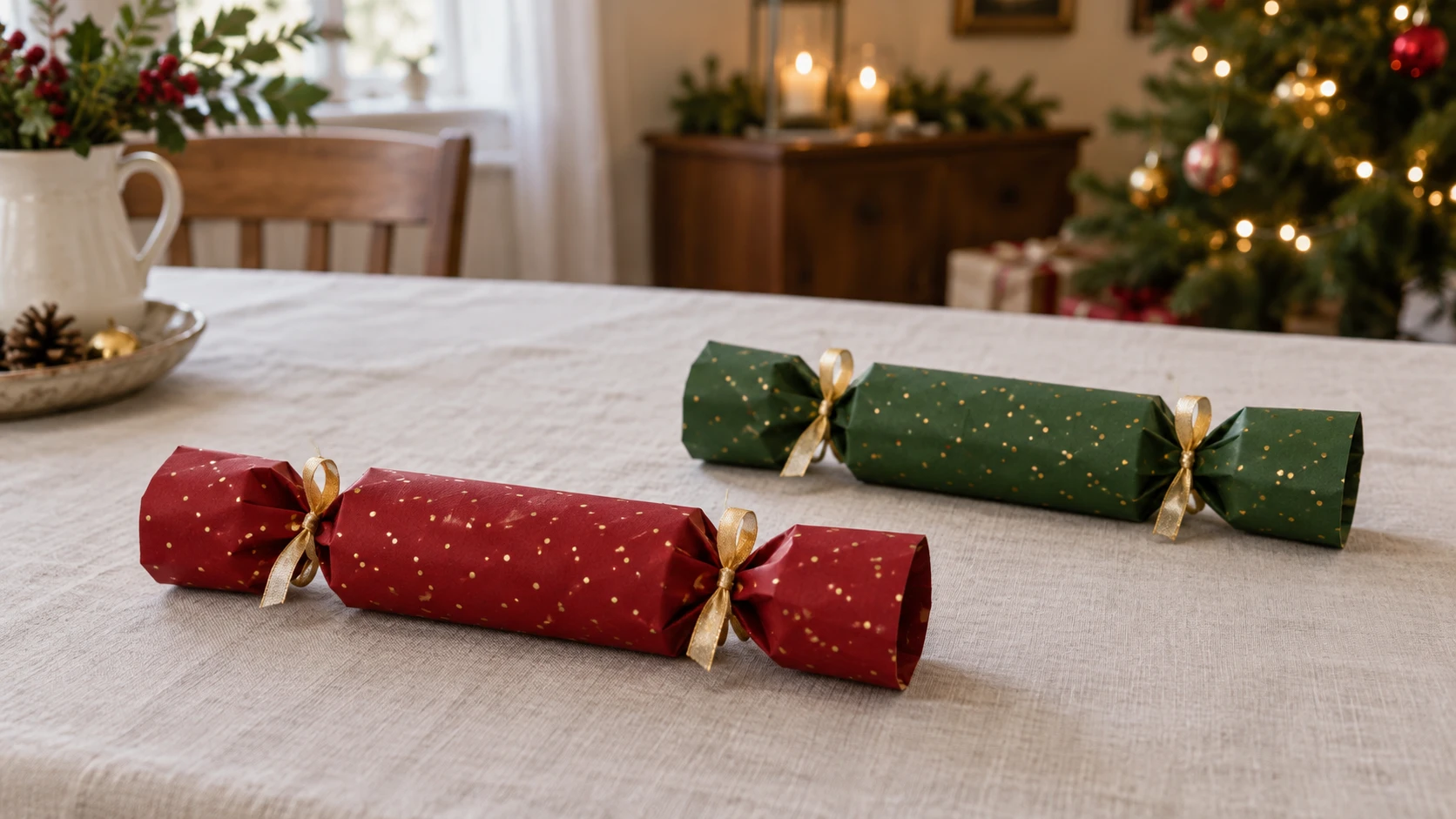
Christmas cracker traditions can give guests a shared moment during a holiday gathering. Decide what you want that moment to involve before choosing the box: a brief exchange of surprises, or a musical activity that asks people to follow a conductor. Explain the plan to anyone encountering crackers for the first time, and let people choose how they join in.
The two offers here provide different amounts of information. Robin Reed's 71708 describes a chime-bar activity, while GREEN CHRISTMAS identifies a six-pack of Holly crackers with a much shorter account. Their seasonal appearance connects them to the occasion. The documented contents determine which activity you can actually plan around them.
Introduce a familiar tradition to someone new
A guest may recognize the twisted paper shape without knowing what your household usually does with it. Explain when you intend to bring the crackers out and what you have chosen to do afterward. Keep the introduction ordinary: you are offering a short Christmas activity that people can enjoy together. Ask whether the person would like to participate or watch.
If your family has an established routine, describe it as your family's version. Someone else may know a different custom or have no association with crackers at all. Invite them to ask about the box you have chosen and to describe any version they already know. Leave room for their questions about the actual activity you are proposing.
Check the package's instructions and suitability information before distributing the actual goods. This guide discusses the gathering and the documented musical concept. Use the manufacturer's directions for handling and opening the supplied crackers, including applicable age or other restrictions. Settle those practical questions while planning, so the explanation at the gathering can stay brief and accurate.
The paper novelty has changed over time
The Victoria and Albert Museum traces the Christmas cracker to London confectioner Tom Smith. Its account describes his interest in French sweets wrapped in twisted tissue paper and his addition of messages. The cracker developed into a paper novelty whose contents and packaging could change with the occasion. The museum also describes the later addition of elaborate paper hats by Smith's son Walter.
The museum's surviving catalogues and examples show designs responding to popular entertainment and events. Their variety helps explain why a contemporary cracker can contain a musical surprise instead of following one fixed contents list. A particular present-day box still needs its own description. Historical examples establish what their makers sold, while the two current offers below identify different goods.
Read the Robin Reed musical Christmas crackers account
The Robin Reed 71708 chime-bar cracker offer identifies eight multicolour paper crackers. Each is described as approximately two inches in diameter and thirteen inches high. The supplied account says each cracker contains a different musical chime bar and a numbered badge.
For these musical Christmas crackers, the described activity gives one person a conductor's role. That person follows a music sheet and uses a baton to lead the group. Keep the chime and badge associated as the actual instructions require. Confirm the supplied equipment and directions before arranging the activity; this description does not give a complete operating sequence or identify a repertoire.
The offer's reference is item 71708, SKU sku-1899175105, with UPC 820538905123. Keep that identity when asking about the music sheet or included accessories. Similar-looking musical crackers may offer different surprises. A photograph of another Robin Reed set would therefore need its own matching documentation before you used it to answer a question about this particular box.
The Holly six-pack needs its own contents answer
The GREEN CHRISTMAS Holly cracker offer identifies a six-pack, with each cracker listed as thirteen and a half inches. Its catalog identity is SKU sku-1270441995 in All Novelty Toys. The short description uses the words deluxe and eco, but gives no detailed contents inventory.
Ask what is inside if a particular surprise matters to the gathering. The Holly account does not establish chime bars or the Robin Reed group's musical activity. It also supplies no material certification supporting a broad environmental comparison. You can consider its stated Holly design while requesting the specific contents and disposal information relevant to your purchase.
Choose between the offers by the occasion you actually intend. If a conductor-led musical interval is the attraction, investigate the documented Robin Reed set and its instructions. If you are considering the Holly option for another cracker tradition, establish its contents first. Keep those decisions separate from whether you prefer one package's seasonal appearance.
Give the Christmas cracker table activity a clear time
For a Christmas cracker table activity, tell guests when you expect to pause for it. You might choose a moment after the meal when the people who want to join are available. Ask the people helping with the gathering whether that timing works with what they are doing. Agree on a pause that the host can actually take part in.
Invite guests to join for as long as they enjoy the activity, including the choice to watch. Someone leaving early can know the proposed time and decide whether it fits their visit. Someone who prefers watching can remain part of the company. Describe the intended activity before asking for volunteers, so they know what they are agreeing to.
The separate guide to trying a Thanksgiving place setting considers how table decorations fit the meal people will use. For the Christmas activity, the useful connection is deciding when decorative objects give way to another purpose. Finish the meal's practical tasks before asking the group to attend to a music sheet and a conductor.
Choose the conductor before assigning a performance
Ask who would enjoy leading the activity. Show that person the actual instructions and music sheet in advance when available. They can decide whether the format appeals to them and whether they understand the correspondence between the sheet and numbered badges. Give them time to ask about an unclear instruction before the gathering reaches its proposed musical moment.
A confident volunteer can still prefer a short first attempt. Agree on where the group will begin and where it will stop using the actual supplied material. Leave the selection with someone who has read that material, rather than announcing a particular song from the product's general Christmas description. The catalog account does not name the music provided.
Keep the first explanation tied to the parts guests actually have. The numbered badge identifies a participant's role in the described arrangement, and the conductor uses the sheet to lead. Let the instructions establish what each person should do. A participant who cannot follow the explanation can ask for another demonstration before the group begins.
Check that each willing participant can follow the conductor from the place they intend to use. Ask them whether they can see the relevant cue and hear the explanation. Adjust your proposed seating together if needed, while keeping the actual equipment instructions in view. A person can also choose a watching role if the arrangement does not suit them.
Have one helper ready to answer a late arrival's question while the conductor addresses the group. That person can explain where the activity has reached without interrupting the instruction already being given. When the group pauses, let the newcomer decide whether to join the next round.
Let the group decide whether to continue
After a first attempt, ask whether people would like another. Someone may want to swap roles if the actual instructions permit it, while another may be happy listening. Let those answers determine whether to continue the shared holiday interval. A watching participant can express a preference about another musical round as well.
If a passage becomes confusing, identify the place on the supplied sheet where the group lost track. Let the conductor explain that point and ask whether the participants want to try it again. Avoid assigning blame to the person whose sound was most noticeable. A group activity gives several people things to coordinate, and their explanation may reveal a different misunderstanding.
The wind-chime porch guide asks people sharing a space what they would enjoy hearing. Its outdoor decorative products have a different purpose, but the shared-sound question also belongs in a holiday gathering. Check whether the people nearby would welcome another musical round or prefer to return to conversation.
Keep a simple account for another Christmas
Afterward, note which exact set you used and whether you enjoyed the activity. Record a useful practical detail, such as choosing a conductor beforehand or allowing more time for the first explanation. That note can help next year's host decide whether to repeat the idea. Keep the actual instructions with any supplied pieces you retain, following their care and storage information.
Ask someone else what they liked before writing a single account for the whole group. They may have enjoyed watching more than playing, or preferred the conversation afterward. A useful hosting note can keep those different reactions visible. You can choose a different activity next time while still remembering which part of this gathering people wanted to repeat.
Resolve the exact cracker offer before payment
Before buying holiday crackers through republeq.com, identify the exact offer that supports your gathering. Robin Reed 71708 describes eight crackers with different musical chime bars and numbered badges. The GREEN CHRISTMAS Holly listing identifies six crackers and leaves its contents much less detailed. Resolve that difference with the merchant before treating either box as the same activity. A preference for USDT cannot supply a missing music sheet description or confirm which accessories will arrive. Check the payment methods offered for the selected order, then read the current transaction details if cryptocurrency is available. Obtain the asset, network and receiving instructions from that actual checkout. Keep the order identity attached to any supplier answer about contents or suitability, so the answer still refers to the goods you intend to purchase. Review the delivery terms before promising that an order will be present for a particular gathering. Read the applicable return policy before authorizing payment as well. The captured merchant policy treats cryptocurrency purchases as non-refundable and describes a conditional exchange route, subject to its requirements and availability. An exchange therefore needs its own consideration when you are deciding how much uncertainty about the goods you will accept. Retain the order confirmation and payment record together after purchase. If the payment status becomes uncertain, reconcile it through the merchant's process before sending another transfer. After delivery, check which box and contents you received against your order record. Report any mismatch using the merchant's instructions for that situation. The activity can be replanned while an equipment question is resolved. Keep participation voluntary after the purchase, and base the planned activity on the goods and instructions actually supplied.