Florida Foliage Shimpaku All Live Plants sku-14525803248
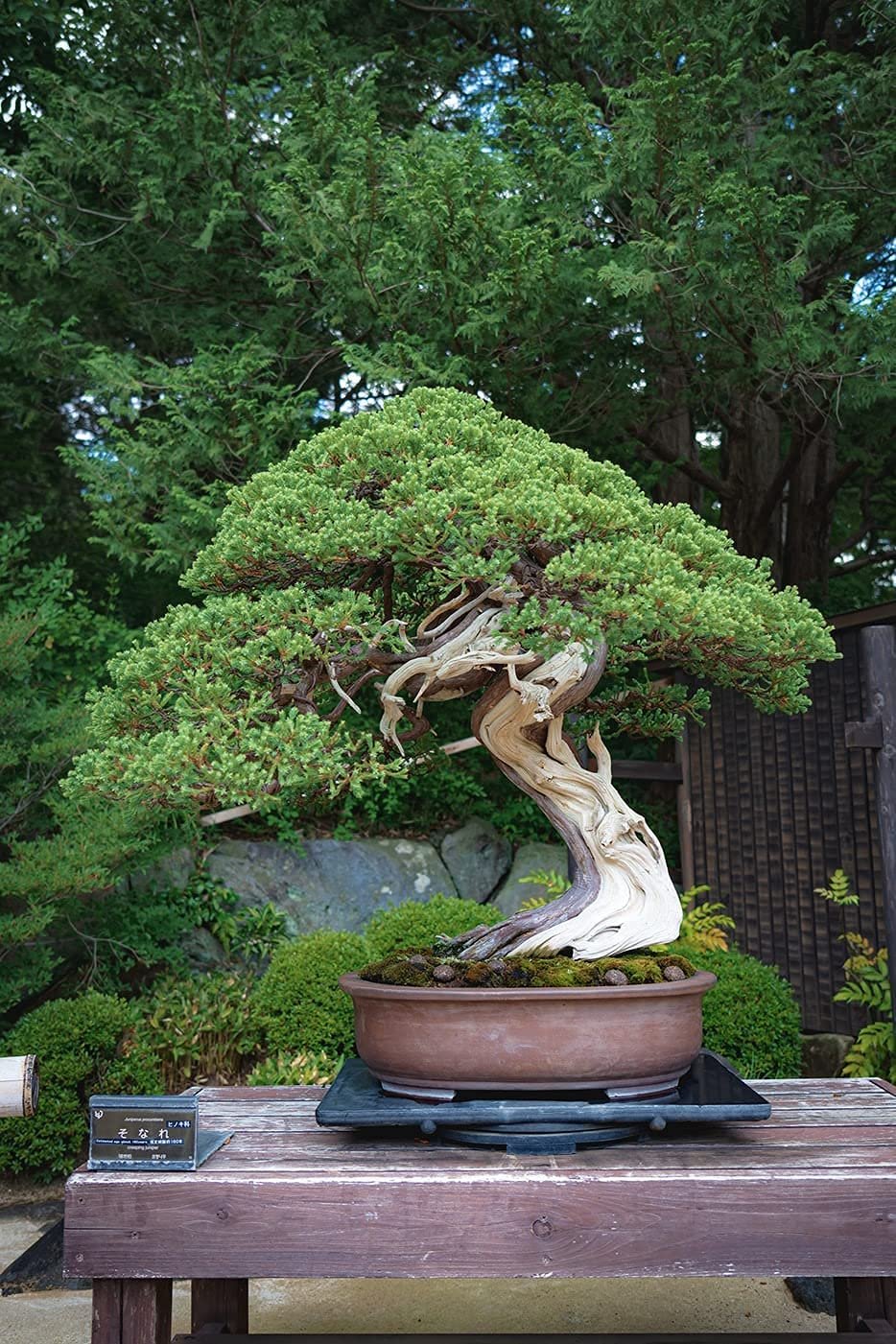
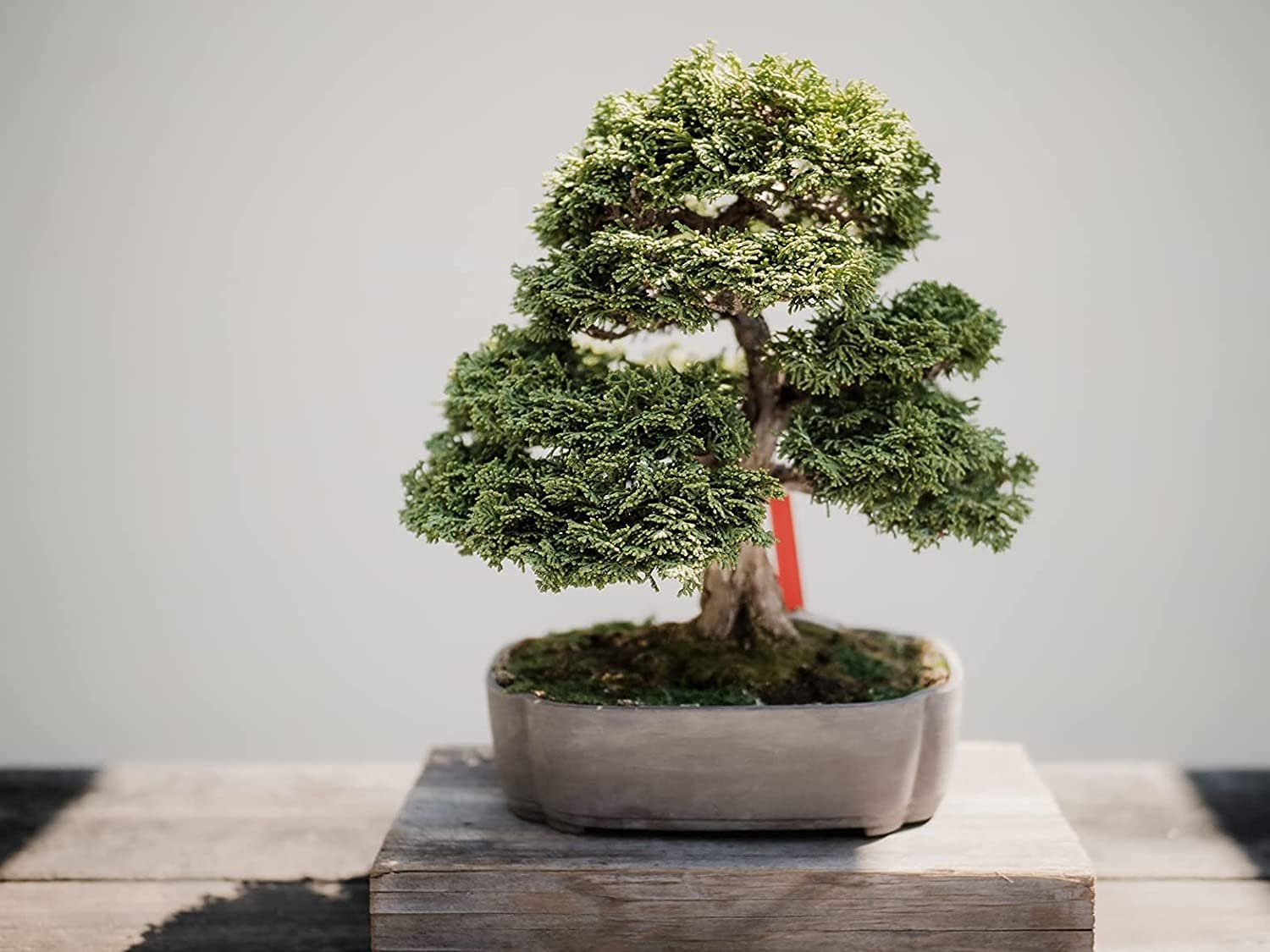
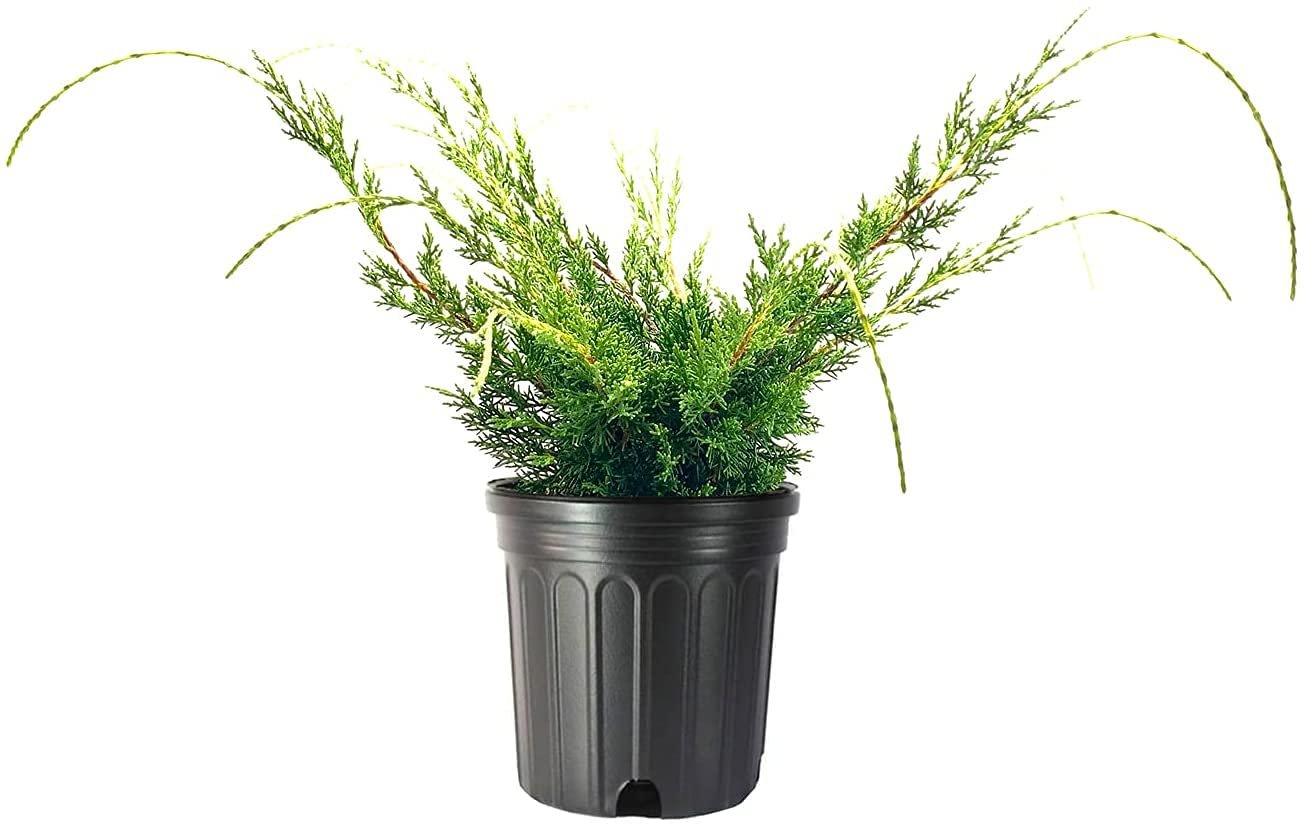
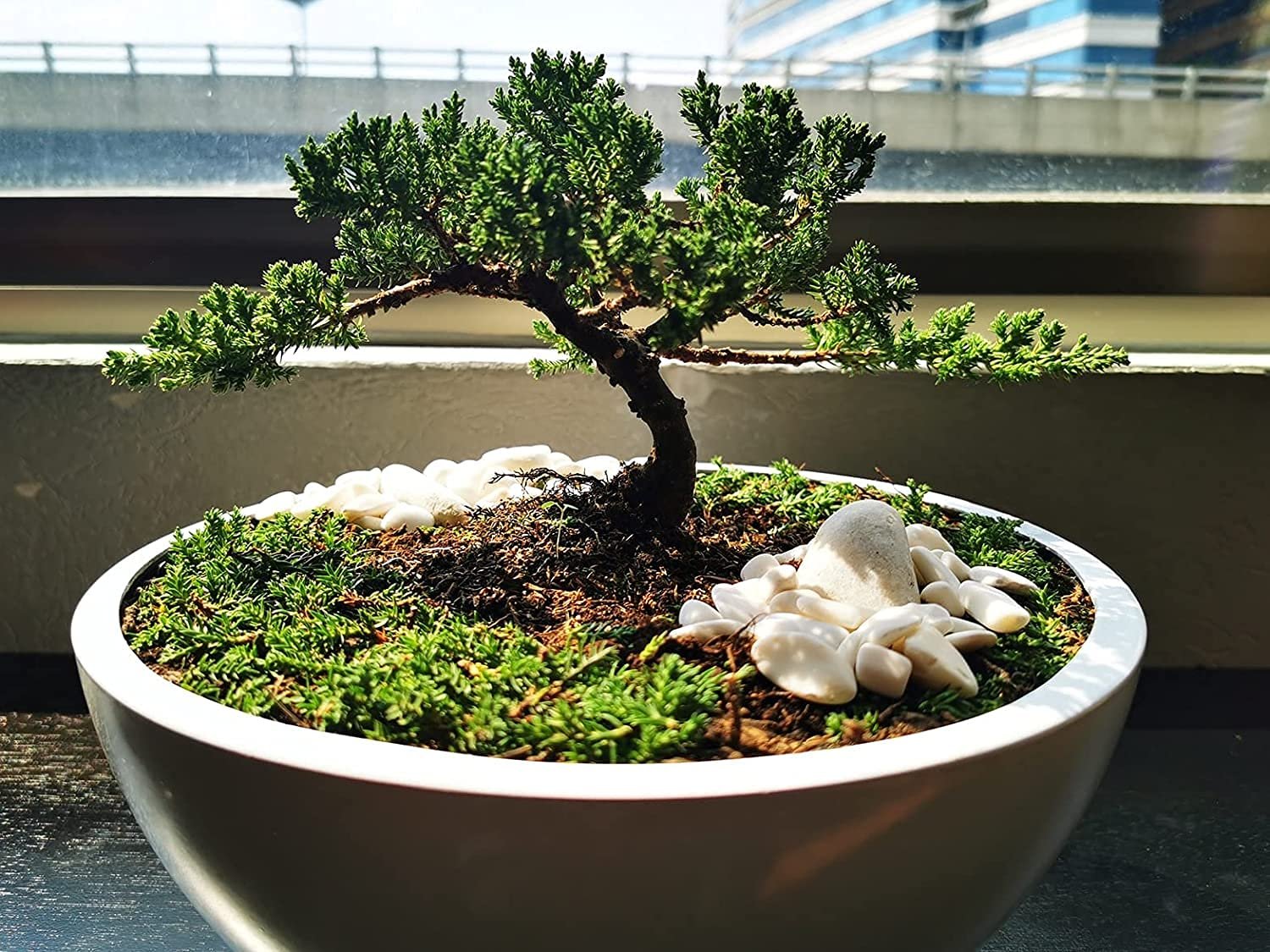
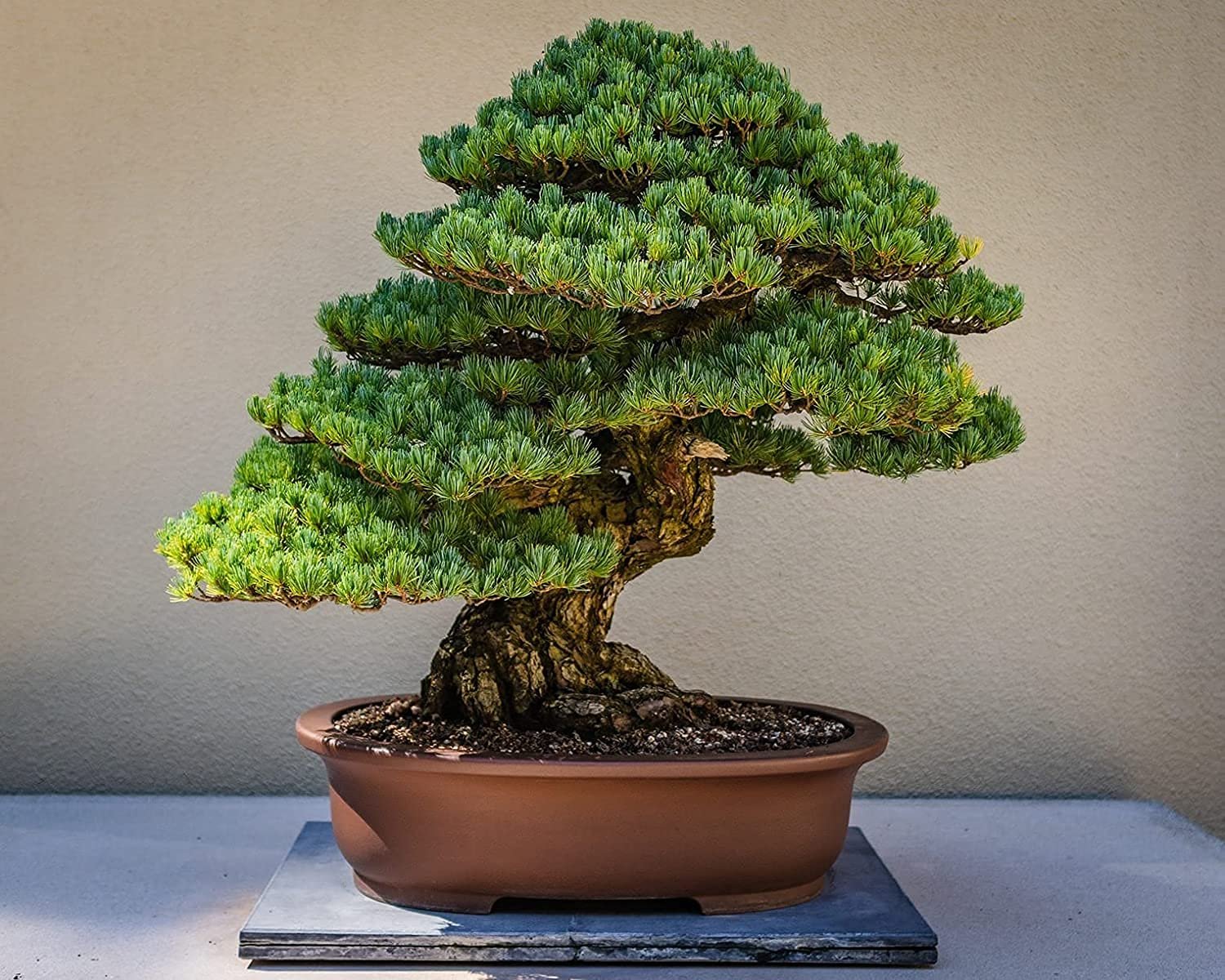
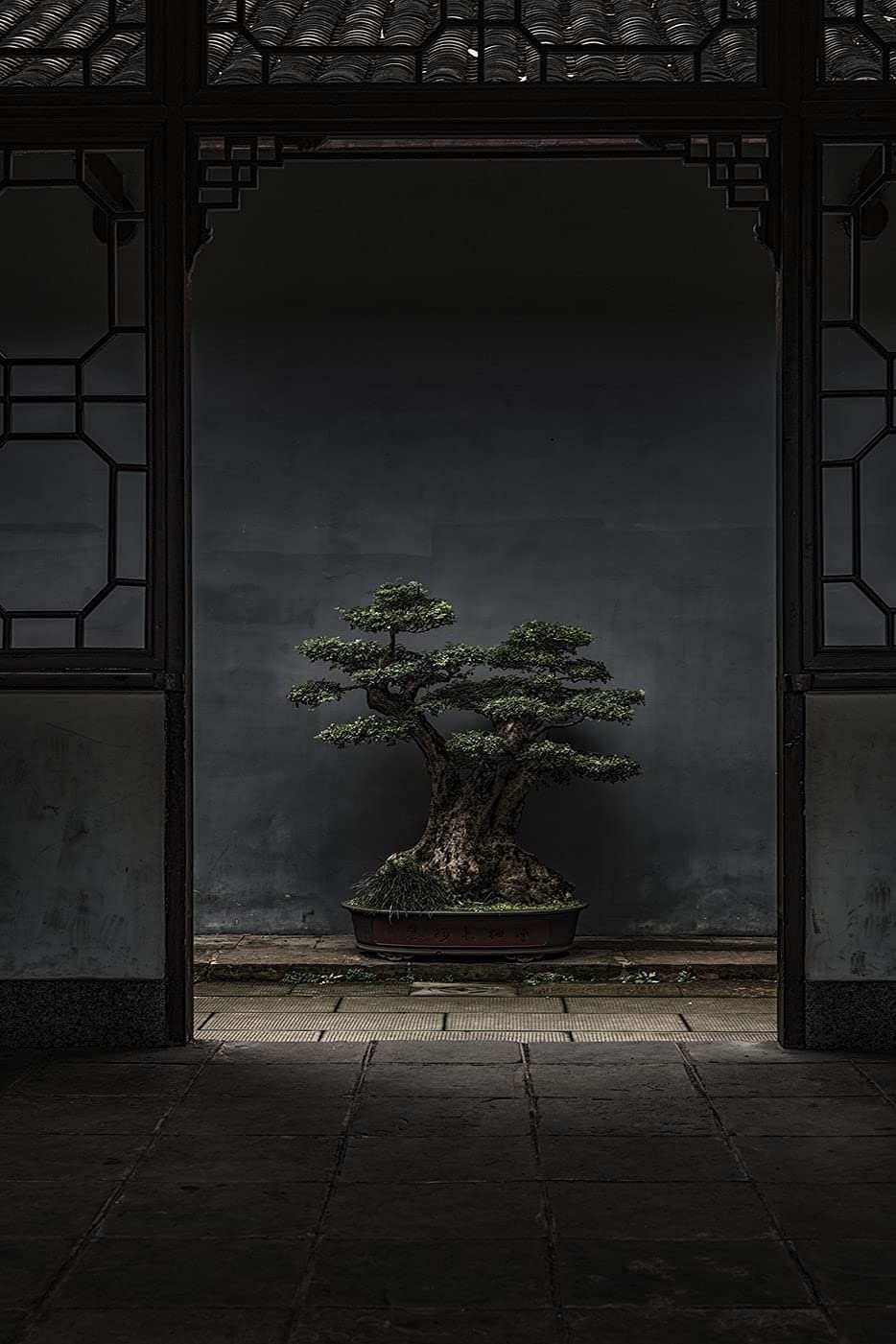
No rating yet(0 ratings)Florida Foliage's Shimpaku juniper listing is for 2 Plants in large gallon-size pots, listed as Brown under All Live Plants. SKU: sku-14525803248. UPC: 305361812652. These Juniperus chinensis trees are sold as pre-bonsai; the title associates them with harmony, balance, meditation and peace. Shimpaku is native to Japan, the Kurile Islands and the Sahalin Peninsula.
In its natural range, it often grows near the sea in rocky, well-drained soil. Young trees have needle-like foliage, while older trees have scale-like foliage and small, hard, bluish berries. Its hard, resinous wood is suited to jin, shari and sabamiki sculptural techniques.
Keep Shimpaku outdoors for natural sun and seasonal temperature changes; it tolerates a wide range of outdoor conditions but needs afternoon shade in summer. Small pots dry faster than the ground or larger pots, and more sun and warmth increase watering needs. Water deeply when needed, then allow time before watering again. Avoid both too little and too much water.
Spray the foliage often during the growing season and mist occasionally during the week to maintain humidity. A humidity tray with stones and water can help as the water evaporates, provided the water does not reach the bottom of the bonsai pot. Pinch tender new shoots with your fingers throughout the growing season; scissors can leave cut needles brown.
Prune unwanted branches, especially those growing straight down from a parent branch, when repotting or during the growing season.
Description
Description
Shipping & Returns
Shipping & Returns
Ratings and customer reviews
0 ratings
0 reviews
Share your experience
Checking your account…
No customer reviews yet. Be the first to share your experience.
Customer questions and answers
Ask about this product. Shipping, orders, and account issues belong with customer support.
Sign in or register to ask or answer.
No matching approved questions. Be the first to ask.