Autool C100 Black sku-568348771 UPC 661706281645 Kit
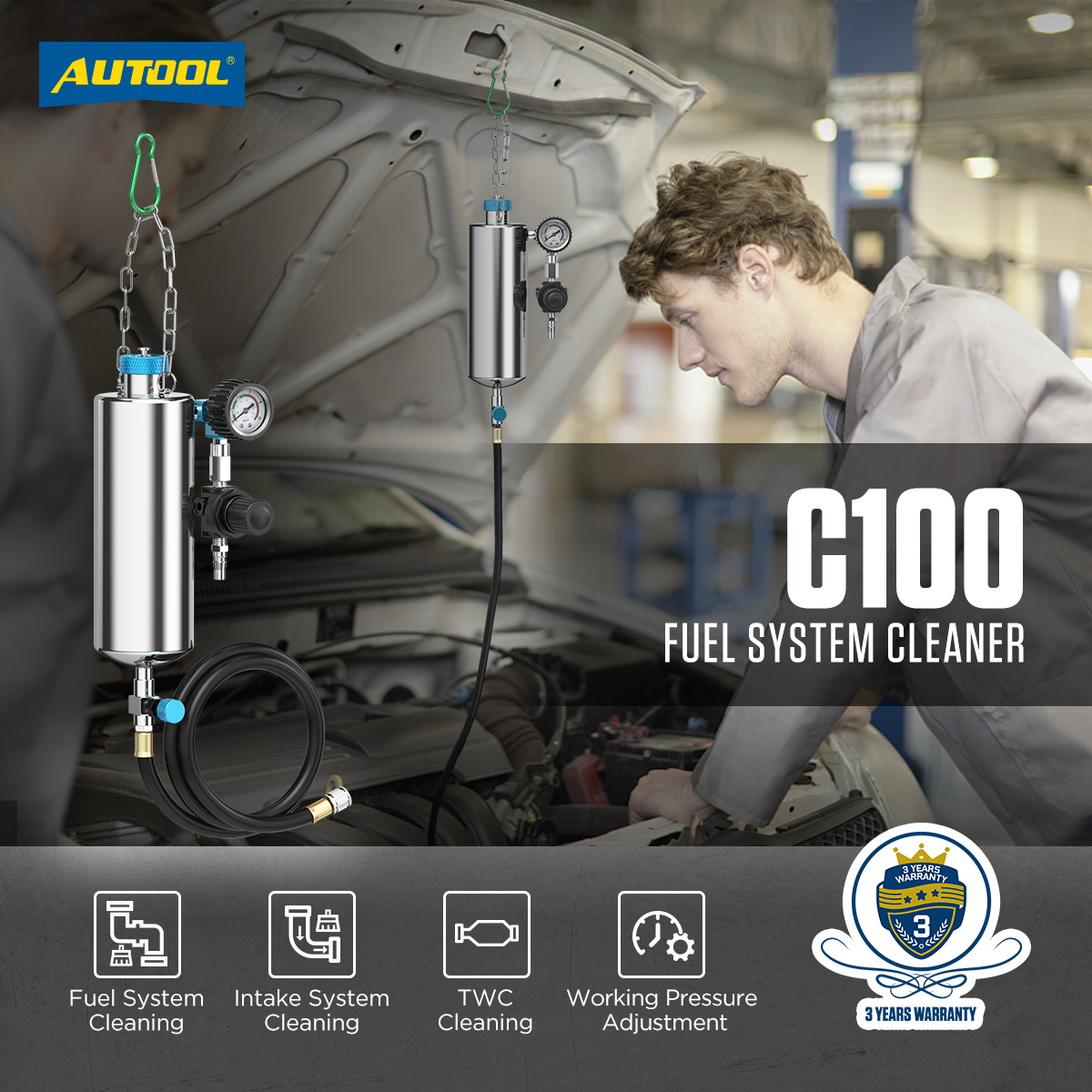
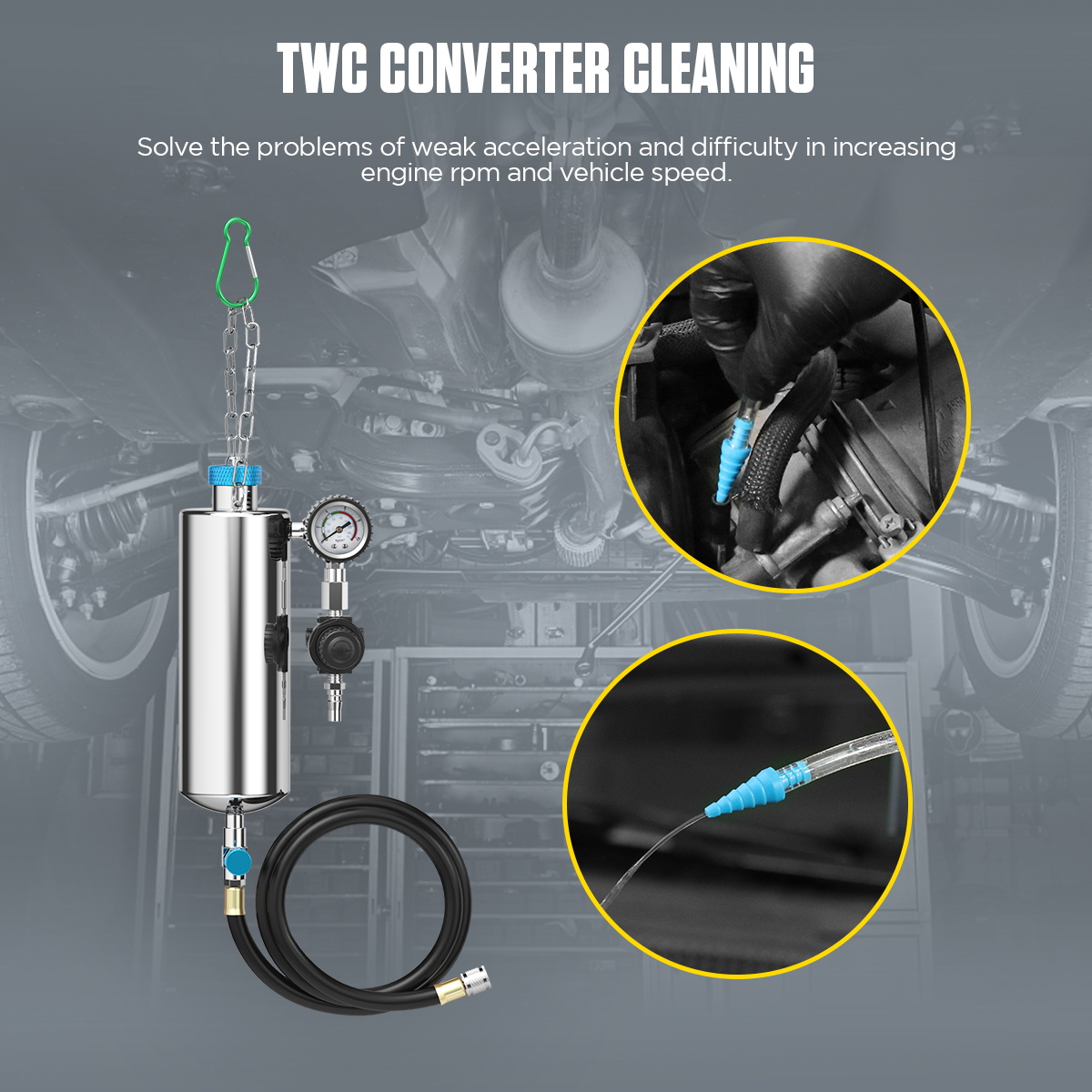
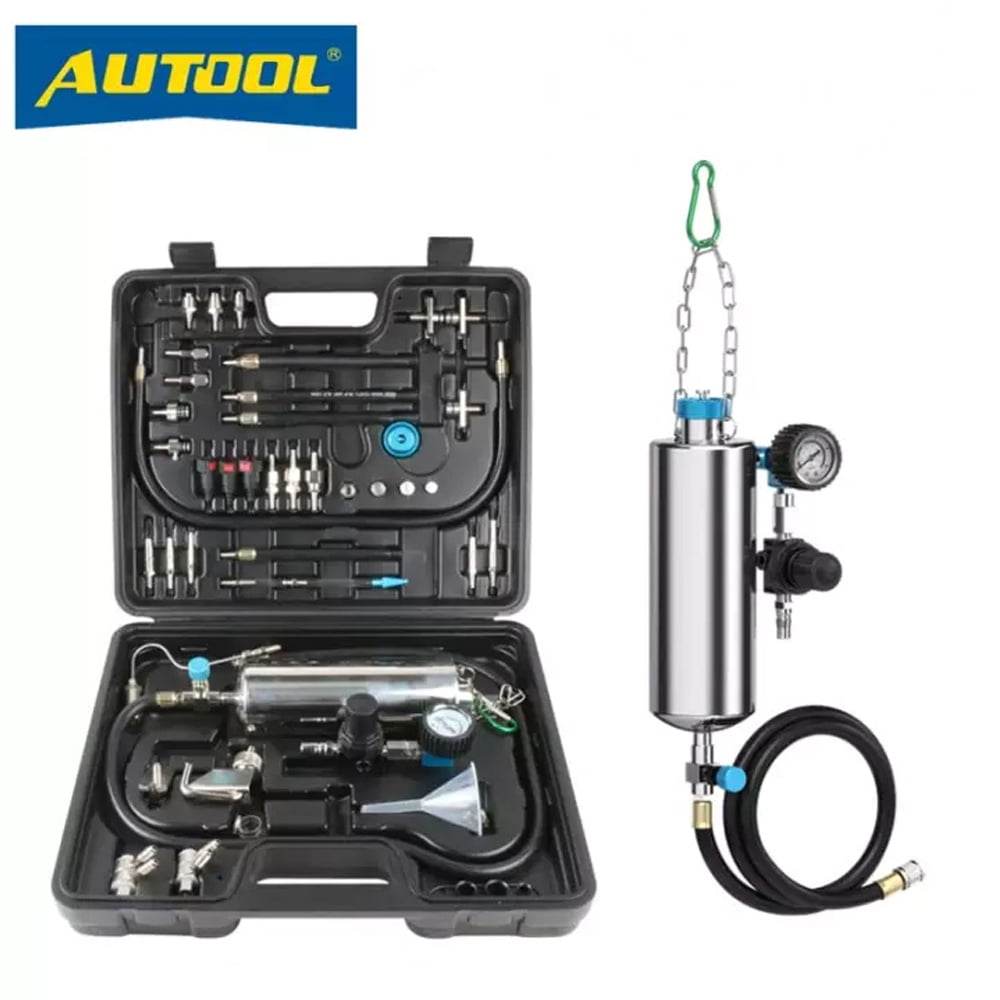
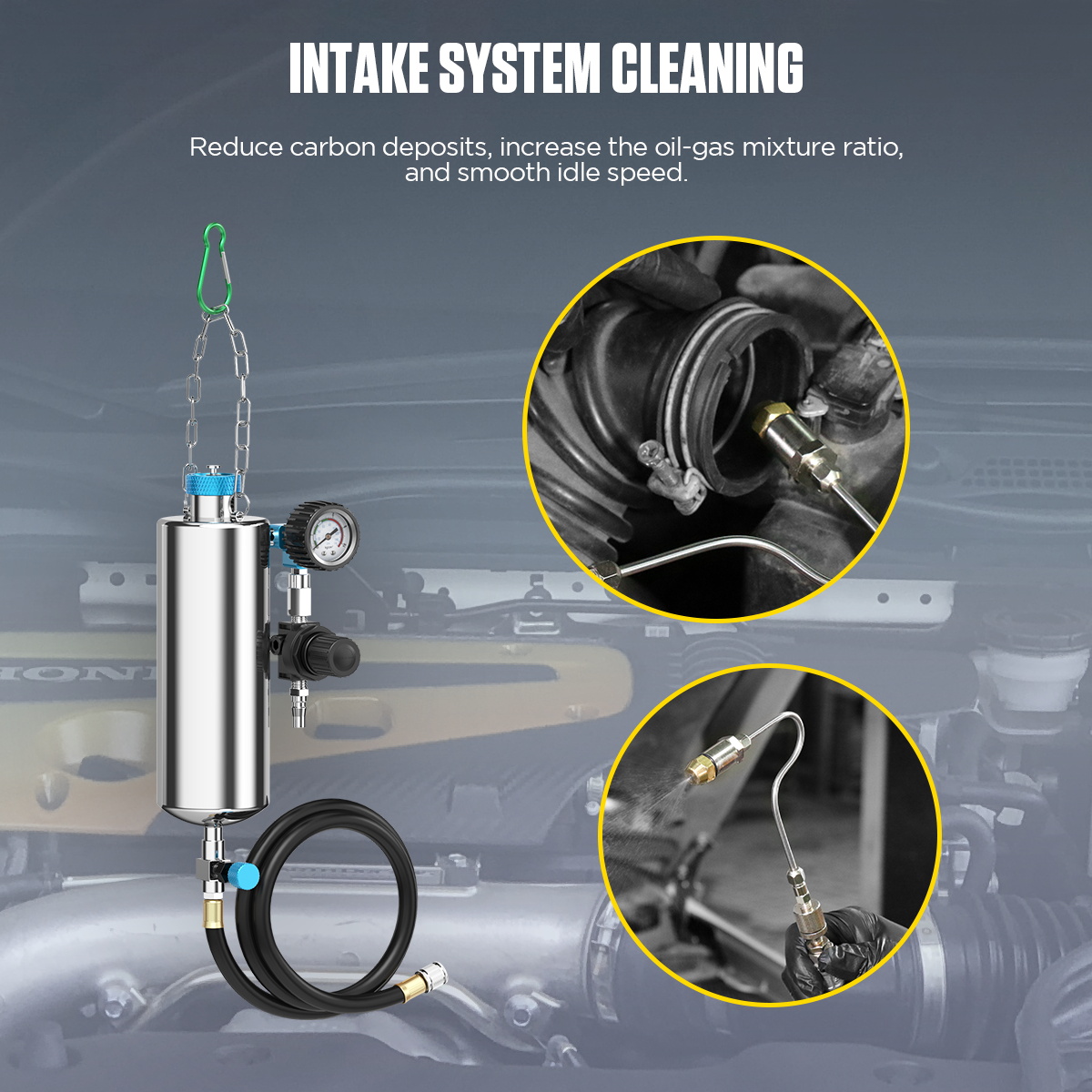
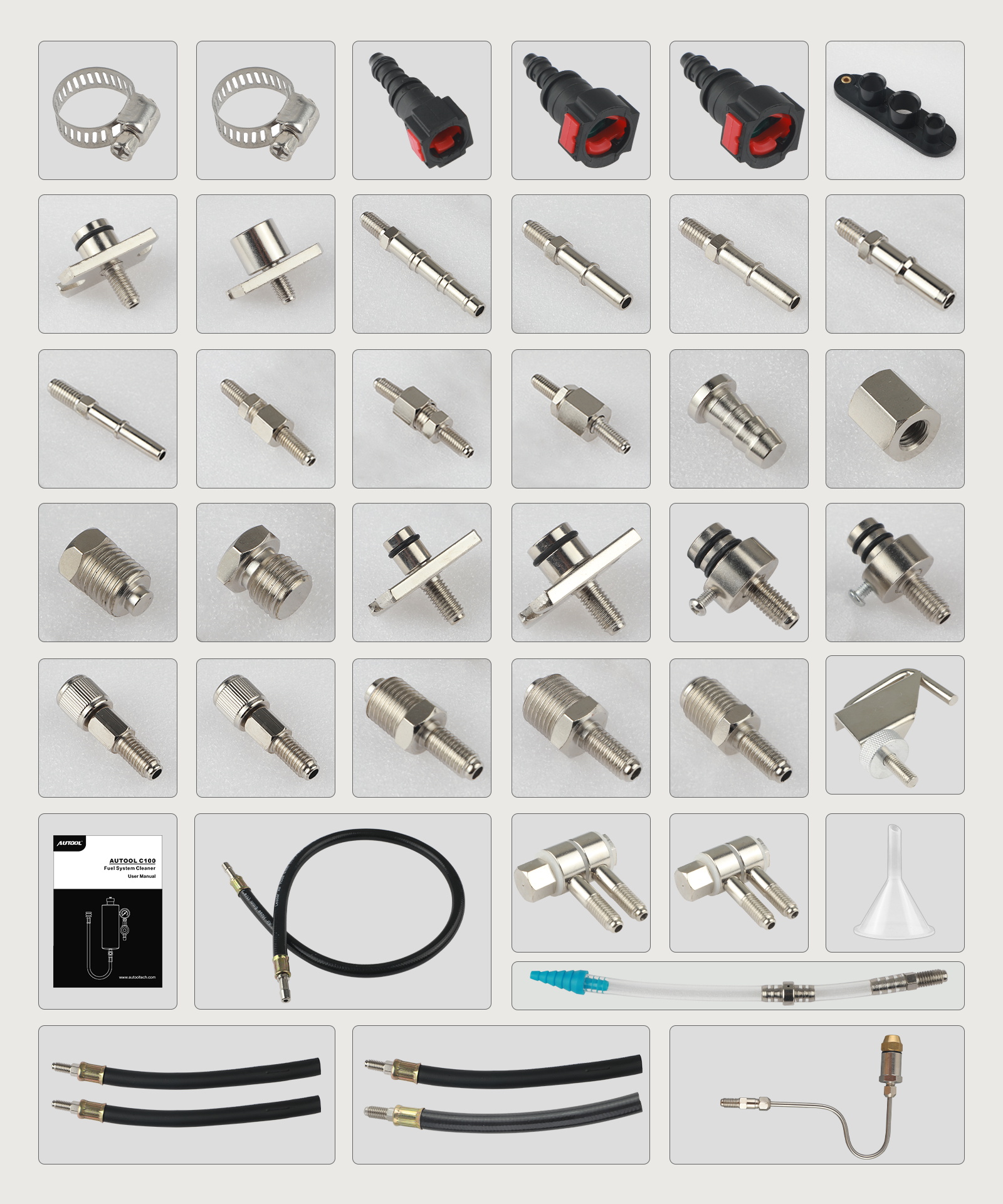
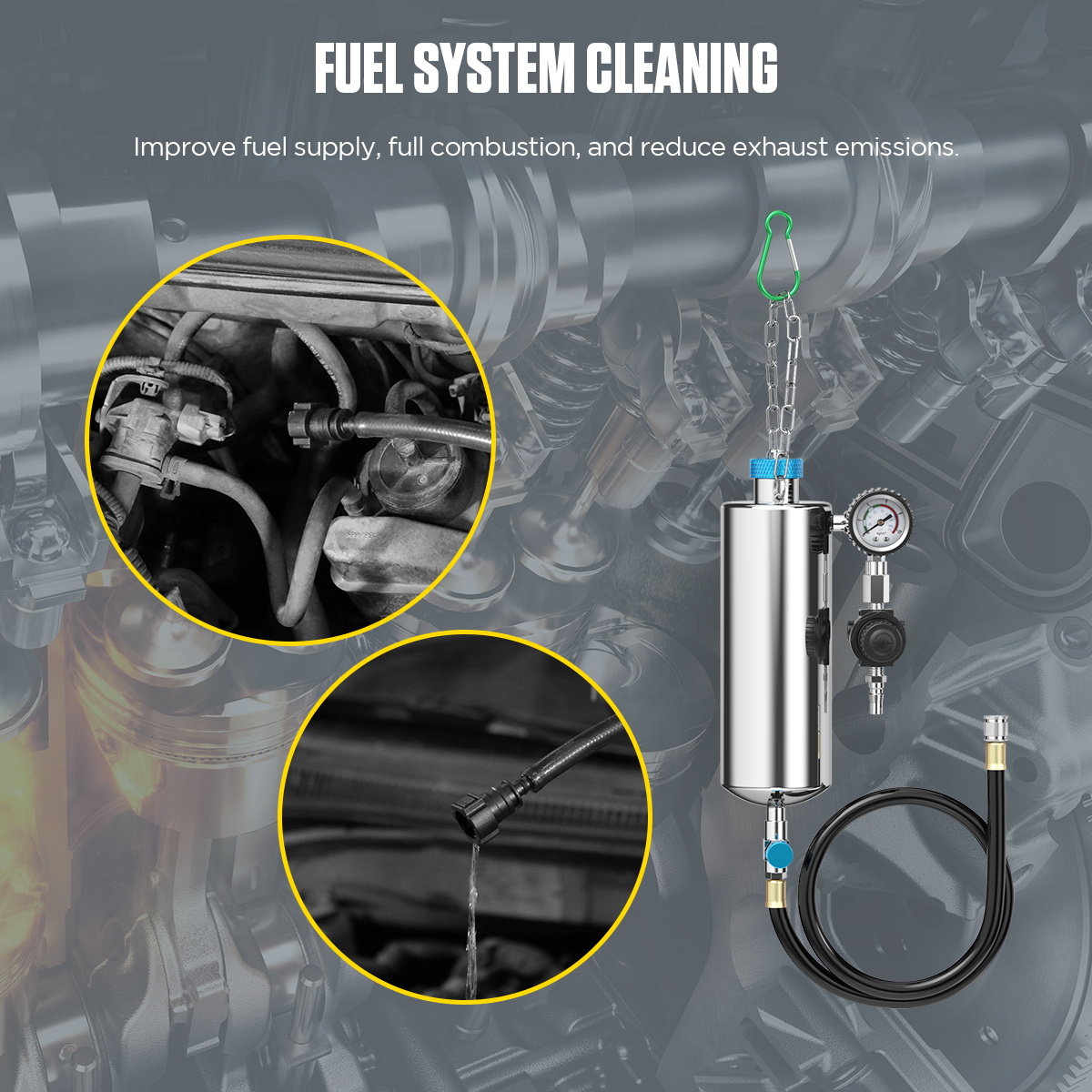
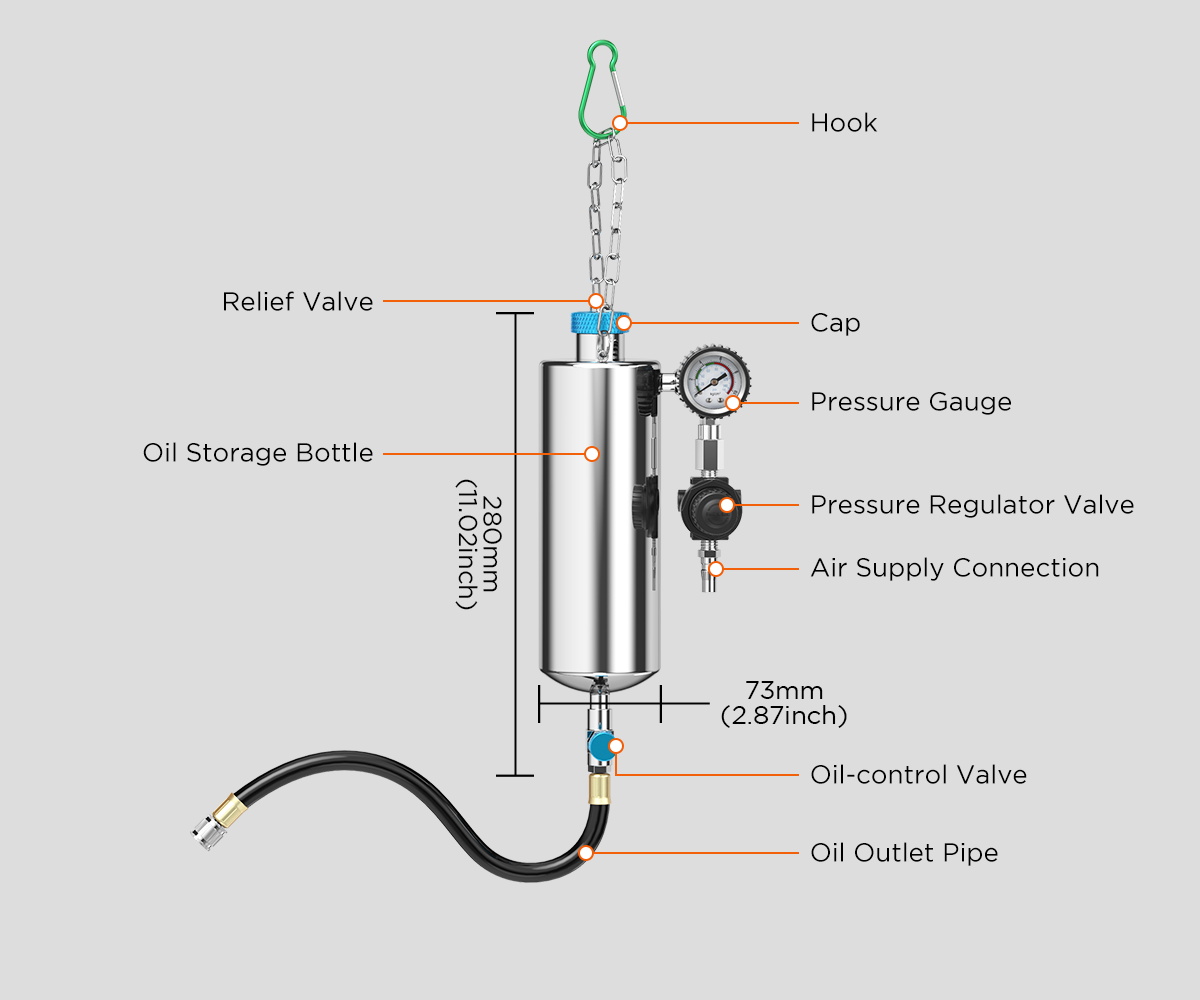
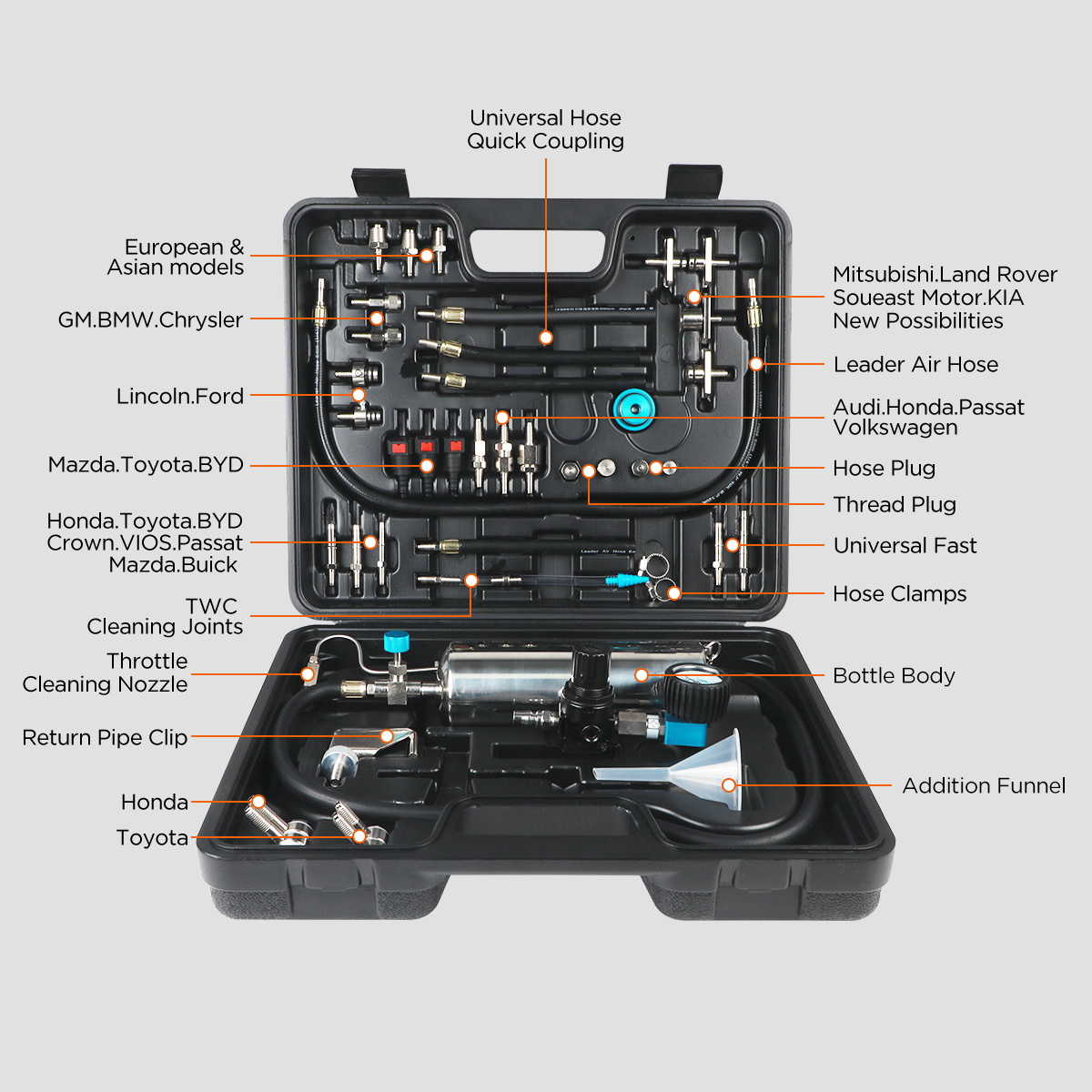
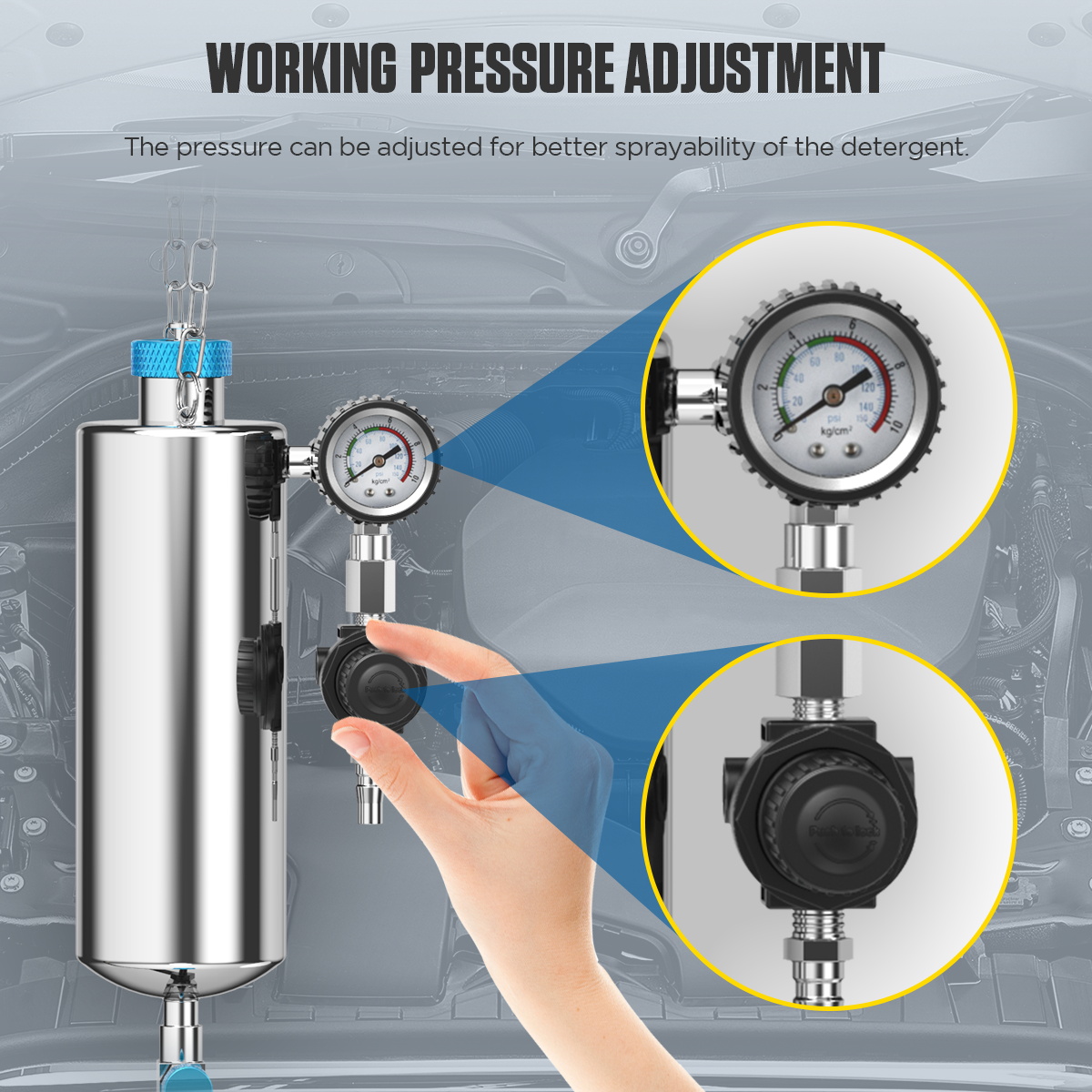
No rating yet(0 reviews)Autool C100 is a Black fuel injector cleaning kit in Engine & Powertrain Replacement Parts. Its listed size is 16.33" x 4.13" x 13.77"; SKU sku-568348771; UPC 661706281645. The kit includes adapters and a carrying case, but no cleaning fluid. It is for gasoline injectors, not diesel injectors. It cleans the fuel system without disassembly, including the throttle valve, fuel nozzle, catalytic converter, intake manifold and exhaust pipe. The stated cleaning time is about 20 minutes; the listing says it removes carbon deposits, restores power and driving performance, and reduces fuel use and exhaust emissions. The stainless steel cleaner has brass components and joints, a rubber connecting tube, a pressure gauge adjustable to 150PSI, and a canister capacity of up to 1000ML (1000ml). The listing describes the metal as scratch- and corrosion-resistant and the tube as tough and corrosion-resistant. A check valve releases gas and allows liquid to be added. The blow-molded plastic case protects the parts in storage and transport. The supplied adapters are described as suitable for almost all European, Asian and American cars and light trucks. The oil tubes are described as suitable for all cleaning fluids. For an EFI system, identify the inlet and return hoses. Disconnect and plug the return hose with an adapter, then connect the cleaner outlet to the disconnected inlet hose. Connect the fuel tank's outlet and return hoses and open the tank cap. If there is no return hose, remove the fuel pump fuse so the pump does not run. Add cleaning fluid, connect compressed air, set pressure to 40-50PSI, check for leaks, and start the engine. The inlet hose is generally larger than the return hose; the inlet side has a filter, the return side has a buffer, and an arrow shows fuel-flow direction. For a throttle-style system or carburetor, use the same connection method but set pressure to 1-5PSI. Higher pressure can damage the carburetor needle valve and send too much fuel into the combustion chamber. The manual in the product guides covers connections with and without a return hose. After fuel-system flushing, release bottle pressure, disconnect the tool, restore the pipes and check for leaks. To clean the throttle body, idle the engine until it runs steadily, then turn it off. Add cleaner to the equipment bottle, tighten the cap, hang it from the engine cover and close the outlet ball valve. Disconnect the intake pipe near the valve, restart the engine at a high idle of about 1500 rpm, fit the atomizing nozzle to the outlet pipe and place it at the air inlet. Open the valve slowly until cleaner sprays. Hold 1500 rpm during cleaning, then shut off the engine and reconnect the intake pipe. For catalytic converter cleaning, the listing describes a throttling vacuum adsorption device connected to the intake manifold, not the brake vacuum pipe. Preheat the vehicle for 5 minutes, idle the engine and open the valve slowly to feed in detergent. After 20-40 minutes, raise speed to 3000-4500RPM for a few minutes. It also describes connecting a suspension tube to the catalytic cleaning agent, inserting the equipment needle into the PCV vacuum tube, and opening the control valve so fluid drips into the window. Idle until the solution is washed through, shut off the engine, reconnect the line, then run the engine at 2000 rpm for 5-10 minutes to drain residual liquid.
Description
Description
Shipping & Returns
Shipping & Returns
Customer ratings and reviews
0 reviews
Share your experience
Checking your account…
No customer reviews yet. Be the first to share your experience.
Customer questions and answers
Ask about this product. Shipping, orders, and account issues belong with customer support.
Sign in or register to ask or answer.
No matching approved questions. Be the first to ask.